

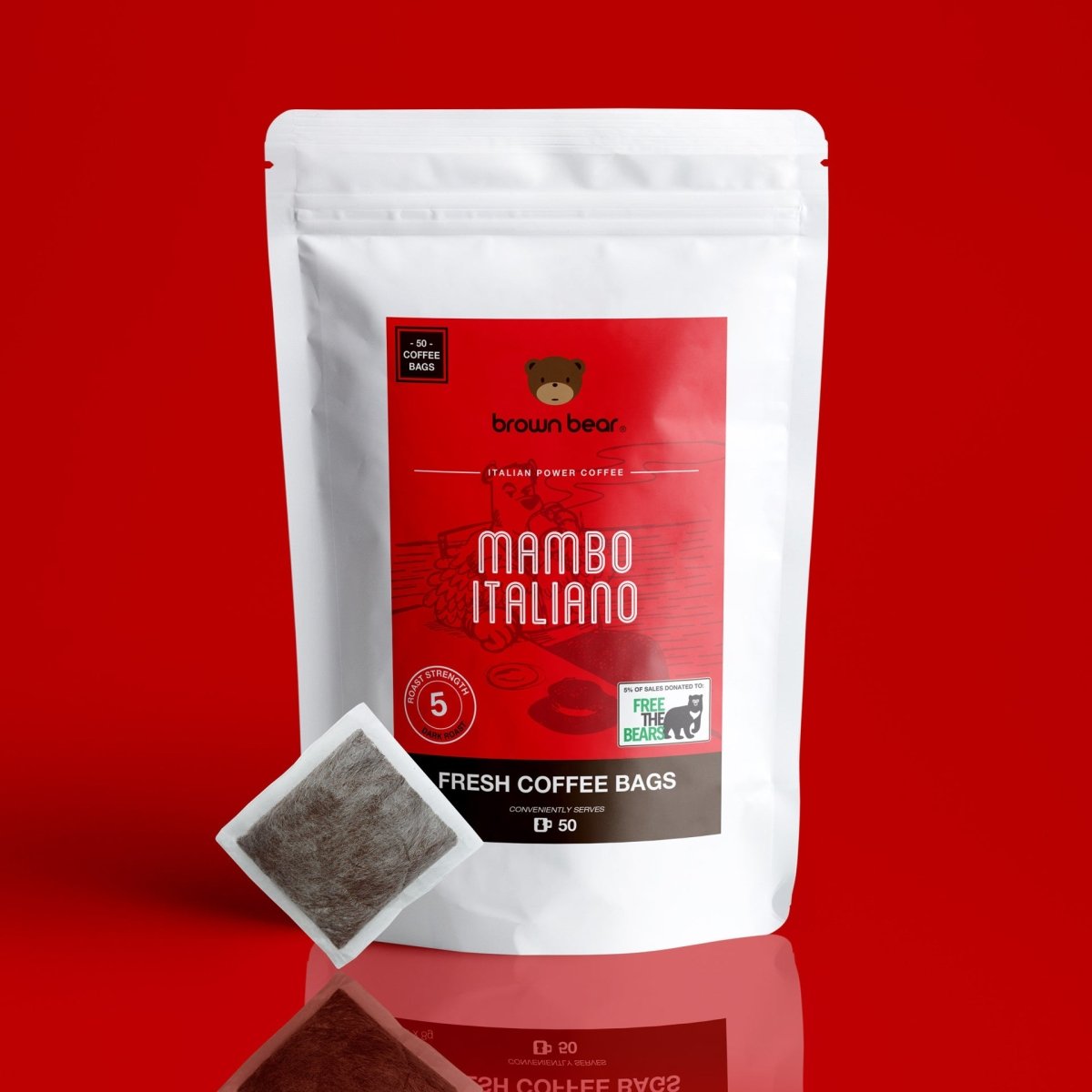
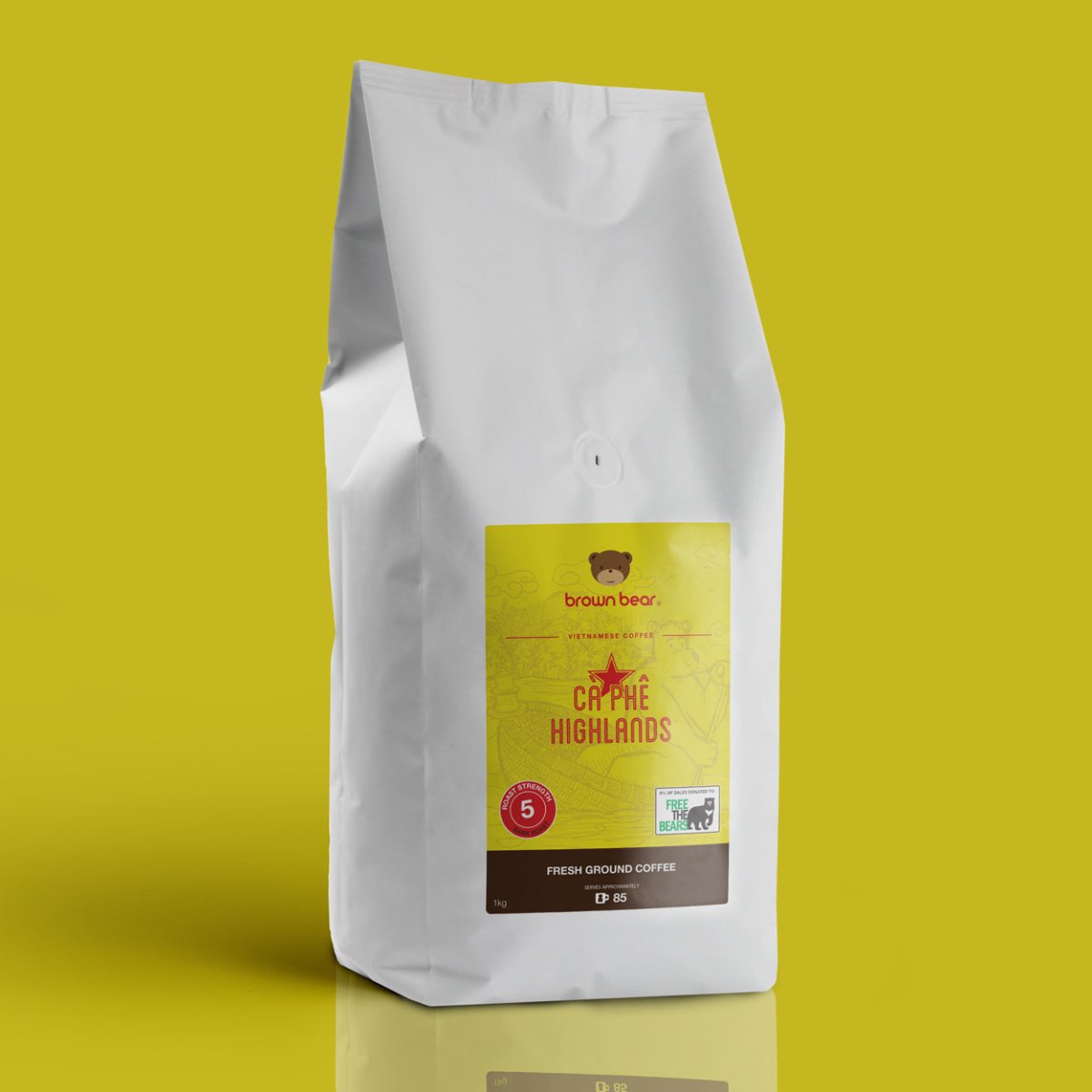




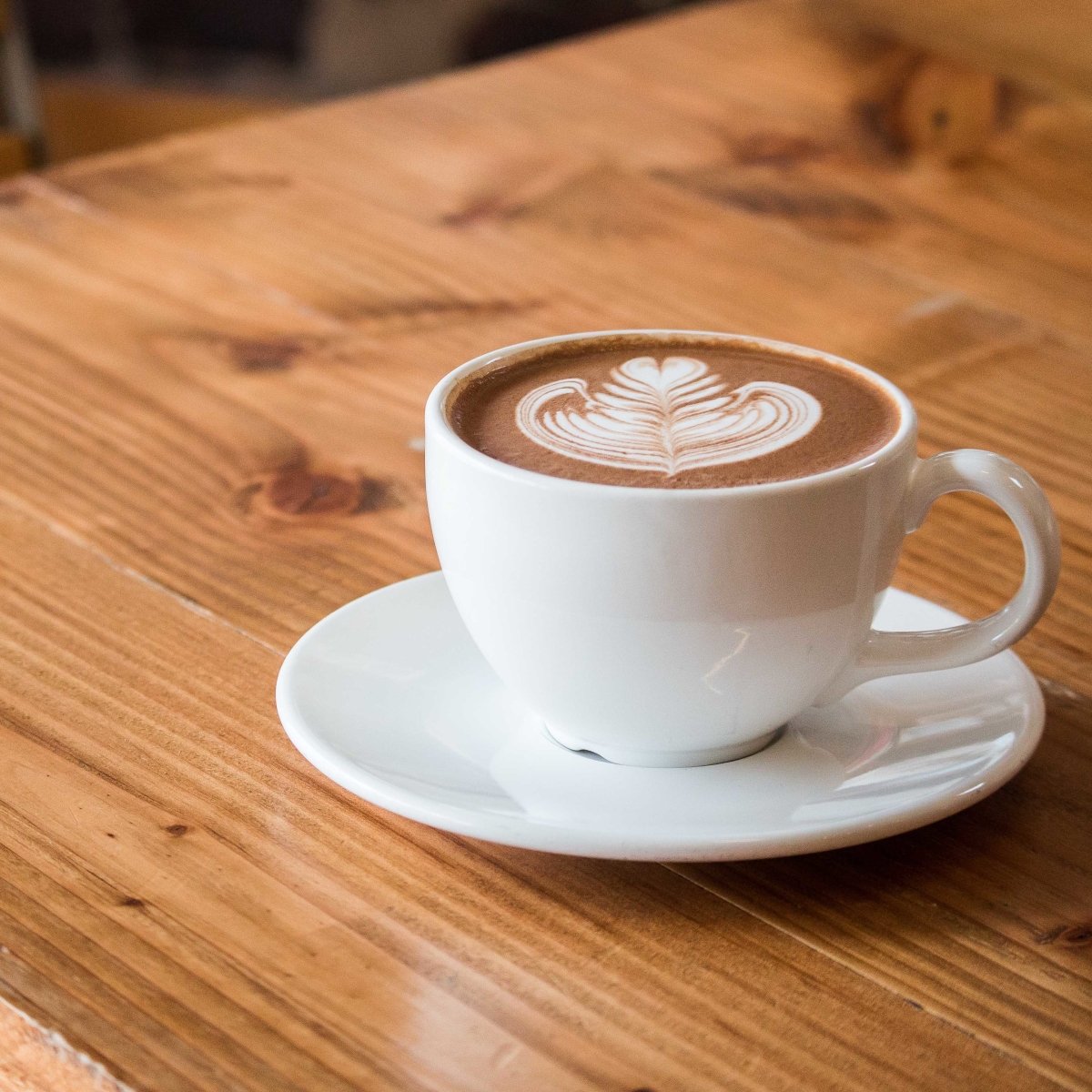

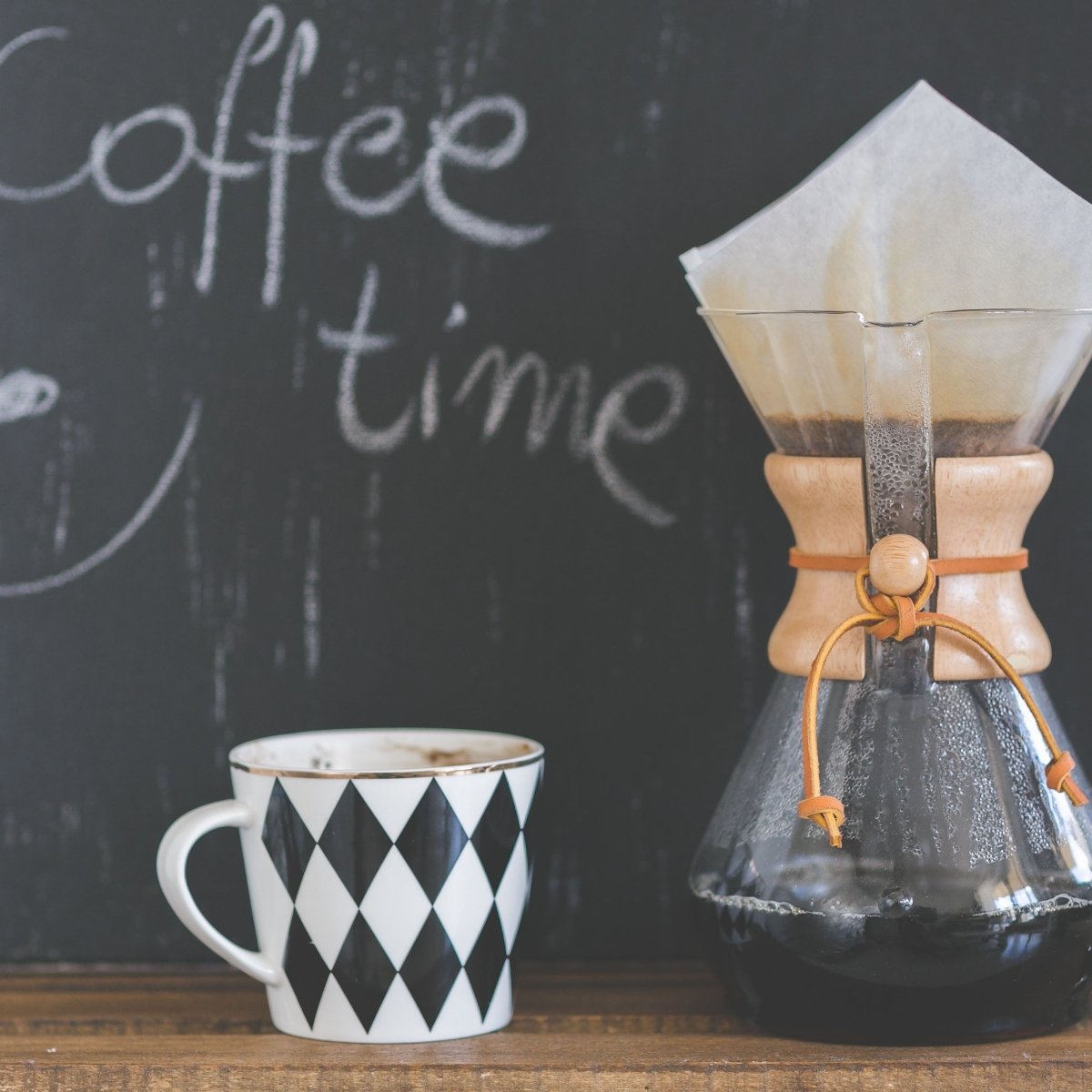



A dark roast is the coffee many people reach for when they want a cup that tastes properly coffee-forward: deep, intense, warming and satisfying with milk or on its own. The real dark roast benefits go beyond bold flavour, though. From a gentler-tasting cup for some drinkers to a dependable choice for espresso, cafetières and busy weekday mornings, a well-roasted dark coffee earns its place in the cupboard.
That does not mean dark is automatically better than light or medium roast. Every roast level brings something different to the mug. The trick is knowing what dark roast does well, what the health headlines really mean, and how to brew it so its rich character comes through without bitterness taking over.
Dark roast benefits for flavour and everyday brewing
Dark roast beans spend longer in the roaster than light or medium beans. During that extra time, more of the bean's natural sugars brown and the roast develops notes associated with dark chocolate, toasted nuts, caramel, molasses and spice. The origin still matters, but the roast profile takes centre stage more than it does in a delicate light roast.
For everyday coffee drinkers, that delivers a very practical benefit: consistency. Dark roast has a clear flavour identity. If you like a full-bodied coffee with a satisfying finish, it is easier to know what you are getting, whether you make it in a bean-to-cup machine before work or brew a cafetière at the weekend.
It is also especially forgiving with milk. A splash of dairy or an oat alternative can soften brighter, lighter coffees until some of their detail disappears. Dark roast has enough body and depth to stay present in a flat white, latte or large mug of coffee. That makes it a sensible household choice when everyone takes their brew differently.
A strong fit for espresso and cafetières
Dark coffees are popular for espresso because the roast-led flavours can remain rounded and full even in a short, concentrated shot. Expect a heavier mouthfeel and less sharp fruit acidity than you might find in a lighter espresso roast. It can make a very good base for cappuccinos and americanos too.
In a cafetière, dark roast's chocolatey, nutty character comes through particularly well. Use water just off the boil rather than aggressively boiling water, and avoid brewing for too long. Four minutes is a helpful starting point. If the result tastes dry or ashy, try a slightly coarser grind or a shorter steep before assuming the beans are not for you.
Dark roast can work in a filter machine and drip brewer as well, particularly for those who prefer a classic, rich cup. It is less often chosen by people seeking floral, citrus or tea-like notes, but that is a matter of taste rather than quality.
Is dark roast coffee lower in acidity?
This is one of the most talked-about dark roast benefits, and it needs a little context. Dark roast coffee is often perceived as less acidic because roasting changes the balance of compounds in the bean. The bright, tangy sensation associated with acidity is generally lower, while darker, sweeter-bitter flavours are more prominent.
For some people, this makes dark coffee feel smoother or kinder on the stomach. But perceived acidity and actual pH are not exactly the same thing, and coffee affects people differently. Brew method, serving size, what you have eaten and whether you add milk can all change how a coffee feels.
If coffee regularly causes discomfort, switching from a light roast to a dark roast may be worth trying, preferably with a moderate-strength brew. It is not a guaranteed fix for reflux or other digestive concerns. Anyone managing a medical condition should follow advice from a healthcare professional rather than treating roast level as a remedy.
Dark roast benefits and antioxidants: what the evidence suggests
All roasted coffee contains bioactive compounds, including antioxidants. These compounds are widely studied because they may help protect cells from oxidative stress as part of an overall balanced diet. Coffee is a meaningful source of these compounds for many regular drinkers.
Roasting changes the mix. Some naturally occurring chlorogenic acids reduce as the roast gets darker, while new compounds form through the roasting process. Dark roast coffee contains more of some of these roasting compounds, including N-methylpyridinium, which has been studied for its potential effect on the stomach's antioxidant defences.
The useful takeaway is simple: dark roast is not nutritionally empty just because it has been roasted for longer. It can still contribute antioxidants to your routine. At the same time, it is not a health product in disguise. The broader evidence around coffee is strongest when it is enjoyed sensibly, without turning every cup into a dessert-sized drink loaded with syrup, cream and sugar.
There is another point worth knowing. Darker roasting tends to reduce acrylamide, a compound that forms naturally during roasting. This does not make dark roast a free pass to drink limitless coffee, but it is one reason roast level can change more than flavour alone.
Does dark roast have more caffeine?
Not necessarily. The idea that darker beans always mean stronger caffeine is one of coffee's most persistent myths. A dark roast tastes stronger because its flavours are more intense and roast-led, but taste and caffeine are different things.
Caffeine changes only slightly during roasting. The bigger factor is how you measure your coffee. Dark-roasted beans are less dense than light-roasted beans. If you measure by scoop, you may use fewer grams of dark beans, which can mean a little less caffeine in the cup. If you weigh the same dose in grams, the caffeine difference between comparable coffees is usually small.
Your brew method matters far more. A large filter coffee can contain more caffeine overall than a single espresso simply because it uses more water and often more coffee. If you want to moderate caffeine, look at your portion size, the number of cups you drink and whether a decaf option would suit part of your day.
Choosing a dark roast you will genuinely enjoy
Not all dark coffees taste alike. A quality dark roast should be bold without tasting burnt, smoky for the sake of it, or harshly bitter. Some coffees lean towards cocoa and roasted hazelnut; others have dark caramel, spice or a gentle fruit note underneath. Origin, bean variety and roasting skill all shape the final cup.
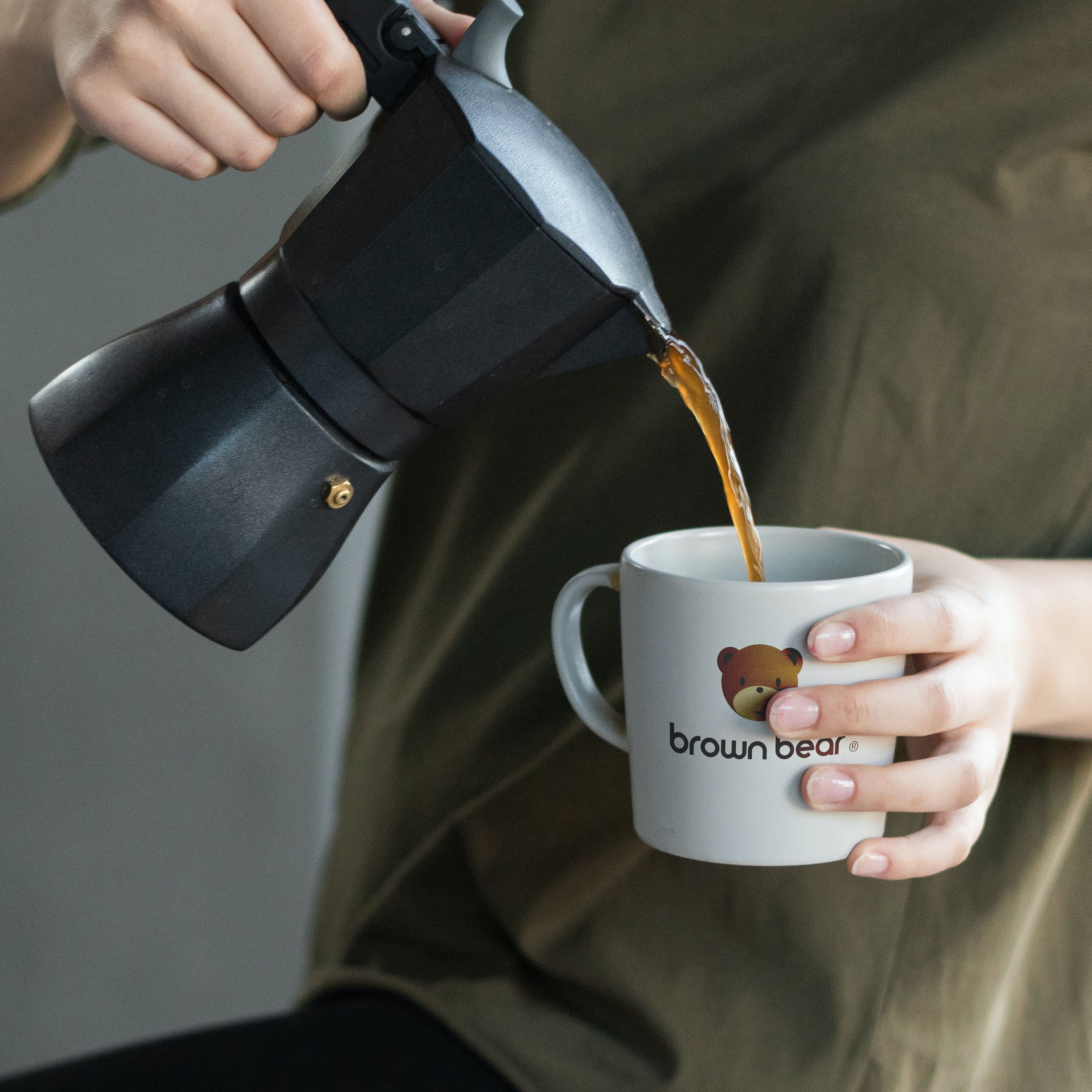
Start with how you brew. For espresso or a bean-to-cup machine, choose whole beans and grind just before brewing where possible. For cafetières, filter machines or a moka pot, select a grind suited to your equipment, or buy ground coffee in a format that removes the extra step from your morning.
Then think about intensity. If you are moving from a medium roast, a standard dark roast may give you the fuller flavour you want without going straight to the darkest profile available. If you already enjoy bitter dark chocolate, strong espresso or coffee with plenty of milk, an ultra-dark option could be a natural next move.
Freshness is equally important. Keep beans or ground coffee in an airtight container, away from heat and direct sunlight. Buying a sensible amount for your household, rather than a huge bag that lingers for months, is one of the easiest ways to improve every cup. A flexible repeat order can help keep a favourite roast on hand without overstocking the kitchen.
How to avoid bitterness in dark roast coffee
Dark roast has a natural bitter edge, but excessive bitterness usually points to brewing rather than the roast alone. Water that is too hot, a grind that is too fine, or an overlong extraction can pull out unpleasant flavours. In espresso, a shot that runs too slowly is a common culprit. In a cafetière, leaving the coffee sitting with the grounds after plunging can make the final mug taste heavy and harsh.
Use freshly drawn water, a clean brewer and a measured dose of coffee. If your cup tastes too bitter, make one adjustment at a time: grind a touch coarser, reduce the brew time or lower the water temperature slightly. If it tastes thin or sour, go a little finer or extend the extraction. Small changes make a noticeable difference.
Dark roast is at its best when it delivers what it promises: powerful flavour, comforting depth and a cup that suits the way you actually drink coffee. Choose the roast that fits your routine, brew it with a little care, and let your taste buds make the final call.

