









The best sustainable coffee brands make your morning cup feel better for more than one reason. Great flavour still comes first, but it should sit alongside fairer sourcing, clear information about where beans come from, and practical action on waste, packaging and carbon.
Coffee is a global product with a long supply chain. Beans may be grown by smallholder farmers, processed locally, exported across continents, roasted in the UK and delivered to your door. That means there is no single badge that makes a coffee fully sustainable. The better brands are honest about the parts they can control, and specific about the work still to do.
What makes a coffee brand sustainable?
Sustainability is not just about a recyclable bag. Packaging matters, especially if you buy coffee regularly, but it is only one part of the picture. A genuinely considered coffee brand looks at the farm, the people behind the beans, its roasting and delivery choices, and the life of the product after you have brewed it.
Fairer trade and traceable sourcing
The strongest starting point is traceability. Can the roaster tell you the country, region, co-operative or farm behind the coffee? Do they explain how they buy it and what farmers receive? Certifications such as Fairtrade, Rainforest Alliance and Organic can be useful signals, while direct-trade relationships can offer greater detail. Neither route is automatically perfect, so look for explanation rather than a logo alone.
Better farming practices
Coffee farming can support biodiversity when growers use shade trees, protect soil health and manage water carefully. It can also place pressure on land when demand encourages intensive cultivation. Brands cannot always show every farm practice on a product page, but the best ones share enough sourcing information for you to ask sensible questions.
Packaging and delivery that fit real life
Coffee needs protection from air, light and moisture, so the most eco-friendly-looking pack is not always the best pack if it leaves beans stale. Check whether a brand uses recyclable, compostable or lower-plastic packaging, then check what your local council actually accepts. Buying a larger bag, building a box or setting up a flexible subscription can also reduce repeat deliveries and help prevent last-minute supermarket runs.
Long-term action, not a perfect claim
Be cautious when a brand simply says it is “eco-friendly”. Better signs include published targets, named charity partners, impact reporting, donation totals, certified operations or detailed sourcing notes. Sustainability involves trade-offs, and a brand that acknowledges them is usually more useful than one promising a flawless cup.
10 best sustainable coffee brands to consider
There is no universal winner because your best choice depends on flavour, budget, brewing method and the values you want your weekly shop to support. These UK-friendly names are a strong place to start researching. Before ordering, check each brand’s current sourcing and packaging information, as policies and ranges can change.
1. Cafédirect
Cafédirect has long been one of the most recognisable names for shoppers who want coffee with a producer-focused story. It is a straightforward option for everyday drinking, with accessible blends and decaf alongside its commitment to working with coffee-growing communities. Look at its current impact information if farmer ownership and long-term producer support are high on your list.
2. Union Hand-Roasted Coffee
Union is a good pick for drinkers who want speciality coffee without losing sight of sourcing. The roaster is known for sharing producer information and offering a broad range of single origins and blends. It suits someone happy to explore different flavour notes while wanting more visibility than a generic supermarket label normally provides.
3. Ozone Coffee Roasters
Ozone appeals to coffee fans who enjoy seasonal coffees and want to know more about how they were bought. Its range often gives home brewers plenty of choice, from espresso-ready profiles to lighter, fruit-forward coffees. This is one to consider if you like trying changing lots rather than sticking to the same blend all year.
4. Pact Coffee
Pact is built around delivering freshly roasted coffee directly to regular drinkers. Its subscription-led model can work well for busy households because it makes repeat ordering simple and gives you room to adjust frequency. Check the individual coffee pages for the producer and sourcing detail that matters most to you.
5. Origin Coffee
Origin is a natural choice for enthusiasts who enjoy a more expressive cup and are prepared to pay for carefully selected lots. It offers a clear route into seasonal single-origin coffee, with plenty for filter brewers and espresso drinkers alike. The trade-off is that lighter, more distinctive coffees may not suit someone who only wants a bold traditional roast.
6. Redemption Roasters
Redemption Roasters adds a social angle to the usual sustainability conversation through its training and employment work. If your definition of a better purchase includes creating opportunities as well as considering environmental impact, it is well worth a look. Its coffees cover approachable options for daily brewing, not just niche tasting experiences.
7. Grind
Grind is particularly relevant if coffee pods are part of your routine. Single-serve coffee can be convenient, but the waste question deserves attention, so look closely at the material, disposal instructions and the coffee itself before choosing any pod brand. Grind also offers whole-bean and ground options for households moving between methods.
8. Rave Coffee
Rave is a practical option for shoppers who want plenty of roast choices and regular coffee delivered without making the process complicated. A varied range makes it easier to match the coffee to your machine, whether that is a bean-to-cup machine, cafetière or espresso set-up. As with any roaster, compare the transparency of individual lines rather than assuming every coffee has the same sourcing model.
9. Volcano Coffee Works
Volcano Coffee Works is worth considering for its focus on coffee quality alongside a stated social purpose. It is a good fit for people who prefer buying from a roaster with a clear mission and a capable everyday range. Start with the flavour profile you enjoy, then read the current details behind the coffee so purpose and taste line up.
10. Brown Bear Coffee
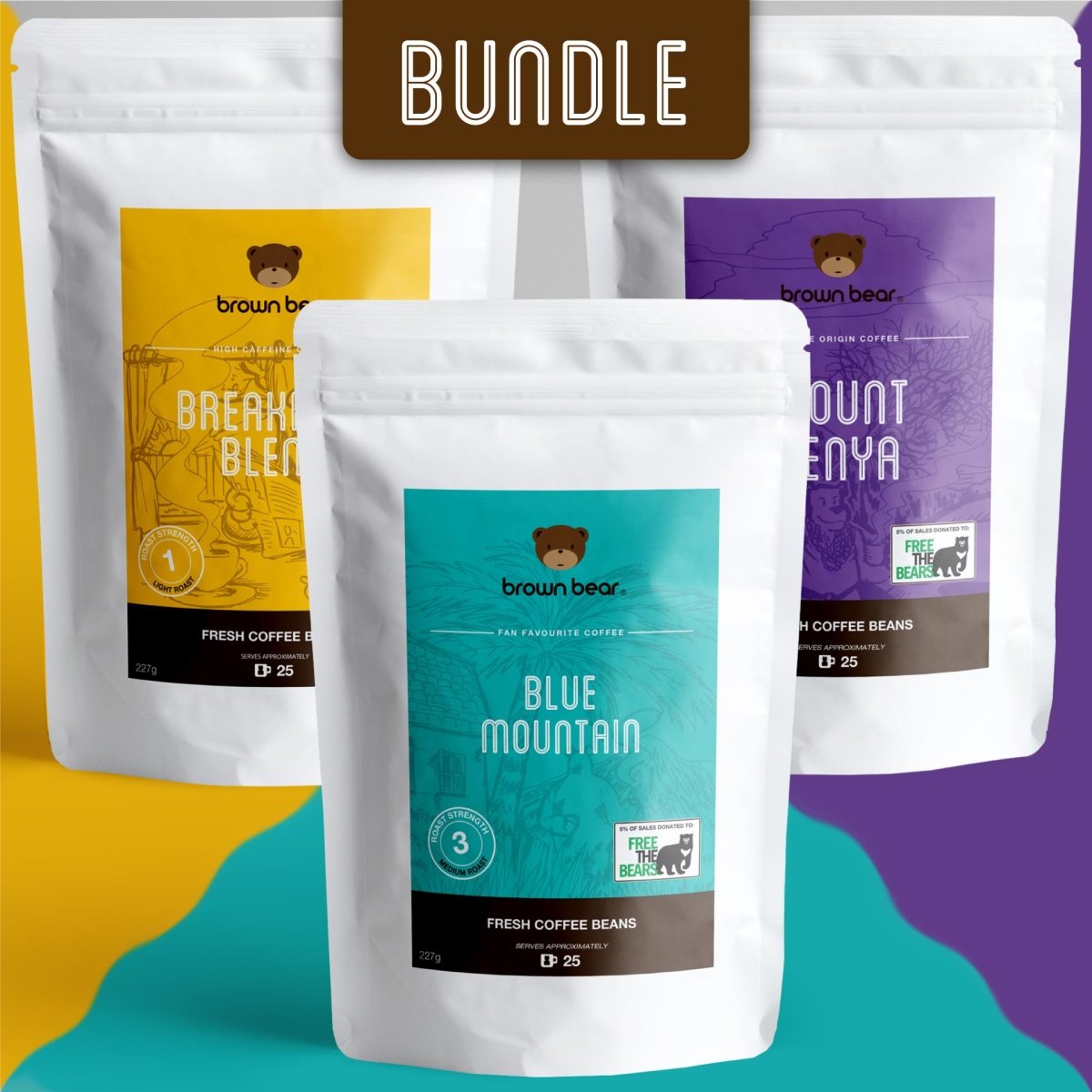
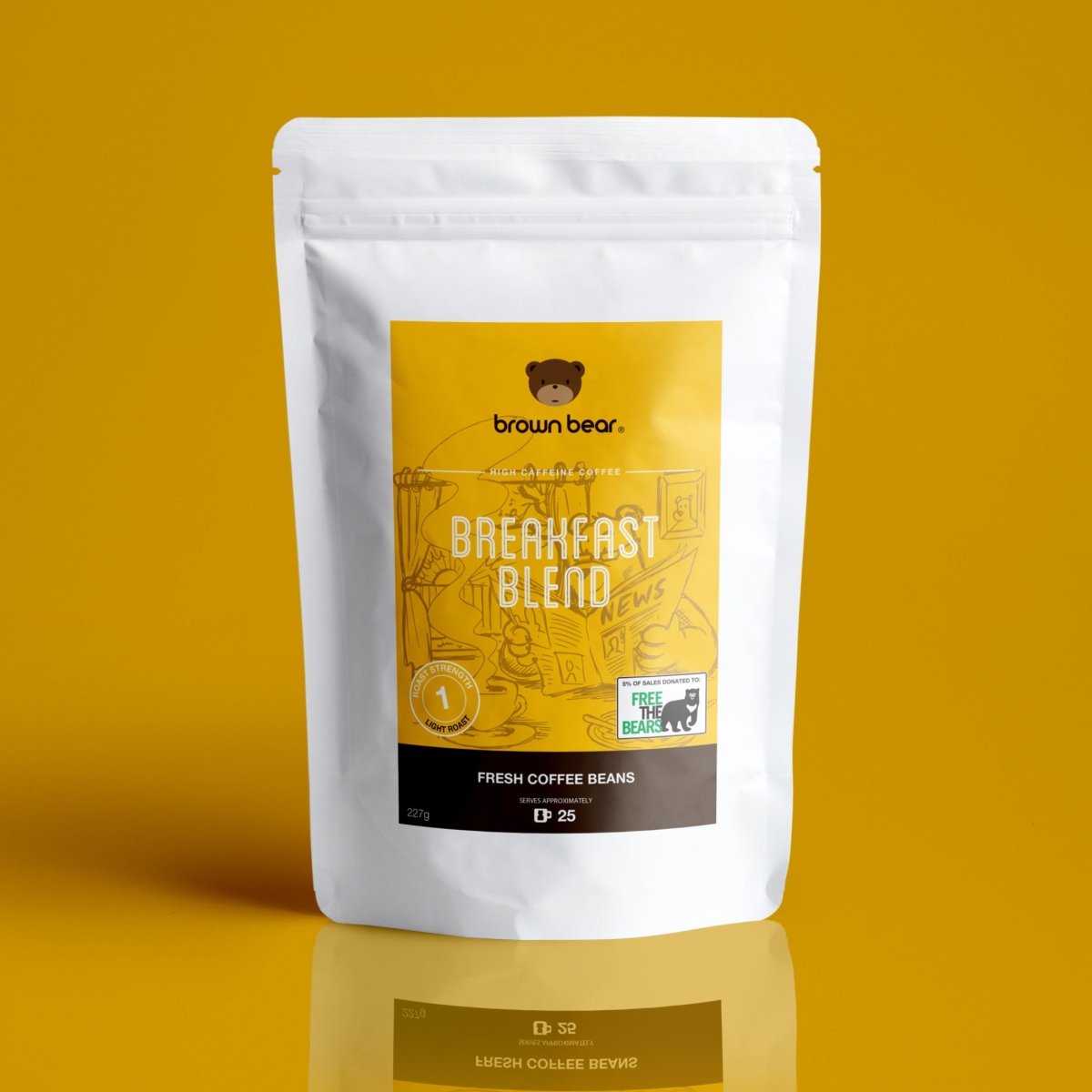
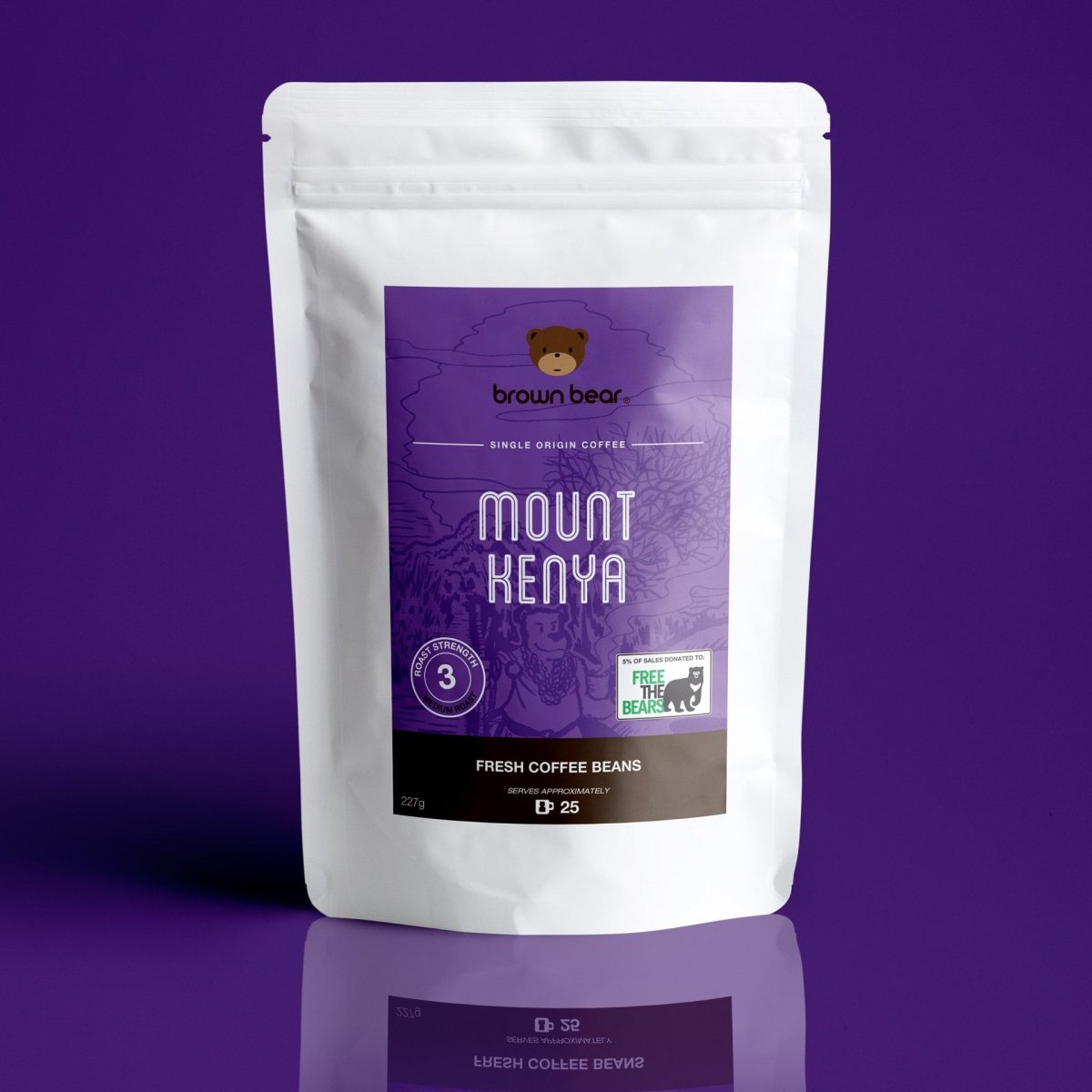
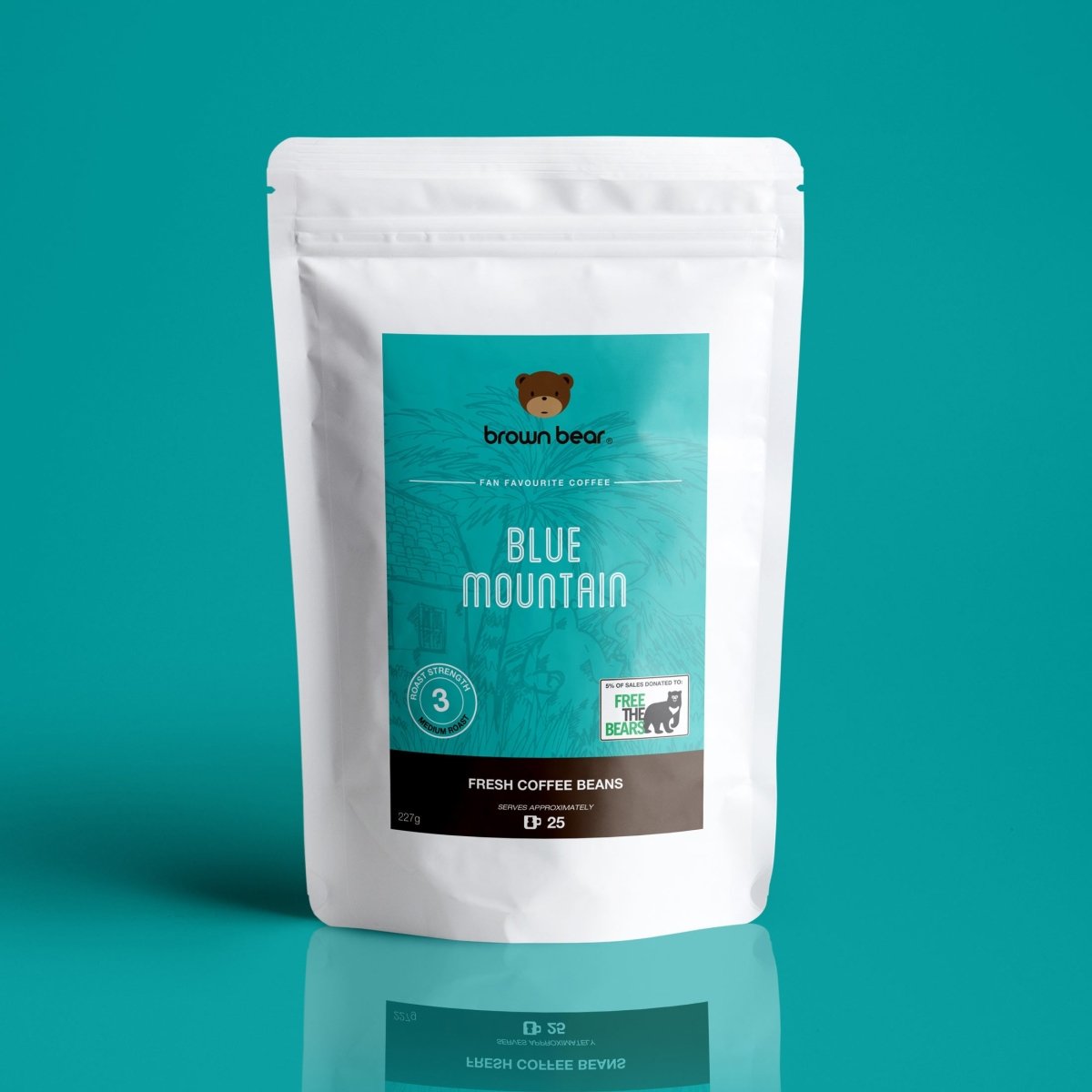
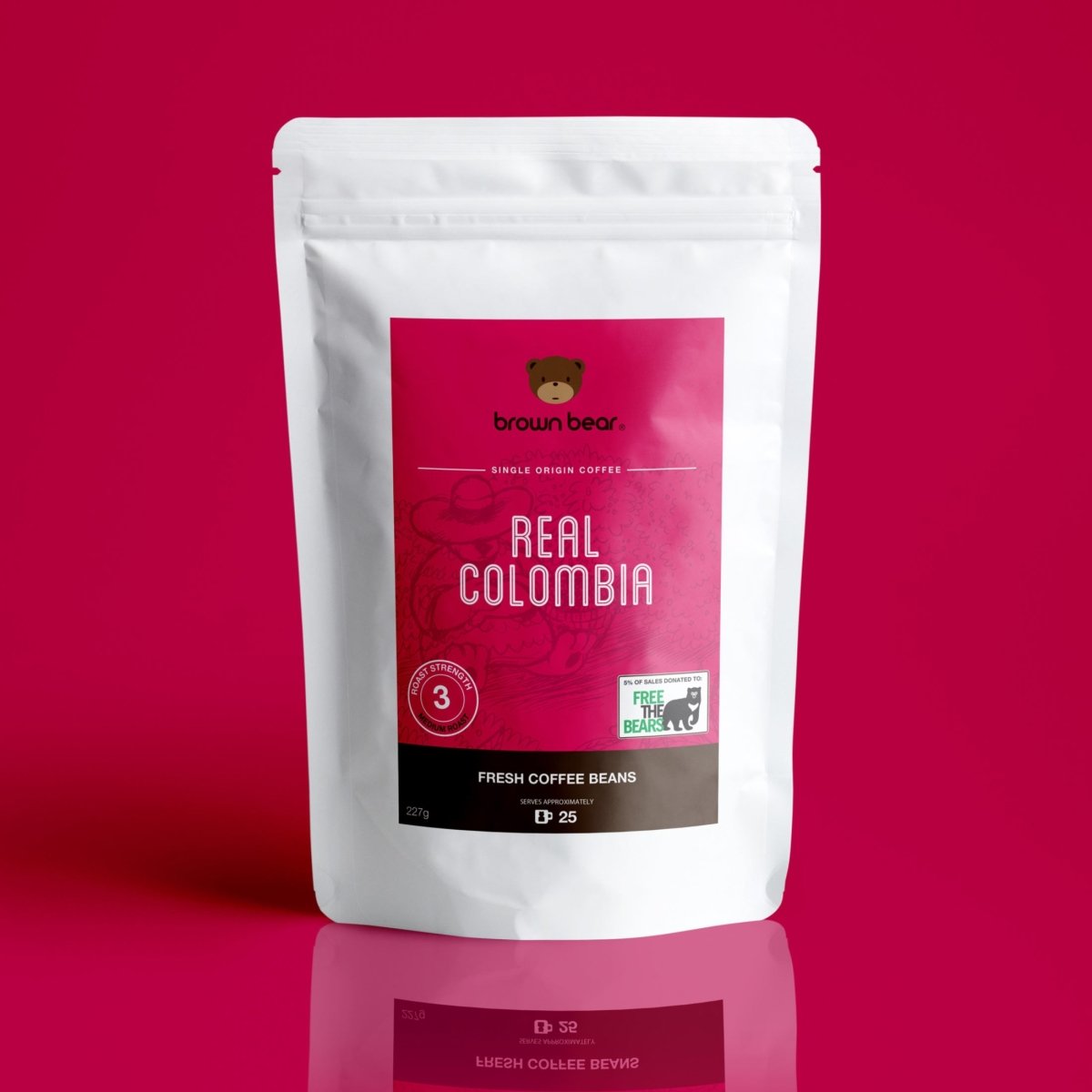
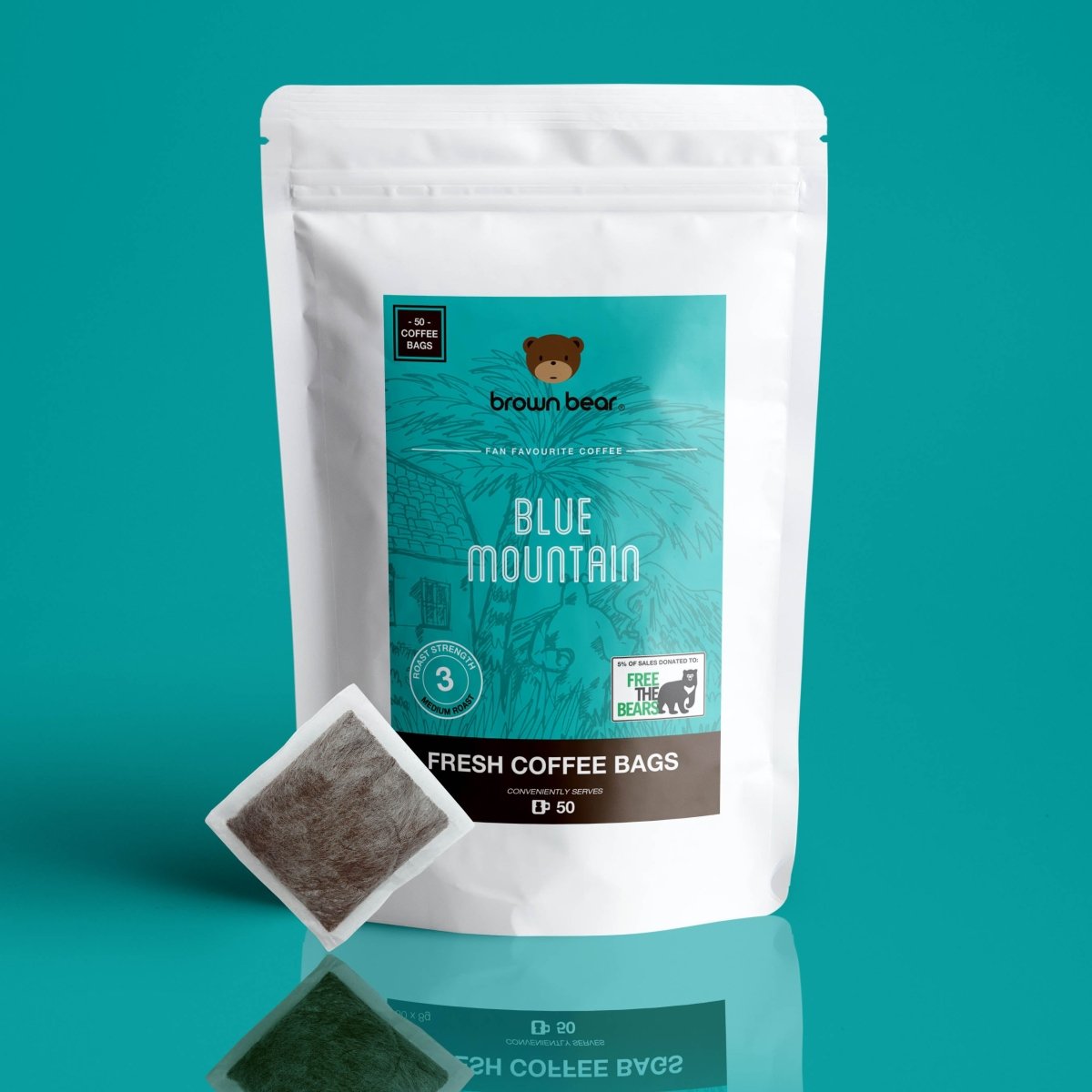
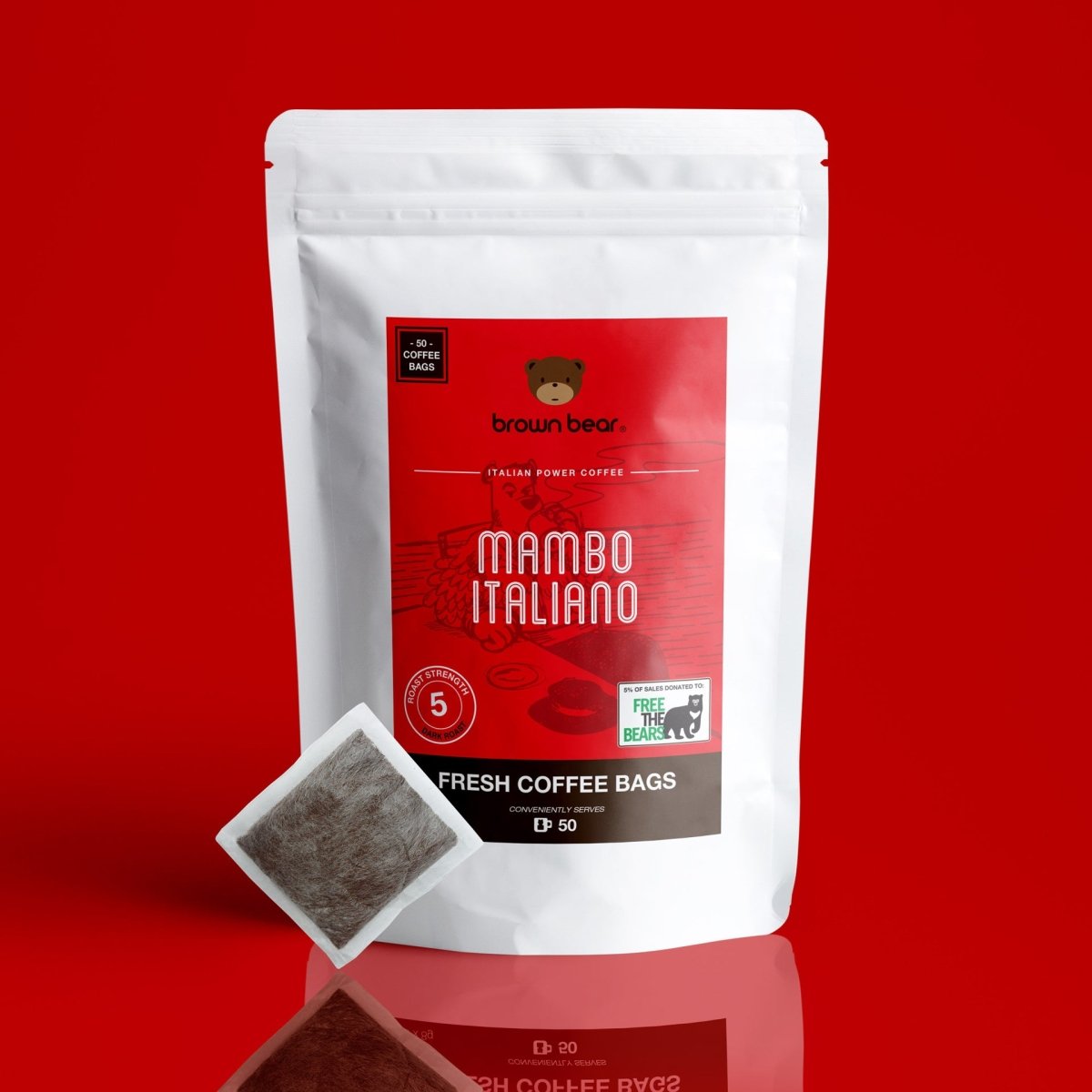
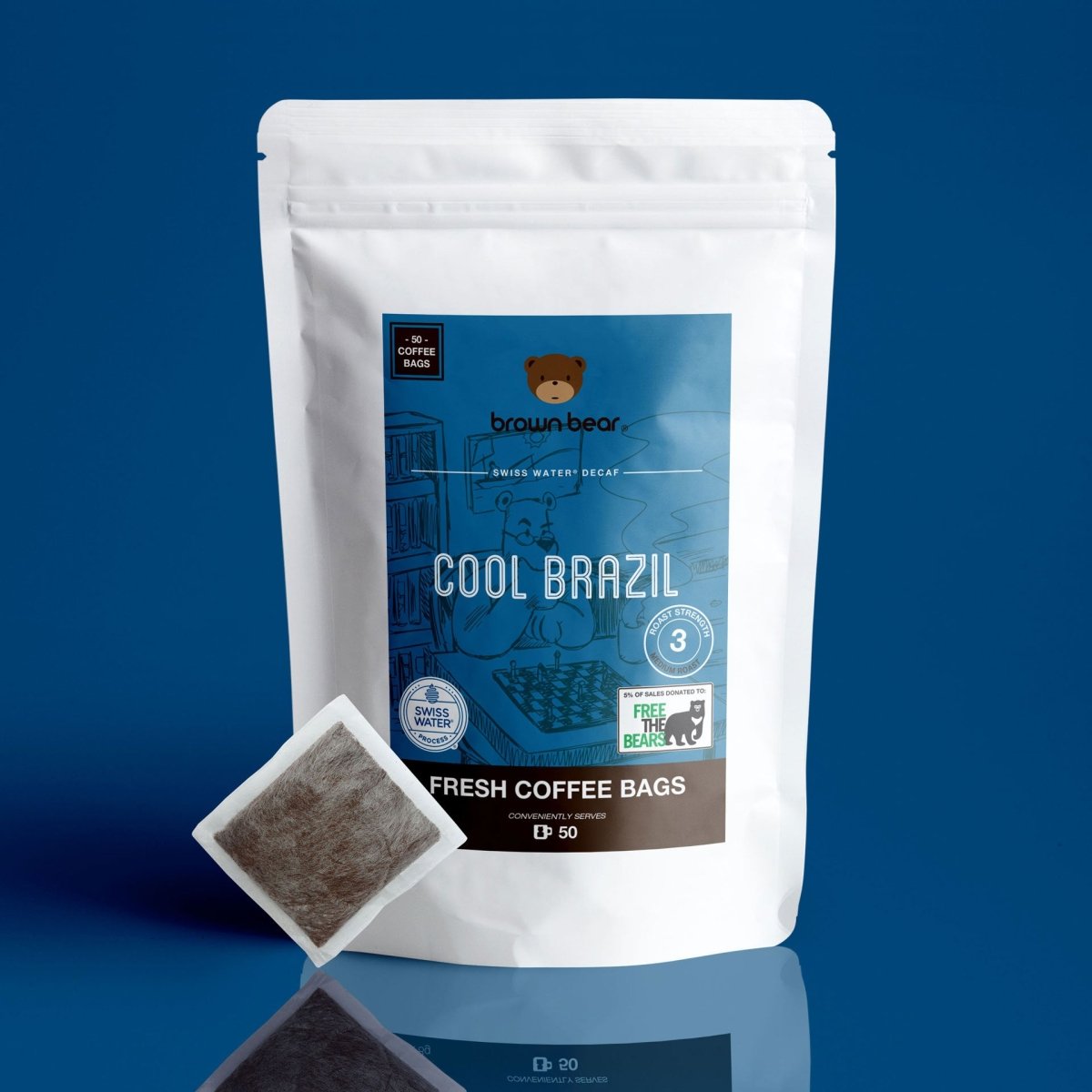
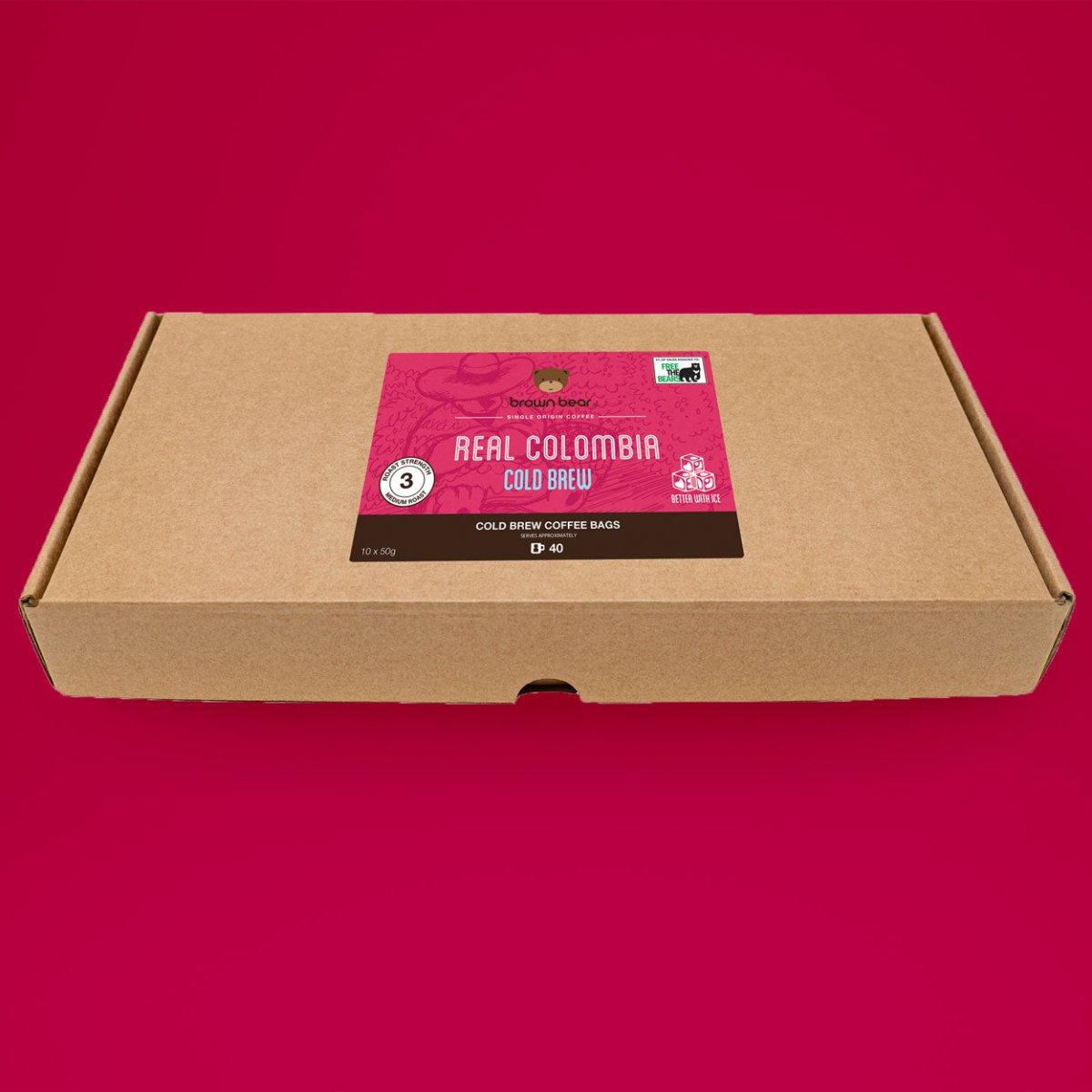
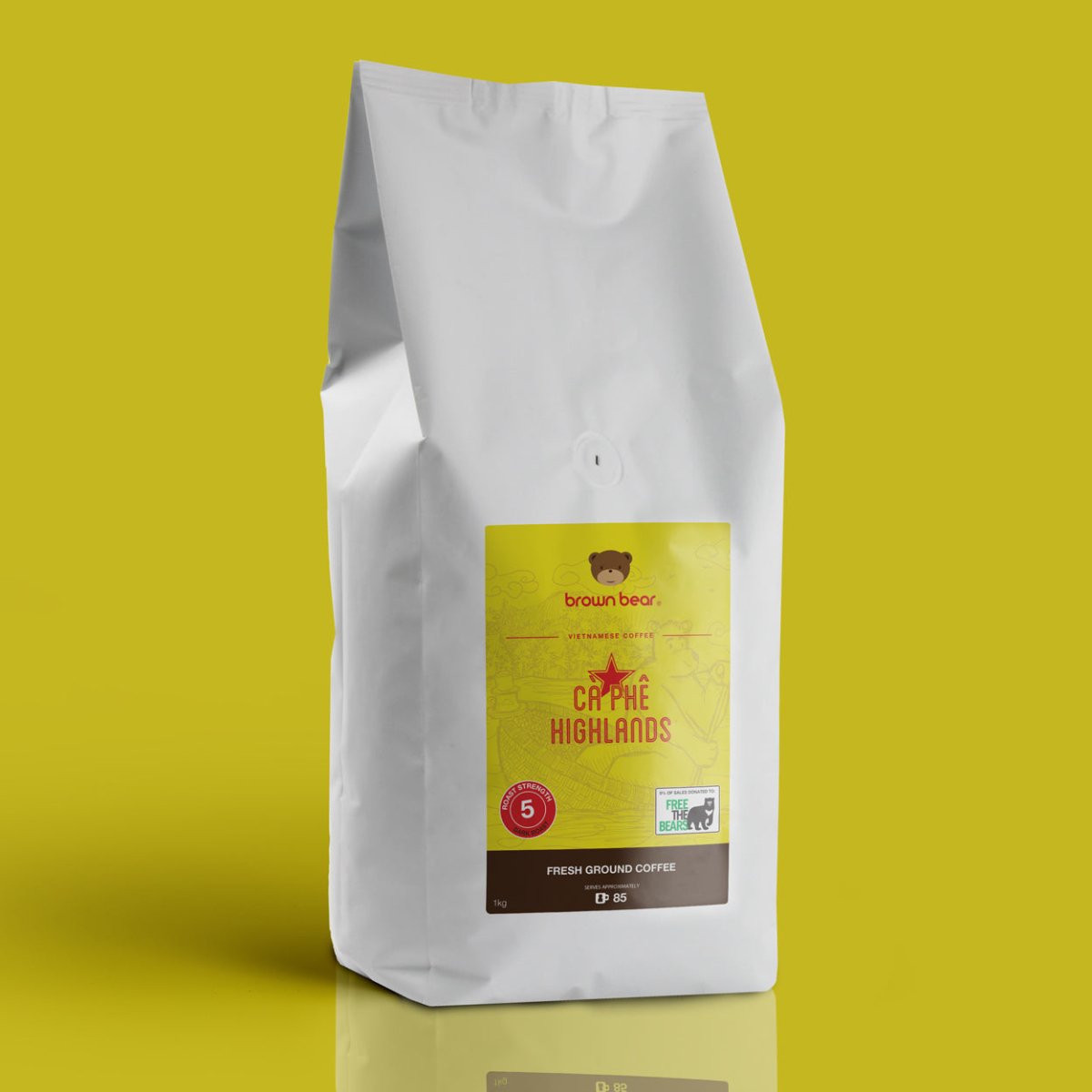
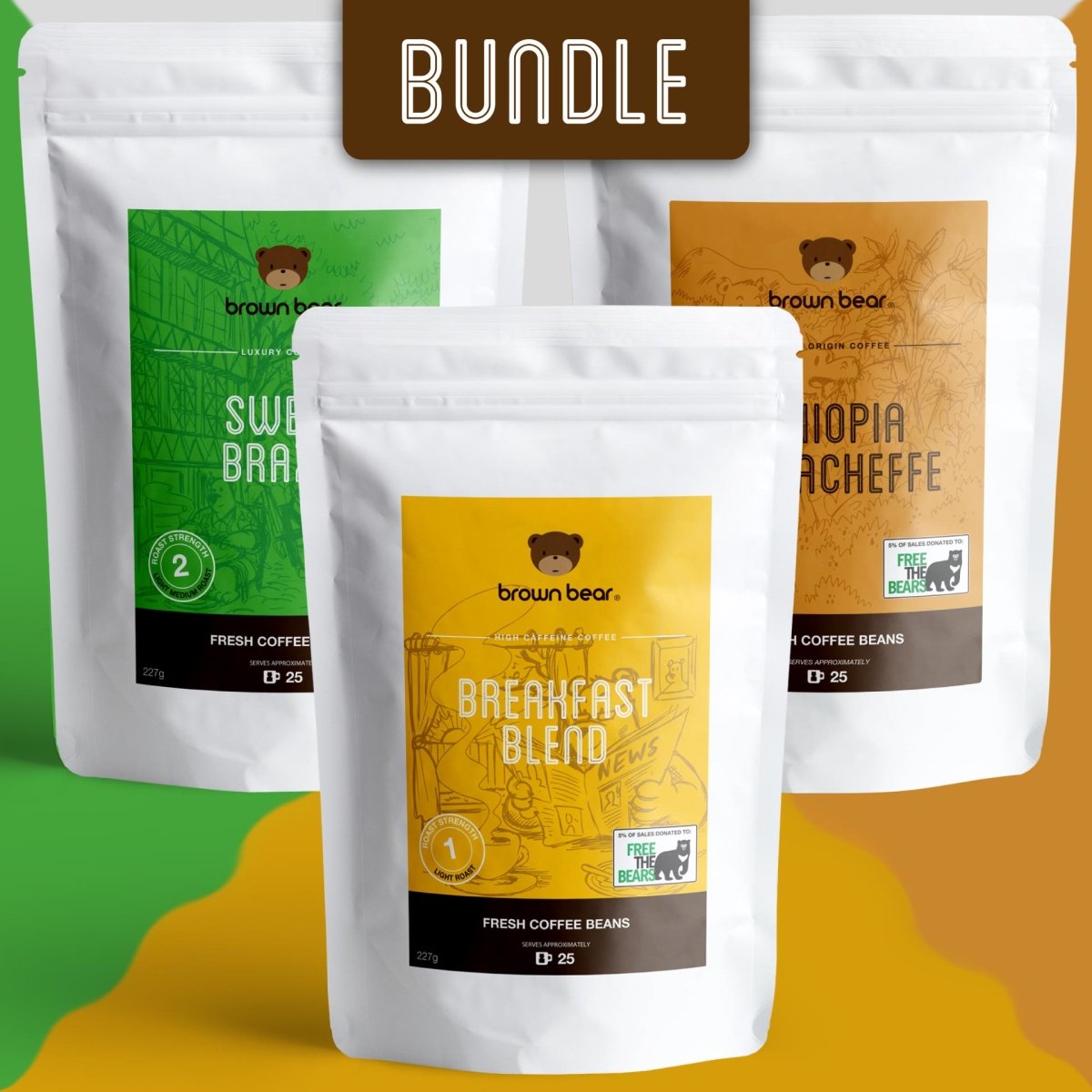
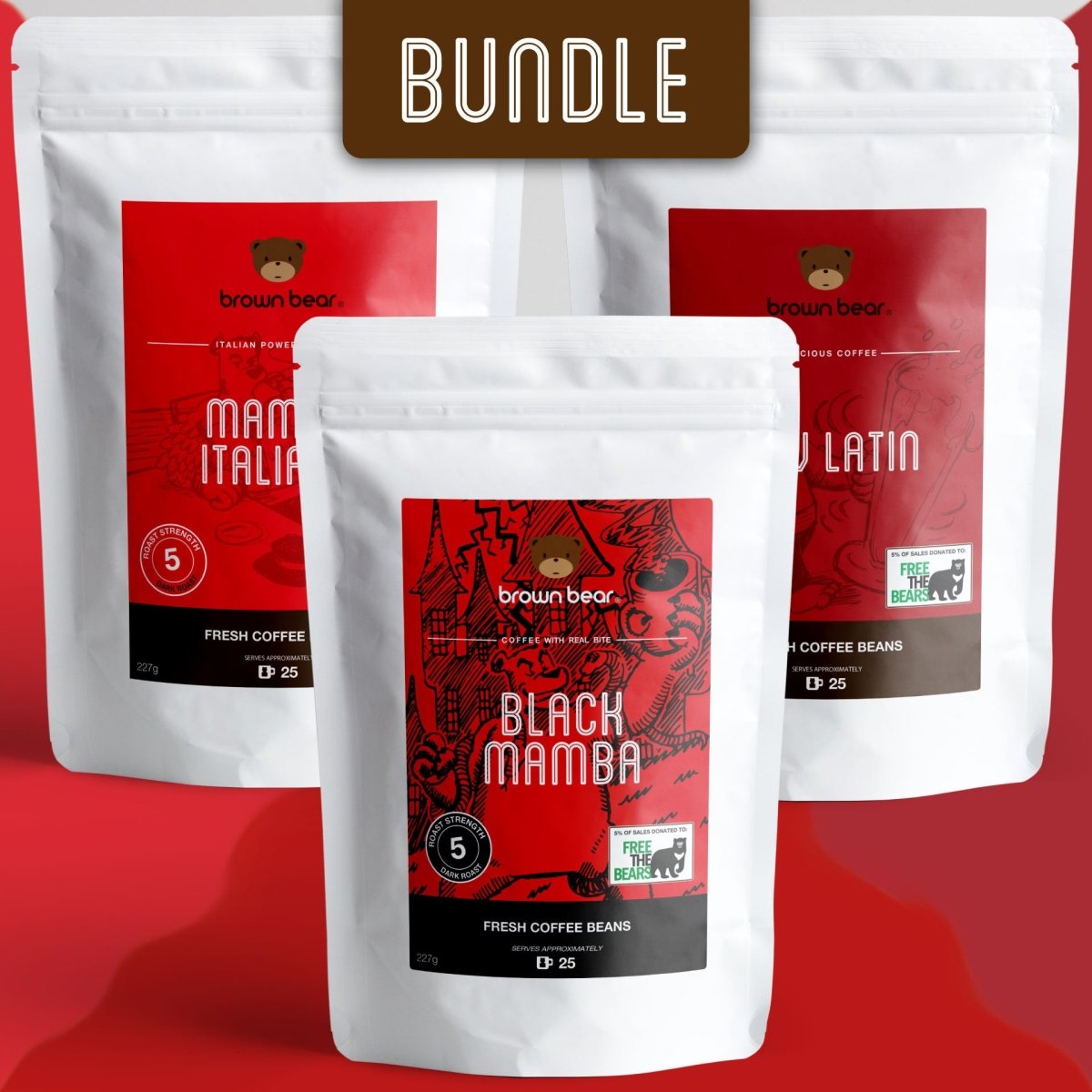
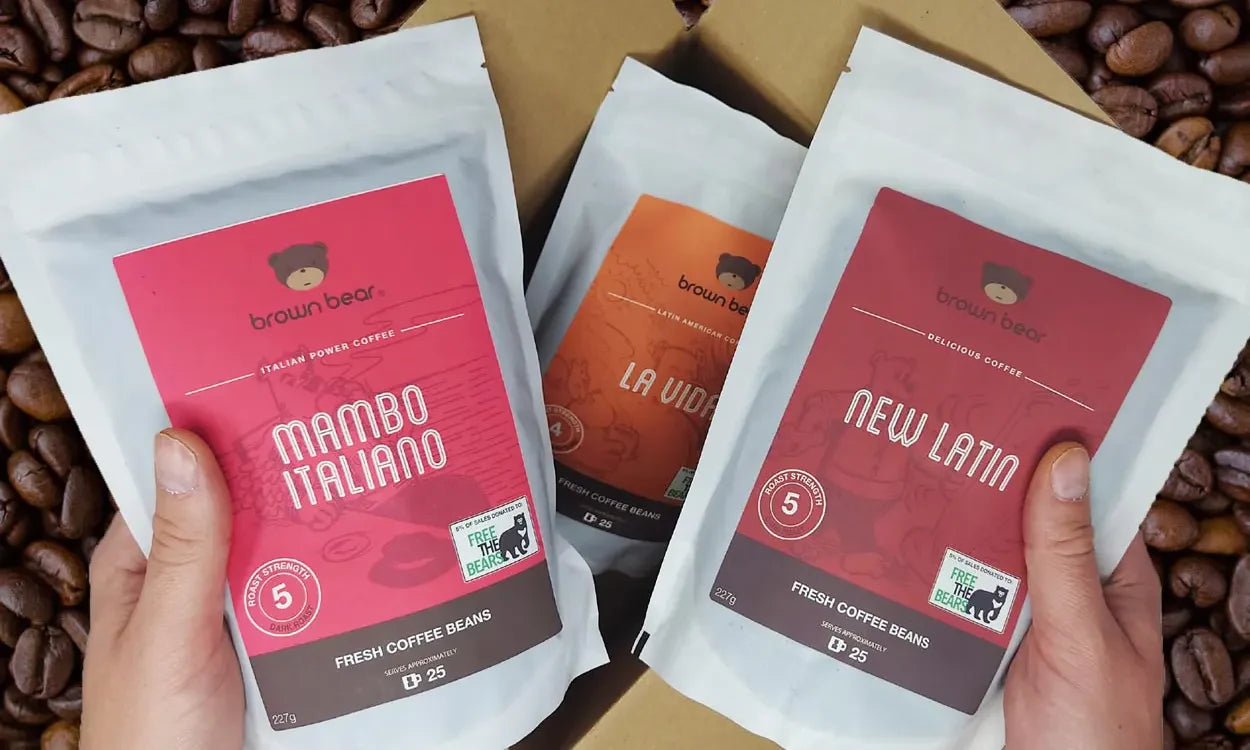
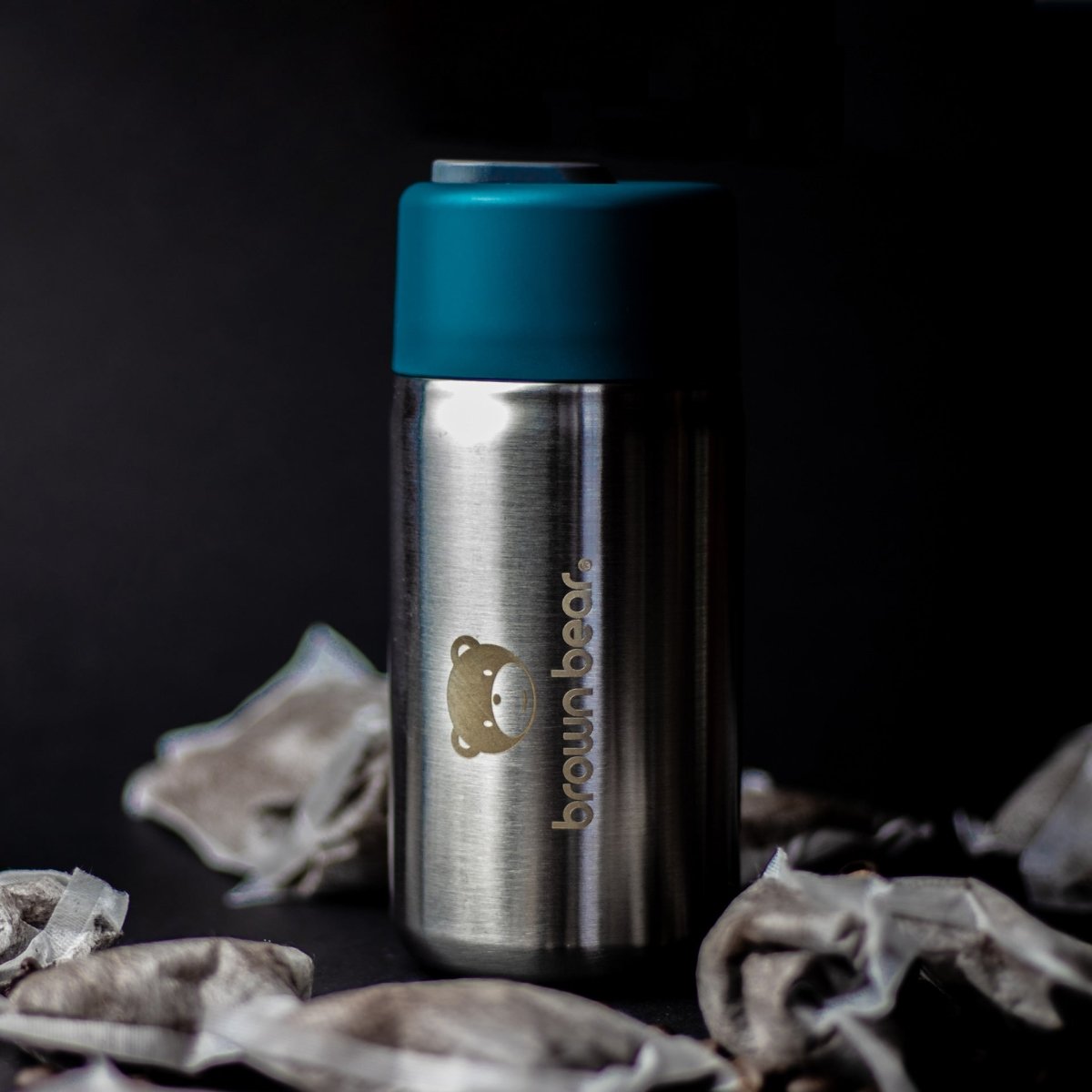
Brown Bear Coffee is designed for people who want better coffee to be easy to choose, reorder and give. With light, medium, dark and ultra-dark options, plus origin-led coffees, coffee bags and cold brew, it makes it simple to choose by strength and format rather than needing a barista’s vocabulary. Its green commitment and charity affiliation are central to the brand, which has donated more than £52,000 since 2020.
How to choose the right sustainable coffee for your cupboard
Start with how you actually drink coffee. A beautifully sourced light roast is not a great purchase if you prefer a powerful, chocolatey espresso every morning. Choose a flavour and roast profile you will finish, because wasting coffee is never the sustainable option.
For cafetière, filter and pour-over brewing, single origins can be a rewarding way to explore regional flavour and farm-level detail. For bean-to-cup machines, espresso makers and weekday flat whites, a dependable medium or dark blend may be the better fit. If convenience is the priority, choose coffee bags or pods only when their disposal route works in your area.
Then decide what proof matters most to you. You may prefer Fairtrade certification, organic growing, direct farmer relationships, lower-waste packs, carbon reporting or social projects. It is fine to prioritise one area, but do not let one claim hide the rest of the picture. A brand that explains its sourcing clearly, pays attention to packaging and makes good coffee you genuinely enjoy is a strong everyday choice.
Subscriptions can help here, provided they are flexible. Being able to pause, skip or change the quantity means you can avoid building up a cupboard full of stale beans. For a household that gets through coffee quickly, a larger format delivered less often may be more sensible than several small orders.
A better cup starts with a better question
Instead of asking which brand is perfect, ask what you can see behind the bag. Look for clear origins, credible action, packaging guidance you can use and a roast you will be pleased to brew tomorrow morning. That small bit of attention turns a routine purchase into a choice that supports better coffee, one cup at a time.

