


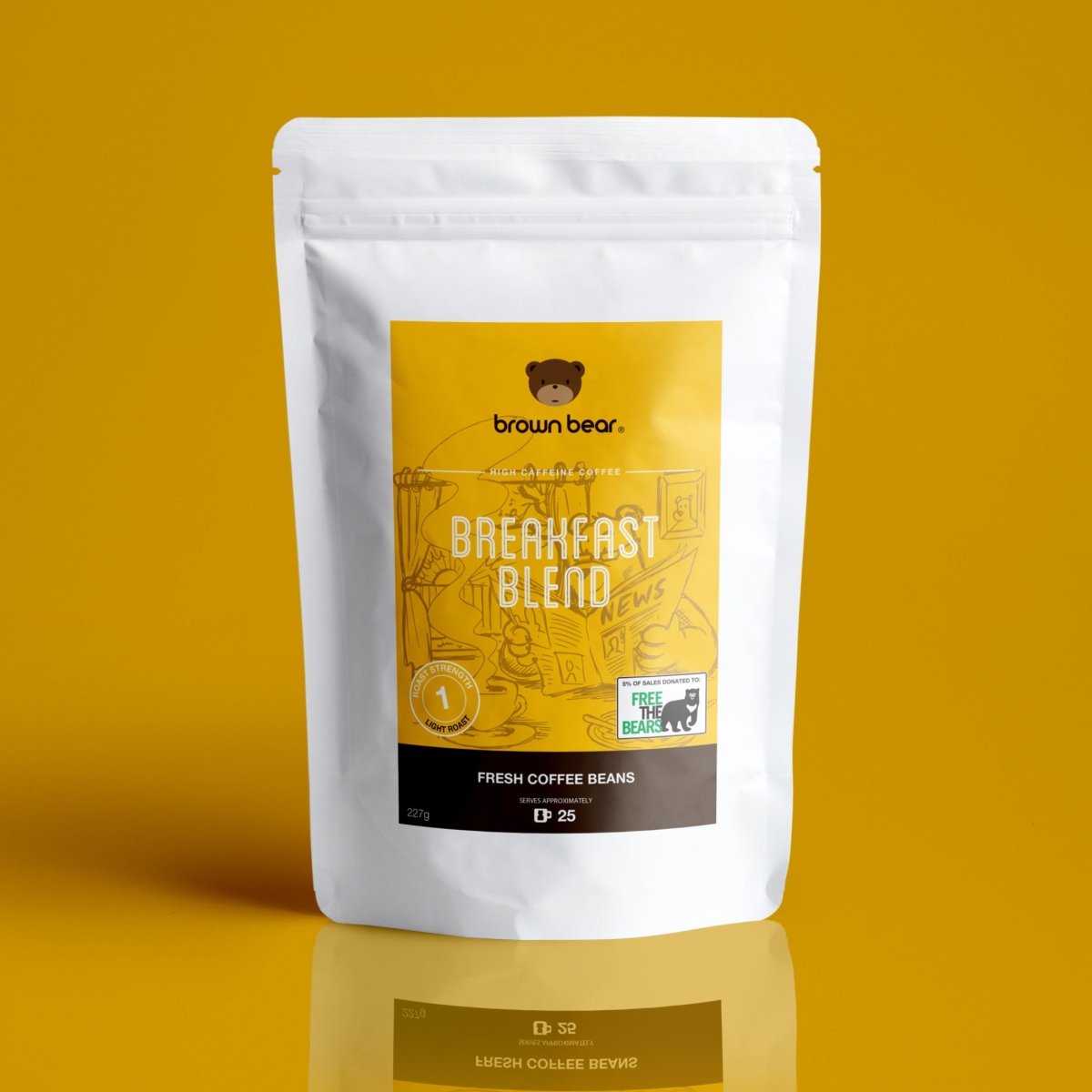
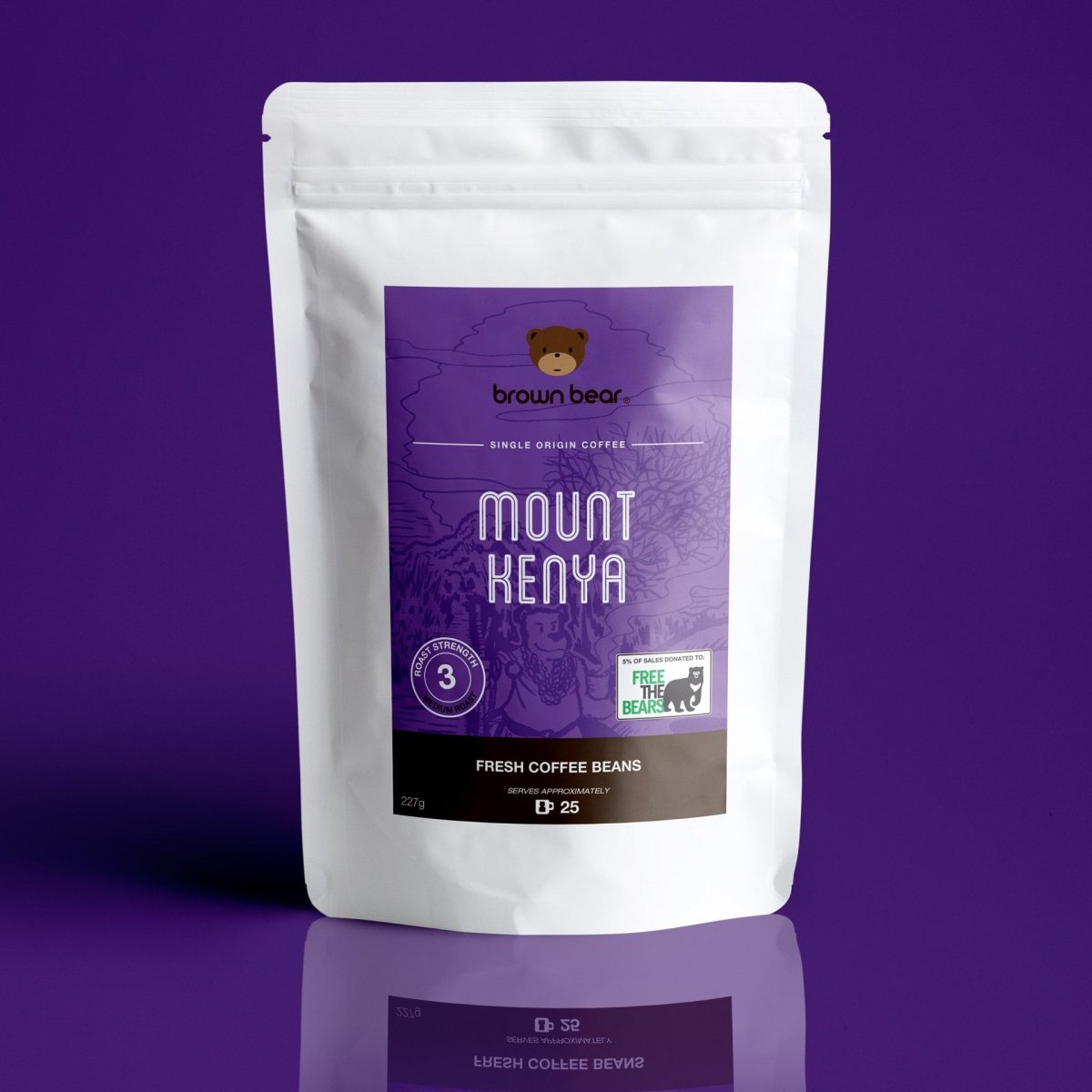
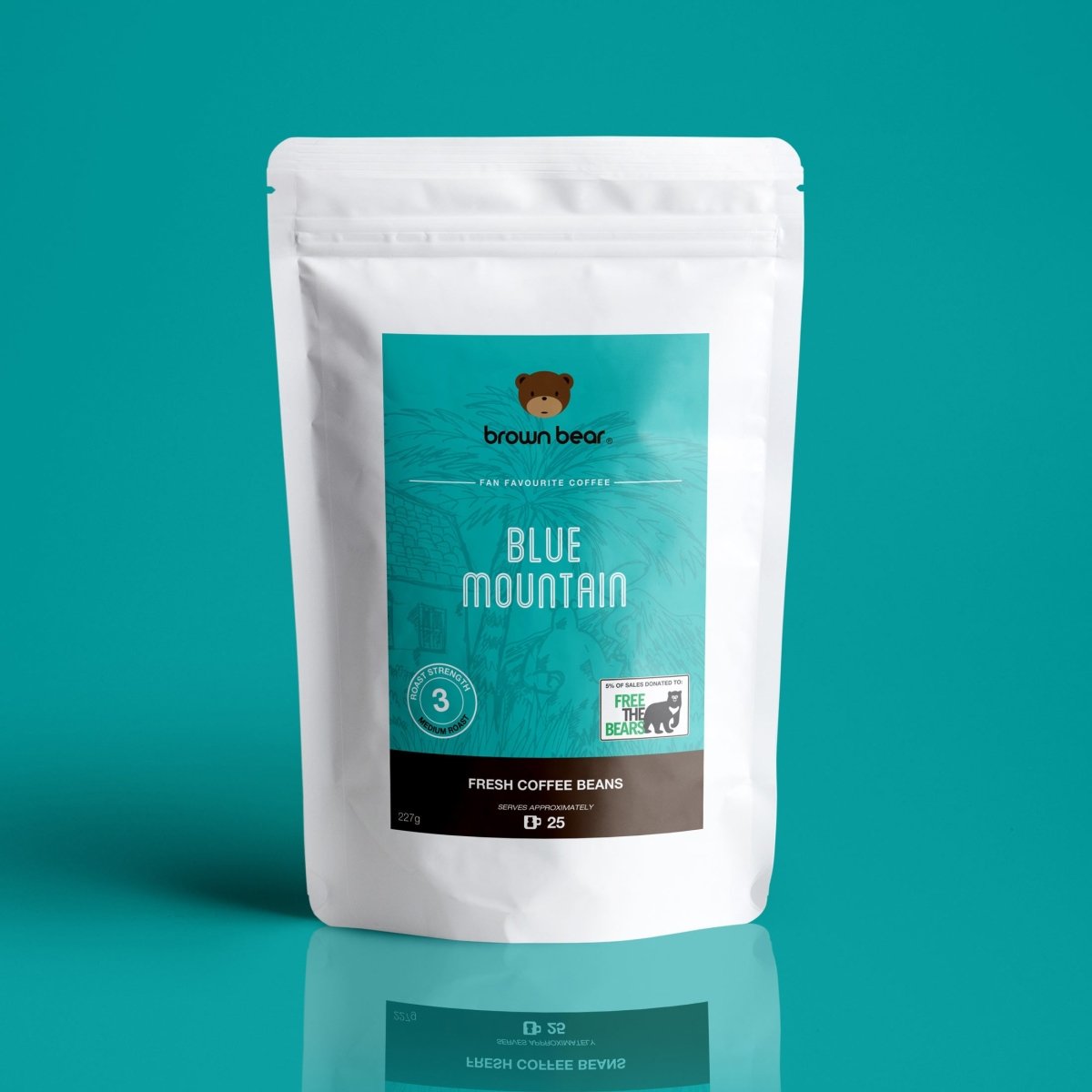
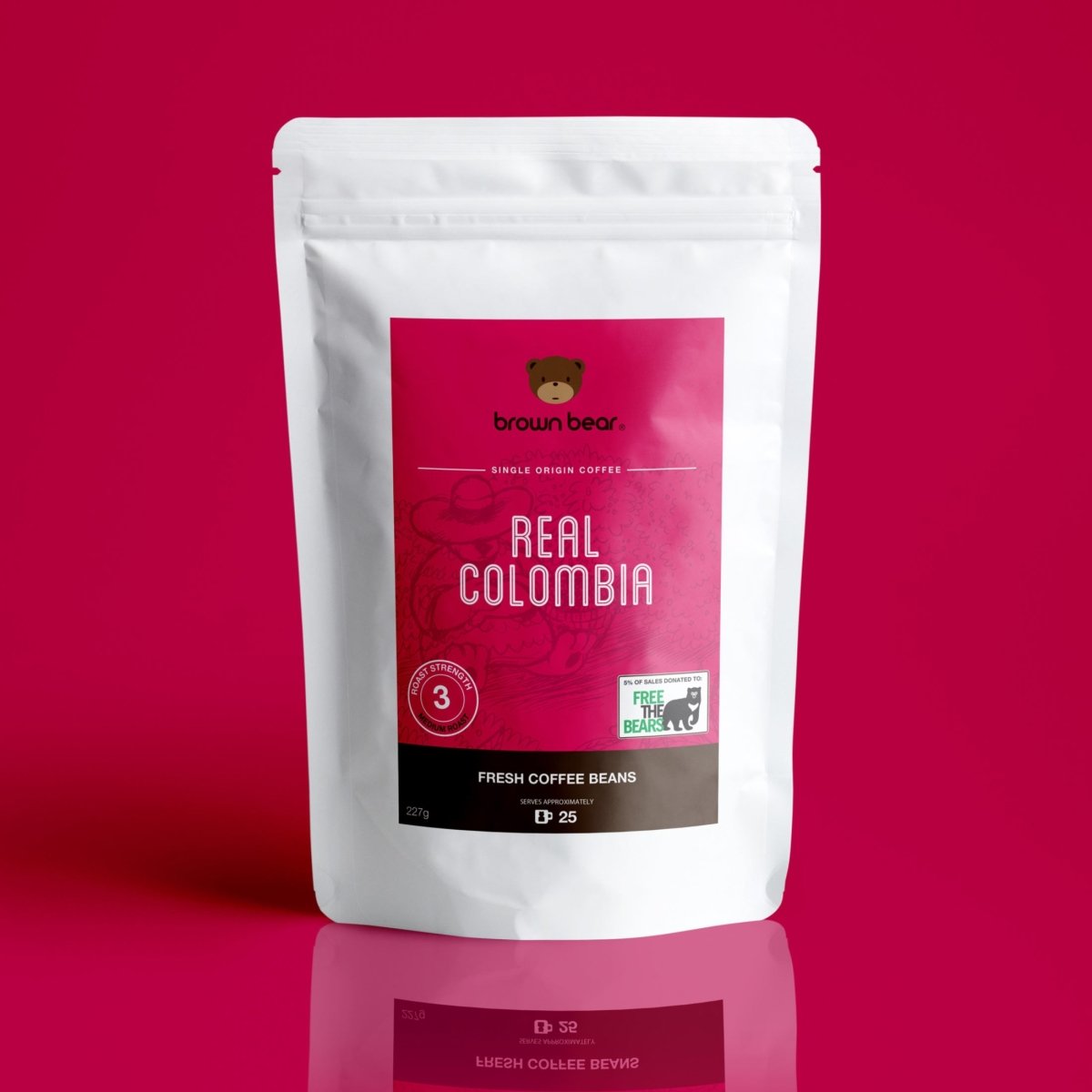









That bag of beans at the back of the cupboard may still make coffee, but will it make a cup you actually look forward to? Can coffee beans expire? In the strict food-safety sense, usually not quickly. In terms of flavour, aroma and enjoyment, they absolutely can pass their best.
Coffee is at its most expressive when it is fresh. The chocolatey depth of a dark roast, the fruitier notes of a light roast, and the comforting sweetness of a medium roast all rely on delicate aromatic compounds that gradually fade after roasting. Knowing what to look for means fewer disappointing brews and a better daily coffee routine.
Can coffee beans expire or just go stale?
Roasted coffee beans do not tend to spoil in the same way as fresh meat, milk or bread. If they have been kept dry and show no signs of mould or contamination, old beans are unlikely to make you ill. That said, they can become stale, flat and occasionally unpleasant.
Coffee begins changing as soon as it is roasted. For the first few days, beans release carbon dioxide in a process called degassing. This is normal and helps explain why very freshly roasted coffee can be difficult to brew consistently. After that early period, oxygen, light, heat and moisture slowly work against the flavours in the bean.
The result is not always dramatic. A coffee that once tasted rich and rounded may simply seem dull. A bright Kenyan or Ethiopian coffee can lose its lively fruit character. A fuller-bodied Brazilian or Colombian roast may taste papery, woody or oddly bitter. The beans have not necessarily “expired” in the date-label sense, but their best qualities have moved on.
The best time to drink roasted coffee
For most whole beans, the sweet spot is broadly between one and six weeks after the roast date. That range is useful rather than rigid. Brewing method, roast level and personal taste all play a part.
Espresso often benefits from a little more rest after roasting, typically around one to two weeks, because excess gas can interfere with extraction. Filter coffee, cafetière and pour-over brewing can taste excellent sooner. Lighter roasts may keep their character for a touch longer than darker roasts, while ultra-dark beans can lose their aromatic edge more quickly because the roasting process has already driven off more volatile compounds.
Once a bag is opened, aim to enjoy the beans within around three to four weeks. They will not fall off a cliff on day 29, so there is no need to panic-buy or bin a half-full bag. Think of freshness as a gradual slope, not a switch. Coffee brewed two months after roasting may still be perfectly pleasant, especially with milk, but it is less likely to deliver the flavour promised by the roast and origin.
A best-before date is helpful for stock management, but the roast date tells a much more useful story for flavour. If you are choosing between bags, pick the fresher roast date and buy an amount that suits how quickly your household gets through coffee.
How to tell if your coffee beans are stale
Your senses are the best guide. Fresh beans should smell inviting when you open the bag or grind them. Depending on the coffee, you might notice cocoa, nuts, caramel, berries or gentle spice. Stale coffee often has little aroma at all, or it can smell dry, dusty or faintly cardboard-like.
In the cup, watch for a thin body, muted flavour and a finish that disappears quickly. You may find yourself adding more coffee to the brewer, more sugar, or more milk just to make the cup feel satisfying. If your usual recipe suddenly tastes weak and lifeless, ageing beans may be the reason.
For espresso drinkers, stale beans can make dialling in frustrating. The shot may run too quickly, produce a pale and short-lived crema, or taste hollow even after you adjust the grind. This is not a guarantee - grinder settings, water and machine temperature matter too - but freshness is worth checking before changing everything else.
There are a few signs that mean you should not use the beans. Discard coffee if you spot mould, detect a musty smell, find evidence of moisture in the bag, or suspect pantry pests. These are storage problems rather than ordinary ageing.
What makes coffee lose freshness faster?
Coffee’s biggest enemies are oxygen, moisture, heat and light. Oxygen is the unavoidable one: once beans meet air, oxidation starts taking away aroma and flavour. Moisture can cause more serious trouble, while warmth and direct sunlight speed up the decline.
Grinding increases the surface area exposed to air, which is why whole beans stay fresher for longer than pre-ground coffee. If possible, grind only what you need immediately before brewing. It is one of the simplest upgrades you can make to home coffee, whether you prefer a powerful dark roast or something lighter and more delicate.
The size of the bag matters too. A large bag can be good value, but not if it remains open for months. If you drink one or two cups a day, smaller bags or a flexible coffee subscription can make more sense than buying in bulk. You get a steady supply without trying to preserve a giant stash past its best.
How to store coffee beans properly
Keep your beans in an airtight container or, if the original bag has a resealable zip and one-way valve, in the bag they arrived in. Store it in a cool, dark, dry cupboard away from the hob, oven, sunny windowsill and kettle steam.
Do not keep day-to-day coffee in the fridge. Each time you take it out, changing temperatures can create condensation, and coffee can also absorb surrounding food odours. Nobody wants a beautiful single-origin coffee with a hint of last night’s leftovers.
Freezing can work if you have bought more than you will use in the next month or so, but it needs a little care. Divide beans into small, airtight portions first. Freeze each portion once, then take out only what you plan to use. Let it come to room temperature before opening the container, so moisture does not settle on the beans.
A decorative clear jar may look good on the worktop, but it is not the best home for coffee unless it is stored inside a dark cupboard. An opaque, airtight tin is the more practical choice. Keep it clean and completely dry between refills.
Is old coffee ever worth using?
Yes, depending on how old it is and how you like your coffee. Beans that are a little beyond their peak can still make a decent cafetière, batch brew or iced coffee. A stronger recipe, or milk in a flat white, can soften some of the lost complexity. They can also be useful for baking, coffee rubs and tiramisu, where fresh espresso-level detail is less noticeable.
If a bag is truly flat, however, no clever brewing method will bring its original aroma back. Using extra coffee may add strength, but it cannot replace flavours that have faded. Better storage and buying a more suitable quantity next time will do more for your morning cup.
Buy for the rhythm of your coffee routine
The practical answer to freshness is not treating coffee like a fragile science project. It is buying beans that match the way you drink them. Choose whole beans where possible, keep them sealed in a cupboard, grind close to brewing, and order enough for a few weeks rather than several months.
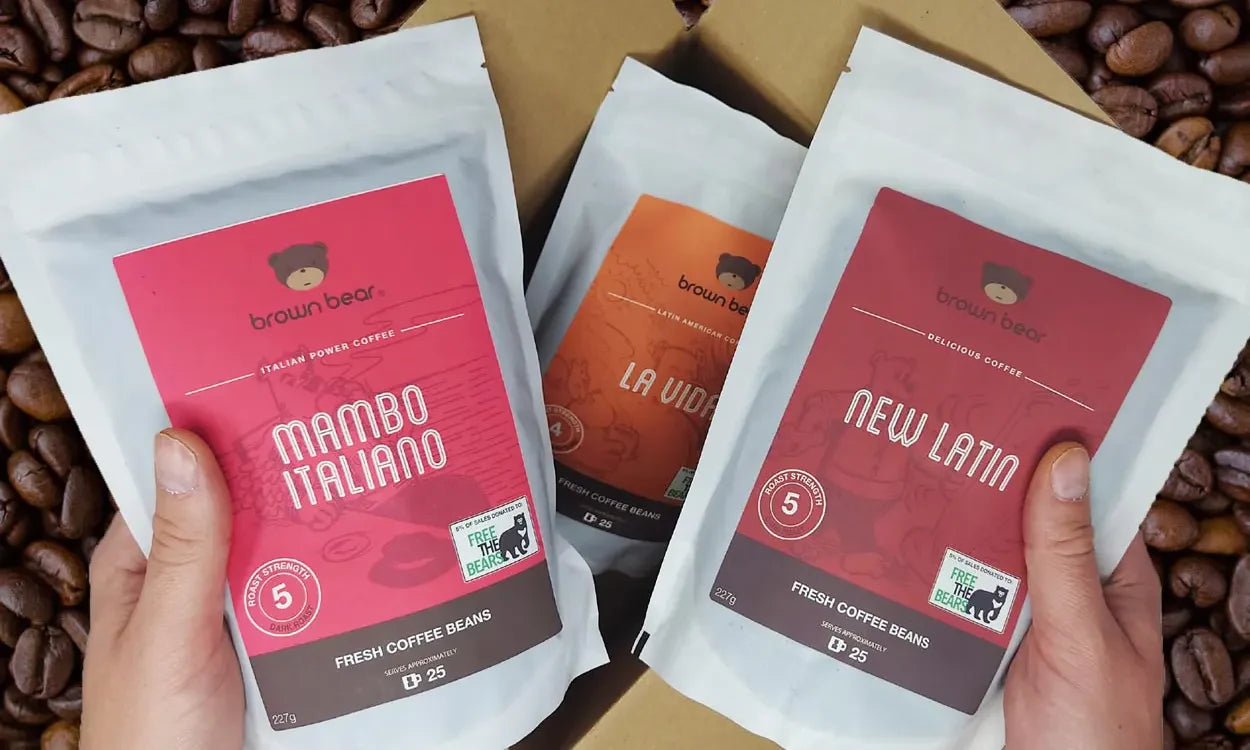
If your coffee habit is reliably part of the week, a flexible subscription can make this particularly easy: fresh coffee arrives at a pace that suits your household, without the last-minute cupboard scramble. And if you enjoy switching between a smooth medium roast for weekdays and a bolder dark roast for weekends, smaller bags make that variety more rewarding.
Good coffee does not need to be complicated. Give your beans a dark, dry home, use them while their character is still shining, and let the roast you chose do the talking in the cup.

