























Europe’s first coffee drinkers did not see coffee as a quick stop on the way to work. They encountered it as a dark, unfamiliar drink with a reputation for sharpening the mind and keeping conversation going long after sunset. Coffee and its inception into Europe is a story of trade routes, busy port cities, Ottoman coffeehouses and changing daily habits - one that helps explain why a good cup still feels like a small but meaningful ritual.
Coffee and its inception into Europe: where it began
Coffee was growing and being used long before it reached European shores. The coffee plant is native to Ethiopia, where stories of energising coffee cherries have been passed down for centuries. Yet the first well-documented coffee-drinking culture developed across the Red Sea in Yemen during the fifteenth century.
In Yemen, coffee beans were roasted, ground and brewed into a drink known as qahwa. Sufi communities used it to stay alert during long nights of prayer, and the habit soon moved into wider society. The port of Mocha became central to the trade, giving its name to one of coffee’s most familiar terms, although a modern mocha is rather different from the historic Yemeni coffee shipped from that coast.
From Yemen, coffee travelled through the Ottoman Empire. By the sixteenth century, coffeehouses had become lively fixtures in cities including Constantinople, now Istanbul. They were places to meet friends, hear news, play games, conduct business and debate ideas. That social side of coffee would prove just as influential in Europe as the drink itself.
How coffee reached European ports
European merchants encountered coffee through trade with the Ottoman Empire and the eastern Mediterranean. Venetian traders were among the first to bring it into Europe, with records of coffee arriving in Venice in the early seventeenth century. At first, it was expensive and unfamiliar, sold by apothecaries as much as by food merchants.
The drink was not an instant success everywhere. Its colour, bitterness and stimulating effect set it apart from the beer, wine and ale that were common at many European tables. Some people treated it with suspicion, while others praised it as a more focused alternative to daytime drinking.
Coffee’s appeal grew because it fitted the rhythm of expanding commercial cities. Merchants wanted places to meet before business began. Writers, scientists and politicians wanted somewhere to exchange ideas. Coffeehouses offered a cup that encouraged alertness rather than a foggy afternoon. In a world before emails, newspapers and office cafés, that mattered.
Coffeehouses changed the conversation
England embraced coffeehouse culture quickly. The first known English coffeehouse opened in Oxford around 1650, followed by one in London a couple of years later. By the late seventeenth century, London had hundreds of coffeehouses, each attracting its own crowd.
Some became closely tied to particular trades and interests. At Lloyd’s Coffee House, shipowners, merchants and insurers shared maritime information, helping lay foundations for what became the Lloyd’s insurance market. Other venues drew authors, philosophers, stockjobbers or political factions. The coffeehouse was not just somewhere to drink coffee. It was a practical network for news, work and social life.
There was a catch, of course. These spaces were largely shaped by men with money, status and access to city life. Women ran some coffeehouses and participated in the wider coffee economy, but many establishments restricted female customers. Coffee culture could be progressive in its exchange of ideas while still reflecting the inequalities of its time.
From rare import to everyday European drink
As demand rose, European powers wanted more control over supply. Relying on Ottoman and Yemeni merchants was costly, so colonial powers began cultivating coffee in territories under their control. The Dutch established coffee production in Java, while the French expanded it in the Caribbean. Portuguese cultivation in Brazil eventually transformed the global market.
This made coffee more available in Europe, but it came with a serious human cost. Much of the plantation system depended on enslaved people, forced labour and the extraction of wealth from colonised countries. Coffee’s history cannot be separated from that reality. The everyday comfort of a European cup was often connected to exploitation far from the café or kitchen table.
By the eighteenth and nineteenth centuries, coffee had become a regular part of life across much of continental Europe. Cafés in Vienna, Paris and beyond developed their own customs, from lingering over newspapers to serving pastries alongside small, strong coffees. Britain took a slightly different path. Tea became the national favourite for many households, helped by trade, taxation and habit, but coffee remained an important part of city life and later became a firm breakfast staple.
The way coffee was prepared also kept changing. Early European drinkers often boiled grounds directly in water, sometimes with spices or sugar. Roasting and grinding became more standardised as supply increased. Later, espresso machines, filters, instant coffee and home brewing equipment each made coffee easier to enjoy in different ways.
Why the history still matters in your mug
Coffee’s route into Europe explains why coffee is far more than one flavour or one way of brewing. It has always adapted to place. Yemeni coffee traditions, Turkish coffee, Italian espresso, French café culture and Britain’s at-home morning brew all share a common ingredient, but they offer very different experiences.
That is useful to remember when choosing coffee for your own routine. There is no single ‘proper’ way to enjoy it. A light roast can bring out bright, fruit-led notes that suit a slower filter brew. A medium roast often offers an easy-going balance for a cafetière or everyday bean-to-cup machine. Dark and ultra-dark roasts bring fuller, bolder flavours that stand up well to milk, espresso and a no-nonsense first cup of the day.
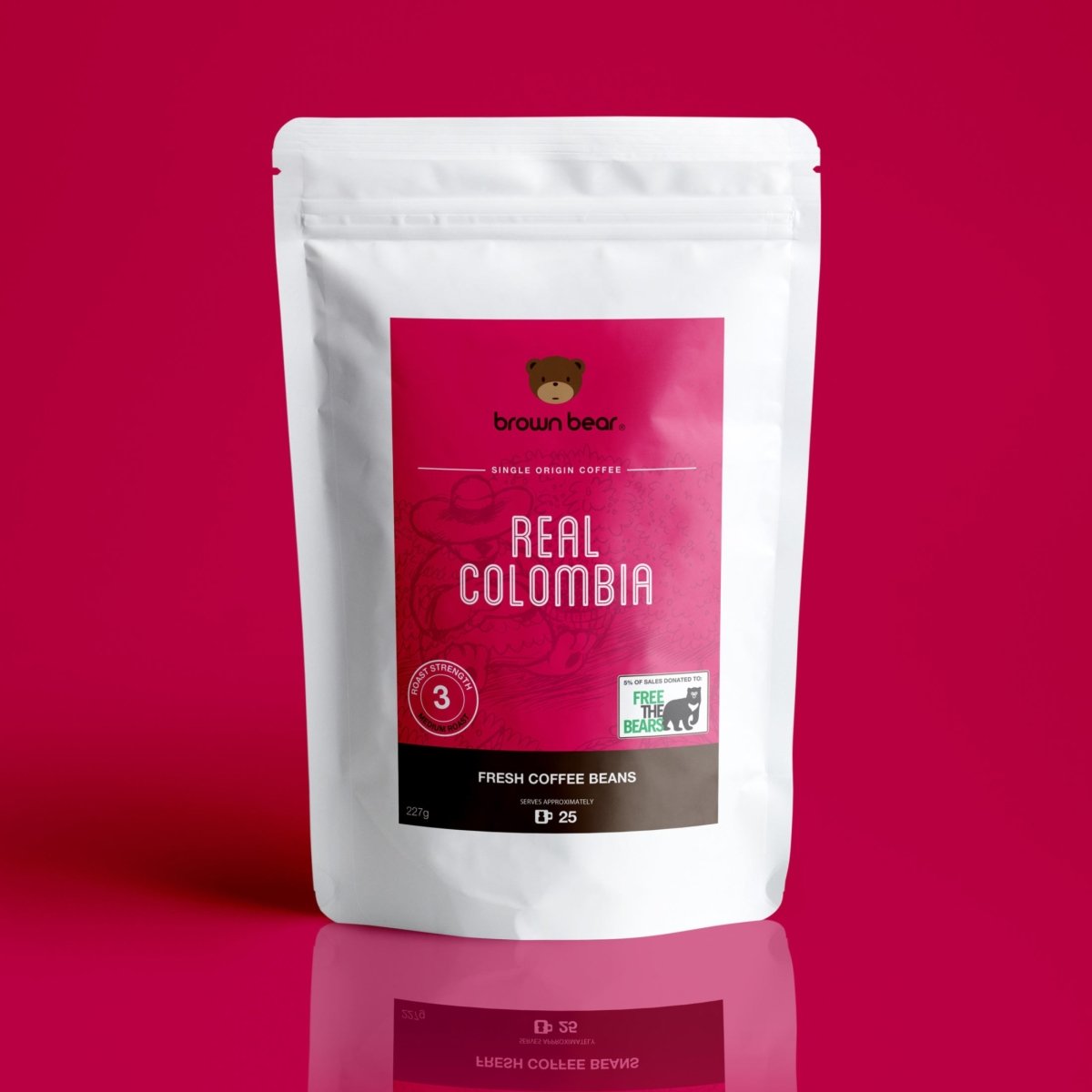
Origin matters too, but it need not be intimidating. Coffees from Kenya and Ethiopia can be lively and aromatic. Brazil often leans towards chocolatey, nutty comfort. Colombia, Guatemala and Peru can offer a broad range of balanced, crowd-pleasing cups. Processing, roast level and brewing method will all affect what reaches your mug, so origin is a useful starting point rather than a fixed promise.
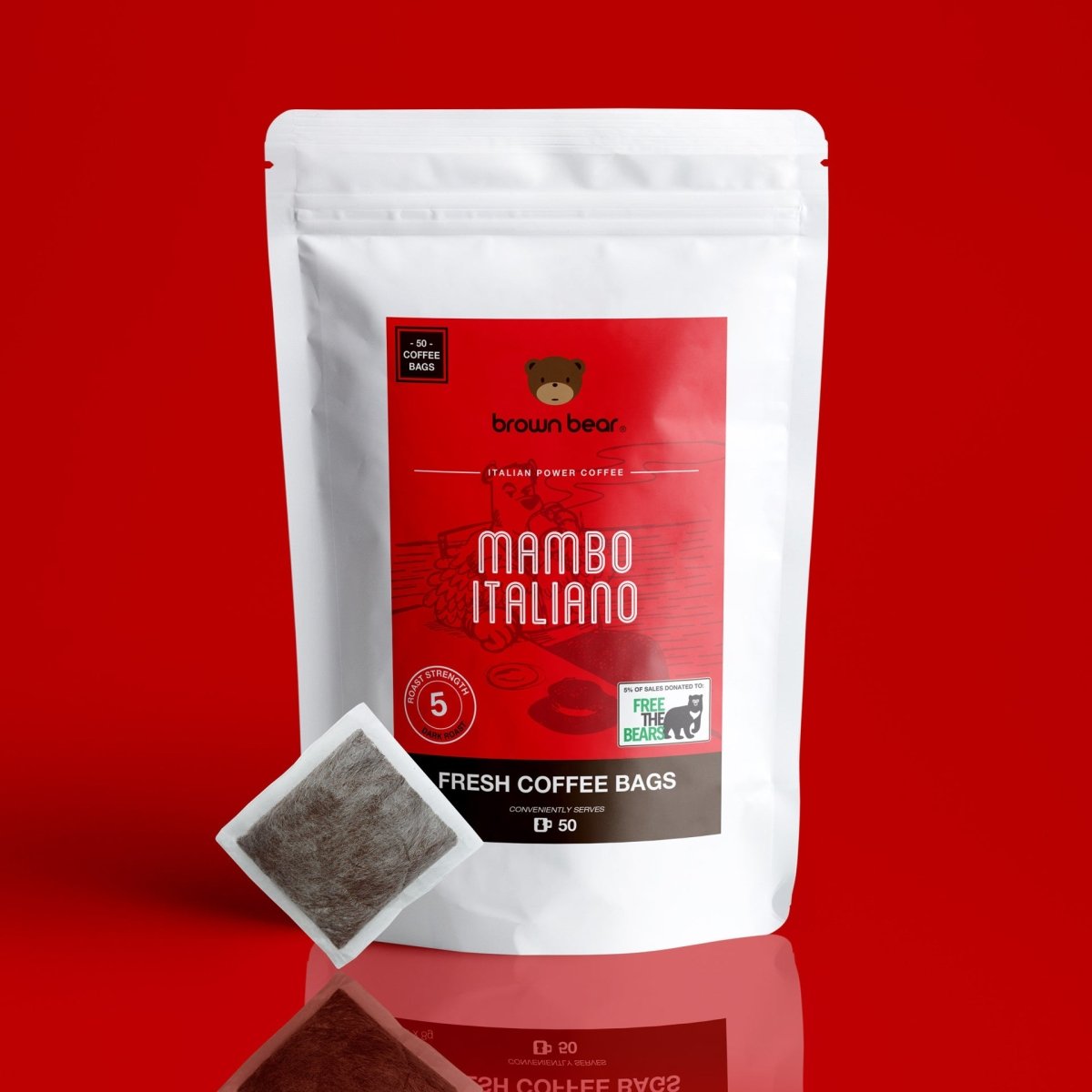
Convenience has always helped coffee spread. Seventeenth-century customers went to coffeehouses because they brought people, information and refreshment together in one place. Today, the convenience might be a reliable subscription, coffee bags for a busy desk day, or cold brew ready in the fridge. The format changes, but the reason remains familiar: coffee needs to work for real life.
A more thoughtful daily ritual
Modern coffee drinkers also have the chance to ask better questions about the supply chain than many earlier consumers could. Where was the coffee grown? How has it been sourced? Does the retailer support causes beyond the checkout? Ethical claims deserve scrutiny, but choosing businesses that are transparent about their values can make a daily purchase feel more considered.
There is a balance to strike. Great coffee should be enjoyable, not a history lesson before breakfast. Yet knowing a little of the journey adds depth to the ritual. The beans in a kitchen cupboard connect Ethiopian forests, Yemeni ports, Ottoman coffeehouses, European trading cities and growers around the world who continue to shape coffee’s future.
Next time you make a cup, take a moment to choose the flavour and format that genuinely suits your day. That simple decision is part of a tradition that has travelled a very long way - and still has room for your own preferred way of drinking it.

