










A coffee cupboard has a habit of catching you out. One week you are making a pot before work and another after lunch; the next, visitors arrive, your partner starts drinking more coffee, or you head away for a holiday. That is why the question, are coffee subscriptions flexible, matters more than the headline saving. A good subscription should keep great coffee within easy reach without leaving you with too much of the wrong bag at the wrong time.
For most regular coffee drinkers, a subscription is not about committing to one unchanging routine. It is about making repeat ordering simpler while keeping control over what arrives. The best options let you adjust deliveries, swap coffees, pause when needed and choose a format that suits how you brew at home.
What flexibility should mean in a coffee subscription
“Flexible” can mean different things from one retailer to another. Some subscriptions simply repeat the same product at a set interval. That suits a household with a reliable coffee habit, but it is not much help if your routine changes often. Others give you more room to manage the details yourself.
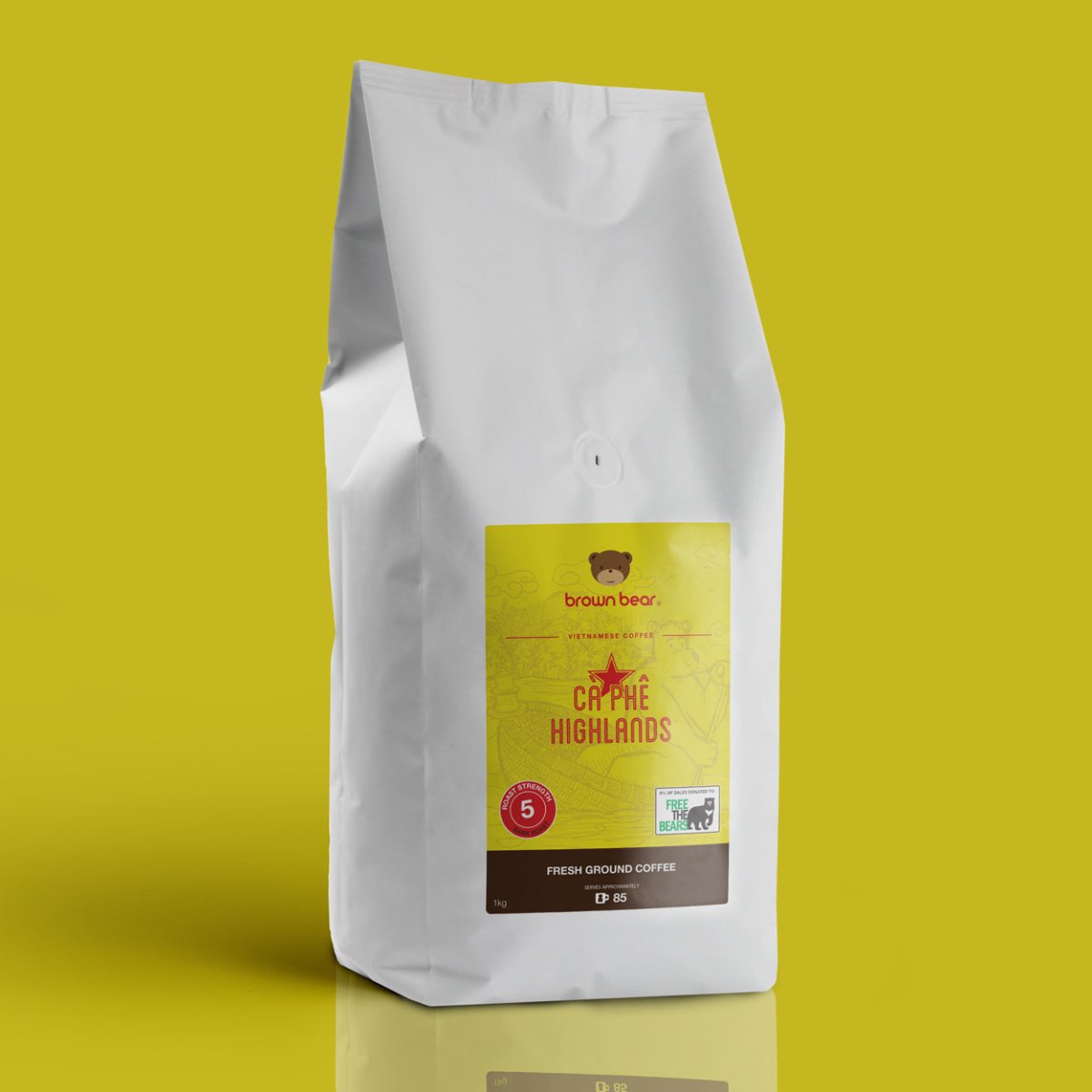
The useful kind of flexibility starts with delivery frequency. You may get through a 1kg bag of beans every fortnight, while a smaller household may prefer a bag every four or six weeks. There is no universally right schedule - it depends on the number of coffee drinkers, how you brew and whether coffee is part of your daily routine or a weekend treat.
It should also be easy to bring the next order forward when supplies are running low, or push it back when you still have plenty left. Fresh coffee is best enjoyed at its liveliest, so avoiding a growing pile of unopened bags is every bit as valuable as avoiding an empty jar on a Monday morning.
Changing the coffee, not just the date
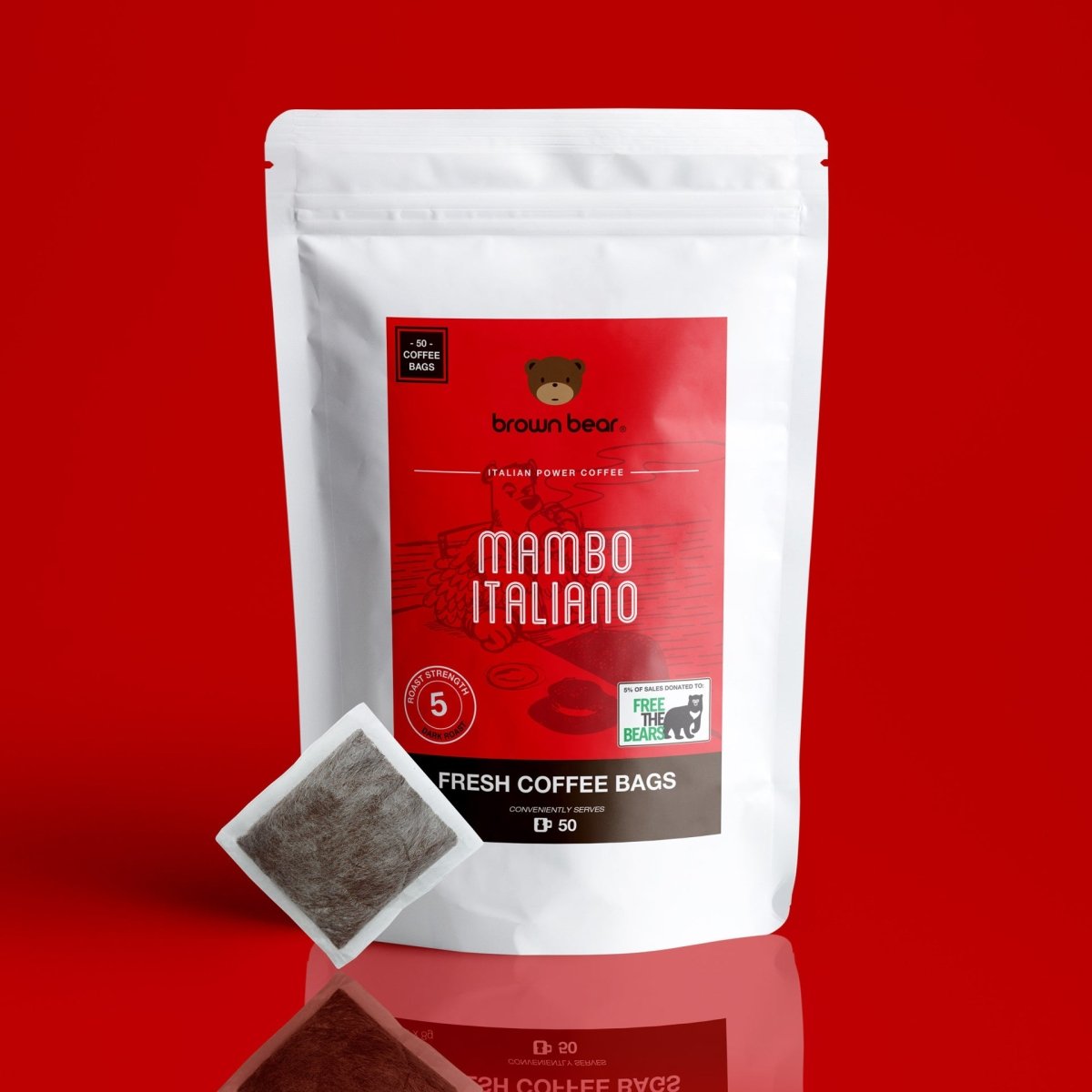
A flexible subscription should not trap you in one flavour profile. Your favourite rich, powerful dark roast may be exactly what you want through darker mornings, but a brighter light or medium roast can feel right when the weather warms up. Being able to change your selection keeps the subscription useful as your taste changes.
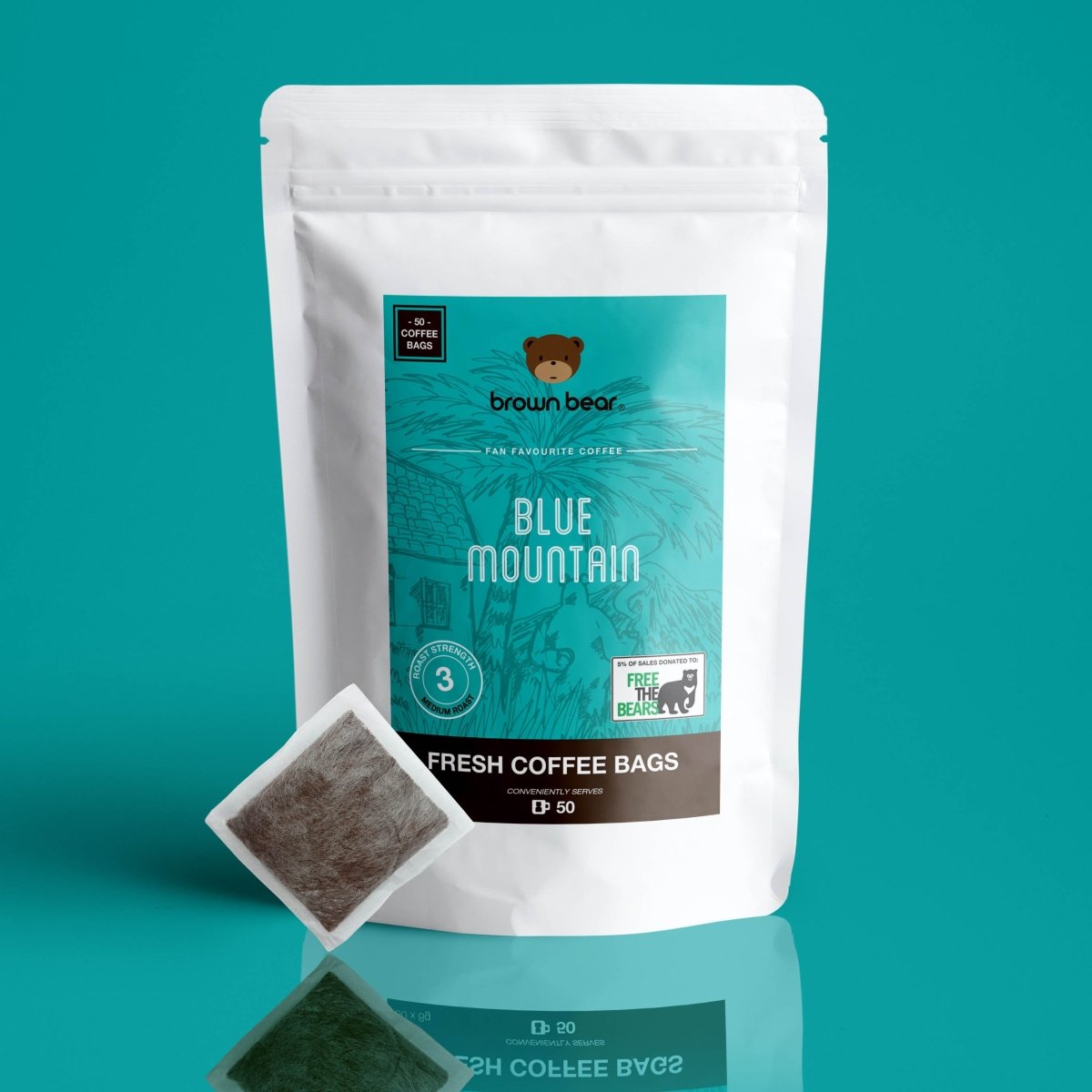
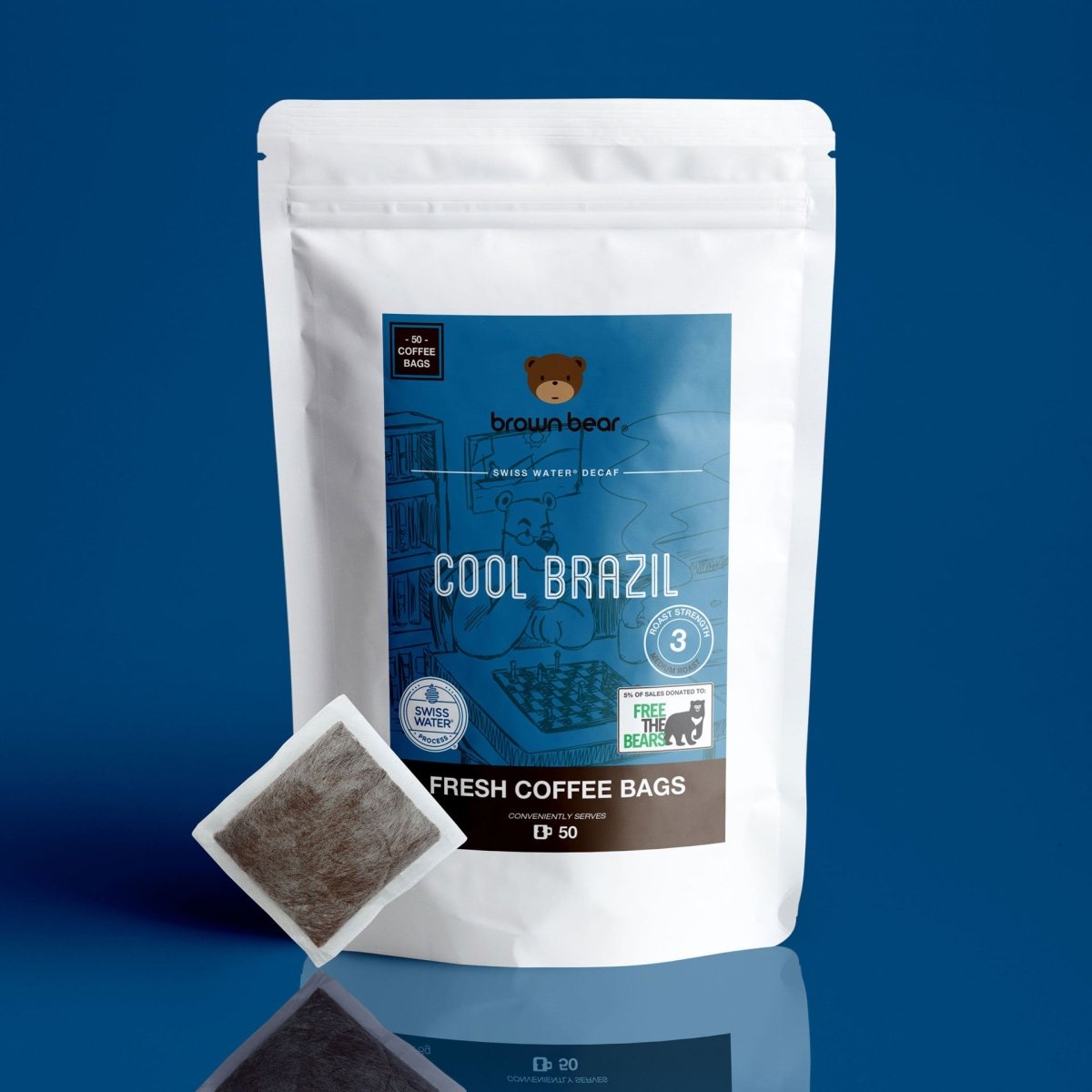
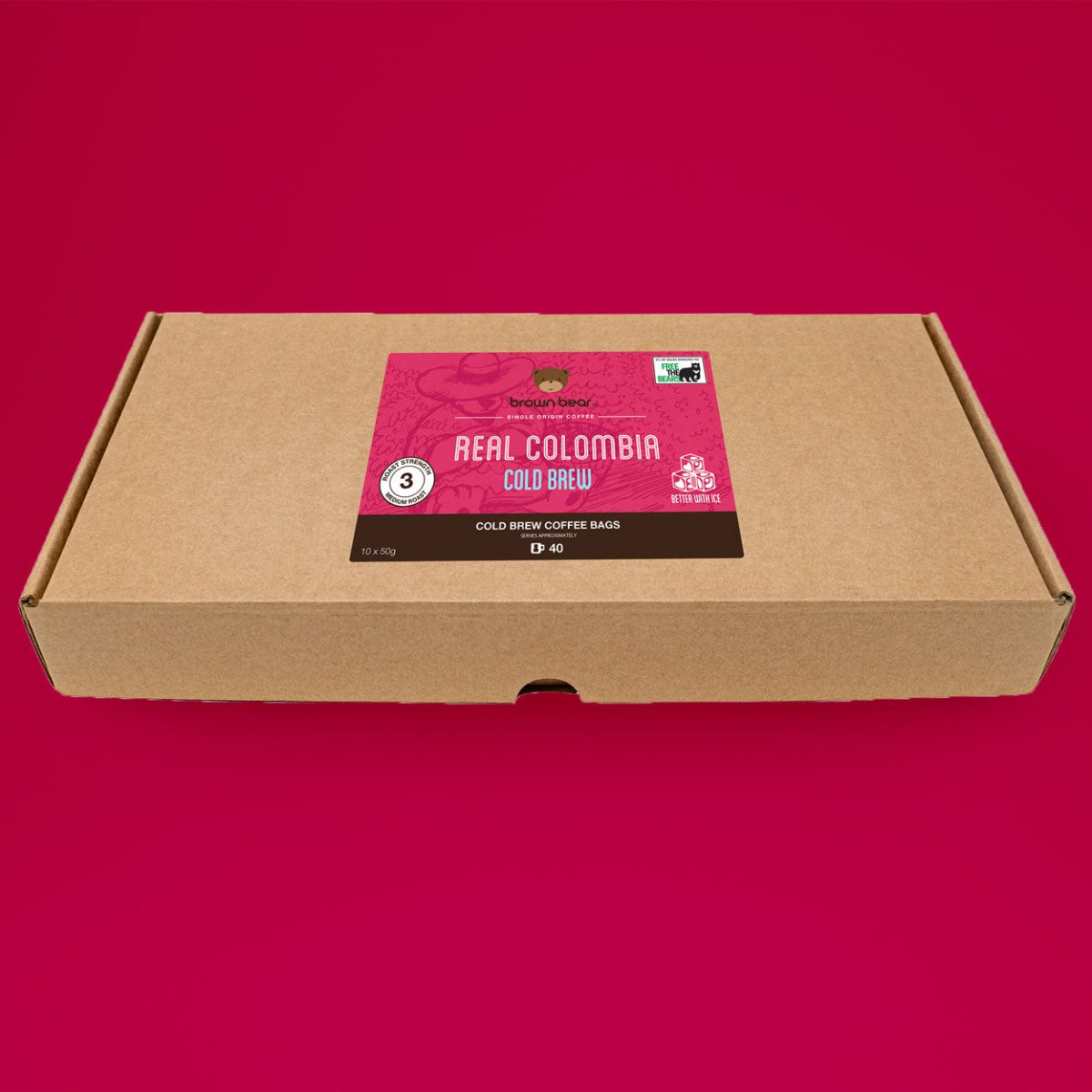
This is especially helpful if several people share the coffee cupboard. One person may want a smooth Colombian medium roast for a cafetiere, while another prefers a fuller-bodied ultra-dark roast for an espresso-style brew. You may also want decaf during the week, coffee bags for work or travel, or cold brew when the kettle stays firmly off.
Look for a service that lets you choose by roast level, origin, flavour preference and format rather than treating every subscriber as if they drink coffee in exactly the same way.
Pausing is part of the point
A pause option is one of the clearest signs that a subscription is designed around real life. Holidays, busy periods, a new brewing routine or simply an overstocked cupboard can all change how quickly you use coffee. You should be able to pause without fuss, then restart when you are ready.
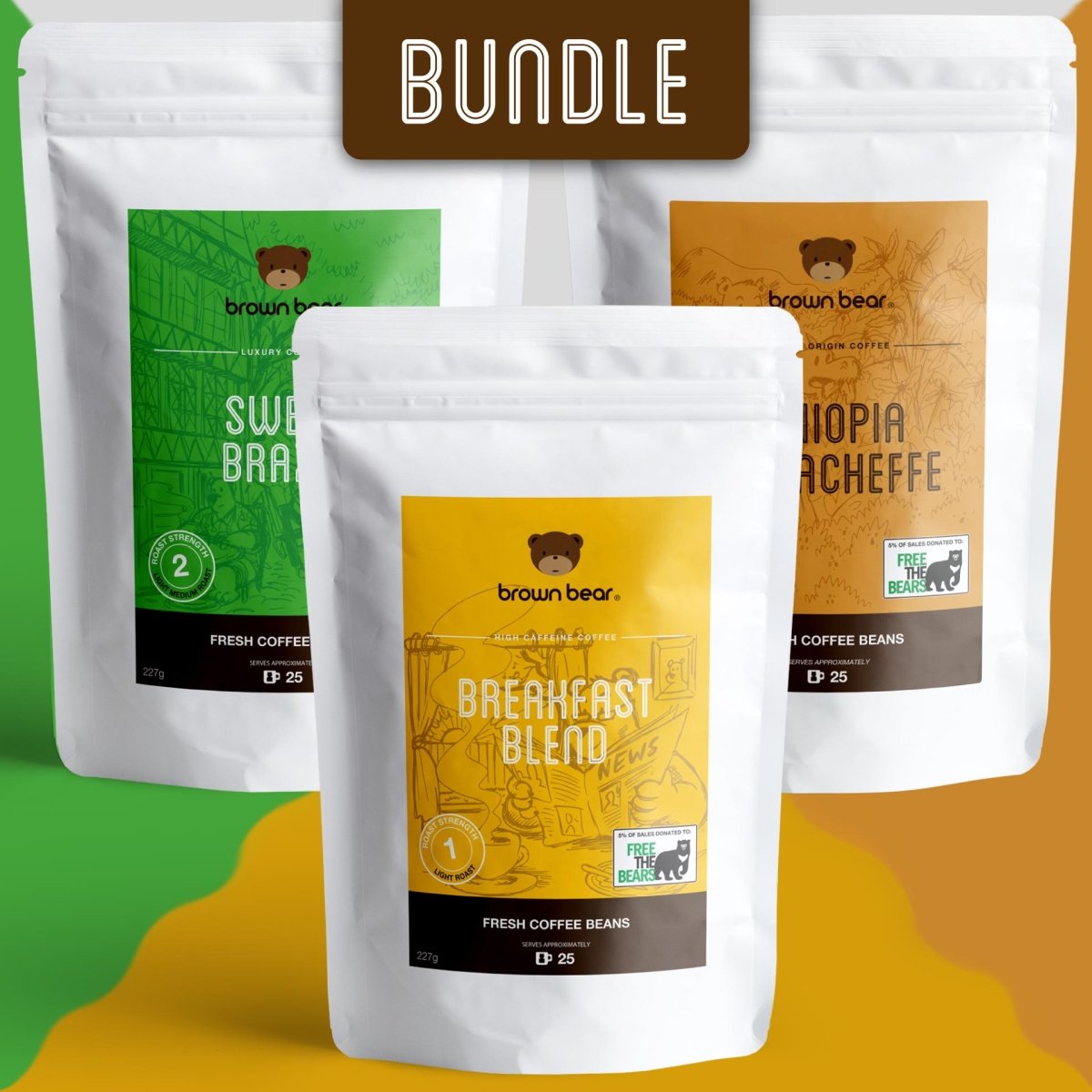
Skipping one delivery is just as useful. Perhaps you have been given coffee as a present, bought a bundle to try something new, or are working away for part of the month. A quick skip lets you keep the benefits of subscribing without paying for coffee you cannot use.
Are coffee subscriptions flexible enough for households?
Usually, yes - provided the subscription has sensible controls and you set the starting order realistically. Flexibility is not only about what the retailer allows. It also comes from choosing the right bag size and schedule in the first place.
Start by working out how much coffee you actually make. As a rough guide, a 250g bag can make around 14 to 18 cups, depending on your brew method and preferred strength. A stronger espresso recipe uses coffee more quickly than a lighter cafetiere brew, and a household making several cups a day will need a different rhythm from someone who only drinks coffee at weekends.
If you are unsure, begin with a smaller order or a longer interval. It is easier to speed up a subscription than to find space for bags you are not ready to open. Once you know your pace, you can make the schedule more regular.
For shared households, consider whether one subscription should cover everyone. It can be convenient to receive a larger quantity of one dependable favourite. But if tastes are very different, two smaller subscriptions or a mix of one-off orders and subscriptions may make more sense. Convenience should not mean settling for a coffee no one is keen to drink.
The details worth checking before you subscribe
The word “flexible” sounds reassuring, but the account controls matter. Before signing up, check how changes are made and when they take effect. If the next order is already being packed, there may be a cut-off point for edits, so it is worth getting into the habit of checking your upcoming delivery a few days beforehand.
Pay attention to these practical points:
- Delivery frequency: Can you choose an interval that matches your usage, and change it later?
- Product swaps: Can you move between whole beans, ground coffee, coffee bags, decaf or cold brew as your needs change?
- Roast and origin choice: Are you free to try different roast levels and coffees rather than receiving a fixed selection?
- Skip and pause controls: Can you skip a single order or pause for longer without cancelling everything?
- Quantity changes: Can you add another bag for a busy month or reduce the order when consumption drops?
- Cancellation terms: Is it straightforward to cancel if a subscription no longer suits you?
How to make your subscription work harder
The easiest approach is to use a subscription for the coffee you know you will drink, then use occasional one-off orders to explore. Keep your everyday favourite on repeat - perhaps a balanced medium roast for morning brews or a bold dark roast that stands up well to milk. Then try a new origin, a gift set or a seasonal change when you fancy something different.
This approach avoids a common trade-off. A fixed subscription can be excellent value and highly convenient, but it can make experimentation feel risky if every delivery is tied to the same product. Separating your dependable coffee from your curiosity coffee gives you both consistency and variety.
Storage helps too. Keep unopened bags somewhere cool, dry and away from direct sunlight. Once opened, seal the bag carefully or transfer the coffee to an airtight container. Buying at a pace you can comfortably use means each delivery is more likely to taste as good as intended.
If you switch between brew methods, make that part of your plan. Whole beans are a strong choice when you have a grinder and want maximum control over freshness and grind size. Ground coffee is quicker for a cafetiere, filter machine or moka pot, but it is worth selecting the appropriate grind where available. Coffee bags are particularly handy for the office, a weekend away or a simple cup without any equipment.
Flexibility should still feel simple
More options are only useful if they are easy to use. You should not need a spreadsheet to work out when coffee is arriving or a lengthy process to change from a dark roast to decaf. The best subscriptions make the basics clear: what is coming, when it is coming, how much it costs and how to make a change.
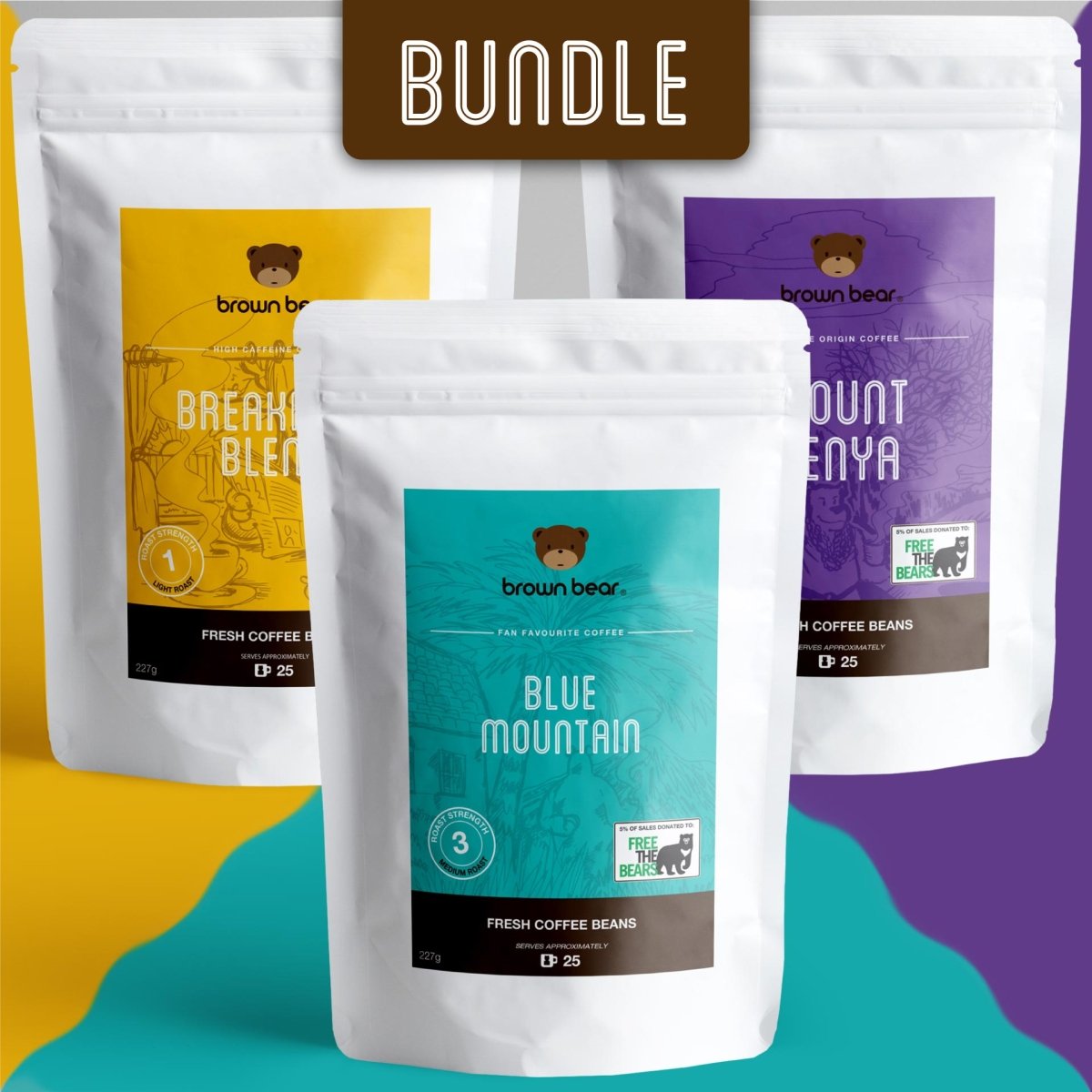
At Brown Bear, the aim is to make repeat coffee orders feel straightforward, whether your usual choice is powerful dark roast, smooth medium roast or something a little different. A subscription can save time and help keep your kitchen stocked, but you should remain in charge of the coffee.
Choose a schedule that leaves a little breathing room, keep an eye on your next delivery, and let your subscription follow your routine rather than dictate it. Great coffee is most enjoyable when it turns up just when you want it - and when you still have the freedom to change your mind.

