









That first pour from a cafetiere can go one of two ways - full-bodied, rich and properly satisfying, or a muddy, bitter cup that makes you wonder whether the coffee was worth it. The good news is that finding the best coffee for cafetiere brewing is usually less about fancy kit and more about choosing the right beans, roast and grind for the way this brewer works.
A cafetiere is simple, forgiving and brilliant for everyday coffee, but it does have its own sweet spot. It tends to bring out body, texture and deeper flavours more than paper-filter methods, which means some coffees shine and others can feel a bit too sharp or too heavy. If you want better coffee at home without turning breakfast into a science project, this is where to focus.
What makes the best coffee for cafetiere brewing?
Cafetiere coffee is made by full immersion. The grounds sit in the water for several minutes, and the metal filter lets natural oils and fine particles through into the cup. That gives you a rounder mouthfeel and more weight than drip coffee, but it also means flaws are harder to hide.
The best coffee for this method is usually one that tastes balanced and expressive even when it has plenty of body. You want sweetness, a clear flavour profile and enough structure to stay interesting without tipping into bitterness. In practical terms, medium roasts and some darker medium roasts often work especially well, because they bring chocolate, caramel, nuts and ripe fruit notes that feel at home in a cafetiere.
That does not mean lighter roasts are off the table. A bright Ethiopian or Kenyan coffee can be lovely if you enjoy more floral or fruit-led cups. But because the cafetiere keeps more oils and sediment in the brew, very light roasts can sometimes come across as a touch grassy, sharp or underdeveloped unless the grind and brew time are spot on.
Roast level matters more than people think
If you are buying coffee specifically for a cafetiere, roast level is the easiest place to start.
A light roast will usually give you more acidity, more delicate aromatics and more obvious origin character. That can be exciting, but in a cafetiere it often needs careful brewing to avoid a thin or sour edge. It suits drinkers who genuinely enjoy lively, fruit-forward coffee and do not mind a little experimentation.
A medium roast is the safest all-round choice. It tends to offer sweetness, balance and enough body to suit the immersion style. If you want a cup that feels smooth and easy to return to every morning, this is often the sweet spot.
A dark roast can work beautifully too, especially if you like bolder flavour and lower acidity. Expect notes like dark chocolate, toasted nuts and treacle. The trade-off is that if the roast is pushed too far, the cafetiere can exaggerate bitterness and smokiness. In other words, bold is good. Burnt is not.
For most households, a medium to dark roast gives the easiest route to dependable cafetiere coffee. It is approachable, versatile and works whether you drink it black or with milk.
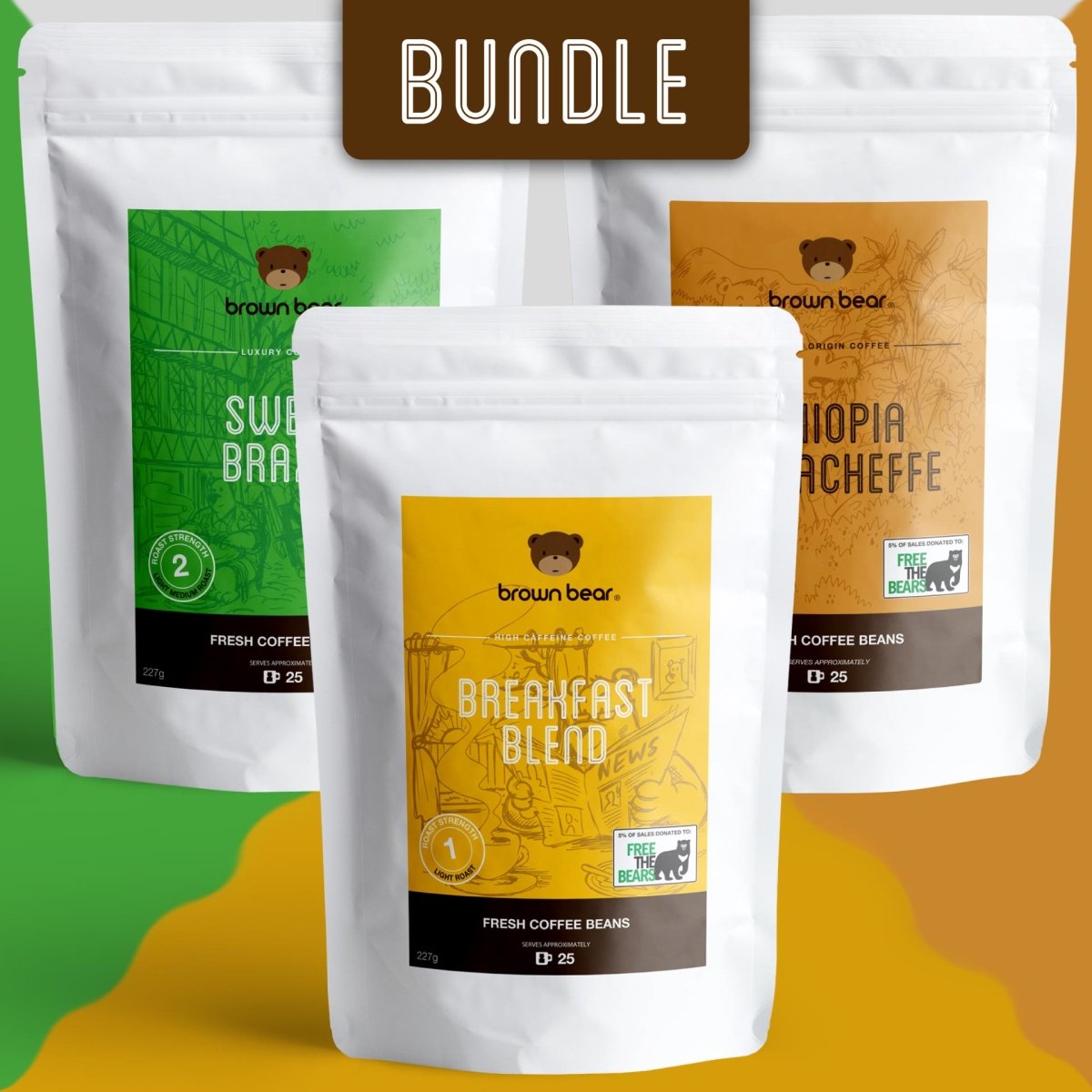
We recommend our Sweet Brazil coffee for Cafetiere; it's complex enough to be enjoyed black and strong enough to cut through a little milk.

Origin changes the flavour in the cup
Once you know your preferred roast zone, origin helps narrow things down.
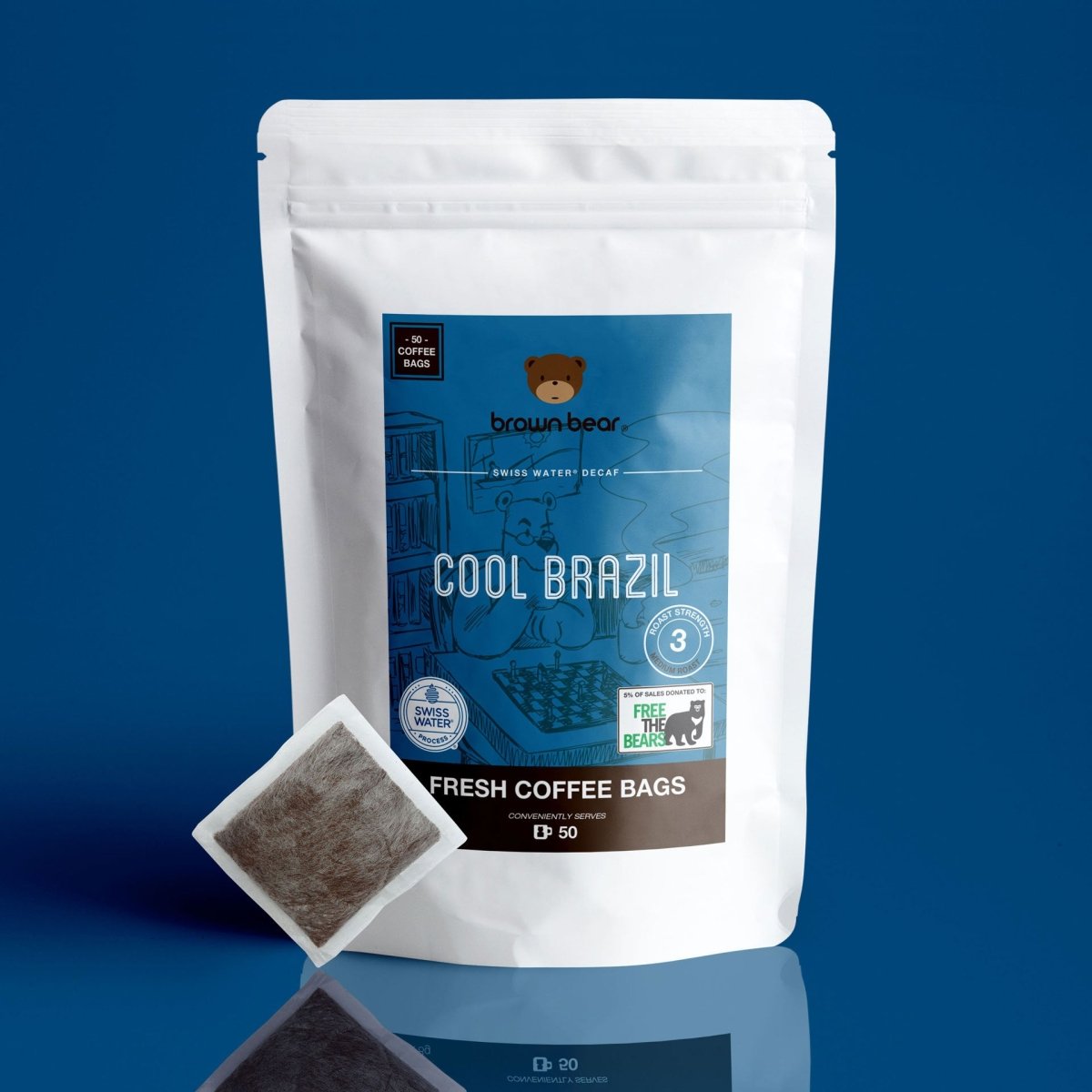
Brazilian coffees are a classic cafetiere choice because they are typically smooth, nutty, chocolatey and low in acidity. They make a comforting everyday cup and are especially good if you like a fuller, softer profile.
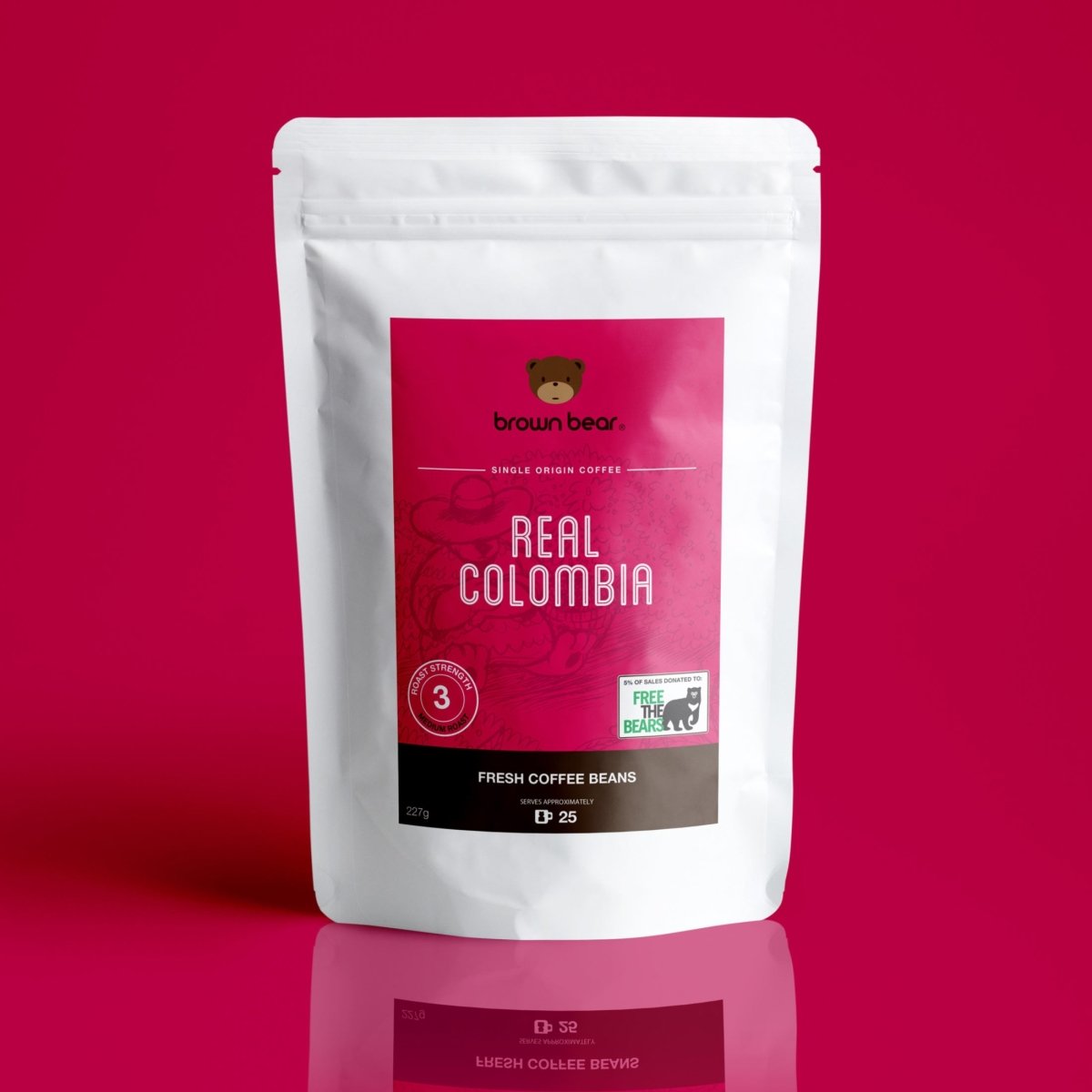
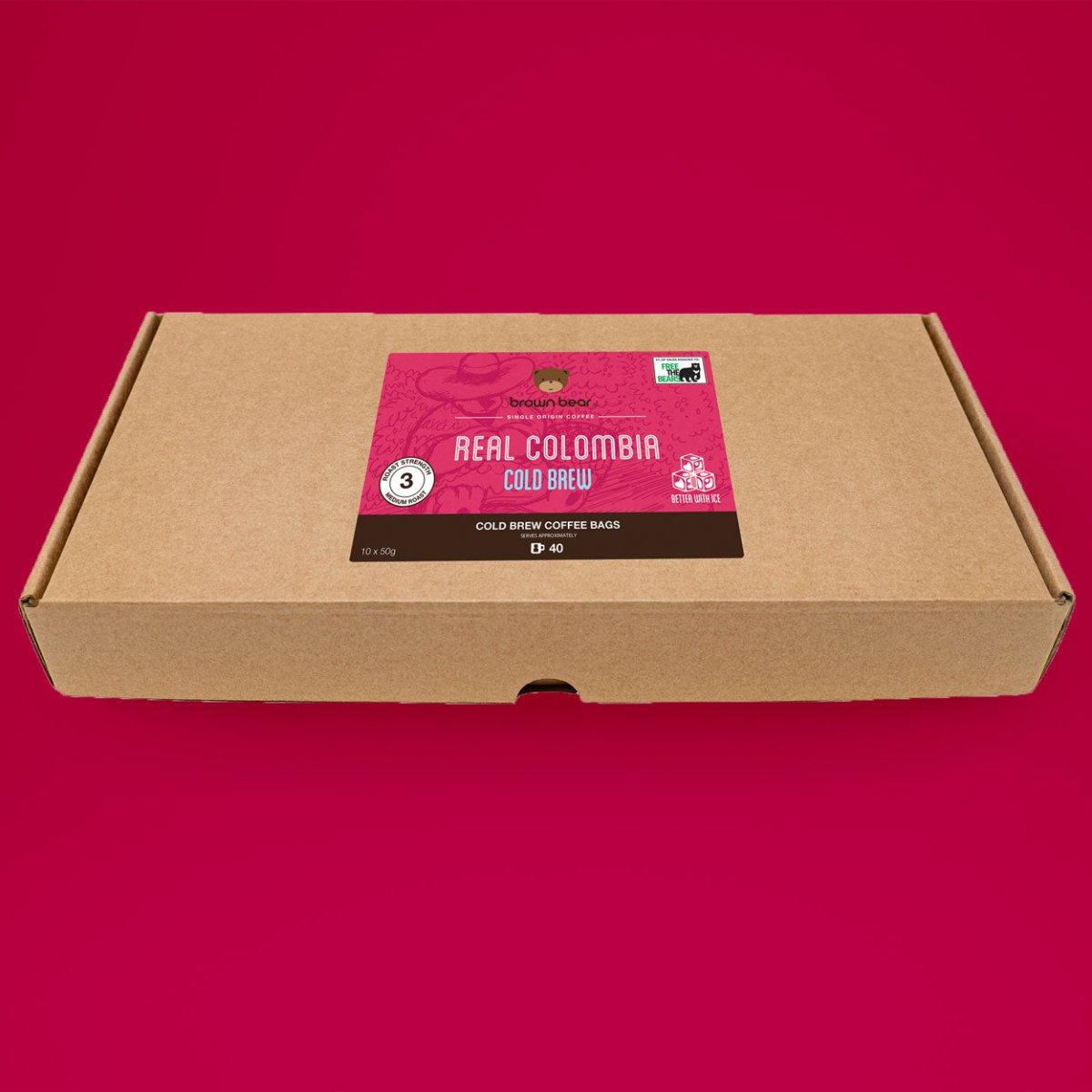
Colombian coffees are another strong option. They often balance caramel sweetness, red fruit and gentle acidity, which gives you a cup with a bit more lift without becoming too bright. For many people, Colombia hits the middle ground between easy-drinking and interesting.
Guatemalan and Peruvian coffees can also work very well, often bringing cocoa, citrus and a clean sweetness. They are ideal if you want something balanced but not flat.
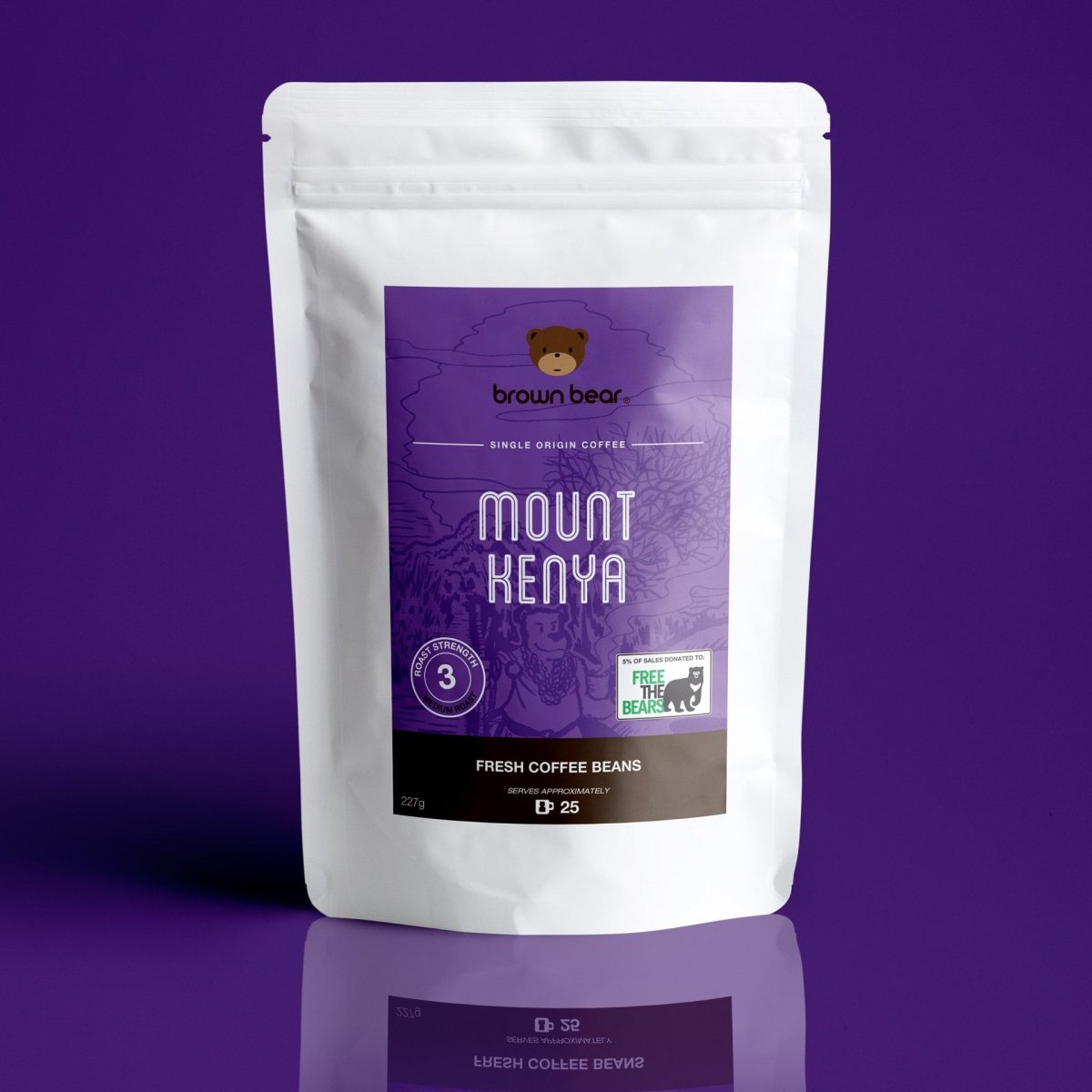
Ethiopian and Kenyan coffees are more divisive in a cafetiere. If you love floral aromas, berry notes or sharper fruit character, they can be excellent. If you prefer a smoother, heavier cup, they may feel a little lively. It depends on your taste and whether you want your morning coffee comforting or more expressive.
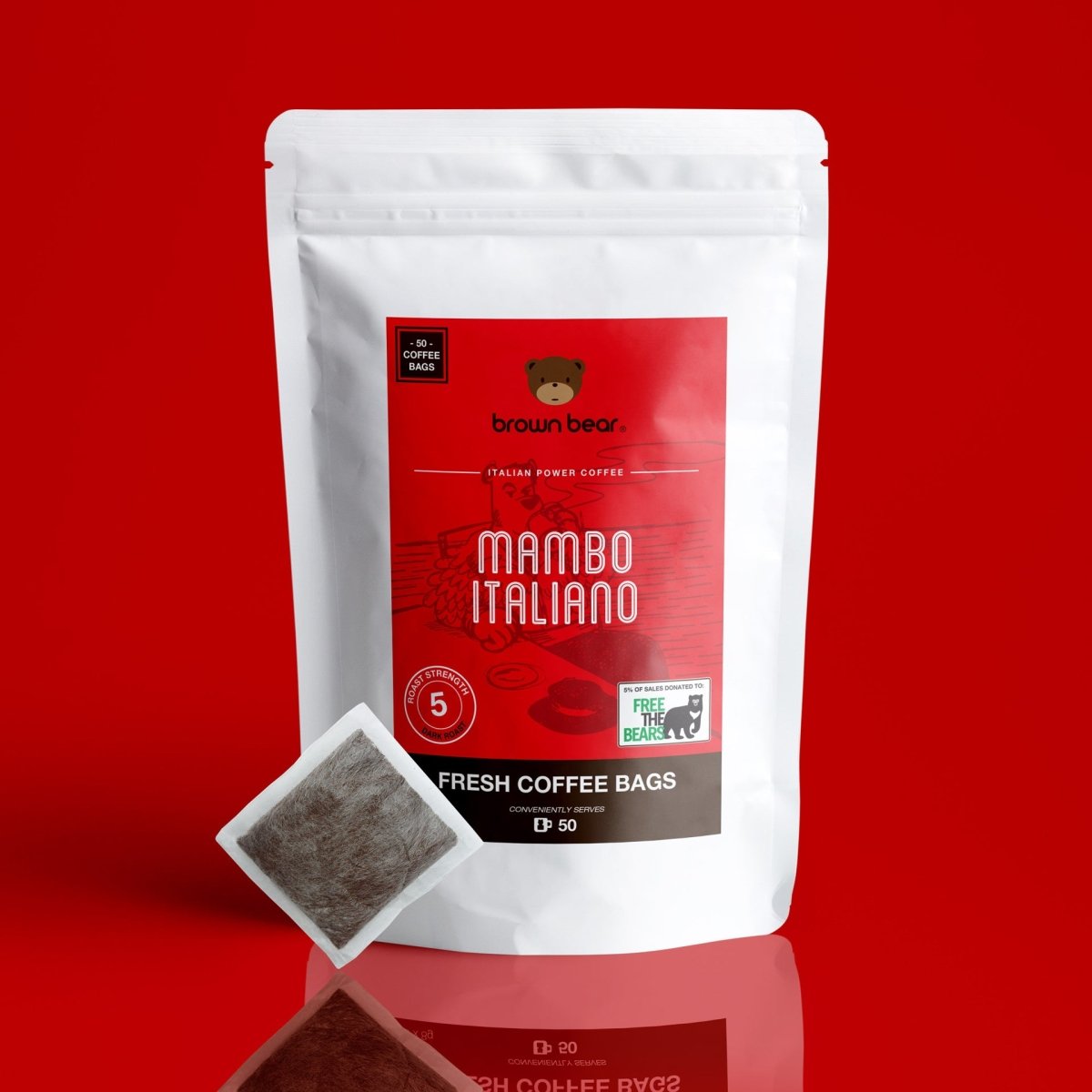
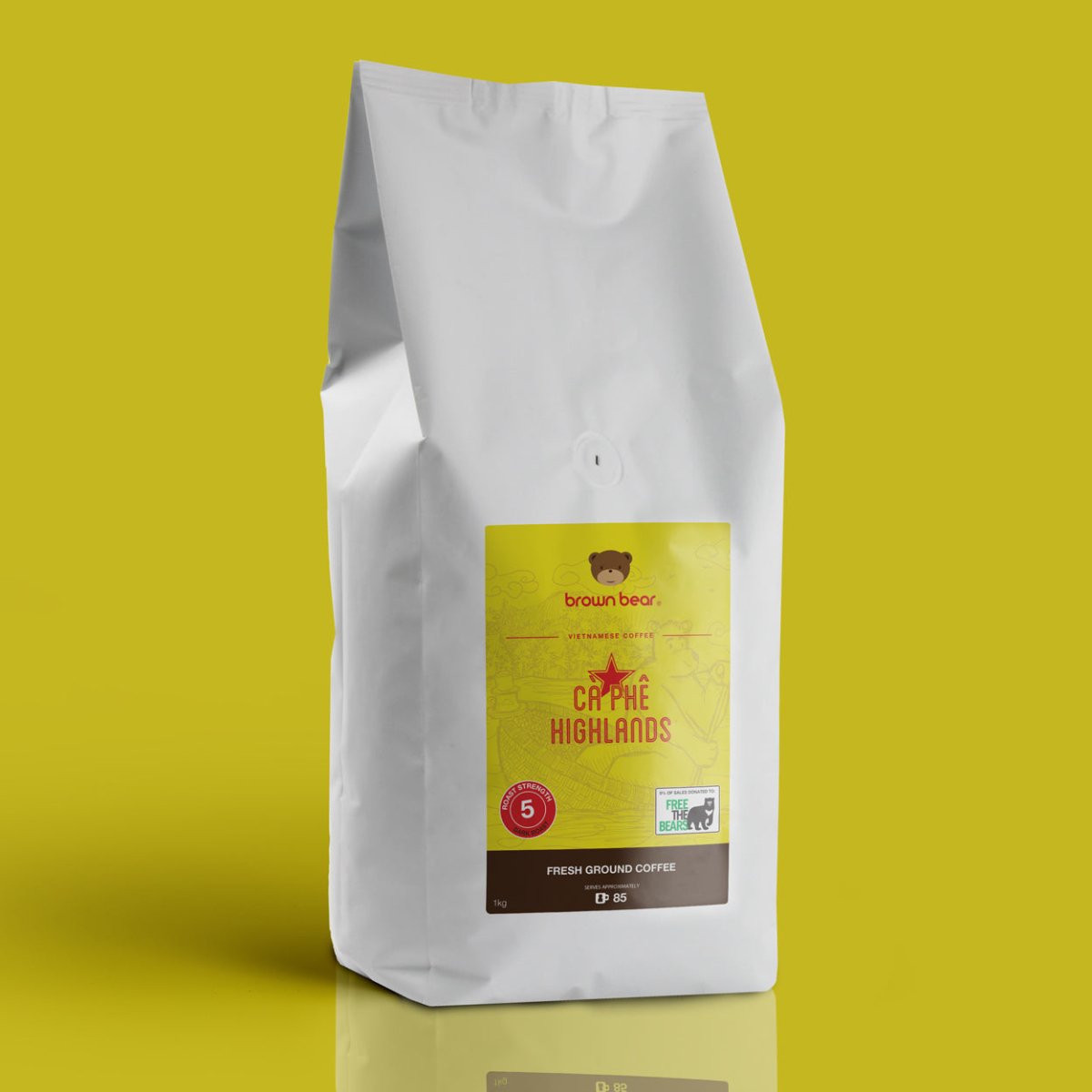
Vietnamese coffee, especially if roasted darker, suits people who want intensity, punch and a stronger flavour profile. In a cafetiere that can be very satisfying, particularly with milk, but it is better suited to those who actively want power rather than subtlety.
Whole beans or pre-ground?
Freshness matters, but convenience matters too. The ideal is to buy whole beans and grind them just before brewing. That gives you more aroma, better flavour definition and more control over the result.
That said, pre-ground coffee is not automatically a compromise if it is fresh and ground for cafetiere use. For plenty of people, the best coffee is the one that fits the routine you will actually stick to. If grinding every morning feels like a faff, good pre-ground coffee is still a big step up from stale supermarket tins.
What matters most is the grind size. Cafetiere coffee needs a coarse grind - not powdery, not fine, and not halfway to espresso. Too fine, and the brew turns muddy and bitter. Too coarse, and it can taste weak or oddly hollow. A proper cafetiere grind should look fairly chunky, with an even texture.
How to choose coffee for strength and flavour
A lot of people shop by strength first, which is fair enough. You know what kind of cup you want.
If you like a softer, smoother mug for long mornings, go for coffees described as mellow, balanced or medium roast. Look for flavour notes such as milk chocolate, biscuit, nuts or caramel.
If you want a stronger start to the day, a dark roast or a higher-strength blend is often the better fit. Notes like dark chocolate, treacle and roasted nuts usually point towards a fuller cafetiere brew with more depth.
If you enjoy black coffee and want more character, origin-led coffees can be a great choice. Fruity Colombians, cocoa-rich Guatemalans or berry-led Ethiopians all offer something distinct without needing complicated brewing gear.
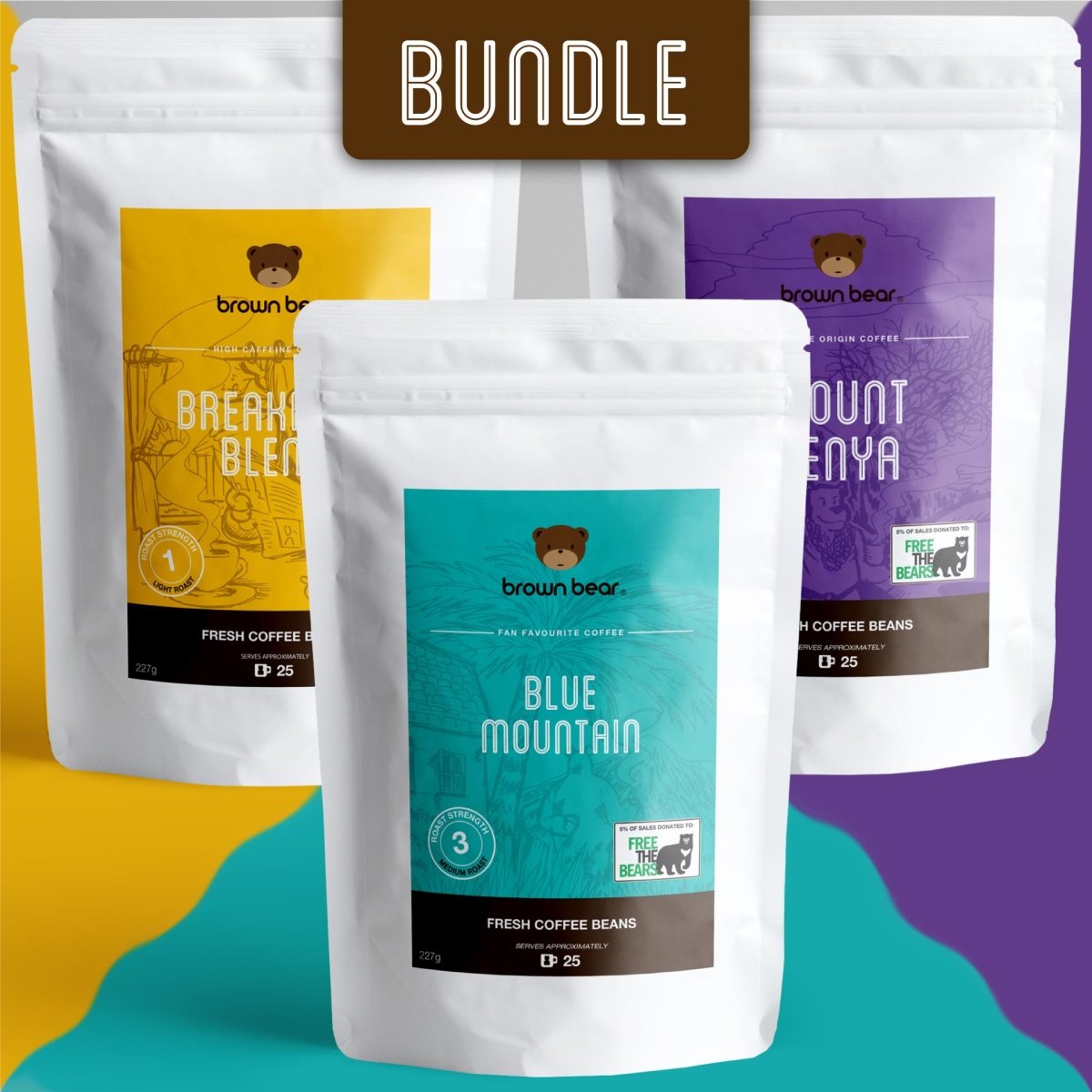
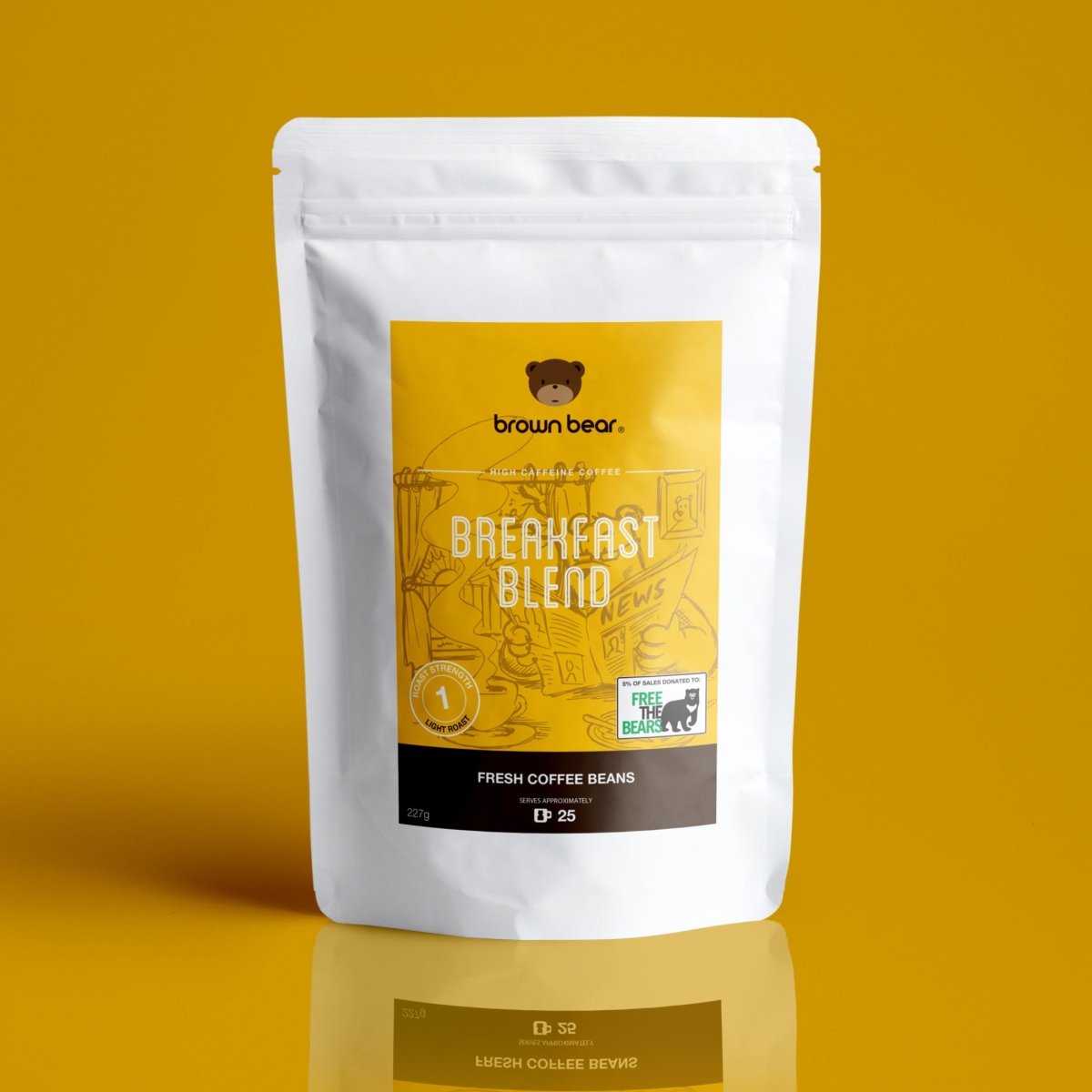
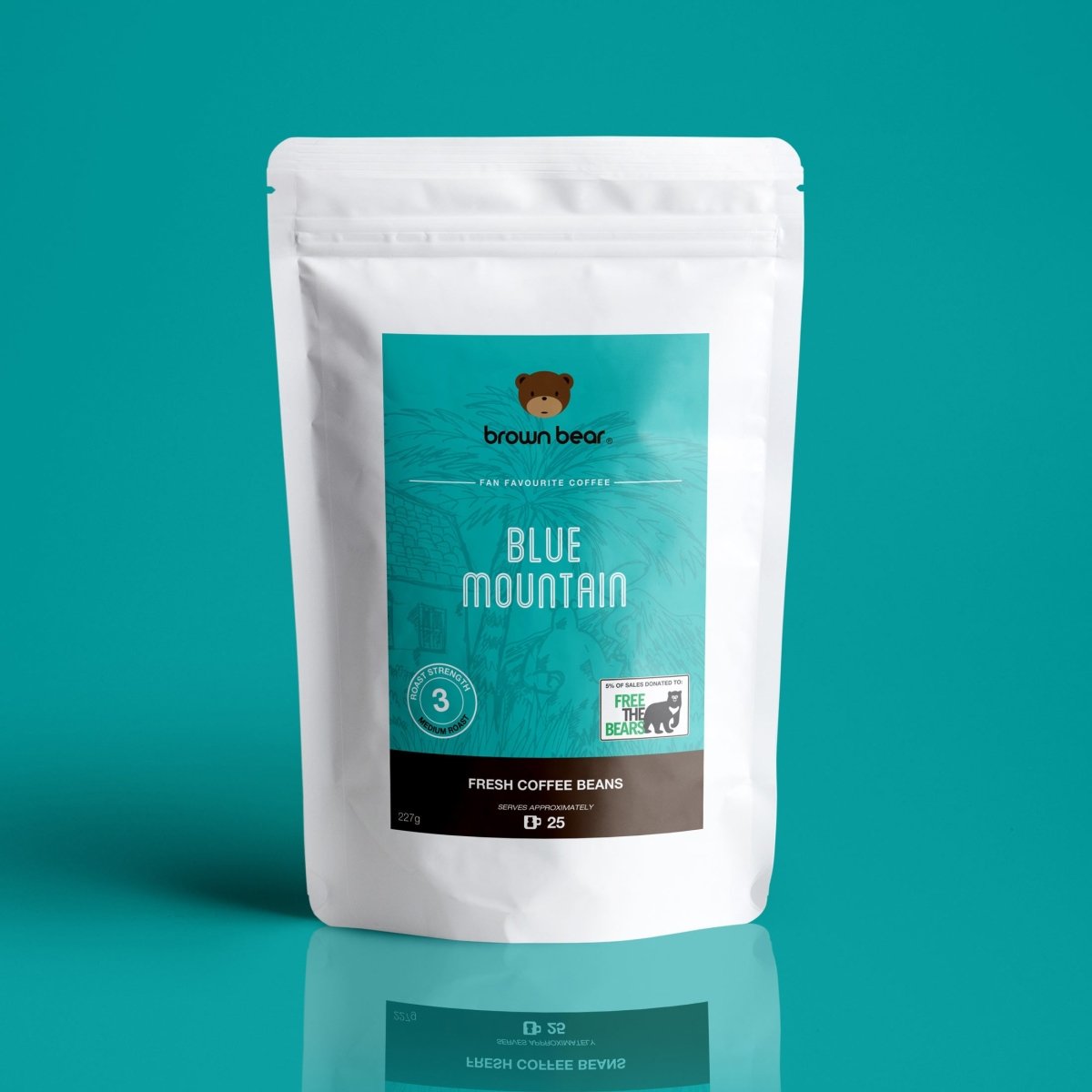
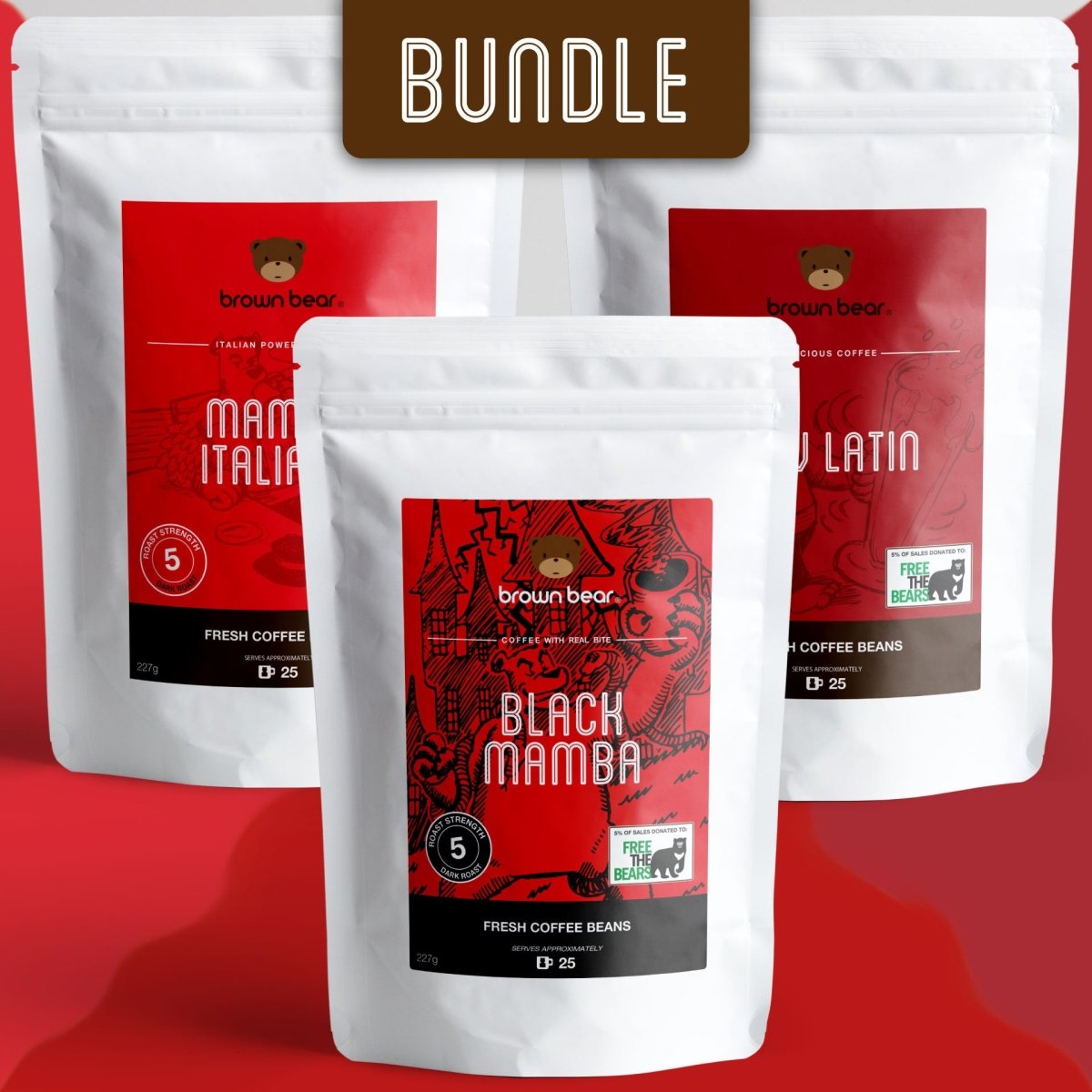
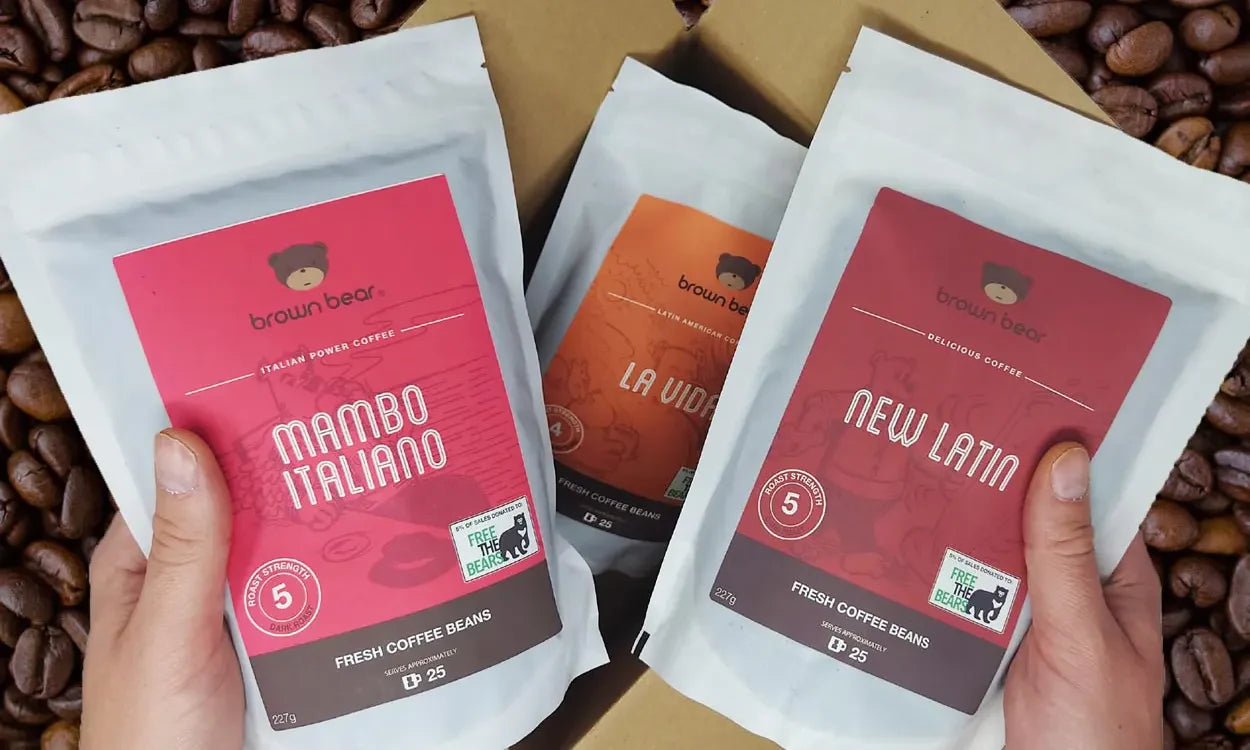
This is where clear roast and flavour labelling makes life easier. Brown Bear, for example, organises coffee by roast profile and intensity, which is exactly the sort of shortcut that helps cafetiere drinkers buy with confidence instead of guessing.
Common mistakes people blame on the coffee
Sometimes the coffee itself is not the real issue.
If your cafetiere brew tastes harsh, the grind may be too fine or the water too hot. If it tastes flat, the coffee may be stale or the brew ratio too weak. If there is too much sludge in the cup, you may be pressing too aggressively or using a grind that is not coarse enough.
A good starting point is around 60g of coffee per litre of water, brewed for four minutes. Stir gently after pouring, let the crust settle, then press slowly. You can tweak from there depending on taste. Stronger is easy - just add a little more coffee. Cleaner is easy too - leave the last splash in the pot rather than forcing every drop into the mug.
The best coffee for cafetiere brewing by taste preference
If your ideal coffee is classic and comforting, choose a medium roast from Brazil or Colombia. If you want richer, bolder flavour, move towards darker roasts with chocolate and nut-led notes. If you prefer something brighter and more distinctive, look for a lighter medium roast from Ethiopia, Kenya or a fruitier Colombian lot.
There is no single correct answer because cafetiere brewing is generous with flavour. It rewards coffees that are sweet and balanced, but it also gives enough body to carry stronger profiles well. The real aim is to match the coffee to the kind of cup you actually enjoy drinking every day.
For most people, the winning choice is a fresh medium or medium-dark coffee with a coarse grind and a flavour profile built around chocolate, caramel, nuts or ripe fruit. It is easy to brew, hard to get badly wrong and reliable enough for weekday mornings, lazy weekends and the second pot you were not planning on making.
The best cafetiere coffee is the one that makes your routine feel easy and your cup feel worth slowing down for.

