









A late-afternoon coffee should not have to mean lying awake at midnight. Good decaf gives you the familiar comfort of a fresh brew - the aroma, warmth and full coffee flavour - with far less caffeine. Knowing how to choose decaf coffee comes down to a few useful decisions: the flavour you enjoy, the way you brew, and the level of convenience that suits your routine.
The best place to start is not with the word decaf. Start with the coffee you would usually choose. If you enjoy rich, chocolatey cups with milk, look for a darker roast. If you prefer a brighter black coffee with fruitier notes, a lighter or medium roast may be a better fit. Decaf should feel like your coffee, simply at a different time of day.
How to choose decaf coffee for your taste
Decaffeination changes the caffeine level, not the basic character of the bean. Origin, roast and brewing still have a big say in what ends up in your cup. That is good news for anyone who has settled on a favourite style but wants to cut back on caffeine.
Choose your roast before anything else
Roast level is one of the clearest shortcuts to flavour. A light roast tends to show more of the bean’s natural character. You may notice citrus, berries, floral notes or a crisp finish, particularly in coffees from African origins. This can be a lovely choice for filter coffee or a black cafetière brew, but it may feel too sharp if you always add plenty of milk.
Medium roast decaf is the easy all-rounder. It usually balances sweetness, body and gentle acidity, making it a strong choice for households where people drink coffee in different ways. It works well as a morning filter coffee, an afternoon flat white or a relaxed after-dinner cup.
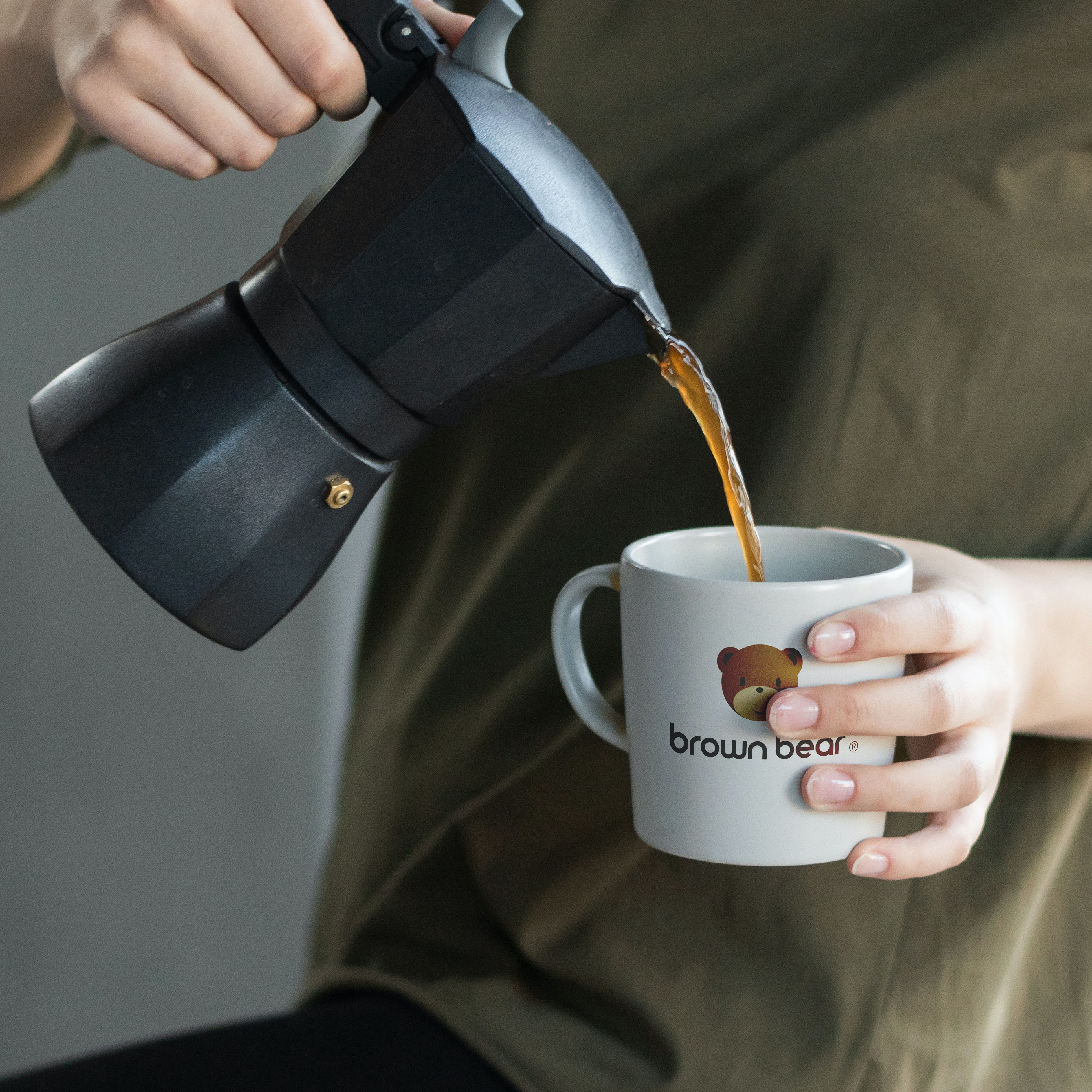
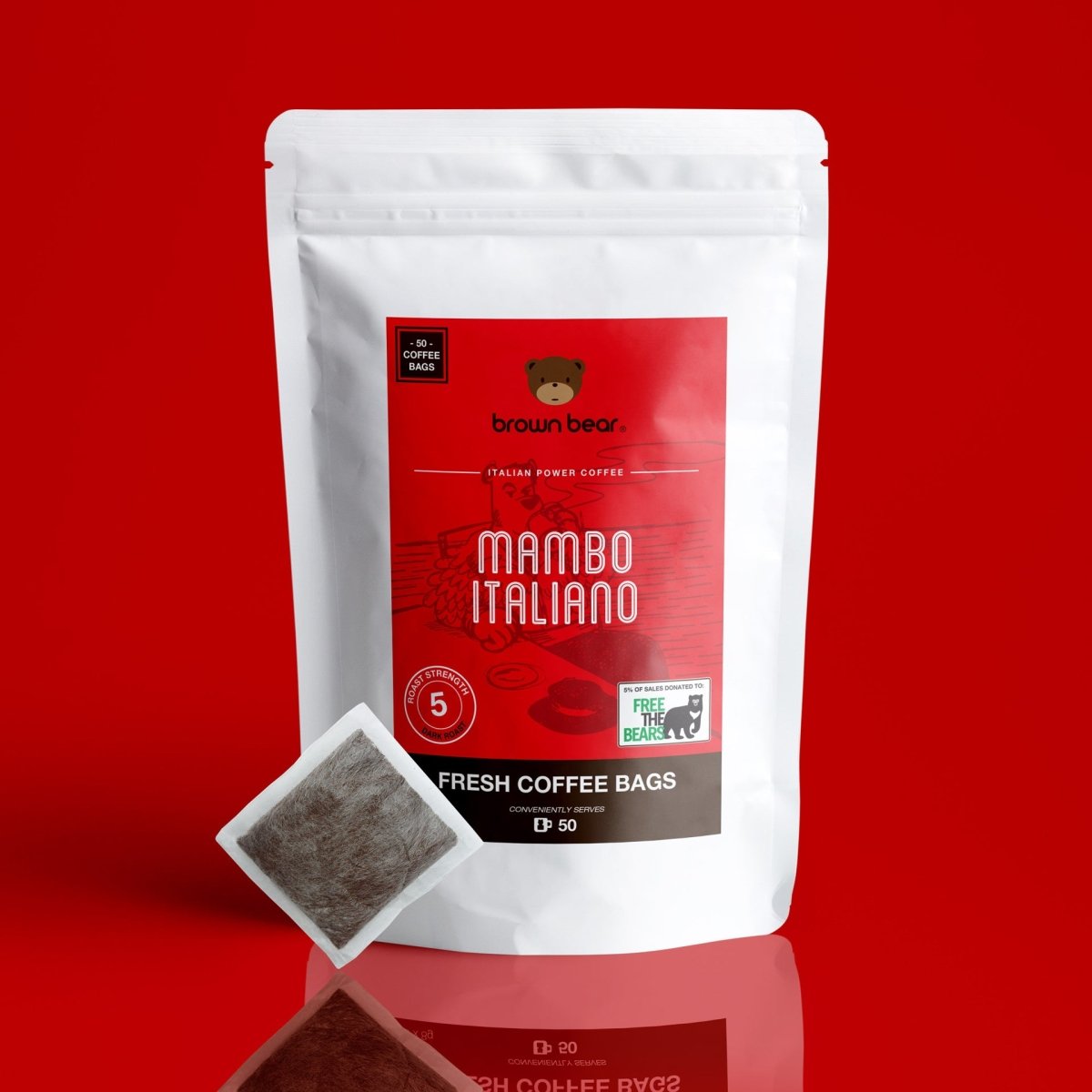
Dark and ultra-dark roasts bring more depth, with flavours such as cocoa, toasted nuts, caramel and dark chocolate. Their fuller body stands up well to milk and makes them a natural option for espresso, bean-to-cup machines and moka pots. A darker roast does not automatically contain less caffeine than a lighter one once brewed. Choose it because you enjoy a bolder flavour, not because you expect it to be more decaffeinated.
Think about the cup you actually make
Coffee can taste very different depending on your equipment. A fine espresso grind will not perform well in a cafetière, while a coarse cafetière grind can make an espresso taste thin and underdeveloped. Matching the format to your brewer is one of the simplest ways to get a reliably good decaf.
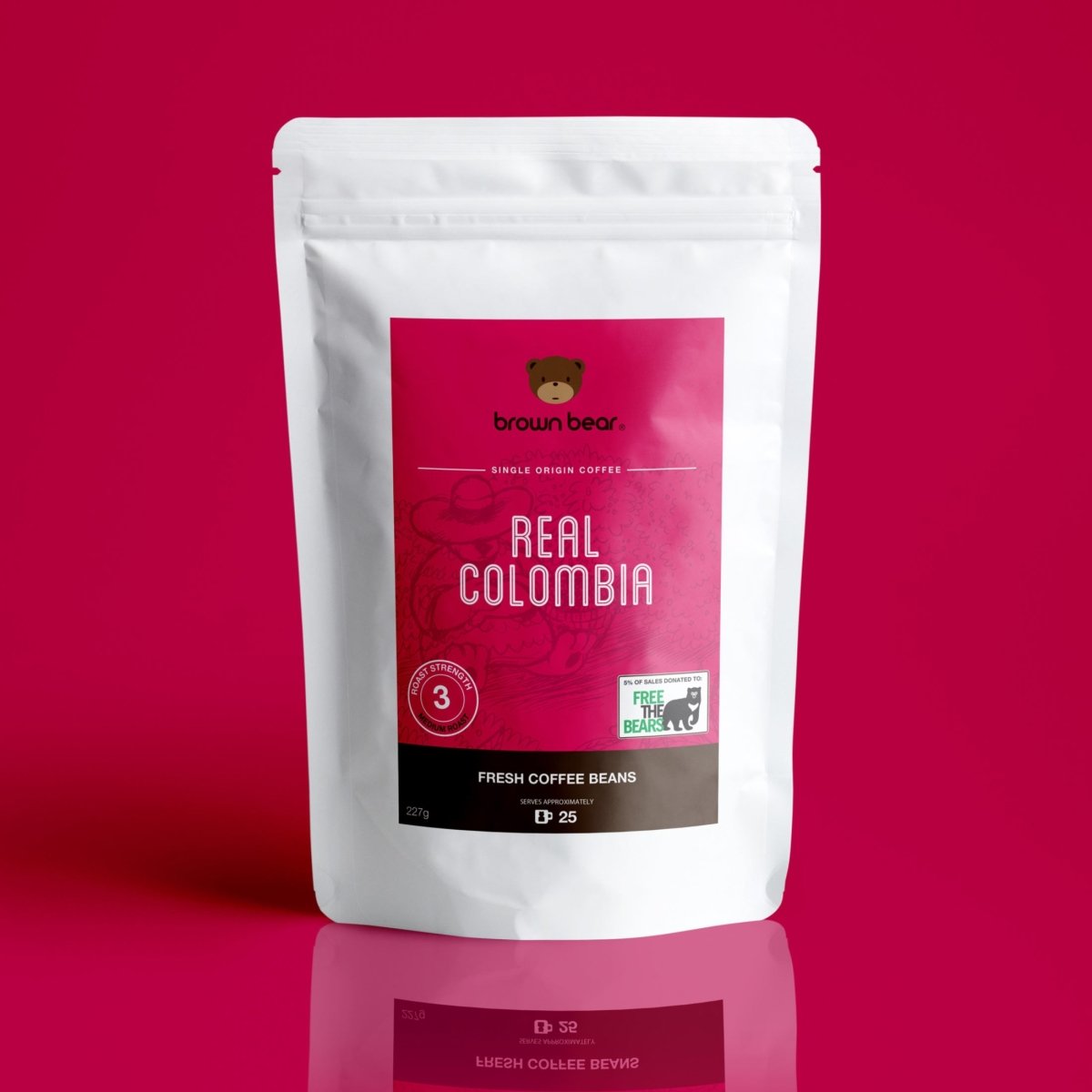
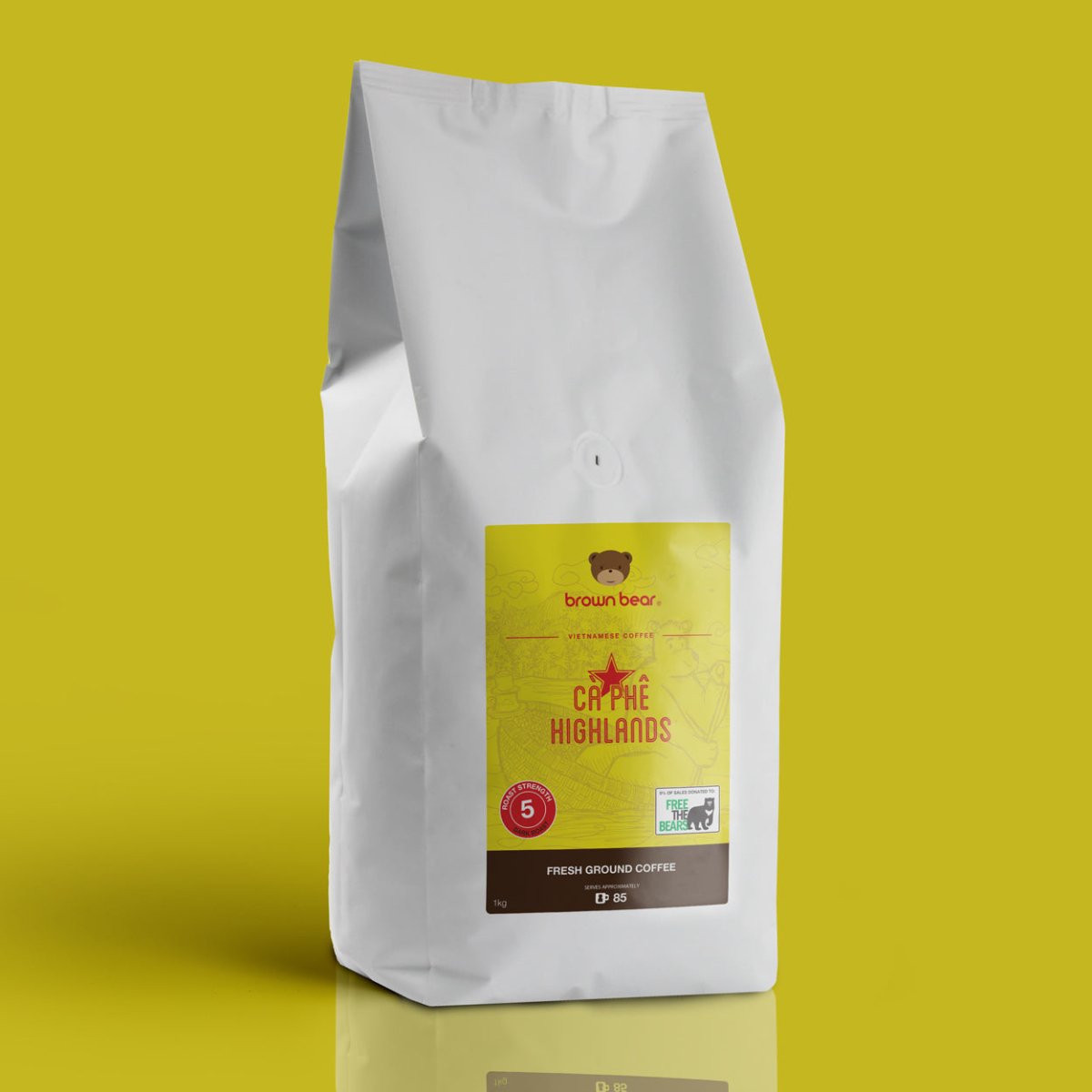
Whole beans are ideal if you have a grinder and want the freshest flavour. Grind only what you need just before brewing, and you can adjust the grind to suit your machine. Pre-ground coffee is a practical choice when speed matters. Pick the grind that matches your usual method and keep the bag sealed between cups.
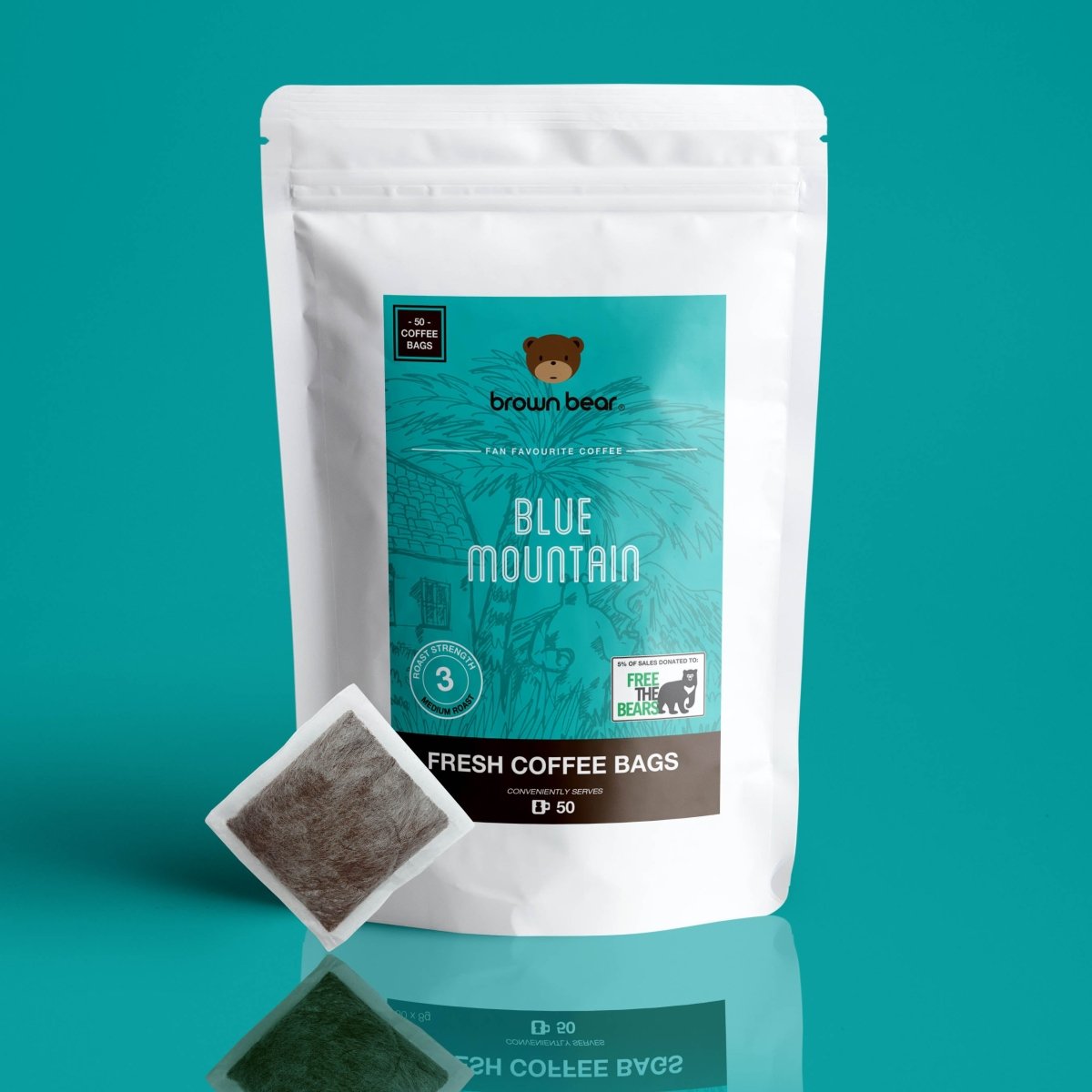
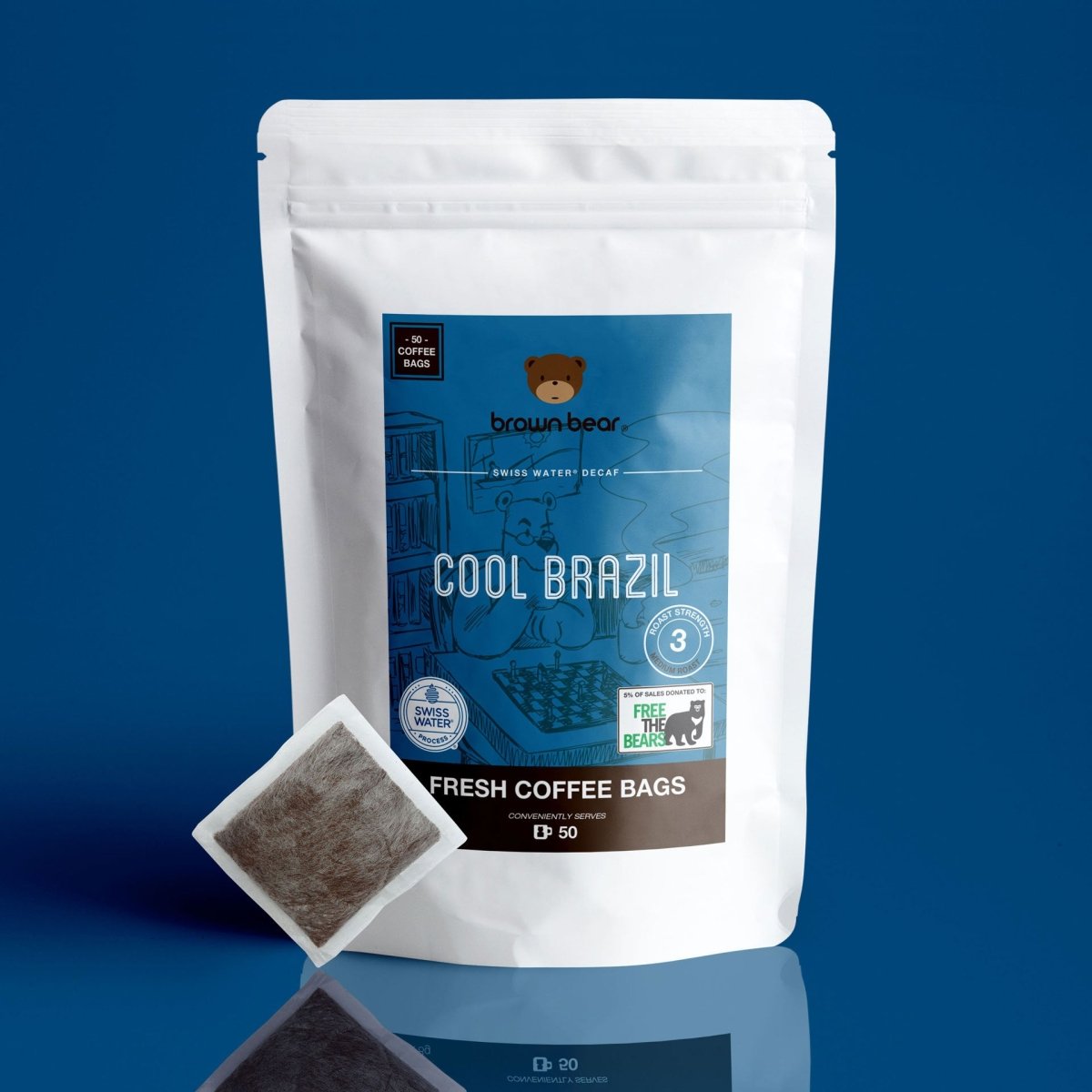
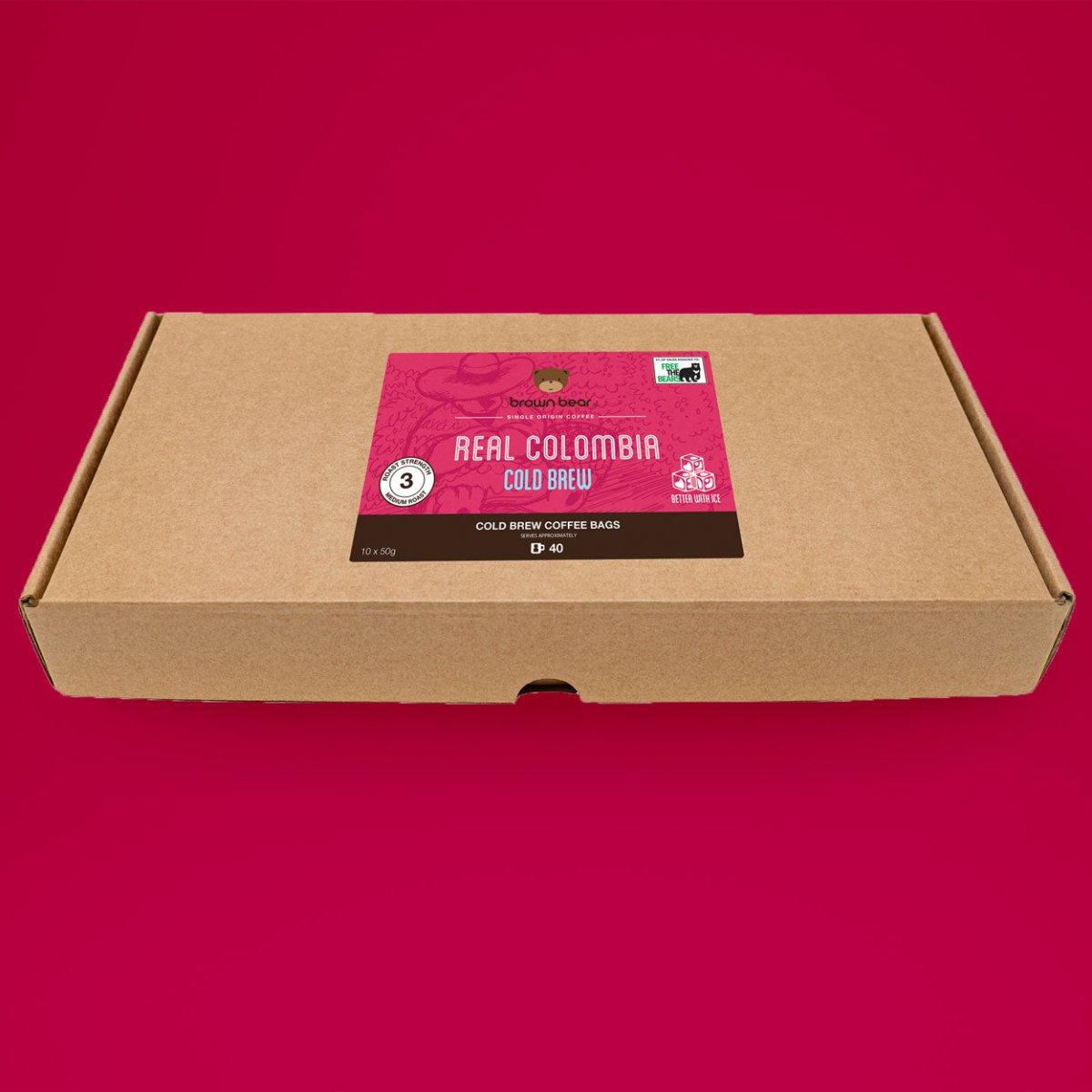
Coffee bags are worth considering if you want a no-fuss decaf at work, while travelling or in a kitchen with limited kit. They are also useful for guests who prefer decaf but do not need a whole bag of coffee at home. For cold drinks, choose a decaf that is intended for cold brew or has enough body to stay flavourful over ice. A very delicate light roast can be excellent cold, but a smooth medium or dark roast is often the safer crowd-pleaser.
Check how the coffee is decaffeinated
All decaf coffee begins as green coffee beans, before roasting. The beans are treated to remove most of their caffeine, then dried and roasted as usual. Decaf is not normally completely caffeine-free, but it contains only a small fraction of the caffeine in regular coffee. That can make a meaningful difference if you are sensitive to caffeine, reducing your intake, pregnant, or simply want another cup later in the day.
You may see several decaffeination methods mentioned on packaging. Water-based methods use water and filters to draw caffeine from the beans while retaining flavour compounds. Carbon dioxide methods use pressurised CO2 to target caffeine. Some coffees are decaffeinated using approved solvents that are removed during processing and roasting.
There is no single method that guarantees the best taste. A carefully sourced, freshly roasted coffee matters just as much. If a particular process gives you peace of mind, it is reasonable to choose it. But if the coffee tastes flat, overly roasted or stale, the processing label alone will not rescue the cup. Let your own taste be the final test.
Look for useful information, not confusing jargon
A good decaf listing should make the basics easy to see: roast level, flavour profile, origin or blend, format and suggested brewing method. These details are more helpful than a long list of technical claims.
Single-origin decaf can be a great choice when you enjoy a distinctive profile. A Colombian decaf may offer comforting sweetness and a rounded body, while a Kenyan or Ethiopian coffee can bring more lively fruit notes. Blends are often designed for consistency and balance, which makes them especially useful for espresso and everyday milk-based drinks.
If you are buying your first decaf, avoid putting too much pressure on one bag to do everything. A bright, light-roasted coffee may be perfect for your weekend filter but not for your weekday latte. A rich dark roast may be excellent after dinner yet too intense for a long black. Choosing by occasion can be more useful than hunting for one universal coffee.
Freshness matters as much as the decaf label
Decaf coffee deserves the same care as regular coffee. Once roasted coffee is exposed to air, its flavours gradually fade. Buy a sensible amount for how quickly you drink it, seal it well after opening, and store it somewhere cool and dry. A cupboard away from sunlight and heat is better than the fridge, where moisture and food odours can affect the beans.
Whole beans generally stay at their best for longer than ground coffee, simply because less surface area is exposed to oxygen. That said, convenience counts. A bag of ground decaf that helps you make a proper coffee every day is a better buy than whole beans that sit unused because grinding feels like a chore.
Subscriptions can help if decaf is part of your regular household order. The useful option is flexibility: choose a delivery schedule that matches your pace, then change, pause or skip when your cupboard is still full. Coffee should make the routine easier, not create another thing to manage.
Make your first bag work harder
When you try a new decaf, brew it as simply as possible for the first cup. Use fresh water, measure the coffee rather than guessing, and avoid water that is boiling furiously. If the result tastes weak or sour, try a finer grind, a little more coffee or a longer brew. If it tastes bitter and heavy, use a coarser grind, slightly less coffee or a shorter brew.
For cafetière coffee, begin with a coarse grind and allow around four minutes before plunging. For filter, use a medium grind and adjust gradually. Espresso needs a fine grind and benefits from small changes, one at a time. Decaf can occasionally run a little differently from regular coffee in an espresso machine, so give yourself two or three shots to dial it in rather than judging it immediately.
Milk, sugar and syrups are not a problem, but they can hide useful clues when you are learning what you like. Taste a small sip black first. You may find that a chocolatey dark decaf is naturally sweet enough for your usual latte, or that a fruit-forward coffee is better saved for a black brew.
A great decaf is not a compromise coffee or a second-best option for people who cannot have the real thing. It is a chance to keep the parts of coffee you enjoy in more moments of the day. Choose a roast that sounds appealing, buy it in a format you will genuinely use, and give yourself permission to find a decaf that earns a permanent place beside the regular beans.

