













You can buy excellent coffee, brew it well, and still lose a lot of flavour before the kettle even goes on. If you have ever opened a bag a week after delivery and thought it smelled flatter than day one, storage is usually the reason. Knowing how to store roasted coffee is less about fancy kit and more about protecting it from the four things that make it fade fast - air, light, heat and moisture.
The good news is that good storage is simple. You do not need to turn your kitchen into a lab, and you do not need to overthink every bag. A few practical habits will keep your coffee tasting fuller, sweeter and more consistent right to the last brew.
What roasted coffee needs after roasting
Roasted coffee is at its best when it is protected but not smothered. Once coffee has been roasted, it starts releasing gases and gradually losing volatile flavour compounds. That is completely normal. The job of storage is not to stop time, but to slow down the things that make coffee taste stale.
Oxygen is the main culprit. As roasted coffee sits in contact with air, its flavours dull and the brighter notes disappear first. Light and heat speed that process up. Moisture is another problem, because coffee is porous and will happily absorb damp and kitchen smells along with it.
That is why a bag of coffee left half-open next to the hob rarely tastes as good by the end of the week. Even a very good roast cannot hold onto its character if it is being exposed to steam, sunlight and warm air every day.
How to store roasted coffee at home
For most households, the best setup is straightforward: keep coffee in an airtight, opaque container, at room temperature, in a cool cupboard away from direct light and heat. That covers the basics better than most complicated storage hacks.
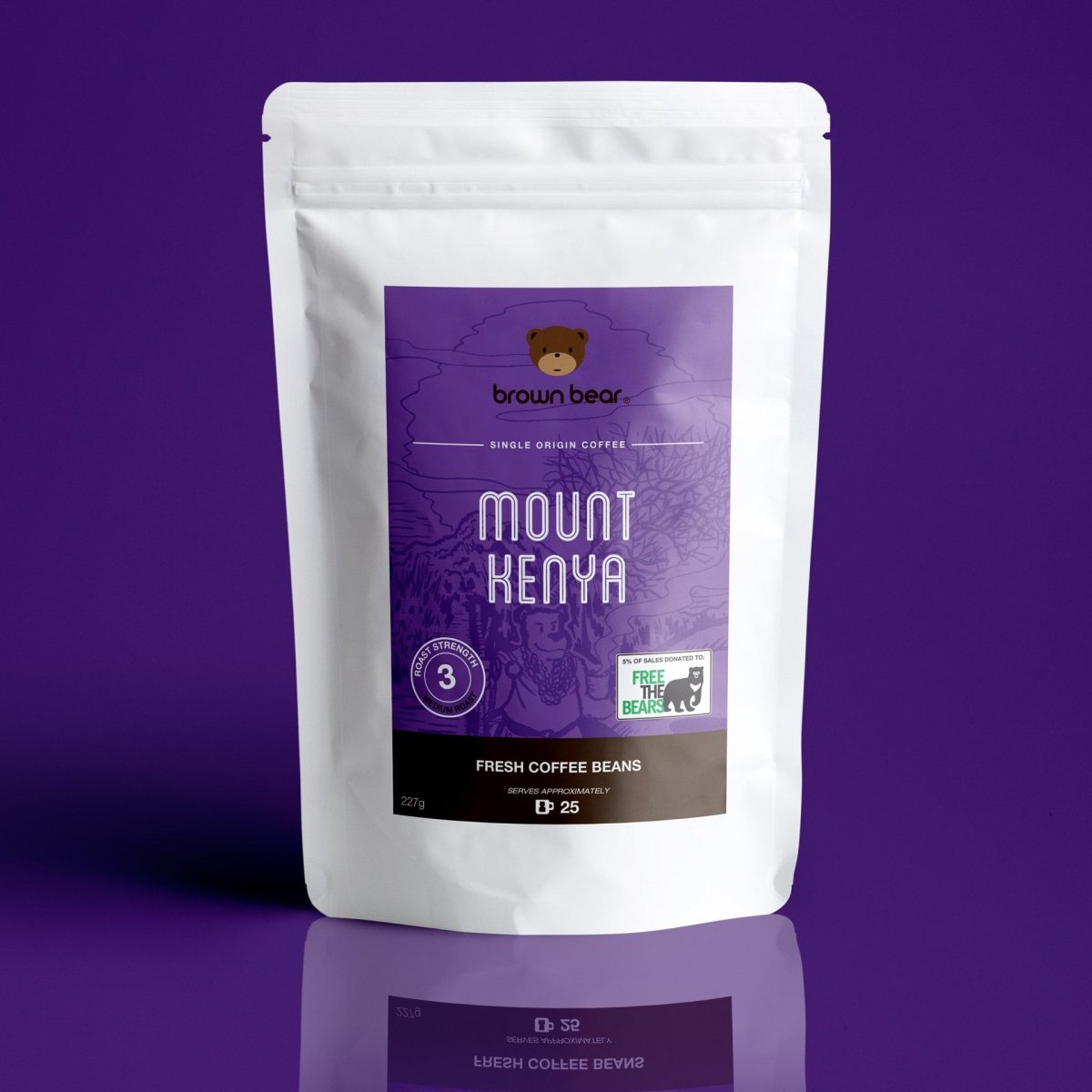
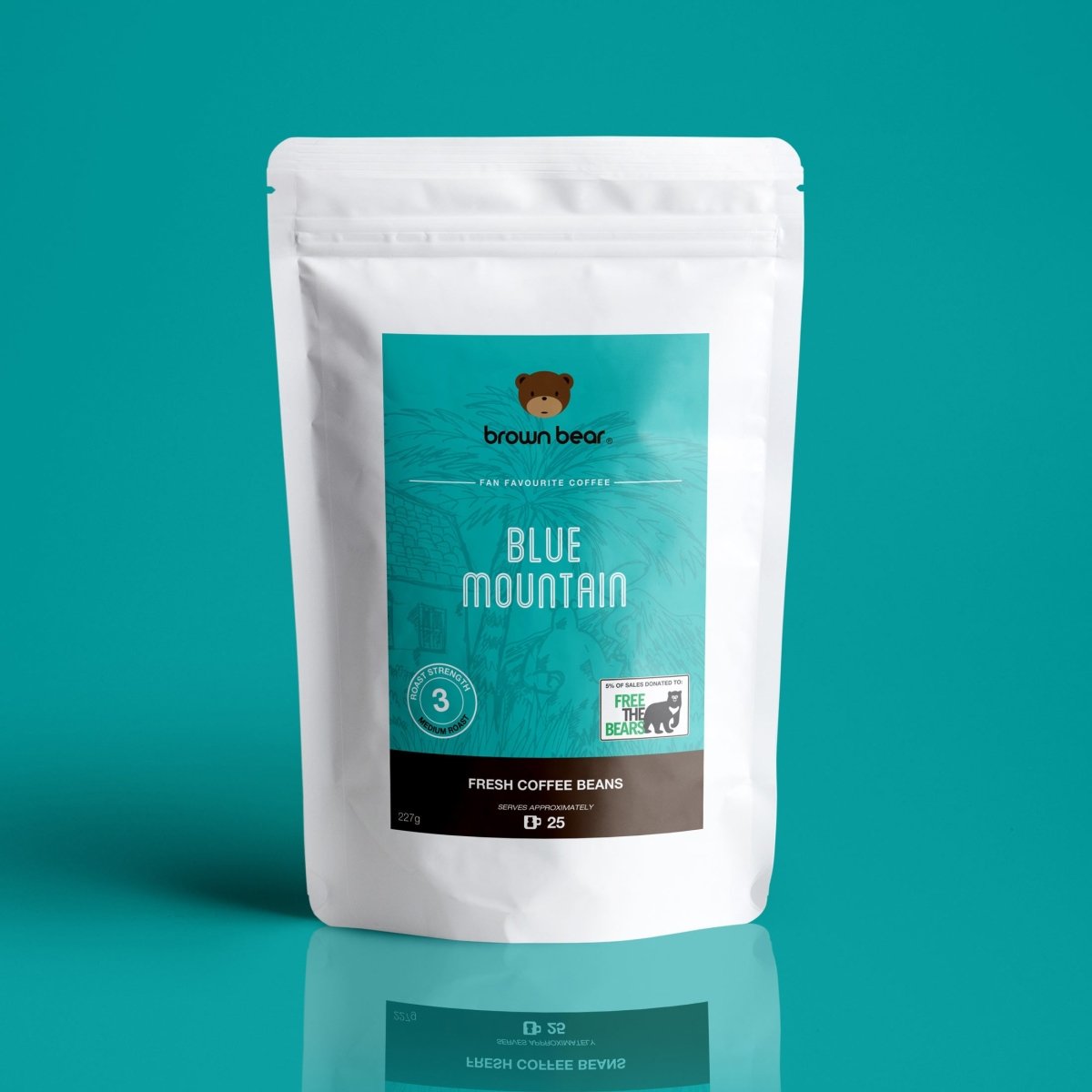
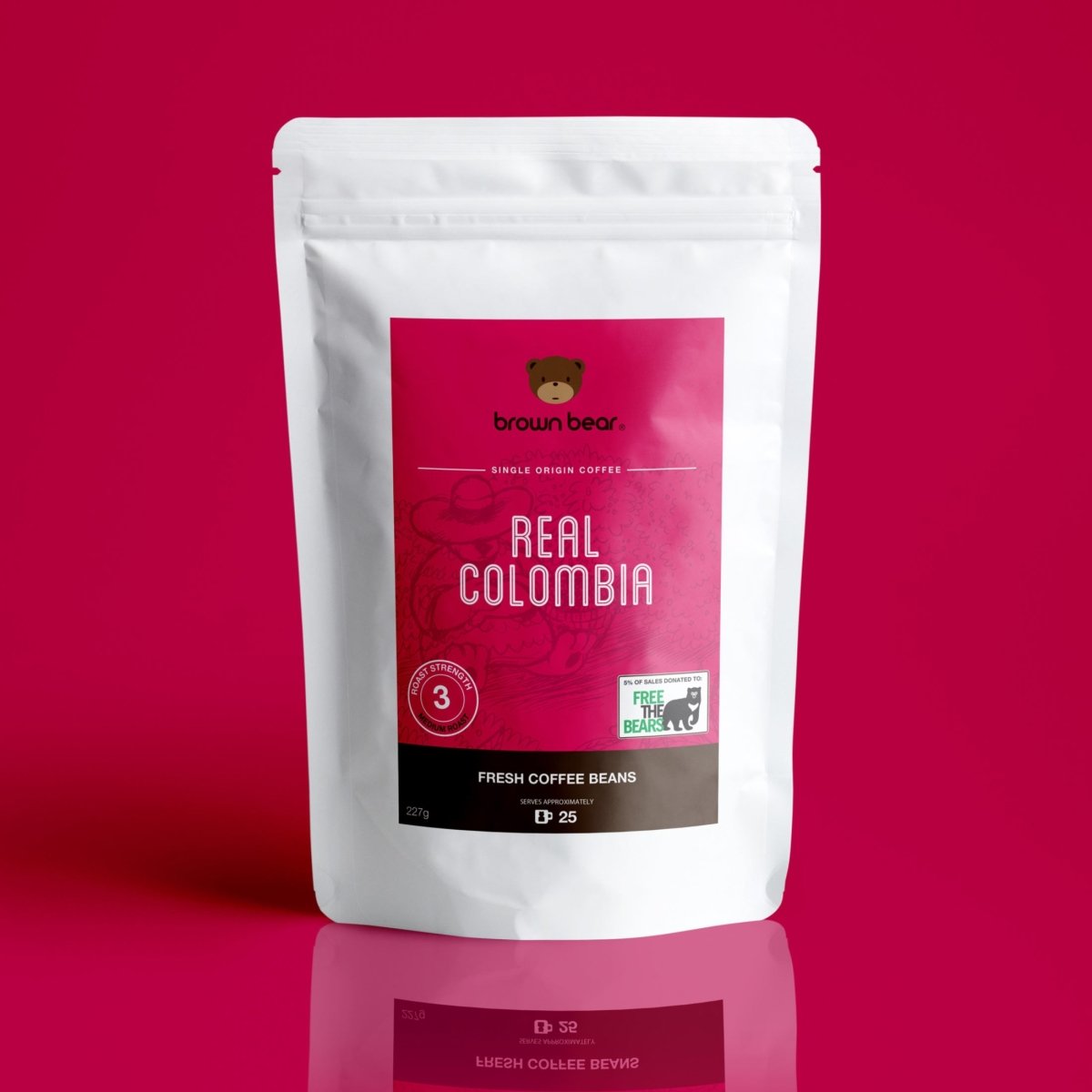
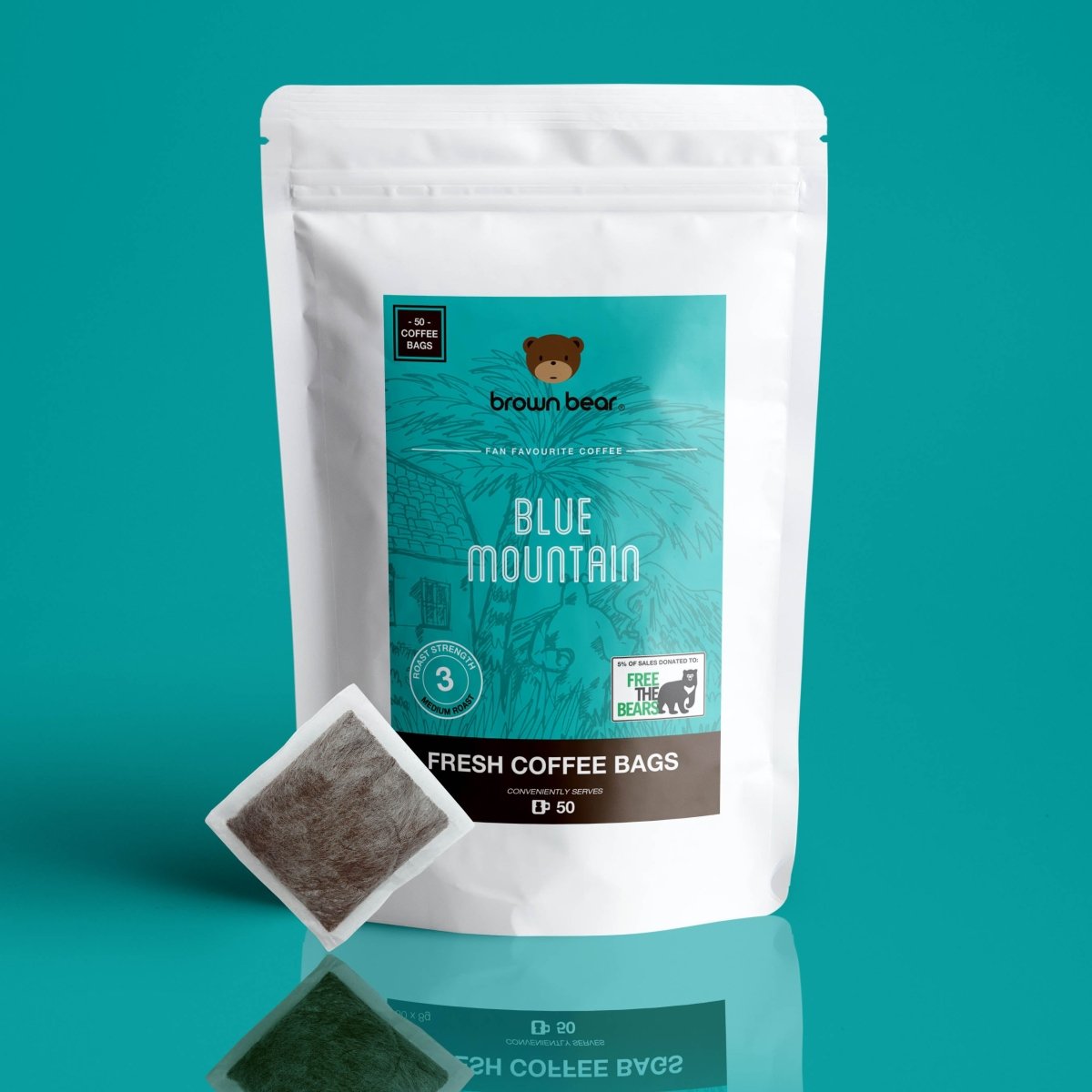
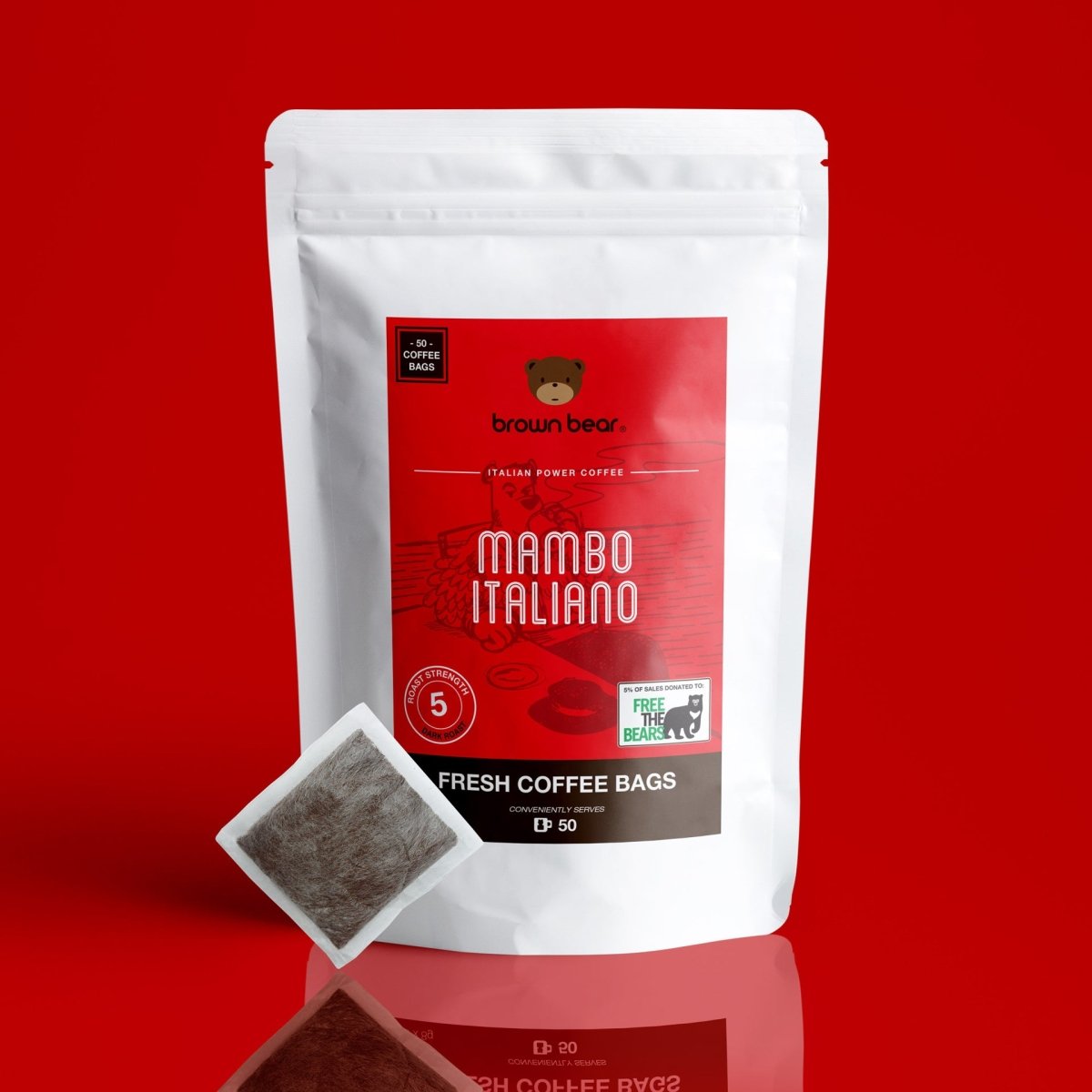
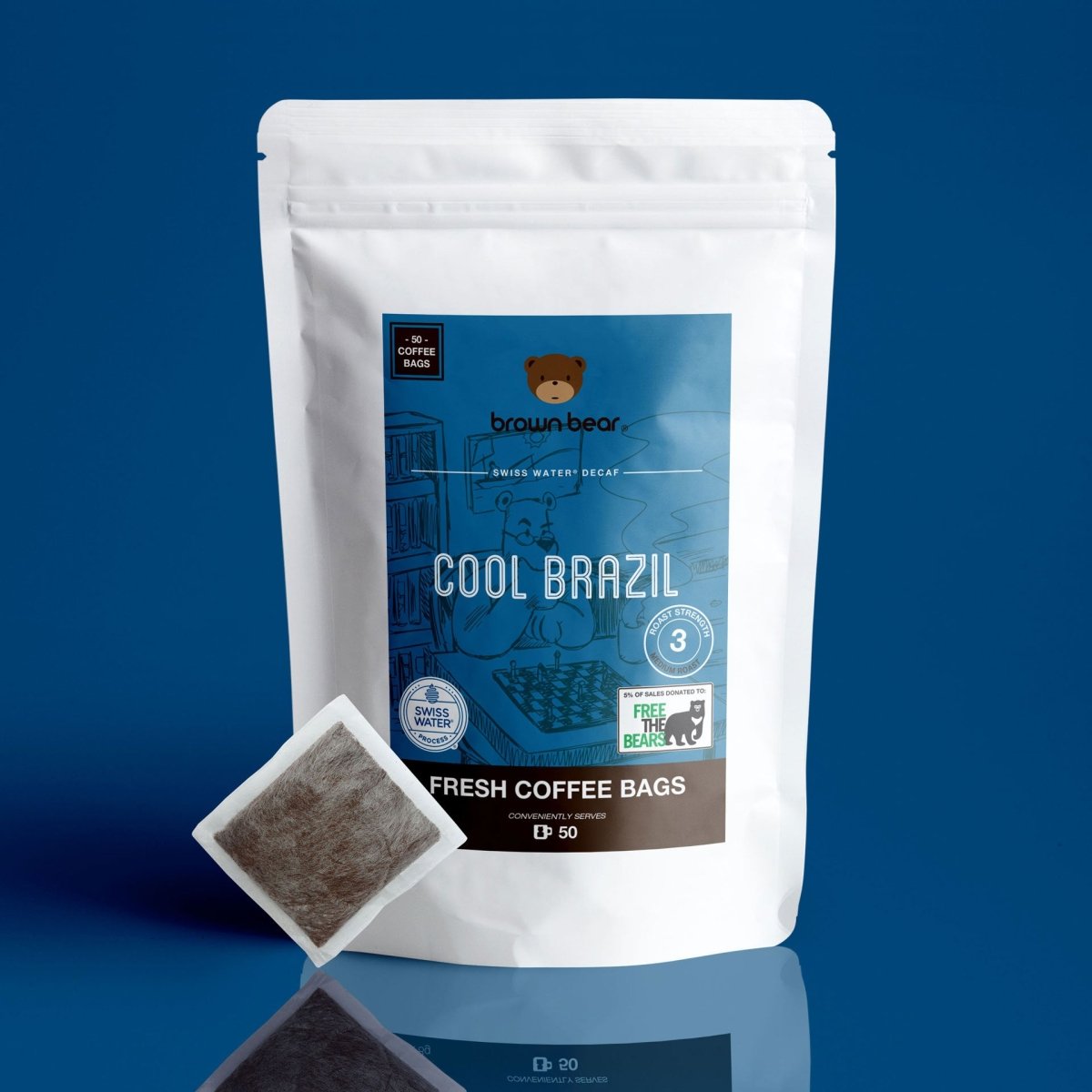
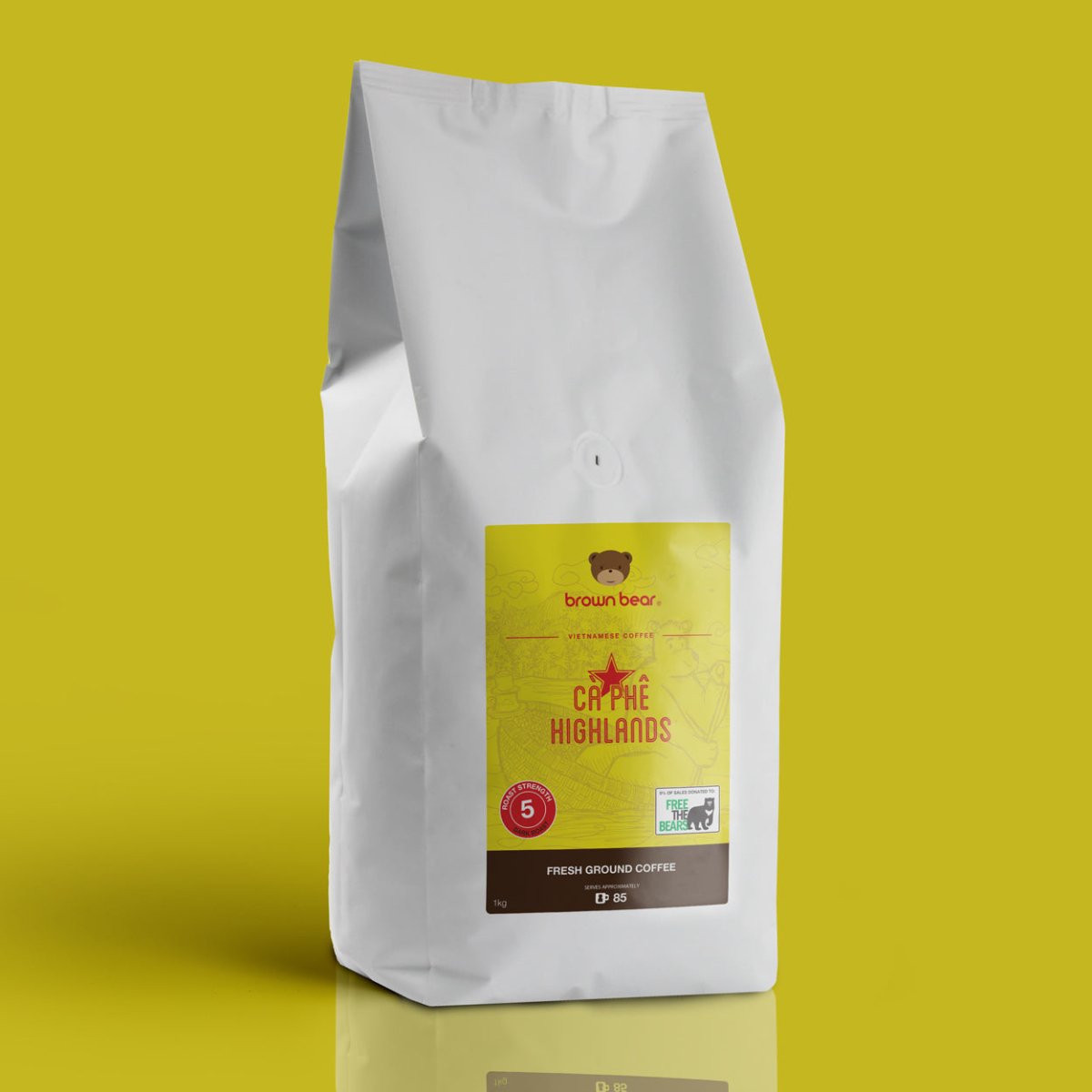
If your coffee comes in a well-made resealable bag with a one-way valve, that may already be good enough, especially if you get through it quickly. The one-way valve lets gas escape without letting much air back in, which helps preserve freshness. If the original bag seals properly and you are finishing it within a couple of weeks, there is no urgent need to decant it.
If the bag does not reseal well, or you prefer a tidier setup, move the coffee into an airtight container. Choose one that blocks light and does not have a huge amount of spare space inside. The less air sitting around the beans, the better.
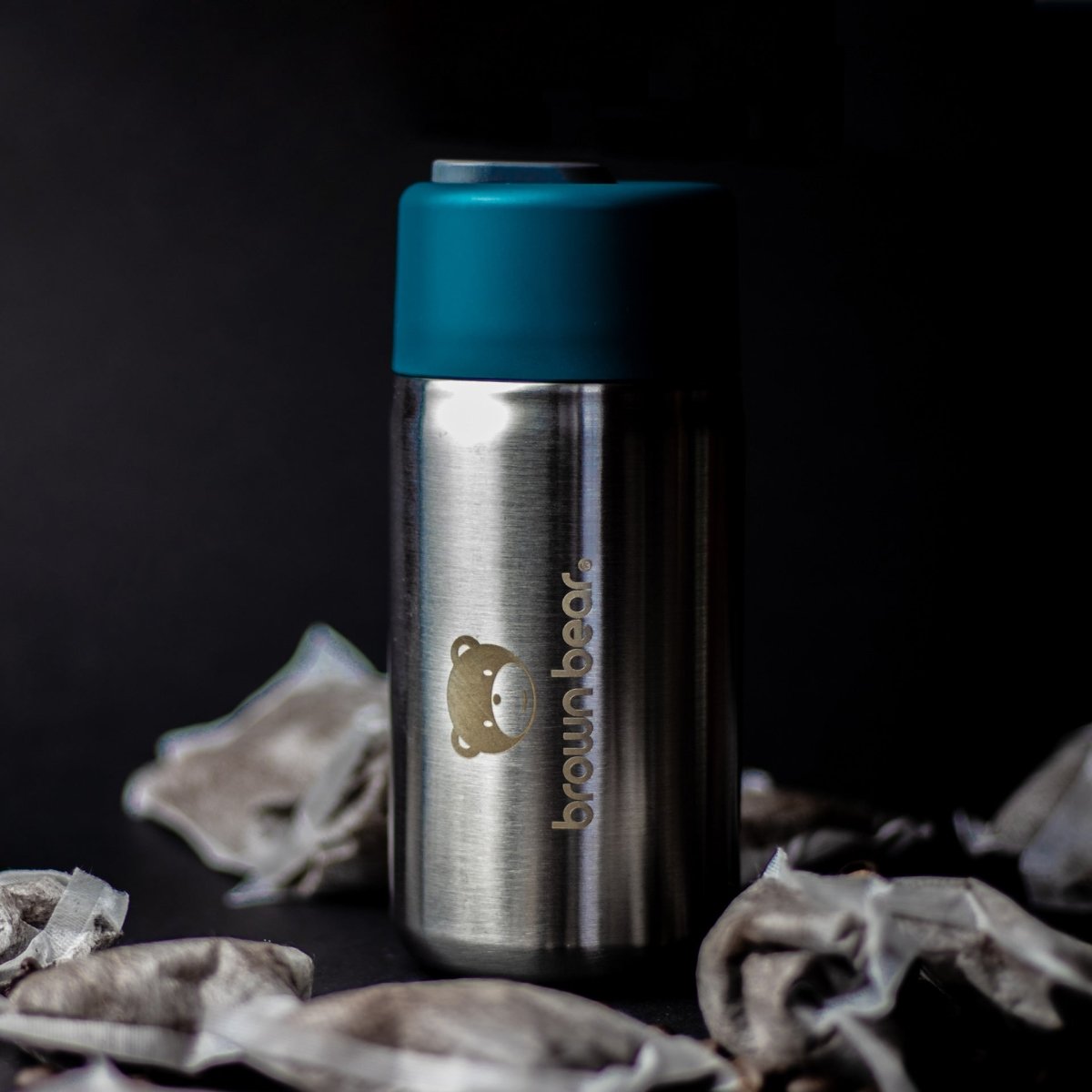
Glass jars look smart on a worktop, but they are not ideal if they are sitting in daylight. If you use glass, keep it in a dark cupboard. Ceramic or stainless steel containers are usually a safer bet for everyday use.
Whole beans or ground coffee?
Whole beans keep their flavour longer than ground coffee. That is because grinding increases the surface area exposed to oxygen, which means flavour loss happens more quickly. If you want the best possible freshness, buy whole beans and grind only what you need just before brewing.
That said, convenience matters too. Plenty of people buy pre-ground coffee because it fits their routine, and there is nothing wrong with that. It just means storage matters even more. Keep ground coffee sealed tightly, away from heat and moisture, and try to use it a bit faster than whole beans.
A sensible rule is to buy the amount you can realistically finish while it still tastes lively. For some homes that is a larger bag because coffee disappears quickly. For others it is better to buy smaller amounts more often. Fresh coffee that gets used at the right pace nearly always beats a bargain-sized bag that hangs around too long.
Should you keep coffee in the fridge?
Usually, no. The fridge sounds like a good idea because it is cool, but roasted coffee does not love it there. Fridges are humid, full of odours, and opened constantly. Coffee can absorb moisture and smells from nearby foods far more easily than most people realise.
There is also the issue of temperature changes. Taking coffee in and out of the fridge can cause condensation, especially if the container is not completely sealed. Moisture is one of the quickest ways to spoil flavour.
So if you are wondering how to store roasted coffee for daily use, the fridge is not your best option. A cool, dark cupboard is more reliable.
Is freezing ever worth it?
Freezing can work, but only in the right situation. If you have bought more coffee than you will use in the next few weeks, freezing a portion can help preserve freshness better than leaving it in a cupboard for a month or two. This is most useful for spare bags, bulk buys or coffees you are saving for later.
The trick is to freeze coffee in tightly sealed, portioned amounts. You want to avoid opening and re-freezing the same container again and again. Divide it into what you will use over a few days, seal each portion well, and leave it frozen until needed.
When you take a portion out, let it come fully to room temperature before opening the container. That reduces the risk of condensation forming on the coffee.
For everyday use, freezing is usually more faff than it is worth. But for longer-term storage, it is better than letting coffee slowly age in a warm kitchen cupboard.
The biggest storage mistakes
Most coffee storage mistakes are ordinary kitchen habits rather than dramatic disasters. Leaving the bag open while making breakfast, keeping it above the kettle, or transferring beans into a clear jar beside a sunny window all add up over time.
Another common mistake is buying too much coffee at once. It feels efficient, but freshness has a window. Even the best dark roast, light roast or origin coffee will lose detail if it sits around for too long after opening. Buying to match your routine is often the smarter move.
Scooping coffee with a wet spoon is another easy one to avoid. Even a small amount of moisture in the container can affect the coffee. Always use a dry spoon, or better yet, pour out what you need.
How long does roasted coffee stay fresh?
It depends on whether it is whole bean or ground, how it is packed, and how you brew it. As a general guide, whole beans usually give their best results for a few weeks after opening if stored well. Ground coffee tends to lose its edge faster.
That does not mean coffee turns bad overnight. It simply becomes less expressive. You may notice less aroma, flatter sweetness or a duller finish in the cup. Darker roasts can sometimes seem more forgiving because their bolder flavour hangs on a bit differently, but they still benefit from proper storage.
If you are buying coffee for espresso, freshness can feel even more noticeable because small changes show up quickly in extraction and crema. For cafetiere, filter or coffee bags, you may still get a decent cup later on, but the coffee will not be showing its best side.
A simple routine that actually works
If you want a no-nonsense answer to how to store roasted coffee, this is the routine to follow. Buy coffee in a quantity you can finish comfortably. Keep it sealed in its original valve bag or an airtight opaque container. Store it in a cool cupboard, not on the counter, and away from the oven, radiator or direct sun.
If you buy multiple bags, keep one in use and leave the others sealed until needed. If you have stocked up more than usual, freeze the extra bags in sensible portions rather than trying to stretch one open bag for too long.
This approach keeps things easy. It suits busy mornings, office coffee breaks, home workers, and anyone who wants better flavour without adding another complicated job to the day.
Good coffee does not ask for much after roasting. Keep it cool, dry, dark and well sealed, and it will reward you every morning with more of the flavour you paid for.

