









The difference between a forgettable morning brew and one you look forward to often starts long before the kettle boils. Coffee bean quality affects flavour, aroma, body and balance, but it is not simply a matter of choosing the most expensive bag on the shelf. The best coffee for you should suit how you brew, how strong you like it and the flavours you actually enjoy drinking.
A bright, fruit-led light roast can be excellent coffee, but it will not necessarily please someone who wants a rich, powerful mug with chocolatey depth. Quality is about care at every stage, then choosing a coffee that delivers the kind of cup you want day after day.
What coffee bean quality really means
Good coffee begins with the green bean. Coffee cherries need to be picked when ripe, processed carefully and dried properly before they are sorted and shipped for roasting. Each decision affects the final flavour. Poorly handled coffee can taste flat, woody, harsh or uneven, while well-prepared beans have more clarity, sweetness and character.
Origin matters because growing conditions shape the bean. Altitude, rainfall, soil and coffee variety all leave their mark. A Kenyan coffee may bring lively berry-like acidity, while a Brazilian coffee often leans towards nuts, cocoa and caramel. Colombian and Guatemalan coffees can offer a rounded balance of sweetness and gentle fruit, while Ethiopian coffees are often more floral or citrus-led.
That does not mean one origin is automatically better than another. It means each has something different to offer. A high-quality coffee should taste clean and intentional, with flavours that make sense for its origin and roast style.
Defects are not always obvious at first glance
Beans can look fairly similar in a bag, yet roast and brew very differently. Damaged, under-ripe or poorly processed beans can introduce bitterness, sourness or a stale, papery taste. Roasters work to identify and remove defective beans before roasting, then roast the remaining coffee evenly to make the most of its natural character.
This is one reason consistency matters. When you find a coffee you enjoy, you want the next bag to taste recognisably similar - whether you are brewing a quick cafetière before work or making espresso at the weekend.
Freshness matters as much as the bean
Even excellent beans cannot stay at their best forever. Once coffee is roasted, it starts to release gases and gradually lose its aromatic compounds. Freshly roasted coffee needs a little time to settle, but after that it is best enjoyed while its flavour is still lively and full.
For most home coffee drinkers, buying coffee in sensible quantities is more useful than stocking up for months. A regular delivery can make this easy: you get the coffee you need without a cupboard full of bags slowly fading past their best.
Whole beans generally hold their freshness for longer than ground coffee because less surface area is exposed to air. If you have a grinder, grinding just before brewing is one of the simplest upgrades you can make. If you prefer the convenience of pre-ground coffee, choose a grind suited to your usual brewer and store it carefully.
Keep coffee in an airtight container or its properly sealed original bag, away from heat, light and moisture. The fridge is not usually the answer. Coffee can absorb odours and condensation can affect the beans. A cool, dark kitchen cupboard is a better home.
Roast level should match your taste, not a rulebook
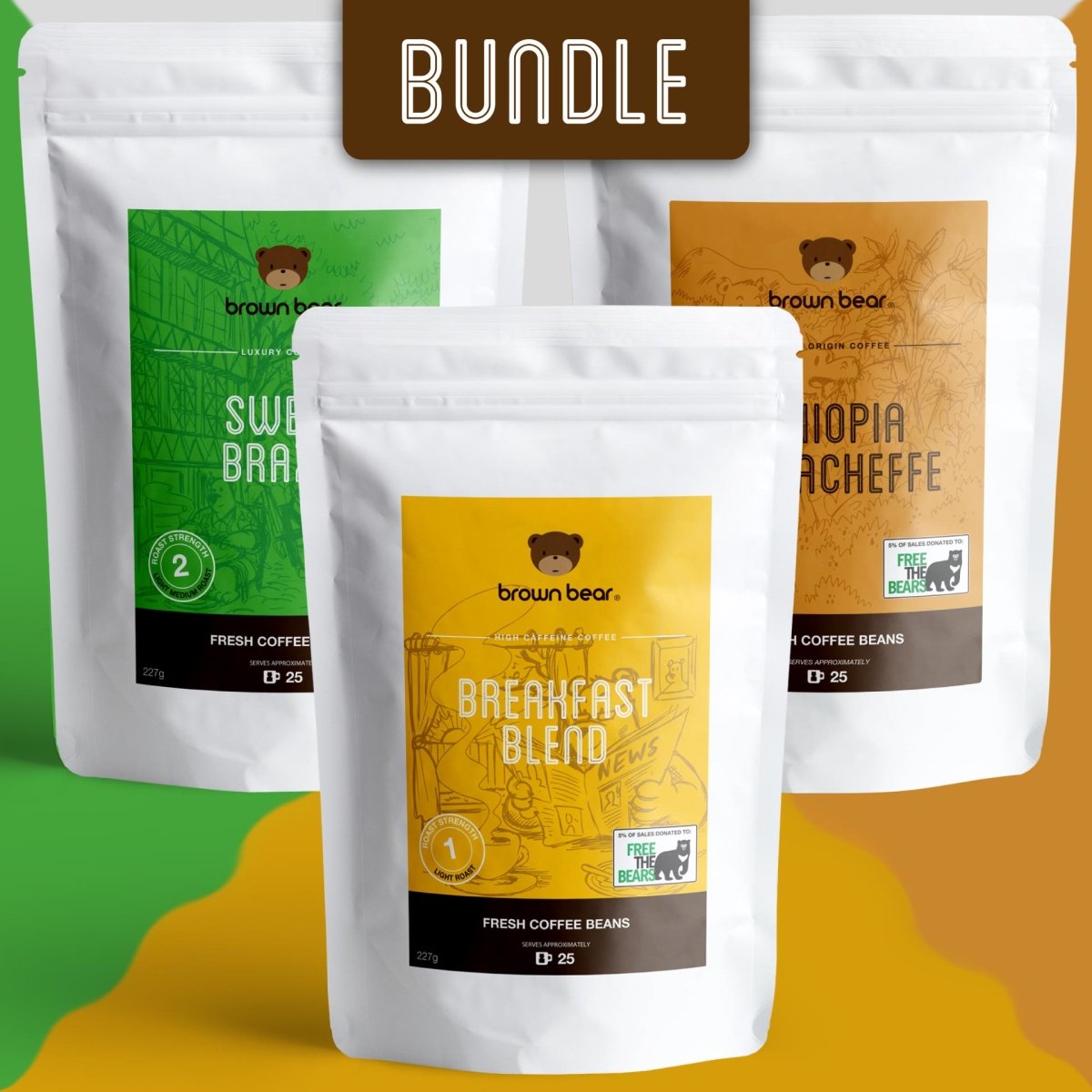
Roasting turns dense green coffee into the aromatic brown beans we know and love. It also changes how the coffee tastes. Lighter roasts tend to show more of the bean's origin character, with brighter acidity and delicate fruit notes. Medium roasts often offer a pleasing middle ground, balancing sweetness, body and flavour clarity.
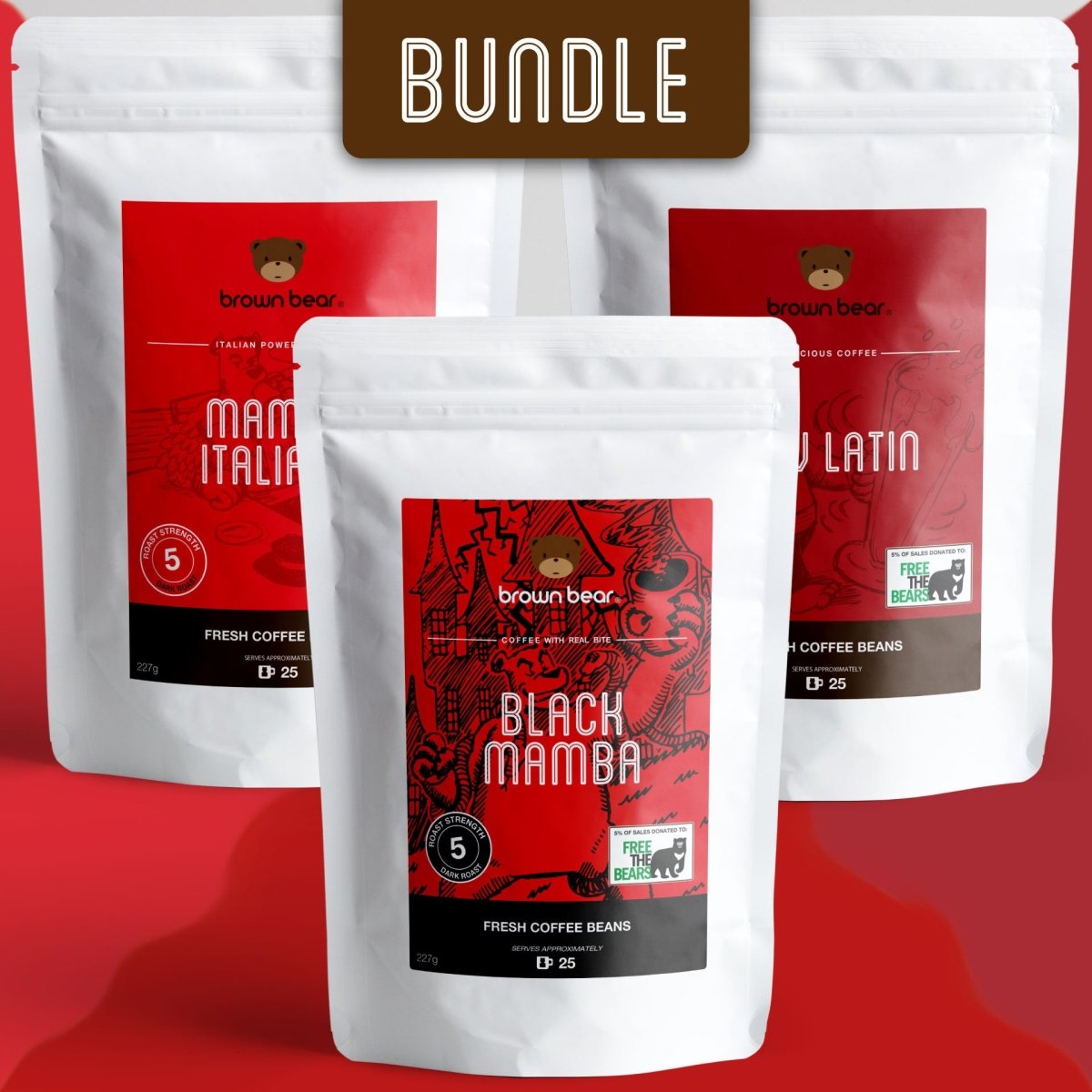
Dark and ultra-dark roasts bring a bolder experience. Expect deeper body, lower perceived acidity and flavours that can move towards dark chocolate, toasted nuts, molasses or roastier notes. These coffees can work particularly well with milk, in a strong cafetière, or for anyone who likes a satisfying, full-bodied brew.
There is a trade-off. A very dark roast may cover some of the subtle flavour differences between origins, but that is not a flaw if boldness is what you want. Choosing coffee should feel straightforward: start with the flavours and strength you enjoy, then explore from there.
How brewing can protect or spoil good coffee
Coffee bean quality gets you most of the way to a great cup, but brewing finishes the job. A good coffee can taste weak if the water is too cool, bitter if it is over-extracted, or thin if the grind is too coarse for the method.
Water just off the boil is a sensible starting point for filter coffee, cafetière and coffee bags. Use enough coffee for the strength you want, rather than trying to stretch a small amount too far. As a simple guide, a cafetière often works well with around 60 grams of coffee per litre of water, then adjusted to taste.
Grind size is especially useful to understand. A coarse grind suits a cafetière, a medium grind is common for filter methods, and a fine grind is used for espresso. If your brew tastes sour and underdeveloped, try a finer grind or a longer brew time. If it tastes dry, bitter or overly harsh, go a little coarser or shorten the contact time.
Clean equipment is equally valuable. Coffee oils build up in grinders, cafetières and reusable filters, and old residue can dull even a freshly roasted coffee. A quick rinse after use and a regular deeper clean keep the flavour where it should be.
What to look for when buying coffee
You do not need to memorise tasting charts to choose well. Start with clear information about roast level, flavour profile and the way you plan to brew. This gives you a far better chance of enjoying the first cup.
A few details are particularly helpful:
- Roast level tells you whether to expect a lighter, balanced or more powerful flavour.
- Origin offers a clue to the coffee's natural character, from chocolatey and nutty to fruity and floral.
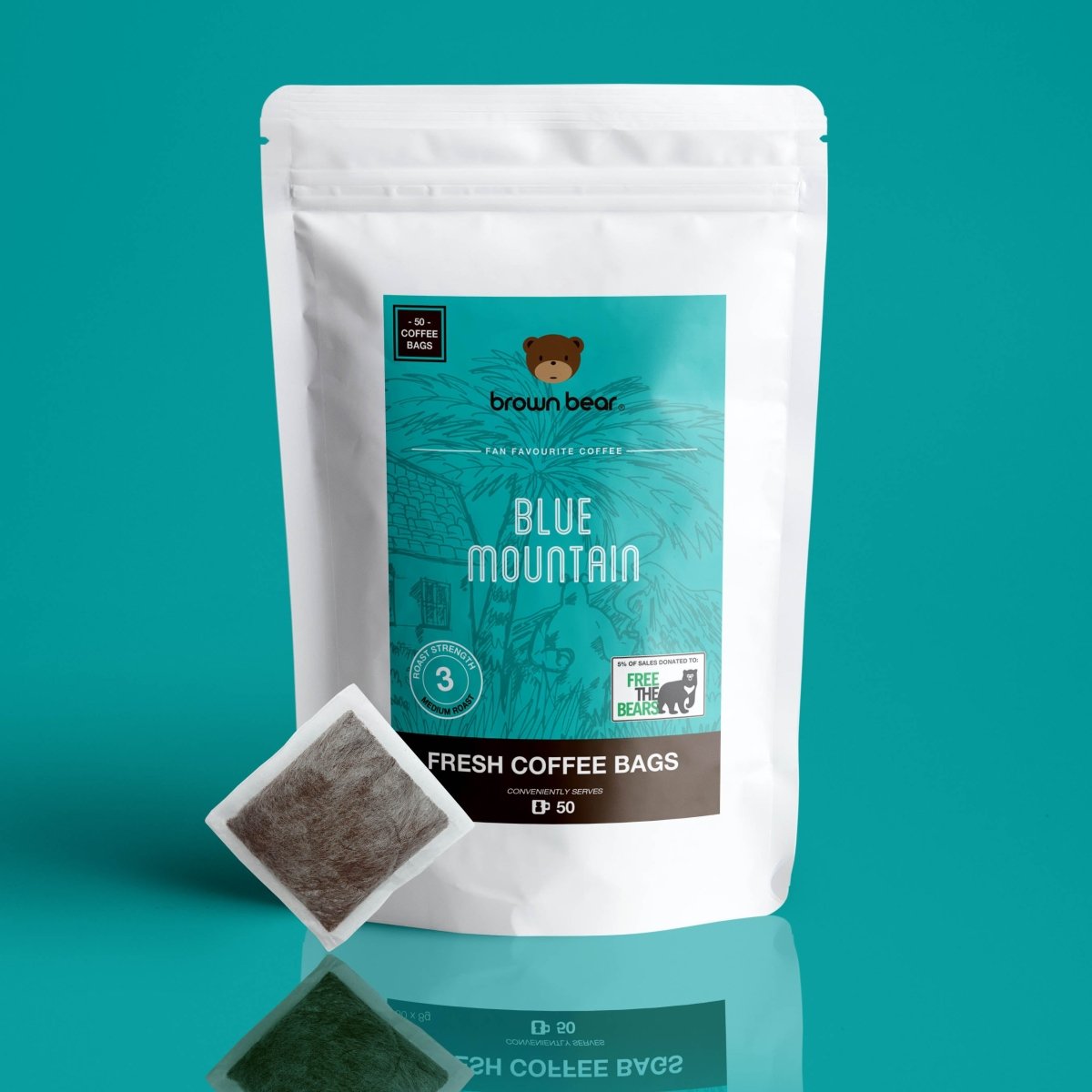
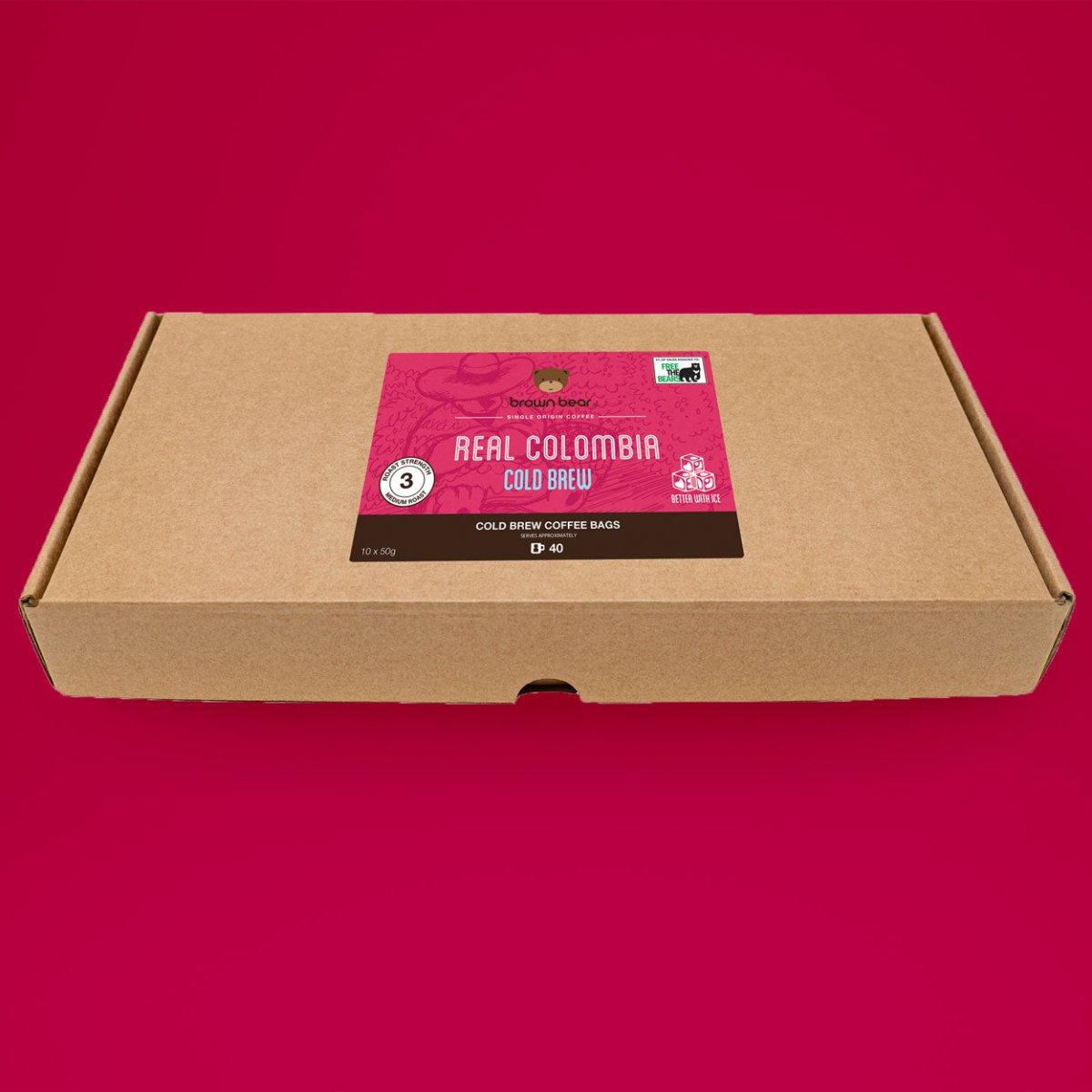
- Format matters for freshness and convenience: whole beans, ground coffee, coffee bags and cold brew all suit different routines.
- Roast date and storage guidance help you get the coffee at its best.
Quality is also about repeatable enjoyment
The best bag is not always the rarest or most unusual one. For many households, quality means opening a bag and knowing it will make a reliably delicious cup before a busy day. It means having a decaf that still tastes satisfying, a dark roast that stands up to milk, or an easy coffee bag option for the office, a trip or a no-fuss afternoon break.
That is why it helps to keep your preferences simple. If you like smooth, chocolatey coffee, look towards medium or dark roasts from origins such as Brazil or Colombia. If you enjoy crisp fruit and a lighter cup, try a light roast with Ethiopian or Kenyan character. If you are undecided, a balanced medium roast is a welcoming place to start.
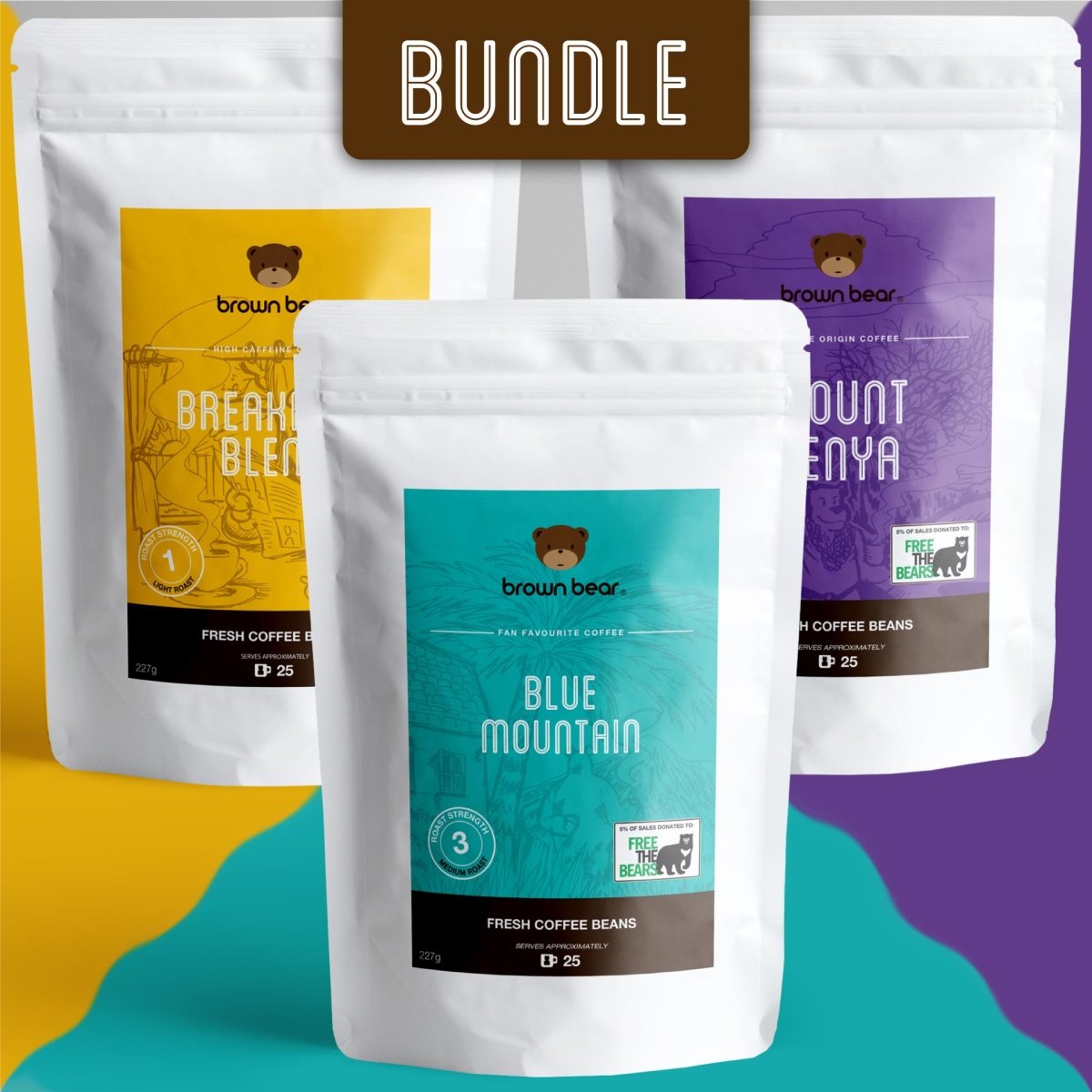
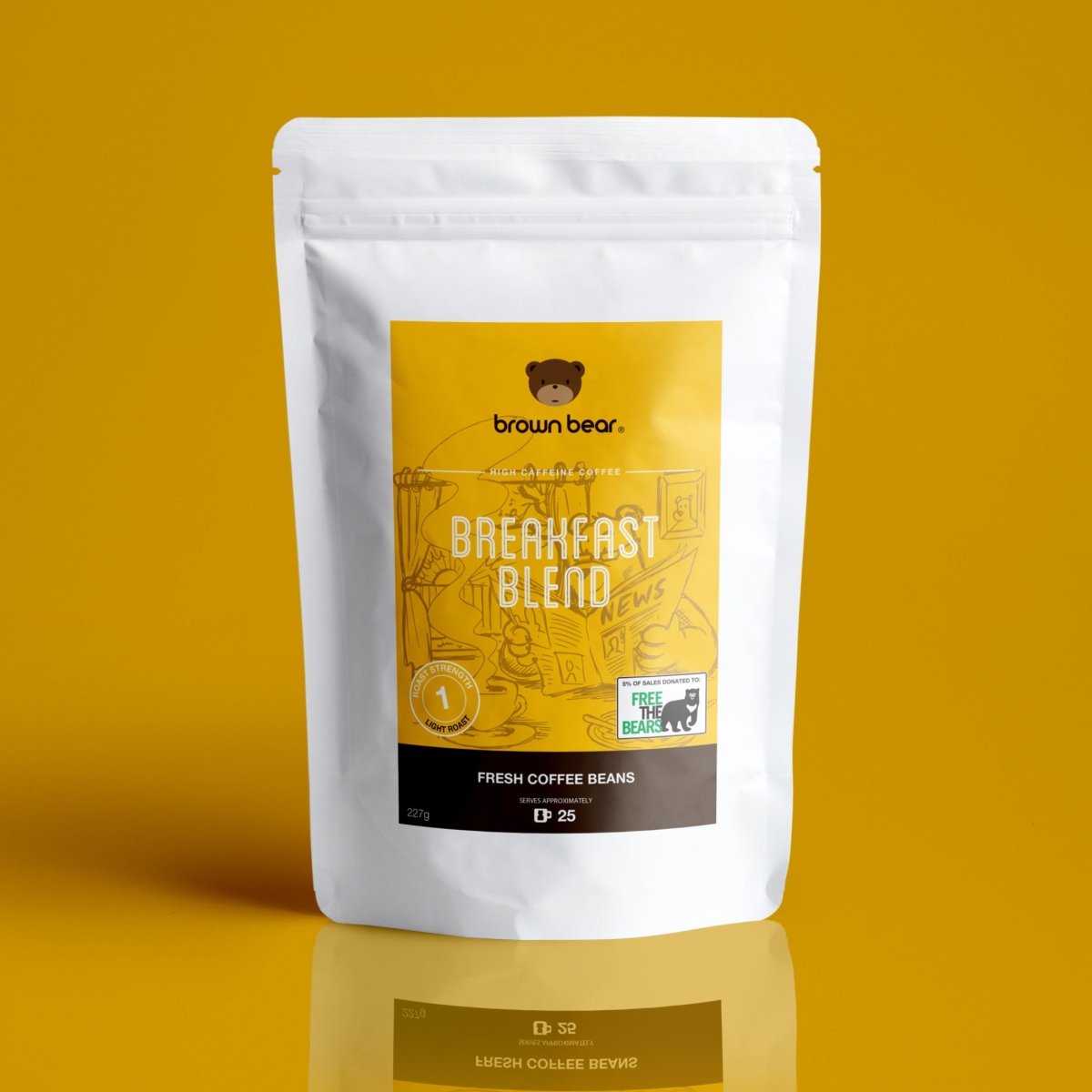
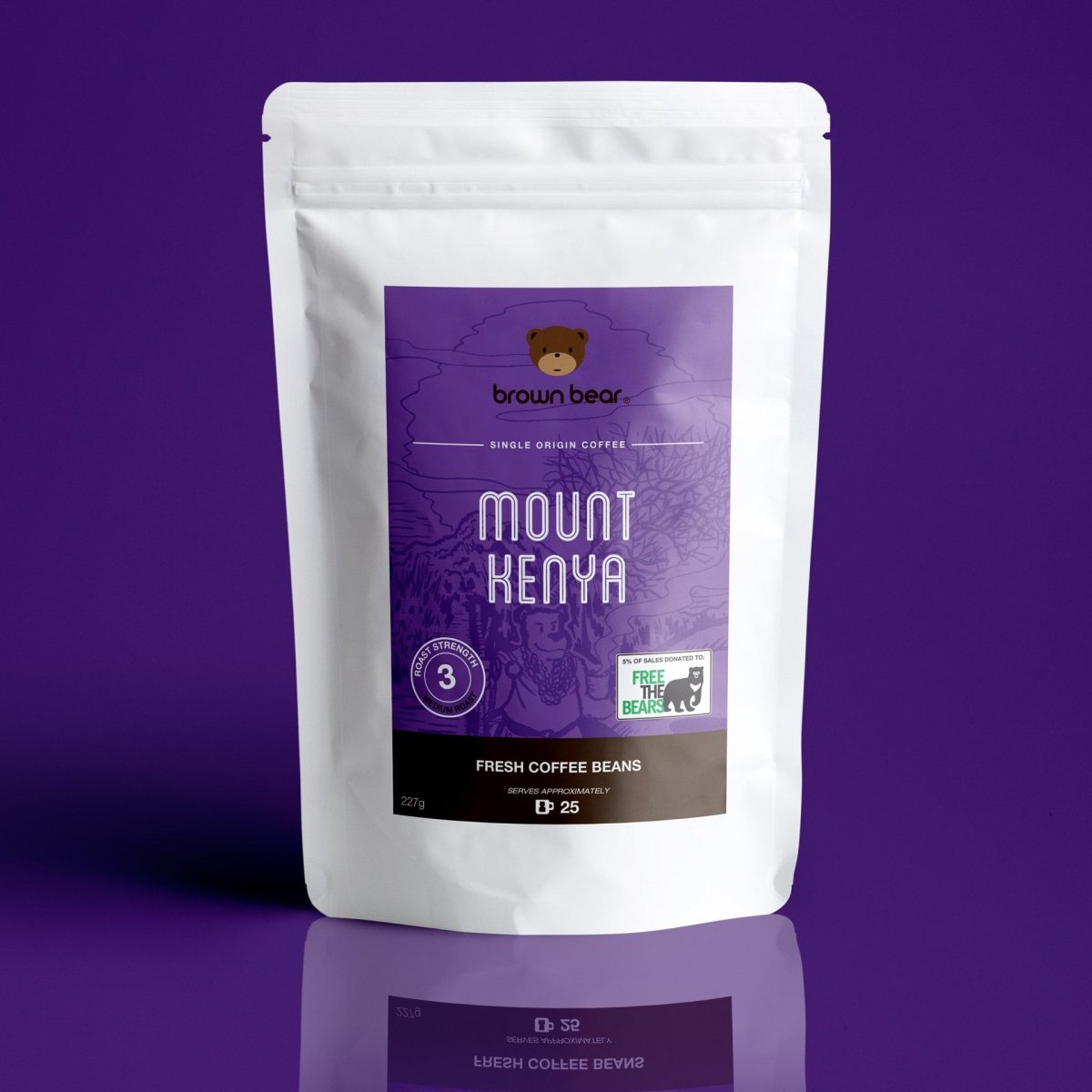
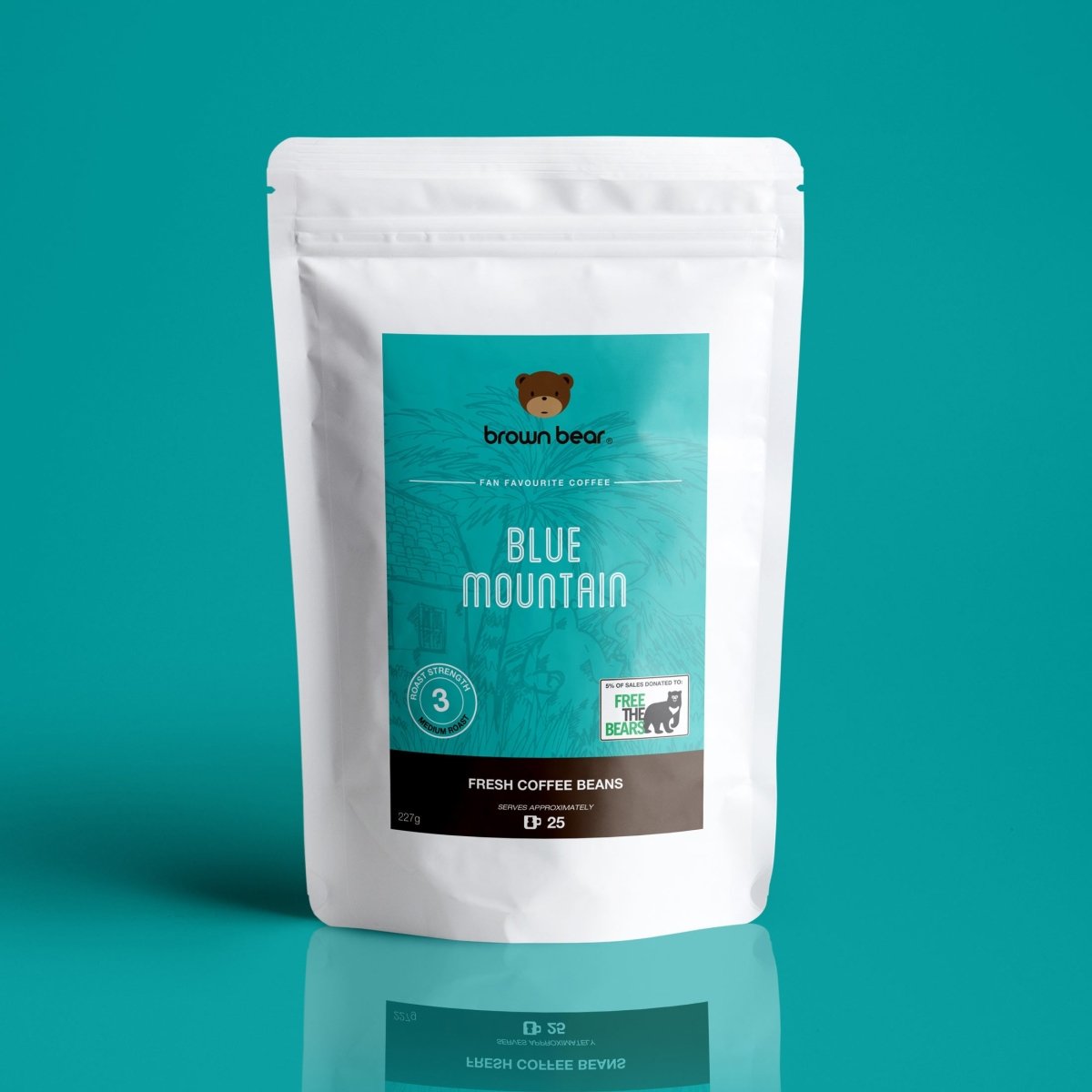
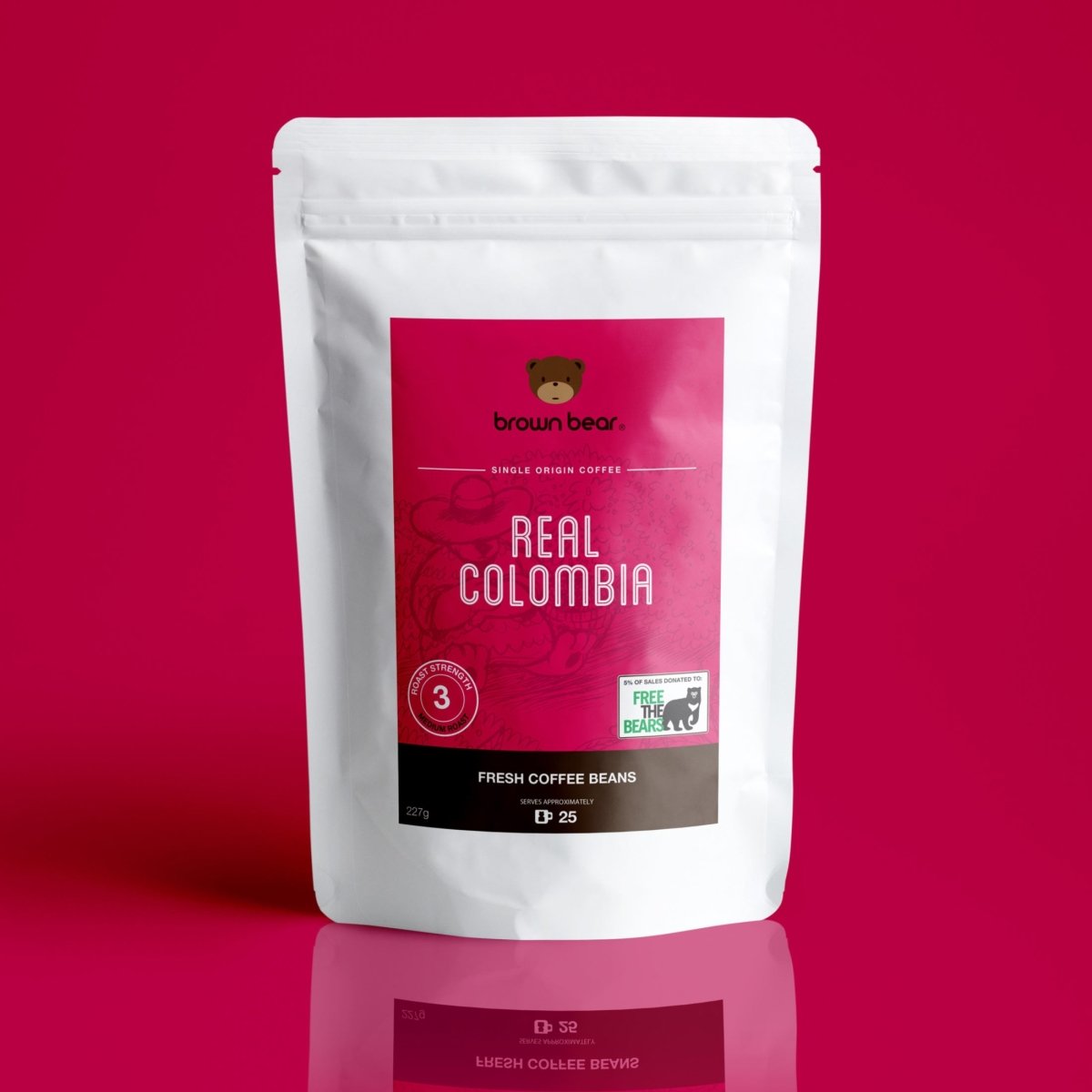
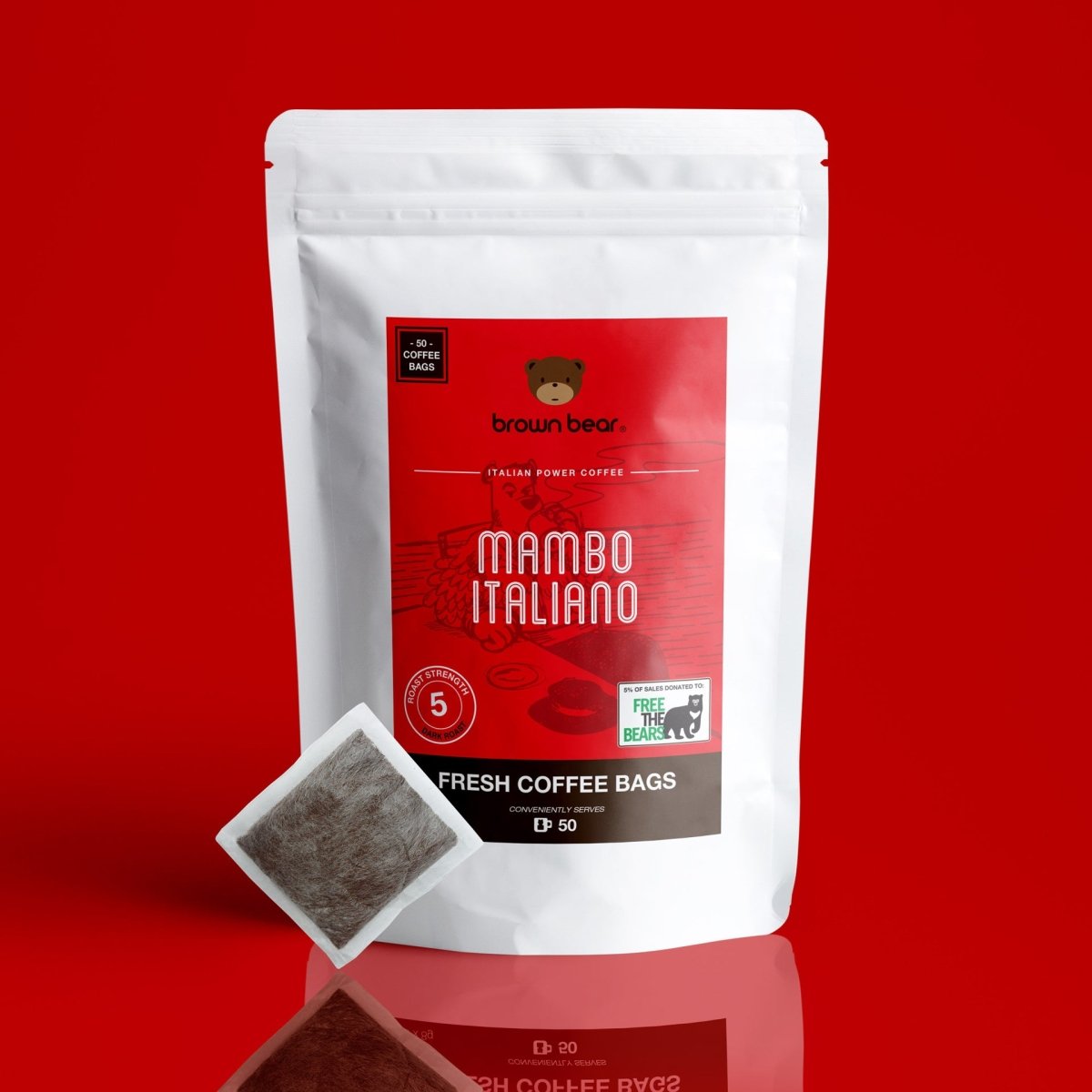
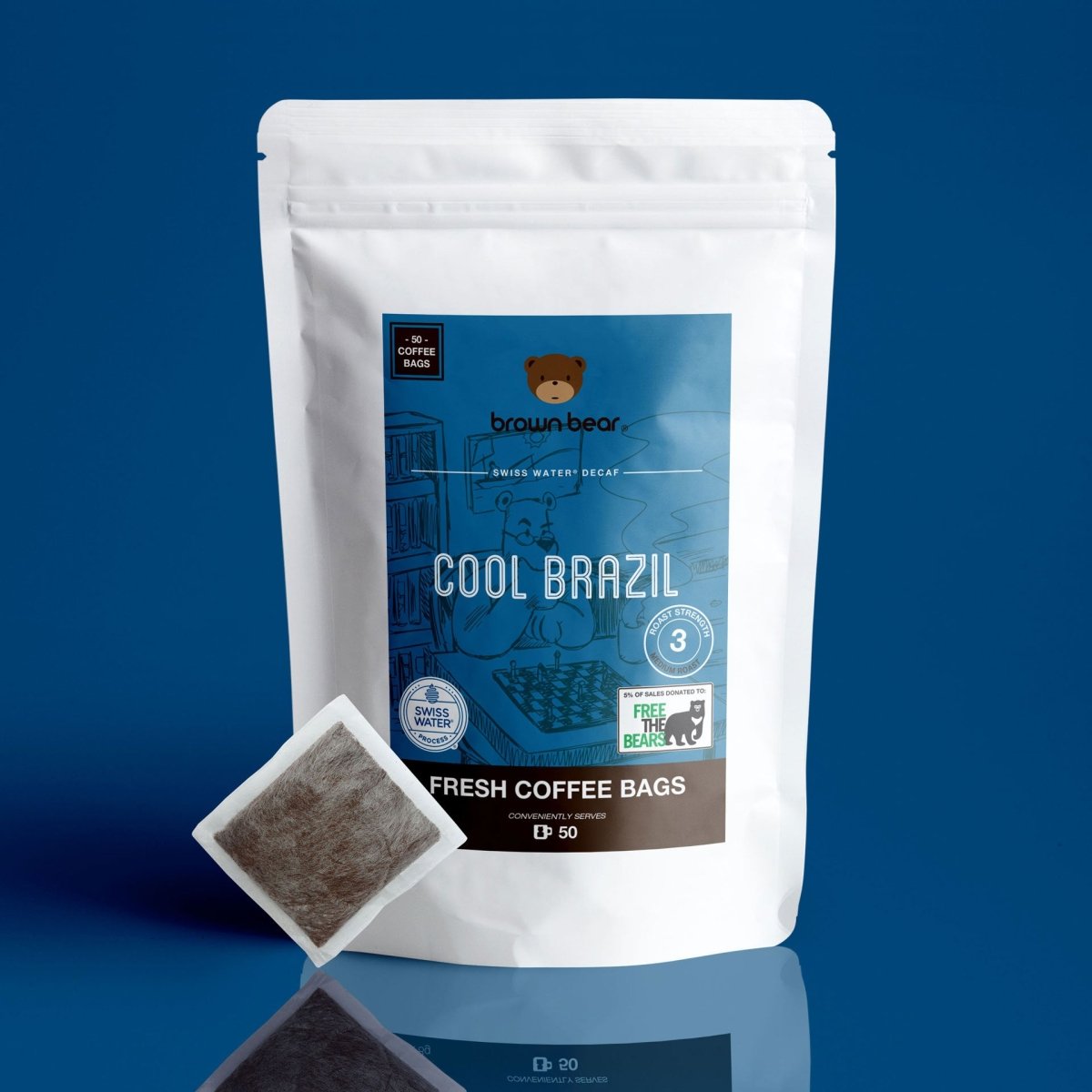
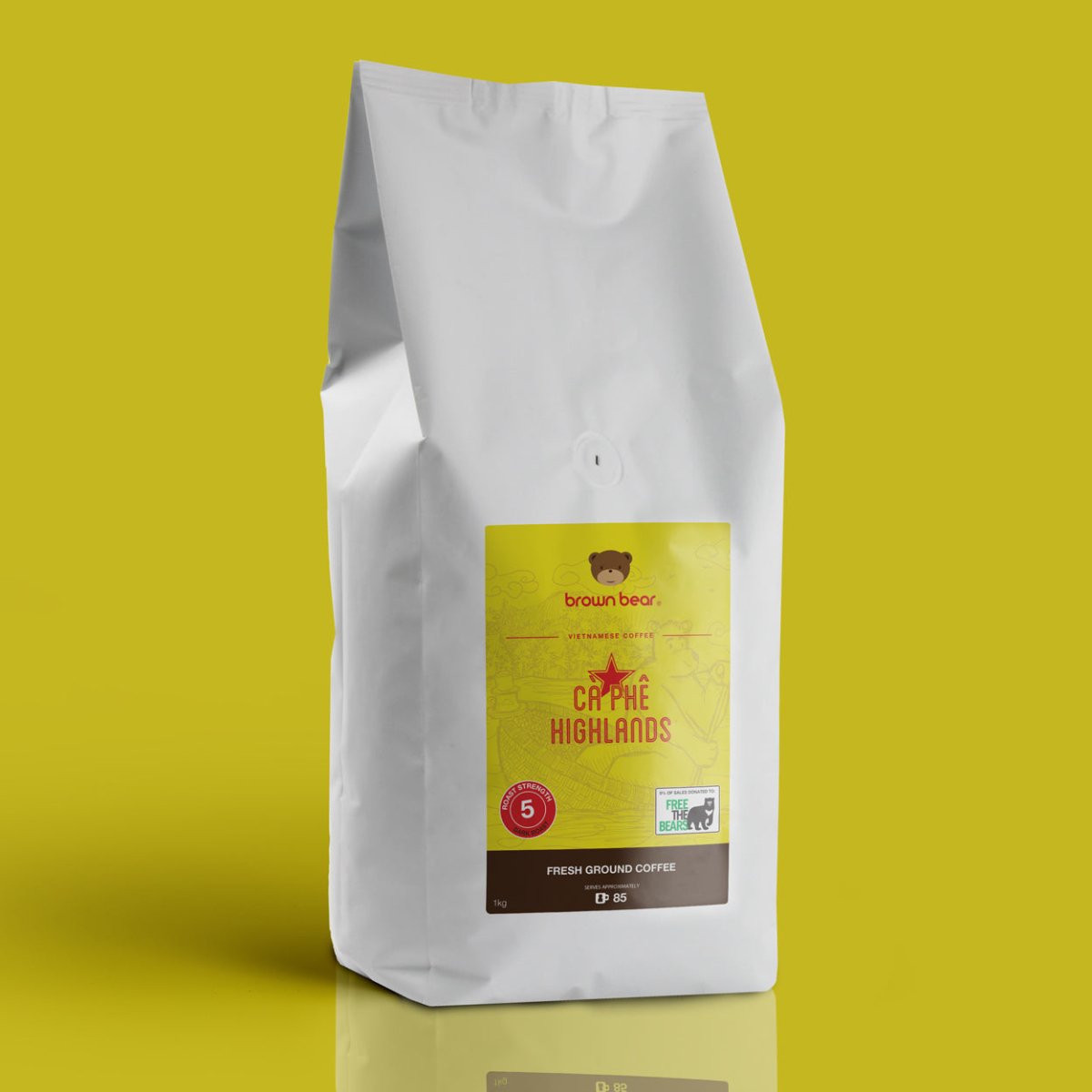
Brown Bear makes this choice easier by presenting coffee around roast, strength and flavour, rather than expecting you to speak fluent coffee jargon. Once you find a favourite, a flexible subscription can take repeat ordering off your to-do list while still leaving room to try something new.
Good coffee should not feel like a test. Buy it fresh, store it well, brew it with a little care, and let your own taste decide what quality means in your cup.

