











For many households, coffee during WWII was not simply a morning drink. It was a small comfort that became harder to find, weaker when it did appear, and all the more valued because of it. The story of wartime coffee is one of ration books, inventive substitutes and the determination to preserve a familiar daily ritual when so much else had changed.
Why coffee became scarce in wartime
Britain grew no coffee of its own, so every bean had to travel thousands of miles by ship from producing countries in Africa, South and Central America, and elsewhere. Once war began, those supply routes became dangerous. Merchant vessels faced attack, shipping space was needed for essential military goods, and imports had to be controlled carefully.
Coffee was not rationed in Britain in quite the same tidy, coupon-led way as butter, bacon or sugar. Instead, the Ministry of Food restricted supplies and gave priority to more essential goods. Shops often had little or no coffee to sell, and when stock arrived it could disappear quickly. For people used to a proper brewed cup, the change was sharp.
Tea remained Britain's everyday hot drink, helped by its deep place in national life and by government efforts to maintain supply. Coffee was more of a treat, particularly in homes where it had become part of breakfast or an afternoon pause. That did not make its absence trivial. Small routines can carry surprising weight when uncertainty fills the rest of the day.
Coffee during WWII meant making do
With beans scarce, many drinkers turned to substitutes. Chicory was the best-known option, often blended with whatever coffee was available or used on its own. Roasted barley, acorns, carrots, peas and cereal grains were also made into coffee-like drinks. They offered warmth, colour and a roasted edge, but they were not a straight replacement for the aroma and flavour of real coffee.
Chicory has a naturally earthy, slightly bitter character, so it made reasonable sense as a stand-in. For some, it became an acquired taste. For others, it was a reminder that the real thing was unavailable. The quality depended heavily on the ingredients, how they were roasted, and whether there was even a little genuine coffee in the blend.
Instant coffee existed before the war but was very different from the convenient jars many people know now. It could be useful where speed and storage mattered, yet it was not universally loved for flavour. Wartime conditions were rarely about finding the perfect cup. They were about finding something warming, familiar enough and possible to prepare with limited fuel, limited ingredients and a busy household.
Coffee bars and cafés also had to adapt. A menu might still promise coffee, but the drink could be weak, stretched with chicory or unavailable altogether. Customers learned not to assume that a favourite order would be there. That uncertainty was part of everyday shopping during the war, whether the item was coffee, eggs or soap.
The challenge was bigger than the beans
A decent brew needs more than coffee. Sugar was rationed, milk was limited, and fuel shortages affected cooking and heating. Even if someone had a precious tin of coffee, making it exactly as they liked could be difficult.
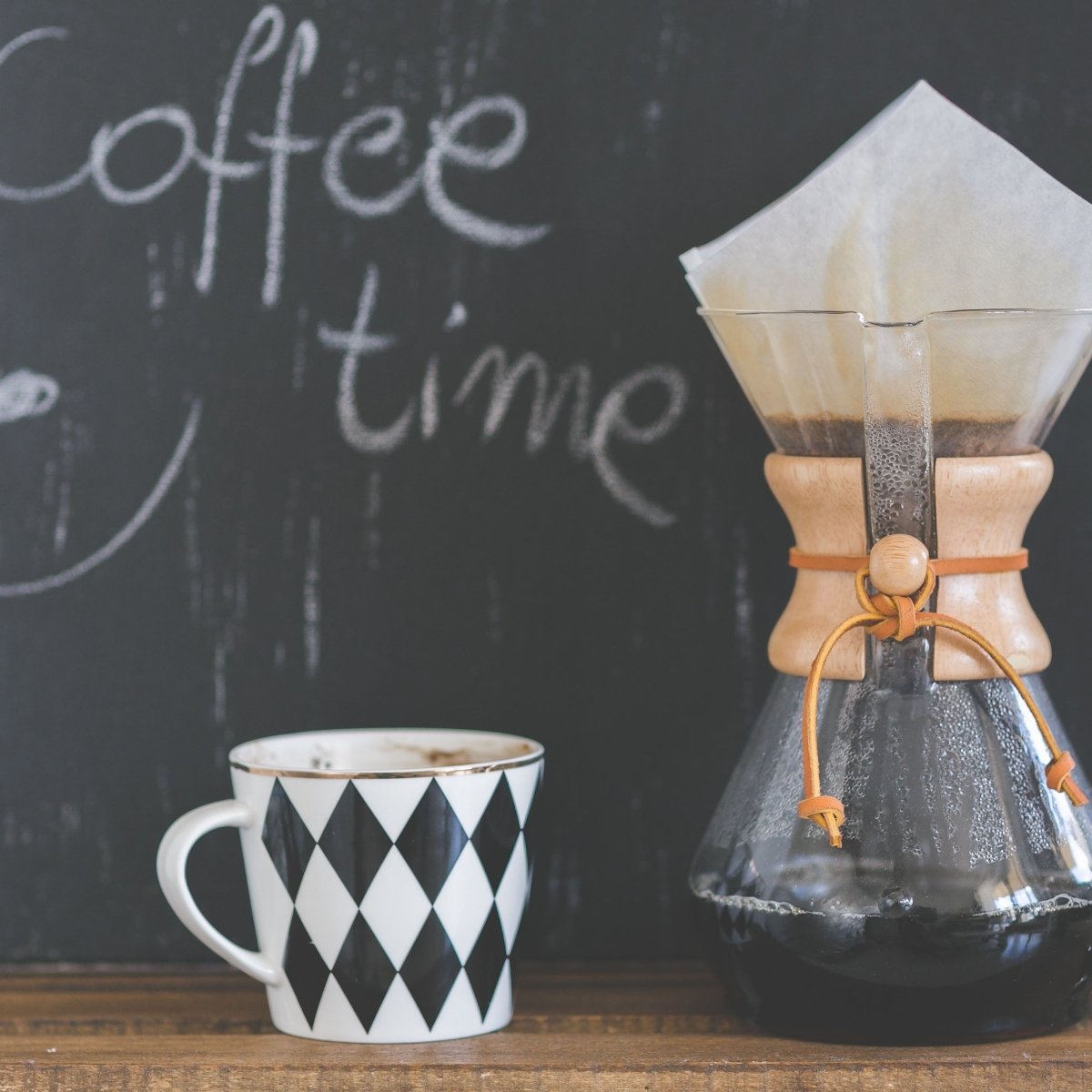
The equipment was usually simple: a pot, a cloth filter, a percolator, or grounds left to settle in the cup. In a world without pod machines and electric grinders on every worktop, people made the most of what they had. A strong, freshly roasted bean was a luxury when supply allowed. Waste was not an option, so grounds might be stretched further than any modern coffee lover would recommend.
Coffee, morale and the armed forces
For servicemen and women, coffee was closely tied to alertness and morale. Long watches, early starts, cold conditions and exhausting shifts made a hot caffeinated drink genuinely useful. It was also a social marker: a quick pause between duties, a mug shared with a colleague, a little normality in an abnormal place.
The United States had a particularly strong coffee culture, and coffee travelled with American forces in large quantities. Rations commonly included instant coffee, selected because it was lightweight, quick to prepare and less complicated to transport than roasted beans. The taste may not have rivalled a carefully brewed fresh coffee, but the purpose was clear. It was hot, energising and dependable.
American military demand had a wider effect on global coffee supplies. In 1942, coffee was rationed in the United States, with civilians limited in what they could buy. The restriction was later lifted, but the episode showed how quickly a popular everyday product could become strategically significant when millions of troops needed feeding and supplying.
British troops also drank coffee, though tea held its familiar place. Which drink mattered most often came down to circumstance. A naval crew on watch, an airman before a mission or a soldier taking a brief break could all welcome a mug of either. The shared value was warmth, caffeine and a moment to gather oneself.
A cup could mean connection
Wartime correspondence often revolved around ordinary things missed from home: meals, gardens, familiar streets and favourite drinks. Coffee belonged in that category. A parcel containing a hard-to-find food item, or news that a local shop had received a small delivery, could feel much bigger than it sounds now.
That emotional pull helps explain why coffee held its place despite scarcity. It was not only about flavour. It represented home comforts, hospitality and the quiet reliability of a usual morning. When those things were disrupted, people noticed.
How the war shaped the coffee people wanted afterwards
When the war ended, supply did not instantly return to normal. Britain continued to face food restrictions and economic pressure for years. Coffee remained affected by import realities, changing trade arrangements and limited household budgets. The long wait made the eventual return of more consistent supplies especially welcome.
The post-war period also helped set the scene for changing coffee habits. People had experienced substitutes, instant options and coffees from different sources through military service, travel and contact with Allied forces. As prosperity gradually increased, coffee became more available and more varied.
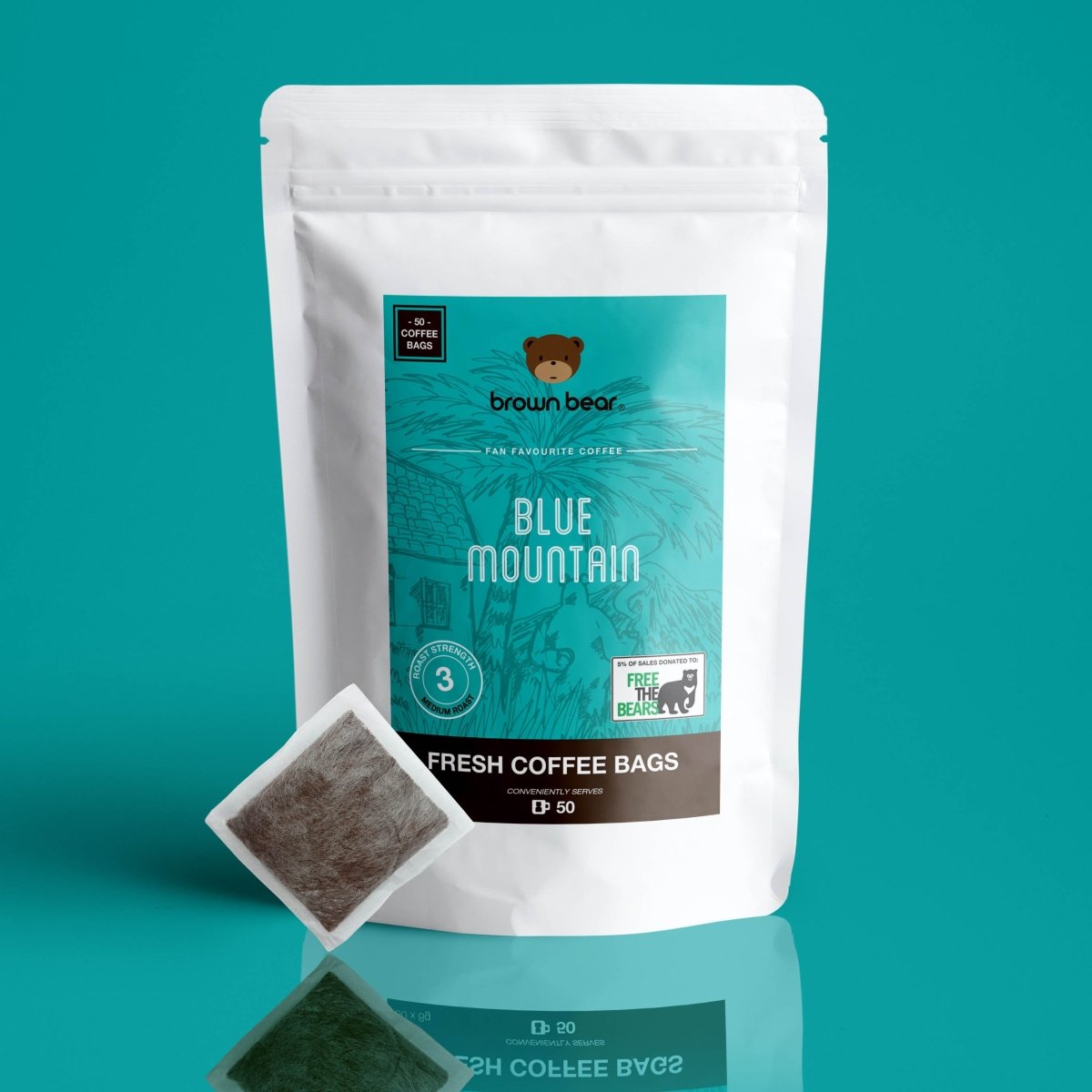
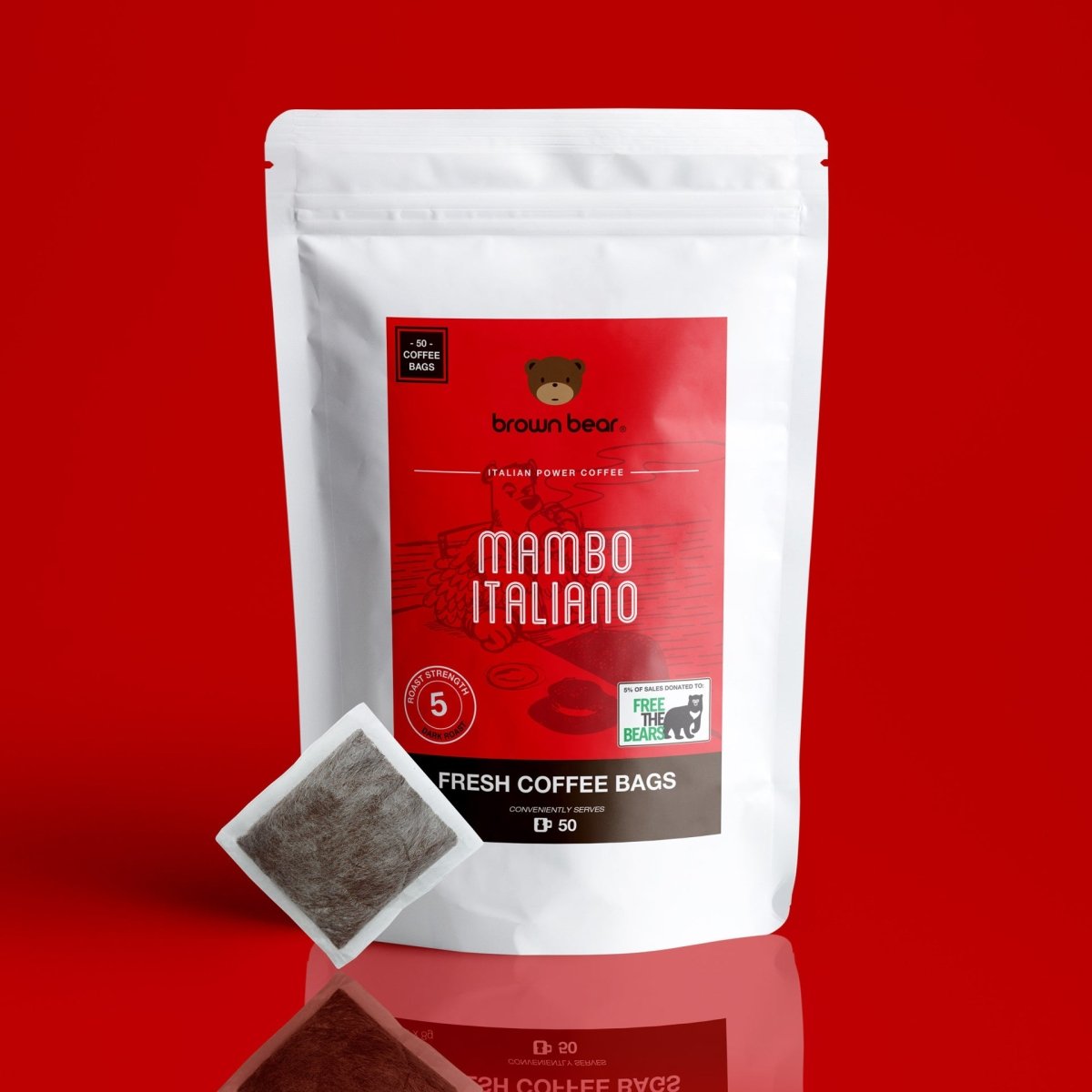
By the 1950s and 1960s, instant coffee had found a larger place in British kitchens because it was quick, accessible and easy to keep on hand. Later, café culture and better access to beans brought fresh-brewed coffee back into focus. The modern choice between instant, coffee bags, ground coffee, whole beans and cold brew would have seemed extraordinary to a household carefully making one small packet last.
There is a useful lesson here for anyone choosing coffee today. Convenience matters, especially on a rushed weekday morning. But freshness, roast style and brewing method change the experience just as much. A dark roast may bring the bold, comforting profile some people want first thing, while a lighter roast can highlight brighter fruit and floral notes. Neither is automatically better. It depends on what you enjoy and how you make it.
What wartime coffee can still teach us
The history of coffee in the Second World War puts a modern cup in perspective. We now have the freedom to choose an origin, roast level, grind and format to suit our routine. We can keep whole beans for a weekend brew, choose pre-ground coffee for speed, or reach for coffee bags when space and washing-up are limited.
It also makes thoughtful buying feel more meaningful. Coffee has always depended on a long chain of growers, processors, shippers, roasters and retailers. During wartime, that chain was visible because it broke. Today, it is worth remembering that every reliable bag on the shelf represents skill and care long before the kettle boils.
The next time you make coffee, take an extra moment with the aroma before the first sip. For generations who lived through shortages, that simple, dependable pleasure was never something to take for granted.

