











A green coffee bean is hard, grassy and nothing like the rich, fragrant coffee you recognise in your mug. Roasting is the moment it becomes coffee as we know it. The coffee roasting history behind that change is full of practical invention, changing tastes and a long-running search for a better daily brew.
For home coffee drinkers, it also explains a useful truth: light, medium and dark roasts are not simply points on a strength scale. Each roast level brings different flavours forward, and each has roots in the way coffee has been bought, brewed and enjoyed over centuries.
Coffee Roasting History Starts With Fire
Coffee was first valued in East Africa, where the coffee plant grows naturally. Early accounts of coffee consumption vary, and many popular stories are difficult to prove. What is clearer is that coffee became an important drink in Yemen during the 15th century, where beans were prepared, roasted and brewed as part of a growing coffee culture.
The earliest roasting was straightforward: beans were heated in a shallow pan over charcoal or an open fire, then stirred by hand. It was labour-intensive and demanded attention. Leave beans still for too long and they could scorch; take them off the heat too early and the cup could taste flat, sharp or grassy.
These early roasters had no temperature displays, timers or colour charts. They relied on sight, smell, sound and experience. Those cues still matter today. During roasting, the beans brown, expand and eventually make a distinct popping sound known as first crack. This is one of the key signs that the coffee is developing its familiar roasted character.
From Yemeni Coffeehouses to European Kitchens
By the 16th century, coffee had travelled through the Ottoman Empire. Coffeehouses became lively places to meet, talk and do business, and roasting moved closer to the people drinking the coffee. Small metal pans and long-handled implements made it easier to roast beans over a brazier at home or in a coffeehouse.
When coffee reached Europe in the 17th century, it arrived as a valuable, often exotic product. Households commonly bought green beans and roasted them themselves. This gave people control, but it also made consistency difficult. One batch might be pleasantly nutty, while the next could be bitter around the edges.
Domestic roasting remained common for a long time, especially as coffee became part of everyday routines. In Britain, coffeehouses had already helped establish coffee as a social drink, but roasting at home was less about ceremony than practicality. Freshly roasted coffee was desirable, and buying green beans helped keep them in good condition before use.
The trade-off was convenience. Roasting creates smoke, aroma and chaff, the papery skin released from beans as they heat. It is satisfying when done well, but not everyone wants that job before breakfast.
The Inventions That Changed Coffee Roasting
The 19th century brought machinery that made roasting more reliable and scalable. Cylindrical drum roasters turned beans while heat was applied, reducing the risk of hot spots created by a stationary pan. Better ventilation, cooling systems and eventually gas-powered equipment gave roasters more control over the process.
This mattered because coffee was becoming a bigger commercial product. As railways and shipping connected markets, roasted coffee could be produced in larger quantities and sold to a wider audience. Brands began offering pre-roasted coffee, saving customers the work of roasting at home.
It also changed expectations. People could start looking for the same taste from one purchase to the next. Consistency is easy to take for granted, but it is one of the biggest achievements in coffee roasting. A dependable roast requires careful control of bean size, density, moisture, heat, airflow and cooling time.
Industrial roasting did not make craft irrelevant. It made good judgement even more valuable. A roaster still needs to decide what the bean can offer and how far to take it. A dense Kenyan coffee, for example, may need a different approach from a softer Brazilian bean. The goal is not to make every origin taste identical. It is to bring out the best of each one while producing a balanced, enjoyable cup.
Why Roast Styles Became So Different
Regional preferences helped create the roast language we use now. Historically, darker roasts became popular in places where coffee was often brewed strongly, sometimes with milk, spices or sugar. A deeper roast could bring a fuller body, more bittersweet cocoa notes and a powerful flavour that stood up well in those preparations.
Lighter roasting gained greater attention as speciality coffee grew in the late 20th and early 21st centuries. Roasting beans for less time can preserve more of their origin character. Depending on the coffee and brew method, that may mean citrus, berry, floral or tea-like notes. It can be brilliant, but it is not automatically better. A very light roast may be less forgiving if your grinder, water temperature or brewing method is not quite right.
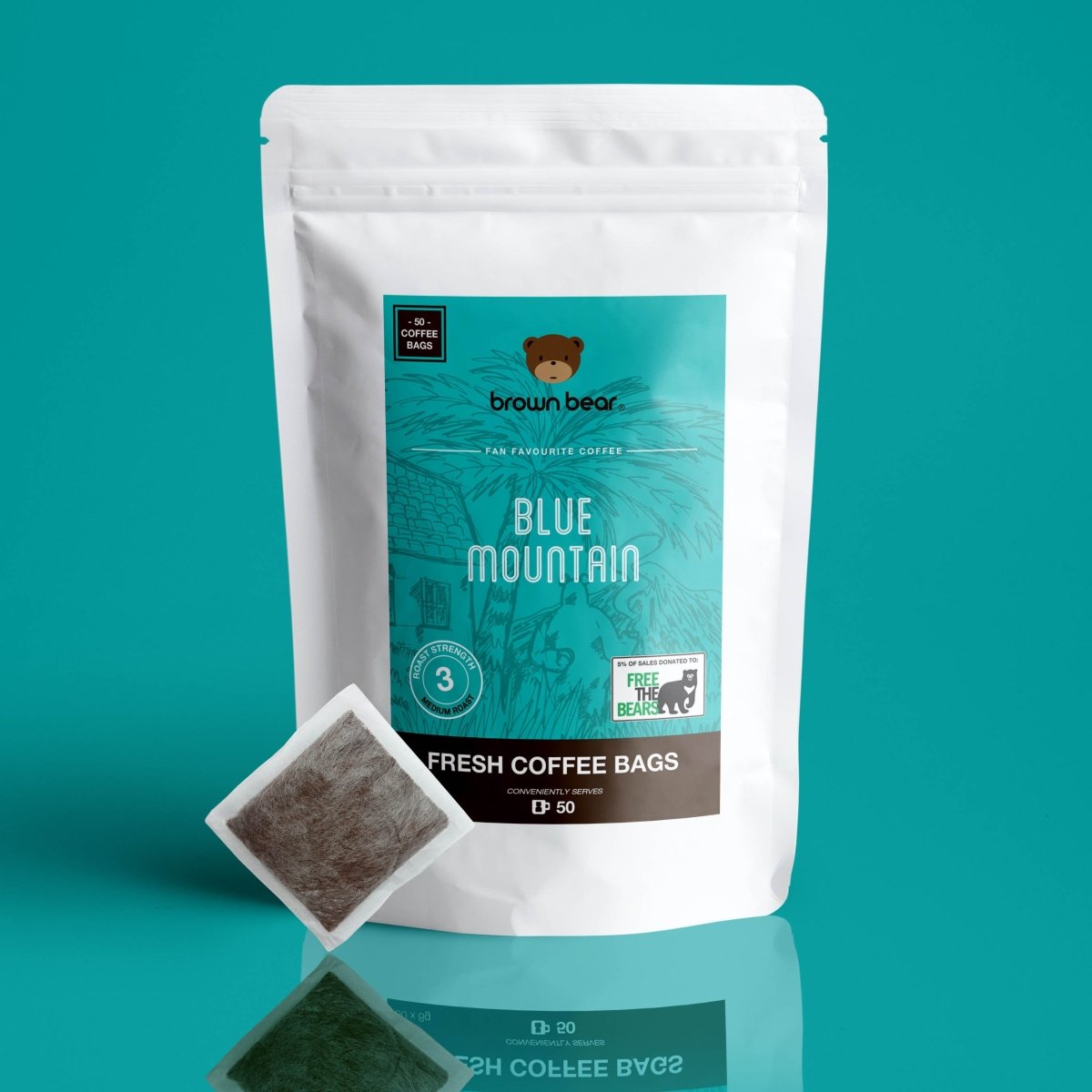
Medium roasts sit comfortably between those styles. They often balance the character of the origin with classic caramel, chocolate and toasted nut flavours. For many households, that makes medium roast a reliable choice for cafetières, filter machines and bean-to-cup machines.
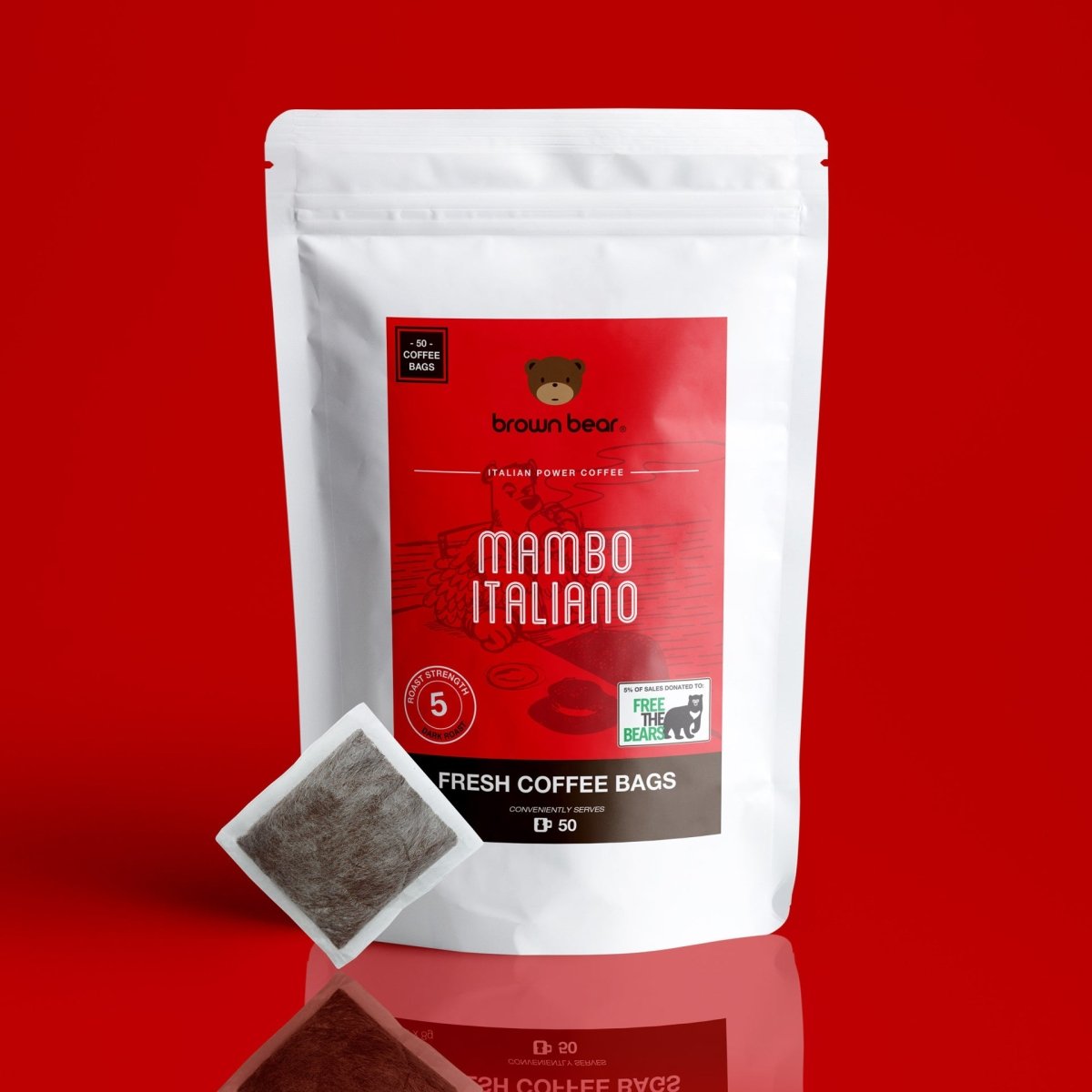
Dark and ultra-dark roasts take the bean further, building bolder roast-led flavours. Done carefully, they can be smooth, rich and satisfying rather than simply burnt. They are particularly popular for espresso, moka pots and anyone who likes their coffee with milk. Roast preference is personal, so the best choice is the one you look forward to drinking.
What Happens Inside the Bean
Roasting is not just browning. As heat enters the bean, water evaporates and the bean expands. Sugars and amino acids react in a process called the Maillard reaction, creating many of the aromas associated with toast, biscuits, nuts and chocolate. Caramelisation develops later, adding sweetness and deeper flavours.
As the roast progresses beyond first crack, acidity generally becomes less noticeable while body and roast character build. Go further still and the coffee can develop smoky, dark chocolate or molasses-like notes. At the same time, the delicate flavours associated with the growing region become harder to detect.
That is why the same coffee can taste so different at different roast levels. A lighter Ethiopian coffee may lean towards fragrant fruit and flowers; roasted darker, it may become more cocoa-like and intense. Neither result is wrong. They are different expressions of the same bean.
One common misunderstanding is that dark roast always means more caffeine or more strength. Roast colour does not reliably tell you how much caffeine is in your cup. The perceived strength comes more from flavour intensity and how much coffee you use in the brew. If you prefer a powerful taste, choose a darker roast. If you want a more delicate cup, a light roast may be your favourite.
Modern Roasting Keeps the Human Touch
Modern roasters use digital profiling, precise probes and software to track each batch. These tools can record temperature changes and help repeat successful results, but they do not replace tasting. Coffee is still assessed by aroma, sweetness, acidity, body and finish. A profile that looks perfect on a screen must still taste right in the cup.
Freshness has also become a bigger part of how people buy coffee. Roasted coffee needs time to settle after roasting, when it releases carbon dioxide, but it is at its best within a sensible window rather than stored for months. That is one reason buying coffee in quantities that suit your routine can make such a difference.
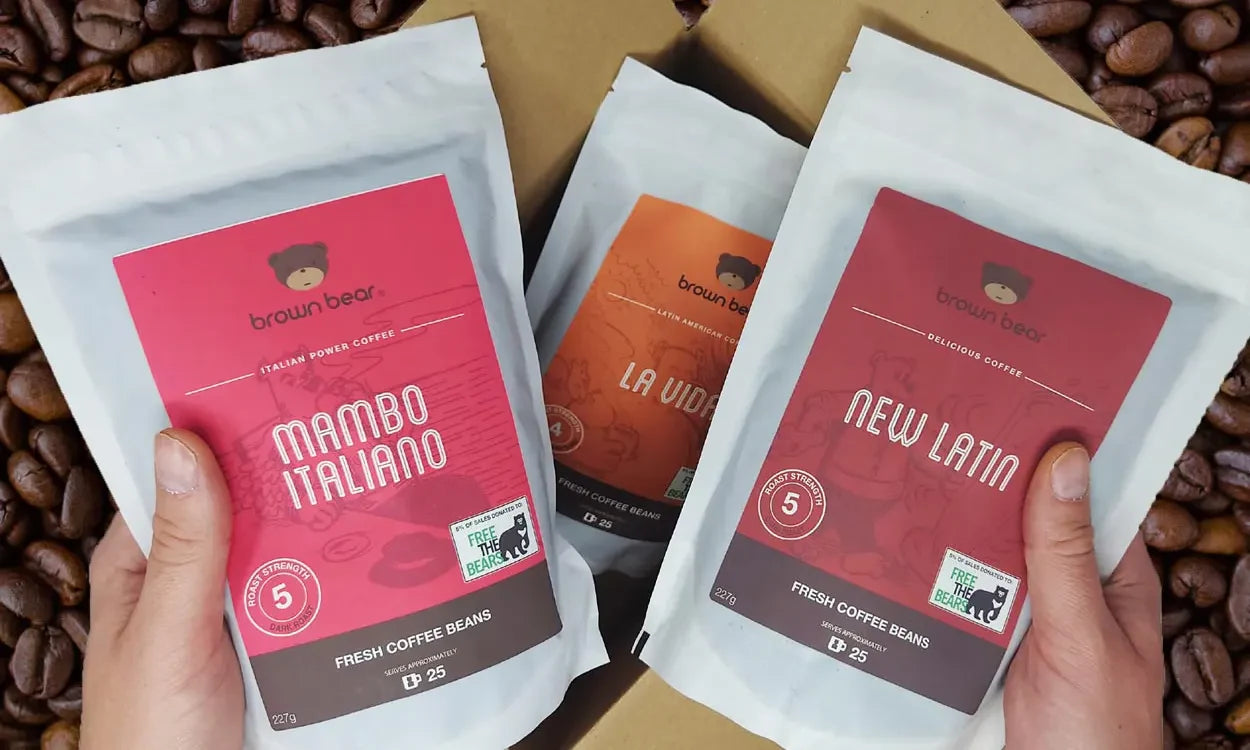
At Brown Bear, the choice between light, medium, dark and ultra-dark is designed to be clear rather than intimidating. Start with the flavours you usually enjoy, then consider how you brew. A bright light roast can shine through a filter brewer, while a deep dark roast can bring the punch many people want from an espresso or a morning cafetière.
Coffee roasting has moved a long way from a pan over charcoal, yet the essential question is unchanged: how can this particular bean taste its best? The next time you open a bag, take a moment to notice the aroma, colour and character in your cup. You are tasting centuries of trial, taste and careful heat - shaped around your own everyday ritual.

