












The price on a bag of coffee tells you something. The story behind it tells you far more. Coffee sustainability is about making choices that support the people who grow coffee, protect the places it is grown and reduce unnecessary waste between farm and final cup. It is not about chasing perfection with every purchase. It is about knowing what a better coffee choice can look like in real life.
For most of us, coffee is a daily ritual. That makes even small decisions worth considering. The origin you choose, how much you use, the packaging you recycle and whether your coffee gets drunk rather than forgotten at the back of a cupboard all play a part.
What coffee sustainability really means
Coffee begins as a crop, usually grown in regions where changing weather, plant disease and unstable market prices can put real pressure on farming communities. A sustainable coffee supply aims to make the business of growing coffee viable for the long term, while caring for soil, water, wildlife and workers.
That is a big brief, which is why no single label or claim can tell the whole story. Responsible sourcing matters, but so do roast production, transport, packaging and what happens at home. A coffee can travel a long way and still have a thoughtful supply chain. Equally, a recyclable pack is useful, but it does not automatically answer questions about how growers were paid.
The most useful approach is to look for steady progress rather than a magic badge. Good coffee should taste brilliant, fit your routine and come with clear signs that a business takes its responsibility seriously.
Start with the people behind the beans
Coffee quality and coffee livelihoods are closely connected. Producing excellent beans takes skilled work: tending plants, picking ripe cherries, processing them carefully and preparing lots for export. When farmers and workers can earn a more reliable income, they are better placed to invest in their farms, their families and the next harvest.
Buying coffee from a retailer that shares meaningful information about origins, long-term sourcing relationships or social commitments is a sensible place to start. Transparency will vary by coffee and season, particularly because harvests change, but vague claims should not be the only detail on offer.
Origin matters here, although it should never be treated as a shortcut for quality or ethics. A bright Kenyan coffee, a chocolatey Brazilian or a fruit-led Ethiopian can each be responsibly sourced. The key question is whether the journey from farm to roaster is being handled with care and accountability.
Why price is only part of the picture
A low shelf price can be tempting, especially when coffee is an everyday essential. Yet coffee that is priced unrealistically cheaply may leave little room for fairer returns throughout the supply chain. That does not mean the most expensive bag is automatically the most responsible choice. It means value should include flavour, freshness, provenance and the confidence that your money supports a healthier coffee future.
Subscriptions can help here too. Ordering a regular amount that you genuinely use makes it easier to plan your coffee spend and can help retailers forecast demand. The best subscription is one you can pause, skip or change when your routine changes, rather than one that leaves you with a pile of unopened bags.
Farming for a changing climate
Coffee is sensitive to its surroundings. Rainfall patterns, warmer temperatures and pests can affect both yields and flavour. In some regions, farmers are adapting through shade-grown systems, soil care, water management, tree planting and more resilient crop varieties.
Shade can be especially valuable when it is managed well. Trees may provide habitat for birds and insects, help protect soil and offer coffee plants some shelter from heat. But it depends on the farm. Dense shade is not suitable everywhere, and the benefits rely on local conditions and good farm management.
This is one reason coffee sustainability is not simply a choice between one origin and another. Supporting a diverse range of origins can be a positive thing. Different coffee regions face different challenges, and a varied coffee cupboard can spread demand beyond the same few familiar choices.
If you usually reach for a dark roast, you do not need to switch to a light roast to make a more considered choice. Roast preference is personal. Powerful, rich coffee can be part of a responsible routine just as much as a lighter, more delicate cup. Choose the flavour you enjoy enough to brew properly and finish.
Roasting and packing with less waste
Roasting turns green coffee into the fragrant beans we know and love, using energy and careful quality control. Roasters can reduce their impact by improving equipment efficiency, planning production to avoid waste and choosing packaging that protects freshness without creating more material than necessary.
Packaging is often where shoppers have the most direct influence, but it can be confusing. Coffee needs protection from oxygen, light and moisture, otherwise its flavour fades quickly. A simple paper bag is not always the greenest answer if it cannot keep coffee fresh or cannot be recycled through local systems.
Check the guidance printed on the pack and follow the rules where you live. Some components, such as valves or resealable closures, may need separating. If flexible packaging is accepted at a local collection point, keep it clean and dry first. Where recycling options are limited, getting the coffee you buy used and enjoyed is still a meaningful win.
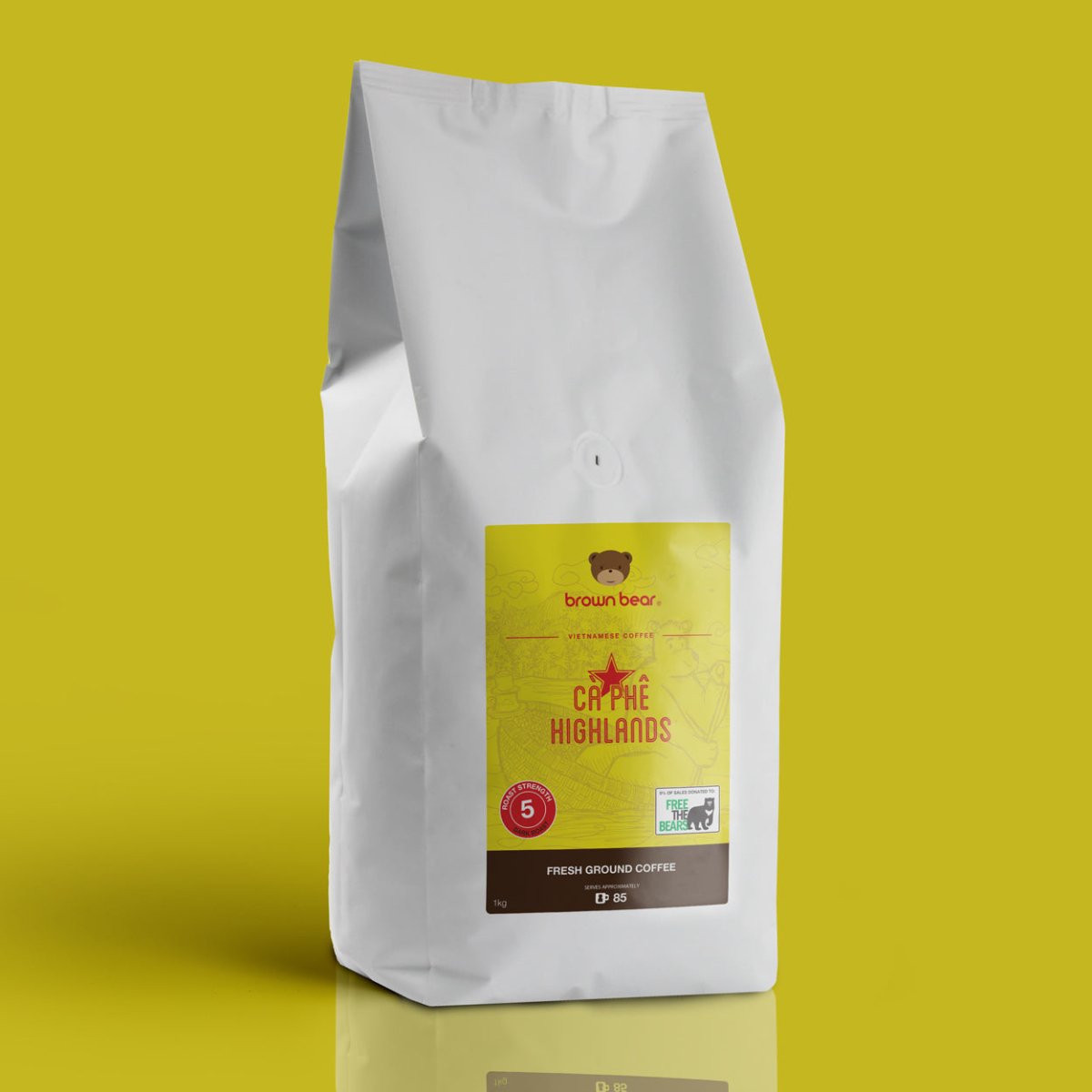
Buying a larger bag can reduce packaging per cup, but only if you can finish it while it is fresh. For a one-person household drinking a couple of cups a day, smaller bags or a flexible subscription may create less waste overall than a large bag that goes stale.
Make your home brewing count
The most sustainable coffee is not the coffee with the cleverest slogan. It is the coffee that gets brewed well, enjoyed fully and not poured down the sink.
Start by buying for your actual habits. Whole beans stay fresher for longer when stored in an airtight container away from heat and sunlight. Grind only what you need just before brewing if you have a grinder. If you buy ground coffee for convenience, choose a grind suited to your brewer and keep the bag sealed between cups.
Measure your coffee rather than guessing. Using a scoop or kitchen scales helps you make a consistent cup and avoids using too much coffee for a weak brew. If a coffee tastes too strong, adjust the ratio before writing off the bag. Small changes to dose, water temperature or brewing time can make a surprising difference.
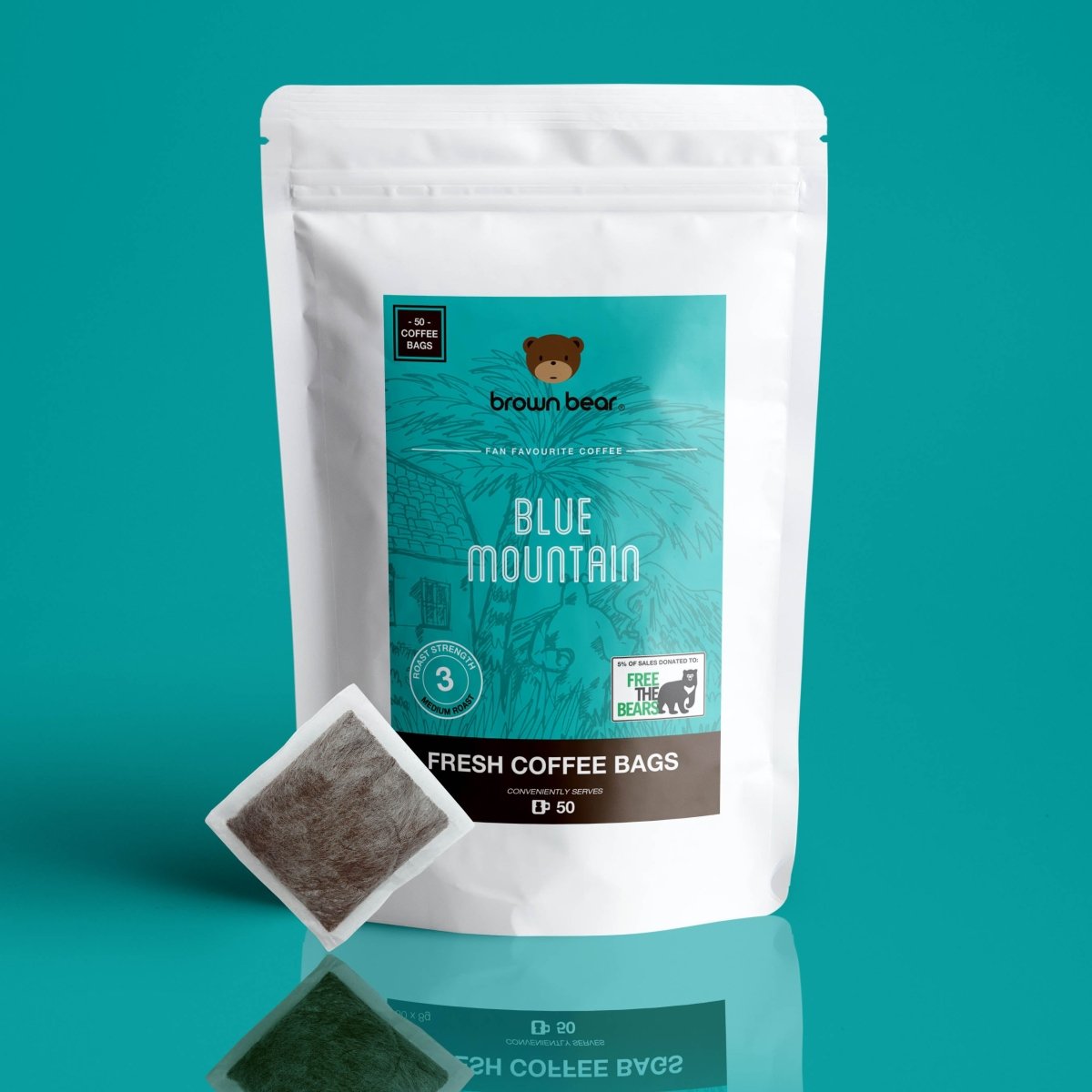
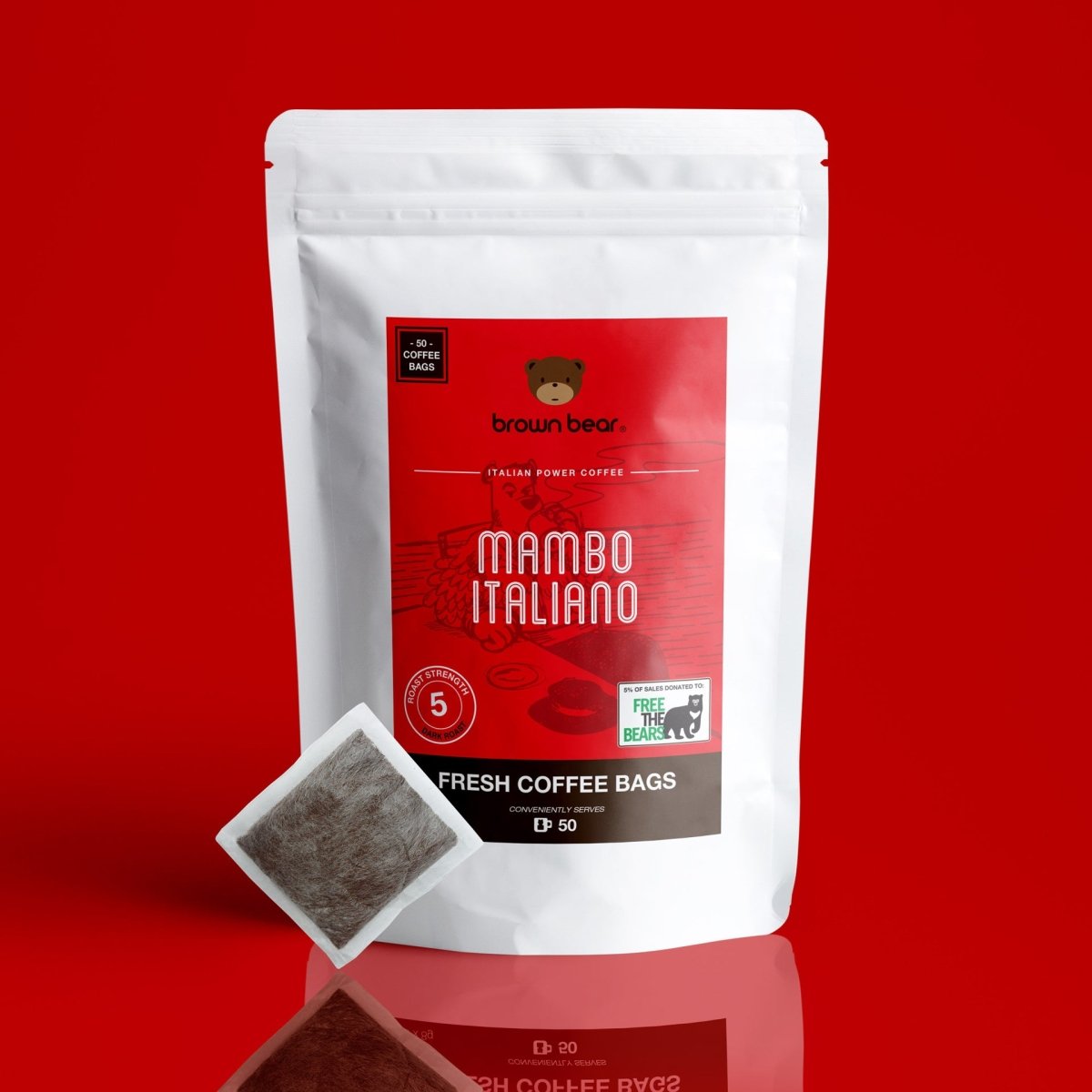
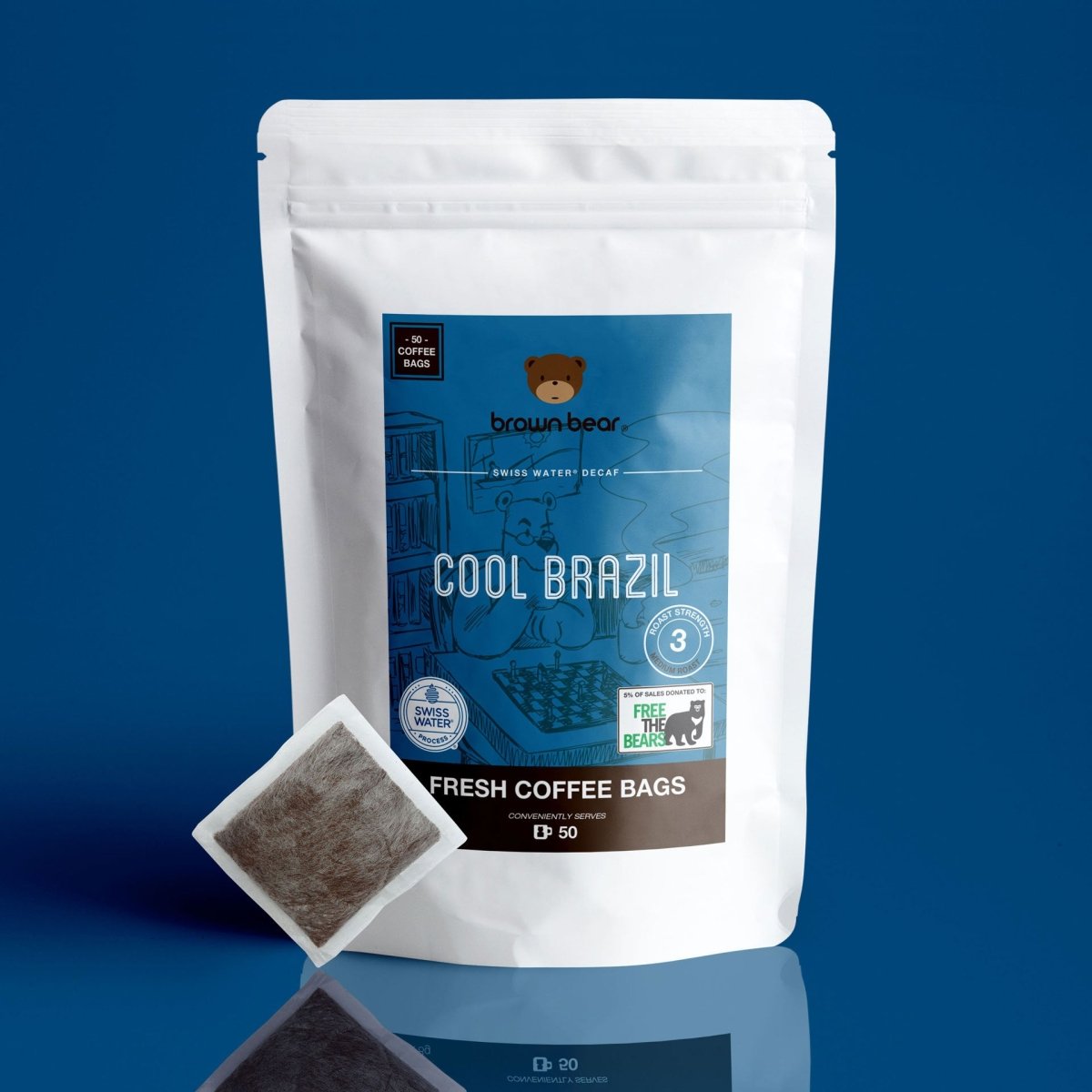
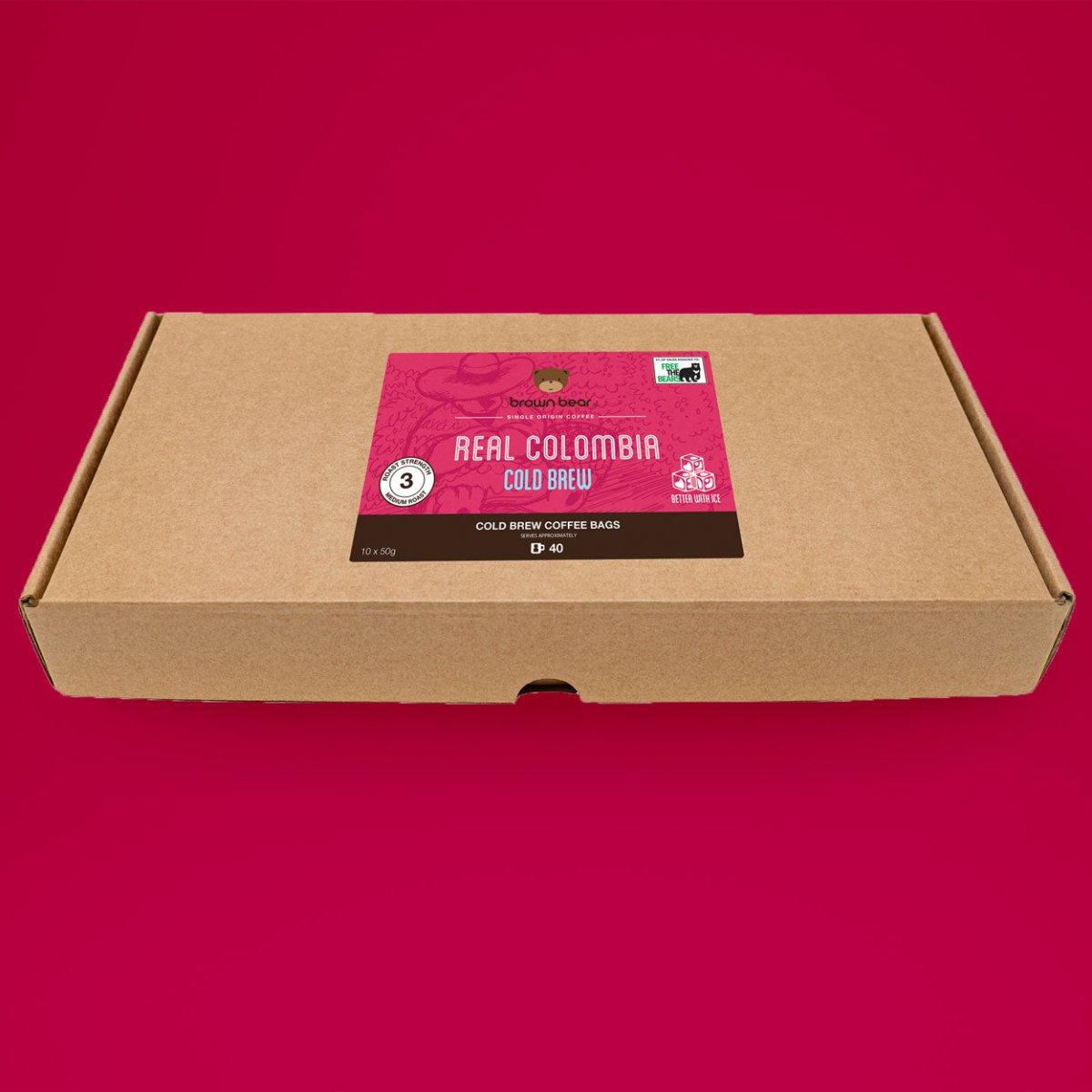
Coffee bags are useful for busy mornings, office drawers and holidays, especially when you want less equipment and less chance of unused grounds. Cold brew can also be a practical choice in warmer weather or for making several servings at once. The right format is the one that suits your life and prevents waste.
Used grounds can go into a food-waste collection where accepted, or into a home compost in sensible amounts. They are not a cure-all for the garden, but mixed with other compostable material they can be put to good use.
Ask better questions, not perfect ones
It is easy to feel that sustainable shopping comes with a test. It should not. A few straightforward questions are enough to make more confident choices: Does this coffee offer clear origin information? Does the retailer show a genuine commitment to people or environmental causes? Will I use this quantity before it loses its best flavour? Can I recycle or dispose of the packaging correctly?
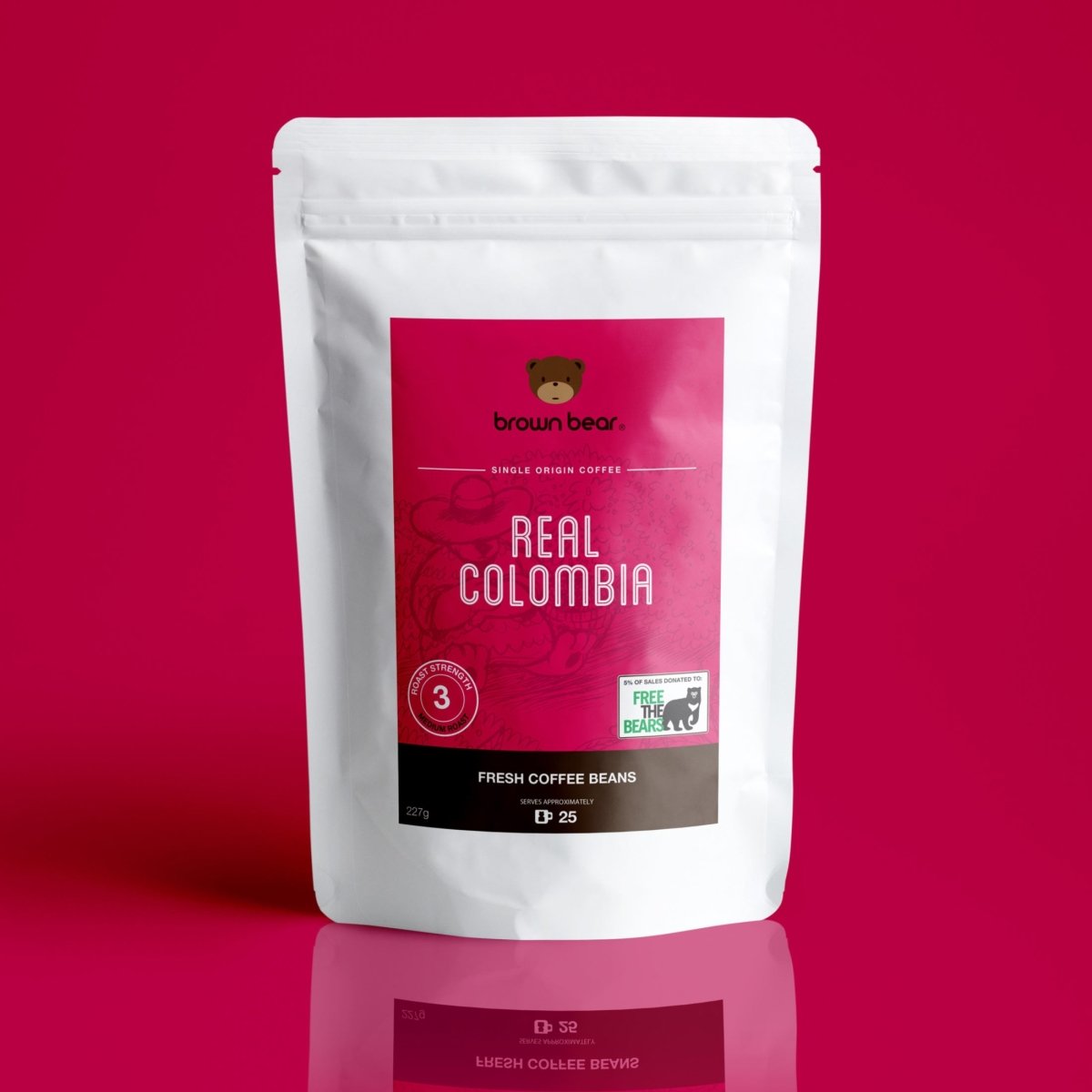
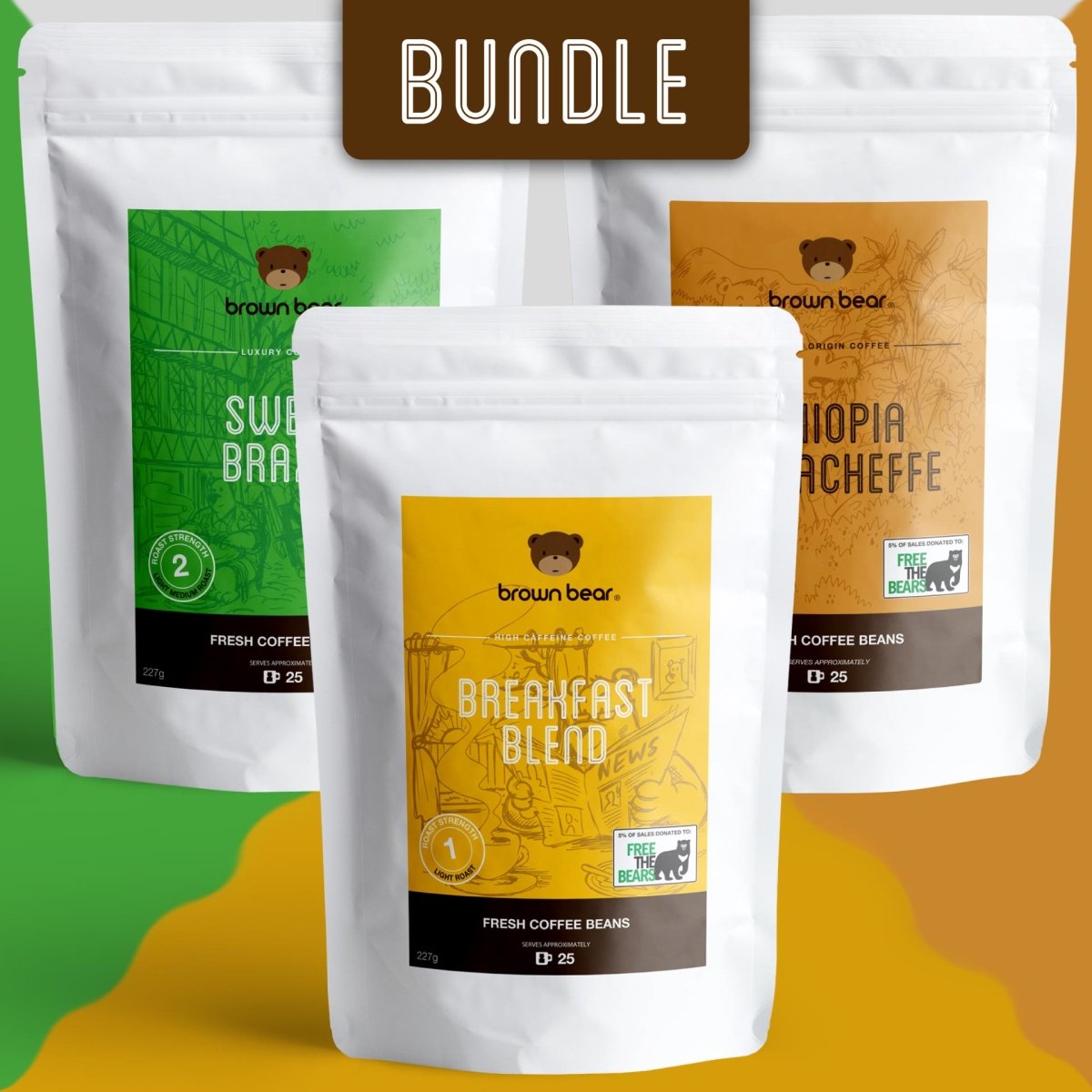
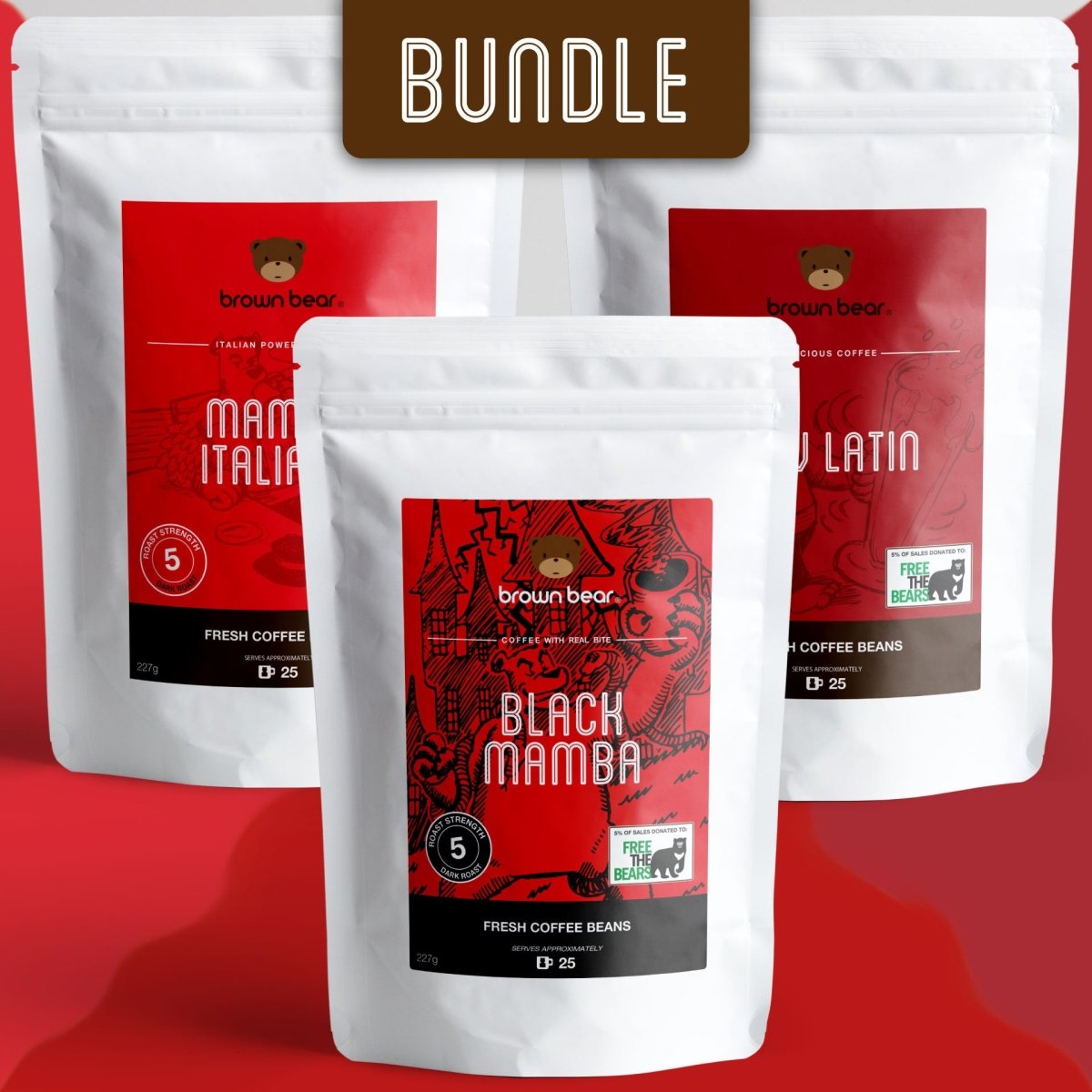
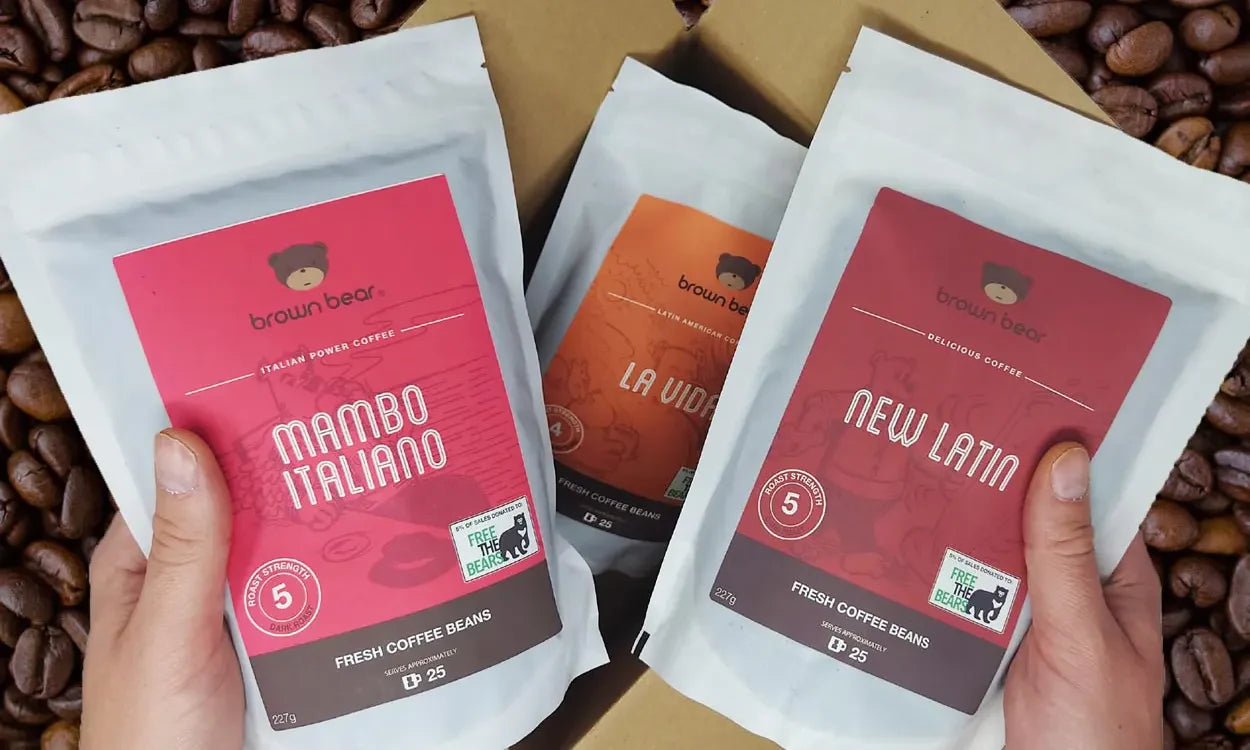
At Brown Bear, the aim is to make choosing good coffee straightforward, whether that means a dependable medium roast for the kitchen, an ultra-dark option for a stronger cup or a gift that feels considered from the first look to the last brew. Ethical commitments work best when they are part of everyday decisions, not an extra hurdle for the customer.
Your morning coffee does not need to carry the weight of solving every global challenge. Choose coffee you love, use it well and support businesses that are open about doing better. That is a practical habit worth keeping, one cup at a time.

