














A bottle of cold brew concentrate can turn a rushed morning, a warm afternoon or an overfull kitchen into a properly good coffee moment. No kettle to watch, no hot coffee melting the ice, and no need to leave home for a café-style drink. The key is knowing that concentrate is not quite ready to drink as it is.
It is strong by design. Add water, milk or your favourite dairy-free alternative, then tailor the flavour to the glass in front of you. That is what makes it such a useful fridge staple: smooth coffee when you want it, made exactly as strong as you like.
What is cold brew concentrate?
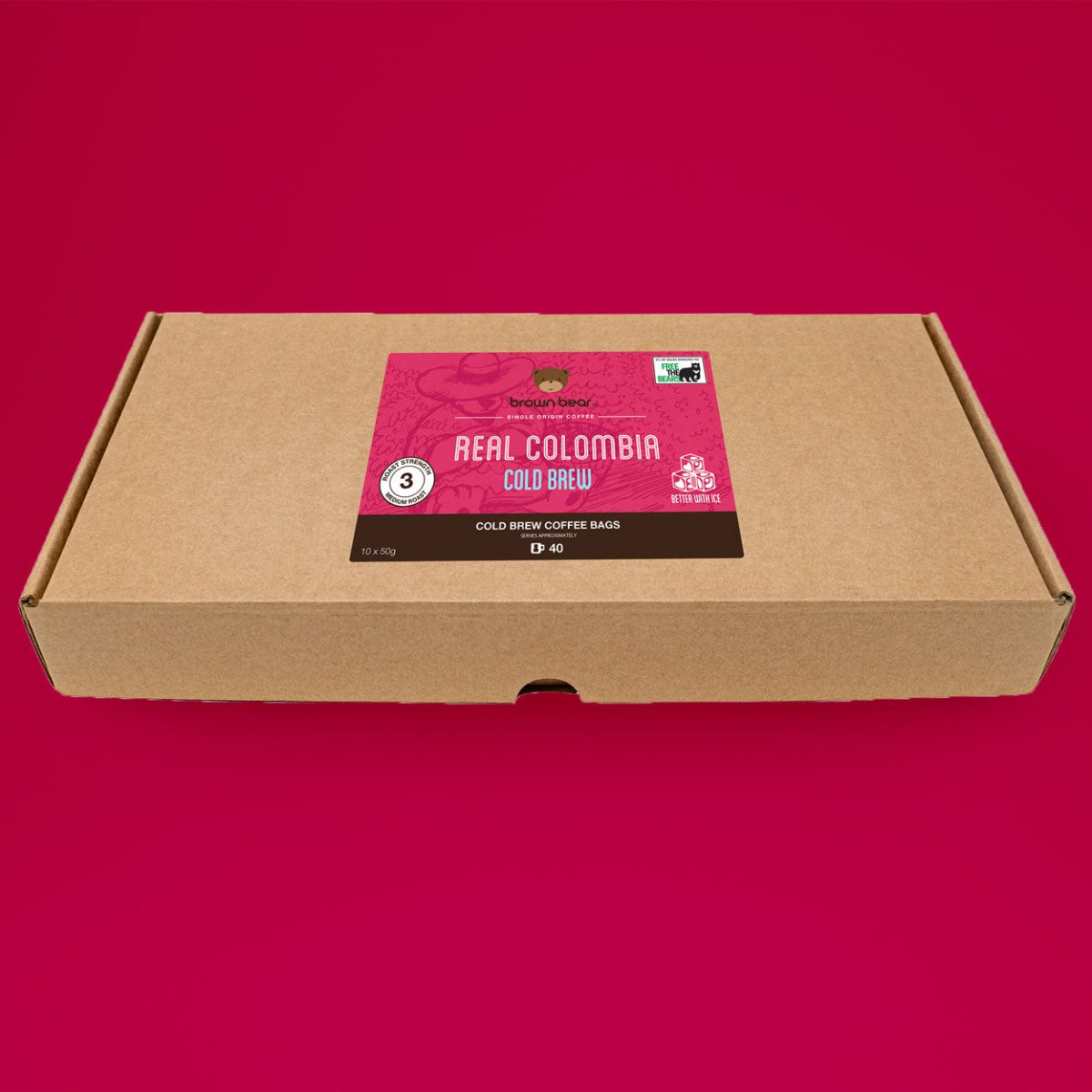
Cold brew is coffee brewed slowly with cold or room-temperature water, rather than hot water. The gradual extraction gives it a rounded, low-bitterness character that many people find especially easy to drink over ice.
Cold brew concentrate takes that idea a step further. It is brewed at a higher coffee-to-water ratio, producing a richer and more intense coffee base. Think of it as the starting point for your drink, rather than the finished drink itself.
Ready-to-drink cold brew can usually be poured straight over ice. Concentrate needs diluting first. That difference matters, both for flavour and caffeine. Drinking a full glass of undiluted concentrate can taste overpowering, and may be much stronger than you expected.
How to dilute cold brew concentrate
Start with one part concentrate to one part cold water or milk. For example, pour 100ml of concentrate over a generous glass of ice, then add 100ml of chilled water or milk. Give it a quick stir and taste before adding anything else.
That 1:1 ratio is a reliable everyday starting point, but there is no single perfect measure. If you prefer a lighter, longer drink, use one part concentrate to two parts water. If you enjoy coffee with real depth and a fuller body, stay close to 1:1 or add a little less water.
Milk changes the experience too. Whole milk creates a round, creamy drink, while oat milk brings a gentle sweetness that suits chocolatey and caramel-led coffees. A splash of cold water before milk can help keep the coffee flavour clear rather than turning the drink too heavy.
A simple way to get the balance right
Use a small measure for your first few drinks rather than guessing. Make the same ratio two or three times, then adjust one element at a time. More water makes the cup lighter. More concentrate increases intensity. More ice keeps it crisp, although it will dilute the drink gradually as it melts.
If you are adding syrup, start with less than you think. Cold drinks can make sweetness seem quieter at first, but too much syrup can quickly cover the coffee. Vanilla works well with smooth medium roasts, while caramel and hazelnut are often at home with deeper, darker profiles.
Why cold brew tastes different to hot coffee
Brewing temperature affects what comes out of the coffee grounds. Hot brewing extracts quickly, giving you the bright aromas, lively acidity and occasional sharp edge many people enjoy in a fresh filter coffee or espresso.
Cold brewing takes its time. The result is often softer, fuller and less acidic in character, with notes such as cocoa, toasted nuts, caramel or dark chocolate coming through clearly. It does not mean cold brew is automatically better than hot coffee. It is simply a different style, and an excellent one when you want an easy, refreshing drink.
The roast you choose still matters. A medium roast can give you balance and sweetness, while dark and ultra-dark roasts tend to bring bolder, richer flavours that stand up well to milk and ice. Lighter roasts can be delicious too, particularly if you enjoy fruitier notes, though they may feel more delicate once diluted.
Make cold brew concentrate at home
Making your own is straightforward, and it is a good use for coffee you already love. You will need coarsely ground coffee, cold filtered water, a large jar or jug, and a way to strain the brew. A cafetière can help, but you may still want to strain the coffee through a paper filter afterwards for a cleaner finish.
For a practical home batch, combine 100g of coarse ground coffee with 800ml of cold water. Stir until all the grounds are wet, cover, and leave in the fridge for 12 to 18 hours. A shorter brew will be lighter; a longer brew will be fuller, though leaving it too long can make the flavour taste woody or dull.
When it is ready, strain slowly and avoid pressing or squeezing the grounds too hard. That can push fine sediment into the coffee and make the texture muddy. Store the strained concentrate in a clean, sealed bottle in the fridge.
This recipe produces a strong brew, but every coffee behaves a little differently. If your first batch tastes too punchy even after diluting, use more water next time. If it tastes thin, increase the coffee slightly or steep it for a little longer. Small changes are usually enough.
Choose the right grind
A coarse grind is your friend here. Very finely ground coffee can clog filters, create sludge and introduce harsh flavours. If you buy pre-ground coffee, choose a grind suited to cafetière or cold brew where possible.
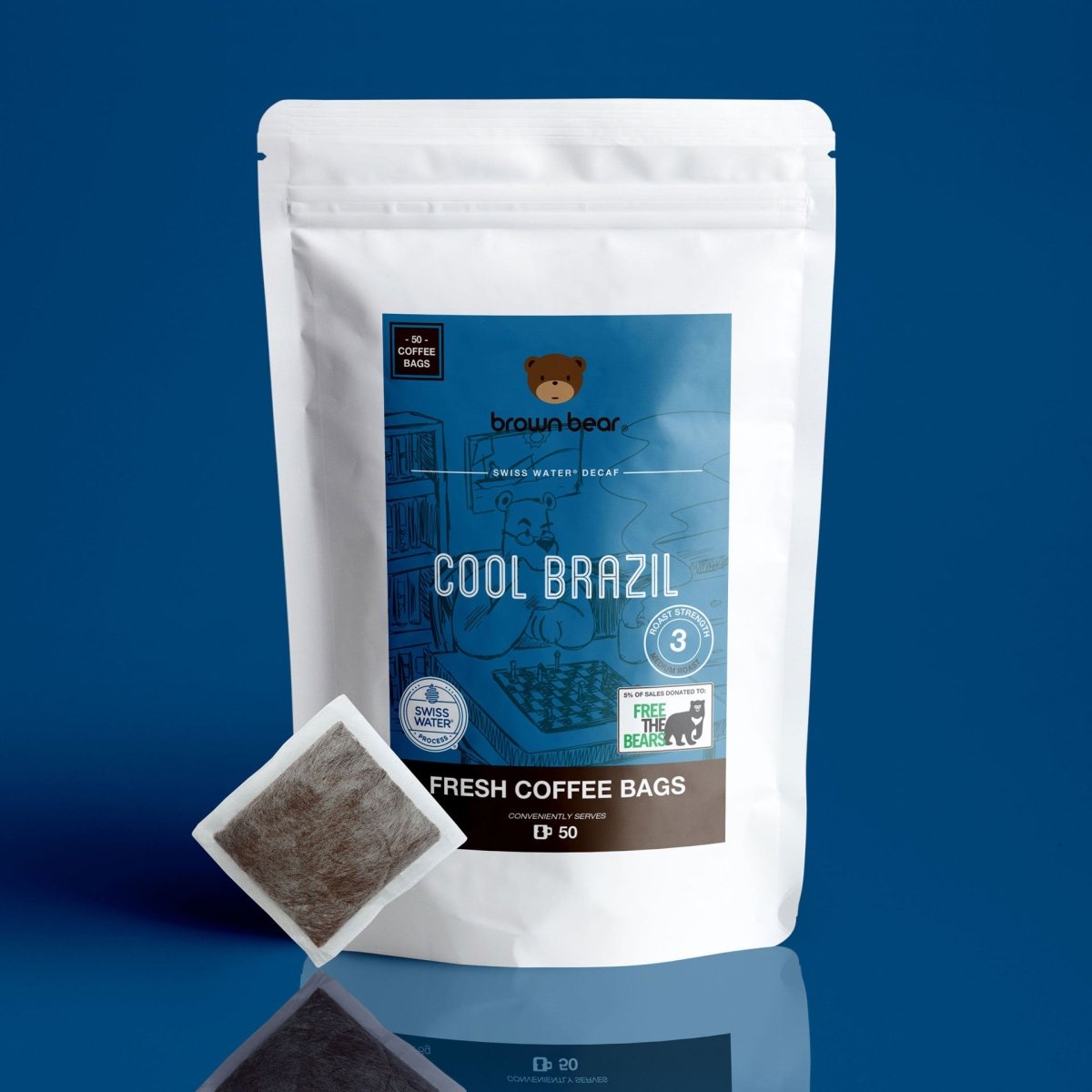
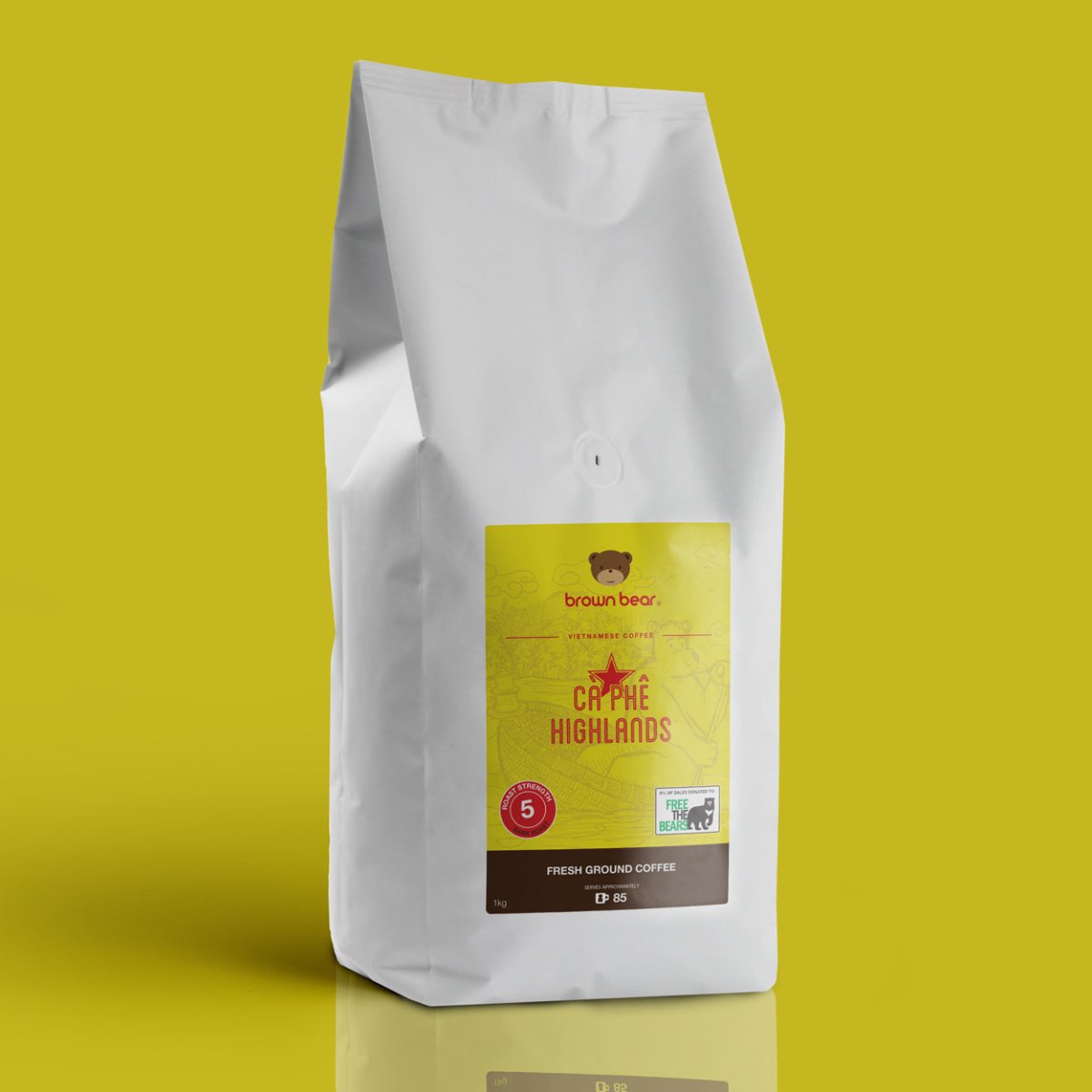
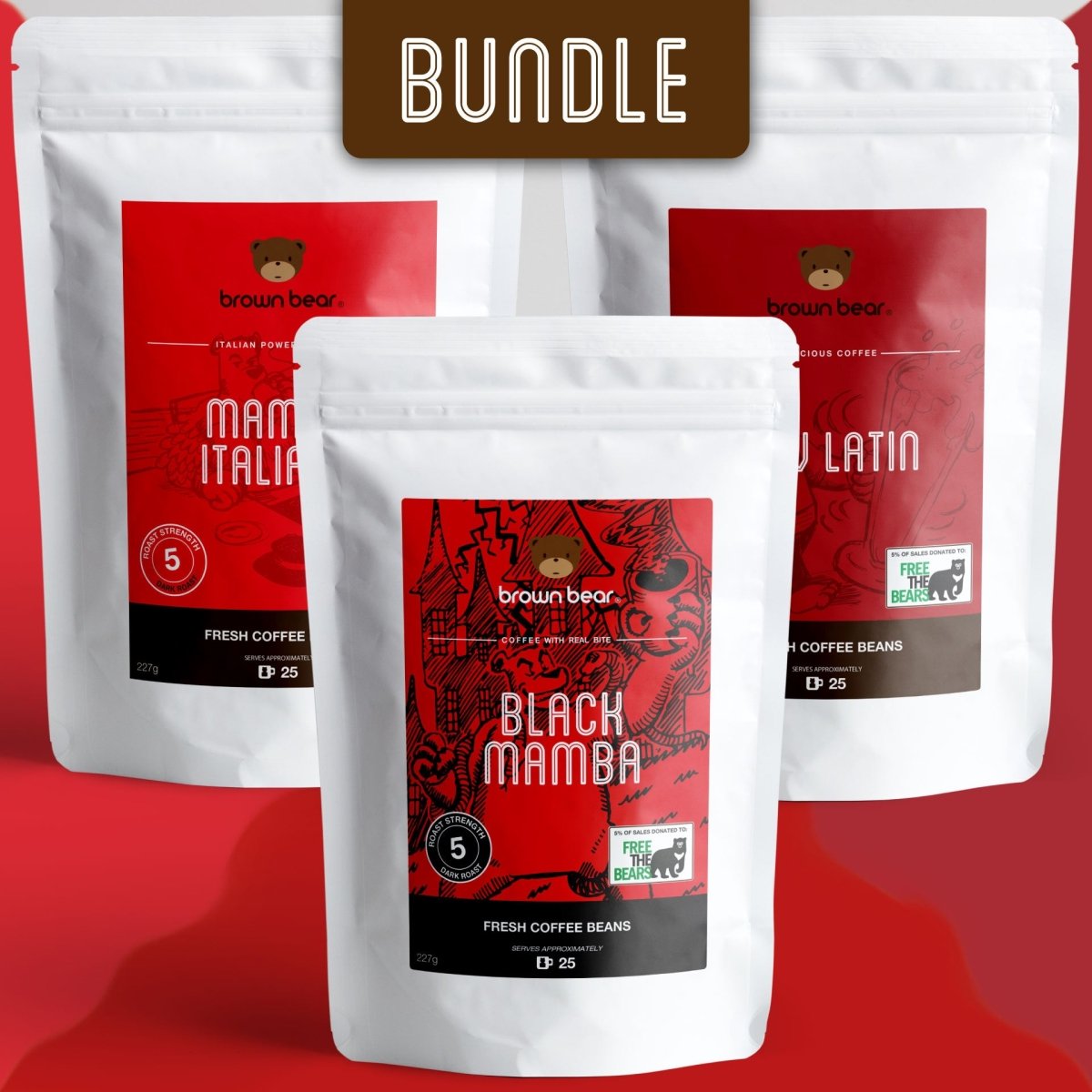
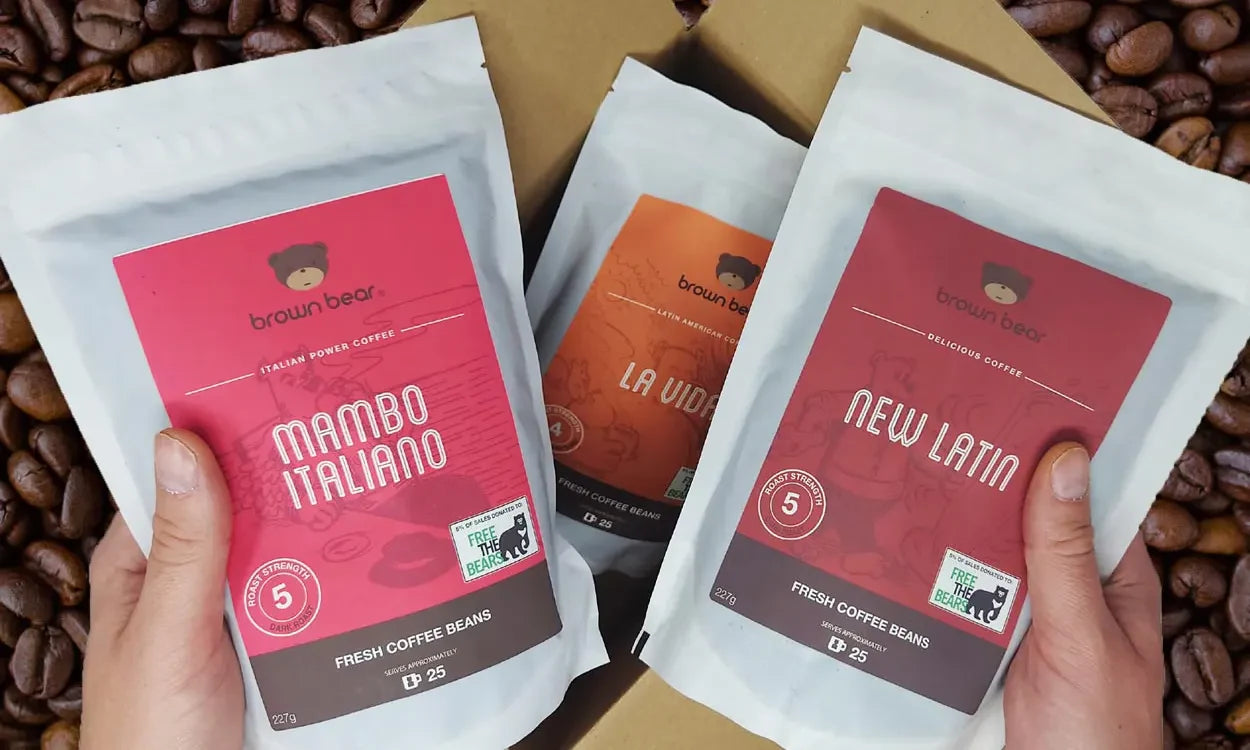
Freshly ground beans offer more control, especially if cold brew becomes part of your weekly routine. Brown Bear coffees are available across light, medium, dark and ultra-dark roast styles, so you can choose the flavour direction that suits your usual serve rather than settling for a one-size-fits-all brew.
Four easy ways to serve it
Cold brew concentrate earns its cupboard space because it does more than make one kind of iced coffee. Once the base is chilled and ready, you can keep the serving simple or make it feel like a small treat.
- Classic iced black: Dilute with cold water over plenty of ice. Add an orange peel if you enjoy a bright, fresh finish.
- Creamy iced coffee: Mix with milk or oat milk, then add a small amount of vanilla syrup for a smooth, café-style drink.
- Cold brew tonic: Pour diluted concentrate slowly over tonic water and ice for a sparkling, lightly bitter alternative on hot days.
- Coffee shake: Blend concentrate, milk, ice and a banana for a quick breakfast when a bowl of cereal will not do.
Storage, strength and common mistakes
Keep homemade concentrate refrigerated in a clean, sealed container. It is at its best within around seven to ten days, although the exact lifespan depends on your ingredients and how carefully it has been stored. If it smells off, looks unusual or tastes stale, do not try to rescue it. Make a fresh batch.
The most common mistake is treating concentrate like ordinary iced coffee. Start diluted, then build strength to taste. It is also worth remembering that caffeine levels vary with the bean, brew ratio and serving size. If you are sensitive to caffeine, use a longer dilution or choose decaf coffee for your batch.
Another easy mistake is using too little ice. A few cubes disappear quickly and leave you with lukewarm coffee. Fill the glass properly, especially if you are serving with milk. Large ice cubes melt more slowly, but any ice is better than none when the goal is a genuinely cold drink.
Cold brew concentrate is at its best when it makes good coffee feel easier, not fussy. Keep a chilled bottle ready, find the ratio you enjoy, and let your next coffee break take as long as pouring, stirring and taking the first refreshing sip.

