















A warm afternoon, a busy desk, or a train you nearly missed: sometimes hot coffee simply is not the answer. The cold brew vs iced coffee question comes down to more than temperature. These drinks are made differently, taste noticeably different, and suit different routines.
Both can make a brilliant chilled coffee at home. The best choice depends on whether you want something quick and bright, or smooth and ready to pour from the fridge. Here is how to choose without turning your morning coffee into a science project.
Cold Brew vs Iced Coffee: The Key Difference
Cold brew is coffee steeped in cold or room-temperature water for a long time, usually 12 to 18 hours. The grounds are then filtered out, leaving a smooth coffee concentrate or ready-to-drink brew. It is never heated during the brewing process.
Iced coffee starts hot. You brew coffee with hot water, just as you would for a cafetière, filter machine, AeroPress or pour-over, then cool it down over ice or in the fridge. Because heat extracts coffee compounds differently, iced coffee tends to have a more familiar brewed-coffee character.
That one difference - cold water and patience versus hot water and speed - shapes nearly everything else: flavour, acidity, texture, strength and how you make it part of your day.
Flavour: Smooth and Mellow or Bright and Lively?
Cold brew is known for a rounded, low-bitterness profile. Cold water extracts more slowly, so the finished drink often tastes chocolatey, nutty, sweet and soft rather than sharp. It can be especially appealing if you enjoy darker roasts, dislike a bitter edge, or usually add milk.
Do not mistake smoothness for a lack of flavour. A well-made cold brew can still have plenty of character, particularly when made with a coffee that has rich cocoa, caramel or toasted-nut notes. It simply presents those flavours in a gentler way.
Iced coffee keeps more of the lively flavour you expect from a hot brew. Depending on the beans, you may notice citrus, berry, floral or stone-fruit notes more clearly. A light or medium roast can be particularly refreshing over ice, although a darker roast also makes a bolder, more traditional iced coffee.
Neither is automatically better. If your favourite coffee is full-bodied and comforting, cold brew may be your match. If you enjoy a crisp cup with a little sparkle and variety from origin to origin, iced coffee is likely to win.
What about acidity?
Cold brew is often described as less acidic. In practical terms, it usually tastes less tangy and less sharp than hot-brewed coffee. That can make it easier to drink black for people who find certain coffees a little bright.
Iced coffee can retain more perceived acidity because it was brewed hot. This is not a flaw - acidity is one of the qualities that can make coffee taste juicy, clean and interesting. But if you want the gentlest possible chilled cup, cold brew is generally the safer bet.
Caffeine: Which One Is Stronger?
There is no fixed winner. Caffeine depends on the coffee-to-water ratio, how much coffee you use, the brew method, and the serving size.
Cold brew is often made as a concentrate. If you pour that concentrate straight into a glass, it may be very strong. Most concentrates are designed to be diluted with water, milk or ice before drinking. Once diluted, its caffeine level may be similar to an iced coffee, or it may still be higher - it depends on the recipe.
Iced coffee can be strong too, especially when it is brewed slightly more concentrated to account for melting ice. If you want to manage your caffeine intake, focus on the amount of ground coffee used and how much you drink, rather than assuming one chilled option is always stronger.
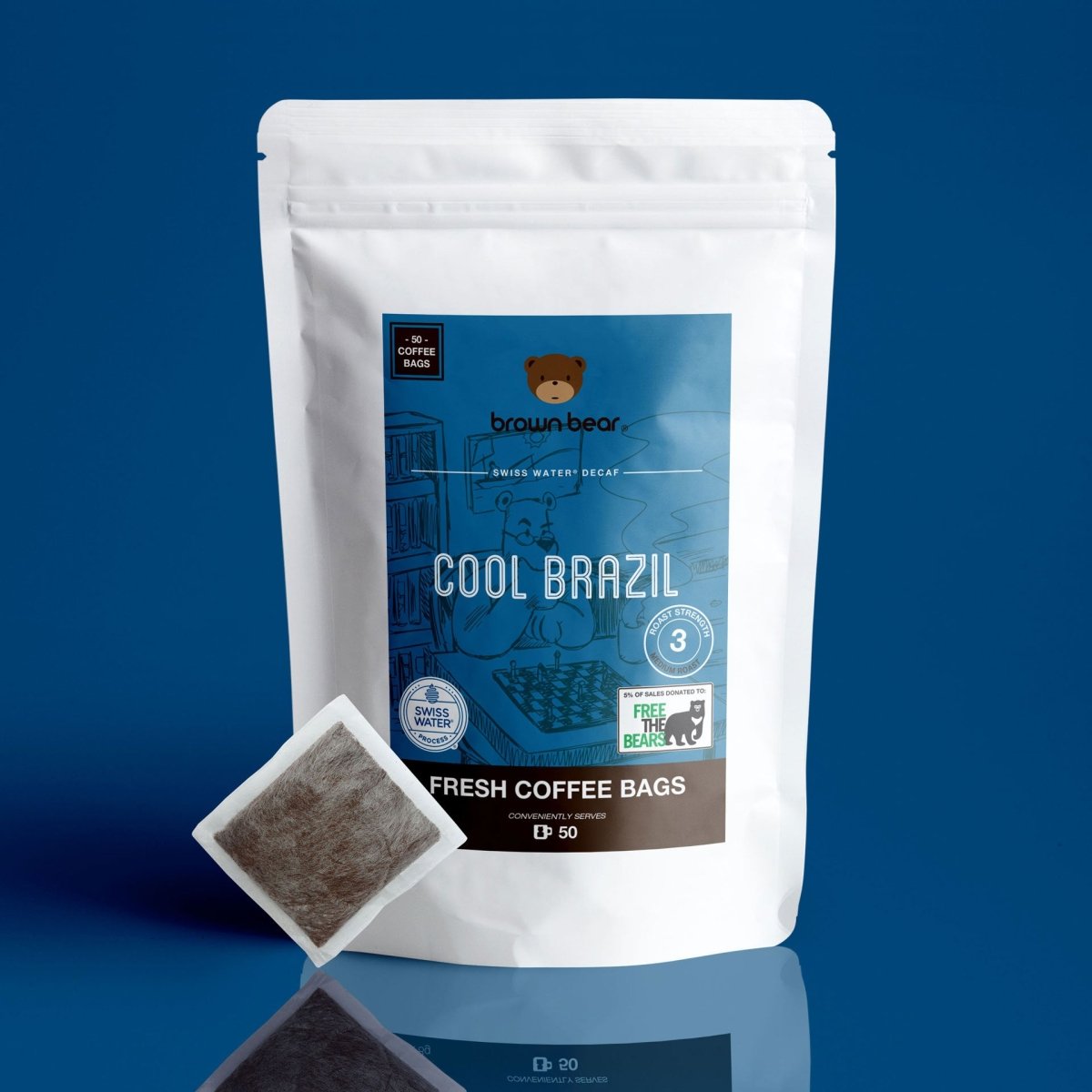
For a later-afternoon cup, decaf works well in either format. Cold brewing a decaf coffee gives you a mellow fridge-ready drink, while decaf iced coffee is ideal when you want something quick without the evening buzz.
Time and Convenience
Iced coffee is the clear choice when you want coffee now. Brew it hot, pour it over plenty of ice, and drink it straight away. For a less diluted result, make the coffee a little stronger than usual, or chill it in the fridge before serving.
Cold brew asks for planning but rewards it. Make a batch in the evening, leave it to steep overnight, and you have several servings ready for the next few days. On a busy weekday, that means no kettle, no waiting for coffee to cool, and no café stop on the way to work.
This is where cold brew earns its place in a regular routine. It is not necessarily the fastest coffee to make, but it is one of the fastest to serve. Keep a bottle in the fridge and you can pour, dilute if needed, add ice and go.
How to Make Cold Brew at Home
You do not need specialist equipment. A large jar, fresh coffee, cold water and a fine filter will do the job.
Start with coarsely ground coffee. Fine grounds can make the brew cloudy and harder to filter. A simple starting ratio is one part coffee to eight parts water for a ready-to-drink cold brew. For a stronger concentrate, use one part coffee to four parts water, then dilute to taste when serving.
Stir the grounds and water together, cover, and steep in the fridge or at room temperature for 12 to 18 hours. Filter slowly through a paper filter, clean cloth or fine sieve lined with filter paper. Then store the finished cold brew in the fridge.
Taste before you add anything. If it feels too intense, loosen it with cold water. If you prefer a creamier cup, use milk or an oat alternative. A pinch of salt can soften bitterness, while a little vanilla syrup works nicely with chocolatey, darker coffees.
How to Make Better Iced Coffee
The easiest method is to brew your usual coffee a touch stronger and pour it over a full glass of ice. Use fresh ice and drink it soon after making it, as melted ice will gradually soften the flavour.
For a more polished result, make coffee ice cubes. Brew a spare pot, let it cool, freeze it in an ice tray, and use those cubes in your next glass. They chill the drink without watering it down.
A coffee maker, cafetière or pour-over all work well. If using a cafetière, avoid leaving the coffee sitting on the grounds once it is brewed, as this can make it taste harsh. Decant it, cool it, and serve over ice.
Milk is not compulsory, but it can bring out a coffee's caramel and cocoa notes. For black iced coffee, a light or medium roast often tastes especially clean and refreshing. For iced lattes, medium-dark and dark roasts usually hold their own better against milk and ice.
Choosing the Right Coffee for Each Drink
There are no strict rules, but roast and flavour profile can make choosing easier. Cold brew is particularly good with medium-dark, dark and ultra-dark coffees that offer notes of chocolate, caramel, nuts or spice. These flavours stay satisfying when chilled and often become beautifully smooth after a long steep.
For iced coffee, medium roasts are a dependable all-round choice. They offer enough body for milk while keeping some fruit and sweetness for black coffee. Lighter roasts can be excellent too, especially if you enjoy brighter flavours and make your iced coffee quickly over ice.
Freshly roasted coffee matters in both cases. If you buy whole beans, grind them just before brewing where possible. A coarse grind suits cold brew, while your normal grind should match your hot-brewing method for iced coffee.
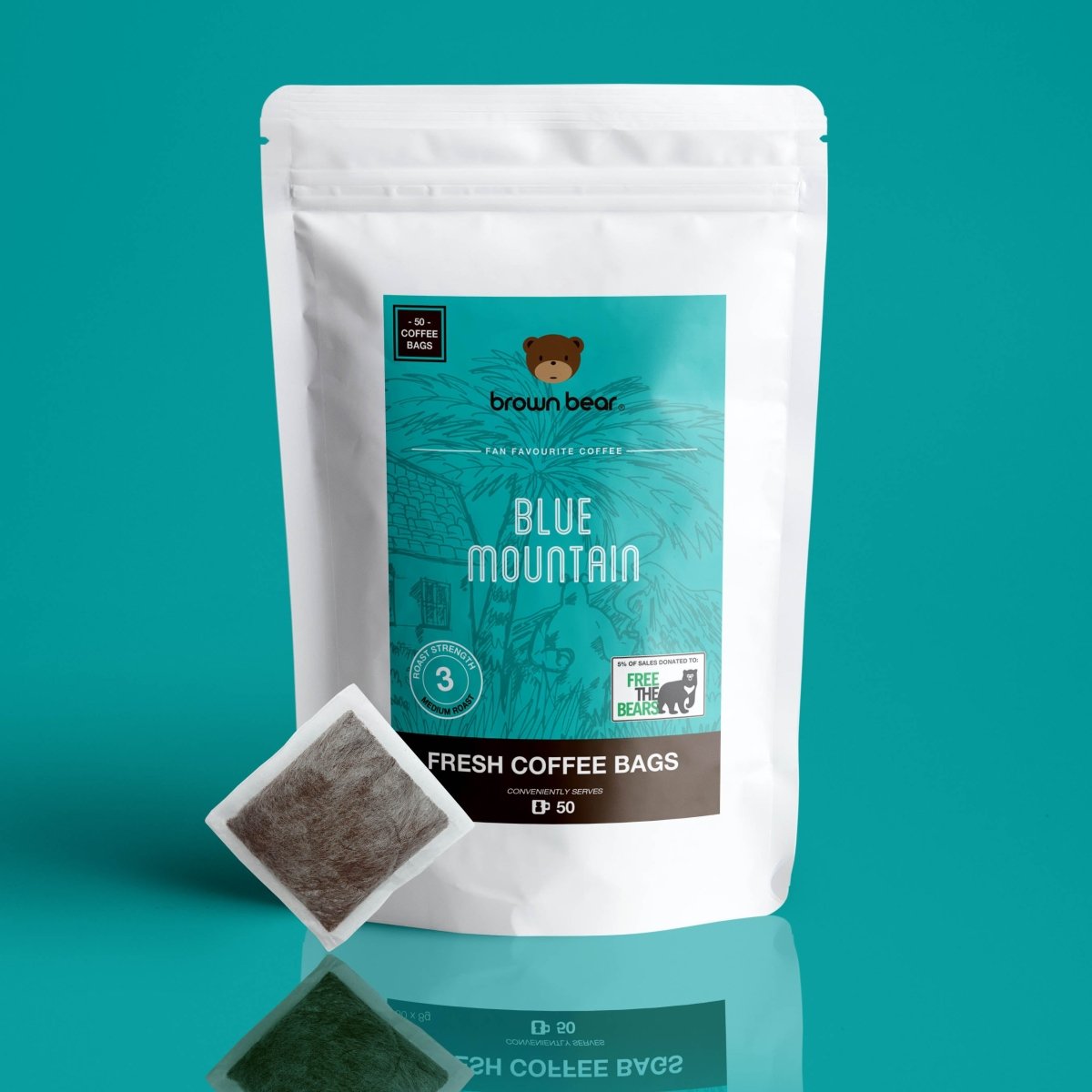
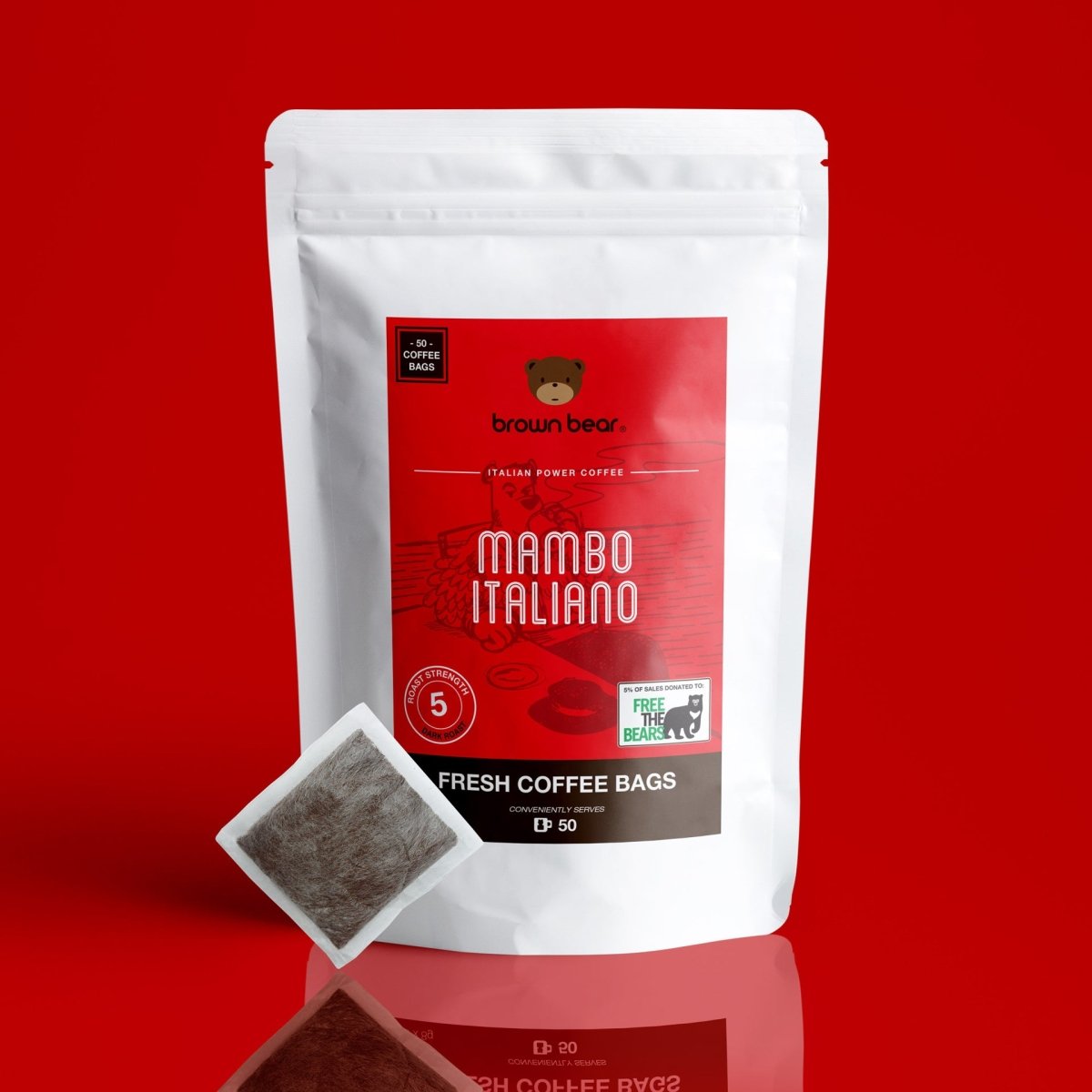
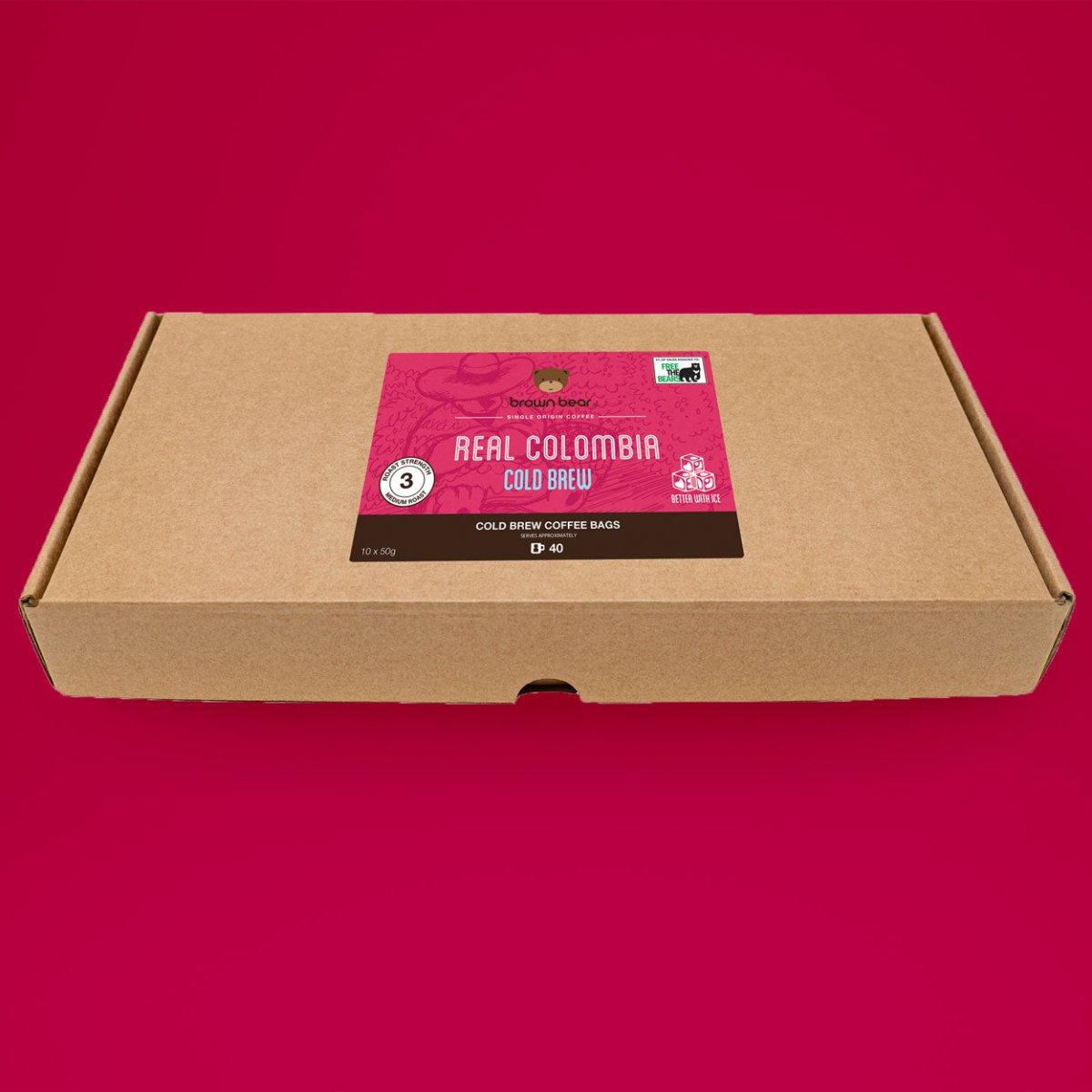
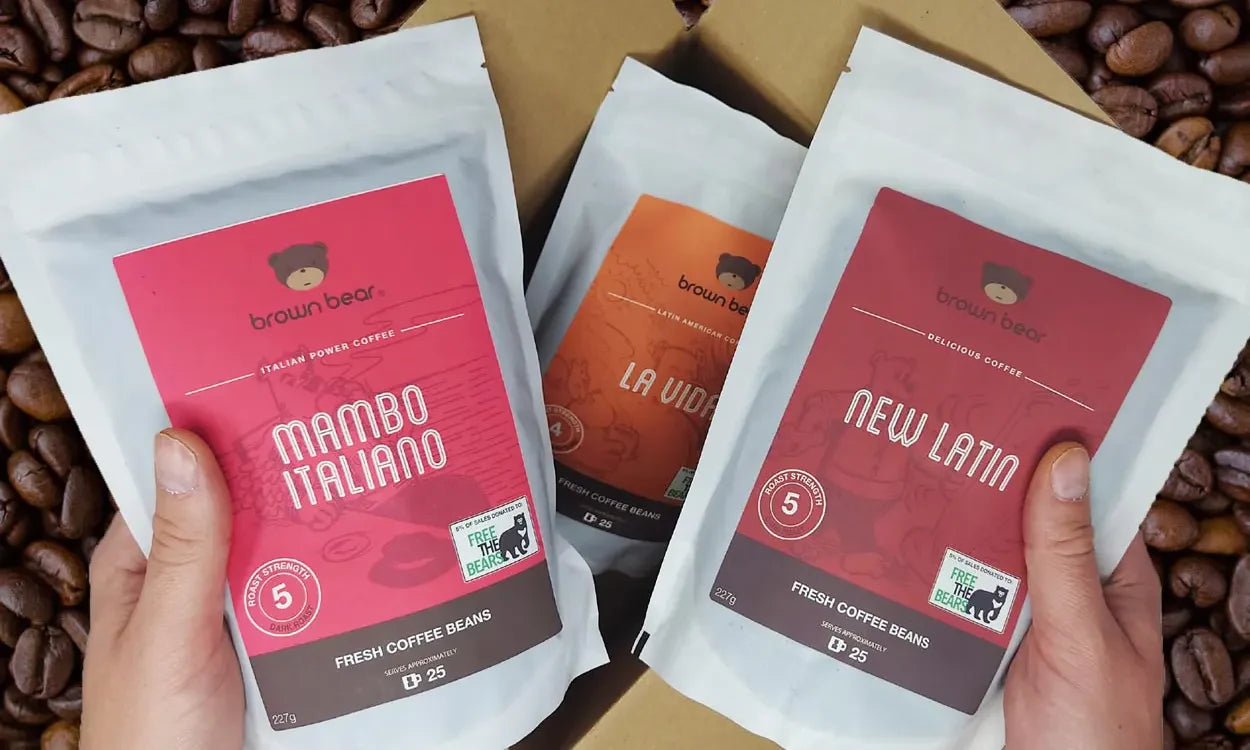
At Brown Bear, the easiest way to choose is to begin with the flavour you already enjoy hot. If you reach for powerful, darker coffee each morning, try it as cold brew. If you favour a balanced medium roast, brew it over ice and see which notes come through.
The Best Choice for Your Routine
Choose cold brew when you want a smooth, low-fuss coffee waiting in the fridge. It is ideal for batch brewing, warm spells, home-working days and anyone who likes milk-based chilled drinks without a bitter finish.
Choose iced coffee when you want flexibility and freshness. It is perfect for using the coffee you already brew, trying different origins, or making a chilled drink in five minutes rather than tomorrow.
There is no need to pick one forever. Keep cold brew for easy weekday pours, then make iced coffee when a fresh, bright cup sounds better. A good chilled coffee should fit your day, not create another job on the list.

