












A coffee’s flavour begins long before it reaches your cafetière. It starts with the people growing it, the price they receive, how the land is treated and whether a brand can clearly explain its choices. These ethical coffee brand examples show that buying better coffee need not mean turning your morning brew into a research project.
Ethical coffee is not one fixed standard. A brand may prioritise direct trade and long-term producer relationships; another may focus on certified organic farming, living-income projects, recyclable packaging or charitable giving. The strongest choice for you depends on which impact matters most, but clear evidence should always come before a vague promise.
What makes a coffee brand ethical?
A good ethical claim is specific. “Responsibly sourced” sounds reassuring, but it does not tell you who bought the coffee, what was paid for it or how that payment supports the producer. Look for brands that name farms, co-operatives or regions, explain their sourcing model and report on the work behind their claims.
Fairtrade certification can be a useful starting point. It sets standards around trading conditions and includes a premium for community-led projects. Organic certification can matter too, particularly where reducing synthetic inputs and protecting soil health are priorities. Neither label tells the whole story on its own, however. Some small roasters work directly with producers outside certification schemes and publish detailed information about price, traceability and partnership length.
Packaging and operations count, but they should not overshadow farming. A fully recyclable bag is welcome, yet it cannot make up for unclear sourcing. Think of ethics as a fuller picture: fairer value through the supply chain, respect for people and the environment, honest communication, and a practical effort to improve over time.
Eight ethical coffee brand examples to know
1. Cafédirect
Cafédirect has long been one of the best-known names in ethical coffee in the UK. Its model centres on working with smallholder producer organisations, and it has a strong focus on reinvesting in farming communities through its charitable arm, Producers Direct.
It is a straightforward option for households looking for familiar supermarket-style formats with a clearer social mission behind them. As with any larger brand, check the individual pack for certification and origin details, because sourcing can vary between products.
2. Equal Exchange
Equal Exchange is closely associated with Fairtrade coffee and co-operative trade. The brand has built its reputation around supporting small-scale farmers and buying through producer co-operatives, helping growers access more stable routes to market.
For shoppers, the appeal is simple: coffee with a well-established ethical framework and accessible roast choices. Fairtrade is not a guarantee that every challenge in the supply chain has been solved, but it gives buyers a recognised set of standards to look for.
3. Pachamama Coffee
Pachamama Coffee is distinctive because it is owned by coffee farmers. Its producer-owned structure puts growers from Peru, Nicaragua, Guatemala, Mexico and Ethiopia at the heart of the business rather than simply at the beginning of the supply chain.
That ownership model is worth understanding. It can give farmers a greater share in the value created after coffee leaves the farm, including roasting and selling. For anyone interested in who benefits when a bag is bought, it is a compelling example.
4. Bird & Wild
Bird & Wild combines organic and Fairtrade certifications with support for bird conservation. The idea is easy to grasp: coffee farming can either place pressure on habitats or, when managed well, help protect them. Its ethical message connects the cup in your kitchen with biodiversity in coffee-growing landscapes.
This is a particularly good fit for buyers who want certifications they can recognise alongside a clear environmental cause. It also shows why shade-grown and wildlife-friendly farming conversations matter, especially in regions where changing land use threatens forests.
5. Ozone Coffee Roasters
Ozone Coffee Roasters places a strong emphasis on transparency, relationships and traceable sourcing. Its approach reflects the speciality coffee view that quality and ethics are linked: exceptional coffee requires skilled work at farm level, and that work should be valued properly.
This kind of coffee can cost more than a standard high-street blend. That is the trade-off. A higher shelf price may reflect smaller lots, more detailed sourcing and quality control, though shoppers should still expect the brand to explain where the extra money goes.
6. Union Hand-Roasted Coffee
Union Hand-Roasted Coffee is another UK name associated with direct relationships and its own Responsible Sourcing approach. It has worked to make coffee provenance more visible, sharing information about the farmers and communities behind selected coffees.
Its range is useful for people moving from everyday coffee into more origin-led choices. You can enjoy a dependable espresso blend while also trying coffees with a clearer sense of place, from chocolatey Latin American profiles to fruitier East African cups.
7. Grind
Grind is widely recognised for its reusable and refillable coffee formats, particularly its home pod system. Its ethical credentials include work around packaging and responsible sourcing, making it a useful example of how convenience-focused coffee brands can tackle waste as well as supply-chain questions.
Pods are practical, especially for busy mornings, but they create a different set of considerations from beans or ground coffee. Refillable or recyclable formats are only helpful when they are used and disposed of correctly. The most suitable choice is the one that fits your routine rather than sitting unused in a cupboard.
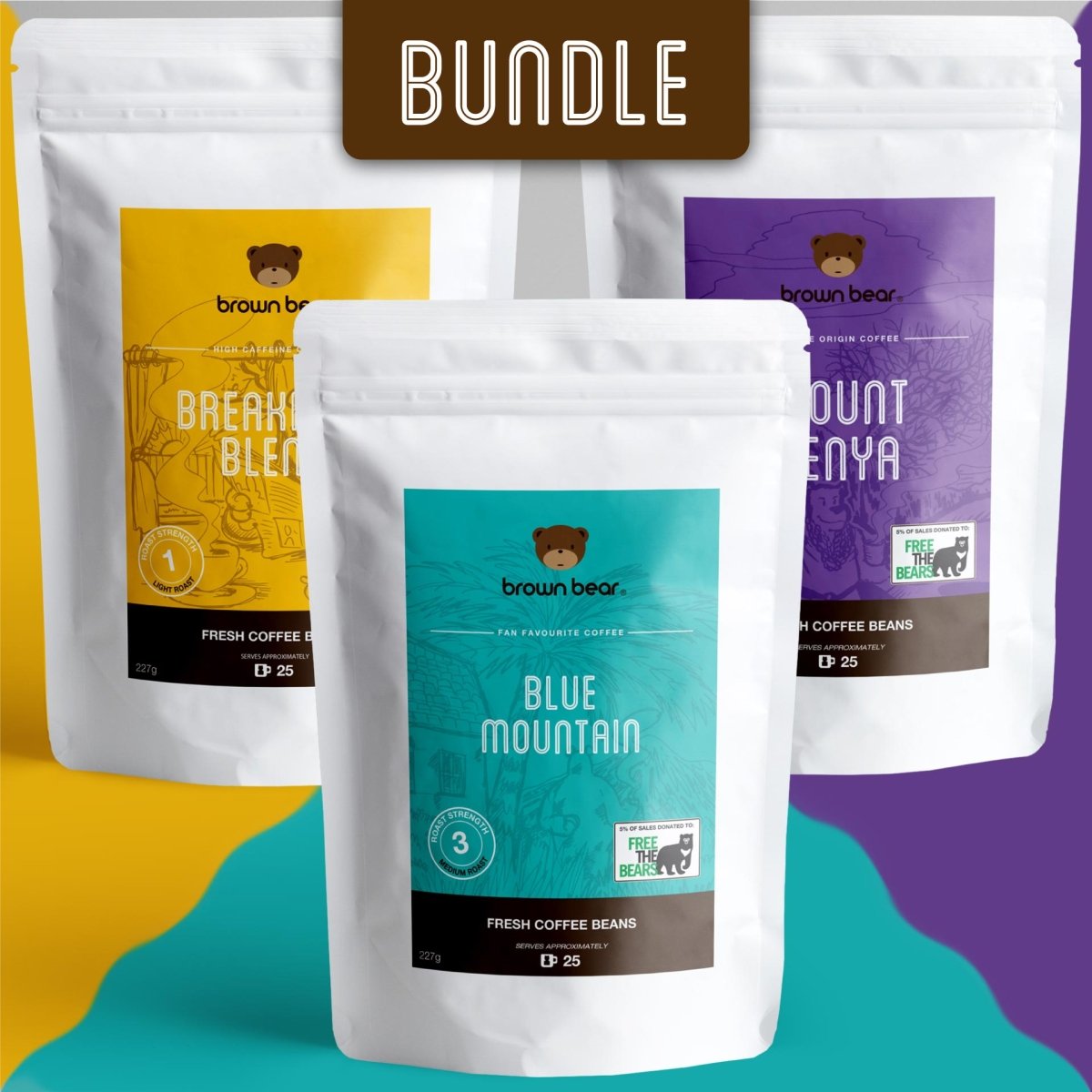
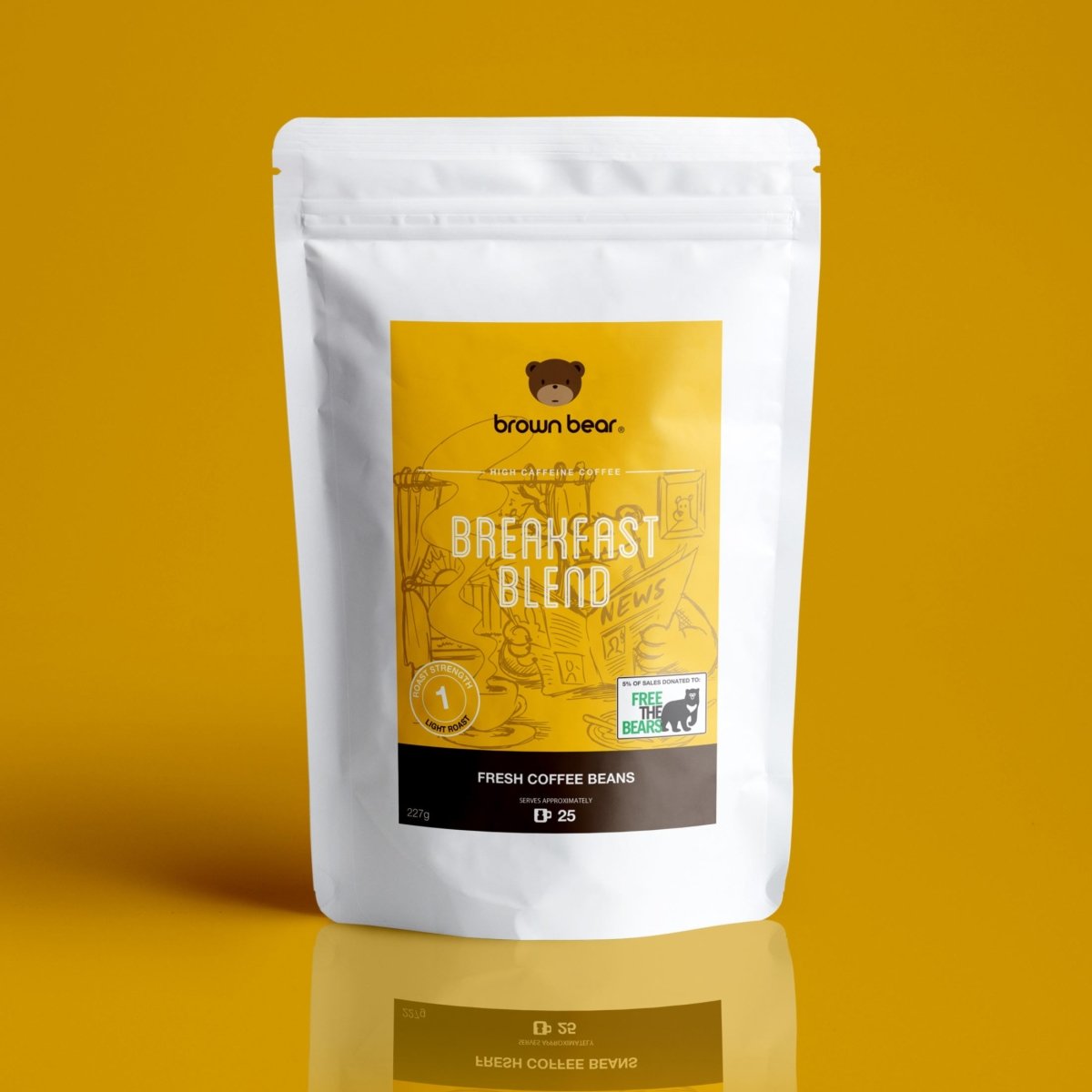
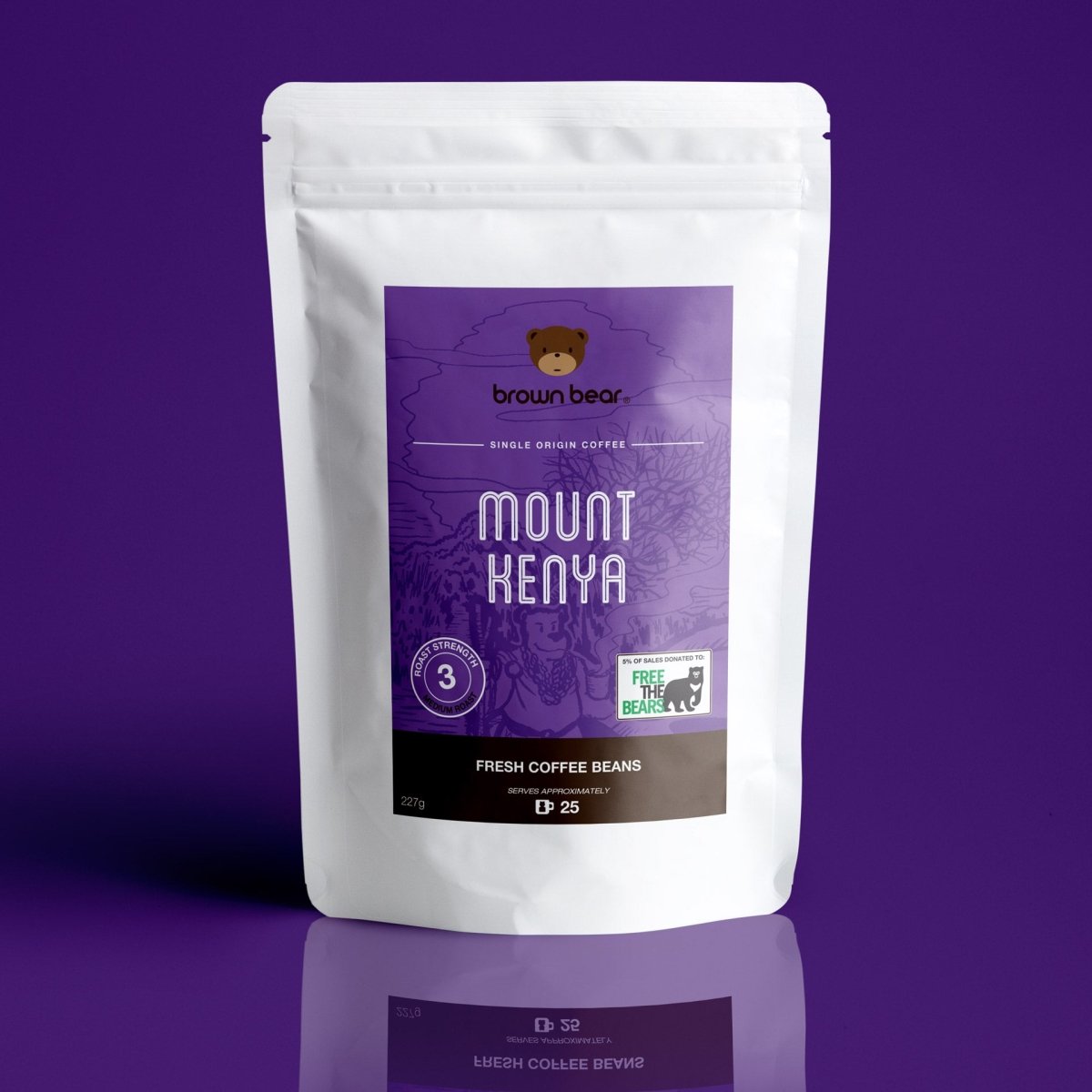
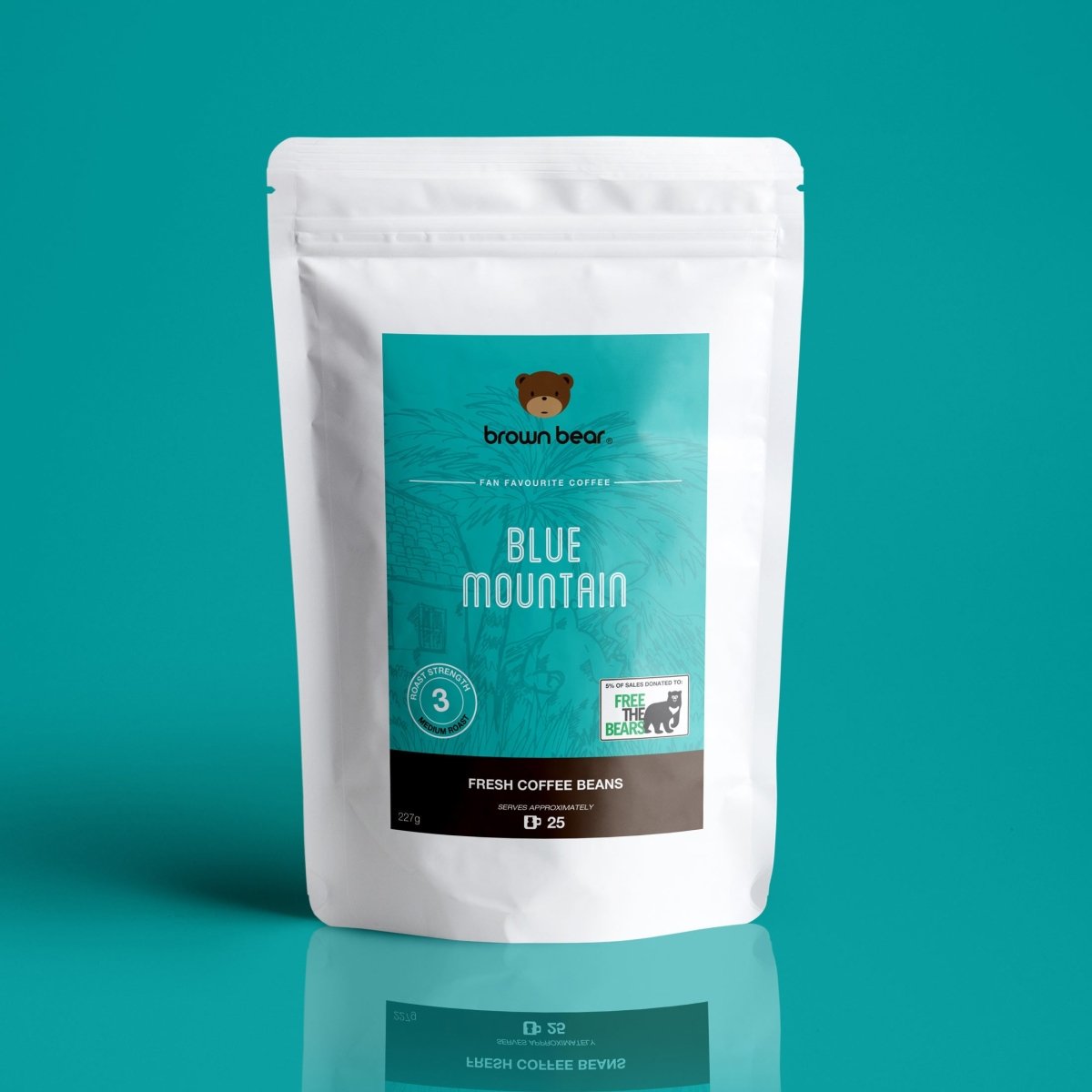
8. Brown Bear
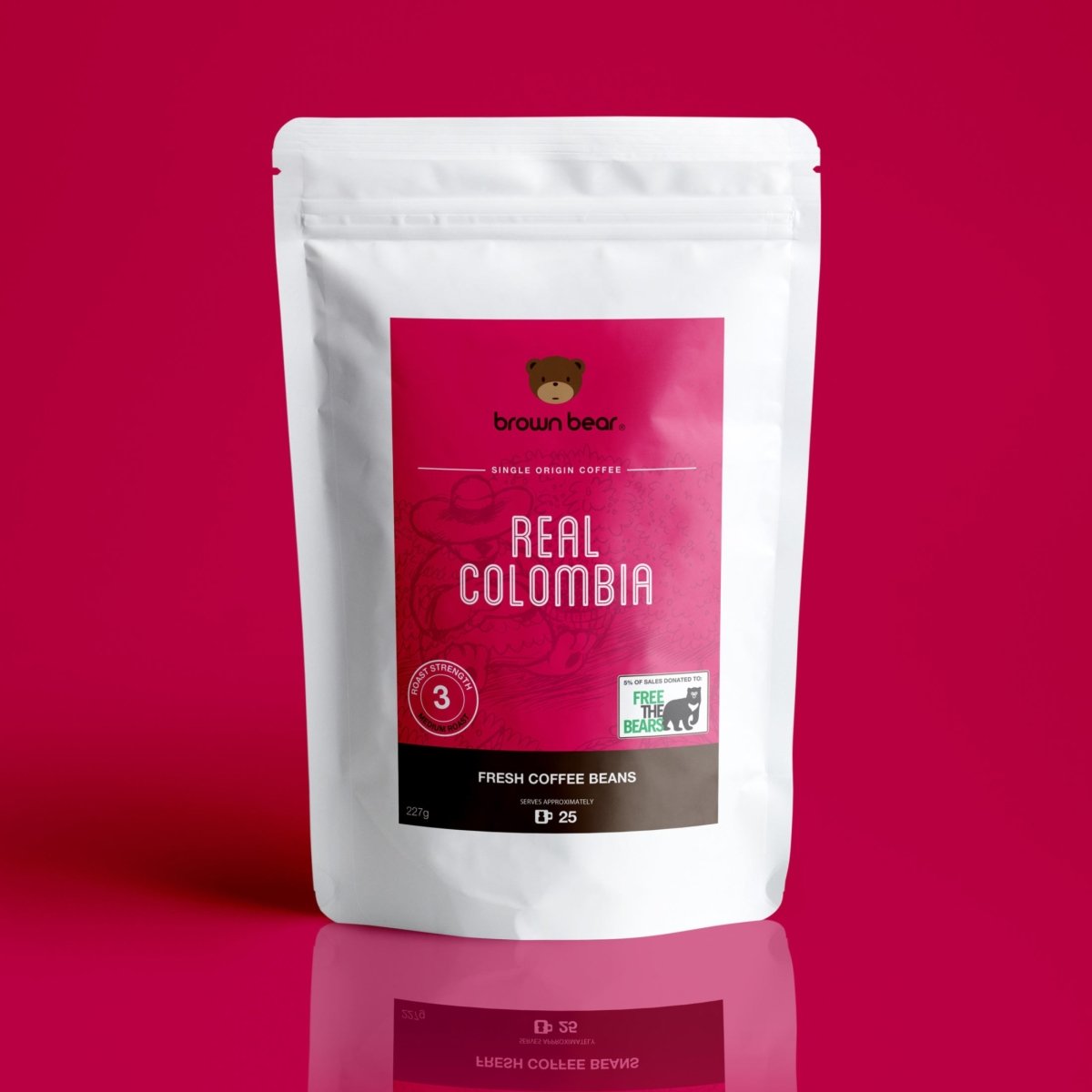
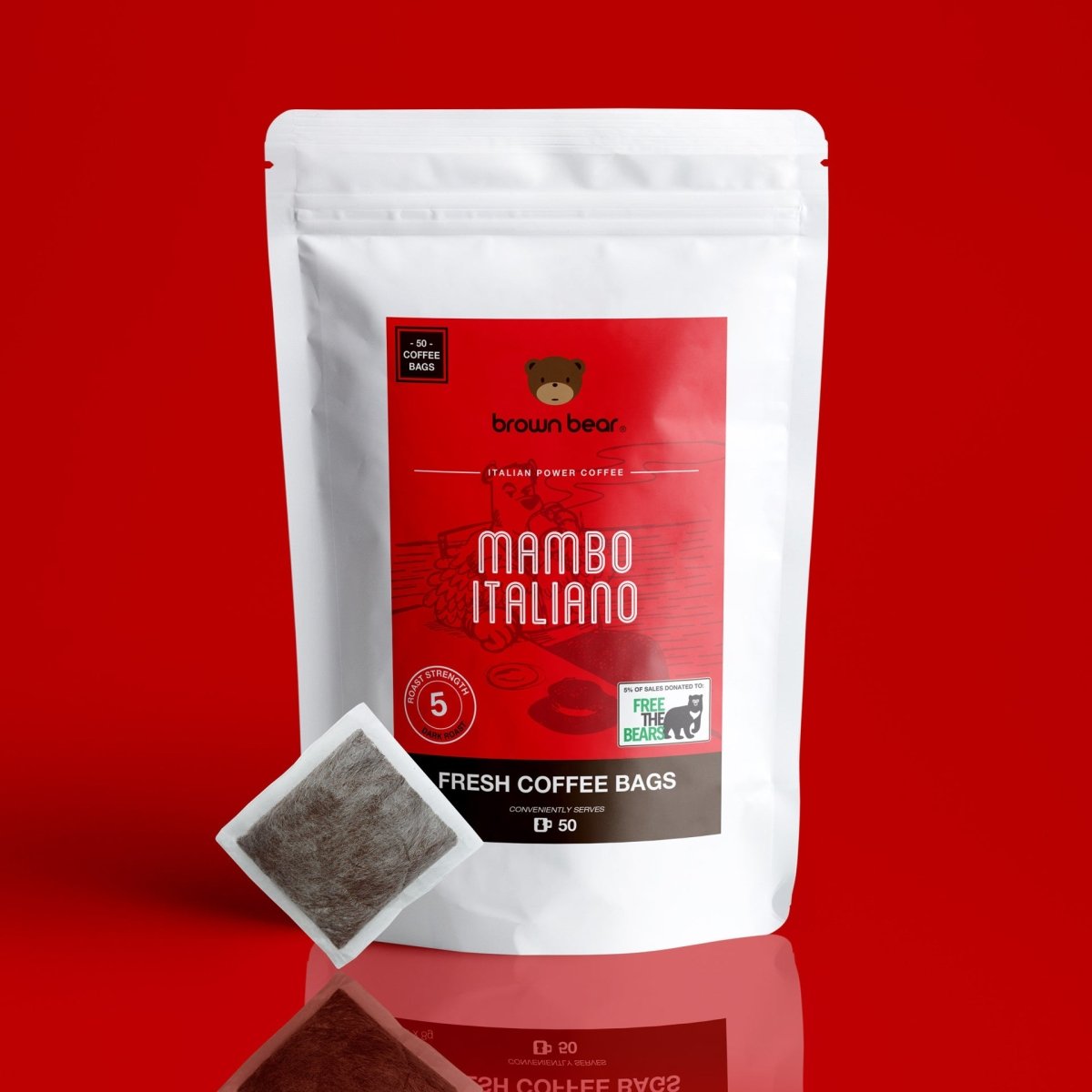
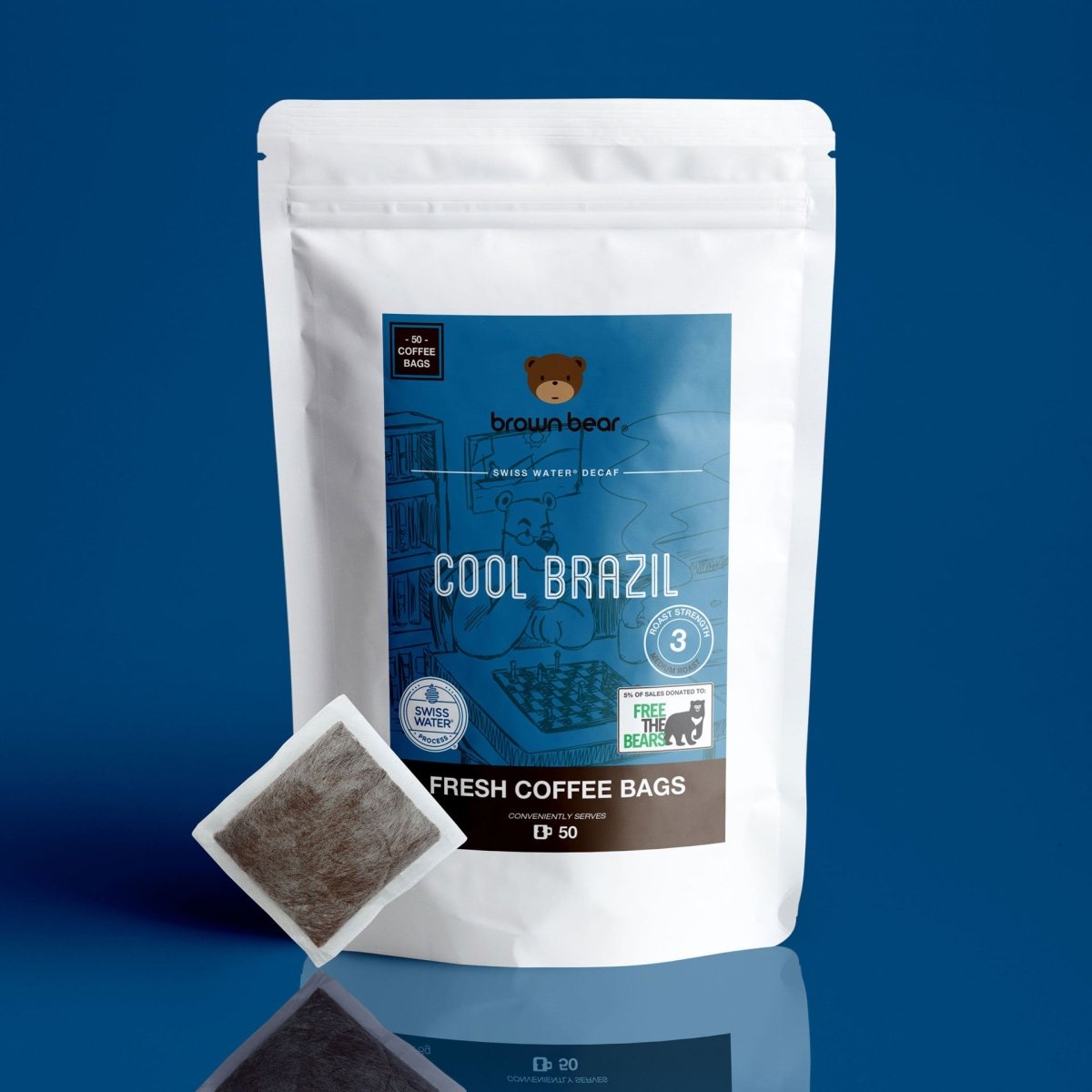
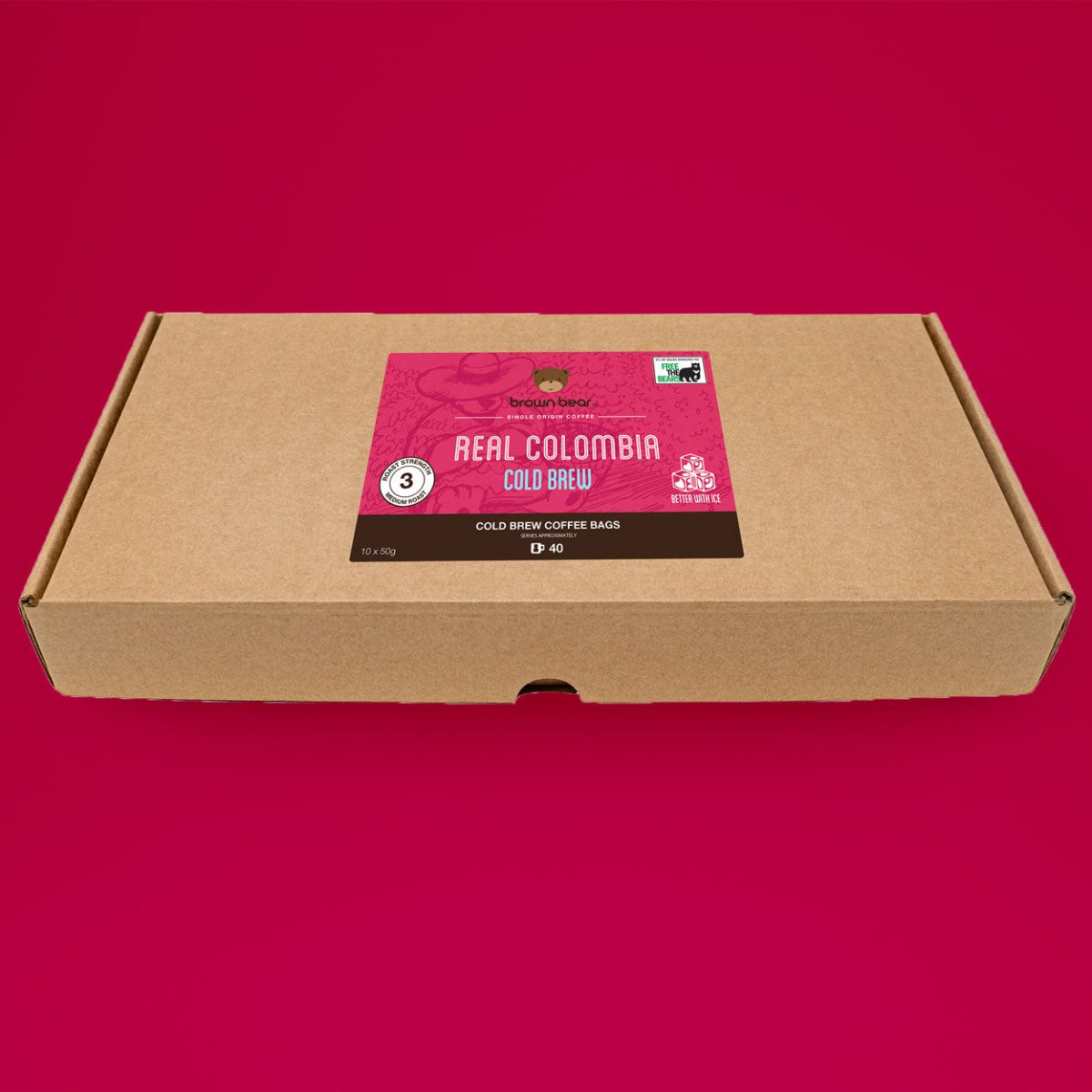
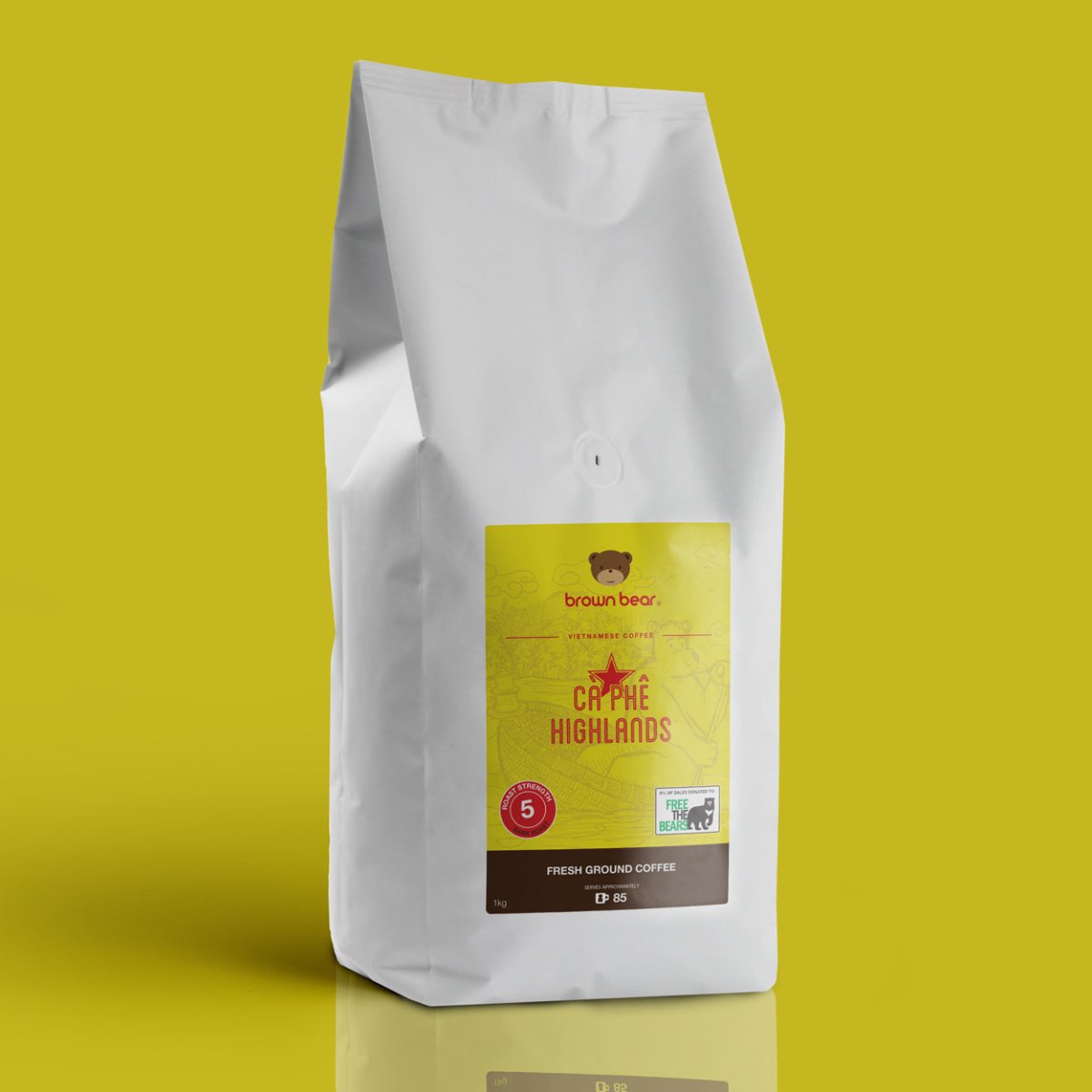
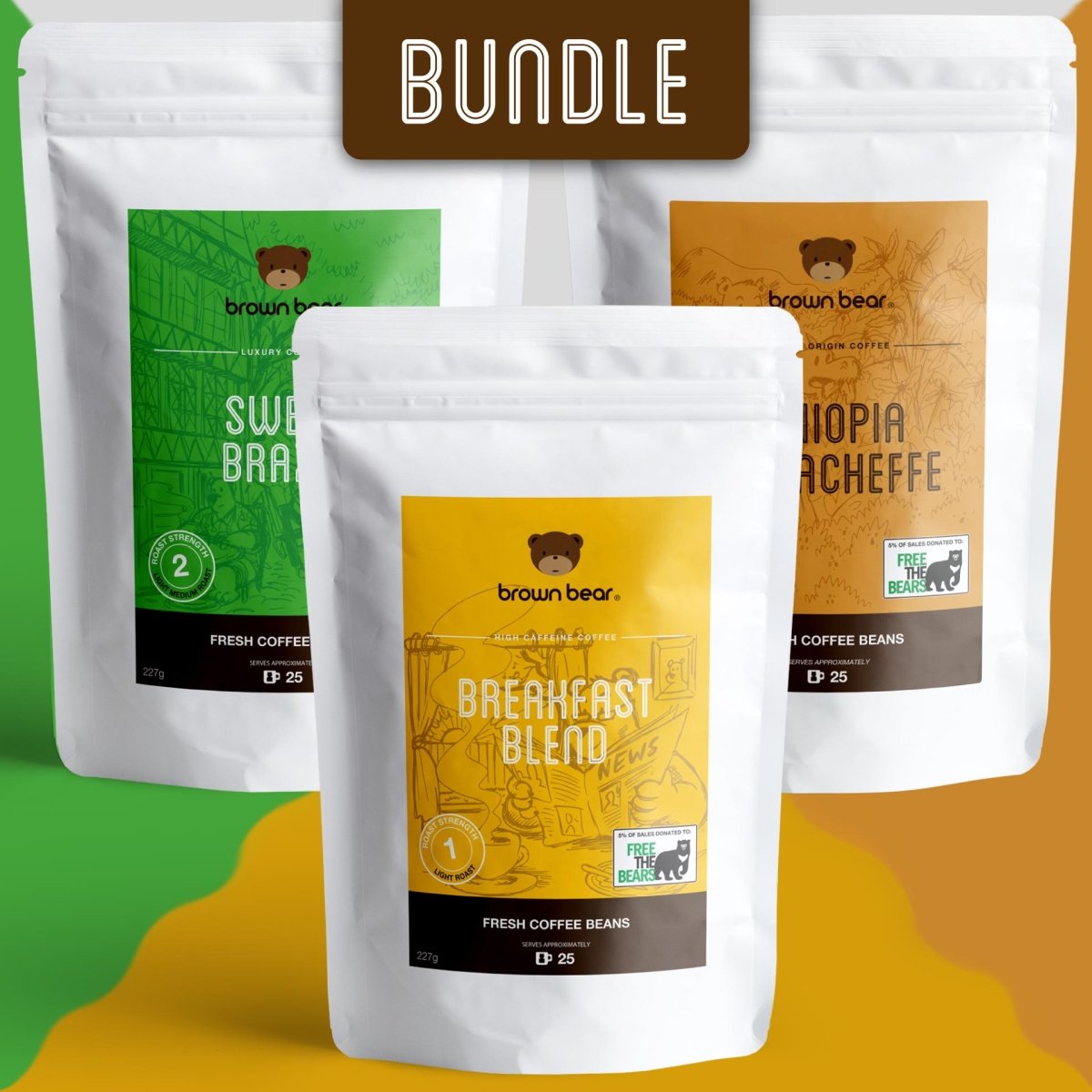
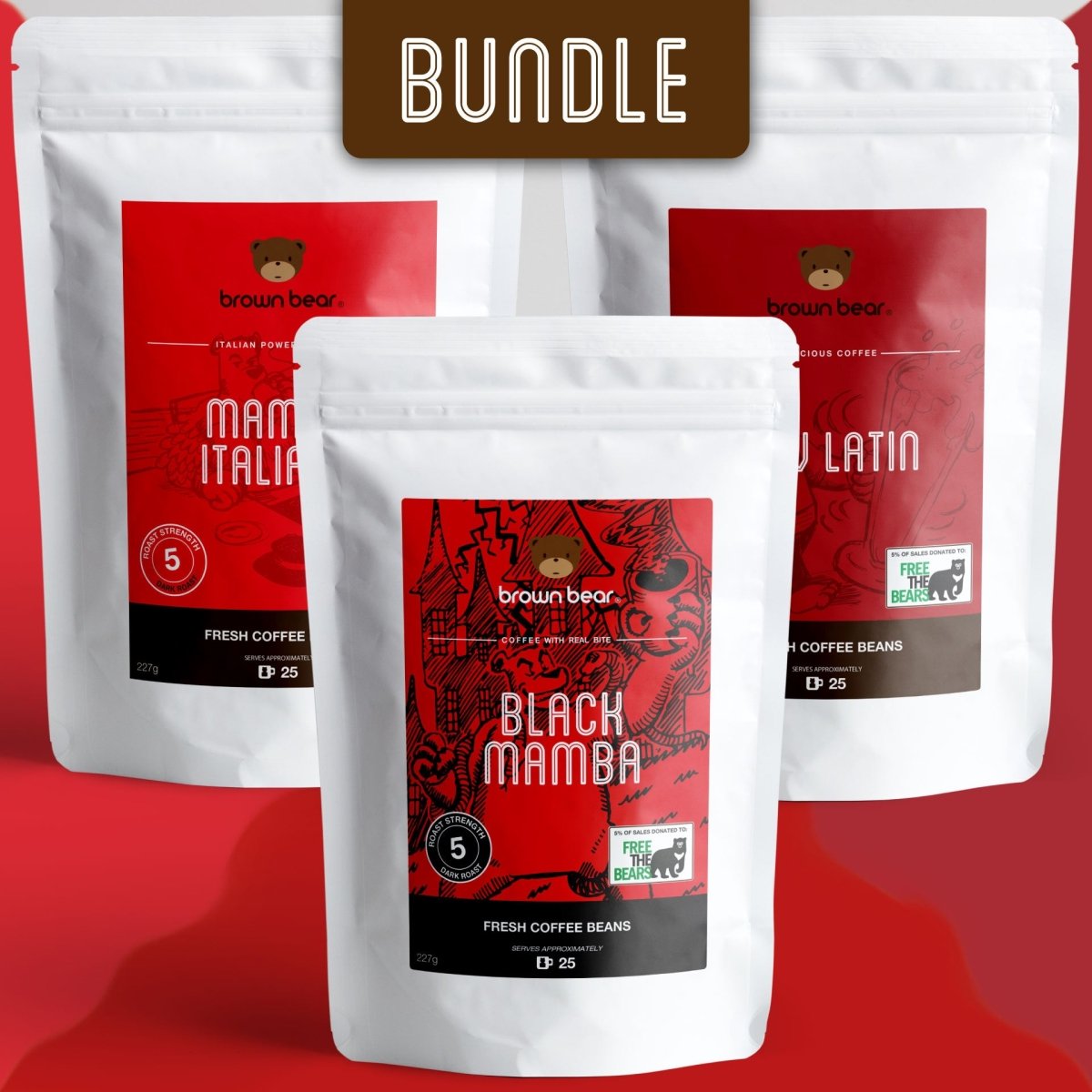
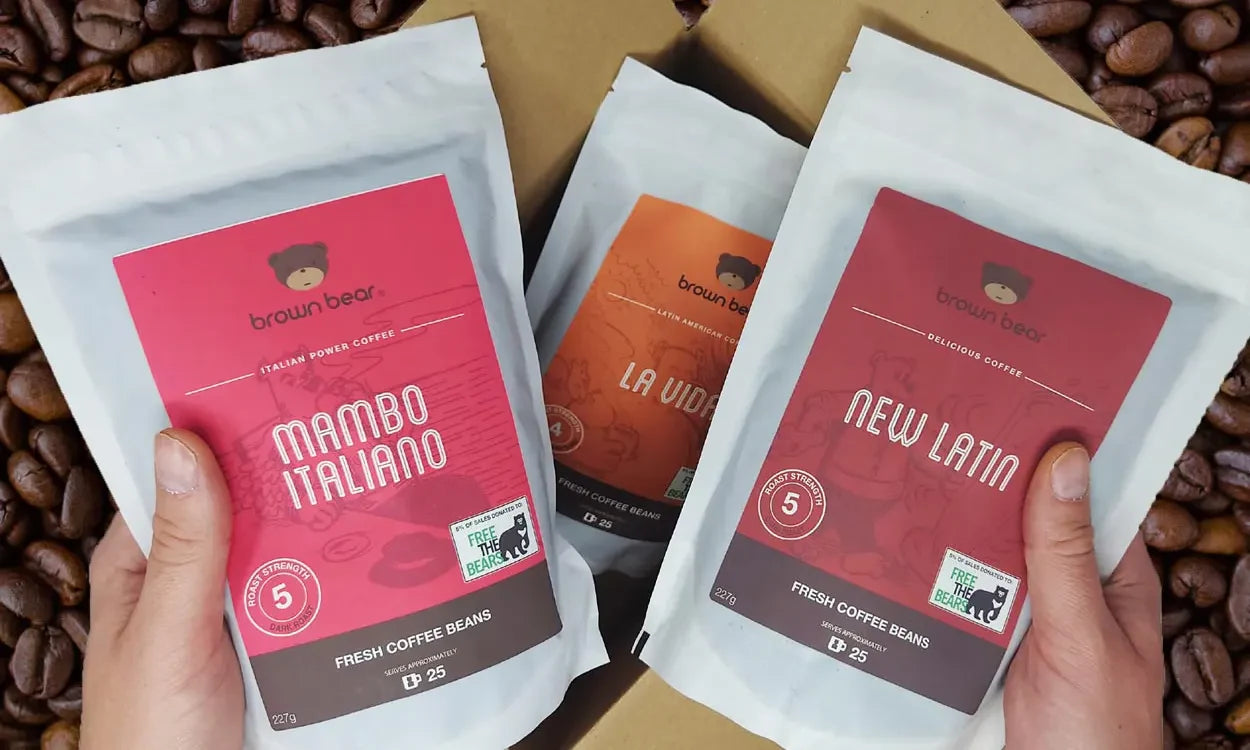
Brown Bear takes a practical approach to better daily coffee: clear roast choices, origin-led coffees, flexible subscriptions and a visible commitment to giving back. The brand has donated more than £52,000 to charity since 2020, showing that social impact can sit alongside an easy, giftable coffee shop experience.
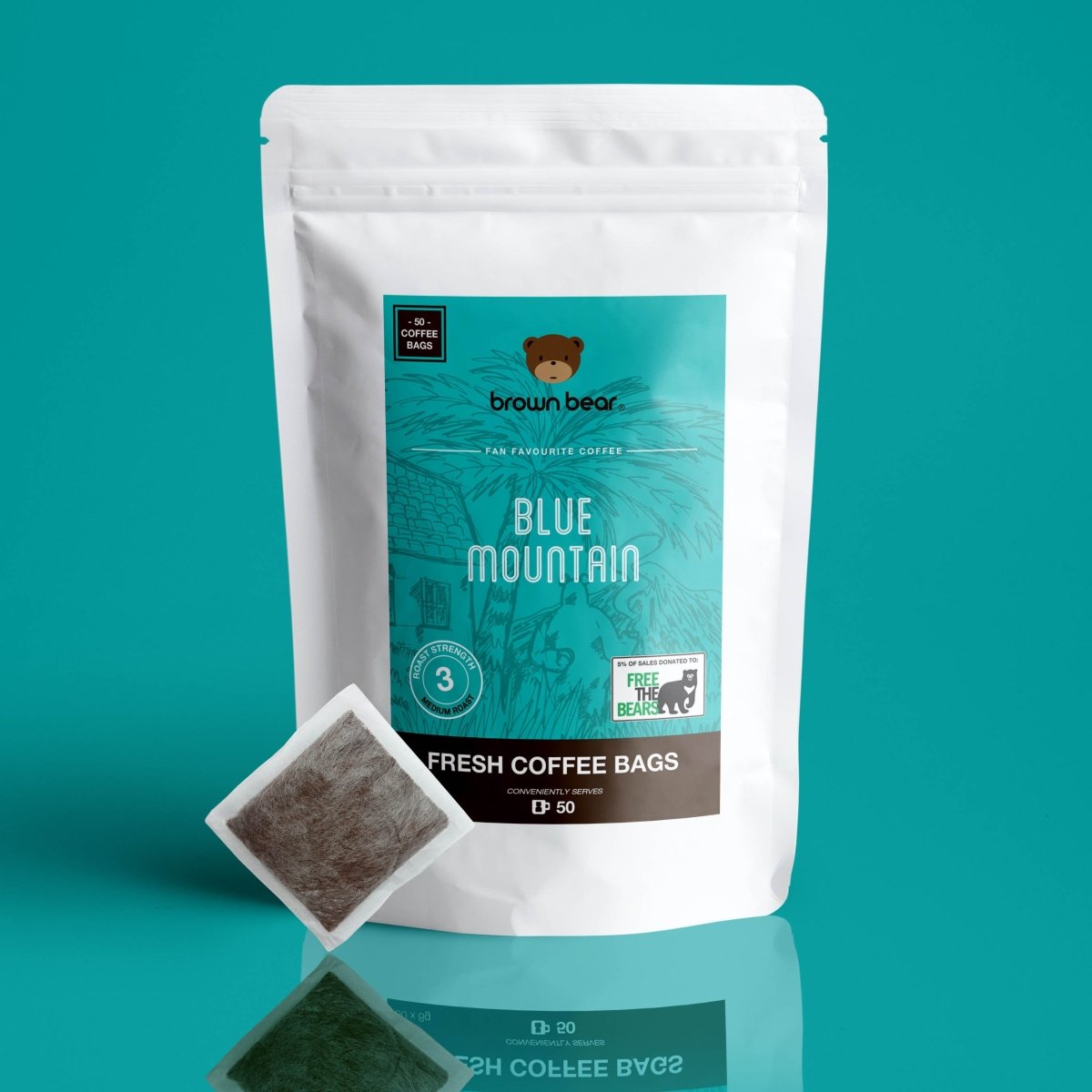
For regular coffee drinkers, convenience matters. An ethical choice is easier to keep making when you can find the strength you enjoy, choose whole beans, ground coffee or coffee bags, and set up repeat deliveries without being tied into a rigid plan.
How to compare ethical coffee without the jargon
When you are choosing between ethical coffee brands, start with the information on the bag and the brand’s own product pages. You do not need a degree in coffee sourcing. You do need enough detail to make a confident call.
Look for four practical signs:
- Named origins, farms or co-operatives rather than broad, unexplained claims.
- A clear sourcing approach, such as Fairtrade, organic certification, direct trade or producer ownership.
- Detail about environmental action, including farming practices, packaging or emissions, where relevant.
- Evidence of impact, such as producer projects, donations, published progress or long-term partnerships.
Subscriptions can also reduce the temptation to default to whatever is on offer at the supermarket. A flexible plan lets you keep your favourite coffee arriving regularly, alter the quantity when household habits change and pause before a holiday. The ethical benefit is not automatic, but buying with intention and reducing waste is usually better than letting old coffee go stale.
A better coffee habit starts with one clear question
Ask a brand, “Can you show me where this coffee comes from and how your buying makes a difference?” The answer does not need to be perfect or packed with technical language. It should be clear, specific and backed by action.
Start with a coffee you will genuinely look forward to brewing, then choose the brand that gives you the most confidence in what sits behind the flavour. That is a small daily decision, but repeated over a year, it can send a meaningful signal about the kind of coffee industry you want to support.

