









A French café breakfast might begin with a short, intense coffee alongside a buttery pastry. In the UK, it is just as likely to start with a large cafetière, a flat white on the commute, or a quick coffee bag between meetings. French coffee and UK coffee are not simply two sets of beans. They are different habits, tastes and ways of fitting coffee into the day.
That said, there is no single French cup and no single British cup. Both countries drink coffee sourced from around the world, and both have brilliant independent roasters, traditional blends and plenty of personal preference. The useful question is not which one is better. It is which style suits the way you like to drink coffee.
French Coffee and UK Coffee: The Main Difference
The biggest difference is often expectation. Traditional French coffee tends to favour body, depth and a fuller roast character. It is frequently served in smaller portions, especially as espresso, where a bold flavour needs to hold its own after lunch or alongside food. A little pleasant bitterness, dark chocolate richness and a lingering finish are all part of the appeal.
UK coffee culture is broader and more mixed. The classic instant coffee era has given way to espresso bars, independent roasters, supermarket ground coffee, pods, cafetières and filter brewers. That means a British coffee drinker may enjoy anything from a punchy dark roast to a bright, fruit-led light roast. Milk drinks have had a particularly big influence too, so many people look for coffee that stays flavourful through steamed milk.
There is a small language trap worth knowing. “French roast” is a roast description, not a guarantee that the coffee was roasted in France or tastes like every coffee served there. It normally refers to a very dark roast, with a smoky, bittersweet profile and less emphasis on the bean’s original fruitiness. It can be great for people who want a strong, classic cup, but it is only one corner of French coffee culture.
The French preference for a shorter, bolder cup
In France, coffee is often a punctuation mark in the day: an espresso at the bar, a coffee after a meal, or a café au lait at breakfast. The serving may be small, but the flavour is expected to be present. Traditional blends can include Arabica for aroma and Robusta for extra body, crema and caffeine kick.
That style makes sense when coffee is served quickly and drunk without much fuss. A darker roast can feel smooth and satisfying in an espresso, particularly when paired with sugar, milk or rich food. It is not necessarily about chasing the most unusual tasting notes. It is about getting a dependable, comforting hit of coffee flavour.
The UK taste for choice
In the UK, coffee has become part of the everyday routine in more formats than ever. One household might keep whole beans for a weekend grinder, pre-ground coffee for the cafetière, decaf for evenings and coffee bags for the office. There is room for a dark, powerful brew, but also for softer medium roasts and lighter coffees with citrus, berry or floral notes.
This is where UK coffee can feel more experimental. Drinkers are increasingly interested in origin, roast level and brew method, yet they still want coffee that is easy to choose and easy to make. A great daily coffee should not require a chemistry degree before the kettle goes on.
Roast Level Changes the Experience More Than Geography
Wherever you drink it, roast level has a major say in the final cup. If you are comparing French coffee with UK coffee, looking at the roast will usually tell you more than looking at the country on the label.
A light roast tends to show more of the bean’s natural character. Depending on the origin, that could mean citrus, stone fruit, berries, tea-like florals or gentle sweetness. These coffees are often excellent as filter coffee, though they can be less forgiving if you prefer a strong, traditional taste or add plenty of milk.
Medium roast sits comfortably in the middle. It can offer caramel, chocolate, nuts and fruit in balance, making it a reliable choice for cafetières, drip brewers and everyday espresso. For many UK households, this is the easiest place to start because it works well black and with milk.
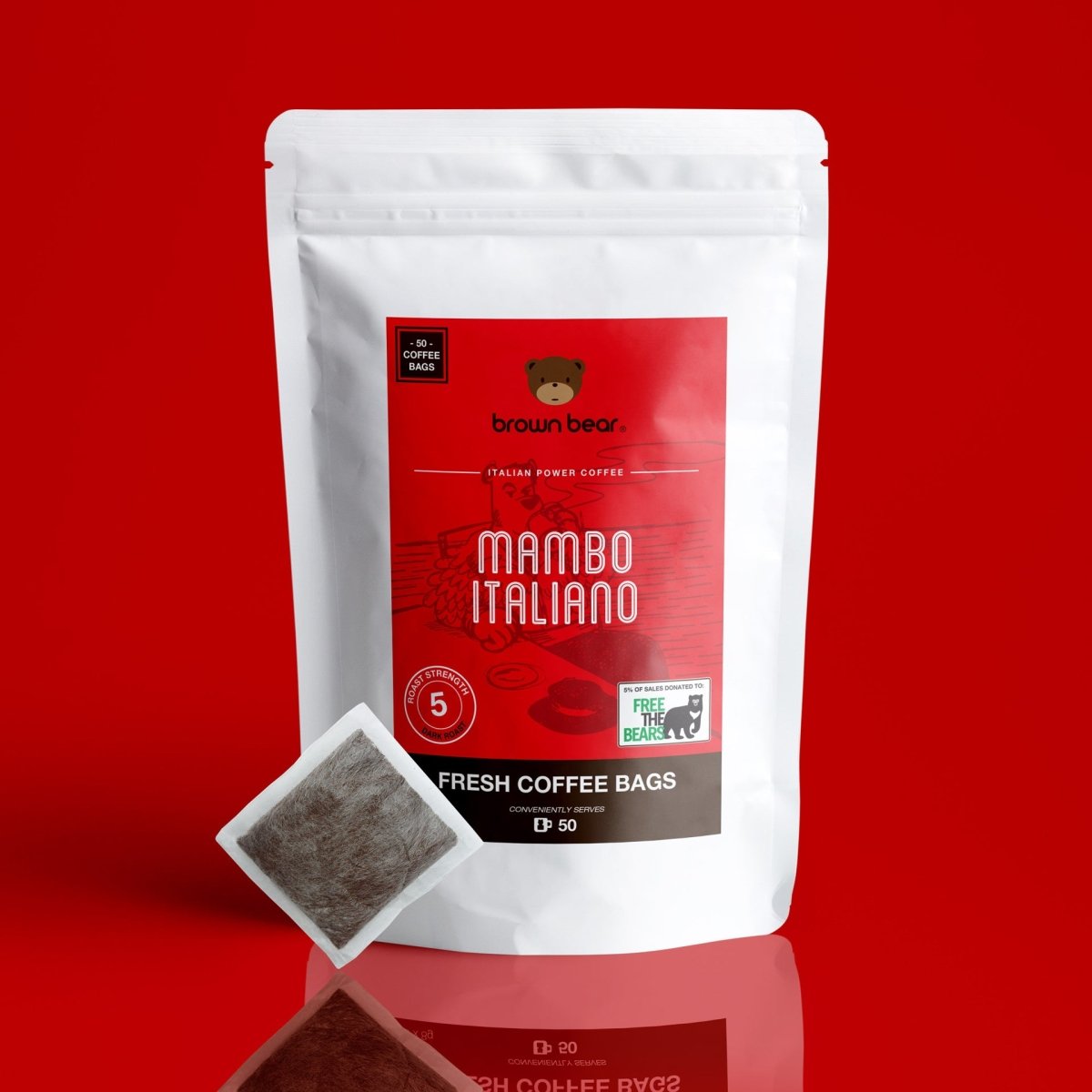
Dark and ultra-dark roasts bring a fuller, more intense profile. Expect cocoa, toasted nuts, molasses and deeper roasted notes rather than delicate fruit. This is the territory that will feel familiar to people who enjoy a classic French-style espresso or want coffee that cuts through a large latte. The trade-off is simple: as roasting goes darker, the distinct flavour of the origin becomes quieter.
None of these options is more sophisticated than another. The right roast is the one that makes you want another cup tomorrow.
Brewing and Ritual: Small Details, Big Difference
The way coffee is brewed shapes the contrast too. French cafés are closely associated with espresso, while breakfast coffee may be served as café crème or café au lait. The coffee is generally strong enough to remain noticeable when combined with milk, but the portion is still modest compared with a large takeaway drink.
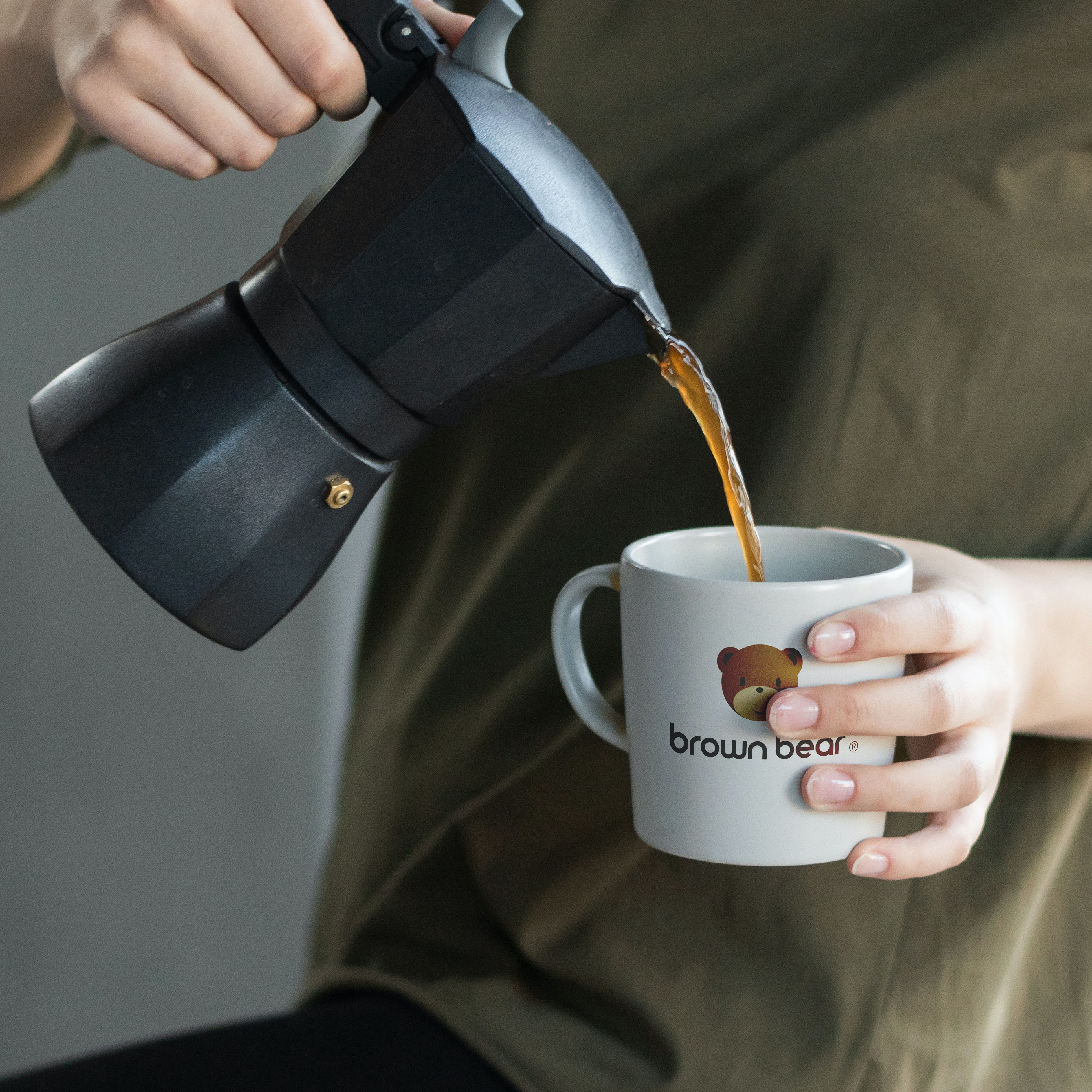
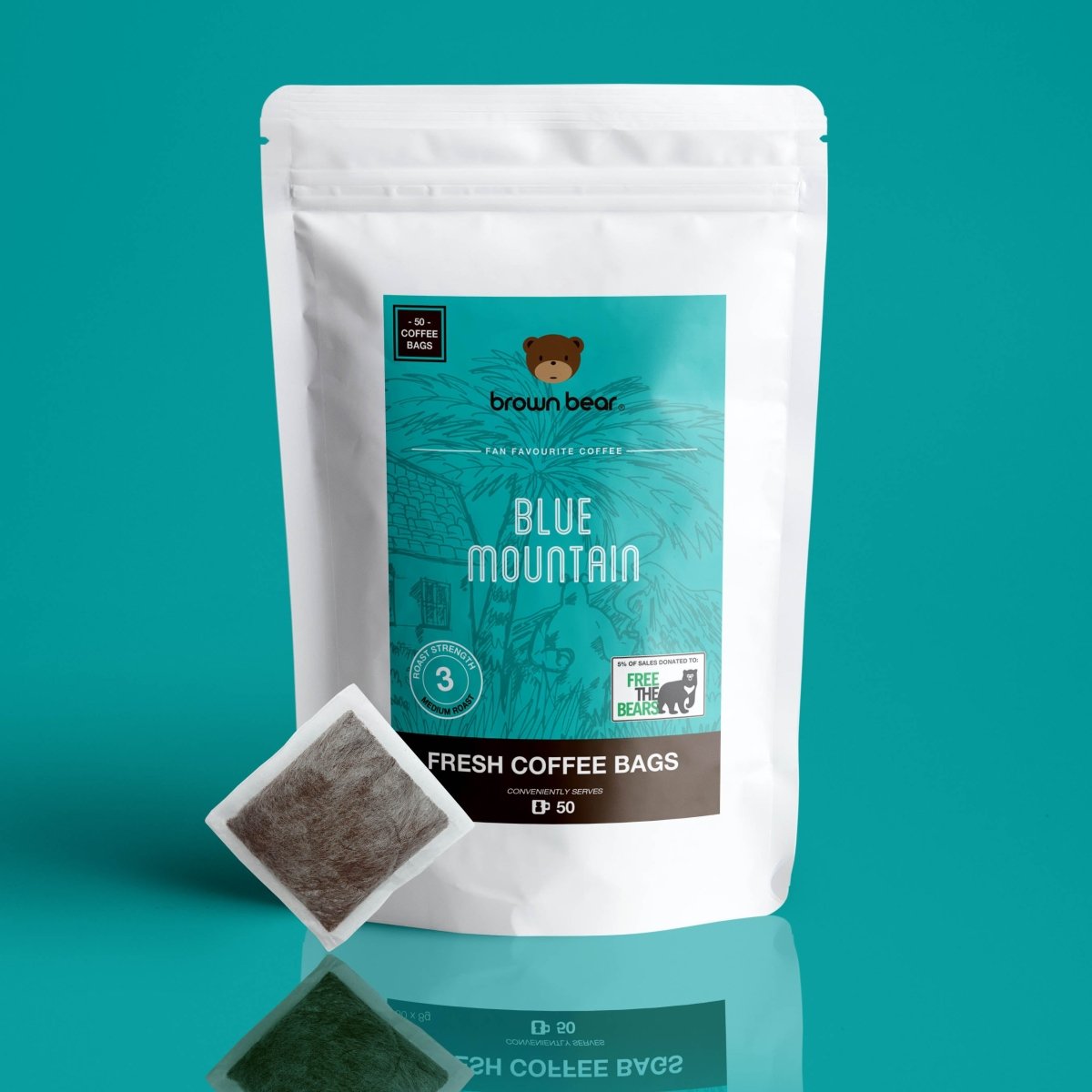
British coffee drinking is often built around volume and convenience. A cafetière makes several mugs at once and suits an unhurried morning at home. Filter machines are practical for busy households. Bean-to-cup machines offer café-style drinks without leaving the kitchen, while coffee bags make a better cup possible when you only have a mug and hot water.
This does not mean French drinkers never use a filter brewer or that UK drinkers do not love a sharp espresso. It simply explains why certain coffees feel at home in each setting. A dark, low-acidity blend can be excellent in a moka pot or espresso machine. A balanced Colombian or Brazilian medium roast may be perfect in a cafetière. A lighter Ethiopian coffee can shine as a clean, slower filter brew.
How to Choose Your Own French or UK-Style Coffee
Start with the taste you already reach for, rather than the label. If your favourite coffee is rich, low in acidity and satisfying with milk, choose a dark roast or ultra-dark roast. Look for flavour descriptions such as dark chocolate, roasted nuts, caramel and spice. This is the most natural route towards a fuller French café feel at home.
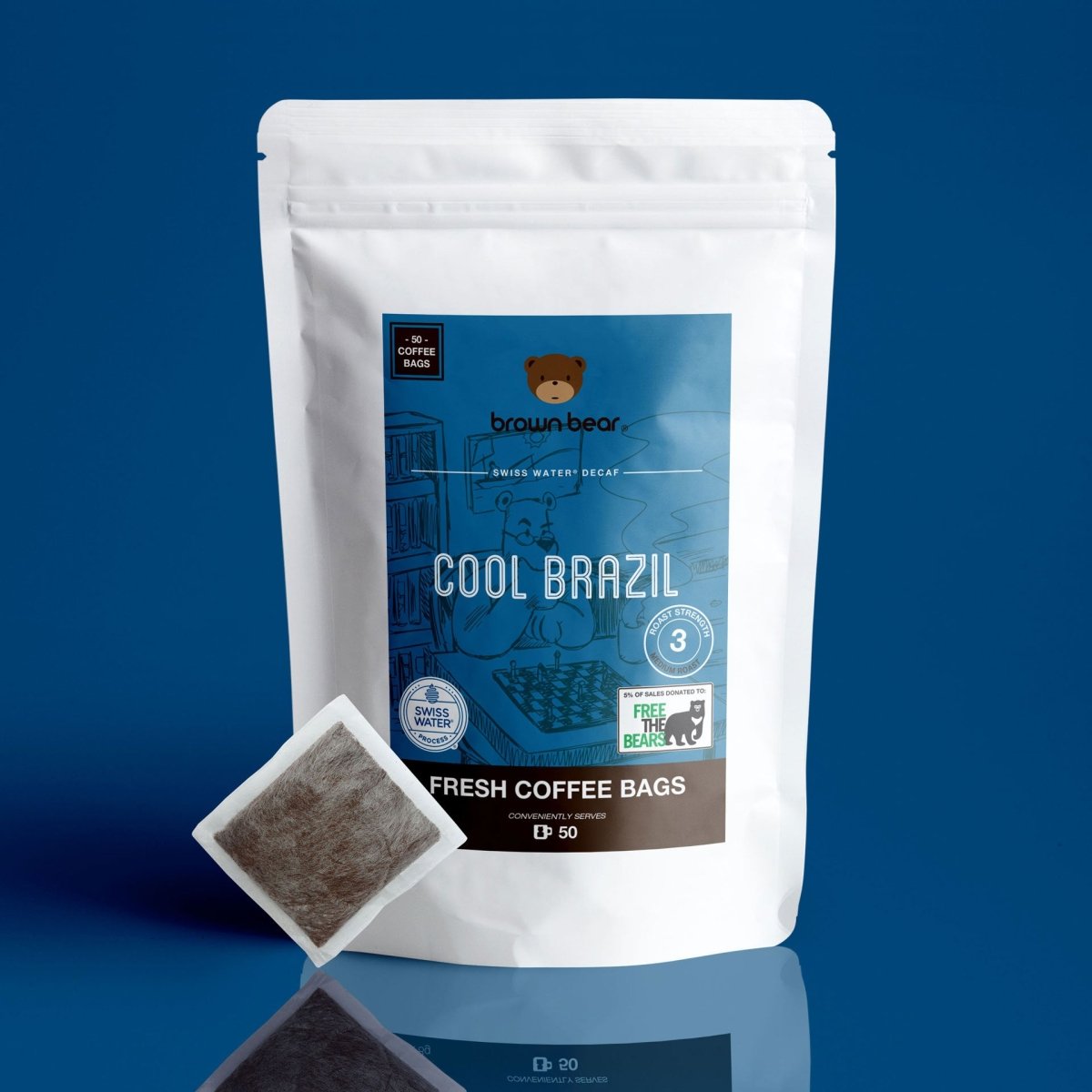
If you want a versatile daily brew, medium roast is a safe and rewarding choice. It offers enough body for milk drinks without losing all its sweetness when served black. Coffees from Brazil, Colombia and Guatemala are often especially approachable here, with the rounded flavours many households enjoy.
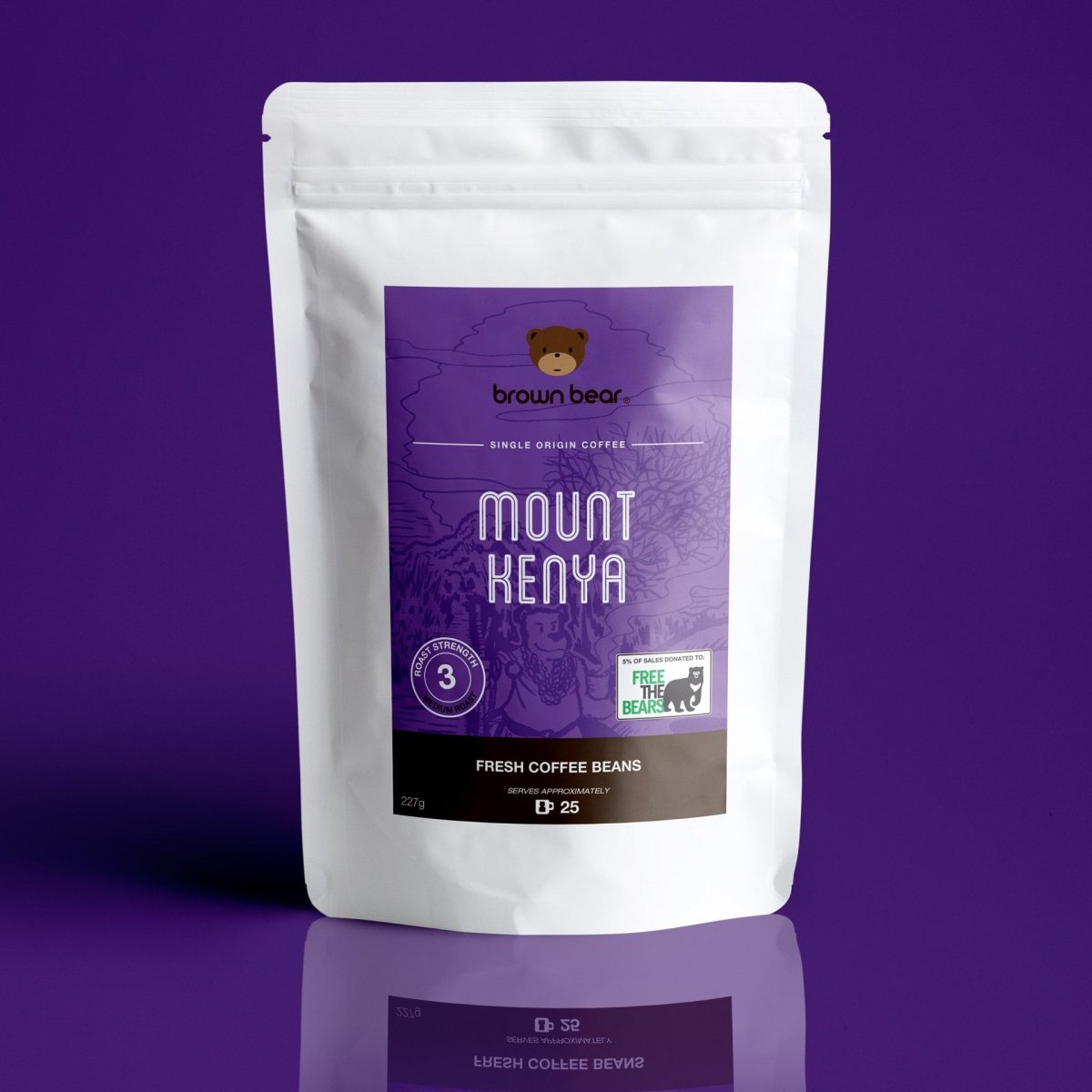
If black coffee is your preference and you like to notice changing flavours from cup to cup, try a lighter roast from Kenya or Ethiopia. These coffees can be lively and aromatic, and they show why modern UK coffee drinkers have become more curious about origin. Use freshly ground coffee and avoid over-brewing, as that can hide the brighter notes you bought it for.
For anyone who wants coffee without the morning admin, format matters as much as flavour. Whole beans give you the most control if you own a grinder. Ground coffee keeps preparation simple. Coffee bags are handy for work, travel and smaller kitchens, while cold brew is a smooth option when hot weather arrives or when you prefer lower perceived acidity.
Make the Cup Better Before Changing the Coffee
Before writing off a bag as too bitter, weak or sharp, check the basics. Coffee brewed with water that has just finished boiling can taste harsher, particularly with lighter roasts. Let the kettle sit briefly after boiling, then use water that is hot but not aggressively bubbling.
For a cafetière, use a coarse grind and allow around four minutes before plunging. If the cup tastes thin, add a little more coffee next time rather than leaving it to brew for much longer. If it tastes heavy or bitter, use slightly less coffee or shorten the brew. Small adjustments are often more useful than buying a completely different roast.
Freshness matters as well. Keep coffee in a sealed container away from heat, light and damp cupboards. Buy an amount you can enjoy while it still tastes lively, or set up a flexible repeat delivery so there is always good coffee in the house without a forgotten oversized stash at the back of the cupboard.
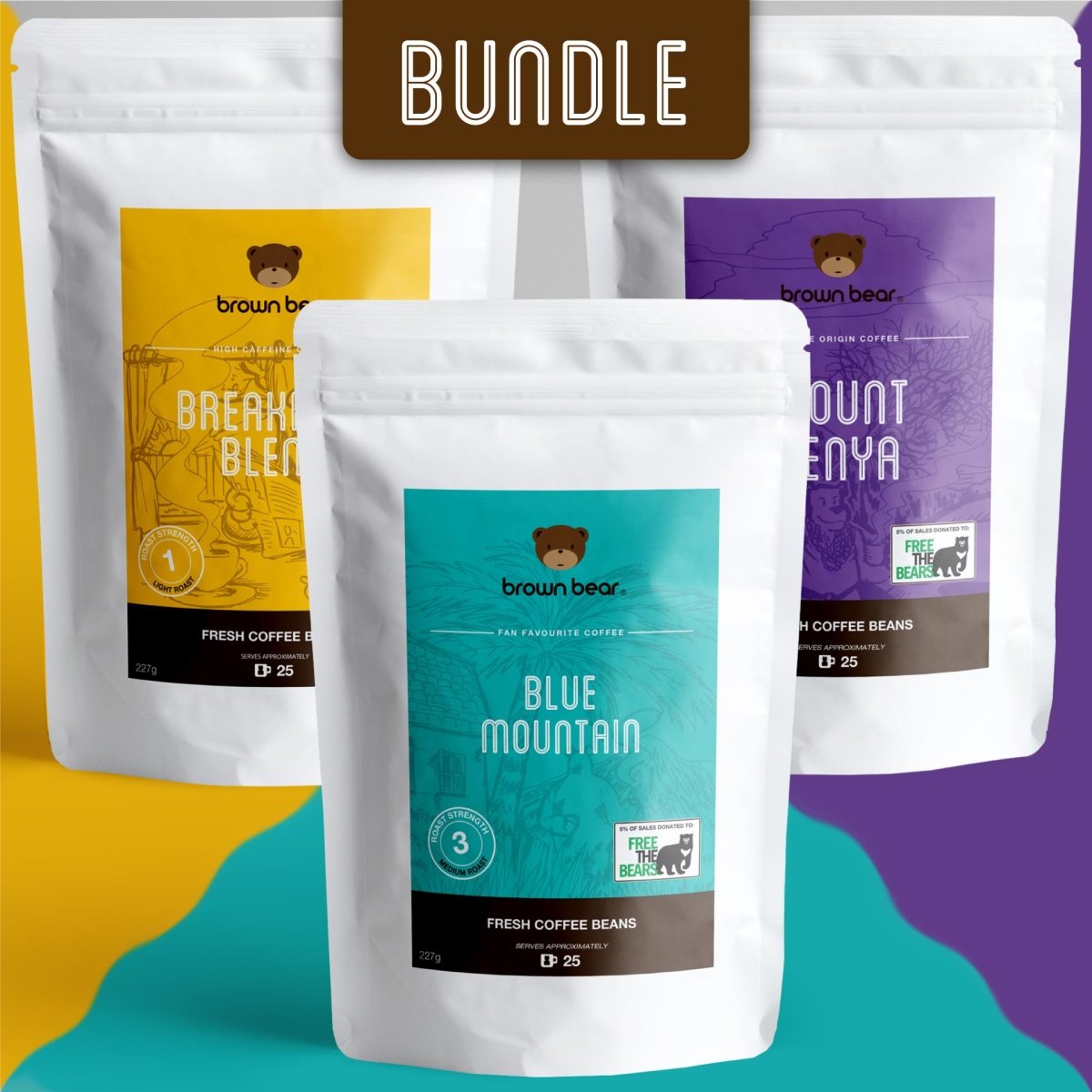
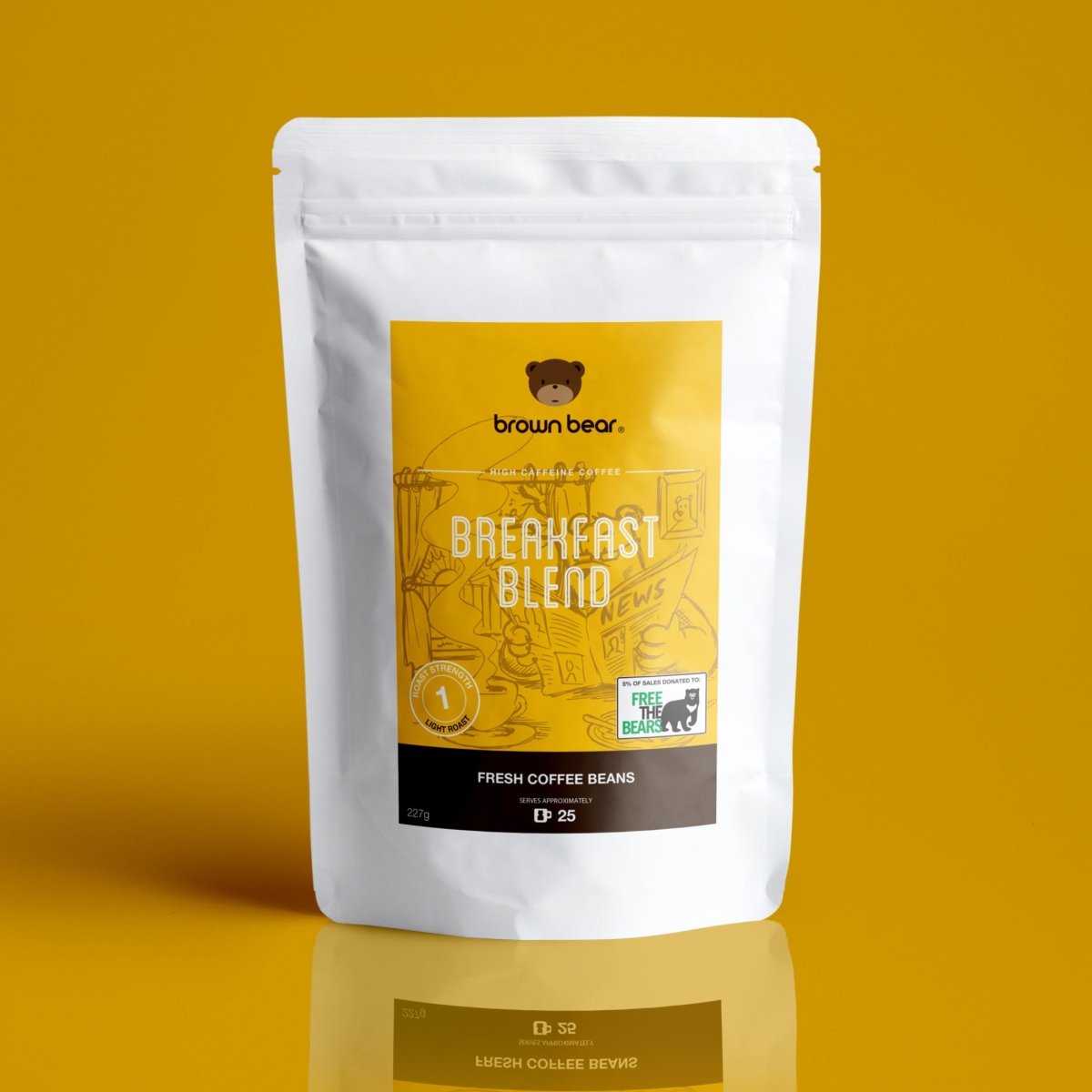
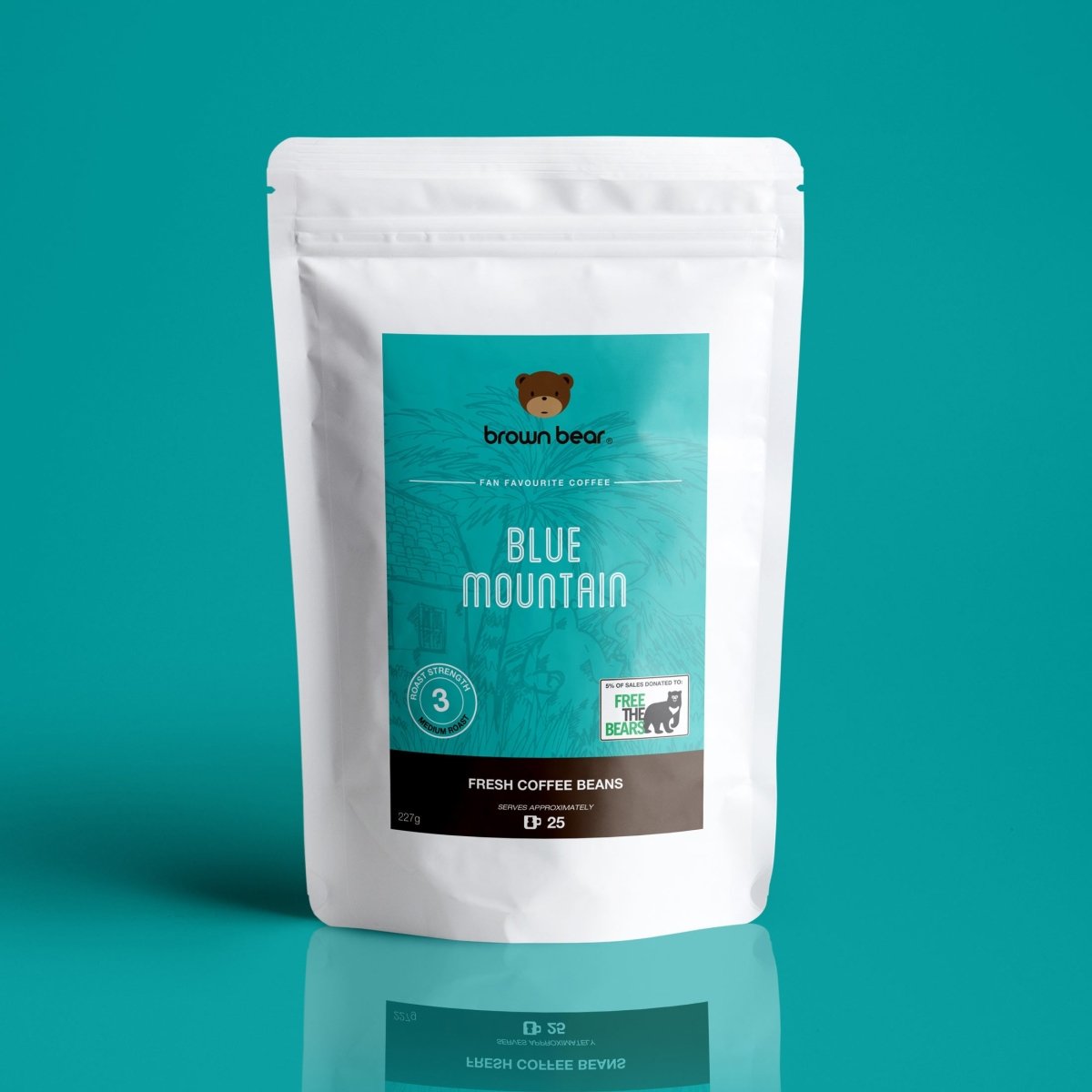
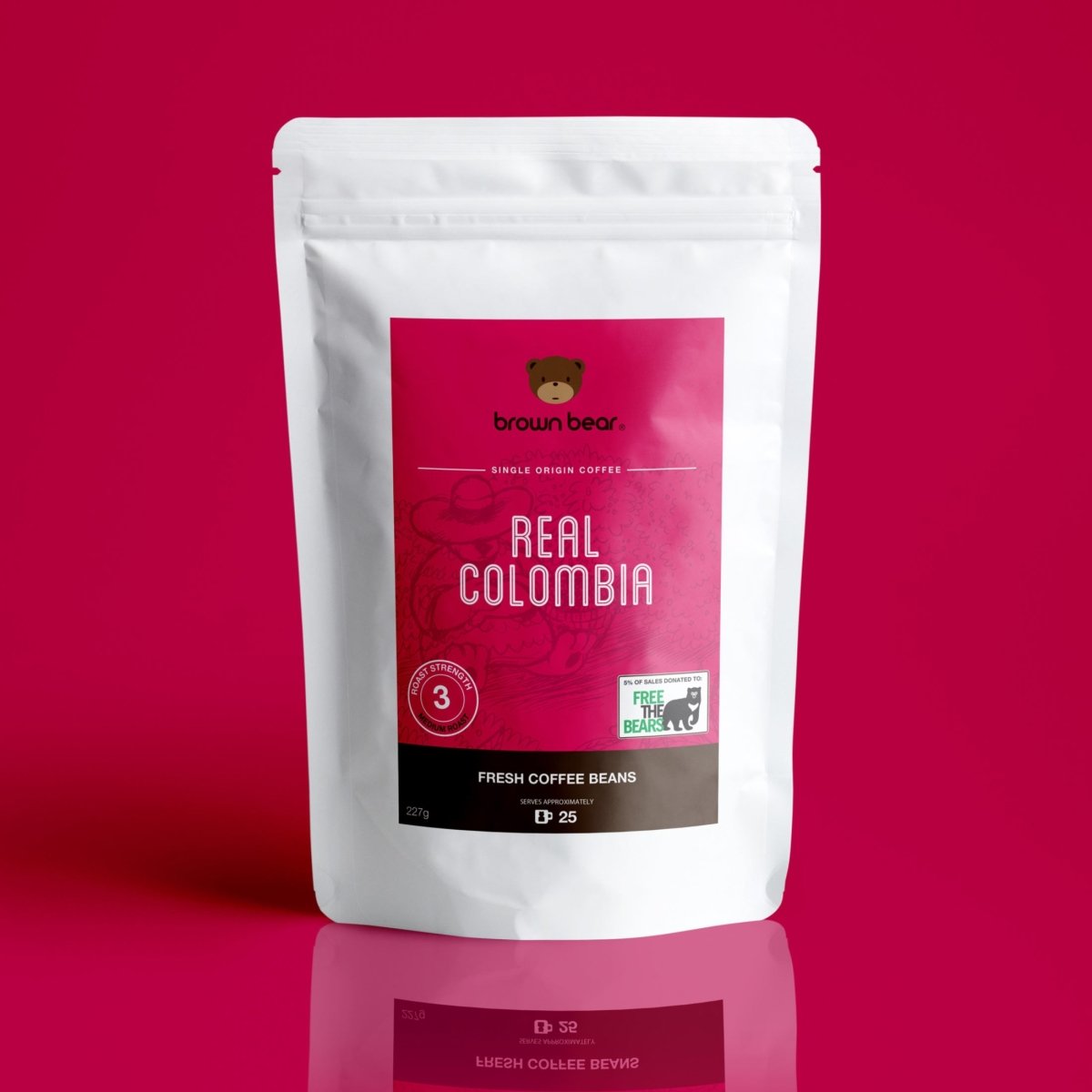
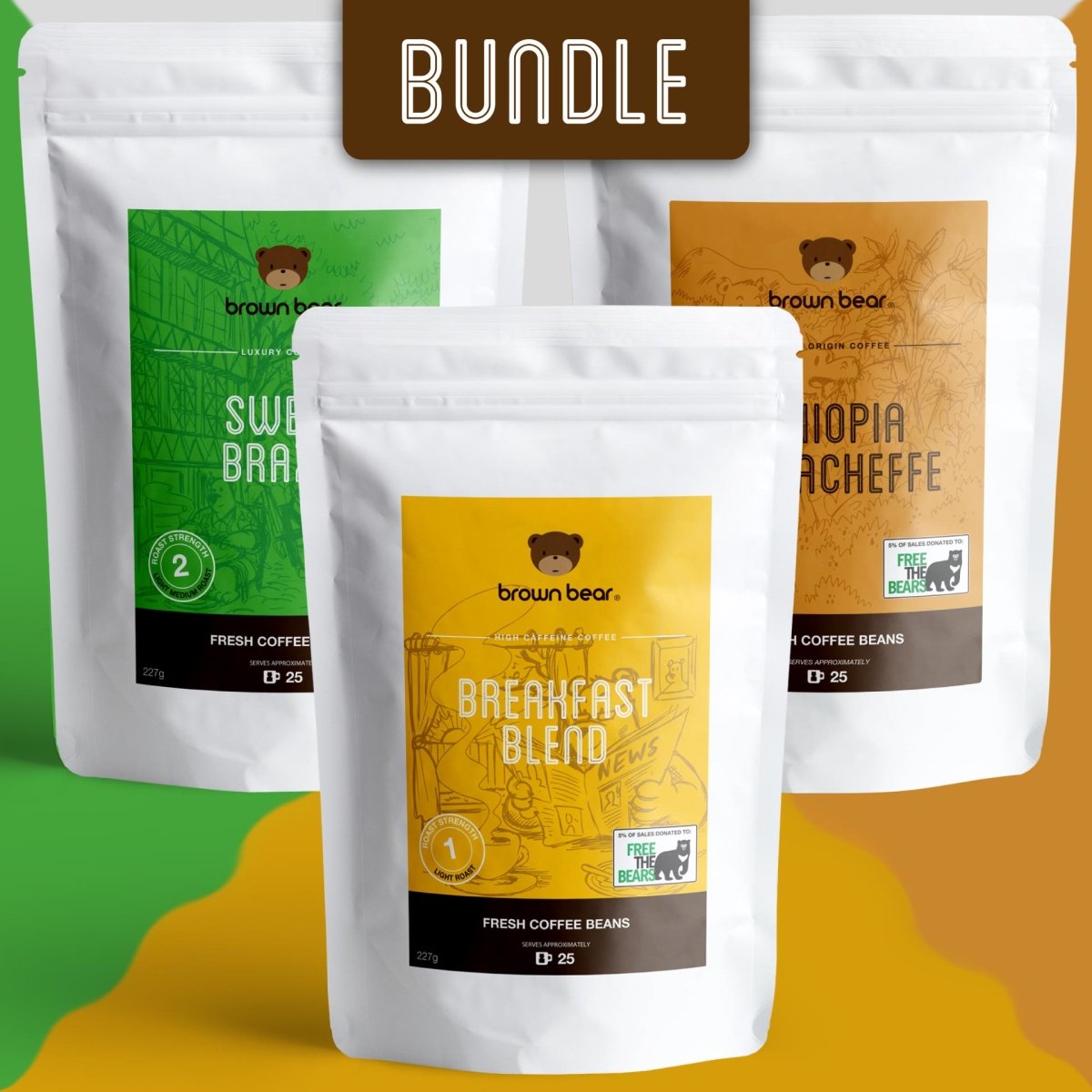
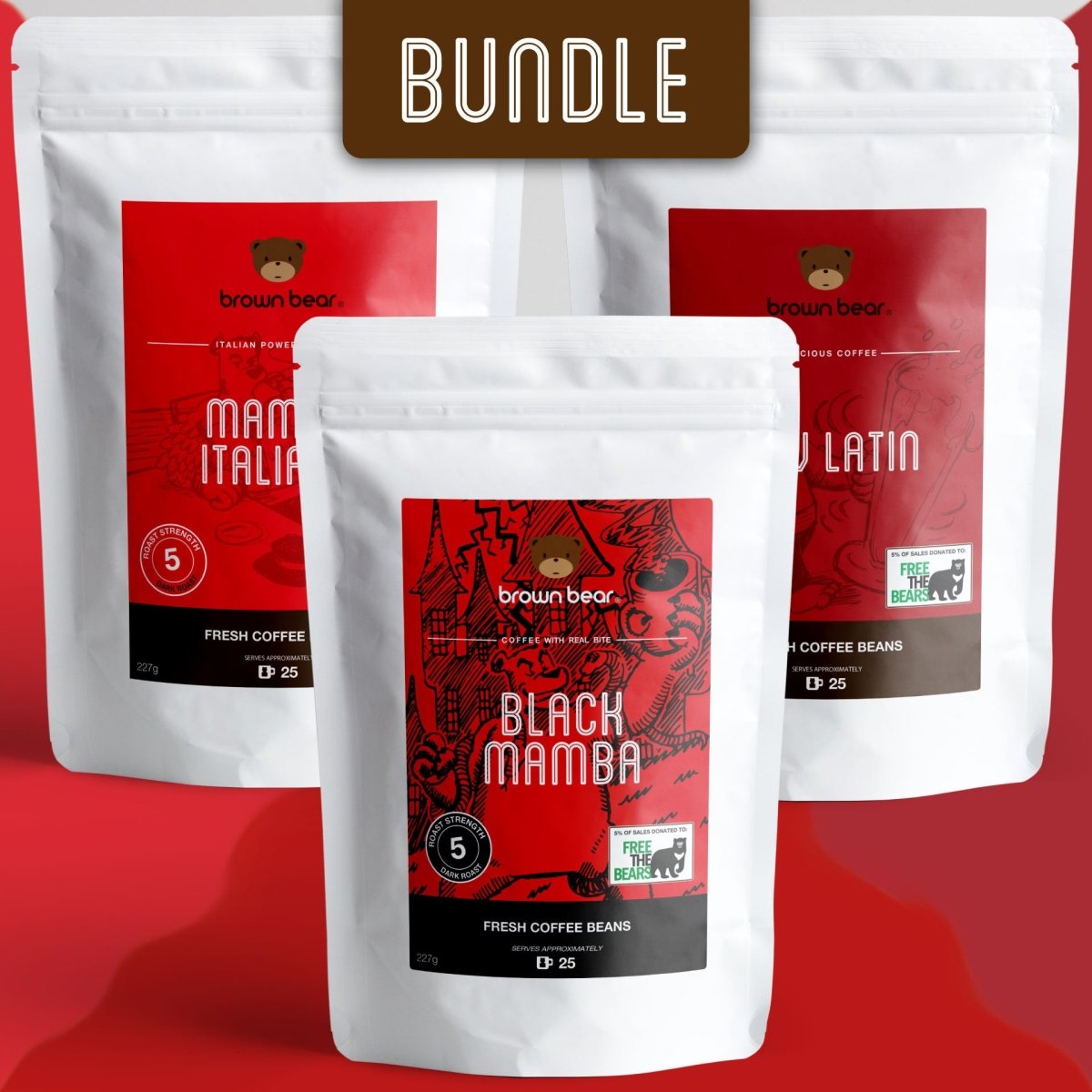
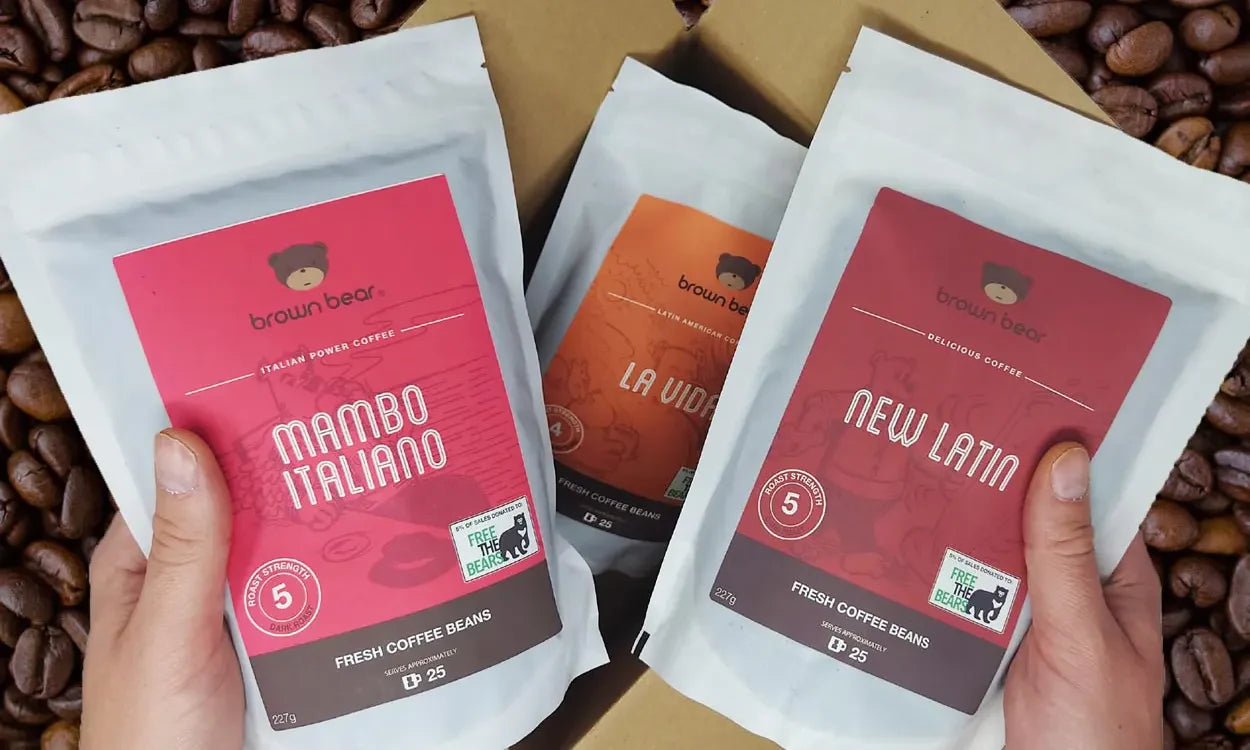
Brown Bear makes this easier by offering roast choices from light through to ultra-dark, alongside beans, ground coffee and coffee bags for different routines. The point is not to force yourself into a French or UK camp. It is to find a coffee that works beautifully in your favourite mug, with your preferred method, on an ordinary Tuesday morning.
Try a darker roast when you want the cosy, bold character of a classic café coffee. Choose a medium or light roast when you are curious about sweetness, origin and a cleaner finish. Your best cup may borrow a little from both traditions - strong enough to wake you up, good enough to slow you down.

