









A coffee bean does not begin life dark, glossy and ready for the grinder. Before heat works its magic, it is green coffee: a pale green, beige or bluish seed with a grassy scent, a firm texture and plenty of potential. It is the starting point for every roast, from a bright, lively light roast to a big, powerful ultra-dark cup.
That distinction matters when you are choosing coffee for home. Green beans tell part of the story - where the coffee was grown, how it was processed and the character it can develop. Roasting is what turns that potential into the aroma, flavour and familiar brown bean in your cupboard.
What is green coffee?
Green coffee is coffee in its unroasted form. Coffee cherries are picked, then the fruit is removed and the seeds inside are dried. Those seeds are the green beans sent to roasters around the world.
At this stage, they are not ready to make the sort of coffee most of us want to drink. Green beans are dense, hard and much less soluble than roasted beans. They smell more like fresh grass, peas or dried hay than a morning brew, and their flavour is sharp, vegetal and astringent when steeped.
Green coffee comes in the same broad range of origins as roasted coffee. A washed Kenyan lot may have the potential for berry-like acidity, while a natural Ethiopian coffee can offer fruit-forward sweetness. Brazilian and Colombian coffees may bring chocolate, nut or caramel notes once roasted. The bean’s origin, variety, altitude and processing method all matter, but they only become easy to taste after careful roasting.
Why roasting changes everything
Roasting uses controlled heat to transform green coffee into roasted coffee. As the beans warm up, they lose moisture, expand, change colour and begin to produce hundreds of aromatic compounds. Natural sugars brown, acidity shifts and the bean becomes porous enough to grind and brew properly.
The roast level changes what stands out in the cup. A light roast usually keeps more of an origin’s distinctive character, such as citrus, florals or red fruit. Medium roasting often creates a rounded balance of sweetness, body and gentle acidity. Dark and ultra-dark roasts take the flavour further towards cocoa, toasted nuts, rich caramel and smokier notes, with a fuller, bolder feel.
Neither end of the scale is automatically better. If you enjoy a clean filter coffee with lively fruit notes, a lighter roast may be your favourite. If your everyday cup is a strong cafetière, bean-to-cup coffee or espresso with milk, a medium-dark or dark roast can be a more satisfying fit. The best choice is the one that tastes good in your usual brew method, not the one with the most impressive-sounding tasting notes.
Roast level is not the same as strength
This catches plenty of coffee drinkers out. A dark-looking bean is not necessarily higher in caffeine, and a light roast is not automatically weak. Strength in the cup depends heavily on how much coffee you use, how finely it is ground, your brewing method and the amount of water in the final drink.
Roast level is mainly about flavour direction. A dark roast can taste more intense because its roasted notes are so pronounced. A light roast can taste vibrant and concentrated too, especially when brewed with the right ratio. If you want a reliably punchy cup, start by choosing a flavour profile you enjoy, then adjust your dose before assuming you need a darker roast.
Can you brew green coffee at home?
You can steep green coffee beans, but it is a very different drink from brewed roasted coffee. The beans need a long soak or a boil to extract anything meaningful, and the result is usually pale, grassy and bitter. It can suit someone who is specifically curious about green coffee extract or its raw flavour, but it is unlikely to replace your usual flat white, cafetière or filter brew.
Green beans are also difficult to grind in a standard domestic grinder. Their density can put unnecessary strain on blades and burrs designed for roasted coffee. If you buy green coffee for home roasting, use equipment intended for the job and expect some trial and error. Smoke, chaff and an uneven roast are common when learning, particularly with a popcorn maker or improvised pan method.
For most households, buying freshly roasted coffee is the easier route to a better cup. It saves the mess, gives you a more consistent flavour and lets you choose beans, ground coffee, coffee bags or cold brew to suit the way you actually drink coffee.
Green coffee and caffeine: what to expect
Green coffee naturally contains caffeine, just as roasted coffee does. The exact amount varies by bean type, growing conditions and how you prepare it. Claims that green coffee is a dramatically stronger source of caffeine can be misleading, especially when comparing different serving sizes or extracts rather than like-for-like brewed drinks.
You may also see green coffee promoted for chlorogenic acids, naturally occurring plant compounds that change during roasting. Research into these compounds continues, but it is sensible to be cautious around bold health claims. Green coffee extract is not a shortcut to better health, and it should not be treated as a replacement for balanced food, sleep, movement or advice from a healthcare professional.
If you are sensitive to caffeine, the practical choices remain familiar: keep an eye on portion size, avoid late-day cups if they affect your sleep, or choose decaf. Decaf coffee still delivers proper coffee flavour without requiring you to settle for a lesser daily ritual.
What green beans reveal about coffee quality
Roasters inspect green coffee before it ever reaches the roaster. They look for a consistent size and colour, appropriate moisture levels and a low number of defects. Broken, insect-damaged or poorly dried beans can affect how evenly a batch roasts and how cleanly it tastes in the cup.
That does not mean coffee quality can be judged by appearance alone. A beautiful-looking green bean can still be roasted badly, while a skilled roast can bring real sweetness and balance from a modest-looking lot. The important point is that quality is built through a chain of decisions: careful farming, responsible processing, considered sourcing, storage, roasting and brewing.
There are trade-offs here too. A single-origin coffee can offer a strong sense of place and a distinctive seasonal flavour, but its profile may change as harvests change. A well-designed blend can be more consistent from bag to bag and may suit milk drinks brilliantly. Both have a place in a good coffee cupboard.
Choosing coffee for the cup you want
Rather than shopping for green coffee unless you plan to roast it, choose roasted coffee based on flavour, roast level and format. For a bright morning filter, look towards a light or medium roast with fruit or floral notes. For an easy all-rounder, medium roast coffee often works across cafetière, filter and bean-to-cup machines. For a fuller brew with chocolatey depth, choose dark roast coffee, especially if milk is part of the plan.
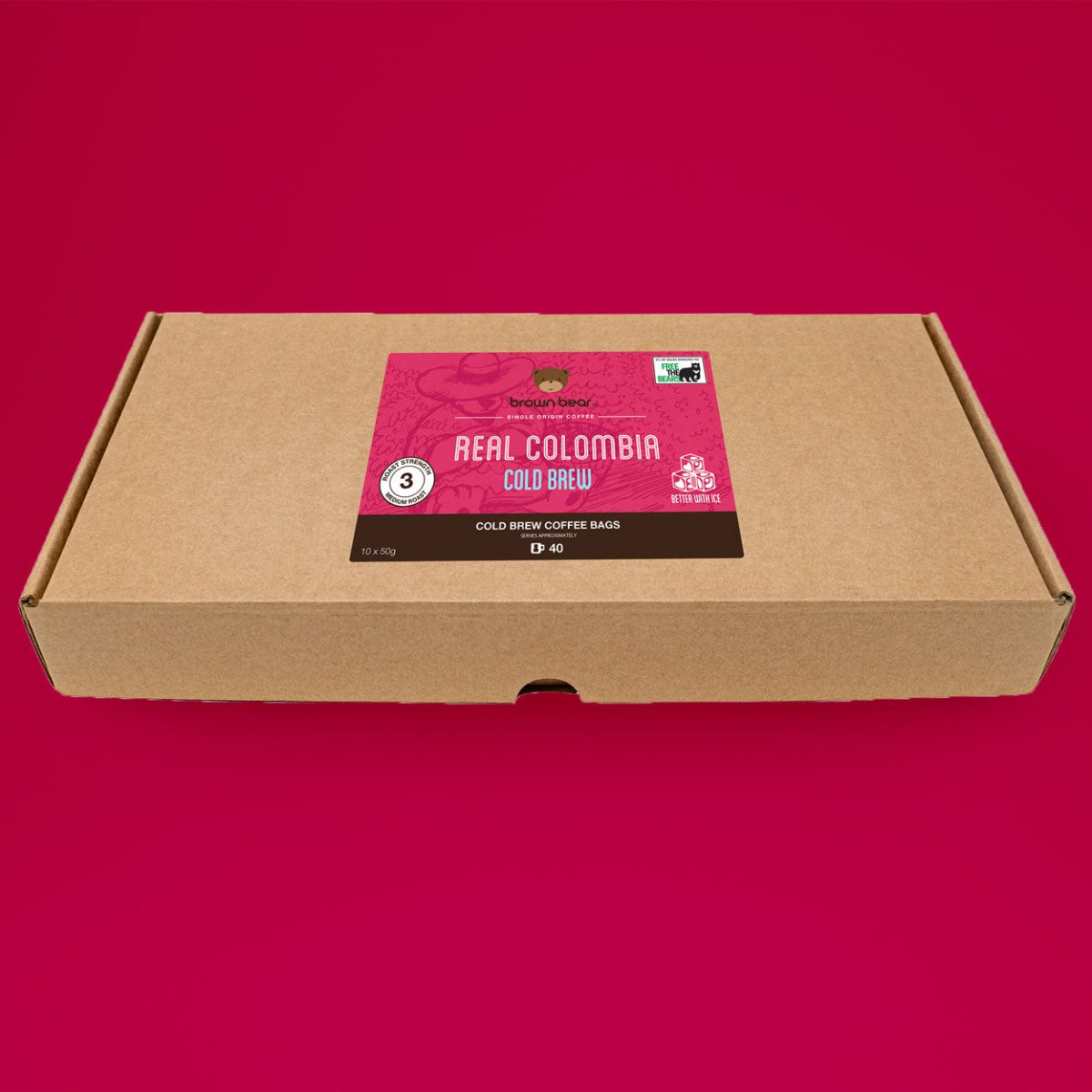
Format matters just as much as the bean. Whole beans give you the most control when you have a grinder and brew regularly. Ground coffee is convenient when matched to your preferred method. Coffee bags make a proper cup easy at work, on holiday or when cupboard space is limited. Cold brew offers a smooth, refreshing option when the kettle is not calling.
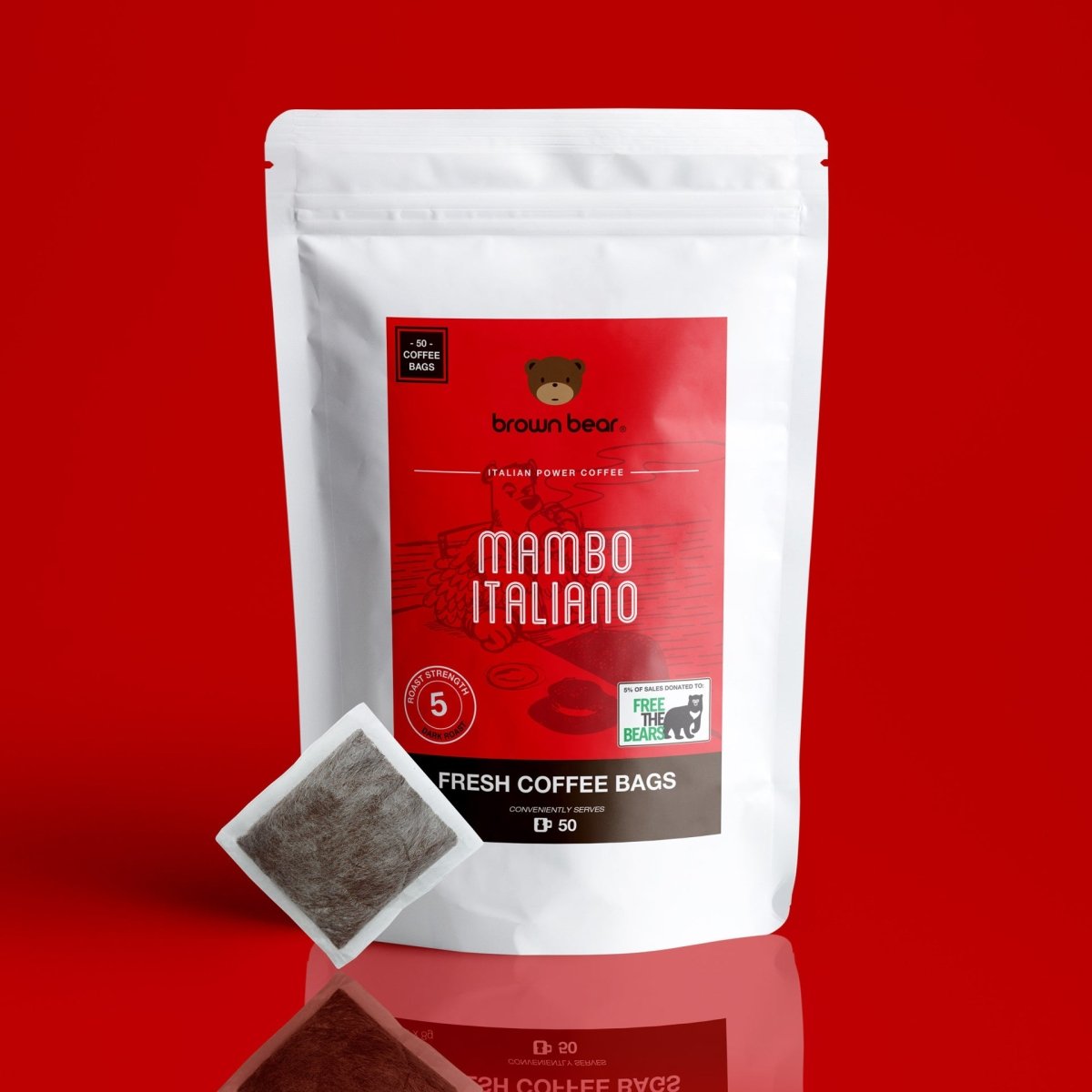
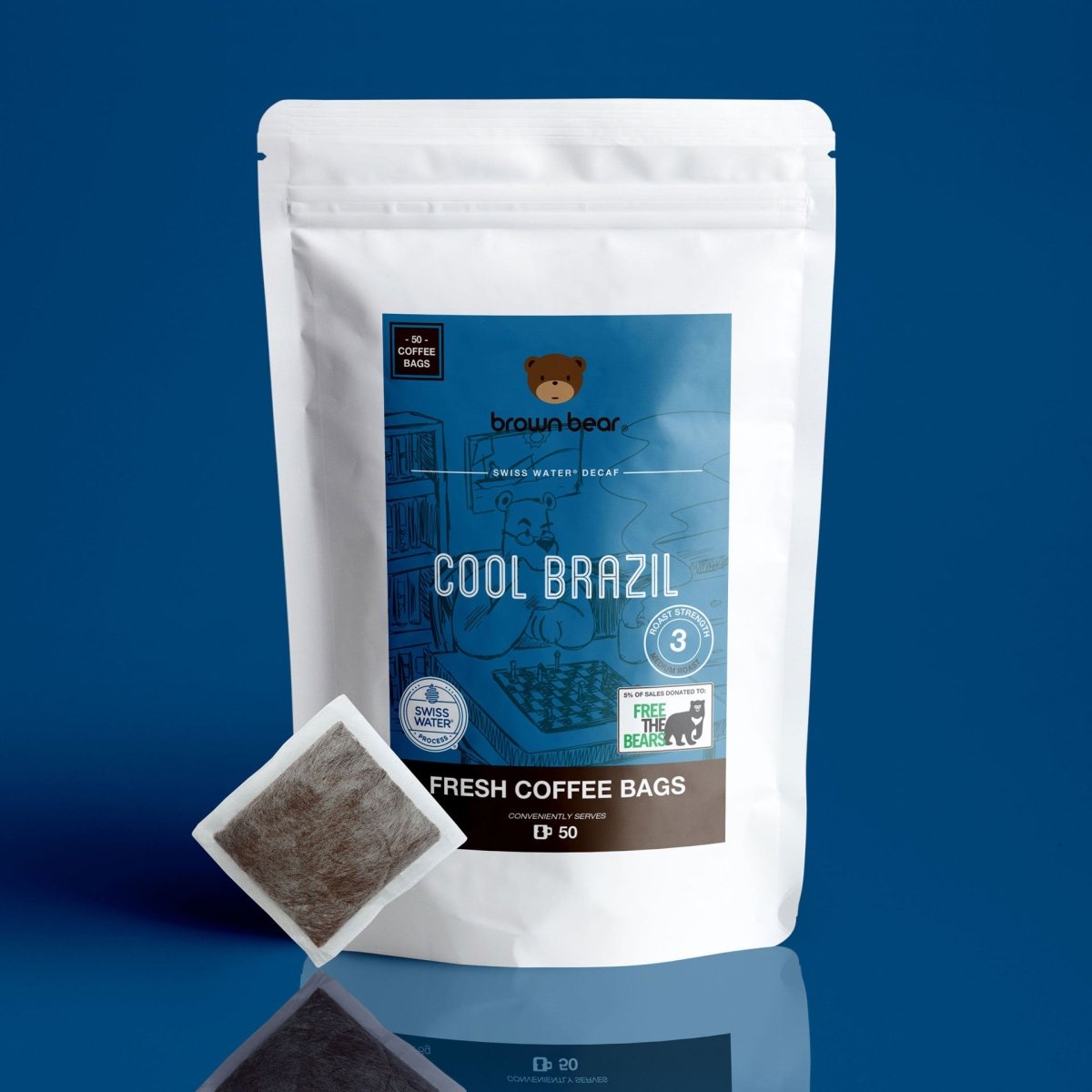
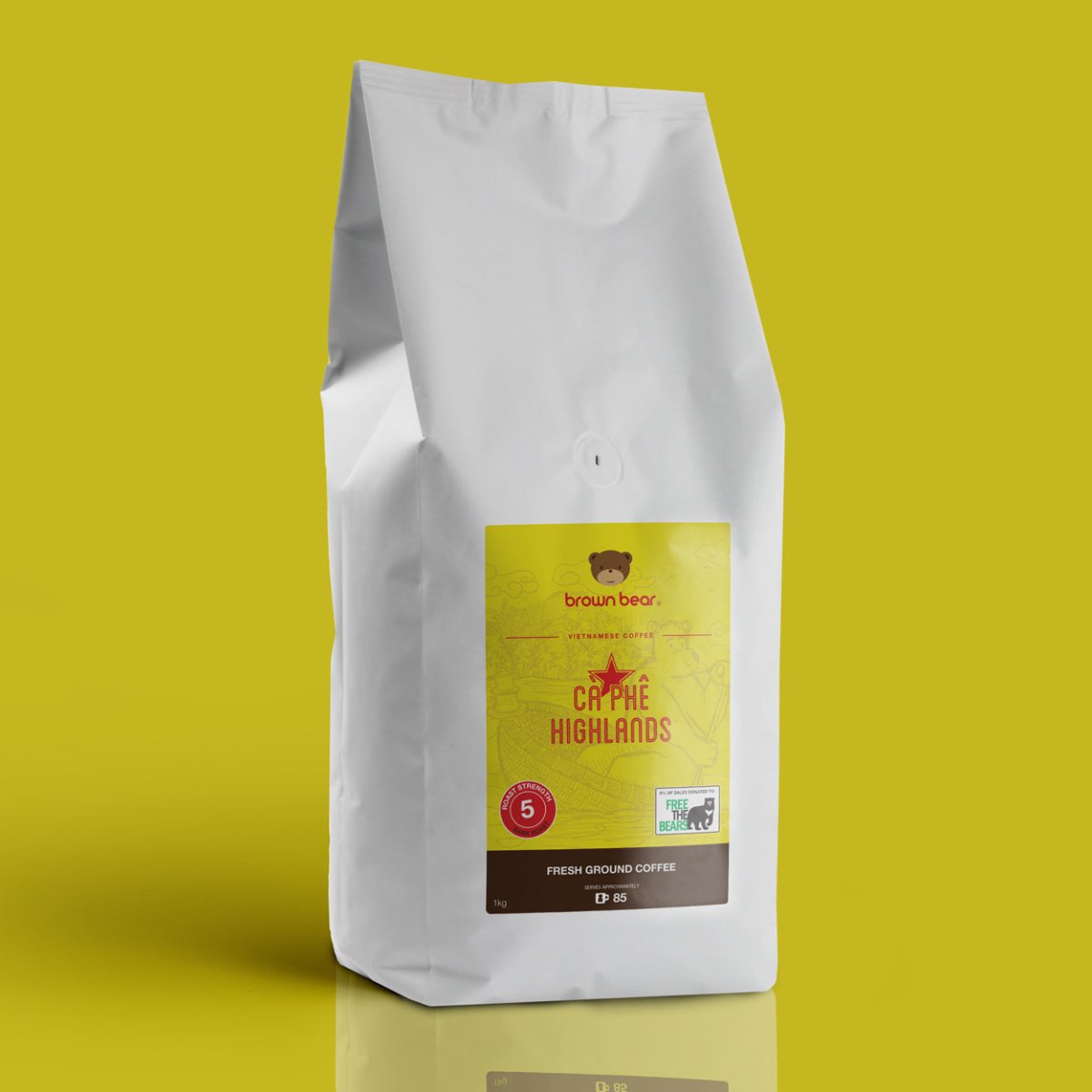
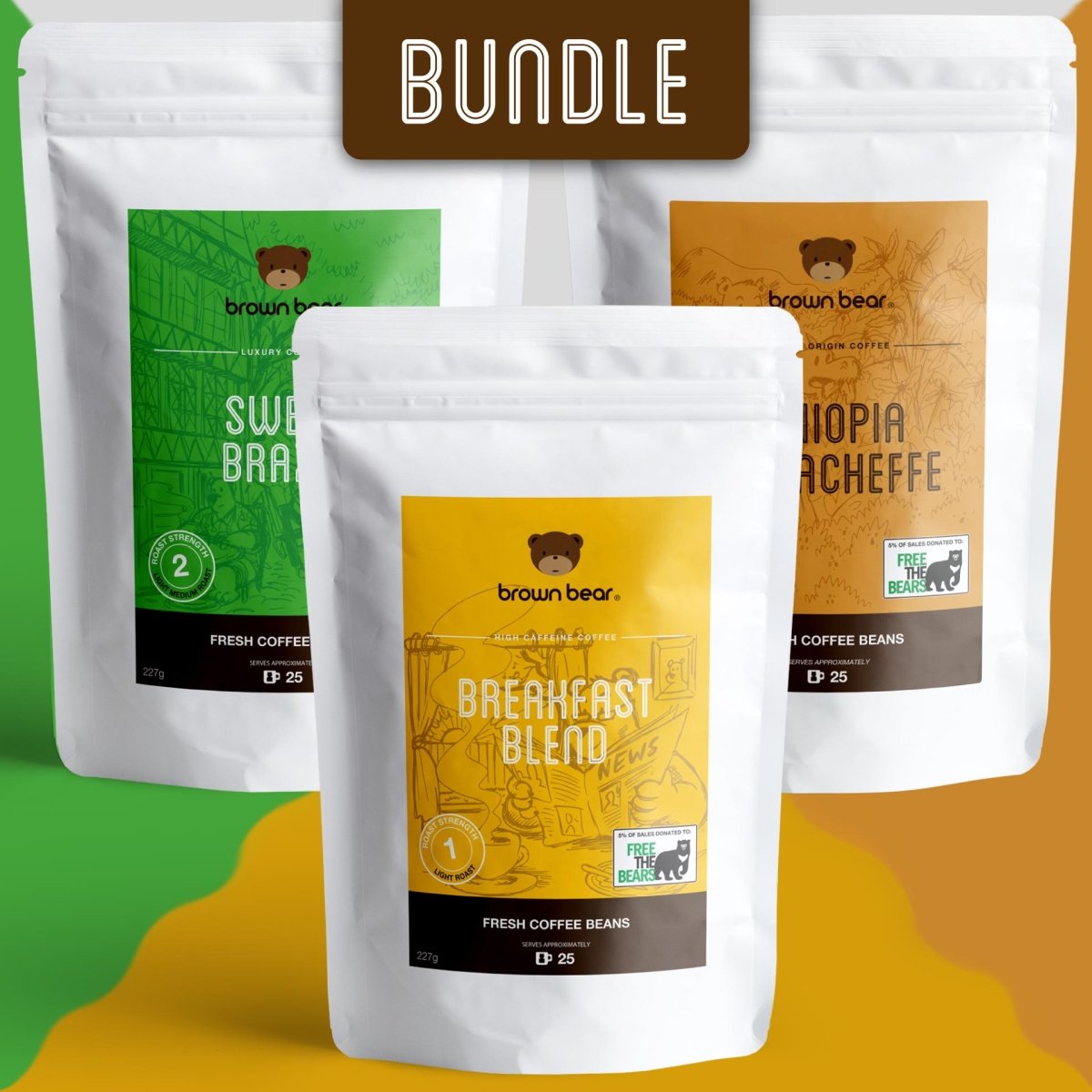
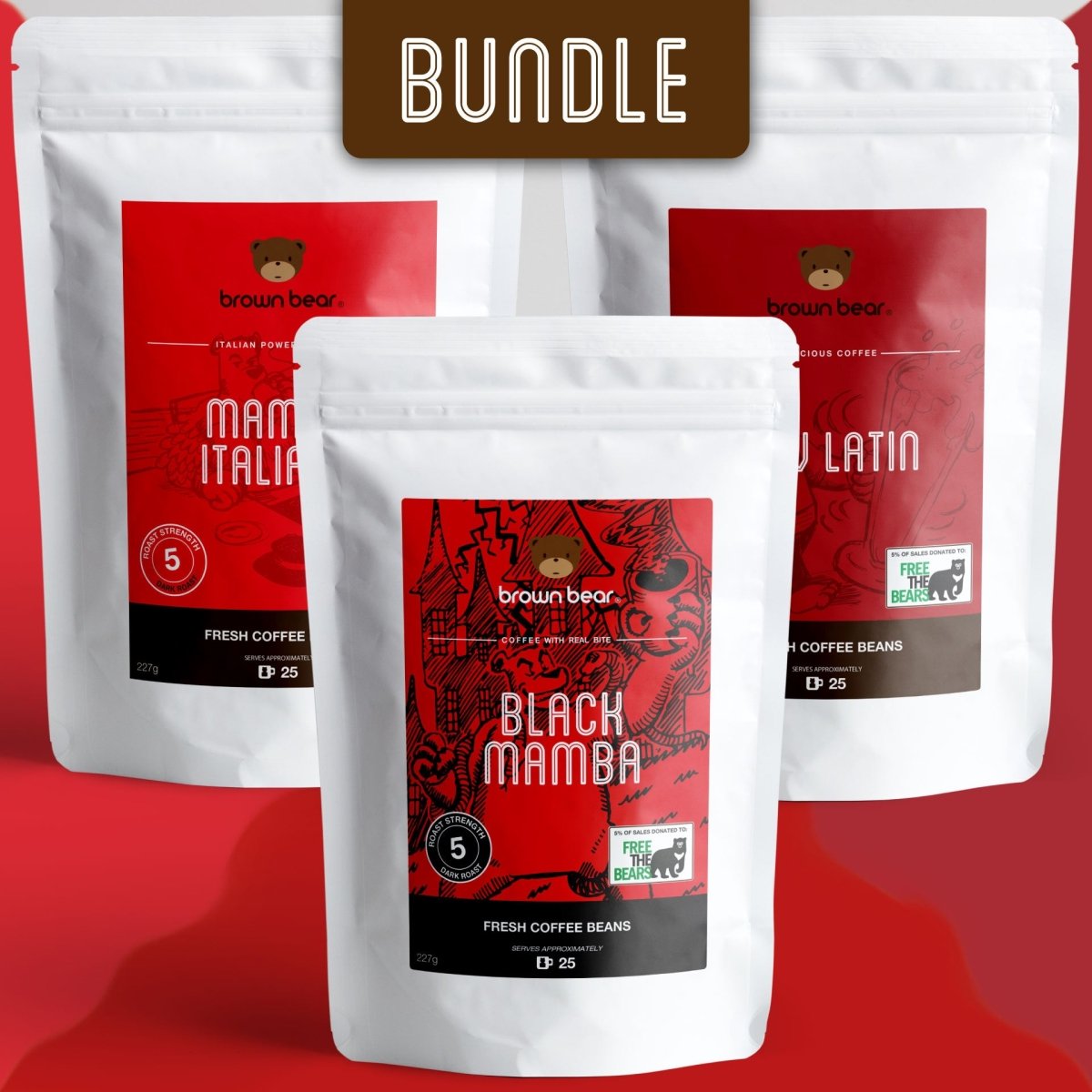
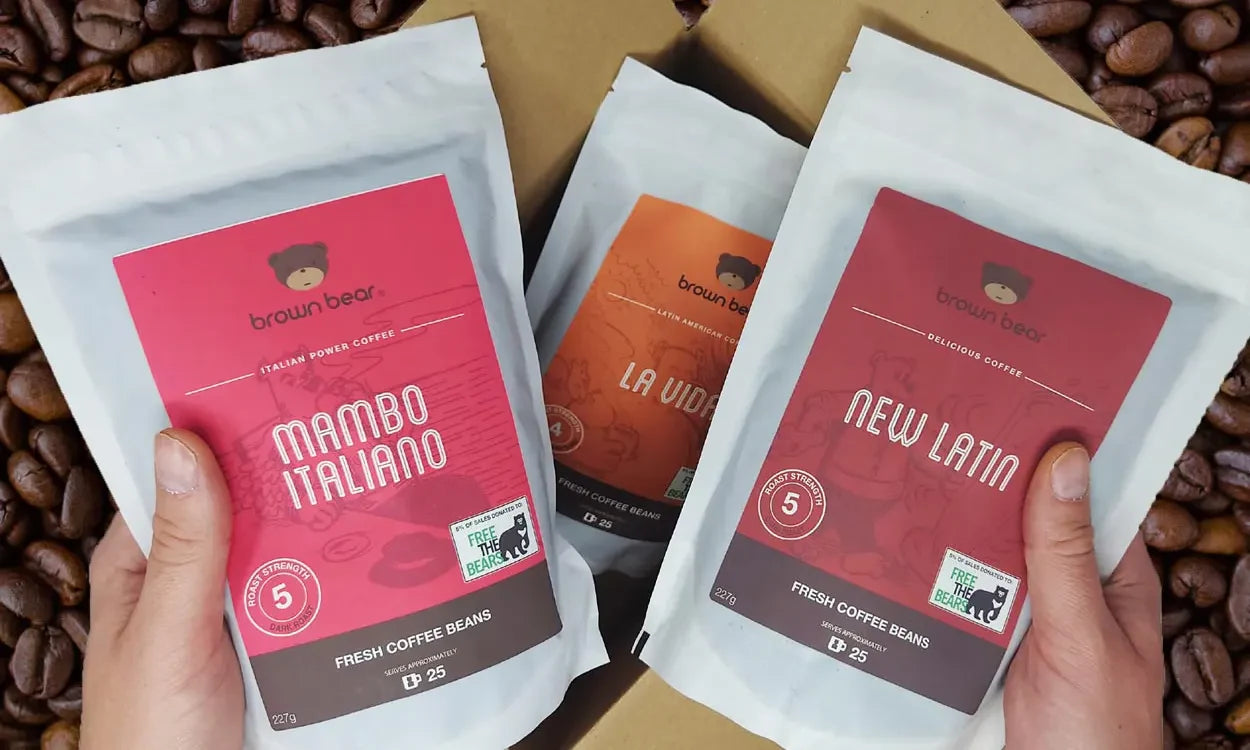
At Brown Bear, the aim is to make that choice straightforward: pick the roast character you enjoy, the format that fits your routine and a delivery rhythm that keeps the good stuff coming. Great coffee need not be complicated. It simply needs to suit your taste, your kit and the moment you are making it for.
The green bean may be where coffee starts, but your favourite cup begins with a roast you are genuinely looking forward to drinking.

