

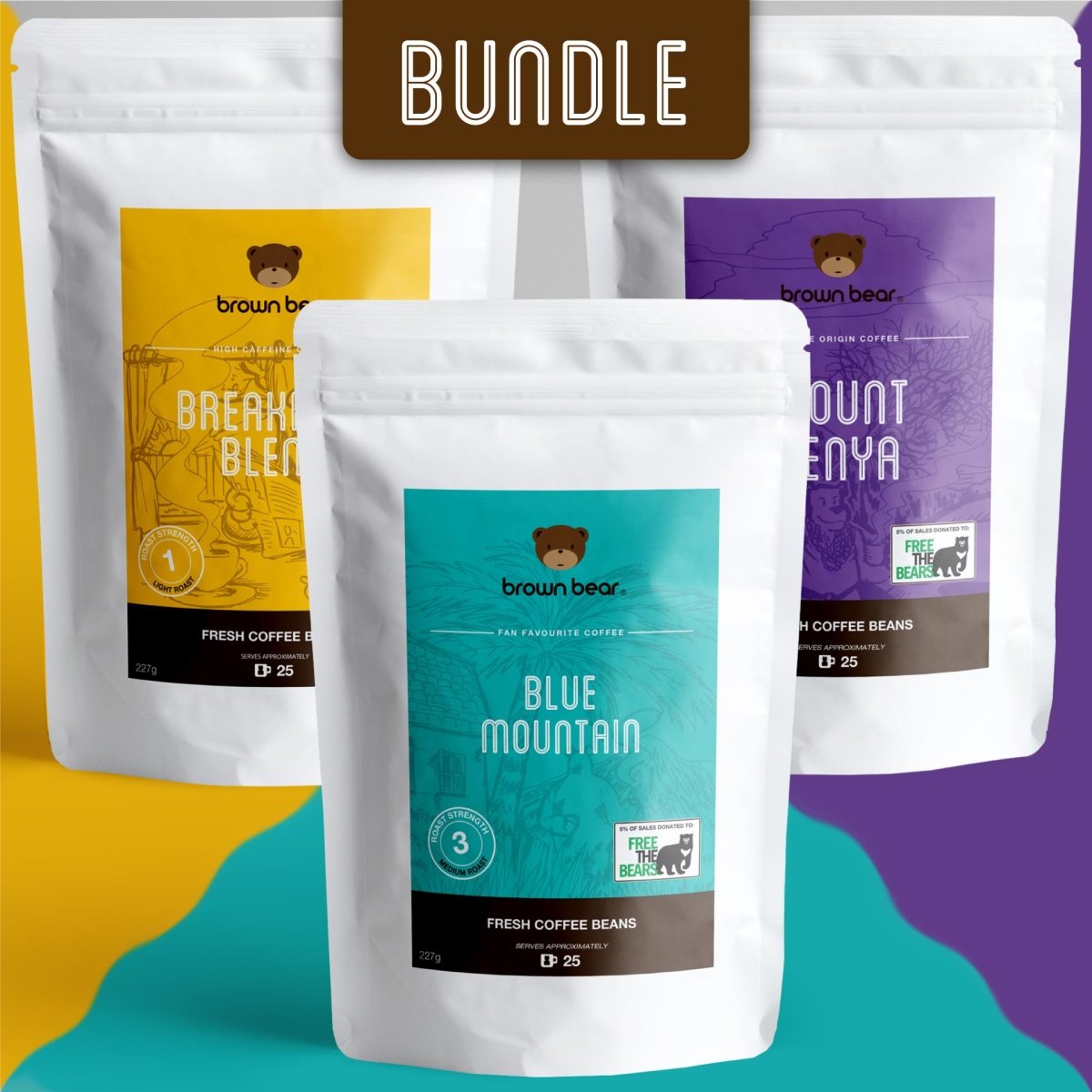
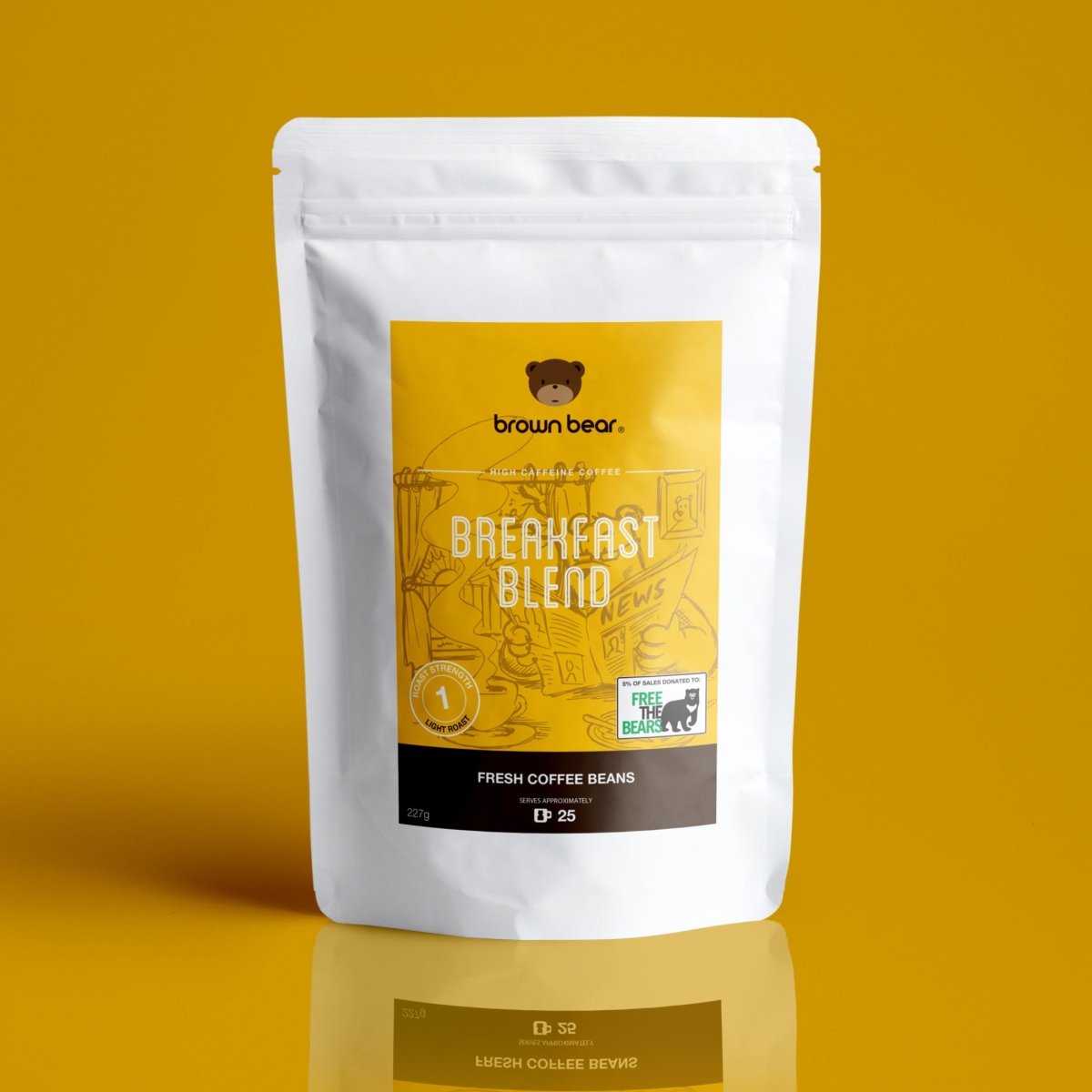
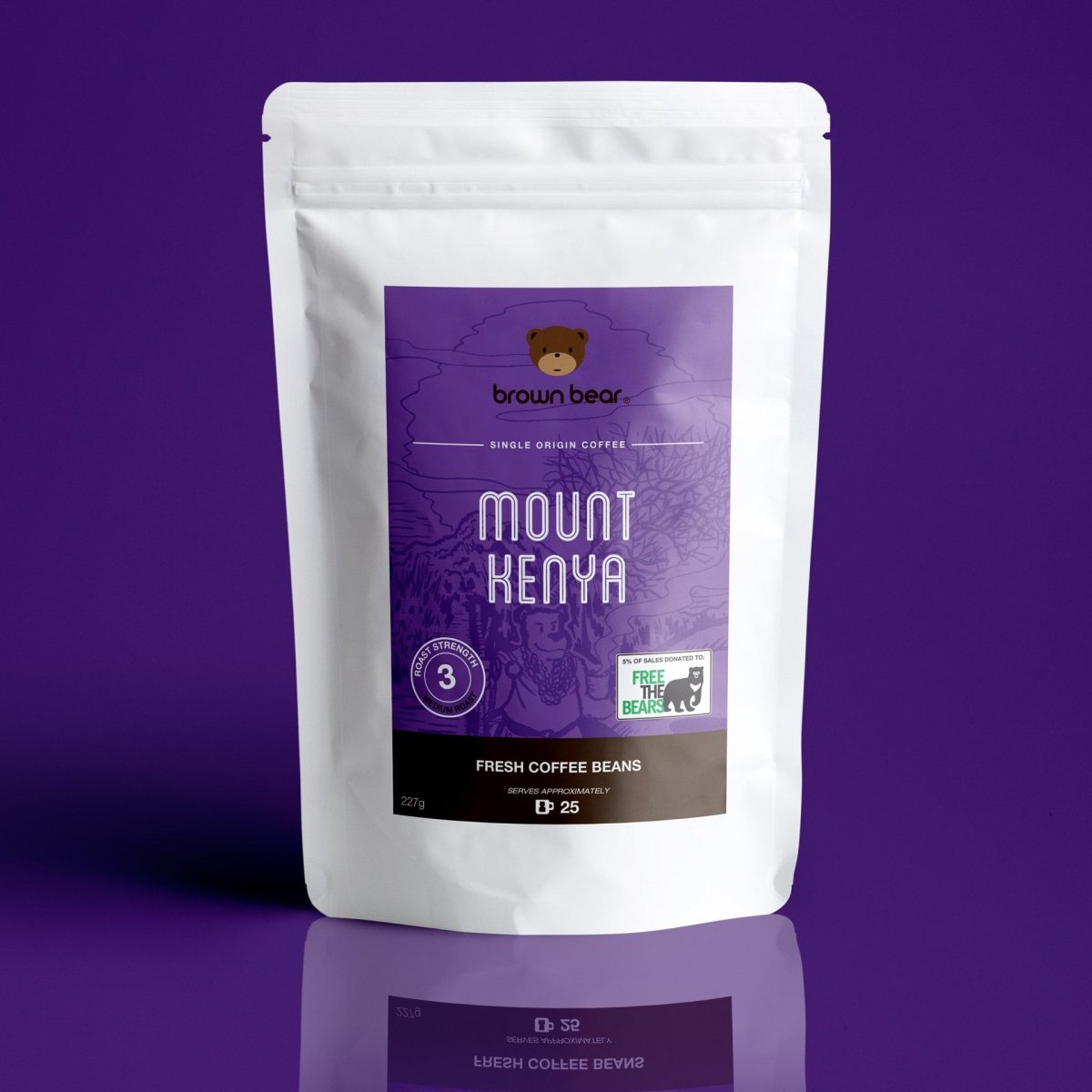
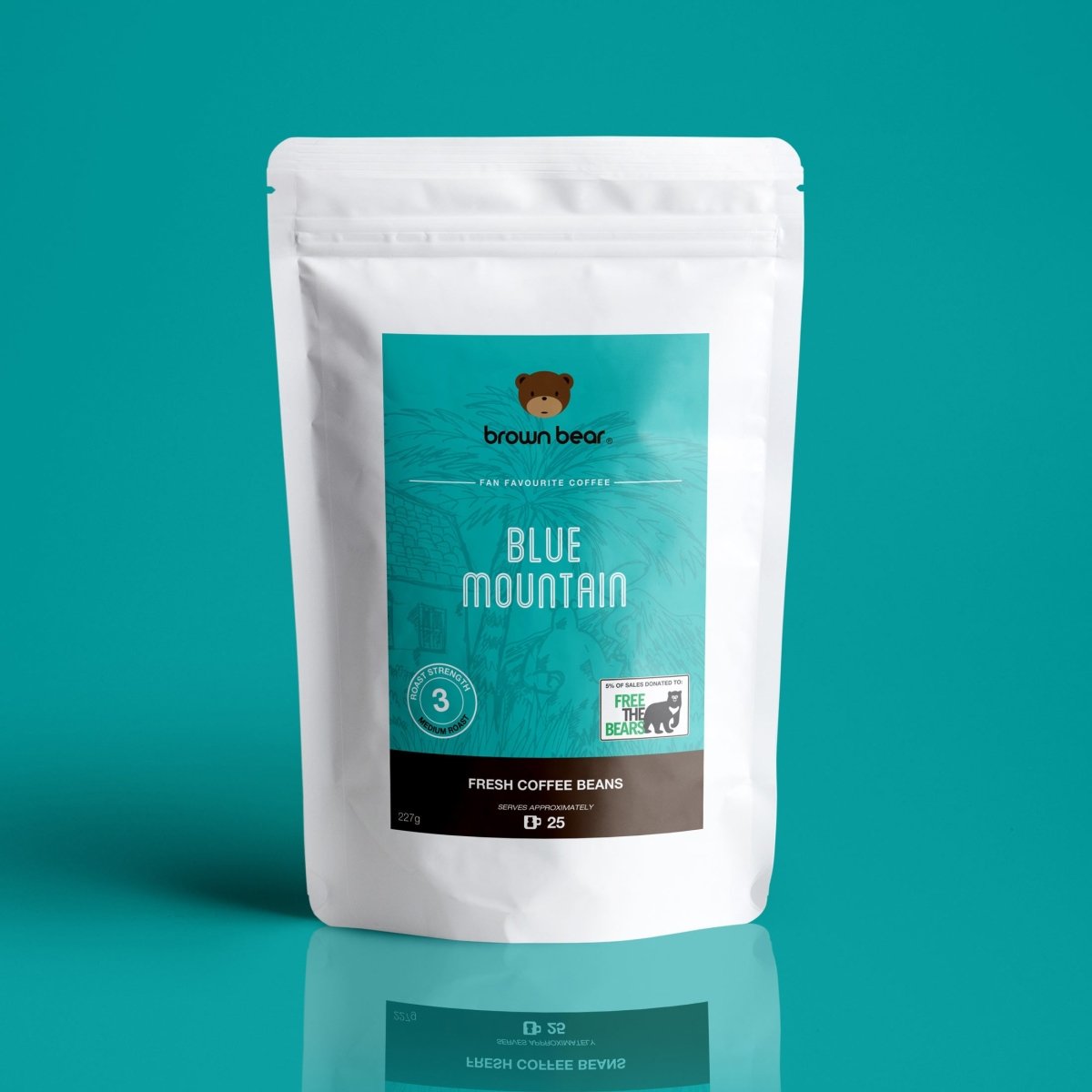




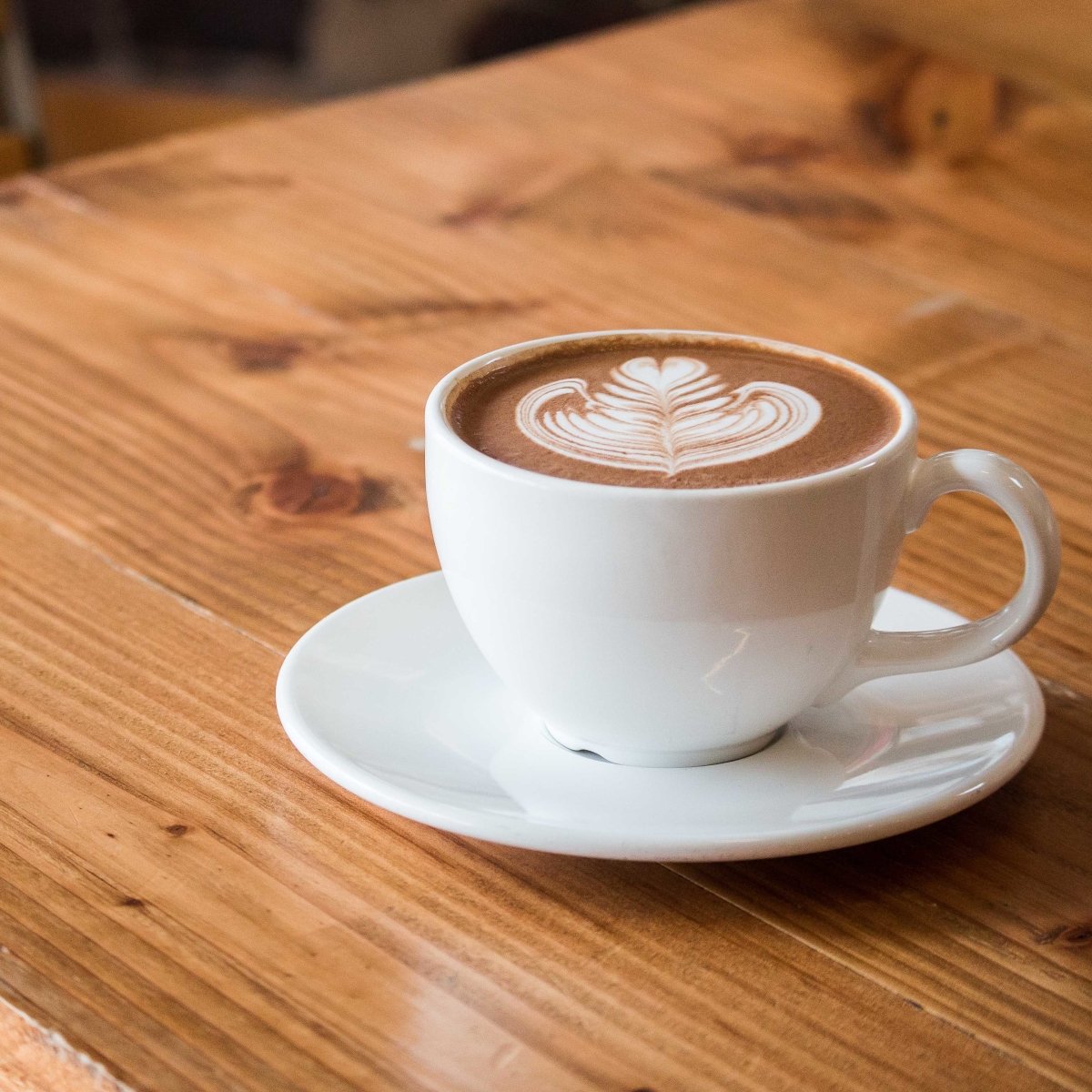

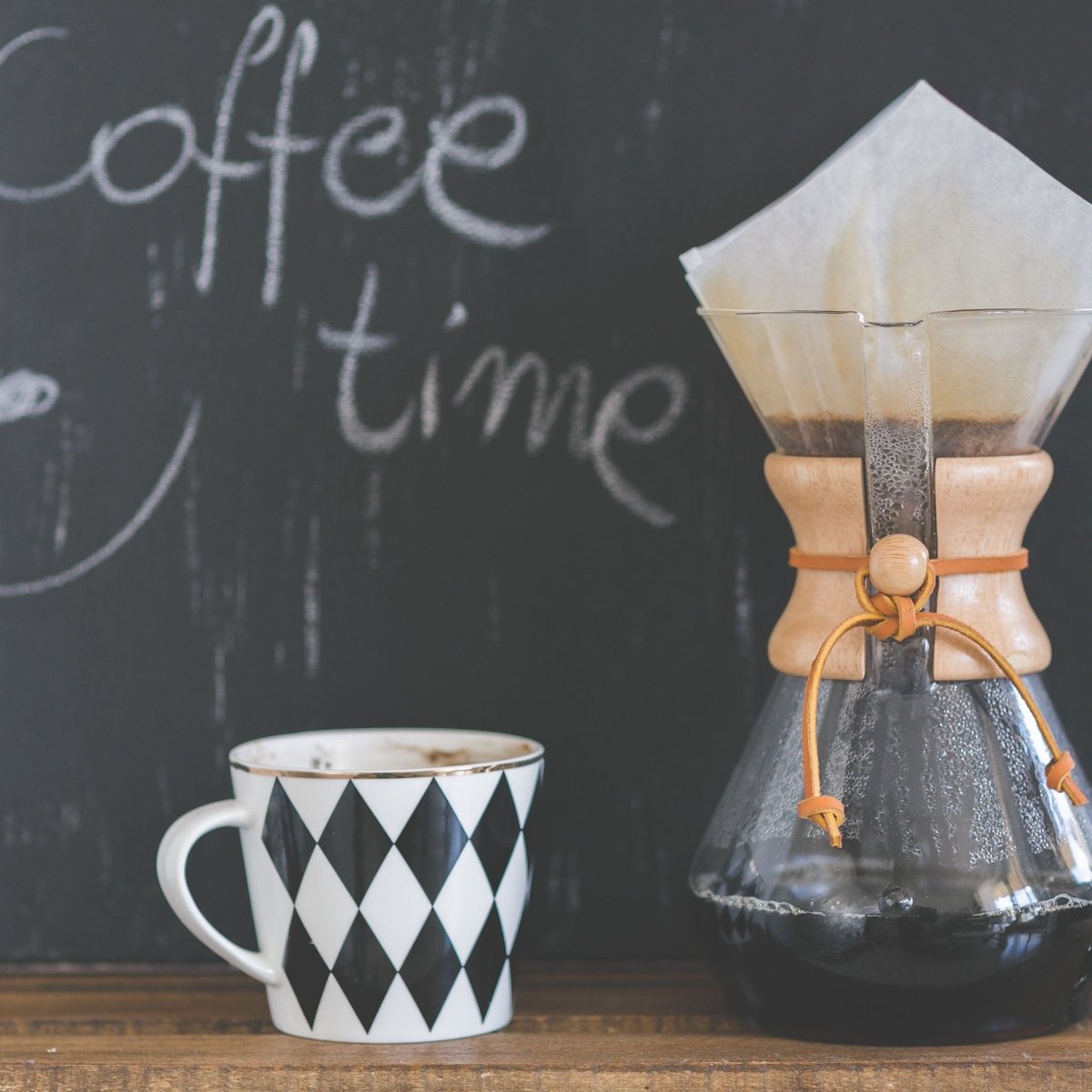




The easiest way to buy better coffee is to stop choosing by strength alone. This guide to coffee flavour profiles helps you spot the difference between a bright, fruity morning cup and a deep, cocoa-rich brew that stands up to milk. You do not need a trained palate or a cupboard full of brewing kit - just a sense of what you enjoy and a willingness to try one new thing at a time.
Coffee flavour is shaped by the bean, where it was grown, how it was roasted and how you brew it. That might sound like a lot, but it gives you useful clues when choosing your next bag. Think of a flavour profile as a quick description of the experience in your cup: sweet and nutty, rich and dark, clean and citrusy, or somewhere in between.
What a coffee flavour profile really means
A coffee flavour profile describes the noticeable tastes, aromas and mouthfeel you can expect from a coffee. You might see notes such as chocolate, caramel, berries, citrus, nuts or spice. These are not added flavourings. They are naturally occurring characteristics brought out by the variety of coffee, the processing method and the roast.
It also helps to separate flavour from strength. Strength is how intense the brewed coffee tastes, often affected by the coffee-to-water ratio. A dark roast can taste powerful, but so can an extra-strong brew of a lighter coffee. Flavour is the character underneath: perhaps smooth and biscuity, or juicy and berry-like.
Acidity is another word that can put people off unnecessarily. In coffee, acidity usually means a lively, fresh quality, similar to the lift you get from an orange or a crisp apple. It does not mean your coffee will taste sour. When balanced with sweetness, it can make a cup feel clean and interesting. If you prefer a softer, rounder brew, choose coffees with chocolate, caramel or nut notes instead.
Guide to coffee flavour profiles by roast level
Roast level is one of the quickest ways to narrow your choice. It does not tell the whole story, but it gives a reliable indication of where a coffee is likely to sit on the flavour spectrum.
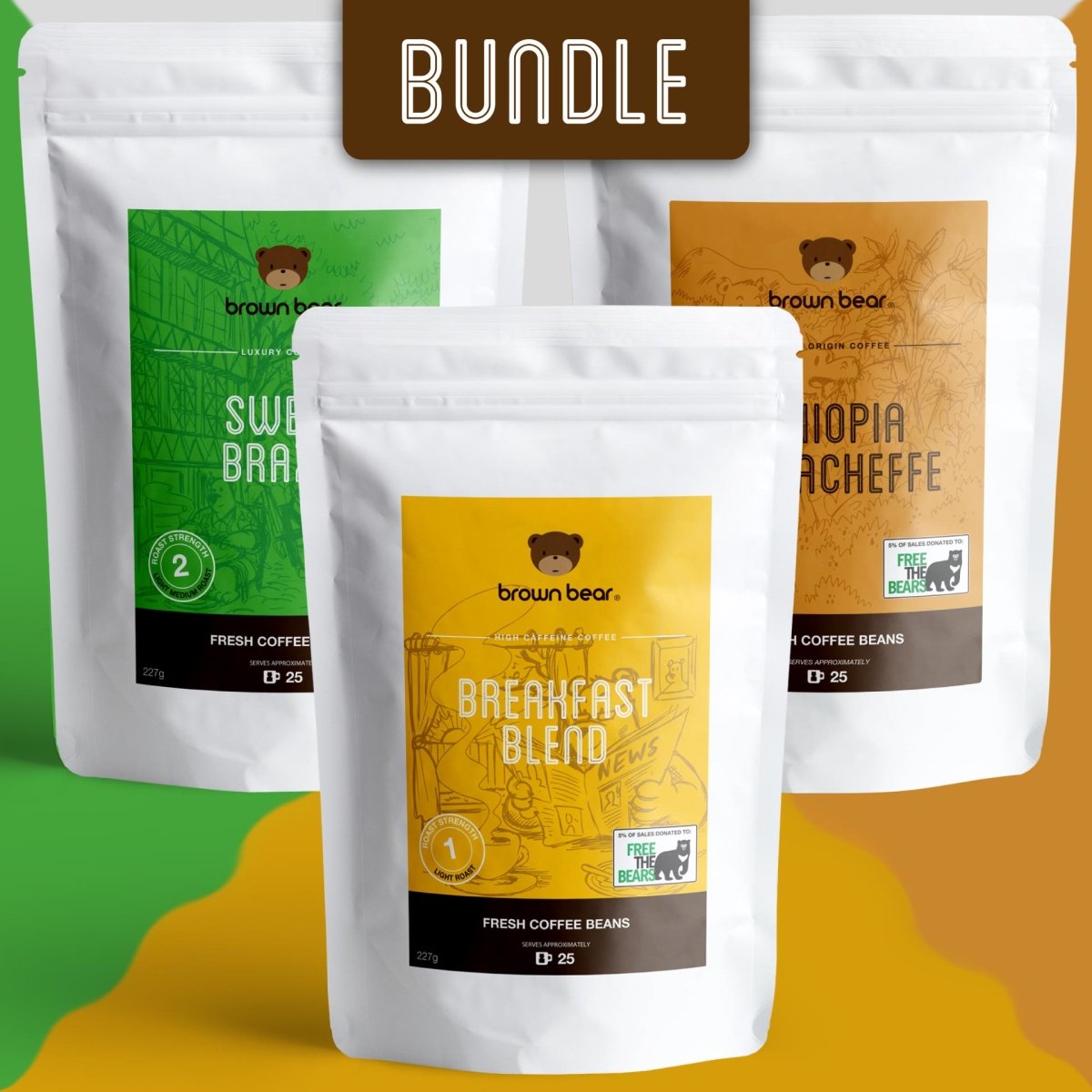
Light roast: bright, delicate and fruit-led
Light roasts keep more of the bean's original character in the cup. They can show floral aromas, citrus, red berries, stone fruit or tea-like sweetness. Ethiopian and Kenyan coffees are often a good fit if you enjoy these livelier, more distinctive flavours.
This style works particularly well as black coffee, where there is room to notice the detail. Filter brewing, pour-over and cafetière methods can bring out a light roast's sweetness and clarity. With milk, those finer notes can be harder to find, so a light roast is not always the easiest starting point for a large milky coffee.
Medium roast: balanced, smooth and versatile
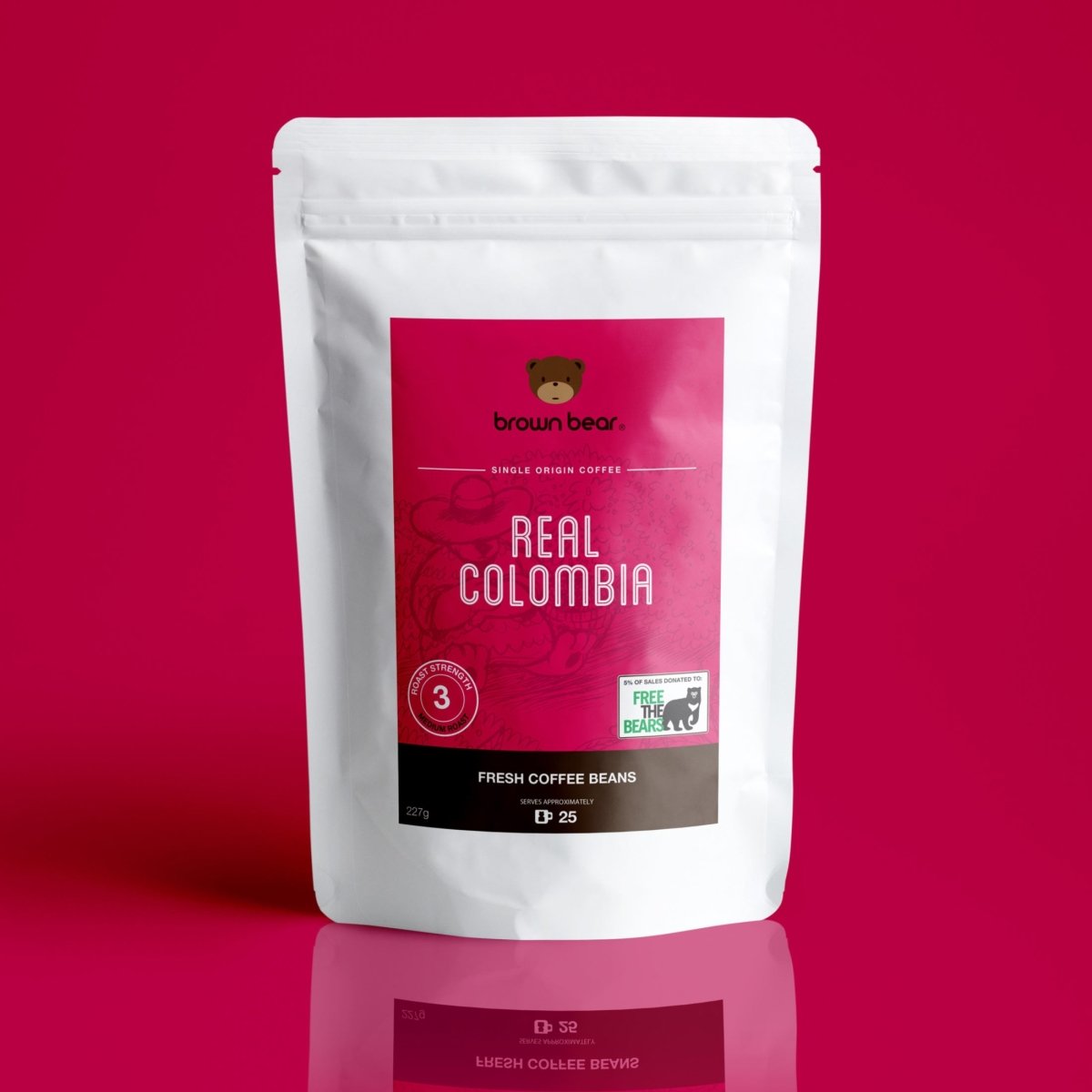
Medium roast is the everyday sweet spot for many households. It balances origin character with deeper roast flavours, giving you notes such as milk chocolate, toffee, roasted nuts and gentle fruit. Colombian, Guatemalan and Peruvian coffees often suit this profile beautifully, though every coffee is different.
If your routine includes a mix of black coffees, flat whites and weekend cafetières, medium roast is a sensible place to start. It is approachable without being bland, and it tends to work across several brew methods. It also makes choosing coffee for a shared kitchen much easier when everyone likes something slightly different.
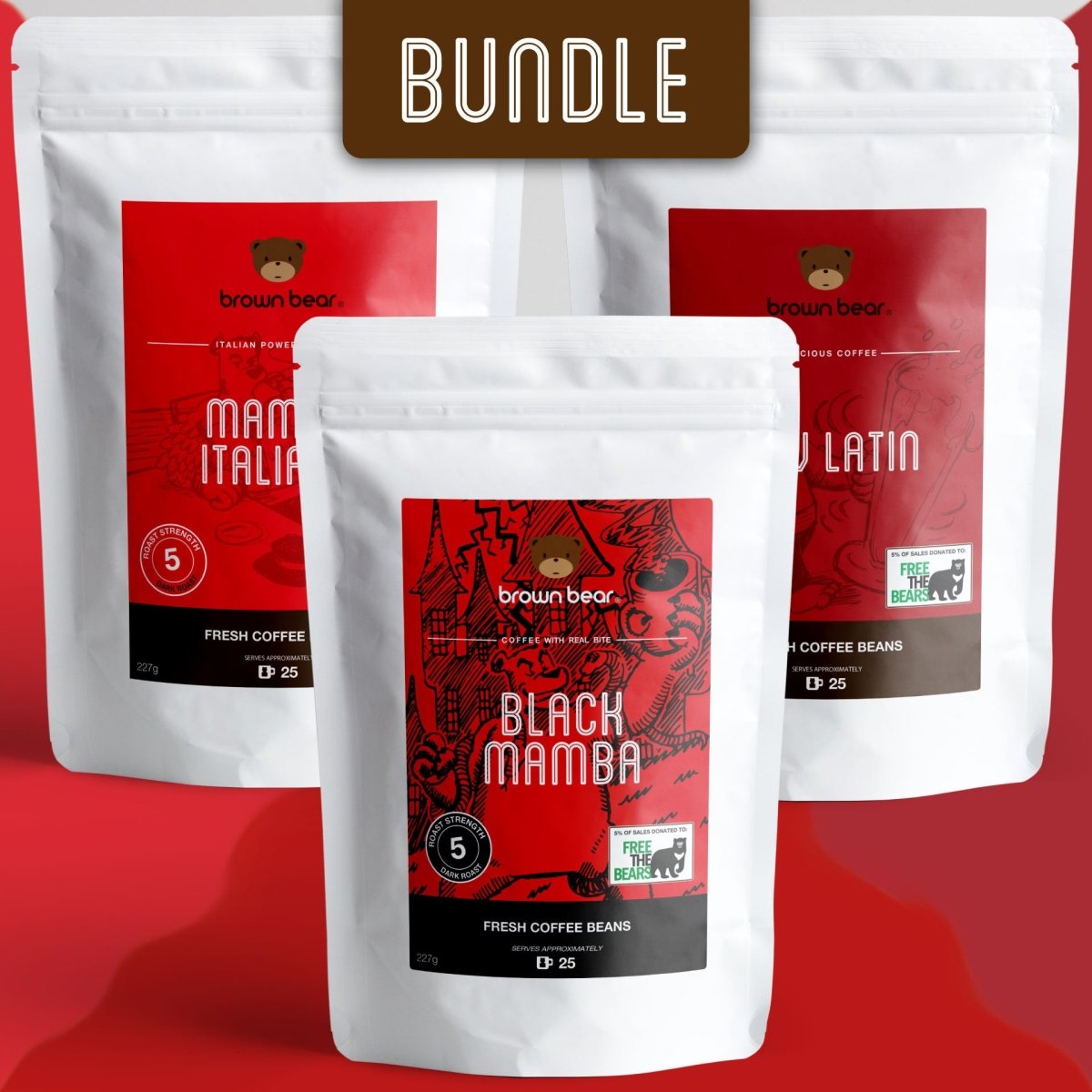
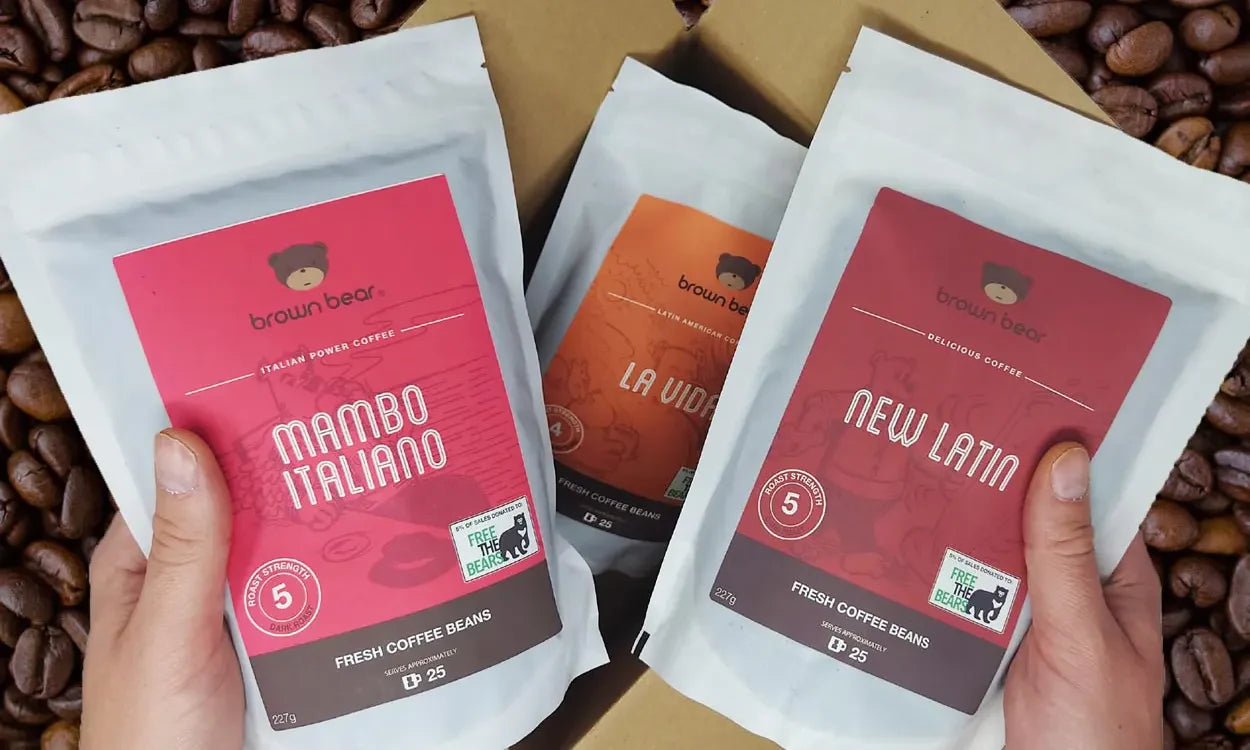
Dark roast: deep, bold and comfortingly familiar
Dark roast brings fuller body and more pronounced roast character. Expect dark chocolate, cocoa, toasted nuts, brown sugar and warming spice, with less of the bright fruit found in lighter coffees. It is a popular choice for espresso, moka pot and bean-to-cup machines because it stays present through milk.
A dark roast does not have to taste burnt or bitter. When roasted with care, it can be smooth, sweet and satisfyingly weighty. If you like a proper cappuccino, a strong cafetière after breakfast or a coffee that feels rich rather than sharp, dark roast is a strong bet.
Ultra-dark roast: intense and unapologetically powerful
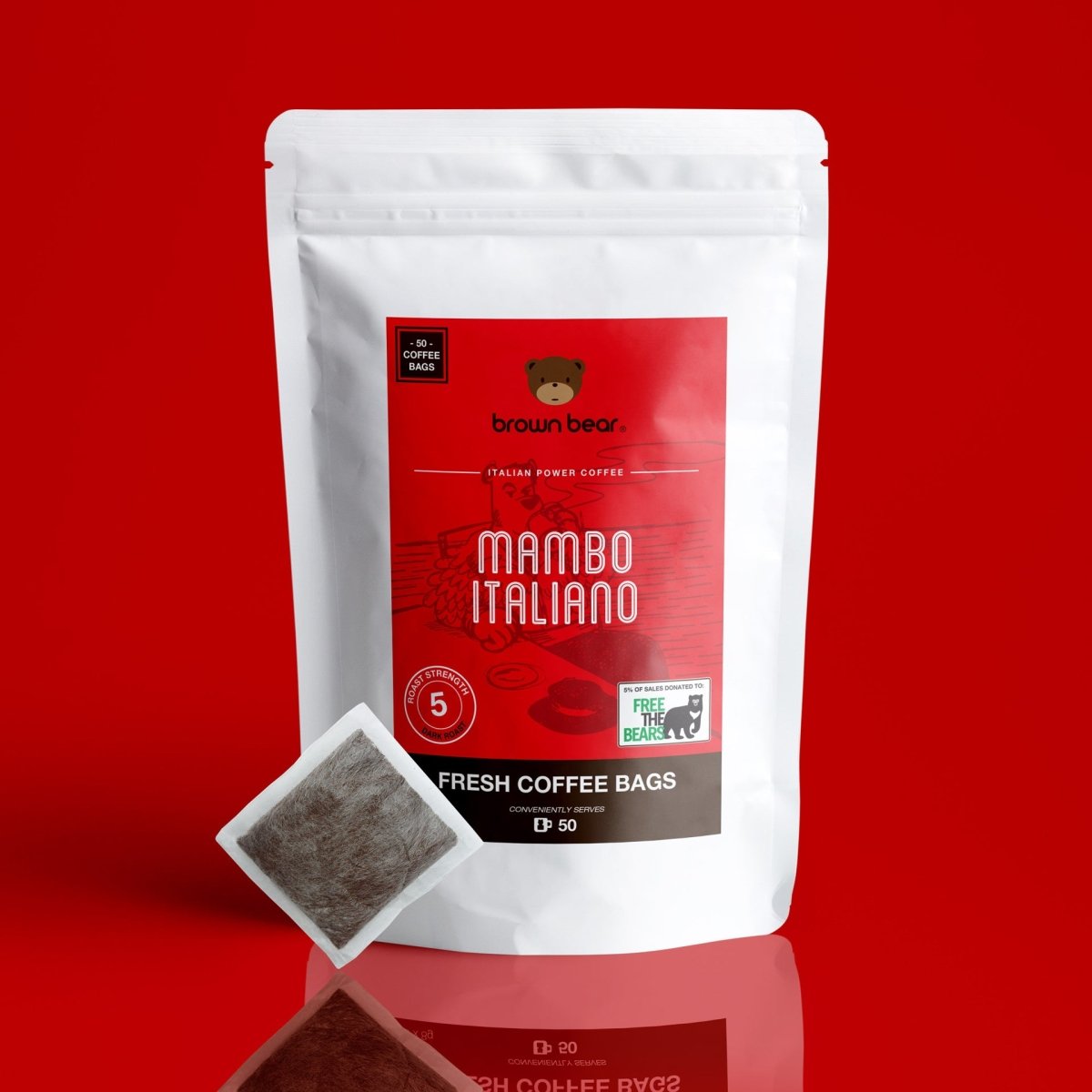
Ultra-dark roast is for drinkers who want maximum depth and a big, traditional coffee hit. The flavours lean towards dark cocoa, smoke, molasses and toasted sweetness, with a heavier body and little acidity. It is especially suited to people who take their coffee with milk, enjoy a short espresso, or simply want their first cup to mean business.
The trade-off is subtlety. An ultra-dark roast will not showcase delicate floral or fruity notes in the same way as a lighter coffee. That is not a flaw - it is a preference. Choose it when intensity matters more to you than fine detail.
Origin changes the flavour in your cup
Roast tells you the broad direction of a coffee, while origin can add the finer detail. Climate, altitude, soil and local processing all influence how a coffee tastes. You do not need to memorise every region, but a few useful patterns can make shopping more straightforward.
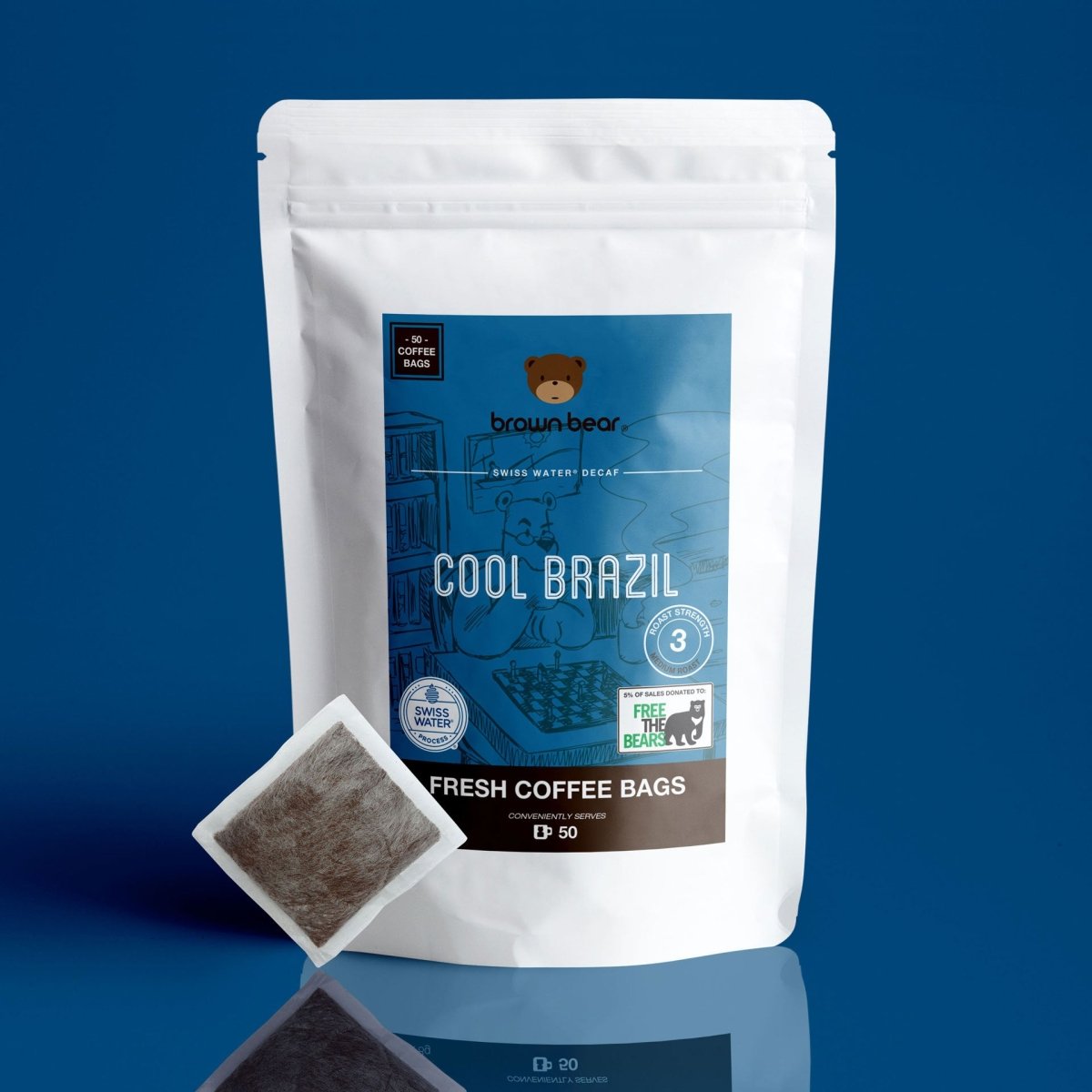
Brazilian coffees are often known for their low-acidity, nutty and chocolate-led character. They are a reliable option for smooth, easy-drinking coffee and milk-based drinks. Colombian coffee commonly offers balanced sweetness, caramel, cocoa and gentle fruit, making it a flexible choice for almost any daily brew.
Guatemalan coffees can bring a little more complexity, often combining chocolate or toffee with soft citrus and spice. Peruvian coffee is frequently mellow and sweet, with nut, cocoa and subtle fruit notes. These are excellent choices if you want a comforting cup that still has personality.
For brighter flavours, look towards East African origins. Kenyan coffee can be juicy and vibrant, sometimes with blackcurrant, citrus or berry-like notes. Ethiopian coffee may taste floral, tea-like or fruity, depending on how it has been processed. They can be brilliant black, but may not suit someone who wants a heavy, dark espresso.
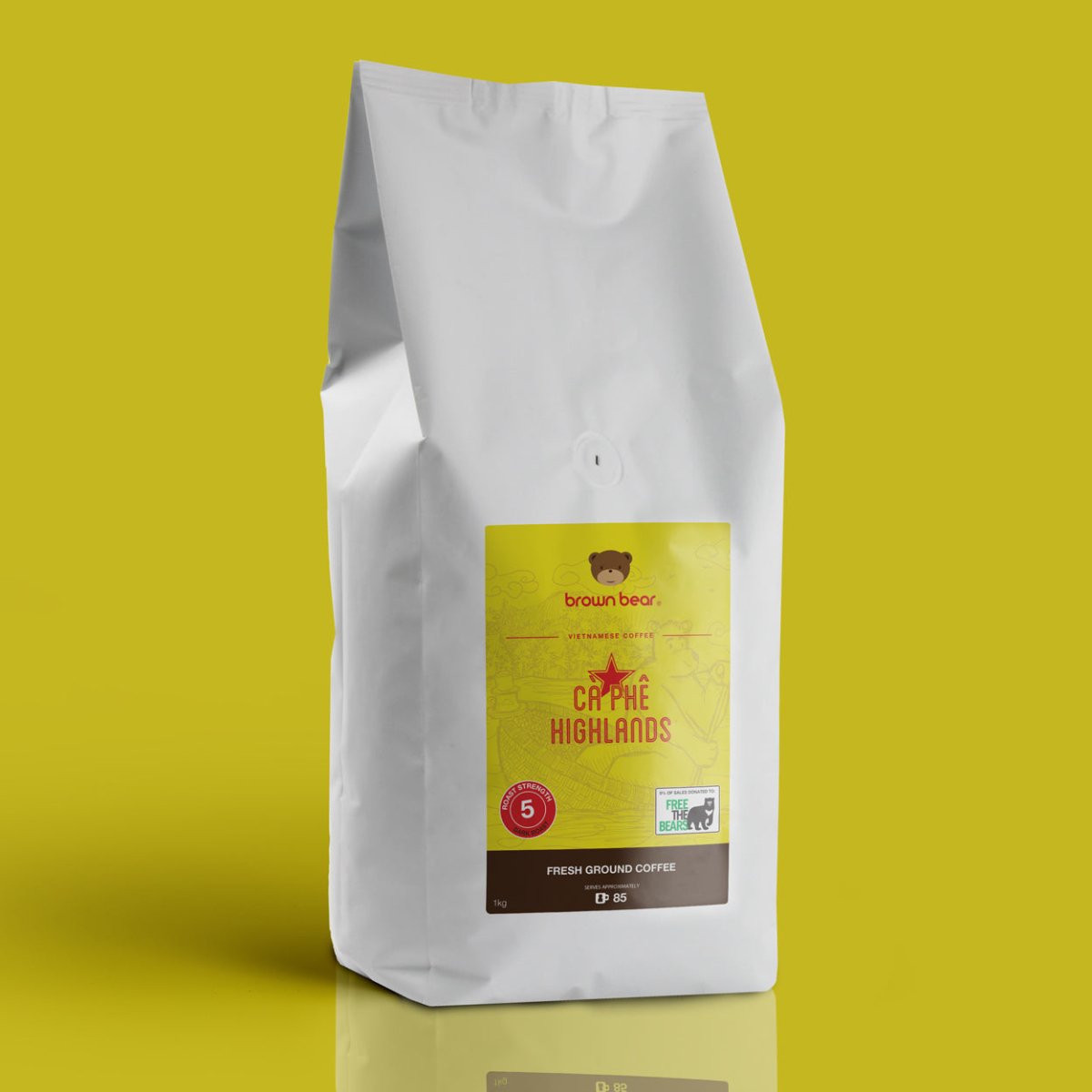
Vietnamese coffee often delivers a fuller body and more earthy, cocoa-like depth. It can be a great match for drinkers who enjoy bold flavours, especially with milk or a sweeter preparation. The best choice depends less on which origin is supposedly best and more on the cup you want this week.
Your brew method can change the profile
The same coffee can taste surprisingly different depending on how you make it. Espresso is concentrated, so it brings out body, sweetness and intensity. It is ideal for medium to dark roasts and anyone who enjoys a short, punchy coffee or milk-based drinks.
A cafetière creates a fuller, more textured cup because its metal filter lets through some of the coffee's natural oils. It suits rounded chocolate, nut and caramel profiles particularly well. Filter methods tend to make flavours feel cleaner and more defined, which is why they are a lovely match for lighter roasts and fruit-led coffees.
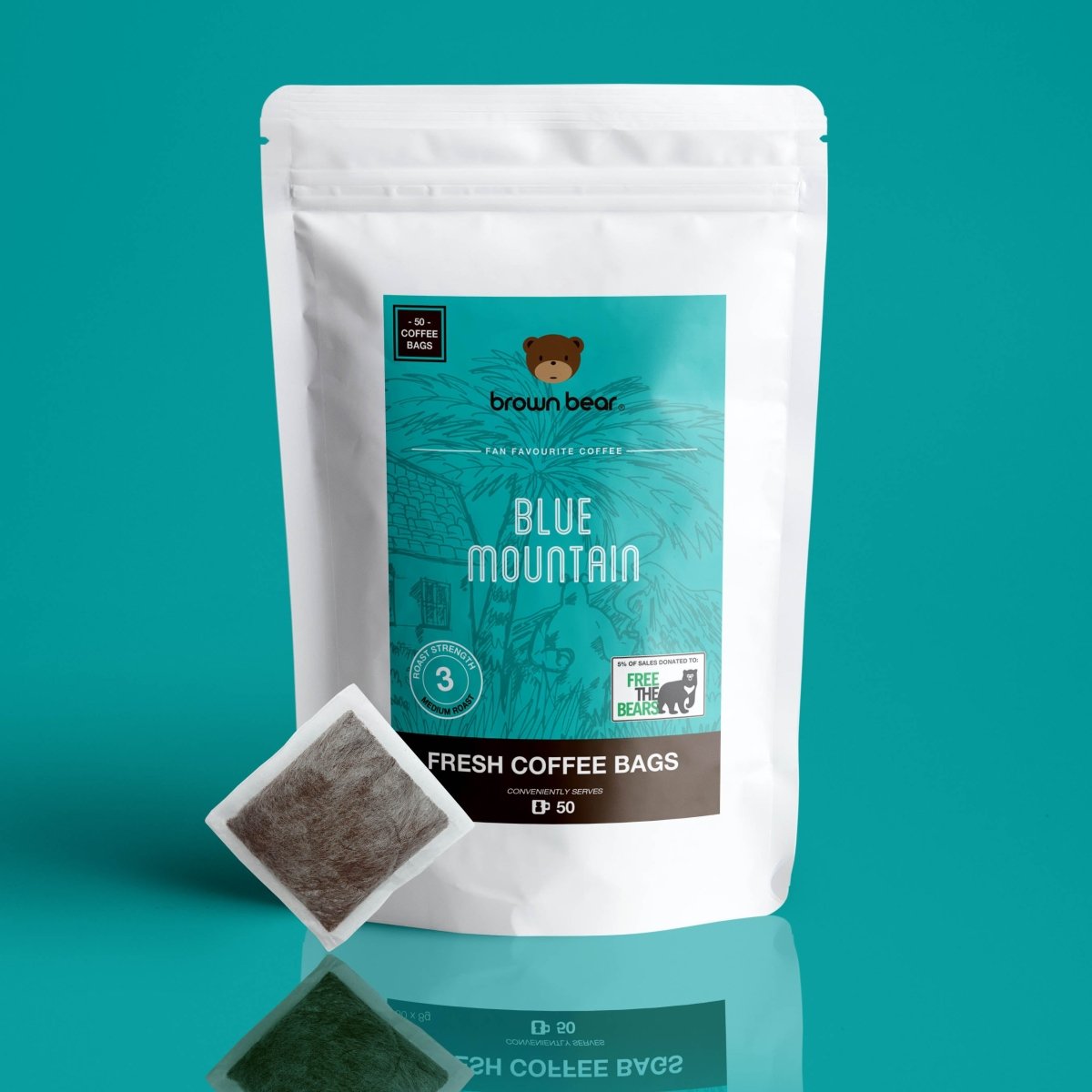
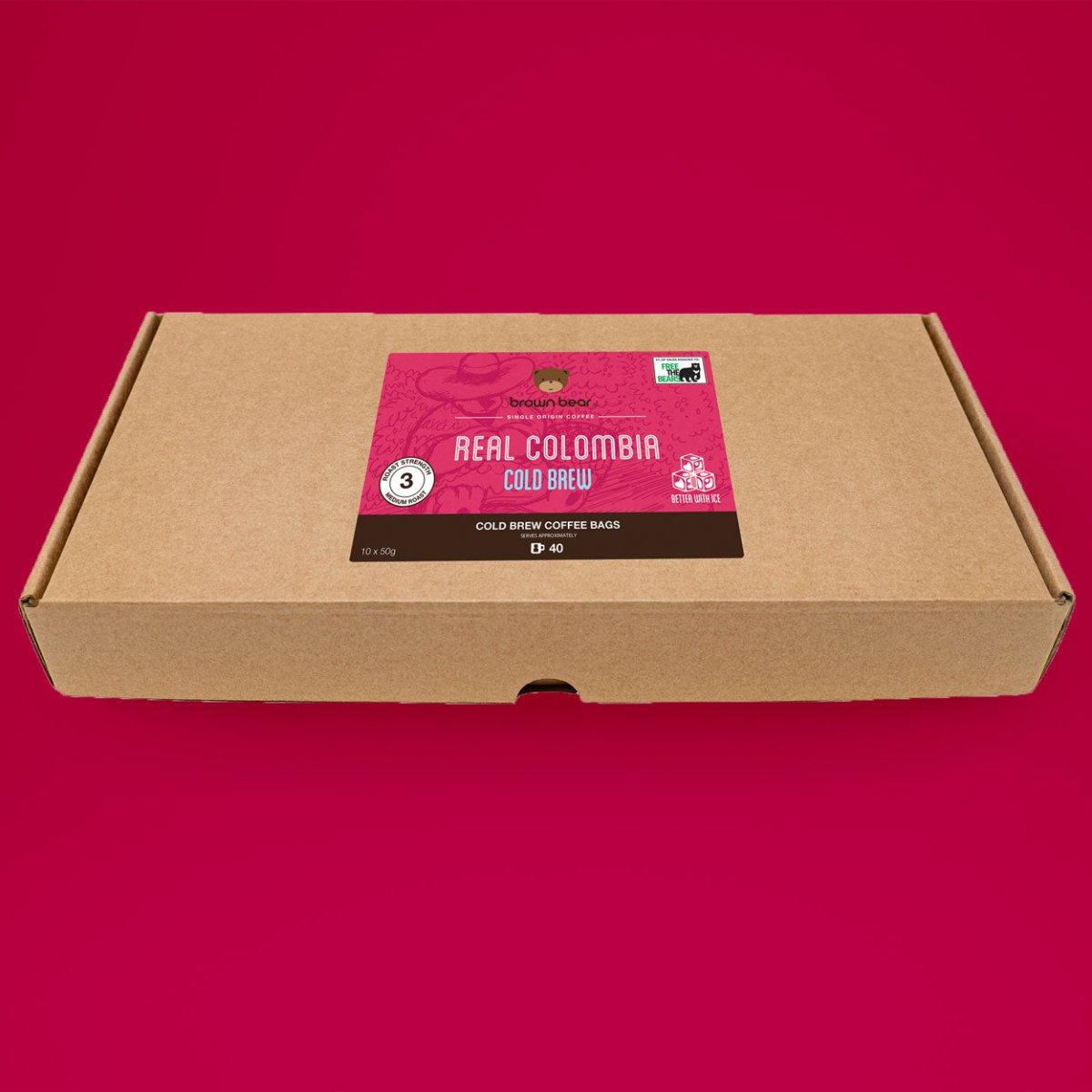
Coffee bags offer an easy middle ground for busy days, the office or travel. They are simple to brew and can still deliver plenty of flavour, especially if you let them steep for the recommended time. Cold brew changes the picture again: brewed slowly with cold water, it often tastes smooth, sweet and low in perceived acidity. A dark or medium-dark coffee can become almost chocolatey over ice.
How to find your favourite profile
Start with the coffee you already enjoy. If you usually order a latte and like it rich, try a medium-dark or dark roast with chocolate and caramel notes. If you drink black coffee and want something fresher, choose a light or medium roast with fruit or floral notes. If you want a dependable all-rounder, look for a medium roast with nutty, toffee or cocoa flavours.
Then make one change at a time. Try the same roast from a different origin, or keep the origin similar and move one step lighter. This makes it much easier to understand what you are tasting than buying four wildly different coffees at once.
Pay attention to the finish as well as the first sip. Does the coffee leave a dry, bitter taste, a sweet cocoa note, or a bright fruity lift? Do you reach for milk straight away, or enjoy it black? Those small reactions tell you more about your preferences than any complicated tasting sheet.
At Brown Bear, choosing by roast, strength and flavour direction keeps the process simple, whether you are stocking up on whole beans, choosing ground coffee or sending a coffee gift. Once you know the flavours you return to, a flexible subscription can also take one more daily decision off your hands.
Your favourite coffee profile is allowed to change with the weather, your brew method and even the time of day. Keep a familiar bag for easy weekday cups, then add something brighter or bolder when you fancy a change. Good coffee should feel like a small daily treat, not a test you have to pass.

