
















That first coffee of the day does more than make an early meeting feel manageable. The health benefits of coffee have been studied for decades, and the picture is encouraging: for most adults, moderate coffee drinking can sit comfortably within a healthy lifestyle. It is not a miracle drink, and it cannot make up for poor sleep or an unbalanced diet. But a well-made cup brings more to the table than a welcome burst of flavour and focus.
The useful question is not whether coffee is ‘good’ or ‘bad’. It is how much you drink, how your body responds, and what goes into the cup. Black filter coffee and a large syrup-heavy drink are not quite the same daily habit.
Health benefits of coffee: the evidence in plain English
Coffee is naturally packed with bioactive compounds, including polyphenols such as chlorogenic acids. These act as antioxidants, helping to counter oxidative stress in the body. Antioxidants are also found in fruit, vegetables, nuts and tea, so coffee is best seen as one helpful contributor rather than a shortcut to good health.
Large population studies have repeatedly found that regular coffee drinkers tend to have lower rates of several long-term health conditions than non-drinkers. Research has linked moderate coffee intake with a lower risk of type 2 diabetes, liver disease and some forms of cardiovascular disease. There is also evidence of a lower risk of Parkinson’s disease and certain liver cancers.
That wording matters: these studies show an association, not a guarantee. Coffee drinkers may have other habits that affect their health, and individuals respond differently to caffeine. Still, when results appear consistently across large groups of people, it is fair to say that moderate coffee consumption is unlikely to be something most healthy adults need to fear.
Better alertness, attention and reaction time
The most immediate benefit is caffeine. It temporarily blocks adenosine, a chemical that helps make us feel sleepy. That is why coffee can improve alertness, concentration and reaction time, particularly when you are tired.
For home workers, commuters and busy parents, this can be genuinely useful. A morning brew may help you settle into focused work, while a carefully timed afternoon coffee can make the post-lunch dip less of a struggle. The key word is carefully. Caffeine stays in the system for hours, so a late cup can easily interfere with the sleep that tomorrow’s energy depends on.
A possible boost for physical performance
Caffeine can also make exercise feel more manageable. It may improve endurance, perceived effort and concentration during training, which is why it appears in many sports nutrition products. You do not need a complicated pre-workout routine to make use of it. A coffee before a run, ride or gym session may be enough if it suits your stomach and does not leave you jittery.
Strength matters less than timing here. A bold dark roast can taste powerful, but roast colour alone does not reliably tell you how much caffeine is in the cup. Serving size, brew method and how much coffee you use all play a part.
Coffee and liver health
Of all the potential health benefits of coffee, liver health is among the strongest areas of research. Regular coffee drinking is associated with lower risks of chronic liver disease, liver scarring and liver cancer. Both caffeinated and decaffeinated coffee have shown benefits in observational research, suggesting caffeine is not the whole story.
This does not turn coffee into treatment for liver problems. Anyone with a diagnosed condition should follow advice from their clinician. It is, however, reassuring news for people who simply enjoy a daily coffee ritual.
How much coffee is sensible?
For most healthy adults, up to 400mg of caffeine a day is generally considered safe. That works out at roughly three to four standard cups of brewed coffee, though the real amount can vary widely. A small espresso, a large cafetière mug and a cold brew can all contain very different amounts of caffeine.
During pregnancy, UK guidance advises limiting caffeine to 200mg a day. This total includes tea, cola, energy drinks, chocolate and some medicines, not only coffee. If you are breastfeeding, have high blood pressure, an irregular heartbeat, anxiety, reflux, or take regular medication, it is sensible to ask a healthcare professional what amount is right for you.
Your own signals count too. If coffee causes a racing heart, shaky hands, headaches, anxiety, stomach discomfort or poor sleep, cutting back is a practical move, even if your intake looks moderate on paper. Decaf is a useful option when you want the familiar flavour and routine without much caffeine. It is not usually completely caffeine-free, but it contains far less than regular coffee.
The brew method and what you add both matter
Coffee’s benefits can get lost when a daily cup becomes a dessert in disguise. A spoonful of sugar or a splash of milk can absolutely have a place in a balanced diet, especially if it helps you enjoy your coffee. The issue is frequency and quantity. Several pumps of syrup, whipped cream and large portions can add significant sugar and calories without making the coffee itself more nourishing.
For an everyday cup, try enjoying good coffee black, with a little milk, or with an unsweetened plant-based alternative. Choosing a coffee with flavour you genuinely like makes this easier. A smooth medium roast may work beautifully with milk, while a fruitier light roast can be enjoyable black. There is no health prize for drinking a style you do not like.
Brewing method is worth considering too. Unfiltered coffee, such as coffee made in a cafetière, contains natural compounds called cafestol and kahweol. In larger amounts, these can raise LDL cholesterol for some people. Paper-filtered coffee removes most of them. If you have been advised to manage high cholesterol and drink several cafetière coffees a day, switching some cups to filter coffee may be a sensible small change.
Cold brew can taste naturally smooth and less acidic, which some people find gentler on the stomach. But acidity is only one part of digestive comfort. Caffeine itself can trigger reflux or bowel urgency in sensitive people, whatever the brew style.
Getting the best from your coffee routine
A healthy coffee habit is usually a simple one. Enjoy it earlier in the day, drink water alongside it, and avoid using caffeine to repeatedly cover up inadequate sleep. Coffee can support focus, but it cannot replace rest.
Try to leave at least six hours between your final caffeinated cup and bedtime. Some people need longer, particularly if they are sensitive to caffeine. If you sleep badly but cannot imagine giving up an afternoon brew, choose decaf after lunch or make the second cup smaller.
It is also worth paying attention to the reason you reach for coffee. Drinking it because you enjoy the aroma, flavour and pause in your day is very different from relying on it to push through exhaustion. The former is a sustainable ritual. The latter is a sign to look at your workload, sleep or stress levels.
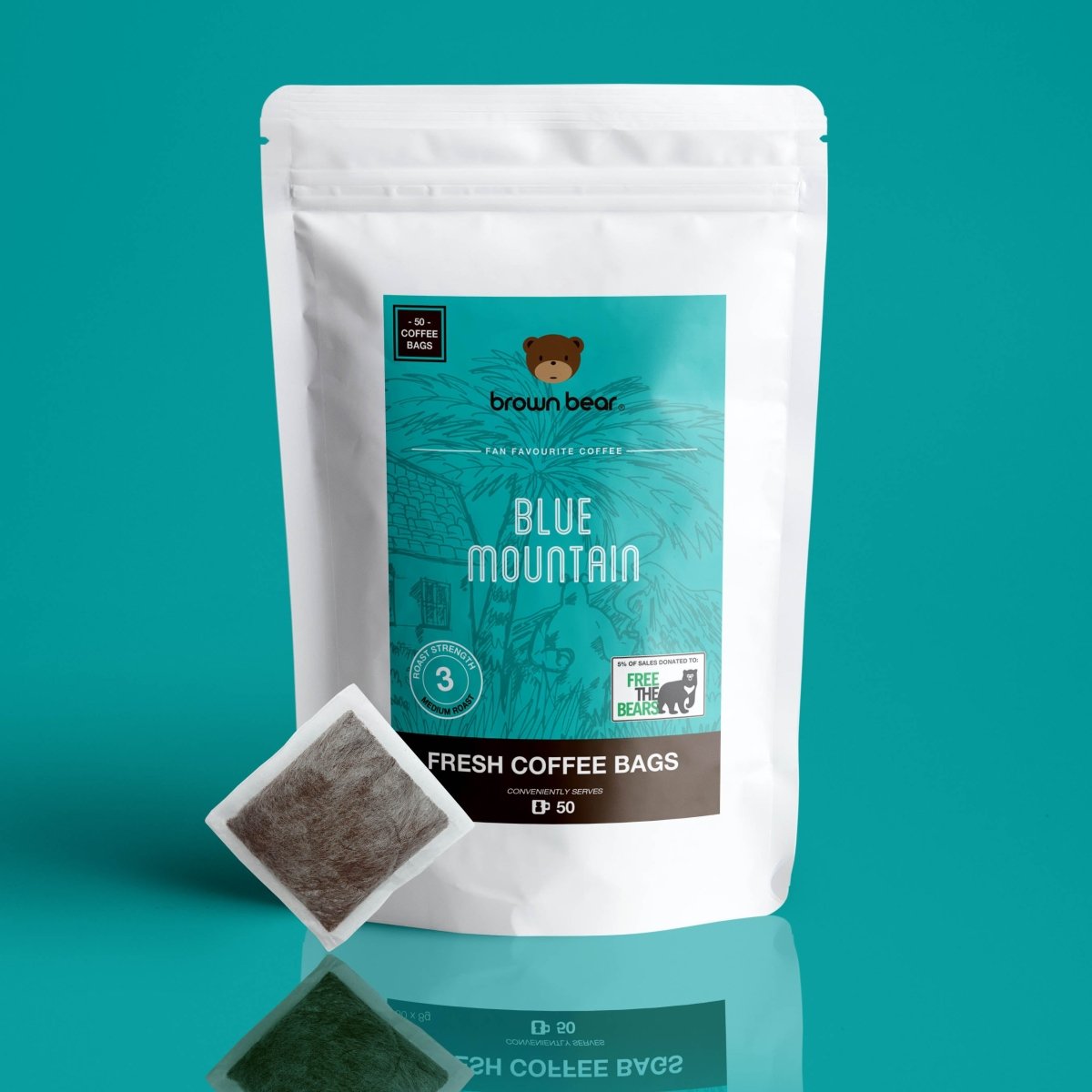
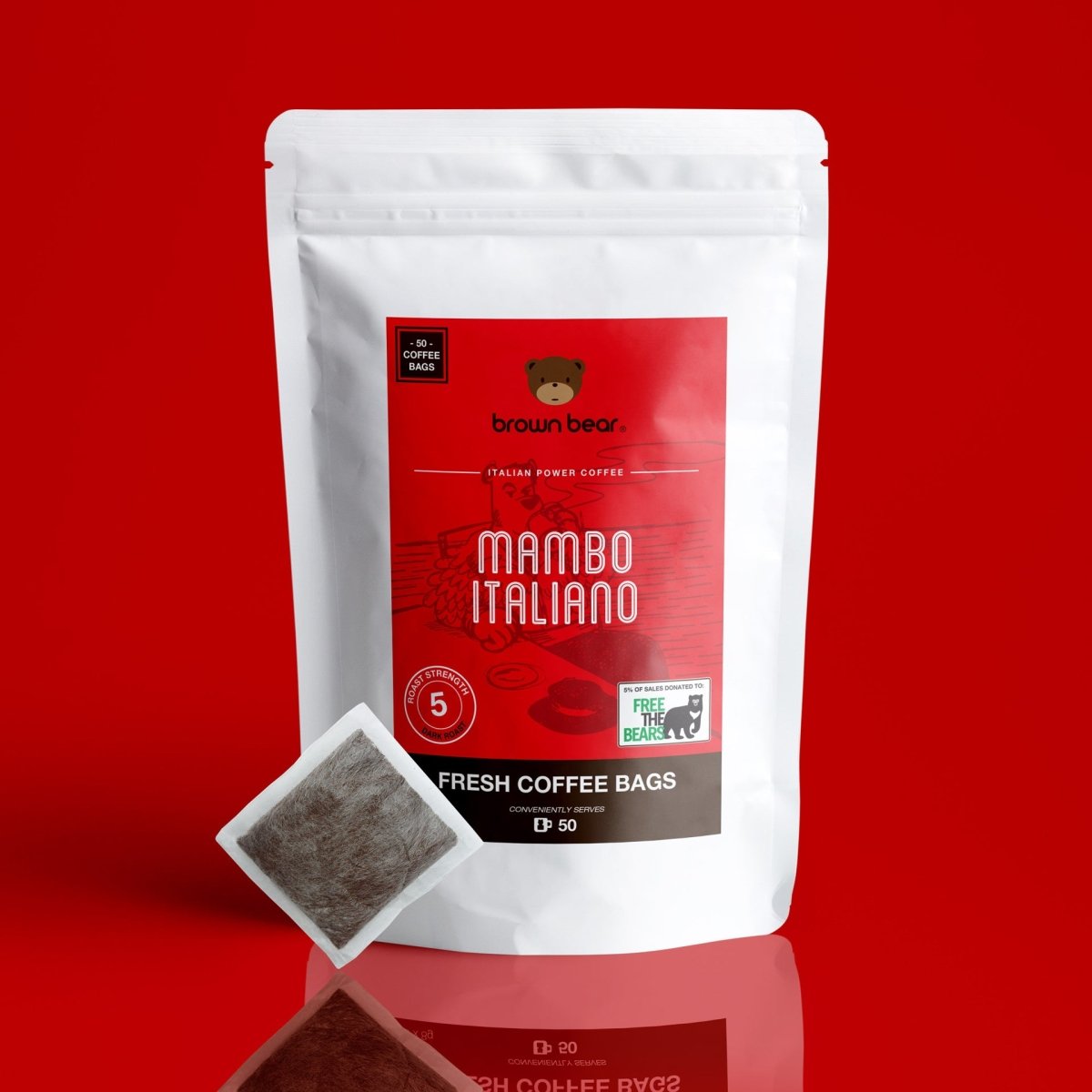
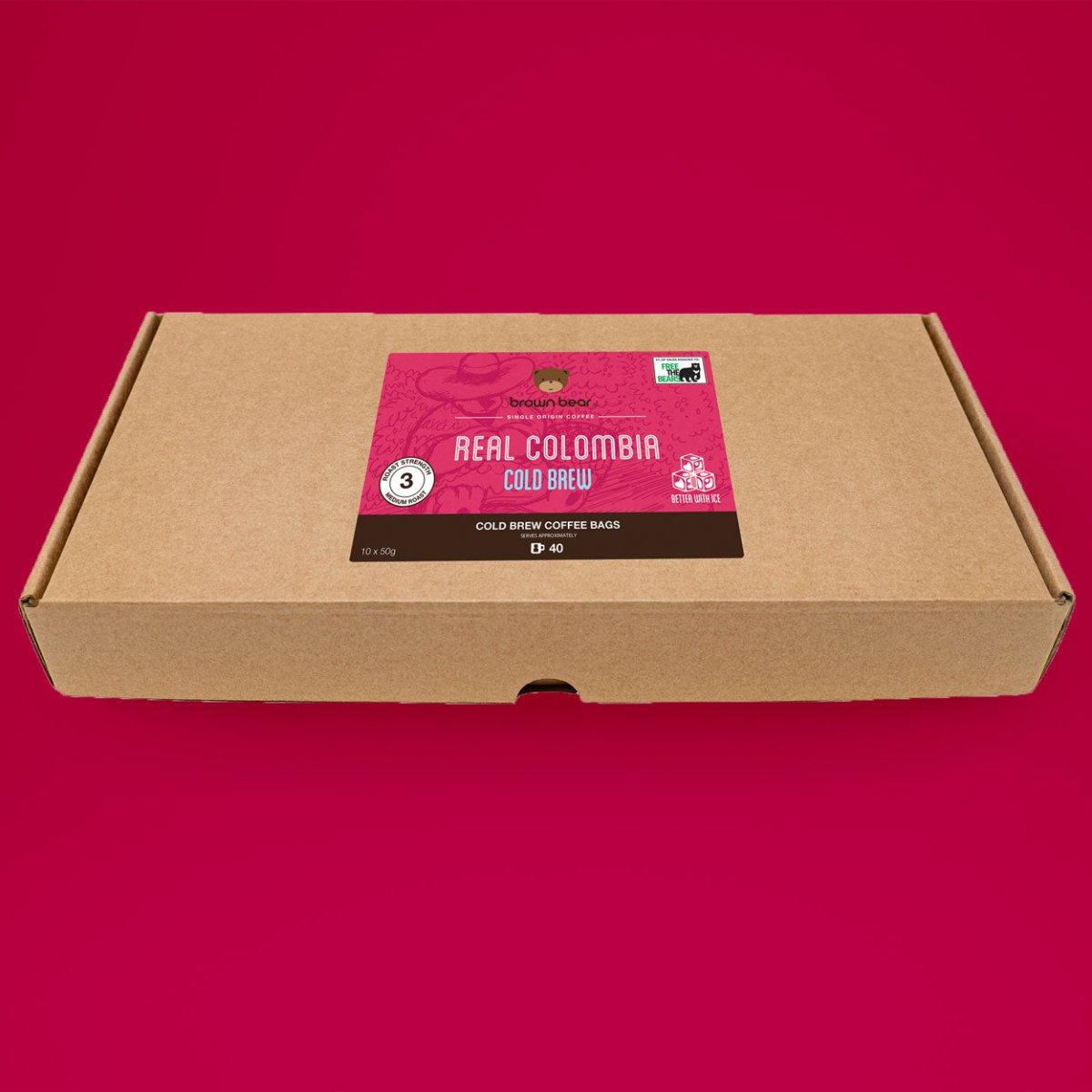
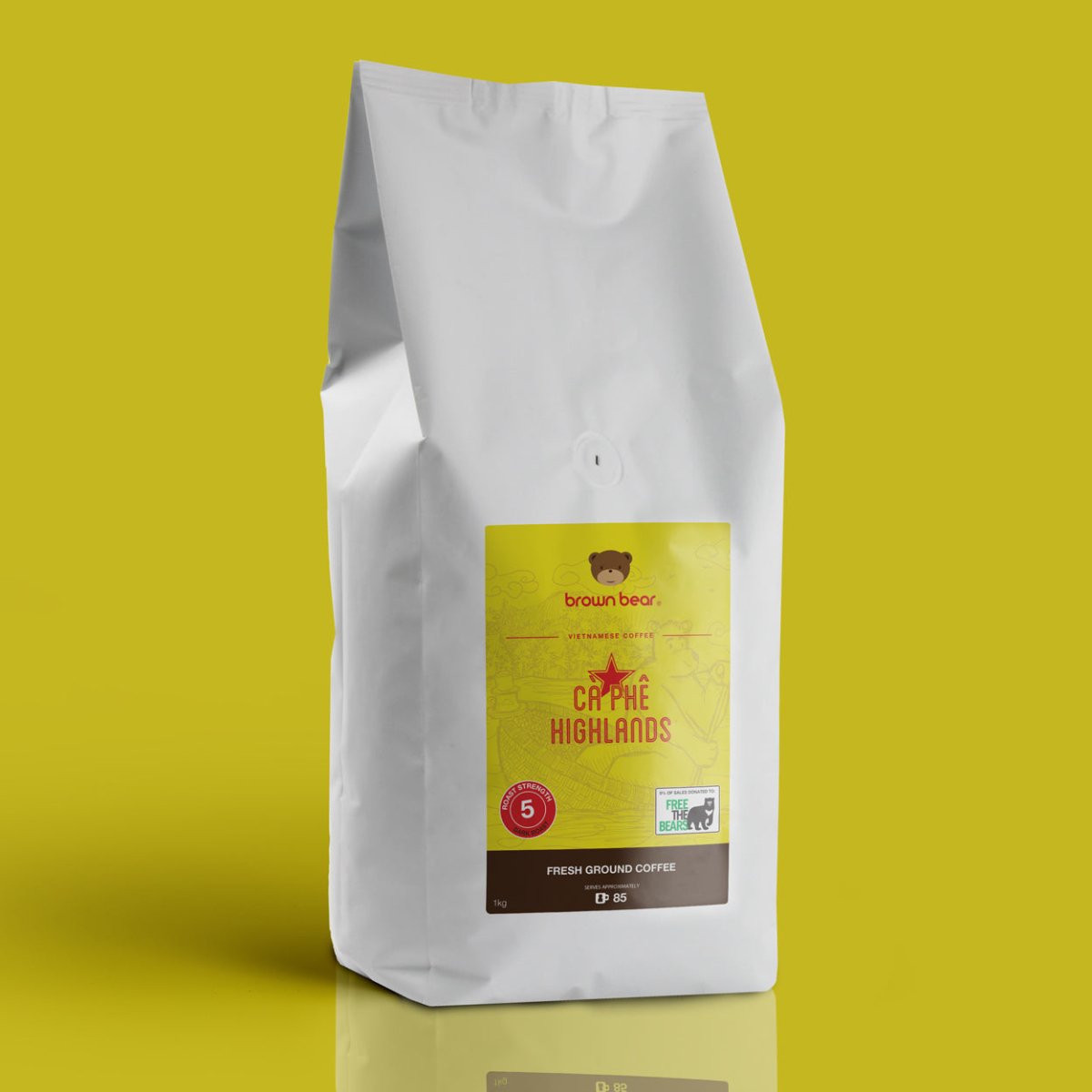
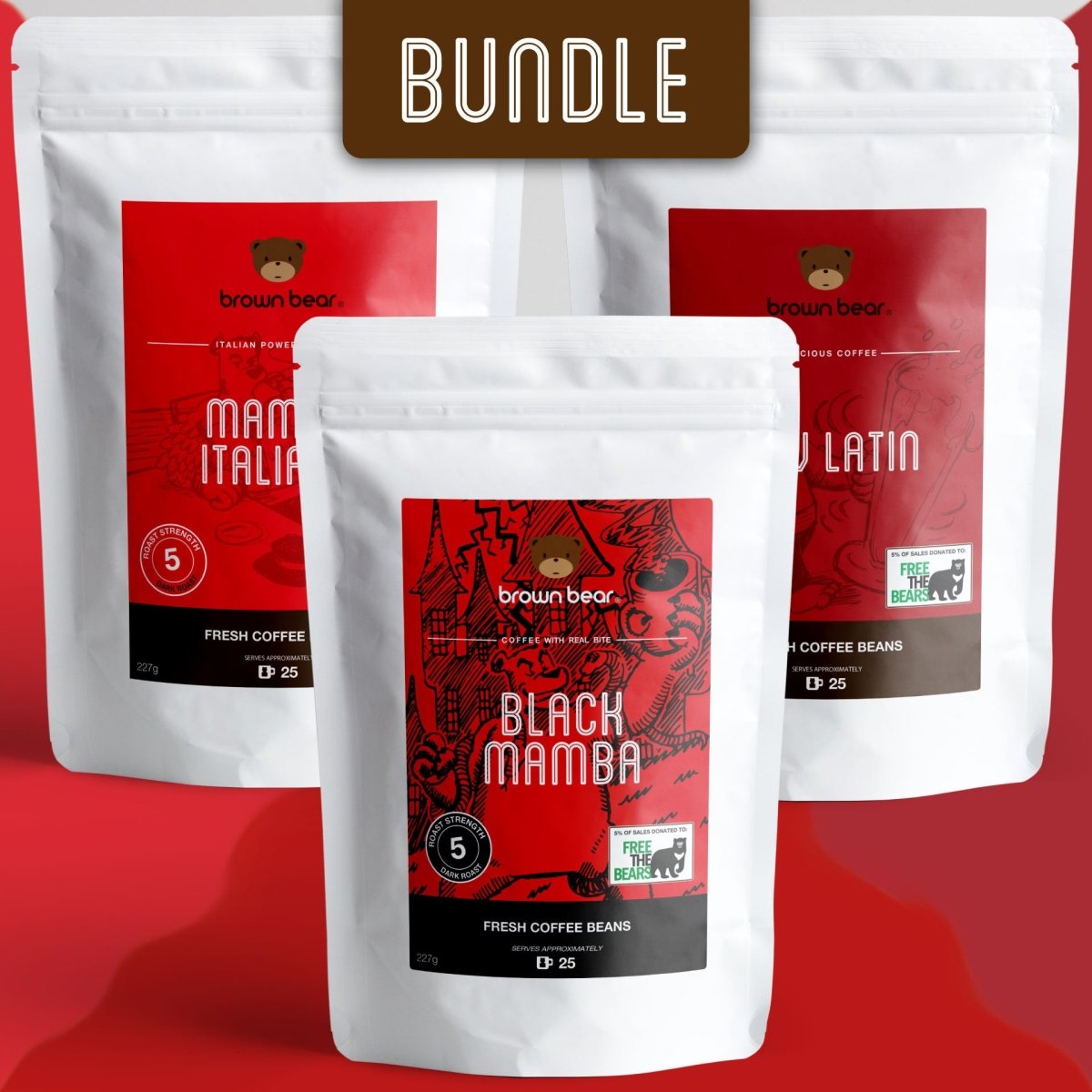
Good coffee helps because it makes the simple version appealing. Freshly roasted beans or ground coffee, brewed in a way that suits your morning, need very little added to feel like a treat. Brown Bear’s range of roast levels makes it easy to find a daily cup that works black, with milk, or as a chilled cold brew without overcomplicating the choice.
When coffee may not suit you
Coffee is not for everyone, and that is fine. Some people are genetically more sensitive to caffeine. Others find that it worsens anxiety, insomnia, migraines or digestive symptoms. Children and teenagers should be especially cautious with caffeine, particularly highly caffeinated energy drinks.
If you suddenly develop palpitations, chest pain, fainting, severe anxiety or persistent sleep problems, do not assume coffee is the only cause. Seek medical advice. Similarly, if you are changing your caffeine intake because of a health condition or medication, a pharmacist or GP can offer guidance tailored to you.
There is no need to force yourself to drink coffee for potential health gains. The evidence supports coffee as an enjoyable part of a healthy routine for many people, not as a requirement for everyone. Make your next cup one you look forward to, brew it at a time that supports your sleep, and let good flavour do most of the work.

