


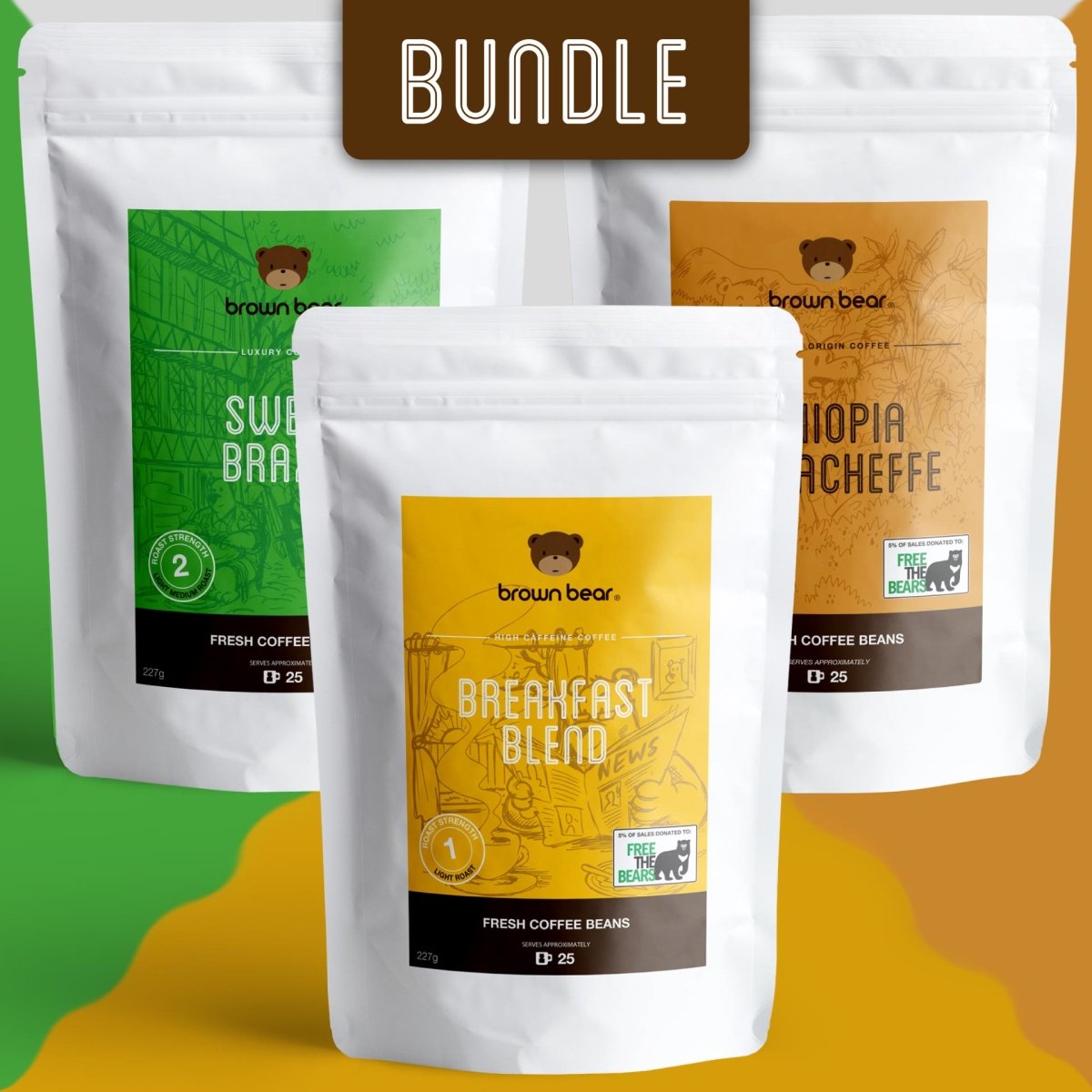
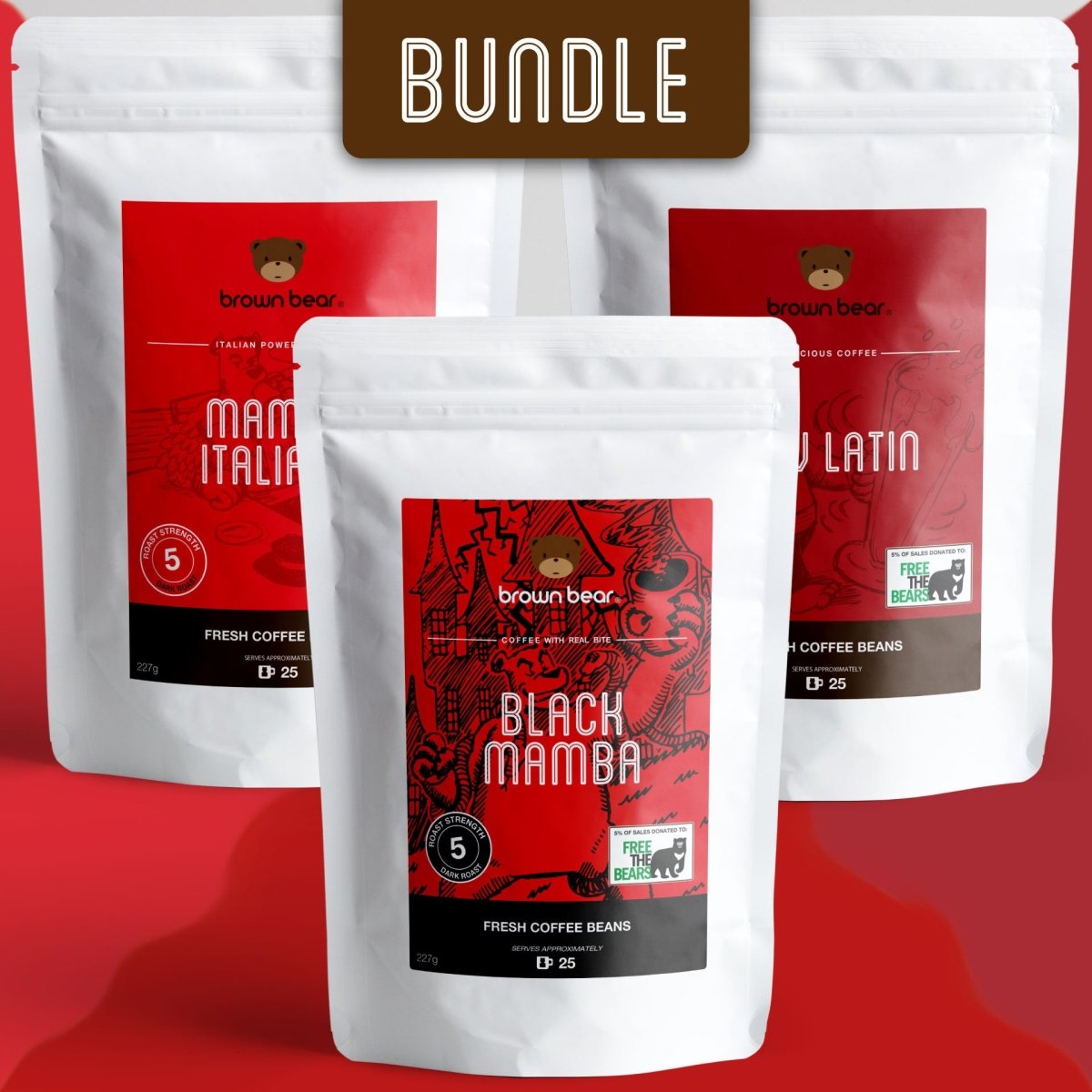
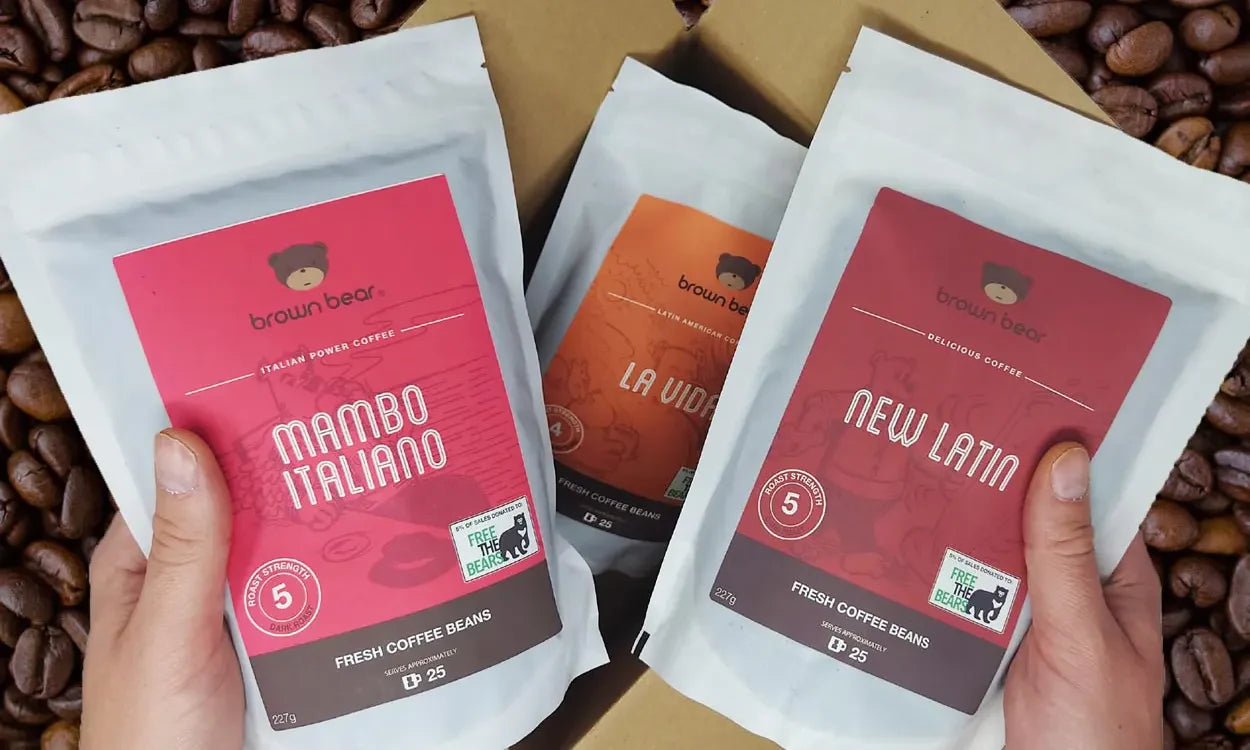







A good coffee machine cannot rescue stale coffee, rushed measurements or water that has sat boiling for ten minutes. The encouraging bit is that home brewing does not require a barista course or a worktop full of expensive kit. A few sensible choices can make the difference between a merely hot cup and one you genuinely look forward to.
The best method is usually the one you will use on a busy Tuesday morning. Start with coffee you enjoy, match the grind to your brewer, and keep your routine repeatable. Once that is in place, small adjustments become easy - and your daily coffee becomes far more dependable.
Home brewing starts with the coffee
Freshly roasted coffee brings more aroma, sweetness and character to the cup. Buy an amount you can get through while it is tasting its best, store it in a cool, dry cupboard, and keep the bag or container properly sealed. Avoid the fridge and freezer for coffee you reach for every day: repeated changes in temperature can introduce moisture and dull the flavour.
Whole beans give you the most control because you can grind only what you need. That said, pre-ground coffee is a perfectly practical choice when convenience matters. The key is choosing the right grind for your brewer. A cafetière needs a coarse grind, filter methods tend to suit medium to medium-fine coffee, and espresso needs a fine grind. If the grind is wrong, even a coffee you love can taste disappointing.
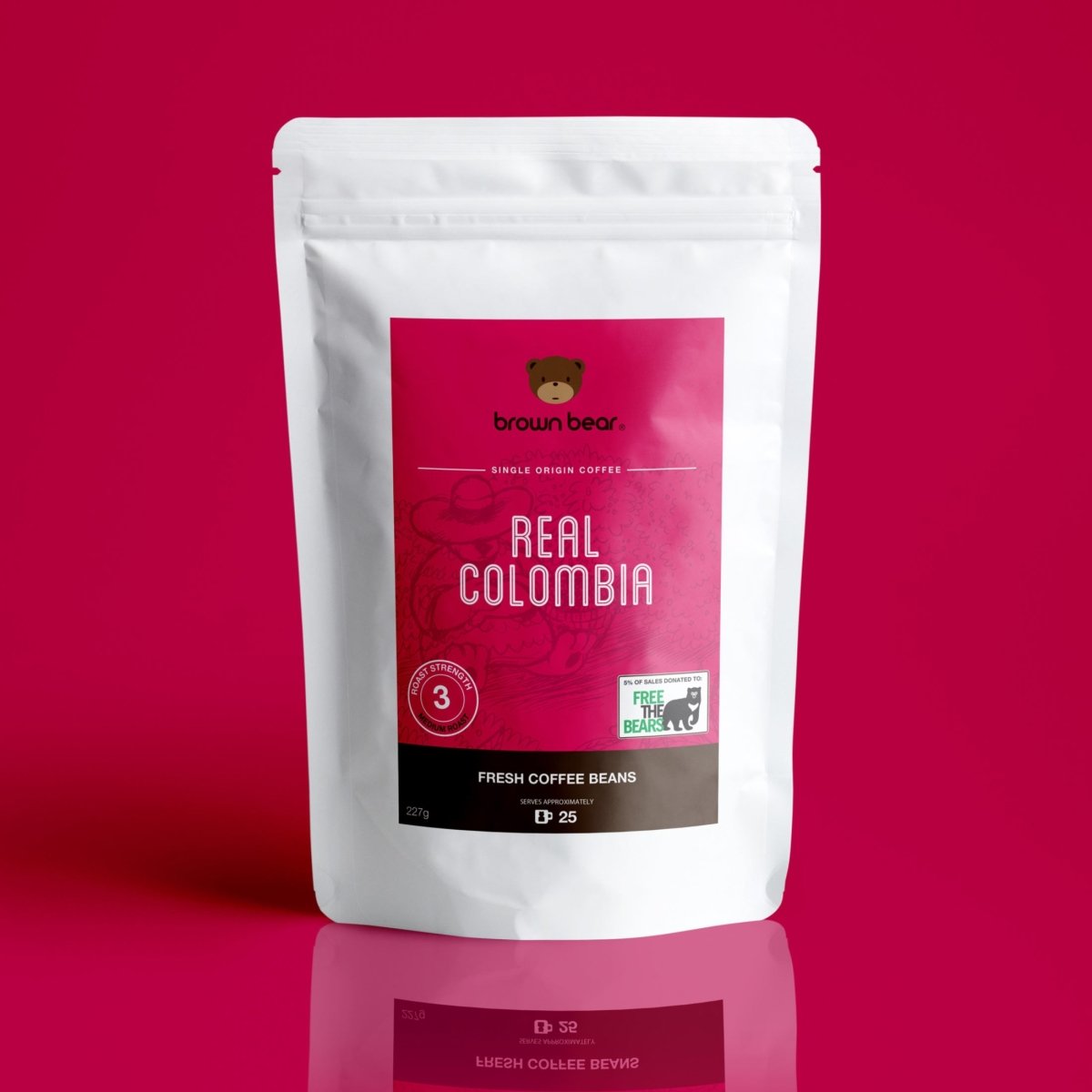
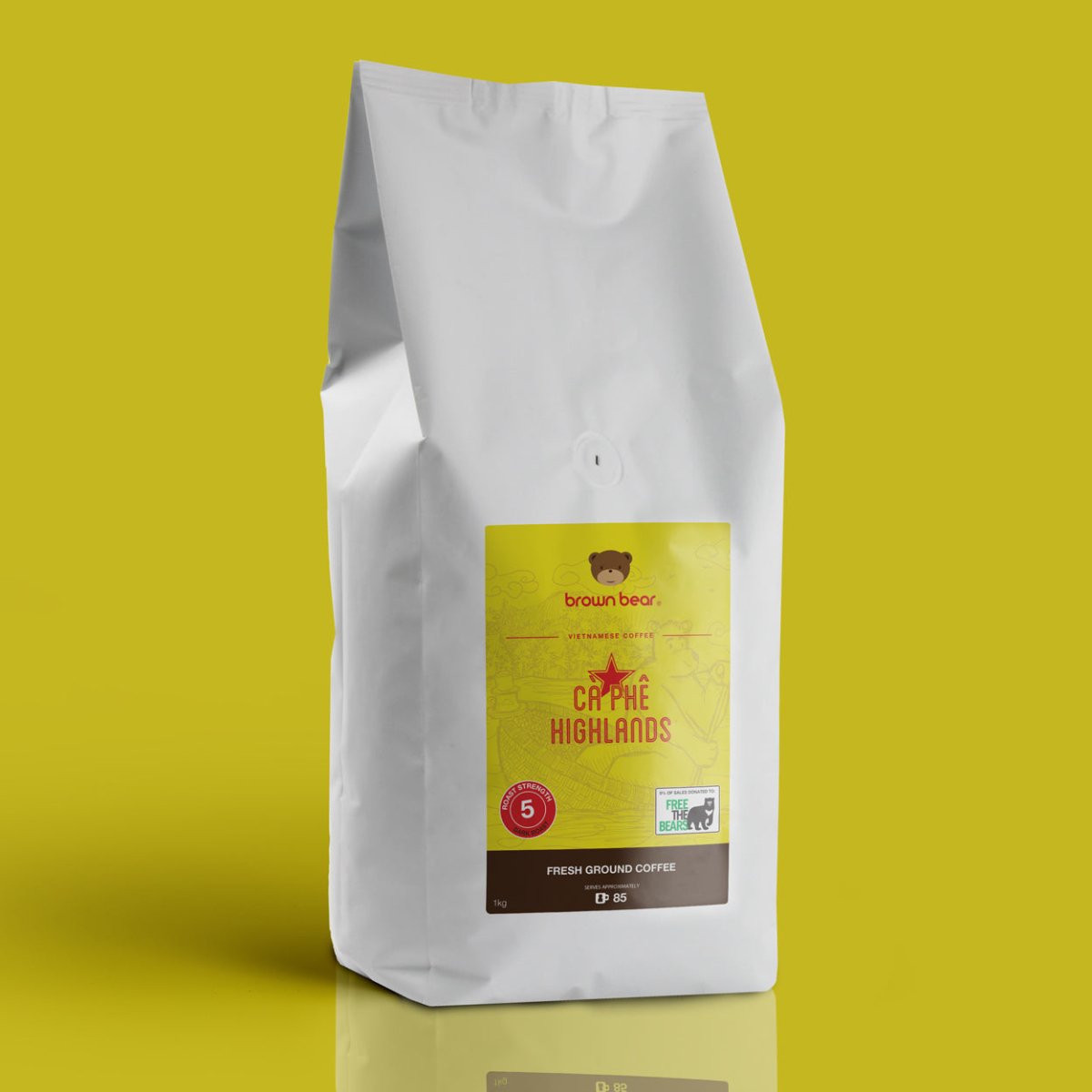
Roast choice matters too, but there is no single correct answer. Light roasts often bring brighter fruit and floral notes, especially from origin-led coffees such as Kenya or Ethiopia. Medium roasts are balanced and versatile, making them an easy fit for filter coffee, cafetière brewing and everyday black coffee. Dark and ultra-dark roasts offer deeper cocoa, toasted and bold flavours that stand up particularly well to milk.
If you usually add milk, do not feel you have to choose a lighter roast because somebody says it is more complex. Choose the coffee that tastes great in your mug. A powerful dark roast can be exactly right for a flat white-style coffee at home, while a smooth medium roast may be your favourite for a slower weekend filter.
Get the ratio right before changing anything else
Coffee brewing gets much easier when you stop relying on scoops alone. A small digital scale is one of the most useful additions to a home set-up, and it need not be fancy. It helps you repeat a cup you loved and understand why a cup you did not love went wrong.
A dependable starting point for filter coffee is 60g of coffee per litre of water. For one generous 300ml mug, that works out at around 18g of coffee. Prefer a stronger cup? Try 20g before changing the grind. Want something lighter? Try 16g or 17g. Make one adjustment at a time so you can taste what has changed.
For a cafetière, use the same starting ratio and steep for around four minutes. For espresso, recipes vary more by machine and basket size, but a useful place to begin is roughly 18g of ground coffee in and 36g of espresso out. That is not a rule carved in stone. Different beans, roast levels and taste preferences will shift the ideal point.
Water deserves more attention than it gets. If your tap water tastes heavily chlorinated or very hard, it will show up in the cup. Filtered water can improve clarity and reduce limescale in equipment. Use freshly drawn water and heat it until just off the boil for most filter methods. Very dark roasts can benefit from water that is allowed to cool for a moment, as extremely hot water may pull out more bitterness.
Choose a brewer that fits your routine
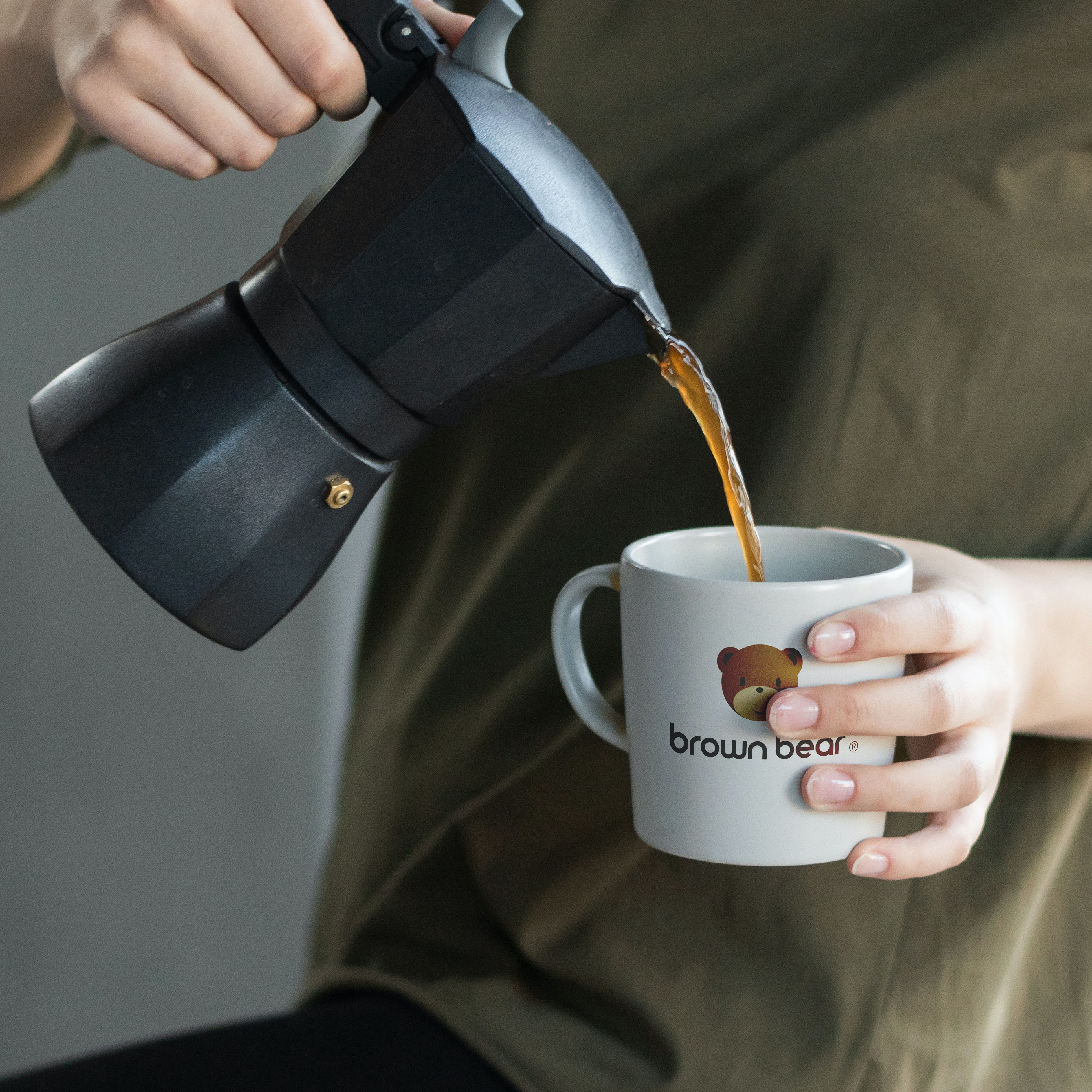
The cafetière remains popular for good reason. It is straightforward, forgiving and ideal when you want a full-bodied coffee with minimal fuss. It lets through more of the coffee’s natural oils, creating a richer mouthfeel. The trade-off is some sediment at the bottom of the cup, plus a little less clarity than paper-filter brewing.
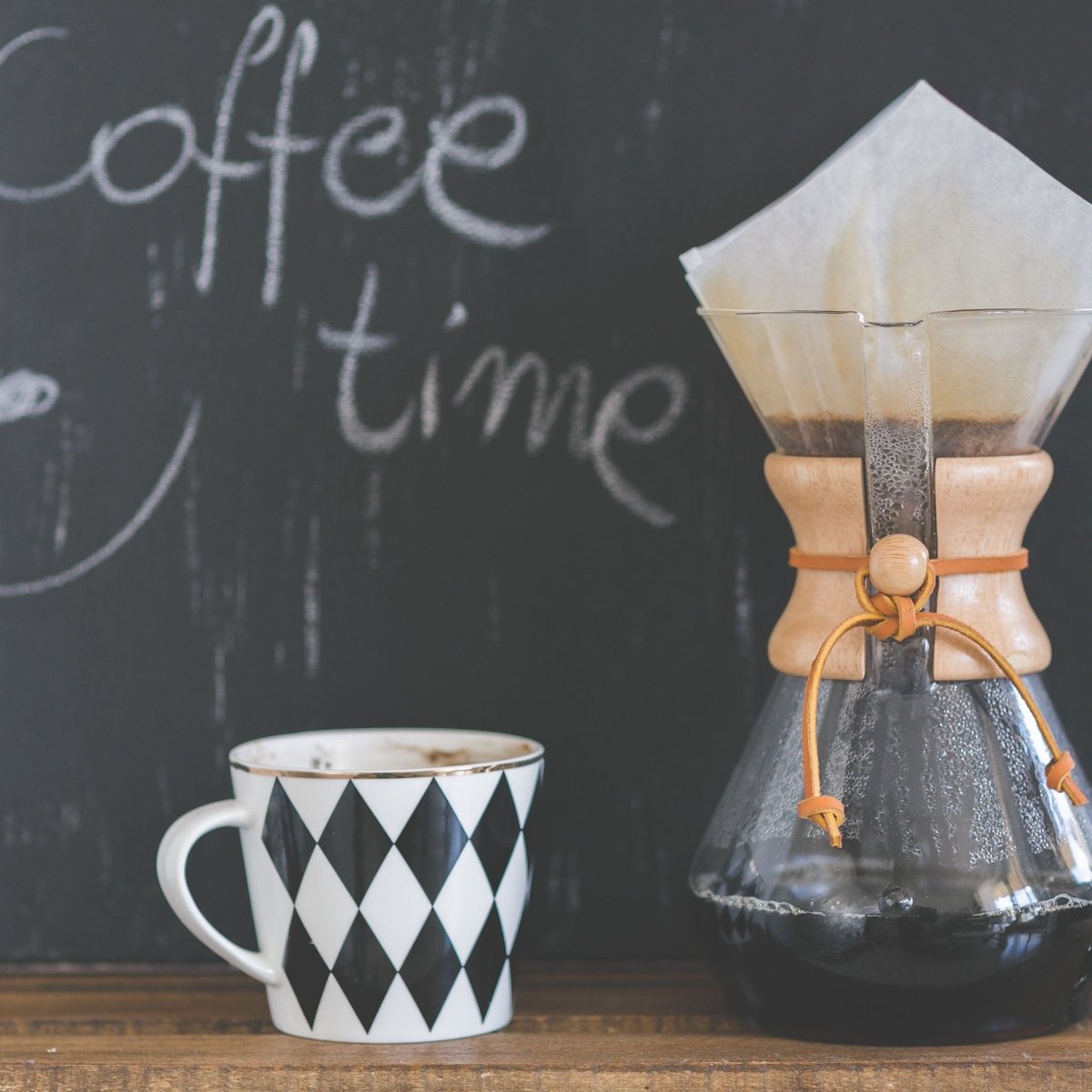
A pour-over dripper produces a cleaner, more delicate cup. It suits drinkers who enjoy picking out notes of citrus, berry, caramel or stone fruit, particularly in lighter and medium roasts. You will need a filter paper, a dripper and a steady pour, but the routine becomes quick with practice. A gooseneck kettle helps with control, though it is helpful rather than essential.
An automatic filter machine is a strong choice for households, home workers and anyone brewing several cups at once. Look for one that heats water well and does not leave the coffee sitting on a hot plate for too long. Brewed coffee tastes best soon after it is made; prolonged heat can flatten sweetness and make flavours seem tired.
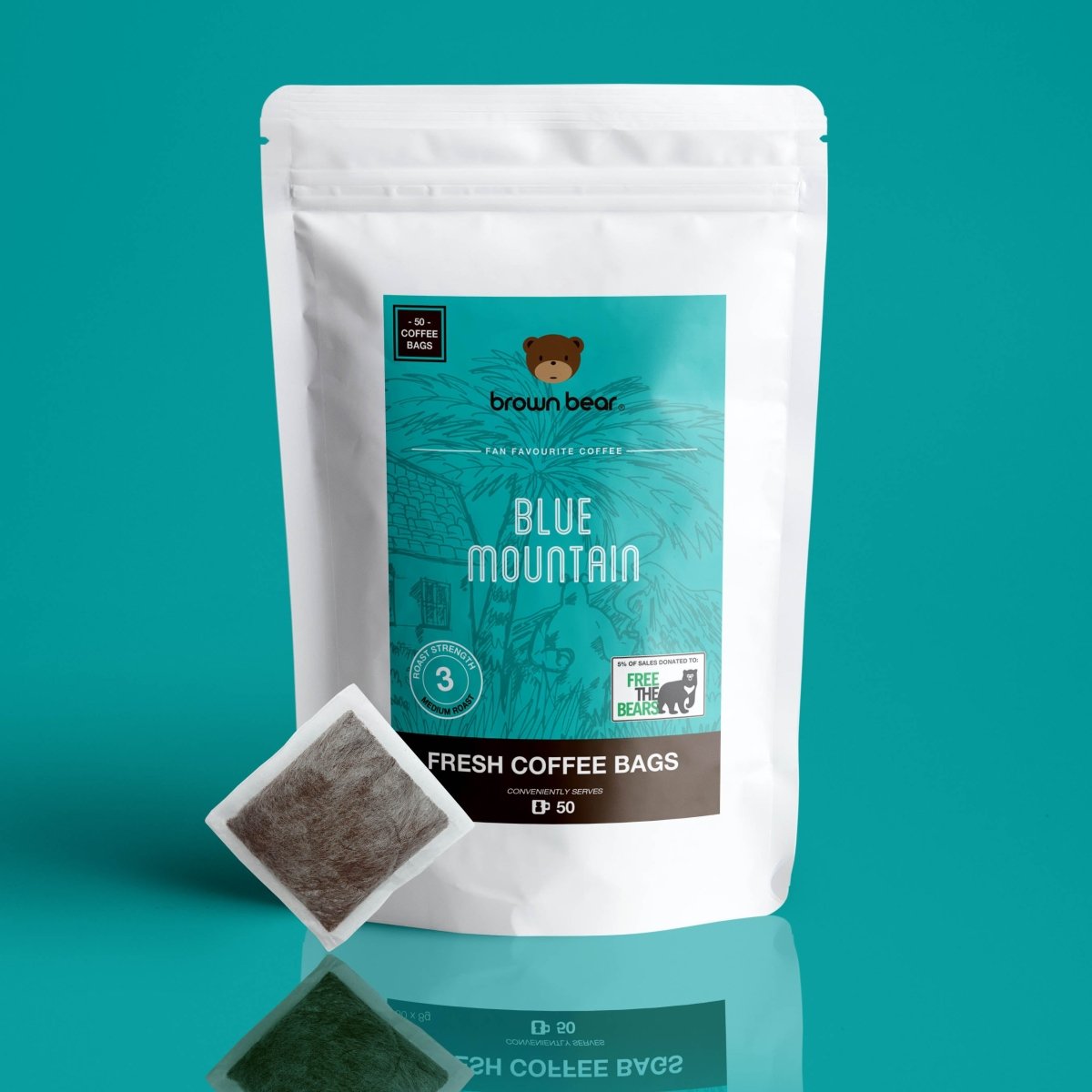
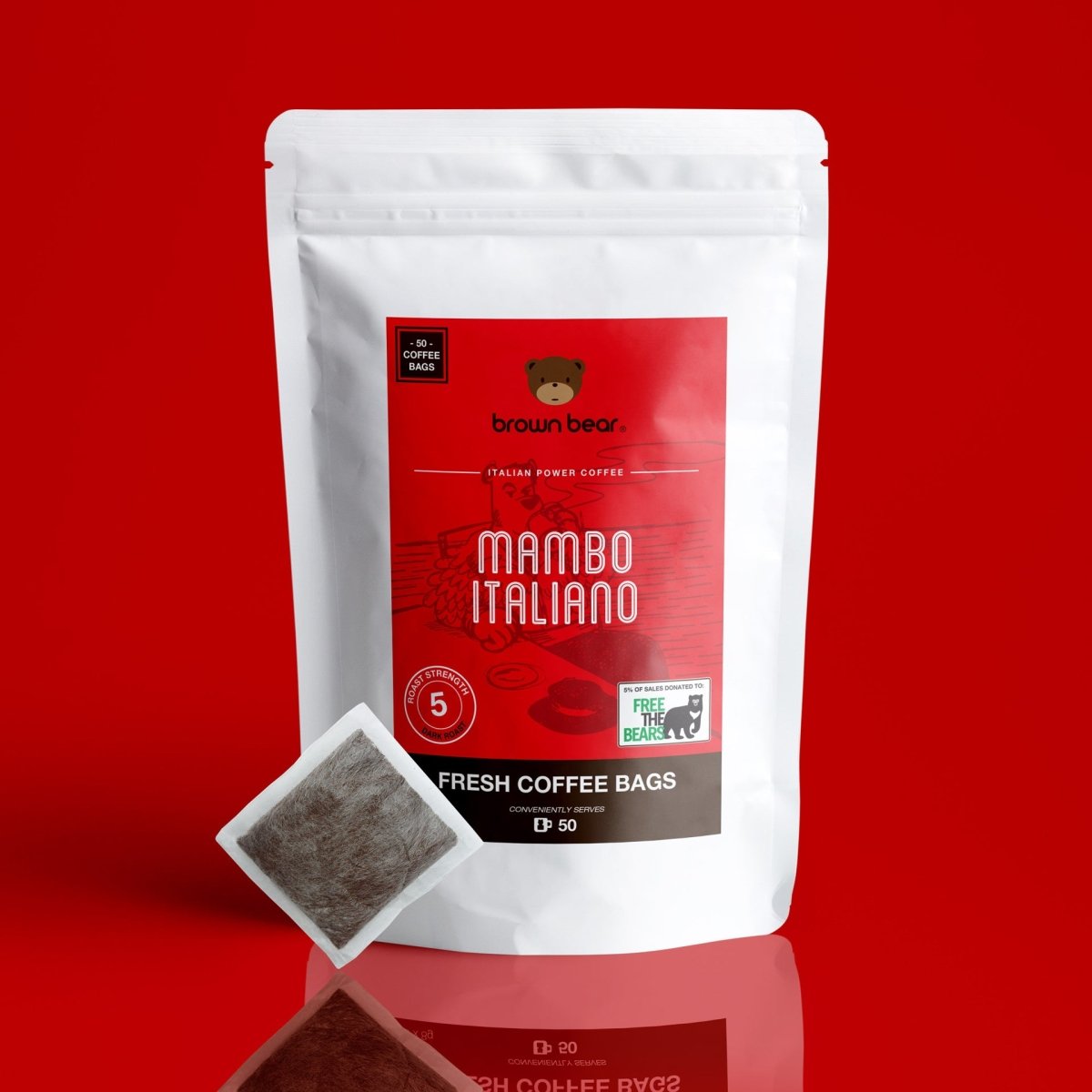
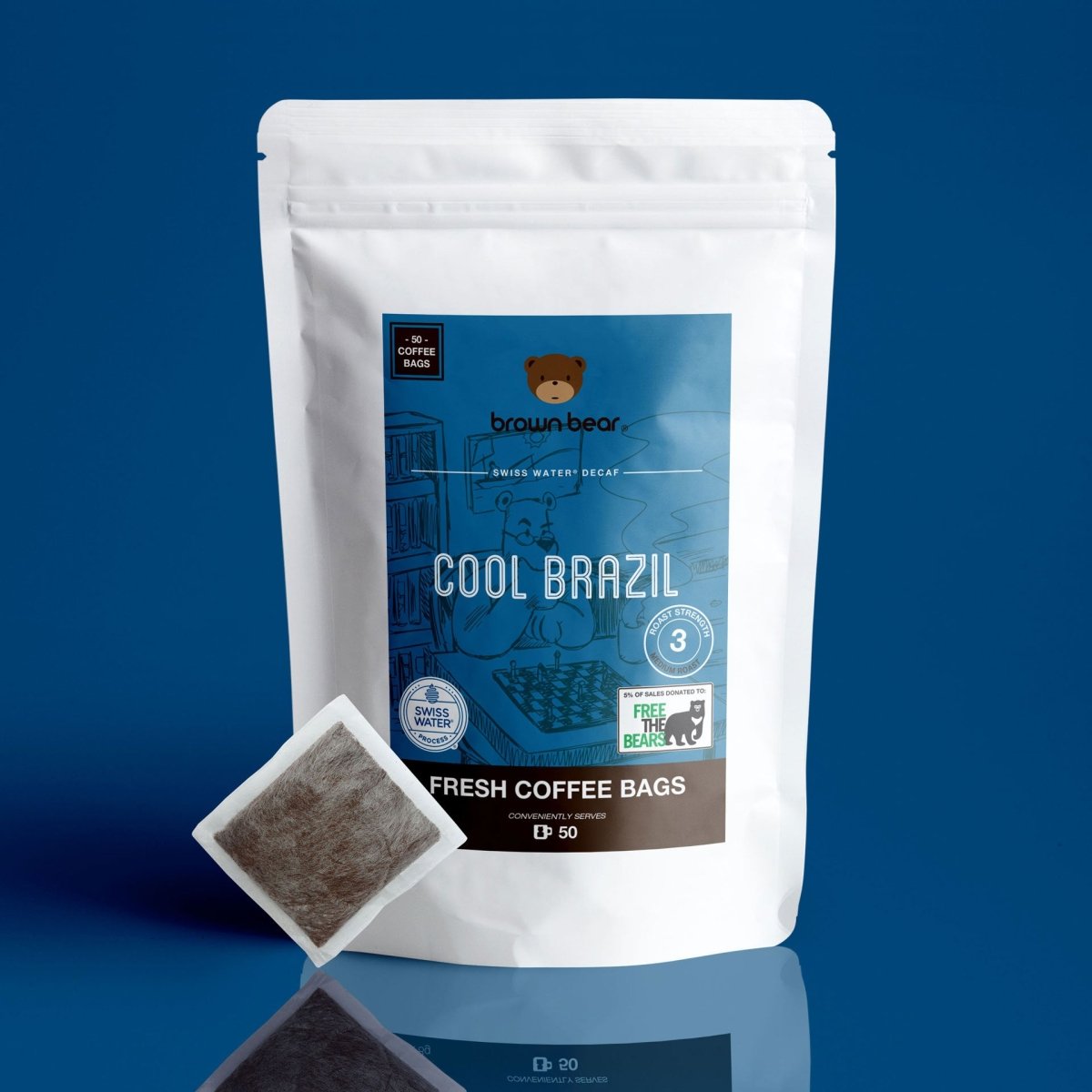
Espresso machines offer the greatest potential for café-style drinks, from short black coffee to lattes and cappuccinos. They also demand more attention. Grinding, dosing, tamping and extraction time all matter, and a capable grinder is as important as the machine itself. If you enjoy the ritual, that control is rewarding. If you need coffee quickly before the school run or first meeting, coffee bags, a cafetière or a filter machine may be the better everyday answer.
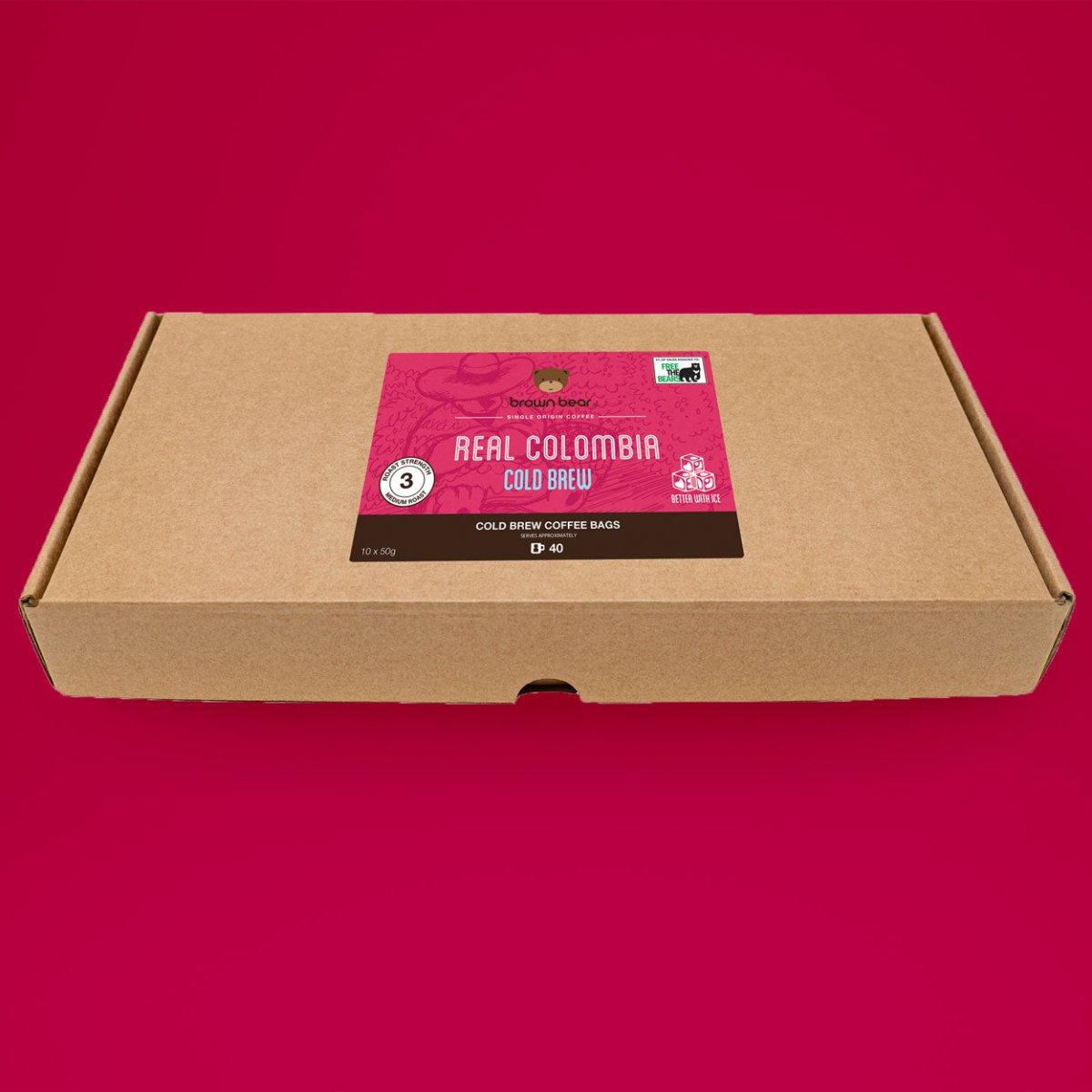
Cold brew is worth considering when you want a smooth, low-acidity drink ready in the fridge. It is made with cold water over many hours rather than heat, producing a mellow coffee that works over ice or with milk. It is less about chasing bright origin notes and more about easy refreshment.
A simple method for a better filter coffee
For a pour-over, begin by rinsing the paper filter with hot water. This warms the brewer and removes any papery taste. Add your medium-ground coffee, then pour in just enough hot water to wet all the grounds. Leave it for about 30 seconds. This short stage is called the bloom, when trapped gas escapes and water can reach the coffee more evenly.
Continue pouring slowly in small circles until you reach your target water weight. Aim for a gentle, even flow rather than a dramatic flood. Most single-cup brews should finish dripping in roughly two and a half to three and a half minutes. If it runs through much faster, the grind may be too coarse. If it takes far longer, it may be too fine.
Do not be surprised if the same recipe needs a small tweak when you open a new bag. Coffee changes with its origin, processing method and roast profile. That is part of the enjoyment, not a sign that you are doing it wrong.
Fix the flavour, not the whole routine
When coffee tastes sour, thin or sharply acidic in an unpleasant way, it is often under-extracted. In plain terms, the water has not taken enough flavour from the grounds. Try a finer grind, a slightly longer brew time or a little more coffee. When it tastes harsh, dry or bitter, it may be over-extracted. Try a coarser grind, a shorter brew, or slightly cooler water.
If your coffee tastes flat rather than clearly sour or bitter, check freshness first. Then clean your equipment. Coffee oils build up inside cafetières, filter baskets, grinders and travel mugs, and old residue can spoil an otherwise good brew. A quick rinse after every use helps, while a proper clean each week makes a noticeable difference.
Milk drinks need their own small adjustment. Coffee can seem less intense once milk is added, so use a slightly stronger brew or choose a coffee with enough body to stay present. Medium-dark and dark roasts are often a comfortable place to start, with chocolate, nutty or caramel-led flavours that work naturally with dairy or oat milk.
Build a routine you will keep
The aim is not to make every morning feel like a competition. Keep your favourite coffee, scale and brewer together; use a simple recipe; and change only one variable when you want to experiment. You might keep a balanced medium roast for weekday filter coffee and a bolder dark roast for weekend milk drinks. That is practical variety, not unnecessary complication.
Home brewing gets better when it becomes familiar. Give yourself enough coffee to learn what you like, pay attention to the flavour in the cup, and let convenience count. The perfect brew is the one that fits your morning and makes you want to put the kettle on again tomorrow.

