

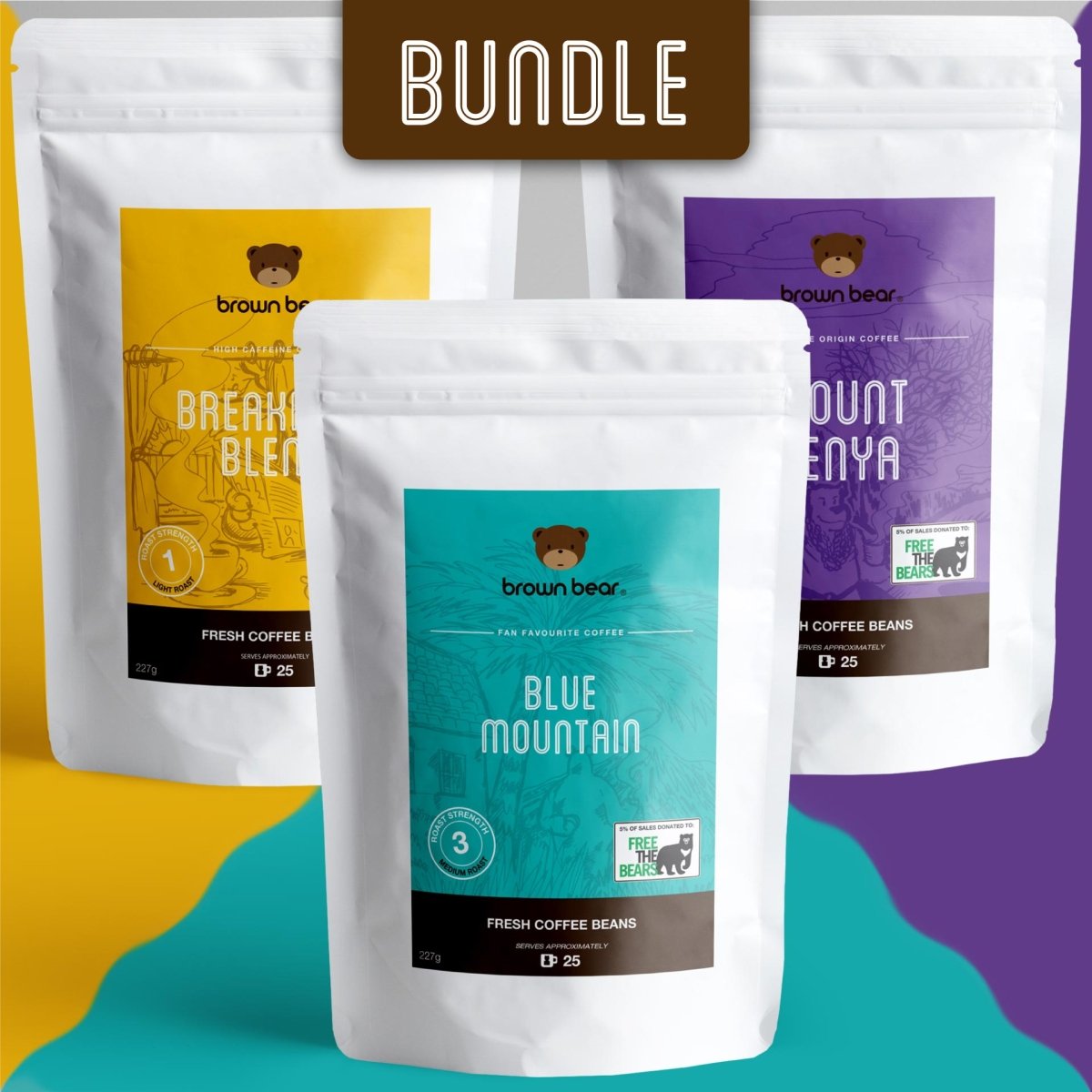
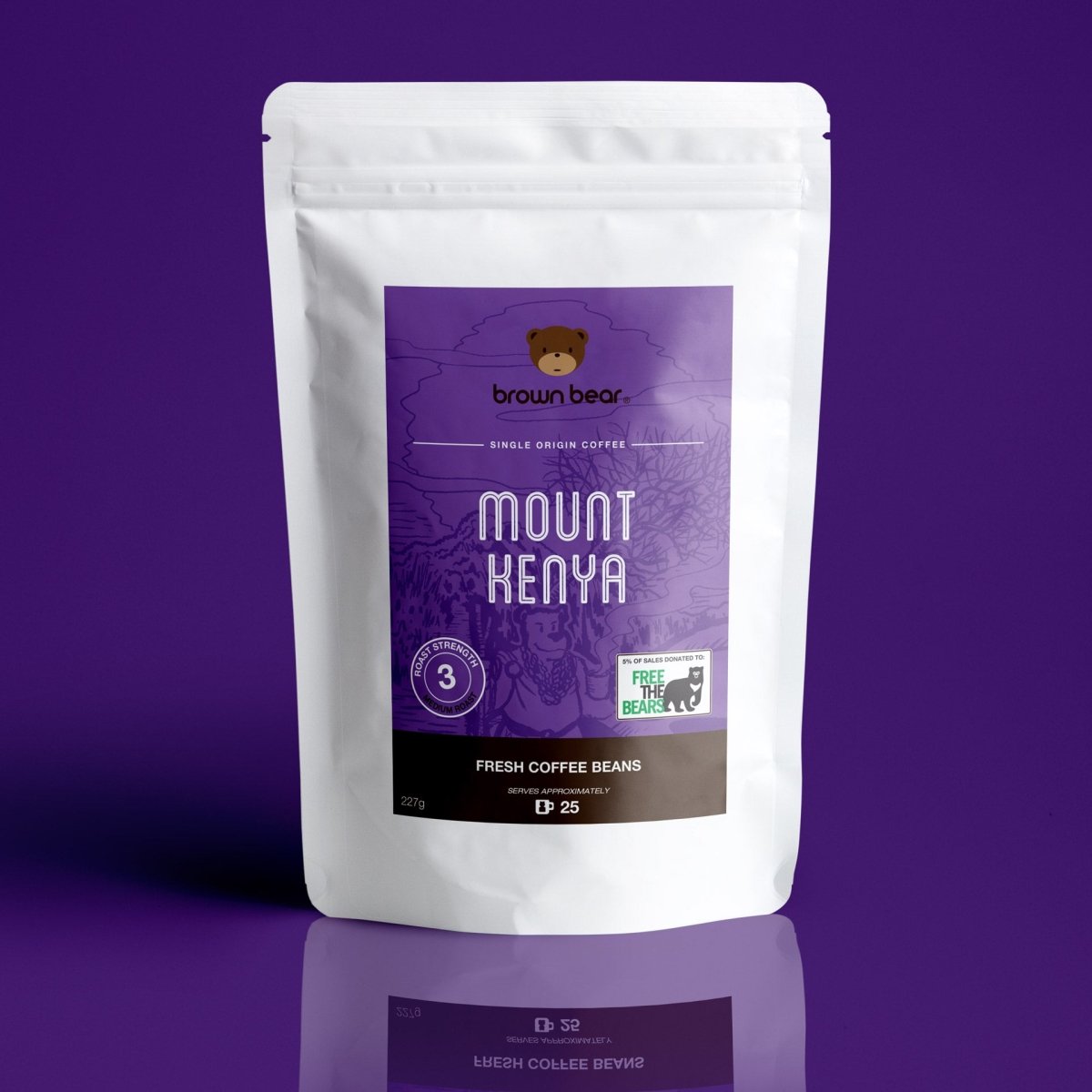












Kenyan coffee beans have a way of making an ordinary morning cup feel more awake. Expect vivid fruit, a lively lift and a clean finish that stays interesting right to the last sip. They are a brilliant choice when you fancy coffee with real character, whether you brew with a cafetière before work or take your time over a weekend V60.
Kenya is one of coffee’s most recognisable origins, but that does not mean every bag tastes the same. Roast level, freshness and brew method all matter. Once you know what to look for, choosing a Kenyan coffee becomes refreshingly simple.
What Kenyan coffee beans taste like
The classic Kenyan profile is bright, juicy and fruit-led. Blackcurrant is the tasting note many coffee drinkers associate with the origin, alongside grapefruit, red berries, citrus and sometimes a touch of floral sweetness. Beneath that fruit, a good Kenyan coffee often has a syrupy body and a crisp, clean finish.
The word acidity can sound a little intimidating, but in coffee it usually describes liveliness rather than sourness. Think of the lift you get from a ripe berry or a slice of orange. When a Kenyan coffee is well roasted and brewed with care, that brightness gives the cup shape and energy. It should taste vibrant, not sharp or thin.
That said, flavour varies from lot to lot. Some Kenyan coffees lean towards sweet berry jam and brown sugar, while others are more citrus-forward or delicately tea-like. A slightly darker roast can bring out cocoa, caramel and deeper sweetness, softening some of the high-fruit notes without removing the origin’s personality altogether.
Why coffee from Kenya tastes so distinctive
Kenya’s coffee is grown in high-altitude areas around the country’s central highlands, where cooler temperatures help cherries ripen slowly. That extra time supports the development of complex sugars and acids inside the bean. The result is coffee with clarity, sweetness and the lively flavour that makes the origin stand out.
Much of Kenya’s coffee is washed, or wet processed. After picking, the fruit is removed and the beans are fermented, washed and dried. This process tends to create a cleaner, more defined cup, so those berry and citrus notes come through clearly rather than feeling muddled.
You may also see names such as SL28 and SL34 on a coffee description. These are well-known Kenyan varieties, valued for their distinctive flavour potential. Newer varieties, including Batian and Ruiru 11, are also grown. Variety tells part of the story, but it is not a shortcut to guaranteed flavour. Growing conditions, harvesting, processing and roasting all have their say.
Choosing the right roast for Kenyan coffee beans
A light or medium roast is often the best starting point if you want to experience Kenya’s signature fruit and brightness. It keeps the origin clear in the cup, with more noticeable berry, citrus and floral notes. This is a great route for filter coffee drinkers who enjoy a clean, layered brew.
Medium roast Kenyan coffee is often the easiest all-rounder. It balances fruit with sweetness and body, making it enjoyable in a cafetière, pour-over or bean-to-cup machine. If you like your coffee flavourful but do not want something too delicate, this is usually a safe place to begin.
Dark roast has a different job. It brings more roast-led flavours such as dark chocolate, toasted nuts and caramel, while reducing the sharper edges of acidity. A Kenyan dark roast can work especially well in espresso or with milk, where extra body and intensity are welcome. The trade-off is that some of the origin’s finer fruit notes may sit further in the background.
There is no universally best choice. If your favourite cup is a bright black filter, go lighter. If you make flat whites or prefer a powerful espresso, a medium-dark roast may suit you better. The right coffee is the one you look forward to brewing again tomorrow.
Best ways to brew Kenyan coffee
Kenyan coffee rewards a brew method that gives its flavour room to show off. Filter methods such as V60, Chemex and batch brewer tend to highlight clarity, fruit and aroma. Use freshly ground beans, clean equipment and water just off the boil. A steady pour and a medium grind will give you a good starting point, then you can adjust from there.
For cafetière coffee, use a coarser grind and allow around four minutes of brewing time before plunging slowly. The fuller body of the cafetière can make berry and chocolate notes feel rounder and more comforting, especially with a medium roast.
Espresso is also a strong match, particularly for people who enjoy concentrated fruit, sweetness and a lively finish. Kenyan espresso can be wonderfully expressive on its own, but it may taste more intense than a traditional chocolatey blend. With milk, choose a slightly more developed roast or a recipe that gives the coffee enough strength to hold its own.
Cold brew is worth trying if bright coffee usually feels too sharp for your taste. A long, cold extraction smooths the edges and emphasises sweetness. The result can still be fruity, but softer and more mellow - ideal over ice or topped with a splash of milk.
Getting the grind and recipe right
If your Kenyan coffee tastes sour, under-extraction is often the culprit. Try grinding a little finer, extending the brew time or using slightly hotter water. If it tastes bitter, dry or overly harsh, move in the other direction: grind a little coarser, shorten the brew or check that the water is not too hot.
Start with a simple ratio rather than chasing perfect numbers. For filter coffee, around 60g of coffee per litre of water is a dependable benchmark. For a single mug, that is roughly 15g of coffee to 250ml of water. Small changes are enough to make a noticeable difference, so adjust one thing at a time.
Fresh grinding makes a bigger difference than most home brewers expect. Whole beans hold on to their flavour for longer, while pre-ground coffee is convenient when speed matters. If you buy ground coffee, choose a grind suited to your usual method and aim to use it promptly after opening.
Keeping your coffee fresh at home
Coffee is at its best when it is protected from air, heat, light and moisture. Keep your bag sealed tightly, store it in a cool cupboard and avoid leaving it beside the kettle, oven or sunny kitchen window. There is no need to refrigerate coffee, and the fridge can introduce unwanted moisture and food smells.
Buying a sensible amount is usually better than stocking up for months. A regular delivery can make this easy: enough coffee for the household, without a cupboard full of bags that have lost their sparkle. If your routine changes, a flexible subscription is handy because good coffee should fit around your week, not create another job to manage.
Is Kenyan coffee right for you?
Choose Kenyan coffee if you want a cup that feels bright, clean and full of flavour. It is especially good for drinkers who enjoy fruitier coffees, black filter brews or an espresso with a little extra sparkle. It can also be a great gift for someone ready to try something beyond the familiar chocolate-and-nut profile.
If you prefer low-acidity coffee, lots of dark chocolate or a very heavy body, Kenya may not be your everyday first choice in a light roast. Try it at a medium roast, with milk, or alongside a fuller-bodied origin to find the balance you enjoy. Coffee preferences are personal, and that is half the fun.
A fresh bag of Kenyan coffee beans is an easy way to bring more colour to your daily brewing. Make it simply, taste it without rushing, and let the cup tell you whether you want your next brew brighter, bolder or just exactly the same.

