











A coffee that still tastes full-bodied after milk, sugar or ice has a proper place in a busy kitchen. This Vietnamese coffee review is for anyone who wants a richer, more powerful everyday brew without turning their morning routine into a barista project. Expect deep roast character, cocoa-led flavour and a satisfying weight in the cup.
Vietnamese coffee review: what it tastes like
Vietnamese coffee is often recognised by its boldness. It commonly has a fuller body than the lighter, fruit-forward coffees many people associate with speciality coffee, with flavours that lean towards dark chocolate, toasted nuts, caramel and warming spice. It is an especially good fit if you like your coffee to make its presence known.
That profile is closely linked to Vietnam's long-standing relationship with Robusta. Robusta beans generally contain more caffeine than Arabica and tend to bring more body, bitterness and earthy depth. When roasted darker, they can create the intense, cocoa-rich flavour many drinkers look for in a traditional Vietnamese-style cup.
That does not mean every coffee grown in Vietnam tastes the same. Vietnam also produces Arabica, and individual lots will vary with region, processing and roast style. A carefully roasted Vietnamese coffee can be strong without tasting harsh. The best examples have a rounded sweetness underneath the darker notes, rather than a dry, burnt finish.
For drinkers who usually choose dark or ultra-dark coffee, Vietnam is a natural origin to try. If your preference is for bright citrus, delicate florals or tea-like filter coffee, it may be less immediately appealing - although a medium roast Vietnamese coffee can offer more balance and clarity.
Why the roast matters as much as the origin
It is tempting to treat origin as a complete flavour label, but roast level changes the experience just as much. A medium roast can bring out nutty sweetness and a touch more fruit, while keeping that signature body. A dark roast pushes the cup towards bittersweet chocolate, molasses and toasted grain. Go very dark and the result becomes smoky, punchy and ideal for people who want their coffee to stand up to plenty of milk.
For a straightforward morning coffee, a dark roast is usually the safest place to start. It gives you the strength people expect from Vietnamese coffee while remaining flexible enough for a cafetière, espresso machine or stovetop brewer. Choose medium if you drink it black and want more detail in the cup.
Freshness matters here, too. Coffee loses some of its lively aroma once ground, particularly if it sits in a cupboard for weeks. Whole beans offer the most control if you have a grinder, but ground coffee is the practical choice when speed matters. The right format is the one you will genuinely use before it loses its best flavour.
Brewing Vietnamese coffee at home
The traditional phin filter makes a small, concentrated brew by slowly dripping hot water through coffee into the cup below. It is compact, inexpensive and wonderfully suited to a slow weekend morning. The cup it produces is dense and rich rather than clean and delicate, so it works brilliantly with sweetened condensed milk.
Start with around two generous tablespoons of medium-fine ground coffee in the phin, then gently level it. Add a small splash of hot water to wet the grounds, wait briefly, then fill the filter. The coffee should drip steadily rather than rush through. If it stalls completely, grind a little coarser next time; if it flows too quickly and tastes thin, use a finer grind or a little more coffee.
Sweetened condensed milk is not simply an add-on in this style of coffee. Its creamy sweetness softens the roast's bitter edge and turns a small, intense serving into something dessert-like and comforting. Add it to the glass first, let the coffee drip over it, then stir. For iced coffee, pour the finished drink over a full glass of ice. The ice does dilute the brew, which is exactly why a strong coffee works so well.
No phin at home? You can still get close to the same satisfying style. A moka pot creates a concentrated, punchy result, while a cafetière offers plenty of body and is ideal when making more than one cup. An espresso machine will give you a shorter, more intense drink, especially useful for iced lattes. A paper-filter pour-over can work, but it will produce a cleaner cup and may soften some of the heavy character that makes Vietnamese coffee distinctive.
How strong is Vietnamese coffee?
“Strong” can mean several things. It may refer to caffeine, roast flavour or the concentration of the finished drink. Vietnamese Robusta is often higher in caffeine than Arabica, so it can feel particularly lively. Dark roasting also creates a stronger-tasting cup, even where the caffeine difference is not dramatic.
Your brewing method makes the final call. A short phin brew or moka pot coffee will taste intense because less water is used. A larger cafetière coffee may be gentler, even with the same beans. If you are sensitive to caffeine, begin with a smaller serving or blend Vietnamese coffee with a softer Arabica. You still get the chocolatey depth, with a more relaxed finish.
It is also worth separating enjoyable bitterness from unpleasant bitterness. A little bitterness is part of the appeal in a dark, bold coffee. If the cup tastes sharply burnt, ashy or drying, try cooler water, a coarser grind or a shorter brew. Small adjustments can make a big difference.
Who will enjoy it most?
Vietnamese coffee is a great match for people who normally reach for a dark roast, a flat white with real coffee flavour, or an iced coffee that does not disappear behind the milk. It is also a strong choice for the post-lunch slump, early starts and anyone who wants a dependable brew with plenty of character.
It is less suited to someone looking for a very gentle cup. If that sounds like you, try it with milk first, or choose a medium roast and brew it in a cafetière. The goal is not to prove you can handle the strongest coffee on the shelf. It is to find a cup you want to make again tomorrow.
Vietnamese coffee also earns its place in a household with mixed tastes. Brew it concentrated for the person who wants a bold morning hit, then add hot water, milk or ice to tailor the strength. That flexibility makes it more useful than a one-note “strong coffee” label suggests.
Choosing a Vietnamese coffee worth buying
Look beyond dramatic strength claims. A good product description should make the roast level and flavour direction clear, whether that is dark chocolate and caramel, toasted nuts, spice or smoky intensity. Think about how you drink coffee most often: black, with milk, over ice or as espresso. That will tell you more than a vague promise of a powerful cup.
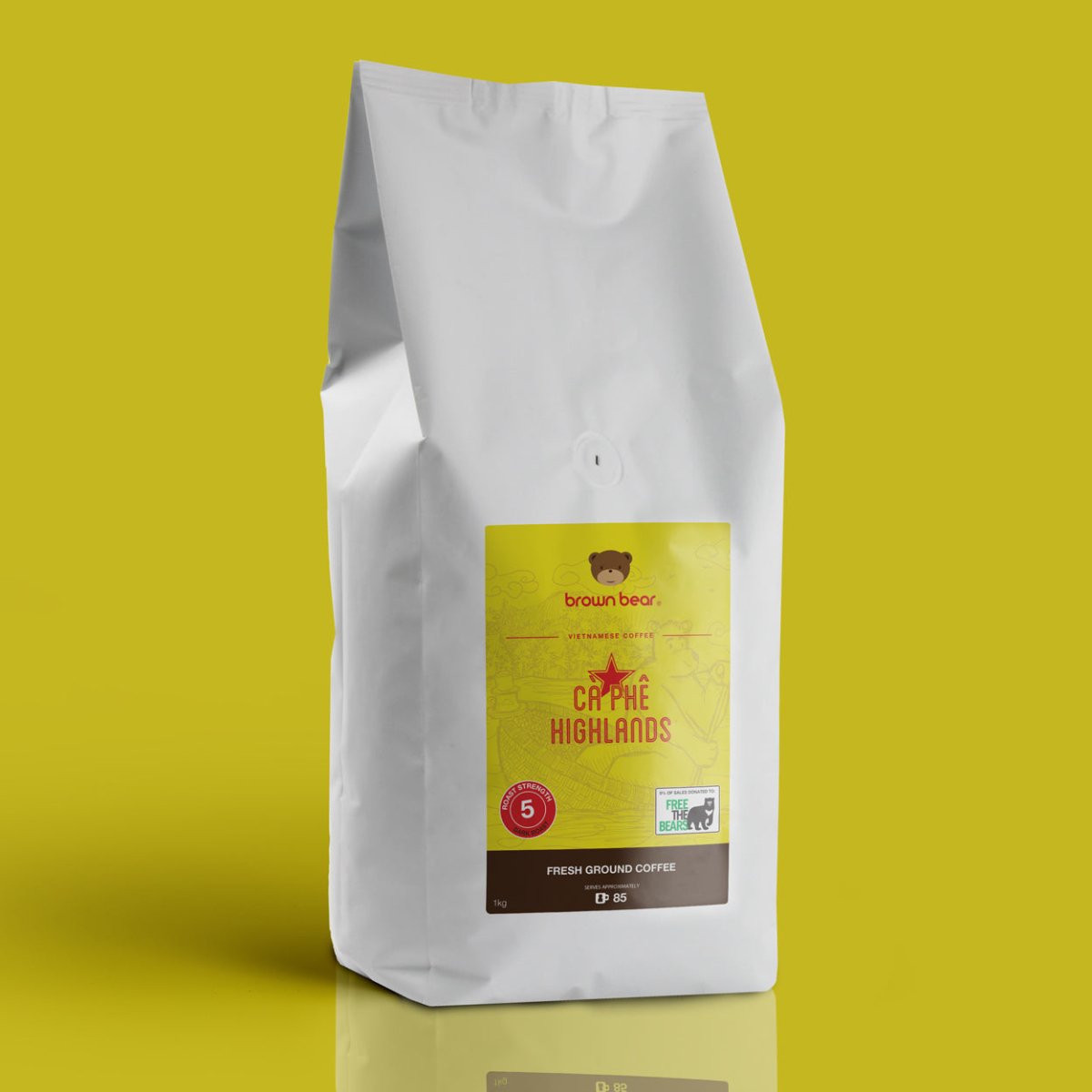
At Brown Bear, Vietnamese coffee makes particular sense for shoppers who want clear roast choices and an easy way to keep a favourite on hand. Buying whole beans gives you maximum freshness; choosing ground coffee keeps weekday brewing simple; and a flexible subscription can take one recurring job off the list.
The best Vietnamese coffee is not necessarily the darkest or most caffeinated one. It is the one that gives you the depth you enjoy, brews reliably with your kit and tastes good enough to become part of your everyday routine. Make it slow with a phin when you have time, or keep it practical with your usual brewer - either way, let the bold, chocolatey cup do what it does best.

