














A smooth coffee should feel easy from the first sip: rounded rather than sharp, flavourful without a harsh bitter finish, and satisfying enough that you do not feel the need to hide it under sugar. So, what coffee roast tastes smoothest? For most people, the answer is a well-developed medium roast. But roast level is only part of the picture. The bean, the brew method and how fresh your coffee is all make a real difference.
If you usually reach for milky coffees, a medium-dark roast may taste smoother still. If you drink your coffee black and like a little fruitiness, a medium roast is often the sweet spot. The best choice is not necessarily the palest or darkest bean - it is the coffee that gives you balanced flavour in the cup you make every day.
What coffee roast tastes smoothest for most drinkers?
Medium roast is usually the safest place to start. It holds on to enough of the coffee's natural sweetness and character while developing the caramel, chocolate and nutty notes many people associate with a smooth cup. Acidity is generally gentler than in a light roast, while bitterness is less pronounced than in a very dark roast.
Think of smoothness as balance, not a lack of flavour. A good medium roast can still be lively and interesting, but it should not taste sour, smoky or aggressively bitter. It is particularly versatile for cafetières, filter machines, V60-style drippers and bean-to-cup machines.
A medium-dark roast can be an excellent choice when you want more body and a deeper, fuller flavour. The longer roast brings out cocoa, toasted nuts and caramelised sugar notes, which can feel especially soft alongside milk. It is a popular direction for espresso, moka pots and stronger morning brews.
Why light and dark roasts can taste less smooth
Light roast coffee is not automatically harsh. When it is brewed well, it can be sweet, fragrant and wonderfully clean. However, it retains more of the bean's natural acidity, often bringing citrus, berry or floral flavours to the fore. For drinkers who prefer a mellow cup, those bright notes can read as tangy or sour, particularly if the coffee is under-extracted.
Dark roast coffee takes a different route. Its acidity is often lower, which is why some people find it easier on the palate. Yet roasting further can also create bitterness, charred notes or a dry finish. A carefully roasted dark coffee can be rich and smooth, especially with milk, but ultra-dark styles are less likely to suit someone whose main aim is a gentle, rounded black coffee.
That is why roast labels are useful starting points rather than rules. Two medium roasts can taste very different, and a skilfully handled dark roast may be smoother to you than a bright, lightly roasted coffee.
The beans behind a mellow cup
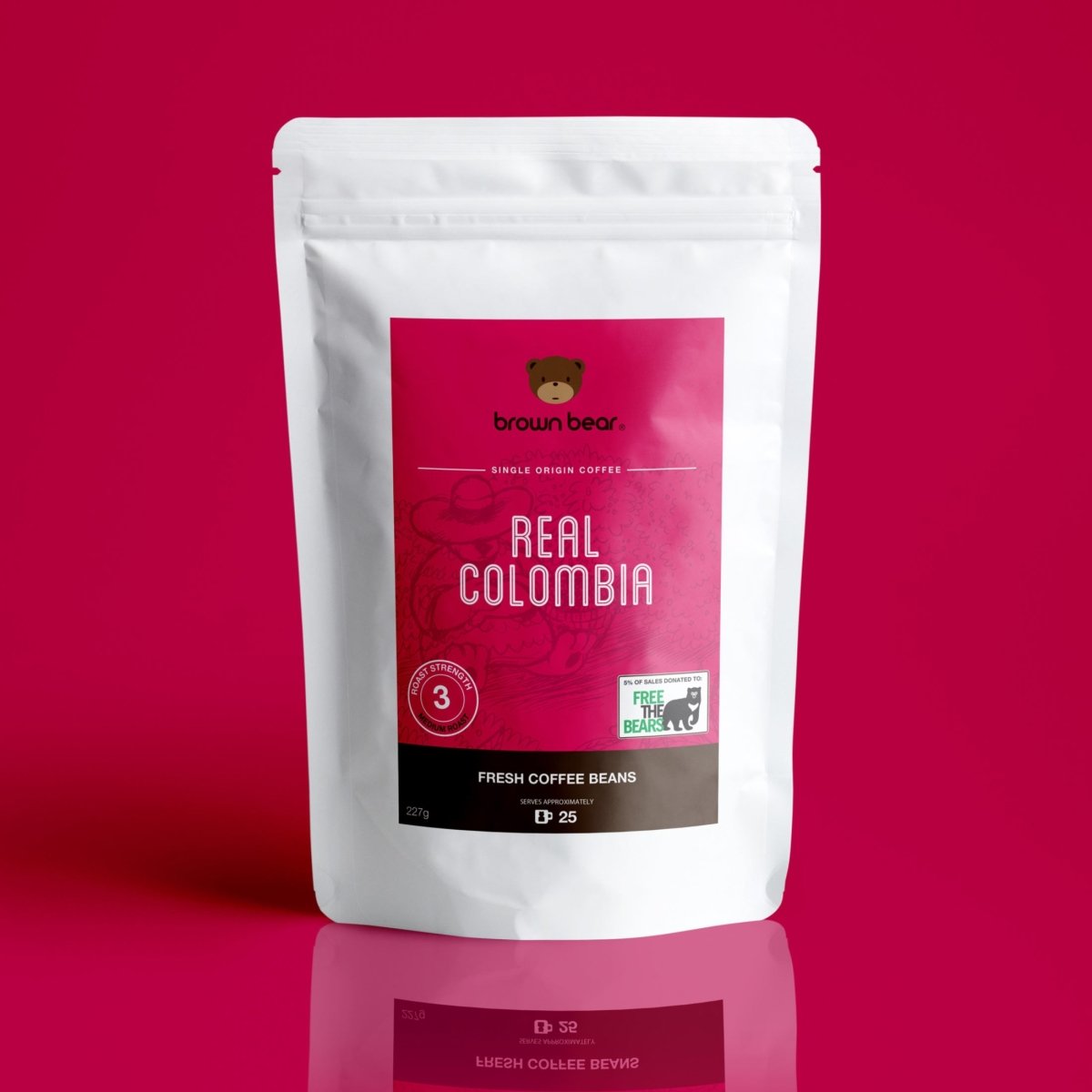
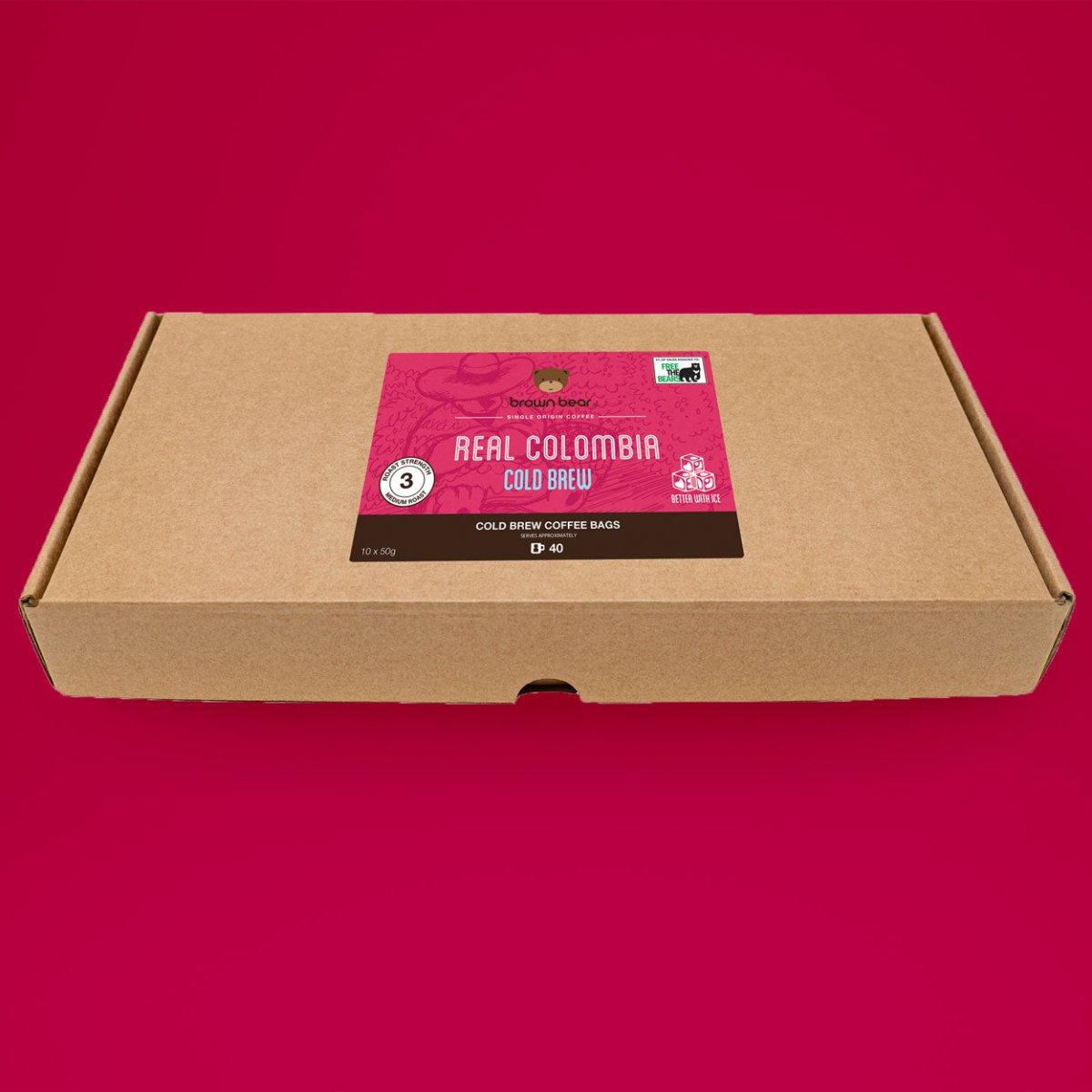
Origin and processing matter as much as the colour of the roast. Coffee from Brazil is often a dependable choice for smooth drinking, with naturally nutty, chocolatey and low-acid character. Colombian coffee can also be beautifully rounded, often bringing caramel sweetness and a balanced profile that works across brew methods.
Peruvian and Guatemalan coffees frequently offer a soft, approachable balance too, while some Ethiopian and Kenyan coffees are more likely to show fruit-forward brightness. That does not make them less enjoyable - far from it - but they may not be the first choice if your definition of smooth is rich, mellow and low in tang.
Look for flavour notes such as chocolate, hazelnut, caramel, brown sugar and biscuit. These are not added flavours. They are useful clues to the naturally occurring tastes that roasting and brewing can bring forward. Coffees described as fruity, winey, citrusy or floral may be delicious, but they tend to feel more vivid than traditionally smooth.
Blends are worth considering as well. A well-built blend can combine a sweet, chocolate-led base with enough character to stop the cup tasting flat. For everyday brewing, that consistency is a real advantage: you know what to expect when the kettle is on and the day is already moving.
Smooth coffee depends on how you brew it
Even the right roast can taste rough if it is brewed poorly. Bitter coffee is often over-extracted, meaning the water has pulled too much from the grounds. Sour coffee is often under-extracted, meaning it has not pulled enough. A few small adjustments can move the same bag of beans from disappointing to beautifully balanced.
For cafetière coffee, use coarse grounds and give the coffee around four minutes to brew. Plunging too soon can leave it thin and sharp; leaving it for too long can introduce bitterness. Pour the coffee once it is ready rather than letting it sit on the grounds.
For filter coffee, a medium grind is a sensible starting point. Water that is just off the boil helps avoid scorching the grounds, especially with lighter roasts. If your coffee tastes bitter or hollow, try a slightly coarser grind or a shorter brew. If it tastes sour or weak, grind a little finer or allow a little more contact time.
Espresso needs particular care because it is concentrated. A medium to medium-dark roast is usually forgiving, especially if you enjoy flat whites, cappuccinos or lattes. Aim for a balanced shot rather than chasing maximum strength. If it tastes burnt, shorten the extraction or use a slightly coarser grind; if it tastes sharply sour, try a finer grind or a little more extraction time.
Milk changes the decision too. Dairy milk and many oat milks naturally soften acidity and make chocolatey, darker profiles feel creamier. If black coffee is your usual, choose a medium roast with sweetness and a clean finish. If your daily coffee includes milk, you can comfortably move towards medium-dark for more body without losing smoothness.
Freshness makes a bigger difference than many expect
Coffee does not improve indefinitely once roasted. Very old beans can taste flat, woody or oddly bitter, even if the roast profile was perfect at first. Buying coffee in quantities you can use while it is fresh helps protect that sweetness and aroma.
Whole beans give you the most control because you can grind just before brewing. If convenience matters more, choose ground coffee matched to your preferred method and keep the bag sealed, cool and dry. Avoid storing it in the fridge, where moisture and food odours can affect the flavour.
A regular delivery can make this simple. Rather than buying a large amount, forgetting it in the cupboard and hoping for the best, you can keep a steady supply that suits how quickly your household gets through coffee. It is one of the easiest ways to make a reliably smooth cup part of your routine.
A simple way to find your smoothest roast
Start with a medium roast that highlights chocolate, caramel or nutty notes, ideally from Brazil, Colombia or a blend built around those flavours. Brew it as you normally would for several mornings before changing anything. This gives you a useful baseline, rather than judging a coffee after one rushed cup.
If you would like more depth, try medium-dark next, particularly for espresso or milk-based drinks. If you want a cleaner black coffee with a little more sparkle, step back towards medium or medium-light, but pay close attention to grind and water temperature. Small brewing changes can soften a bright coffee considerably.
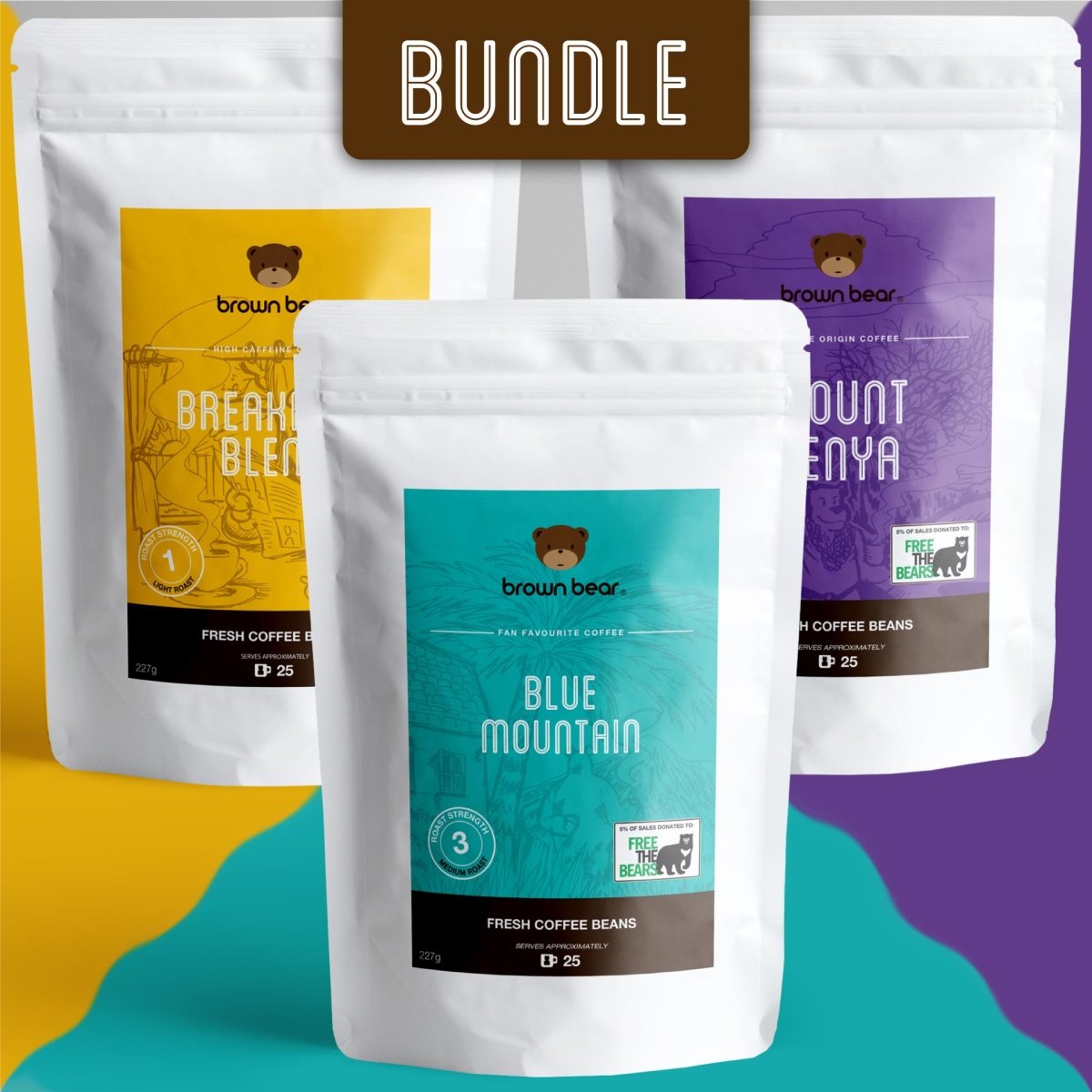
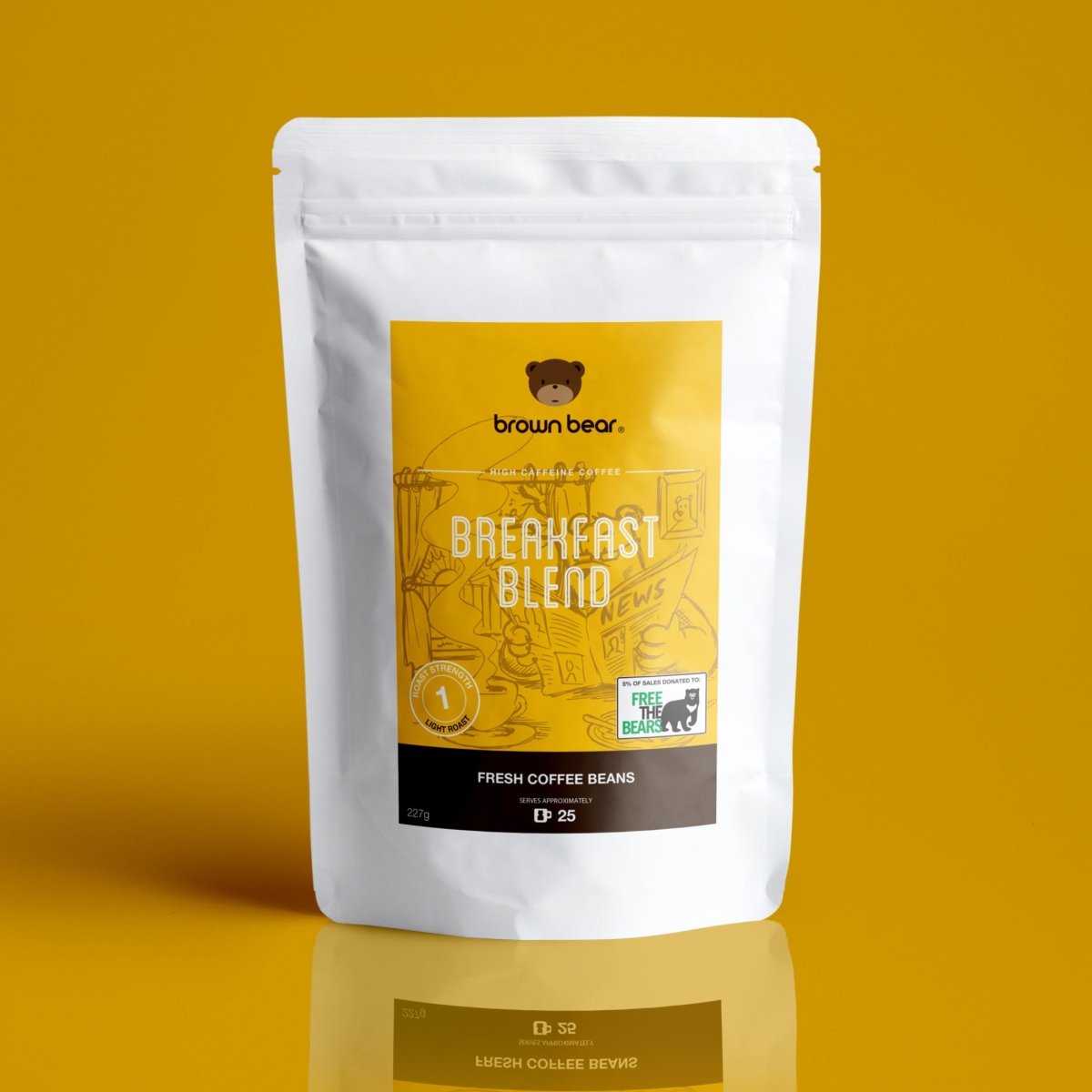
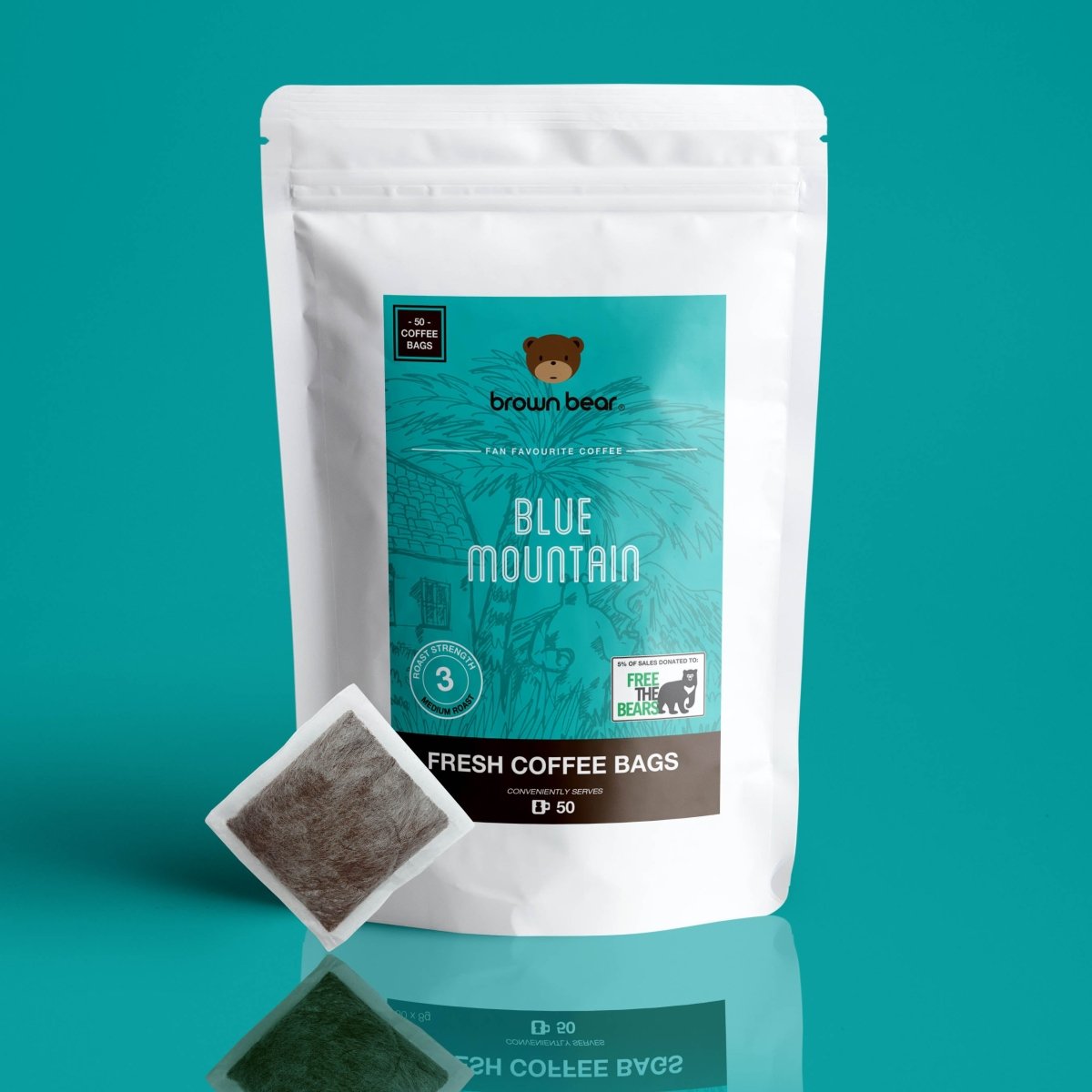
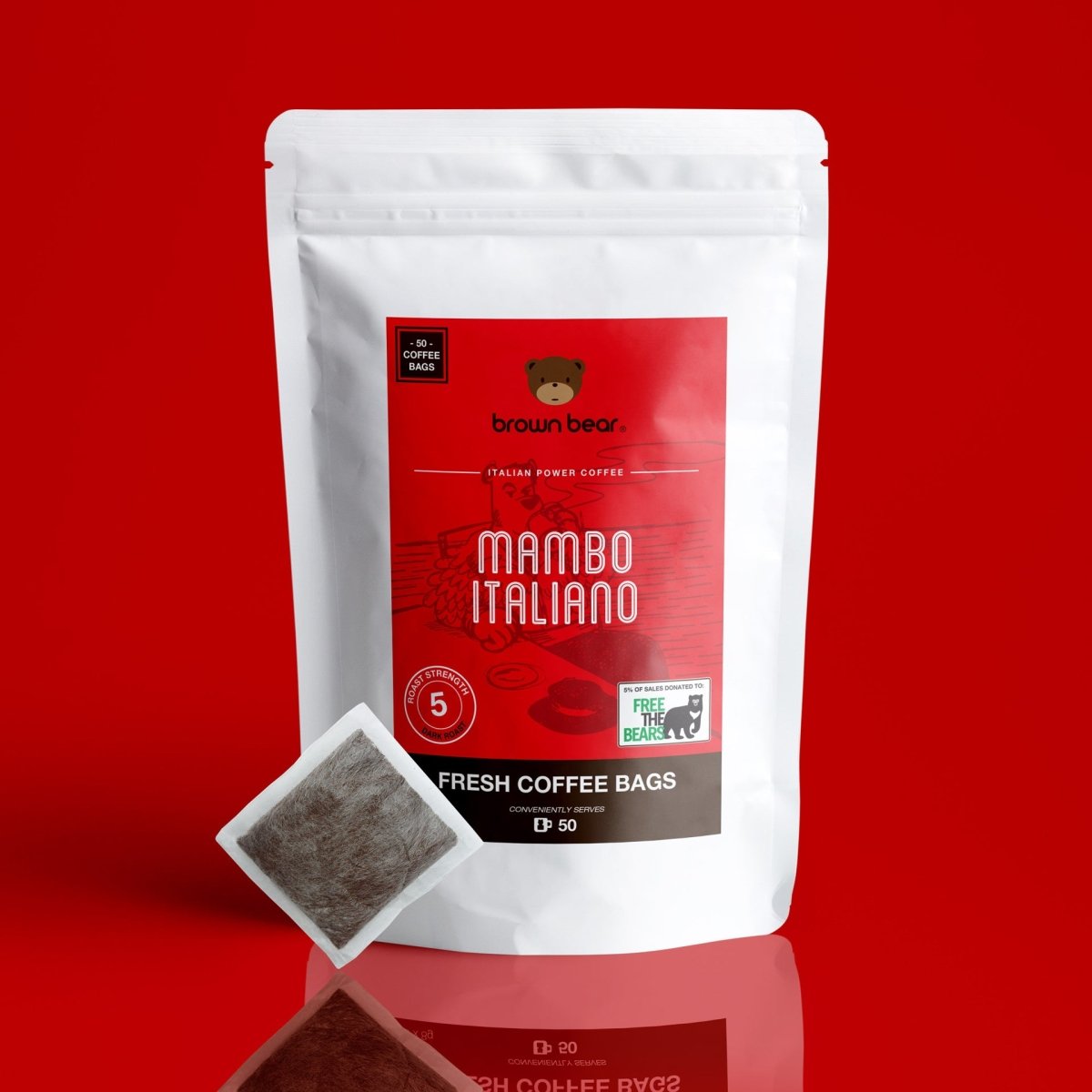
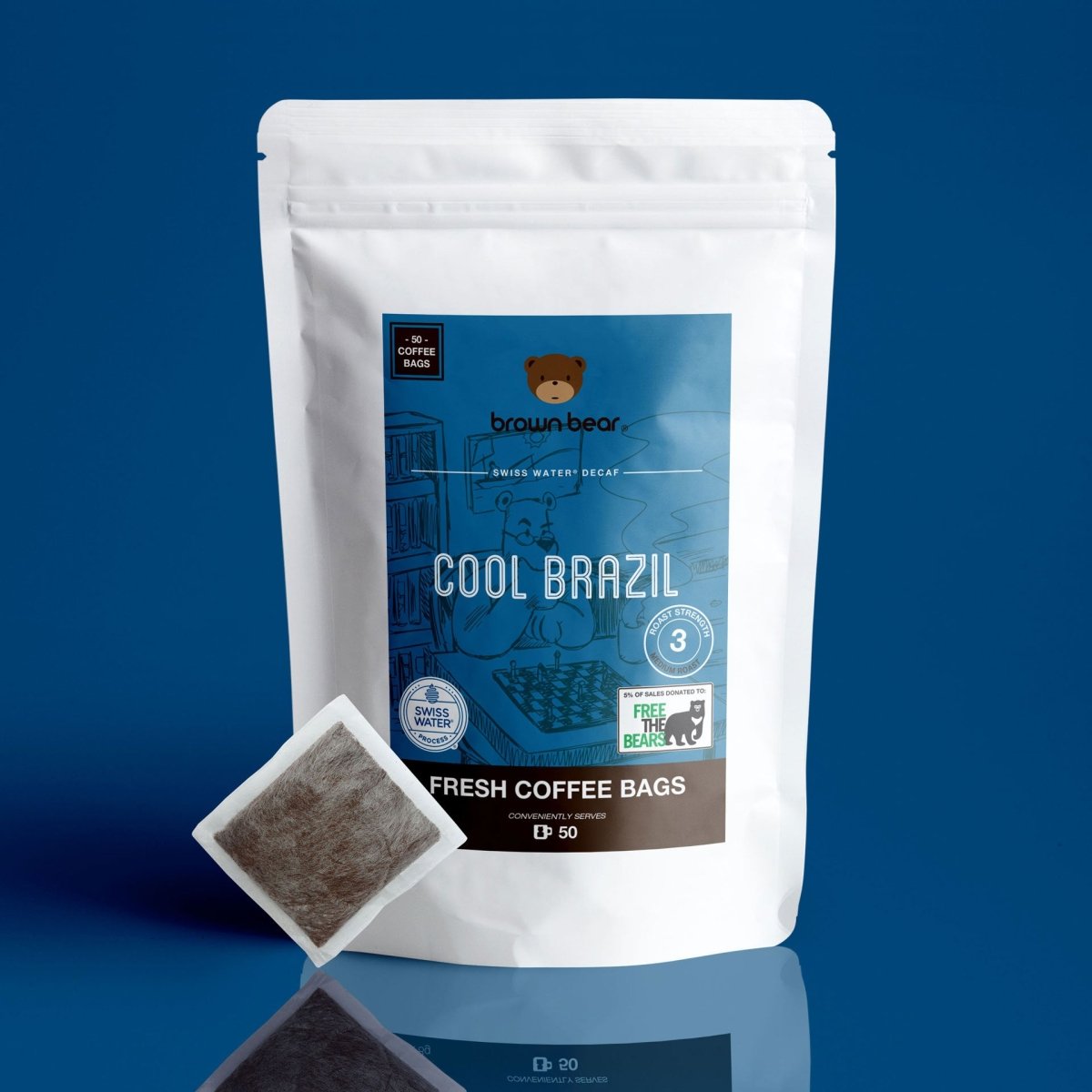
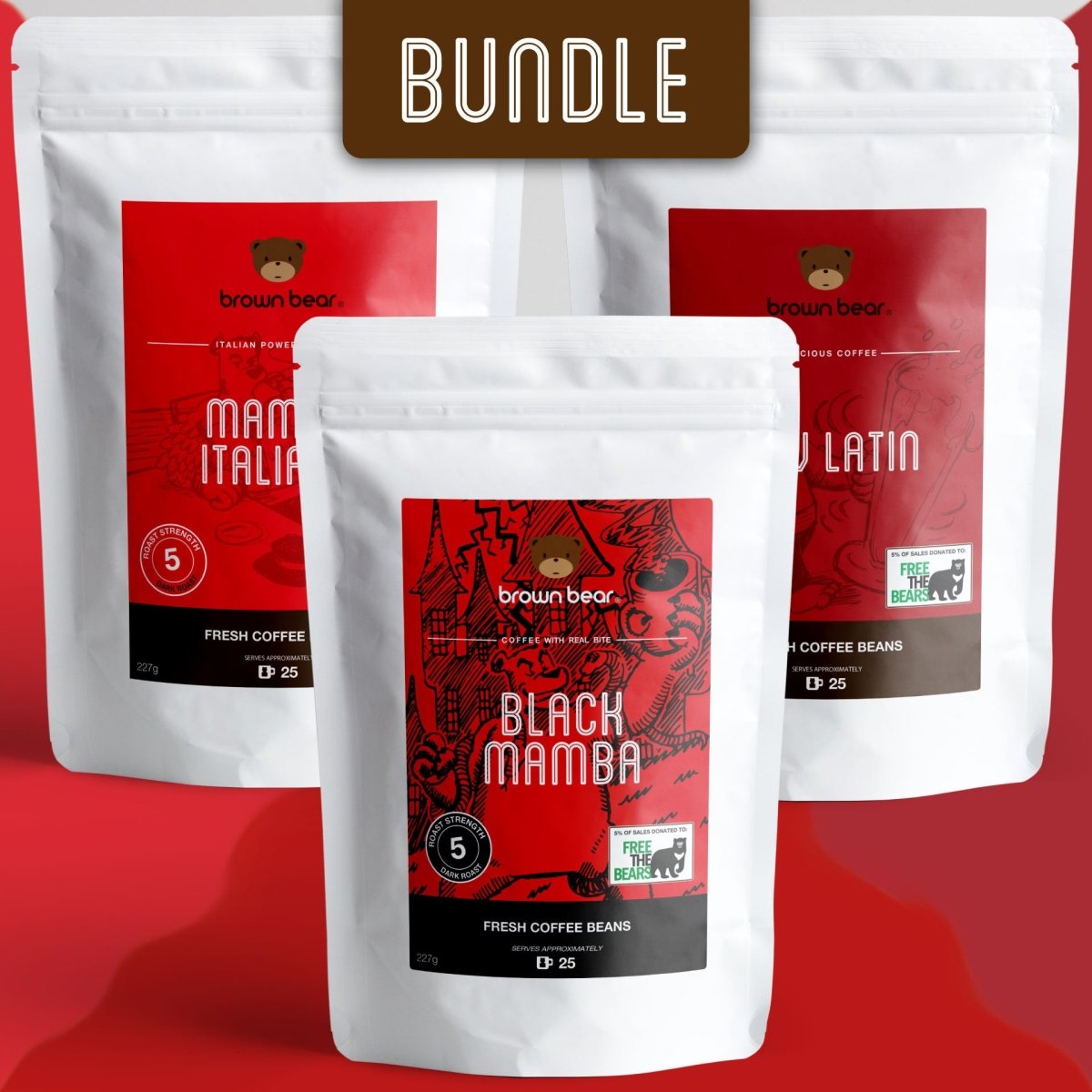
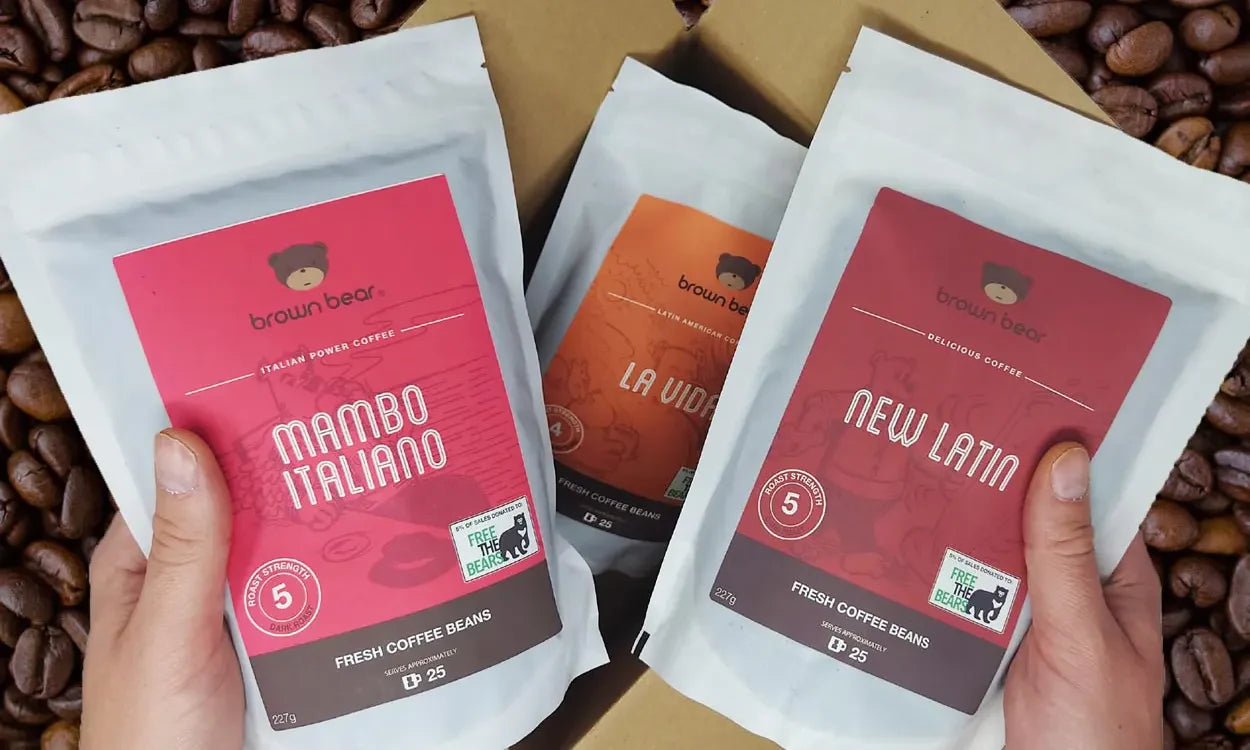
Brown Bear's range across light, medium, dark and ultra-dark roasts makes that comparison straightforward. Choose by the flavours you enjoy, not by the idea that one roast level is objectively best. Your favourite coffee is the one that works in your mug, with your milk choice, on an ordinary Tuesday morning.
The smoothest coffee is rarely the most extreme. It is the roast with enough sweetness, body and balance to make the next sip feel like an easy decision.

