










Your first better cup of coffee should taste like a treat, not a test. If you are wondering what coffee suits beginners, start with a smooth, balanced roast that works with the way you already make coffee at home. You do not need to identify every tasting note or own a cupboard full of brewing kit. You simply need a coffee that feels easy to enjoy from the first sip.
For most people, that means medium roast coffee with familiar flavours such as chocolate, caramel, nuts or gentle fruit. It is approachable black, forgiving with milk and flexible enough for a cafetière, filter machine or bean-to-cup machine. From there, your own preferences will make the next choice much clearer.
What coffee suits beginners best?
A medium roast is usually the safest and most satisfying starting point. It sits neatly between the bright, lighter character of a light roast and the bold, smoky edge of a dark roast. Expect a rounded cup with enough flavour to feel interesting, without bitterness taking over.
Look for tasting notes that sound genuinely appealing to you. If hot chocolate, toffee or roasted hazelnuts sound better than lemon zest and florals, choose a coffee described as chocolatey, nutty or caramel-like. These profiles are especially welcoming with milk, whether you make a milky cafetière coffee, a flat white at home or a simple mug with a splash of semi-skimmed.
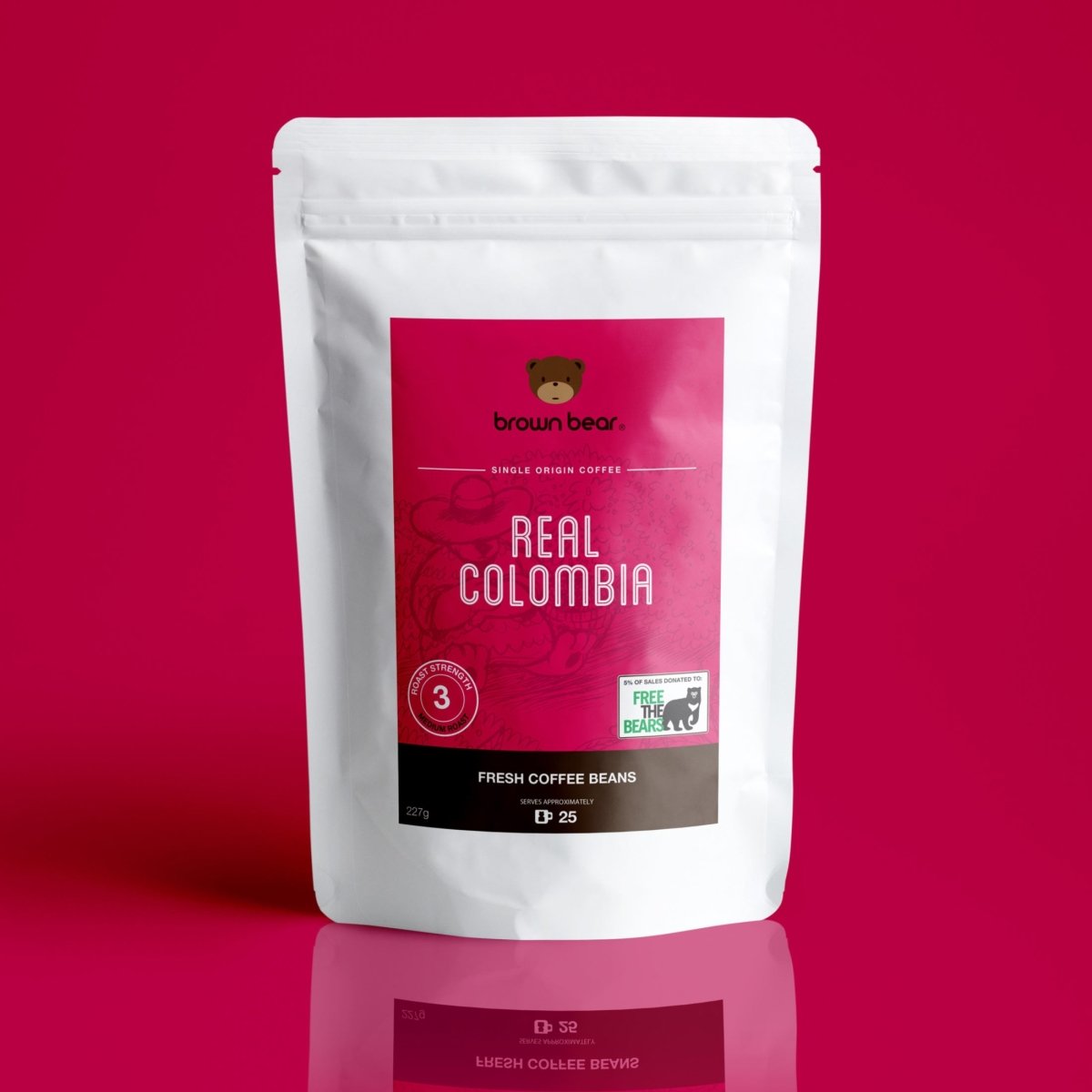
A medium roast from Brazil or Colombia is often a dependable first pick. Brazilian coffees commonly bring mellow nut and chocolate notes, while Colombian coffee can offer caramel sweetness and soft fruit. Neither origin guarantees one exact taste, of course. Processing, roast level and brewing all play a part. But they are useful signposts when you want a coffee that feels familiar rather than challenging.
Choose by taste, not coffee jargon
Coffee bags, beans and grounds can make it seem as though there is a correct way to begin. There is not. The right coffee is one you look forward to making tomorrow morning.
Think first about the flavours you enjoy in other food and drink. If you prefer rich desserts, darker chocolate and a proper strong brew, a dark roast could be your best introduction. Darker coffees tend to deliver fuller body and more intense cocoa, spice and toasted flavours. They are a great match for milk and for anyone who wants coffee to taste unmistakably like coffee.
If you lean towards tea, berries or lighter desserts, try a light roast. These coffees can be lively, sweet and fragrant, with more noticeable fruit or citrus character. They are not automatically weaker than dark roasts. Roast colour and caffeine strength are different things. Light roasts can simply taste brighter, which some new drinkers love and others need time to get used to.
Medium roast remains the happy middle ground. It gives you enough sweetness and body to enjoy straight away, while leaving room to notice what you might prefer next time.
A quick flavour shortcut
Use these simple descriptions when choosing your first bag:
- Chocolatey, nutty or caramel: smooth, rounded and easy with milk
- Biscuit, brown sugar or stone fruit: balanced with a little extra sweetness
- Berries, citrus or florals: brighter and more delicate, often best black
- Dark chocolate, spice or smoky notes: bolder, richer and ideal for a stronger cup
Match the coffee to how you brew
The brew method in your kitchen matters as much as the roast on the label. Coffee that tastes brilliant as espresso can feel too intense in a cafetière, while a delicate filter coffee may get lost under lots of milk.
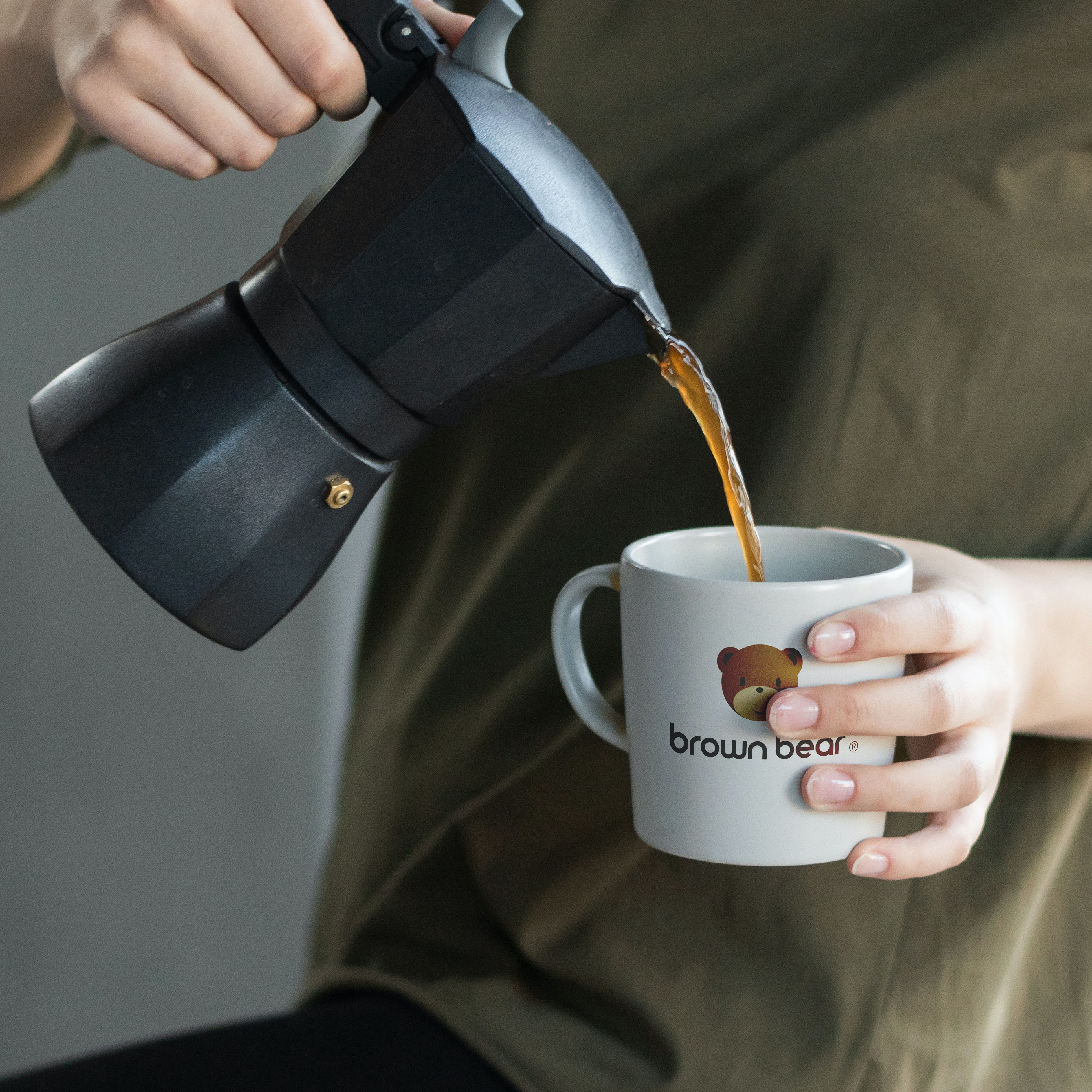
For a cafetière, medium or dark roasts are an easy place to start. Their fuller body stands up well to the immersion method and gives you a satisfying, comforting cup. Use coarse ground coffee, fresh water just off the boil, and let it brew for around four minutes before plunging slowly.
For a filter machine or pour-over, medium roasts are still wonderfully reliable, but lighter options become easier to explore. Paper filters create a cleaner cup, so you may notice fruitier and sweeter details more clearly. If your first filter tastes thin, try a slightly finer grind or a little more coffee before deciding the roast is not for you.
Bean-to-cup machines and espresso makers tend to suit medium-dark or dark roasts, particularly if milk drinks are your regular order. These coffees retain their flavour through the concentrated brew and work beautifully in lattes, cappuccinos and flat whites. A very dark roast can taste bitter if the machine runs too hot or the shot is over-extracted, so start with a medium-dark option if you want depth without too much edge.
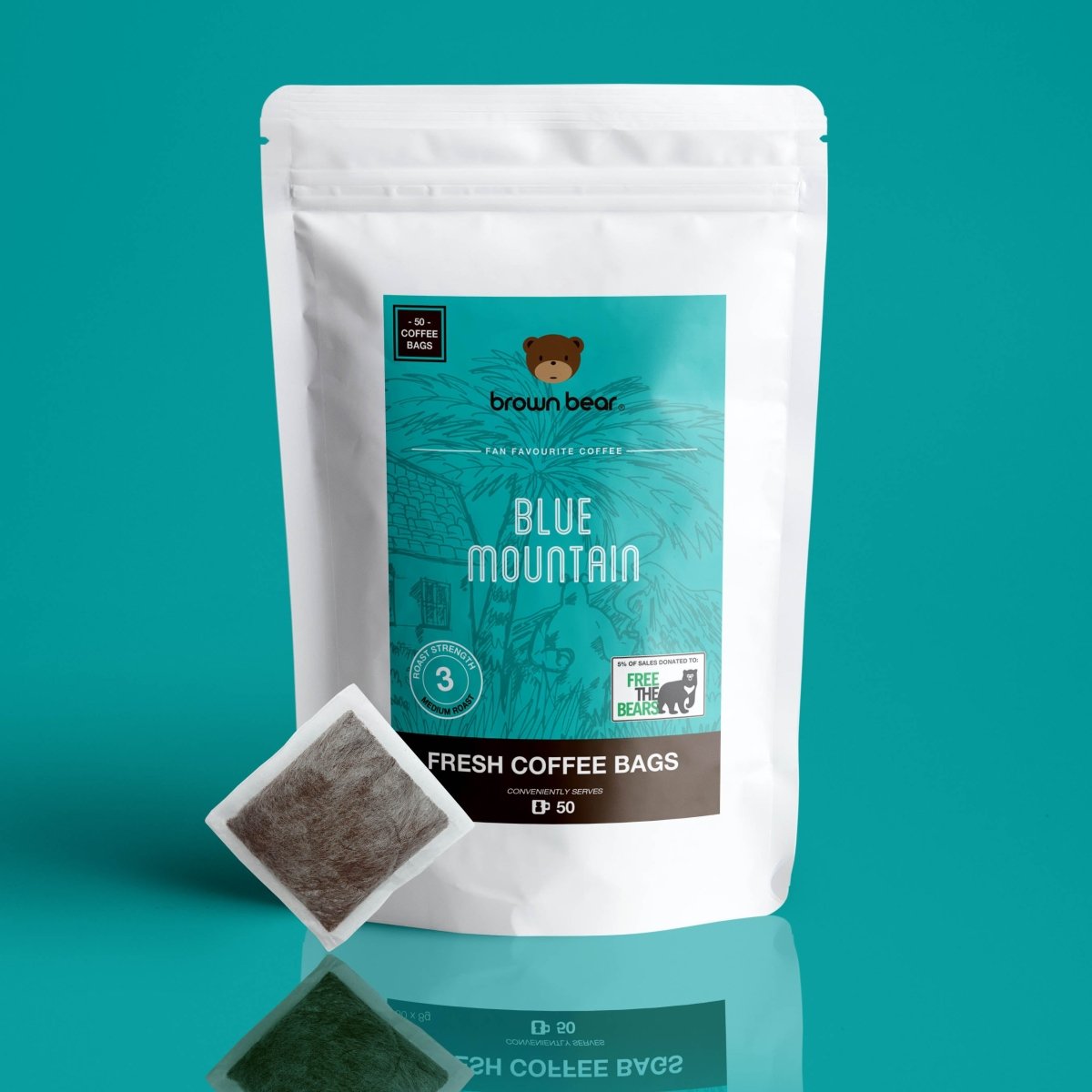
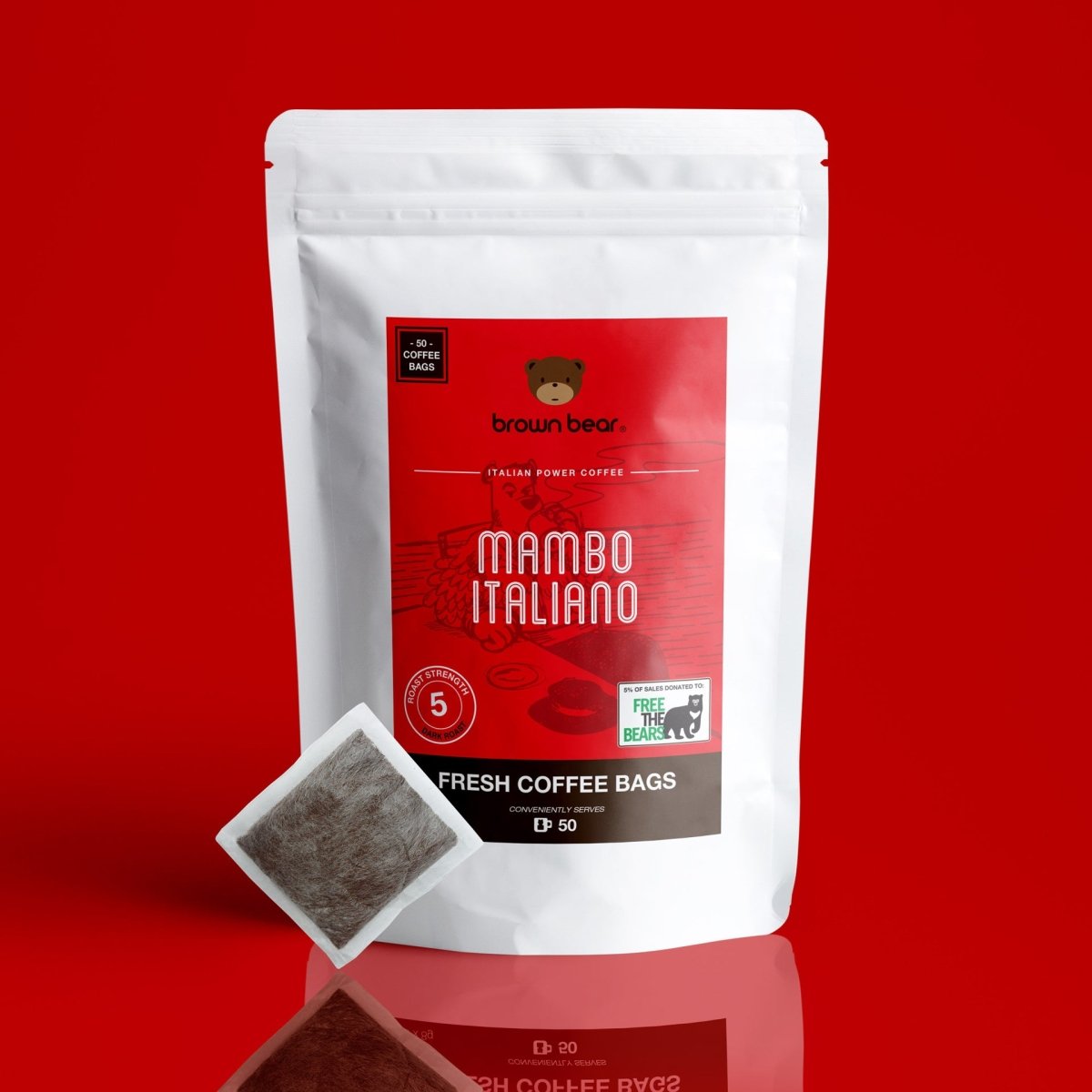
If you do not have any equipment yet, coffee bags are a brilliantly straightforward route in. They brew like tea: add hot water, steep, remove the bag and enjoy. You get a fresher, more satisfying cup than many instant coffees, without worrying about grinders, scales or cleaning filters before work.
Whole beans or ground coffee?
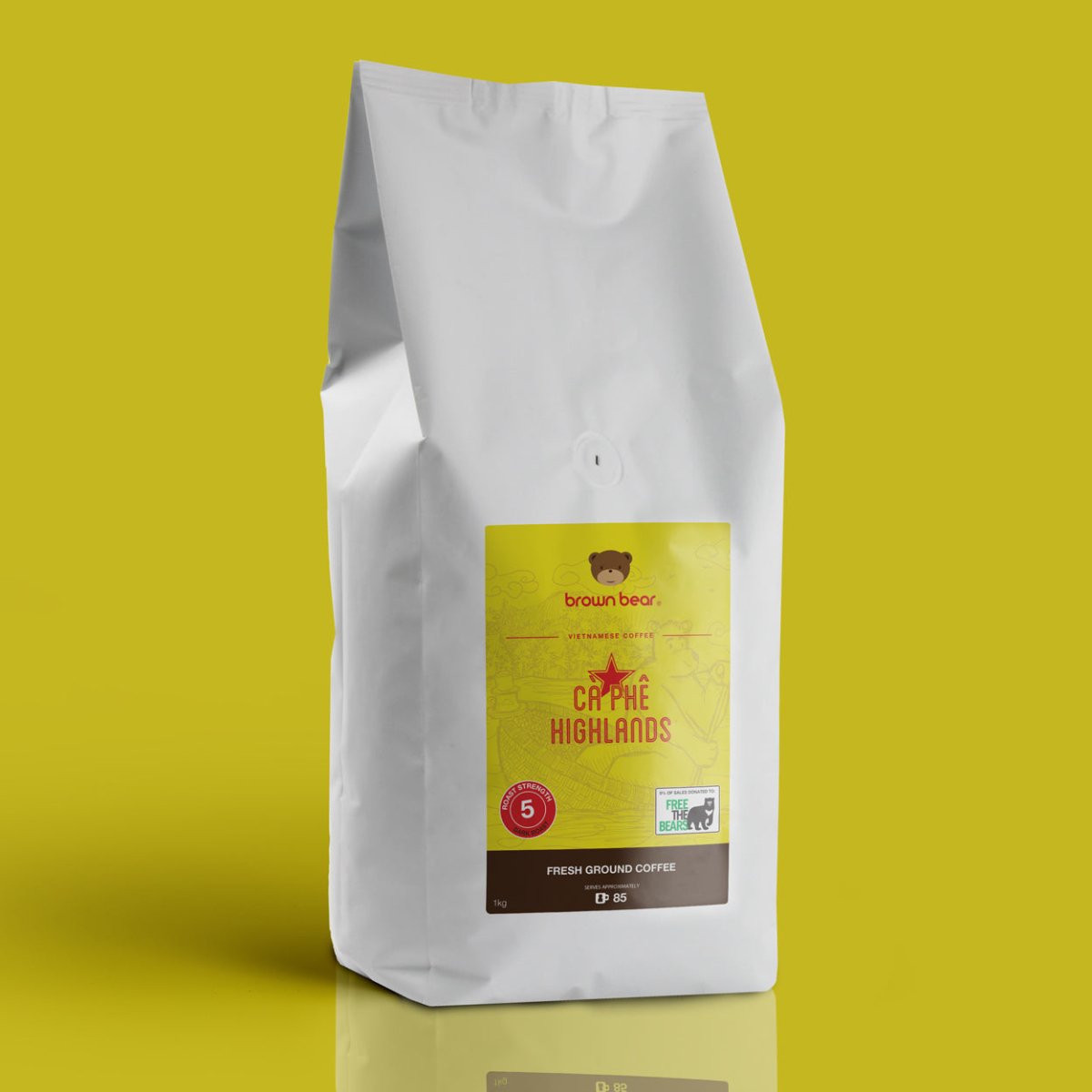
Freshly ground beans offer the most control and aroma, but they are not compulsory. Ground coffee is the practical choice if you know how you brew and want a quick, dependable routine. Just make sure the grind suits your equipment. Fine coffee is for espresso, medium is commonly used for filter brewing, and coarse is best for a cafetière.
Choose whole beans if you have a grinder, or plan to buy one soon. Grinding just before brewing helps preserve the coffee's aroma and gives you more scope to adjust the taste. Too bitter? Grind a little coarser or shorten the brew. Too sour or weak? Try a finer grind or use more coffee.
For beginners, convenience is a perfectly good reason to choose ground coffee or coffee bags. Better coffee habits last when they fit real mornings, not when they create another job before you have had your first cup.
Milk, black coffee and the strength question
Many people begin with milk, and that is useful information rather than something to apologise for. Milk softens acidity, adds sweetness and makes body feel creamier. A medium or medium-dark roast with chocolate and caramel notes is a natural fit.
If you take your coffee black, start with a medium roast brewed slightly less strong than you think you need. A balanced coffee will give you sweetness and depth without demanding that you enjoy intense bitterness. Once that tastes comfortable, try a lighter roast to see whether you enjoy its brighter character.
Strength can mean several things: how dark the roast tastes, how much coffee is in the cup, or how much caffeine it contains. For an easier first cup, focus on brew strength. If your coffee tastes harsh, use less coffee, add more water, or reduce the brewing time. If it tastes watery, use a little more coffee. Small changes make a bigger difference than endlessly switching bags.
Do not overlook decaf and cold brew
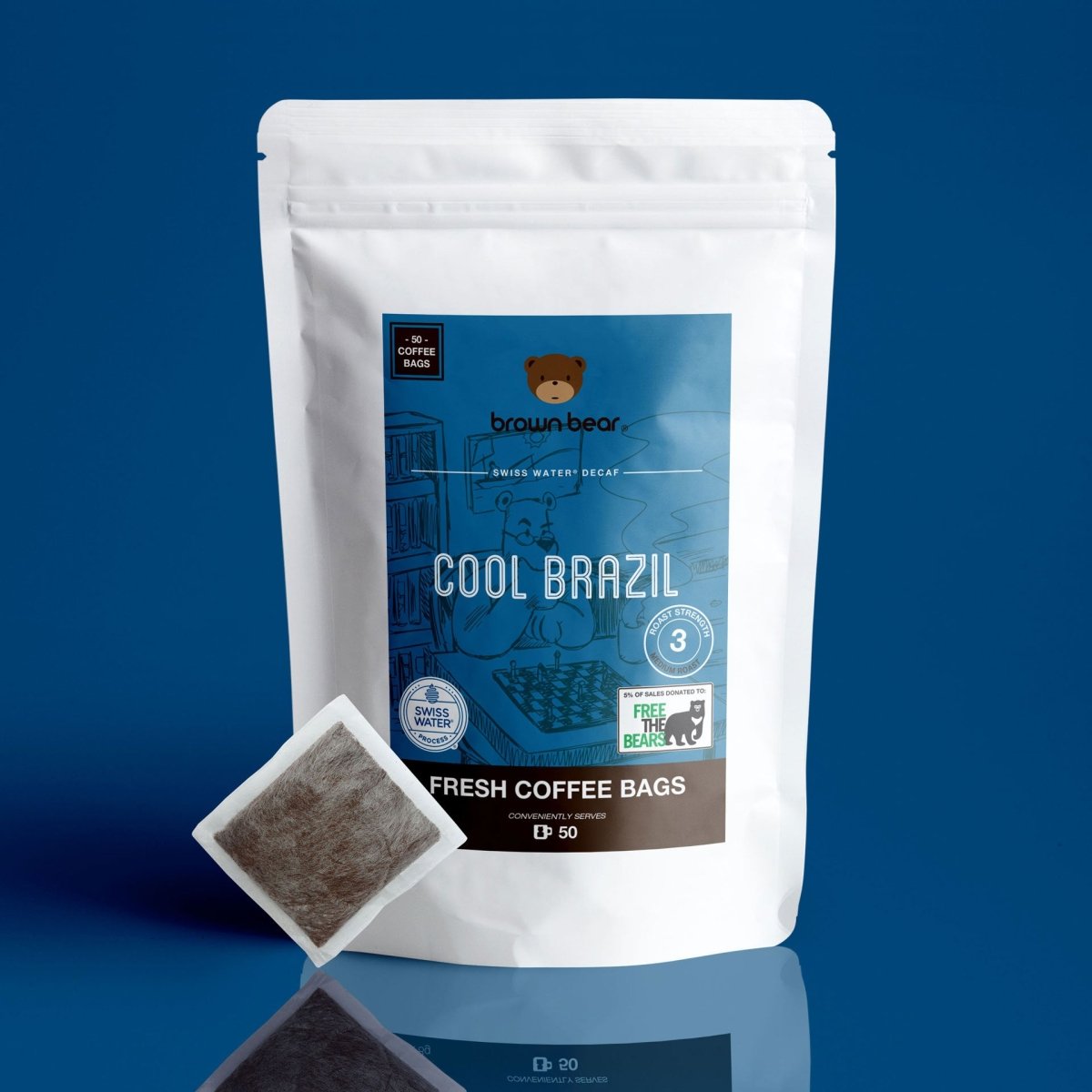
Decaf is not a compromise coffee. It is a smart choice if you want an afternoon cup, are cutting down on caffeine or simply love the ritual without the late-night restlessness. A medium decaf with sweet, chocolate-led notes makes an especially easy everyday option.
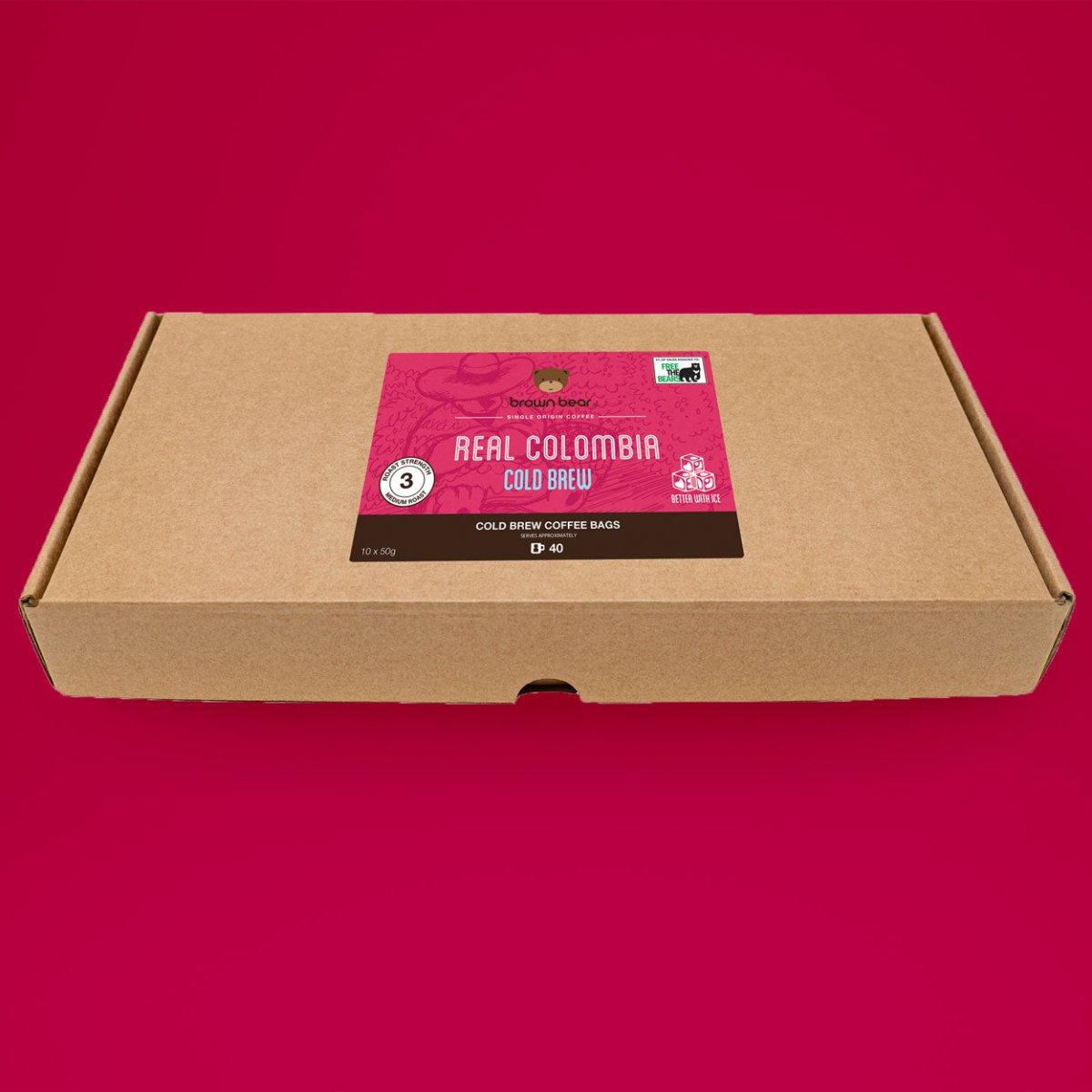
Cold brew is another gentle entry point, particularly in warmer weather or if hot coffee tastes too sharp to you. It is brewed slowly with cold water, producing a smooth, mellow drink that is lovely over ice with milk. It can be stronger in caffeine depending on how it is prepared, so treat it as a different style of coffee rather than a lighter alternative.
Give yourself three cups before deciding
One cup is not always a fair trial. Water temperature, a rushed measurement or a new brewing method can all change the result. Make the same coffee two or three times, adjusting one thing at a time. Try it with and without milk. Use a touch more water if it feels heavy, or a little more coffee if it lacks flavour.
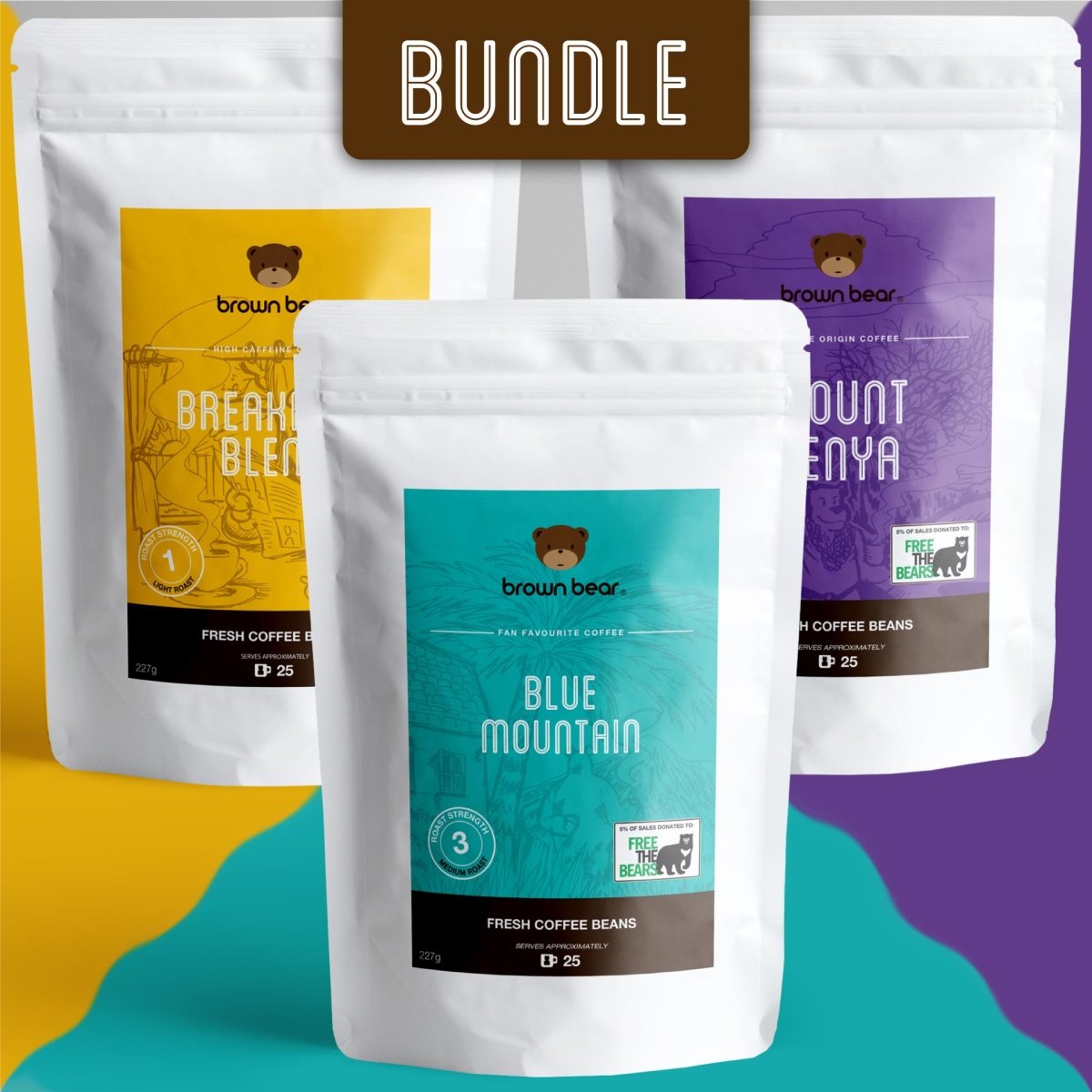
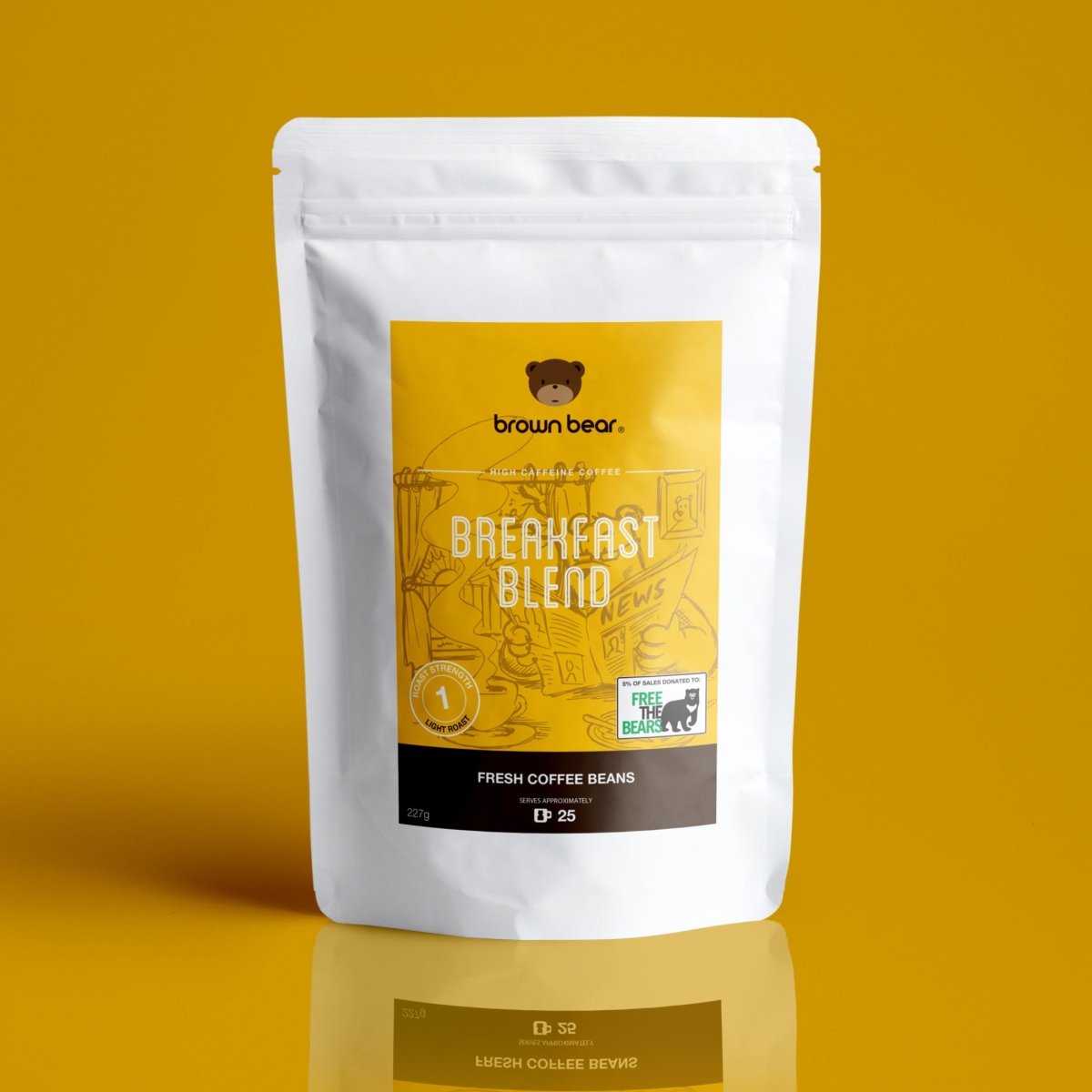
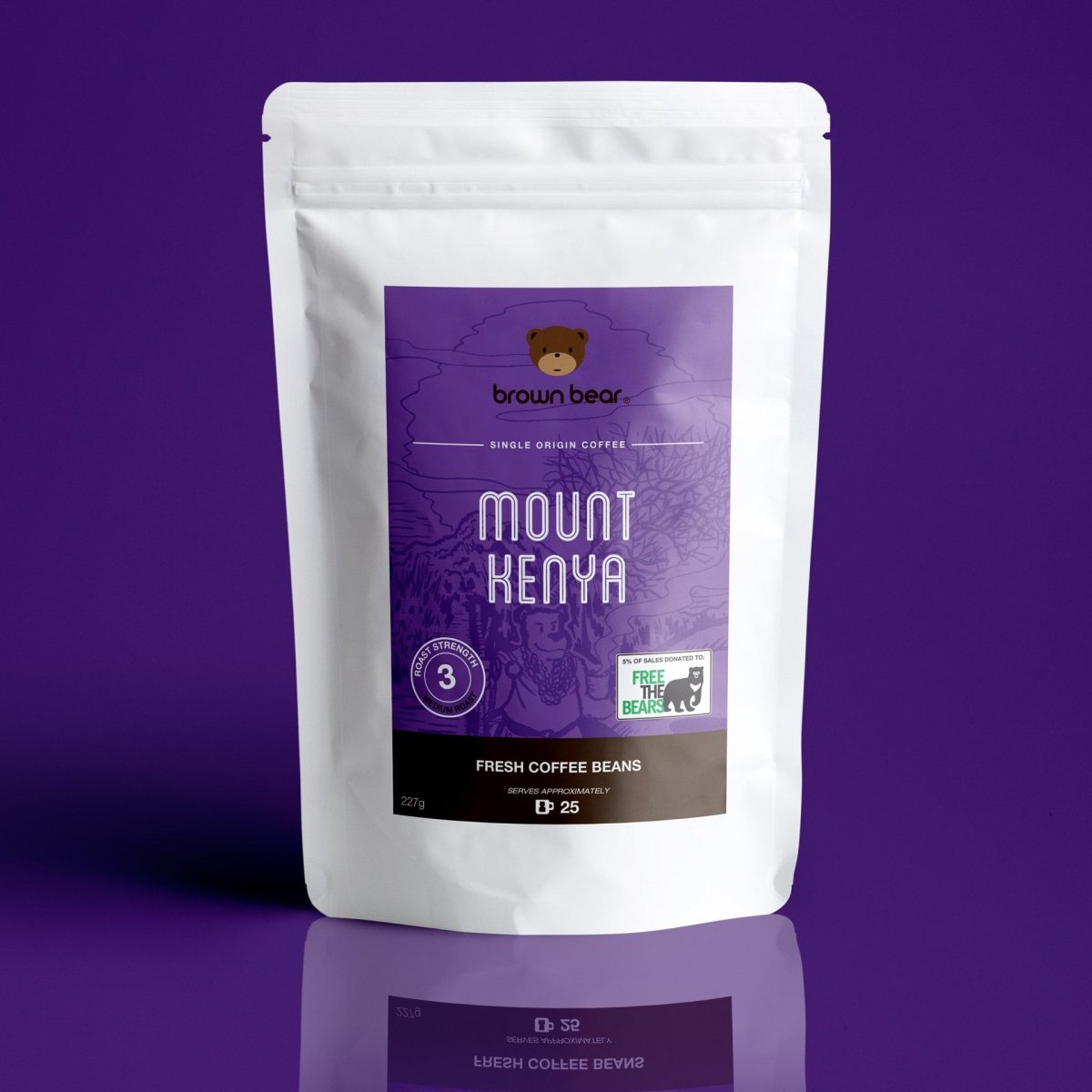
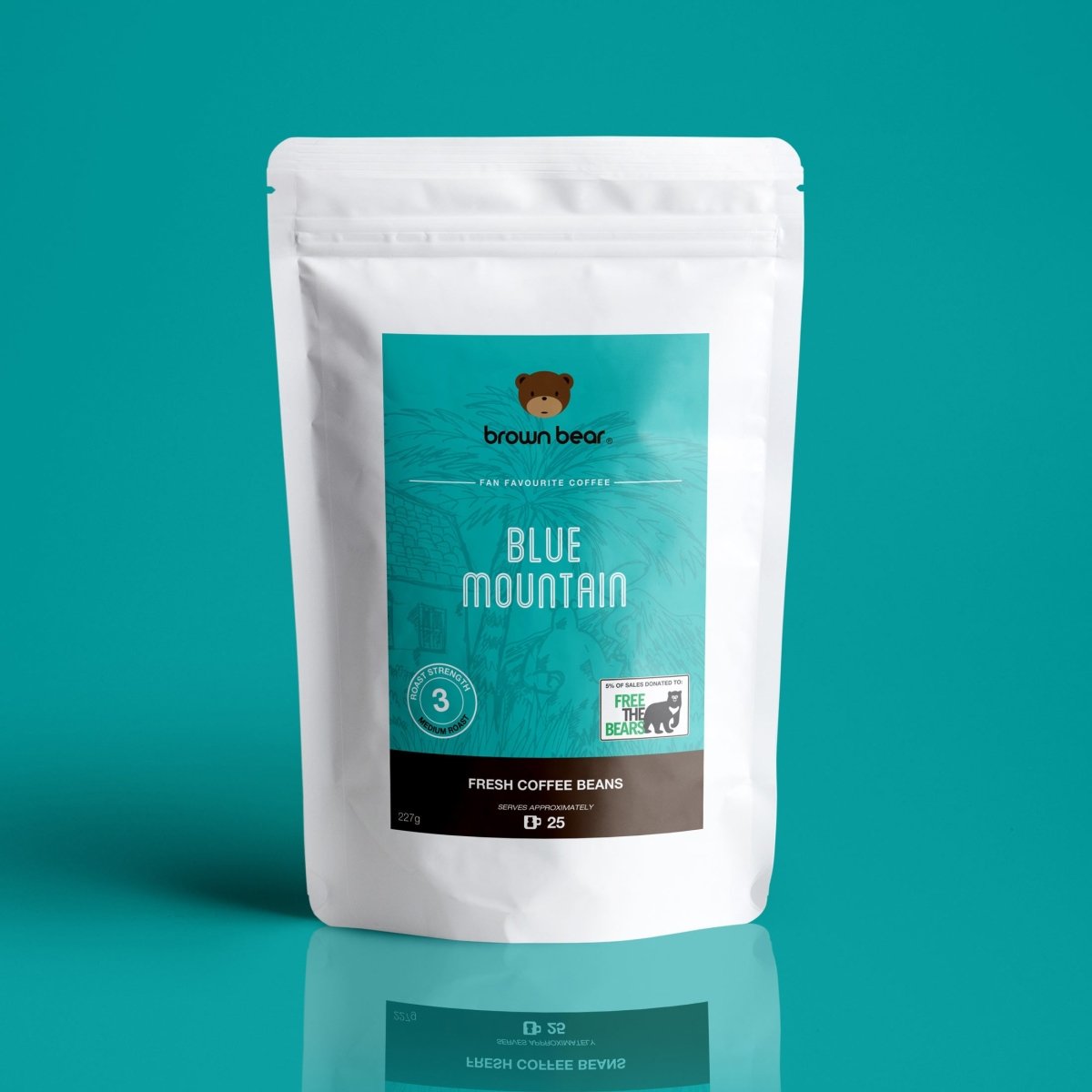
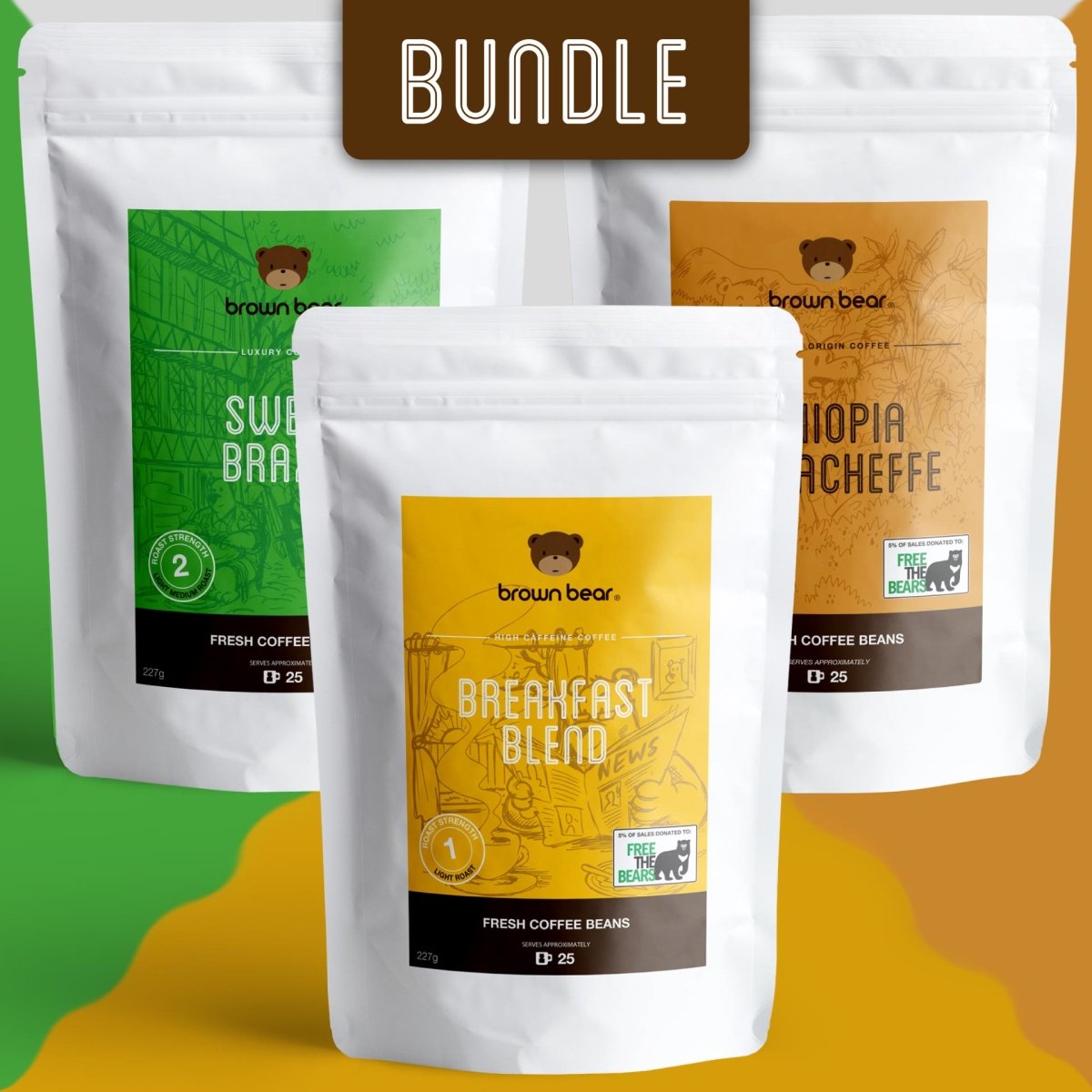
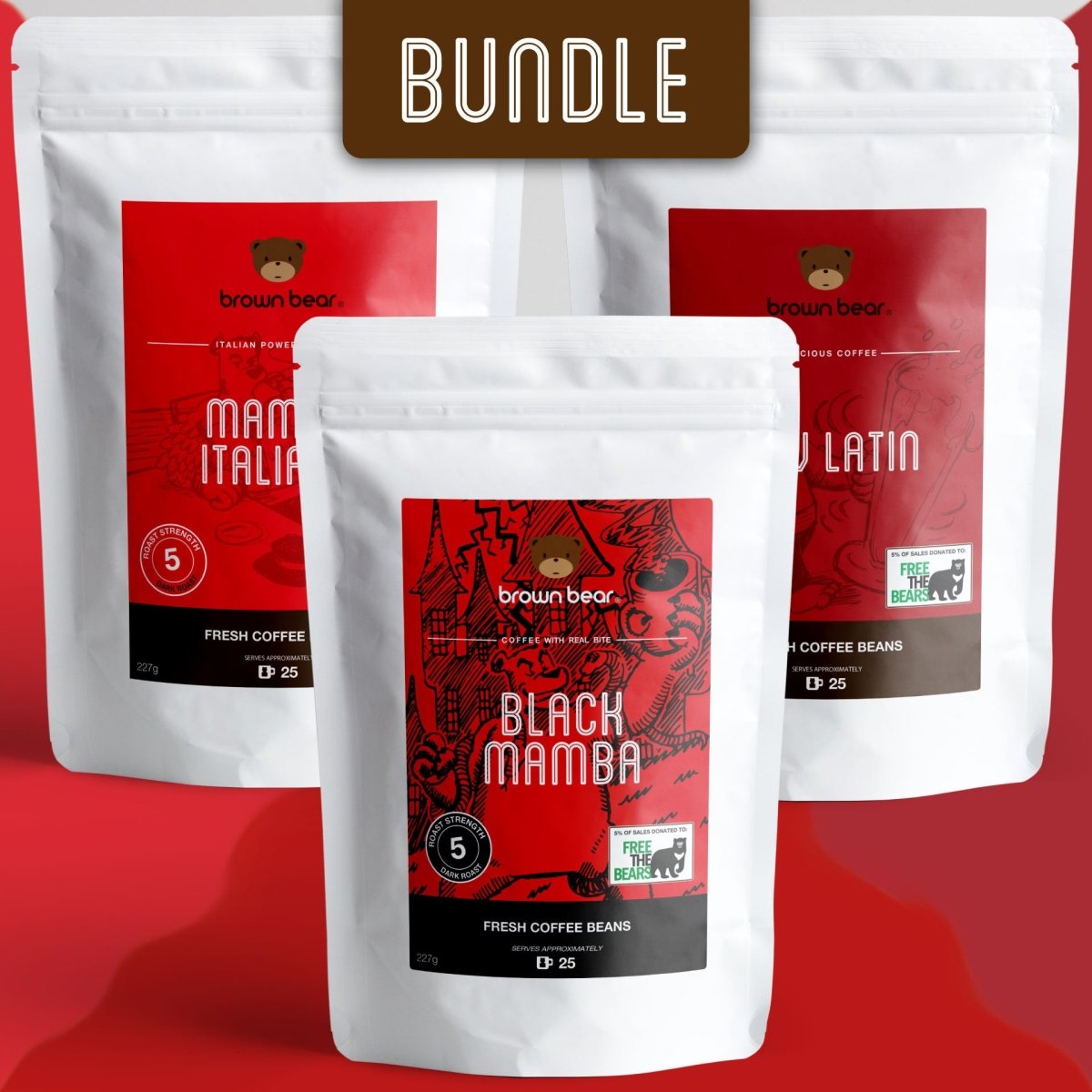
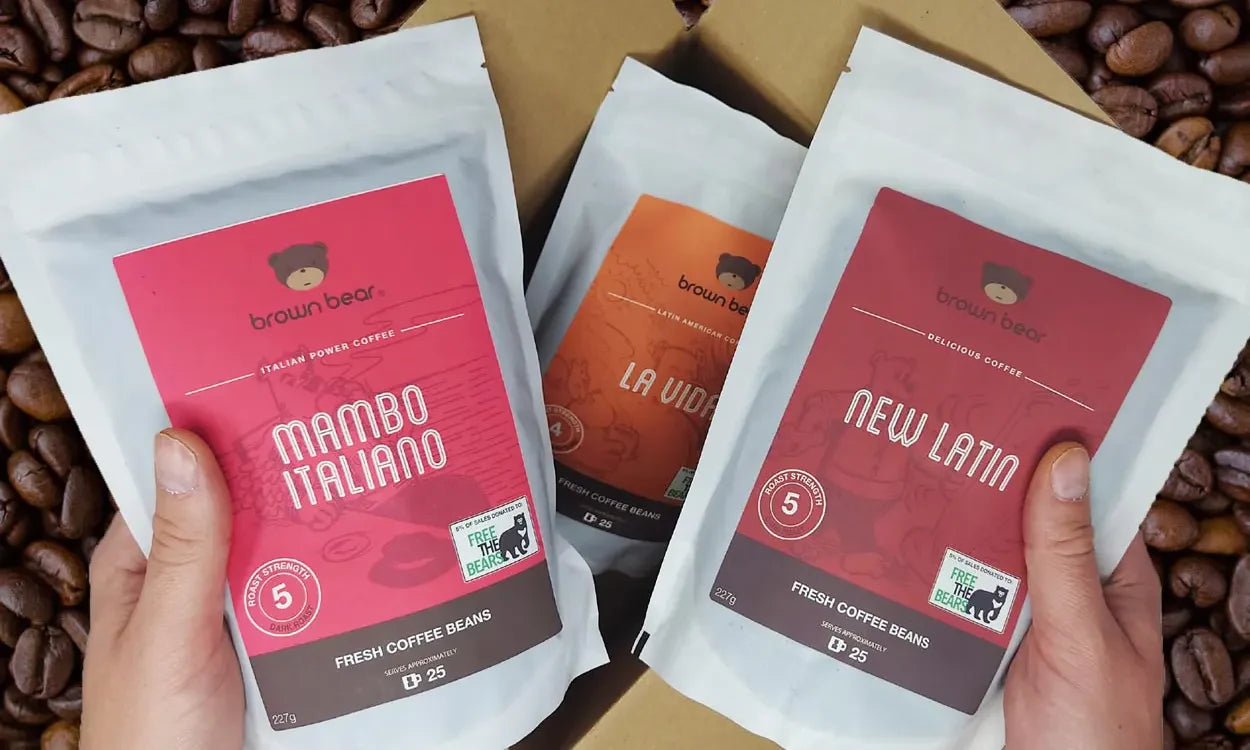
A simple starting point from Brown Bear is a smooth medium roast in the format that suits your routine, then a darker or lighter option when you are ready to compare. Keep a note of what you enjoyed: chocolatey, fruity, strong, mellow, black or milky. Your favourite coffee is usually found through those small, useful clues.
The best beginner coffee is not the one with the longest flavour description. It is the coffee that makes your everyday mug feel worth sitting down for, even when the morning is moving quickly.

