















In 1650, a small Oxford establishment run by a man known as Jacob began serving a dark, unfamiliar drink to students, scholars and curious locals. So, what was the first coffee shop in the UK? The best-supported answer is Jacob's coffeehouse at the Angel in Oxford - although the story needs one useful historical caveat.
The United Kingdom did not yet exist in 1650. England and Scotland would not formally unite until 1707. More accurately, Jacob's was the first recorded coffeehouse in England, and it is widely recognised as the starting point of Britain’s coffeehouse tradition.
It was not a café in the modern sense. There were no flat whites to take away, no shelves of retail beans and no laptop tables. But its arrival changed how people met, talked, read and did business. For anyone who enjoys a good morning brew at home, it is a reminder that coffee has long been about more than the cup.
What was the first coffee shop in the UK?
The first recorded coffeehouse in England opened in Oxford around 1650. It was run by Jacob, often described in historical accounts as a Jewish entrepreneur, at or near the Angel inn in the parish of St Peter in the East.
Coffee had already travelled a remarkable route before reaching Oxford. Originating in Ethiopia and developing into a popular social drink across the Arabian Peninsula and Ottoman Empire, it was introduced to European ports through trade. By the mid-seventeenth century, merchants, travellers and diplomats had begun bringing coffee to Britain.
Oxford was an ideal place for the drink to find an audience. It was full of people who were used to debate: university scholars, visiting intellectuals, clergy, writers and students. Coffee was new, stimulating and decidedly different from the beer and ale that were everyday drinks for many people. A cup gave people a place to sit, think and talk with a clearer head.
The exact location and details have been debated over the years. Queen’s Lane Coffee House in Oxford is frequently associated with the claim of being the oldest coffeehouse in Europe, but its direct link to Jacob’s original premises is not certain. What historians can say with confidence is that Oxford had an operating coffeehouse by 1650, before the fashion reached London in force.
Oxford’s Angel coffeehouse was small but influential
Jacob’s coffeehouse was modest, but the idea behind it travelled quickly. Customers paid a penny for entry and a bowl of coffee, leading to the familiar name “penny universities”. For a small price, people could hear news, exchange ideas and join conversations that might otherwise have been limited to private clubs or university rooms.
That accessibility mattered. Coffeehouses brought together people from different trades and backgrounds, even if society still had firm boundaries. Merchants could meet writers, students could hear political arguments, and visitors could pick up news from abroad. The drink itself was part of the appeal, but the gathering was the real product.
There was also a practical reason coffee caught on. The earliest brews were often prepared in an Ottoman style: strong, dark, unfiltered and sometimes sweetened or spiced. It would not have tasted like a bright, carefully brewed single-origin filter coffee today. Yet coffee offered a different kind of energy to alcohol, especially during the working day.
In that sense, the first English coffeehouse helped establish a habit that still feels familiar. Coffee became a useful daily pause: a reason to meet someone, reset between tasks or start the day with purpose.
London turned coffeehouses into a national craze
Oxford may have been first, but London made coffeehouses famous. In 1652, Pasqua Rosée opened what is generally regarded as London’s first coffeehouse in St Michael’s Alley, Cornhill. Rosée had worked for Daniel Edwards, a merchant involved in trade with the Ottoman world, and he promoted coffee directly to Londoners.
A surviving advertisement from the period praised coffee as a drink that could aid digestion, sharpen the mind and help prevent drowsiness. Some of those claims sound familiar to anyone who has reached for a second cup before a busy afternoon. Others were more enthusiastic than modern evidence would support.
London’s coffeehouses multiplied at speed. By the late seventeenth century, there were hundreds. Different venues became known for different crowds and interests. Some attracted merchants and shipowners, others writers, politicians, scientists or financiers. Lloyd’s Coffee House, for example, became closely linked with marine insurance, while other houses fed the worlds of publishing and politics.
This is where the coffeehouse became more than a place to drink coffee. It became a working network. Information moved quickly through conversation, newspapers, letters and gossip. Deals were discussed, opinions tested and reputations made.
Why did coffeehouses matter so much?
The early coffeehouse succeeded because it offered several things at once: refreshment, information and company. It was affordable enough to be part of everyday city life, while still feeling novel and cosmopolitan.
It also arrived at a time when Britain’s commercial and political life was changing rapidly. Trade routes were expanding, print culture was growing and cities were becoming busier. Coffeehouses gave people a place to make sense of it all.
That did not mean they were perfect public spaces. Most were overwhelmingly male, and women were often excluded as customers, though some women owned, managed or supplied coffeehouses. The conversations could be argumentative, partisan and noisy. Authorities occasionally worried that coffeehouses encouraged political dissent and the spread of rumours.
Still, the model endured because it met a real need. People wanted somewhere between home and work where they could spend an hour, meet a contact or simply hear what was happening. Modern cafés, co-working spaces and even group chats all carry a little of that same social function.
From a bowl at the Angel to the coffee we drink now
Today’s coffee scene would look very different to Jacob. We have access to beans from Brazil, Colombia, Ethiopia, Kenya, Guatemala, Peru and beyond, along with clear choices in roast level, brewing style and strength. You can choose a light roast for a livelier, fruit-forward cup, a medium roast for balance, or a powerful dark roast for a fuller, deeper flavour.
The early coffeehouse drink was less about origin notes and more about novelty. Coffee was an imported luxury, often expensive and unfamiliar. Over centuries, improvements in global trade, roasting and home brewing made it a much more regular part of British life.
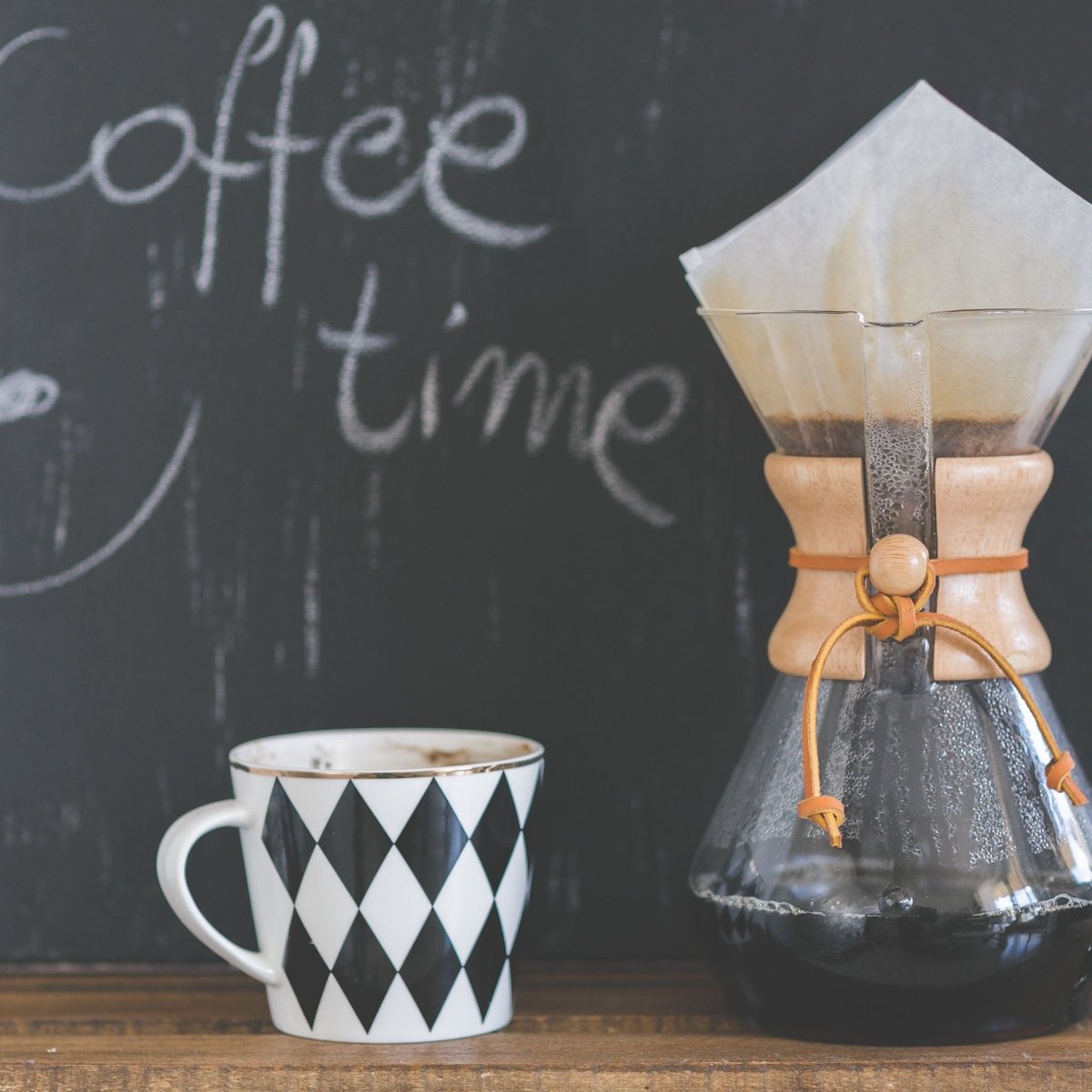
Yet there is a useful connection between then and now. Good coffee does not have to be complicated to be worth enjoying. Whether you use a cafetière, espresso machine, filter brewer or coffee bags, the best choice is the one that fits your routine and tastes great to you.
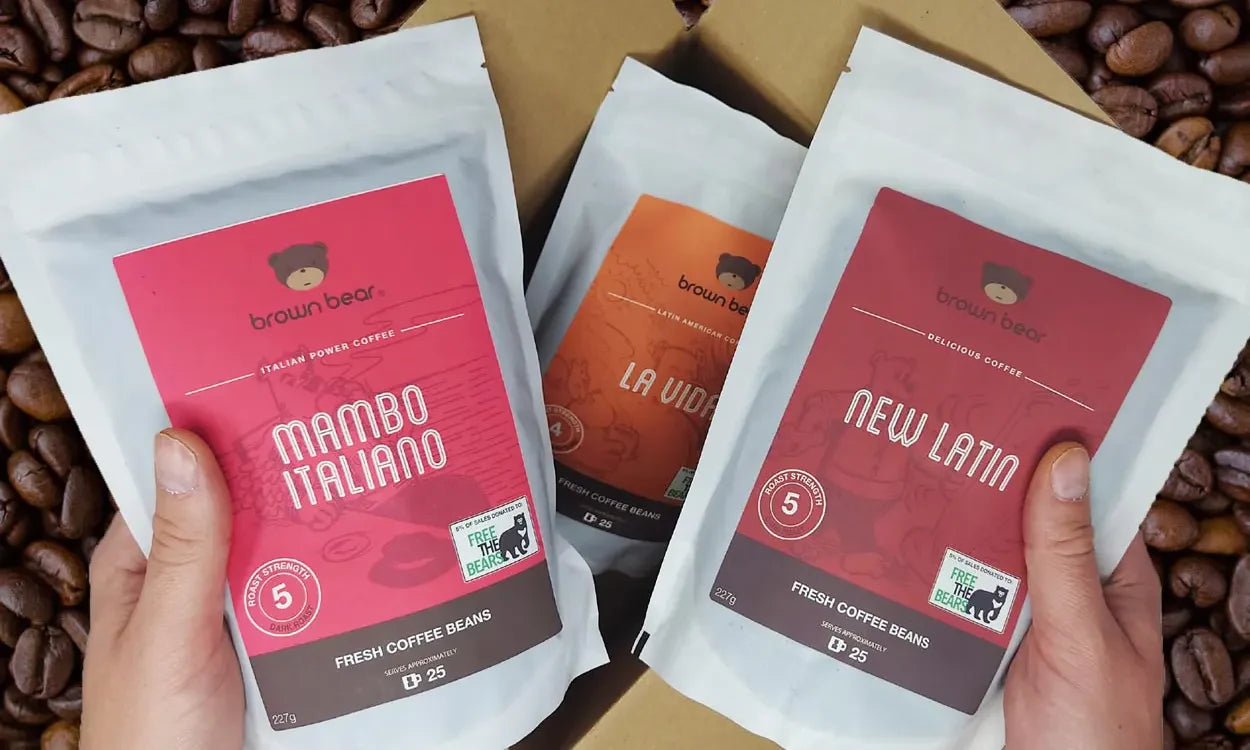
For a busy household, that may mean keeping a dependable medium roast on hand. If you like a bigger, bolder cup, a dark or ultra-dark roast can make the morning feel more decisive. If you are buying a gift, a coffee selection is an easy way to let someone find their own favourite. The important bit is not following someone else’s coffee rules. It is making better coffee an easy part of your day.
Was Jacob’s really the first coffeehouse in Britain?
It depends on how strictly the question is framed. Jacob’s Oxford coffeehouse is the earliest widely documented example in England, dating to around 1650. Because England later became part of the United Kingdom, it is commonly described as the first coffee shop in the UK.
But historians are right to be careful with modern labels. Britain in 1650 was politically different, records are incomplete, and “coffee shop” is a modern phrase. Jacob’s business was a coffeehouse, a social and commercial meeting place built around servings of coffee rather than the retail-and-café model we know today.
That small distinction makes the history more interesting, not less. The first coffeehouse was not simply the first place to buy a hot drink. It was an early sign that coffee could shape the rhythm of public life.
The next time you make a cup, take a moment to picture Oxford in 1650: a new drink, a crowded room and a conversation that may have lasted longer than the coffee. Four centuries later, the beans, brews and settings have changed, but coffee still gives us a reason to pause and connect.

