


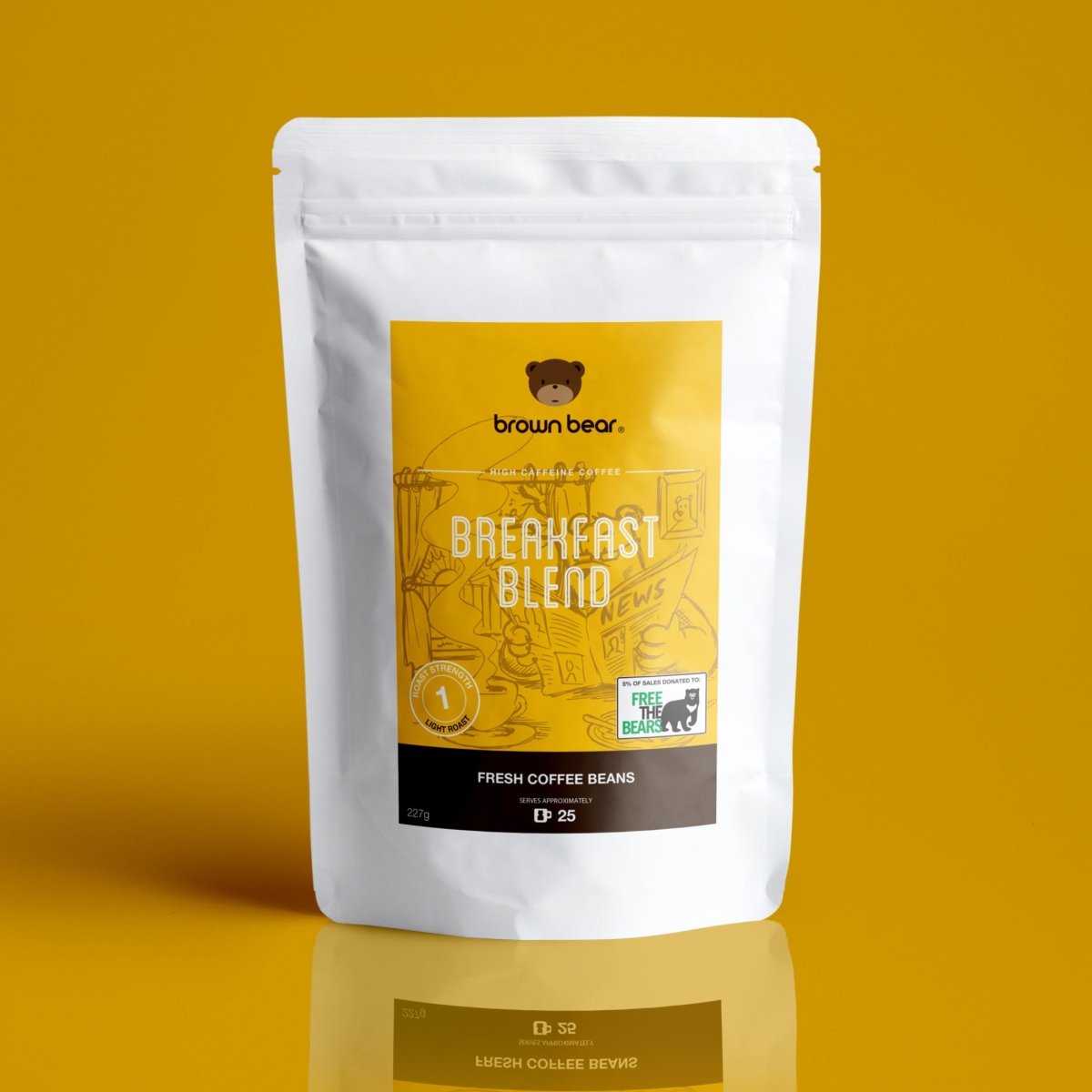
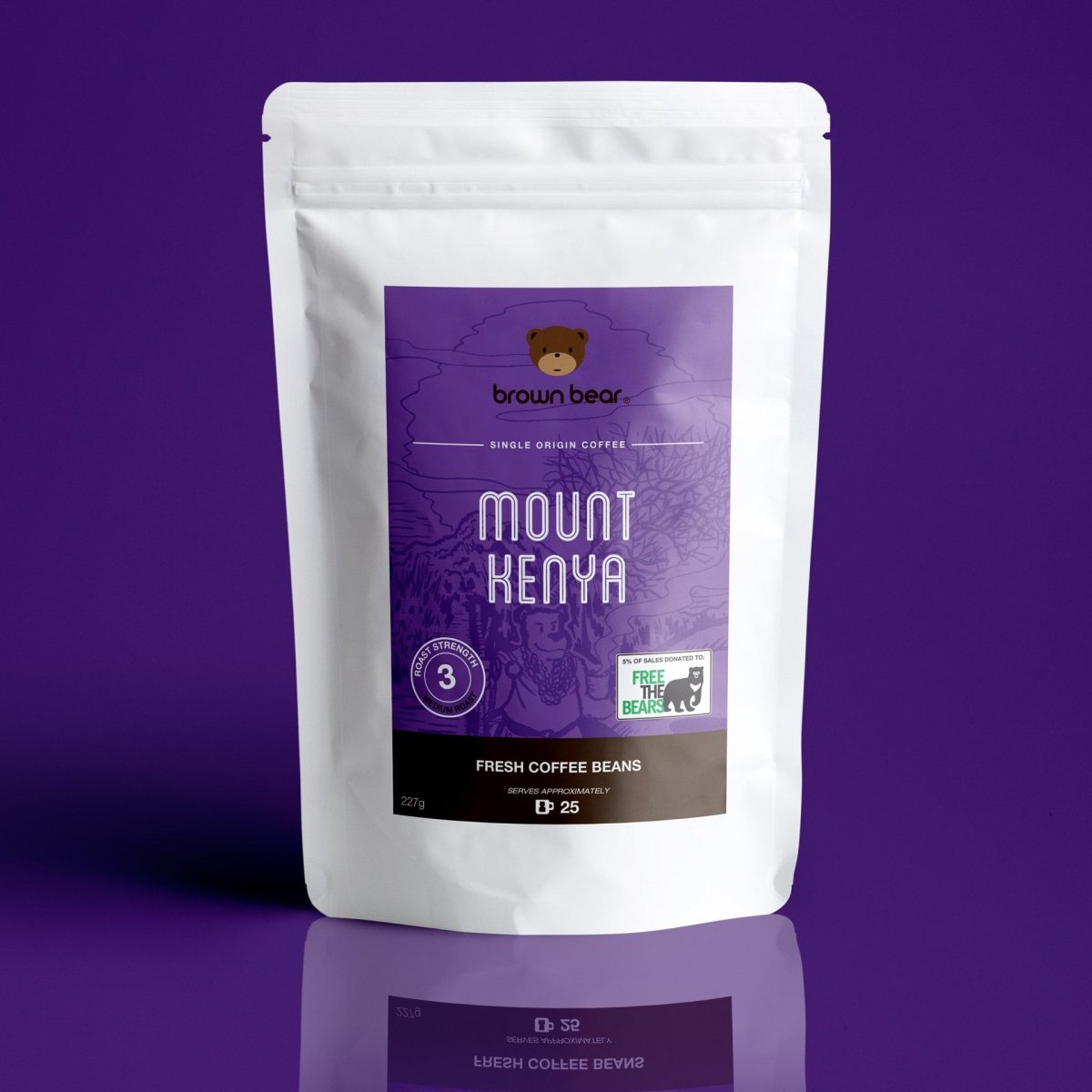
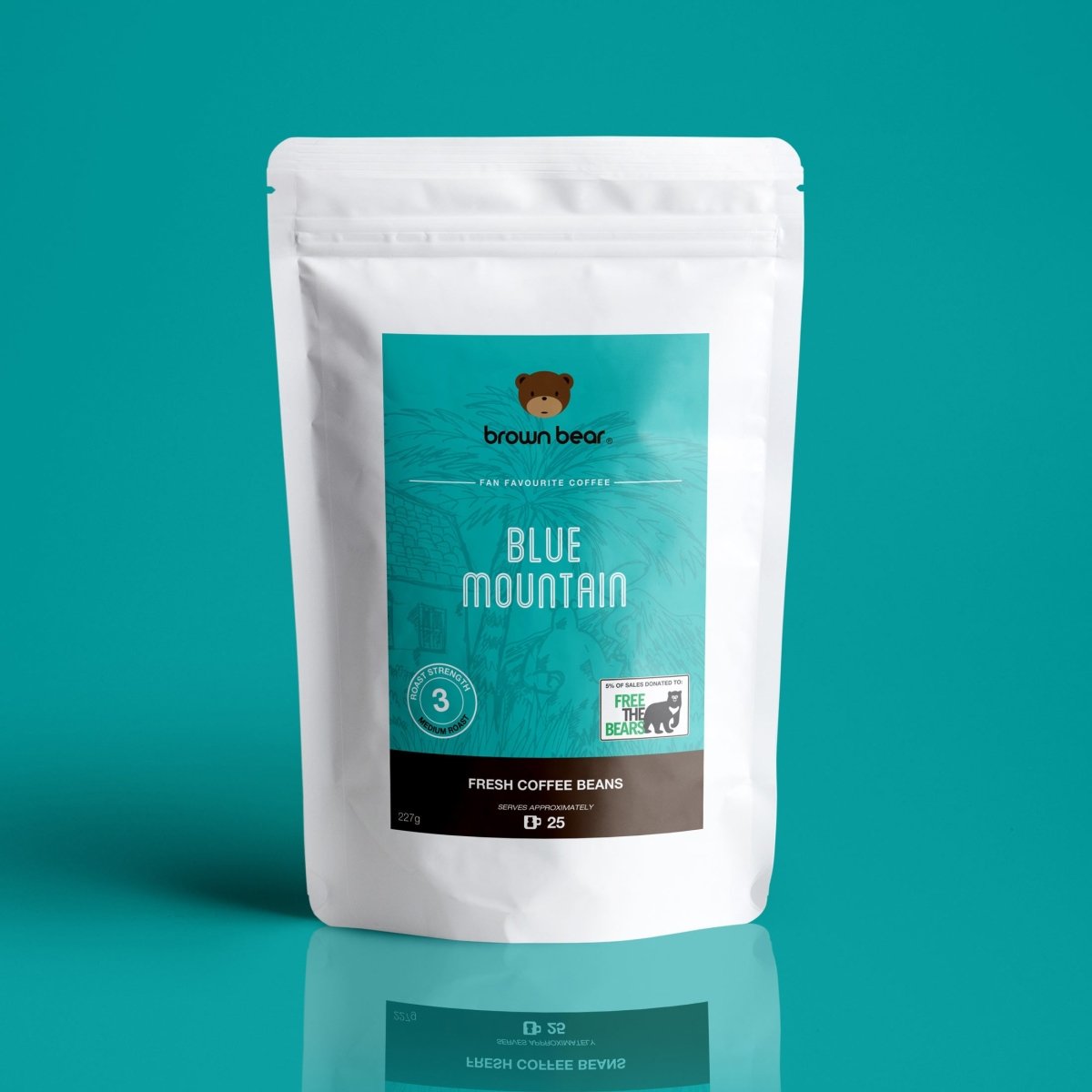
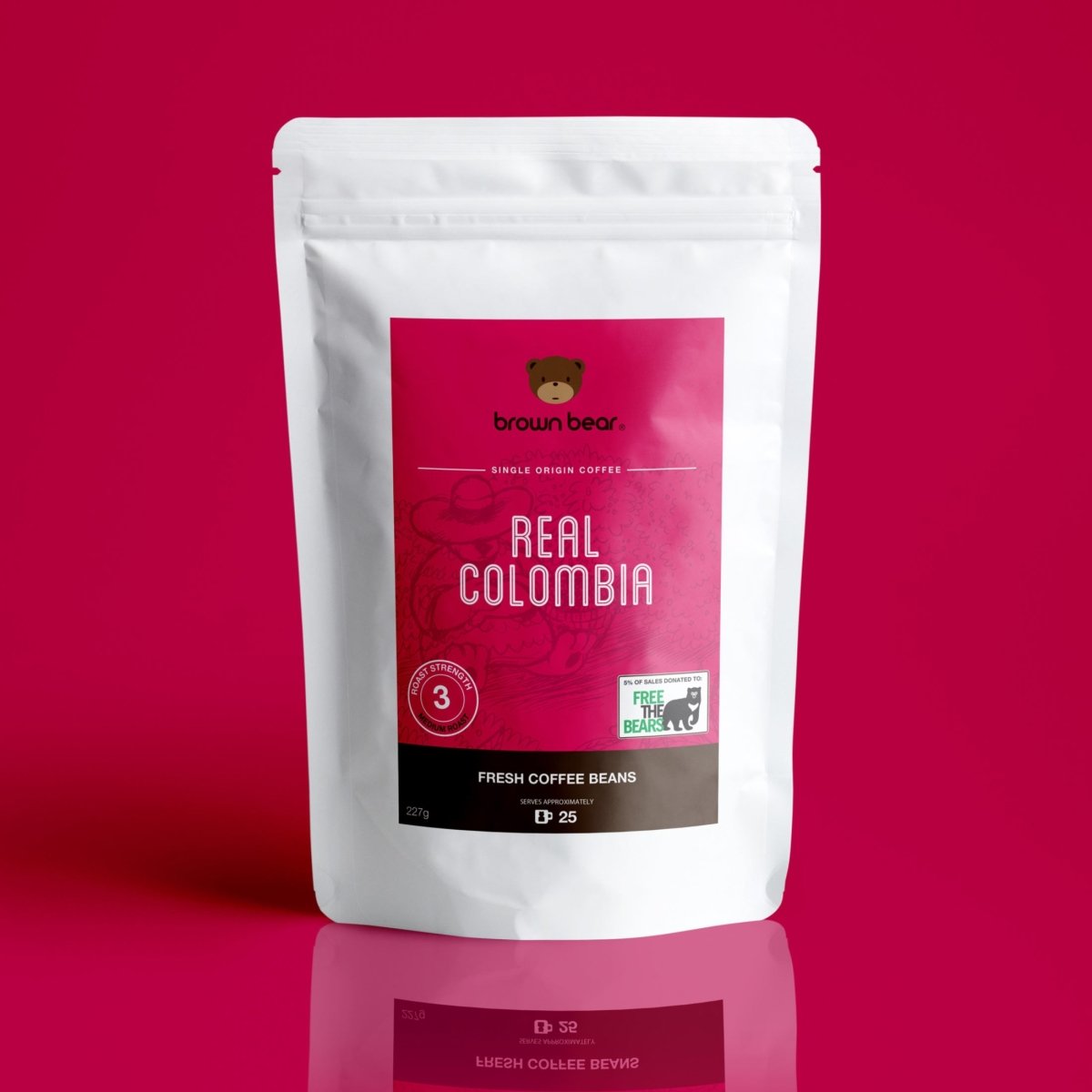










Coffee began as a bright red cherry growing on shrubs in the highlands of East Africa. Today, it is the dependable start to a working day, a post-lunch pick-me-up and, for plenty of us, a small ritual worth doing properly. A brief history of coffee shows how one remarkable plant travelled from forest to monastery, port city to kitchen cupboard, changing along the way from a regional crop into one of the world’s favourite drinks.
The story is not a perfectly straight line. Some early tales are legend, records can be patchy, and coffee’s spread was shaped as much by trade and politics as by taste. But its journey explains why origins, roast levels and brewing styles still make such a difference in your cup.
A brief history of coffee begins in Ethiopia
Coffee arabica is widely understood to have originated in Ethiopia, where wild coffee plants have grown for centuries. The best-known origin story centres on Kaldi, a goat herder who supposedly noticed his animals becoming unusually lively after eating red coffee cherries. Curious monks then brewed the fruit and discovered it helped them stay awake during long prayers.
It is a lovely story, but it is difficult to prove. What matters more is that communities in the region had been using coffee long before it became the brewed drink we know. The cherries may have been eaten, mixed with fat for portable energy, or prepared in simple drinks. Coffee was food as well as refreshment.
That origin still matters. Ethiopia produces coffees with a huge range of character, often showing floral notes, citrus-like brightness, berry fruit or tea-like delicacy. A light or medium roast can be a great way to notice those distinctive flavours, although the best choice always depends on how you brew and what you enjoy. If you prefer a richer, more traditional cup, a darker roast may be more your speed.
Yemen turned coffee into a drink of trade
By the 15th century, coffee cultivation and drinking were firmly established across the Red Sea in Yemen. Sufi communities are often associated with coffee’s early popularity there, using it to stay alert during night-time religious observances. Yemen’s port of Mocha became particularly important, exporting coffee to the wider Arab world.
Mocha is now often used to describe chocolatey coffee drinks, but its original meaning was geographical. Coffee shipped through the Yemeni port became so well known that the place gave its name to a style of coffee. It is a useful reminder that coffee names can carry layers of history, even when modern menus give them a new meaning.
Coffeehouses soon appeared in cities including Mecca, Cairo, Damascus and Istanbul. These were not simply places to grab a quick drink. They became social hubs for conversation, music, games, business and news. Authorities sometimes viewed them with suspicion because people gathered there to talk freely, but coffee’s popularity proved hard to stop.
Coffee arrives in Europe and Britain
European traders encountered coffee through the Ottoman Empire and eastern Mediterranean ports during the 16th and 17th centuries. At first, the dark drink was unfamiliar. Before long, demand grew rapidly among people who appreciated its stimulating effect and sociable setting.
Britain’s first coffeehouse opened in Oxford in the 1650s, followed by London establishments that became known as penny universities. For the price of a penny, visitors could buy a cup and join discussions with merchants, writers, scientists and politicians. The coffeehouse was a meeting point where ideas, gossip and business moved quickly.
Some famous institutions grew from this culture. Lloyd’s of London began in Edward Lloyd’s coffeehouse, while other cafés became regular gathering places for financiers, publishers and traders. Coffee was not yet the easy at-home purchase it is now. It was part of urban life, tied to commerce and conversation.
Tea eventually became Britain’s dominant hot drink, helped by imperial trade, changing prices and domestic habits. Yet coffee never disappeared. It remained a familiar choice in cafés, workplaces and homes, then gained fresh momentum through instant coffee, espresso bars and the growing interest in quality beans.
The hard history behind a global crop
Coffee’s rise brought opportunity, but it also has a difficult side. As European powers tried to control supply, coffee plants were taken from Yemen and cultivated in colonial territories. Dutch growers established plantations in Java, the French expanded production in the Caribbean, and Portugal developed coffee farming in Brazil.
Much of this expansion relied on enslaved people and exploitative labour systems. Brazil became the world’s leading coffee producer in the 19th century, a position it still holds, but its coffee economy was deeply connected to slavery. The wealth created by coffee did not flow fairly to the people who planted, picked and processed it.
This history is worth recognising whenever we talk about coffee as a simple everyday pleasure. Coffee remains a global supply chain involving farmers, seasonal workers, exporters, roasters and retailers. Prices, climate pressure and market power still affect the people at the start of that chain most sharply.
Ethical buying cannot solve every structural problem on its own, and labels should never replace proper scrutiny. But choosing coffee from retailers that take sourcing, charitable giving and environmental commitments seriously is a practical way to make your regular coffee spend count for more. Good coffee should taste good, of course, but it should also reflect care beyond the packet.
From commodity to speciality coffee
For much of the 20th century, coffee was commonly sold as a blend designed for consistency and a strong, familiar flavour. There is nothing wrong with that. A dependable dark roast has its place, especially with milk, in a cafetière or when you want a full-bodied morning brew without fuss.
Later, speciality coffee brought greater attention to variety, processing and provenance. Rather than viewing coffee simply as coffee, roasters and drinkers began to look more closely at where it was grown, how it was harvested and what flavours a particular lot could offer. A washed Kenyan coffee might taste vivid and berry-like, while a Brazilian coffee could lean towards nuts, cocoa and caramel. Colombian, Guatemalan, Peruvian, Vietnamese and Ethiopian coffees each offer their own broad flavour possibilities too.
Origin is helpful, but it is not a guarantee. Altitude, variety, processing method, season and roasting all influence the finished cup. That is why a country name is best treated as a useful signpost rather than a promise. If you know you like smooth, chocolatey coffee, look for flavour notes and roast guidance alongside the origin.
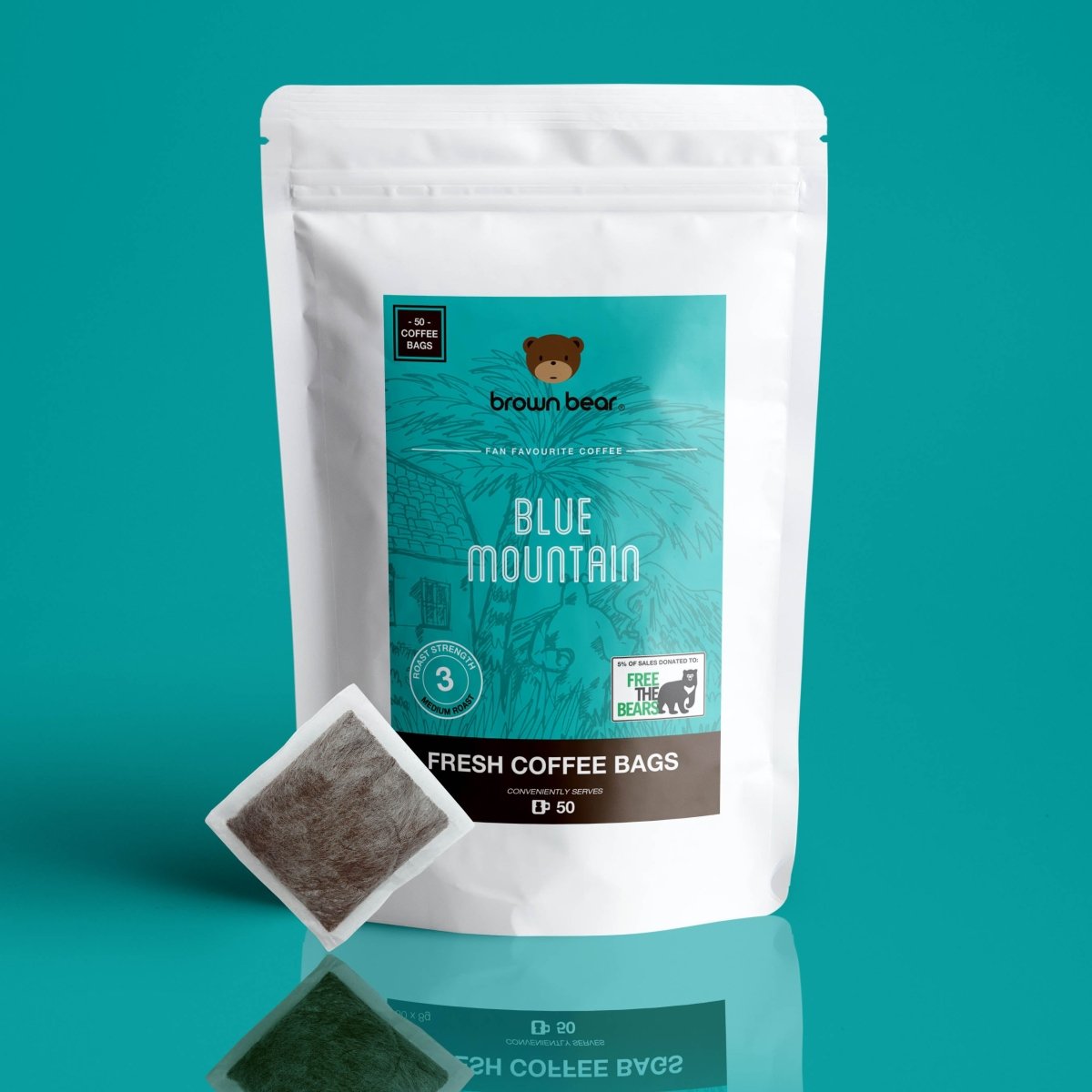
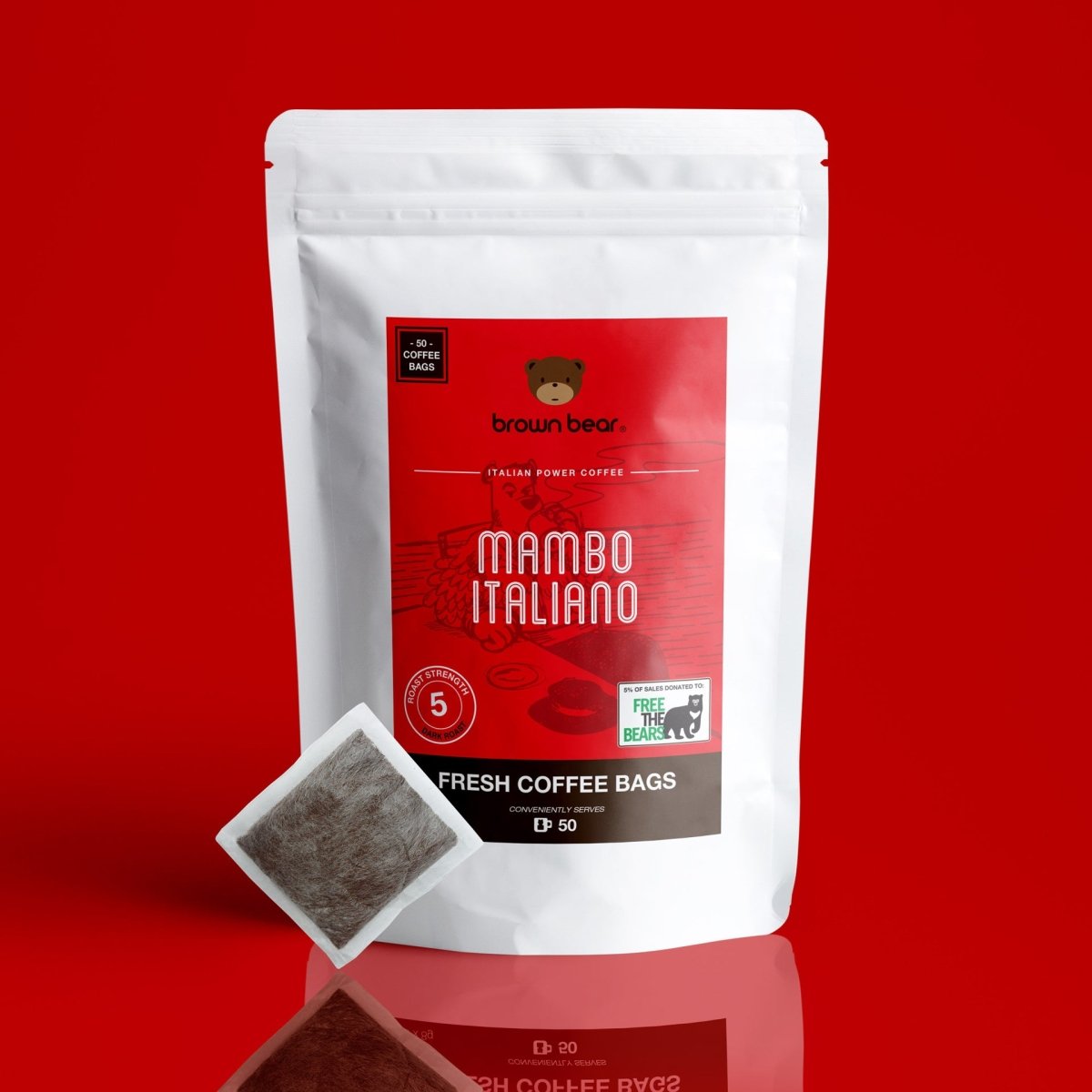
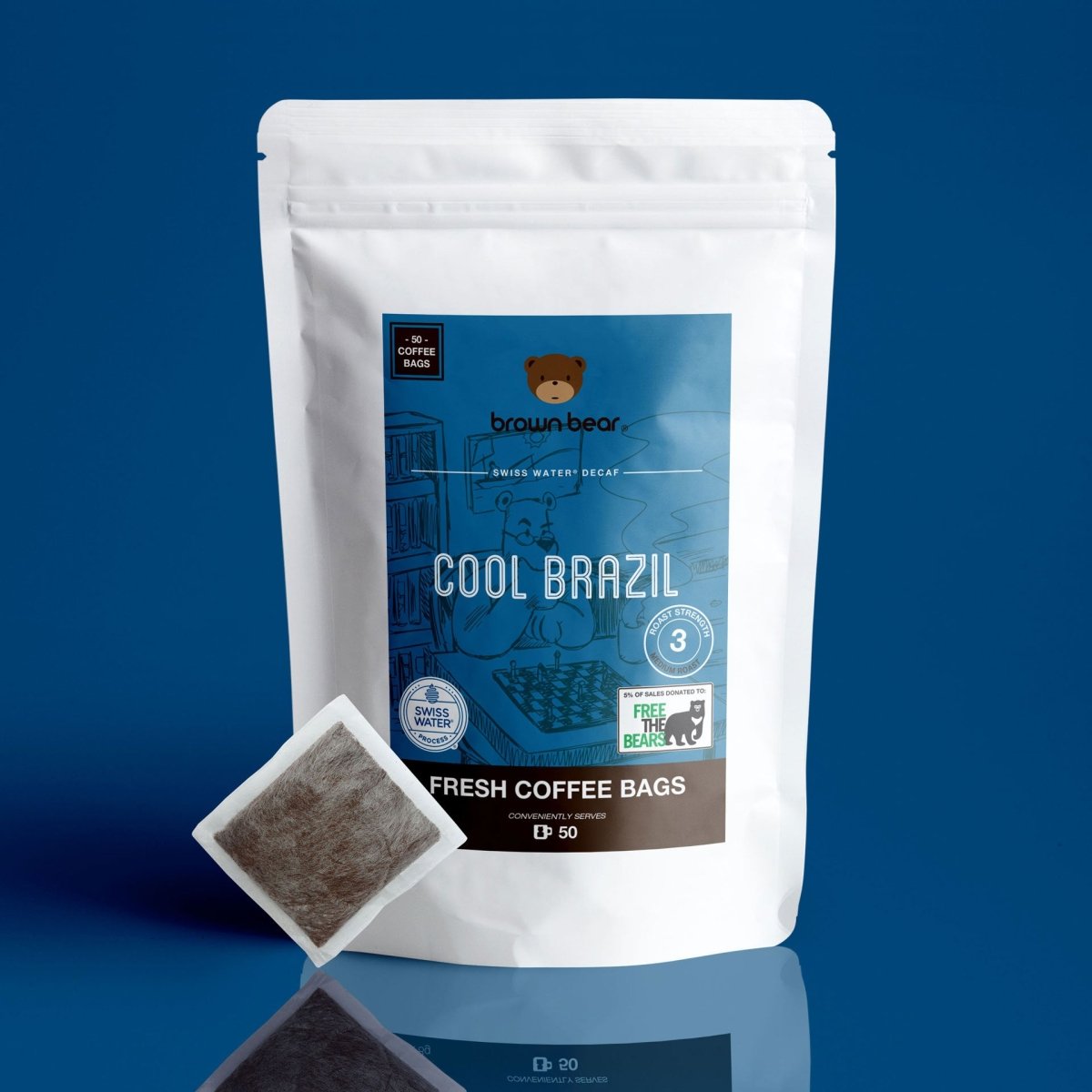
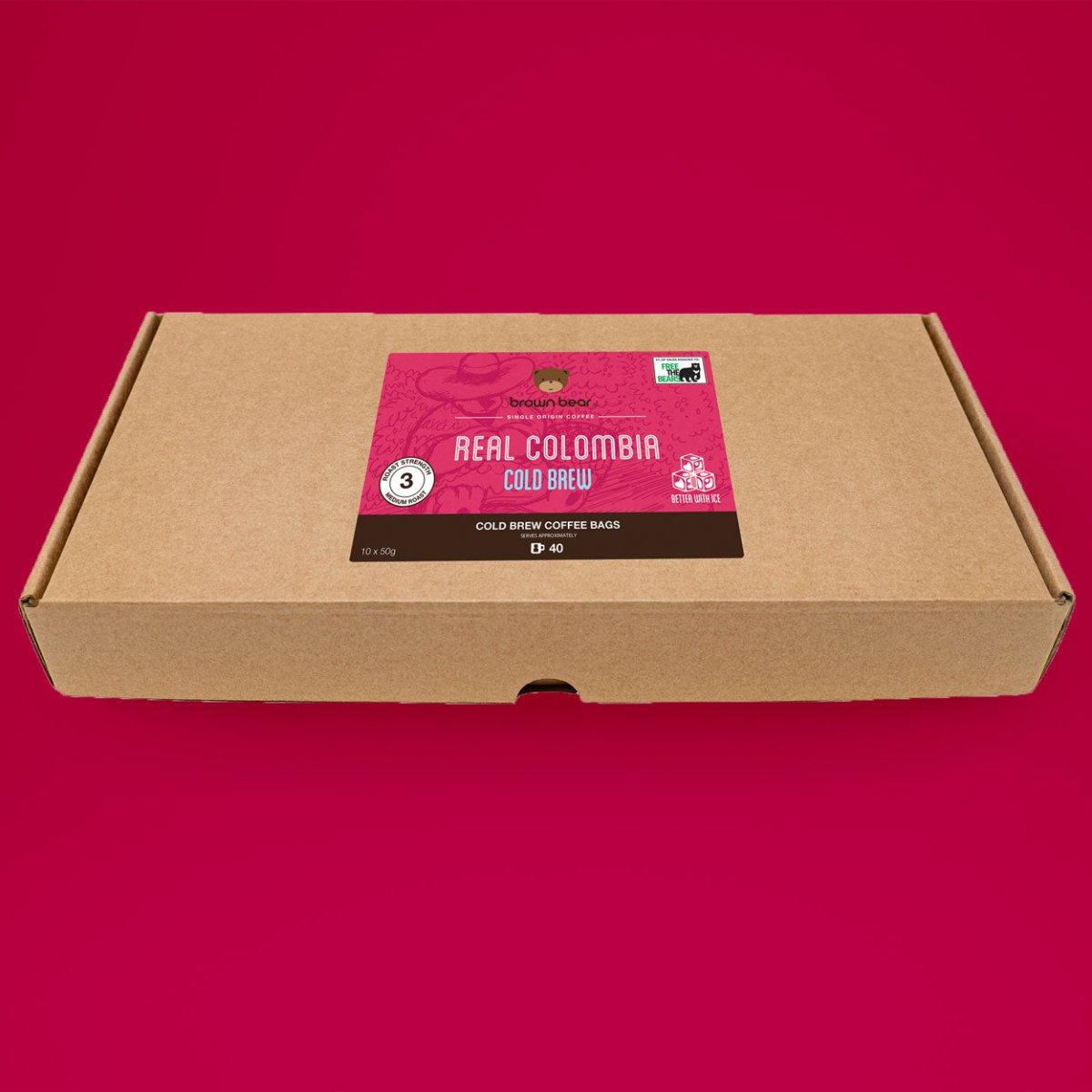
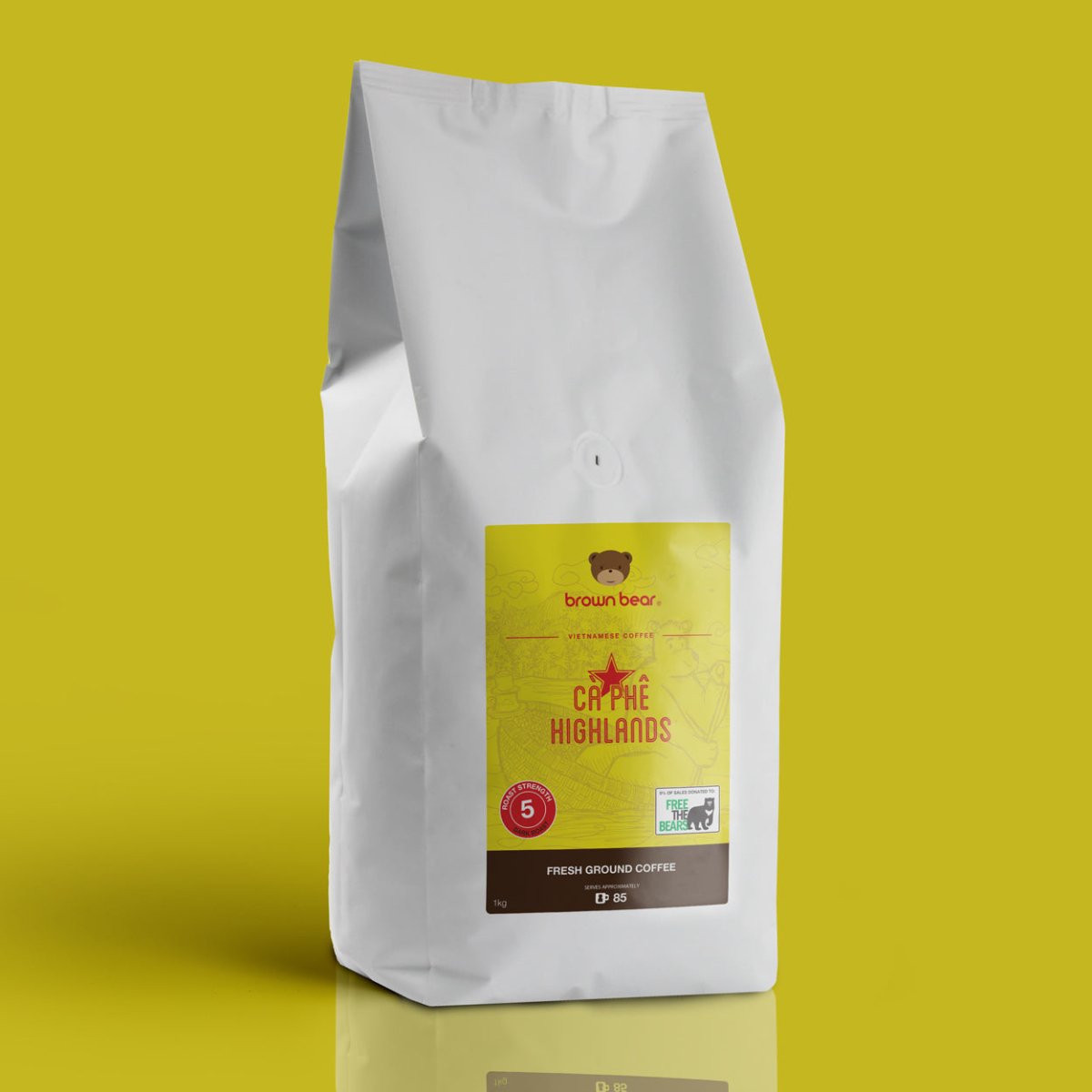
Roasting also changed coffee’s place in the home. Freshly roasted beans make it easier to enjoy more aroma and character, while ground coffee offers straightforward convenience. Coffee bags suit busy days or holiday packing, and cold brew gives a smoother, chilled option when hot coffee is not what you fancy. The best format is the one you will genuinely use and enjoy.
Why roasting became part of the story
Raw coffee beans are pale green and grassy in flavour. Roasting transforms them through heat, developing the aromas, colour and familiar taste we associate with coffee. It is one of the biggest reasons two coffees from the same region can feel completely different.
Lighter roasts generally preserve more of a coffee’s natural acidity and origin character. Medium roasts aim for balance, bringing sweetness and body while retaining some of those regional notes. Dark and ultra-dark roasts offer deeper flavours, often with more bitterness, smoke or dark chocolate character. None is automatically better. A light roast can shine as a filter coffee, while a powerful dark roast may be exactly right for an espresso-based drink or a generous splash of milk.
The useful question is not, “Which roast is best?” It is, “What do I want from this cup?” That might be bright and lively, smooth and balanced, or bold enough to wake up a slow Monday.
Coffee’s next chapter is brewed at home
Coffee has travelled a long way from Ethiopian forests and Yemeni port towns, but its appeal remains wonderfully simple. It gives people energy, comfort and a reason to pause. The tools have changed, from early pots to espresso machines and cold-brew jugs, yet the pleasure of making a cup still comes down to a few small choices.
Choose beans or grounds that fit your routine. Match the roast to your taste, not somebody else’s rules. Keep coffee sealed, use fresh water and adjust your brew until it tastes right to you. Whether your favourite is a lively single-origin filter or a strong, familiar dark roast, every cup carries a little of that long, complicated and very human history.

