

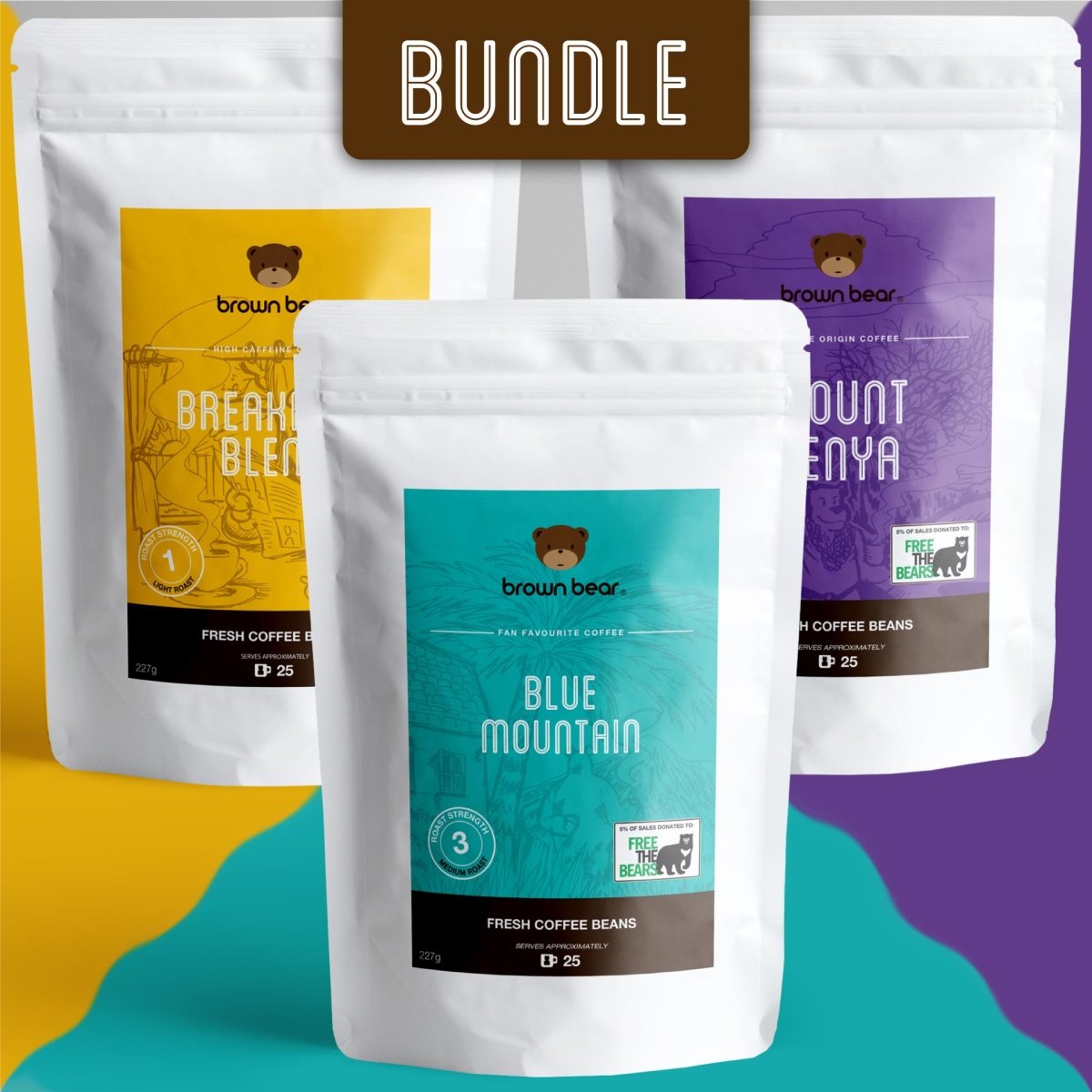

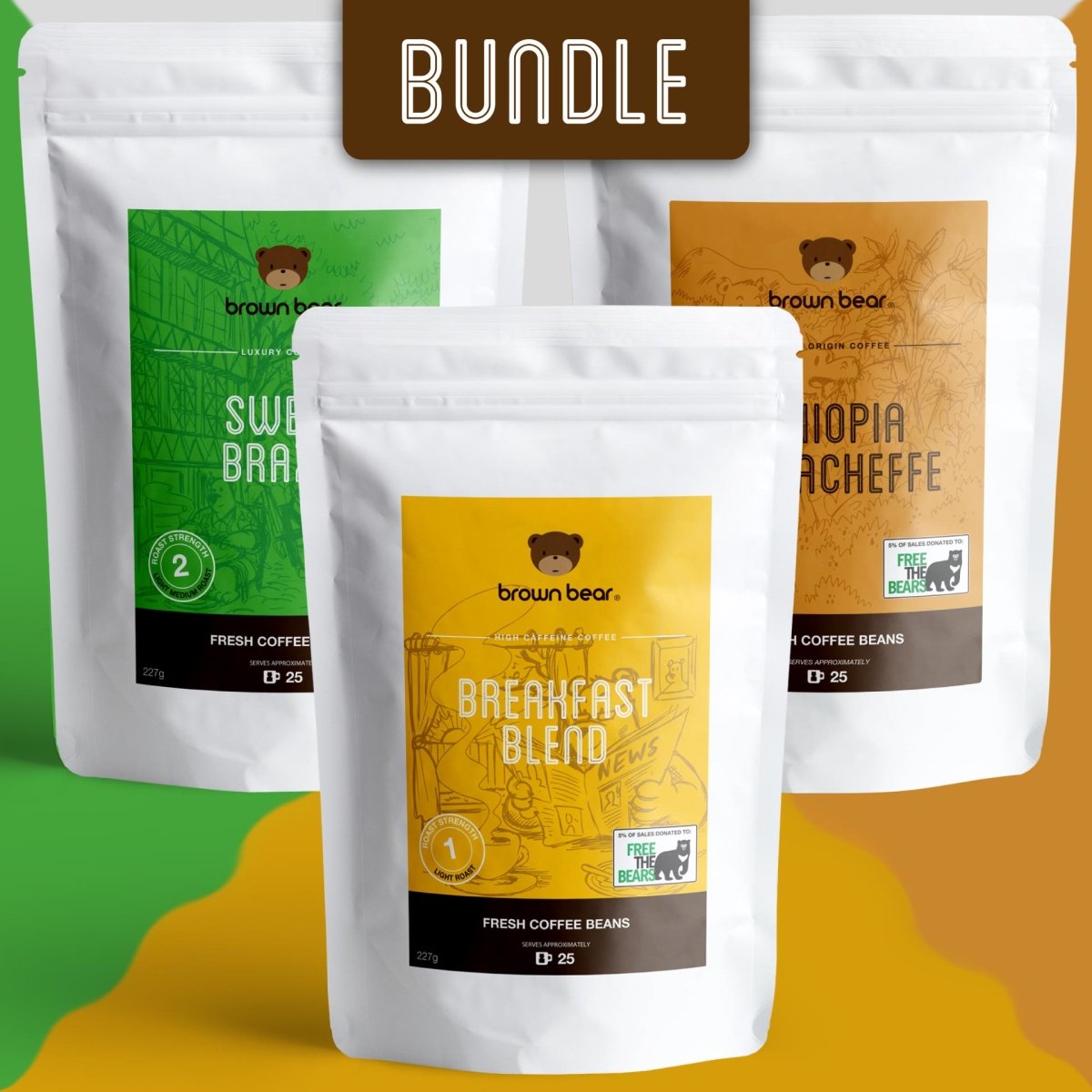
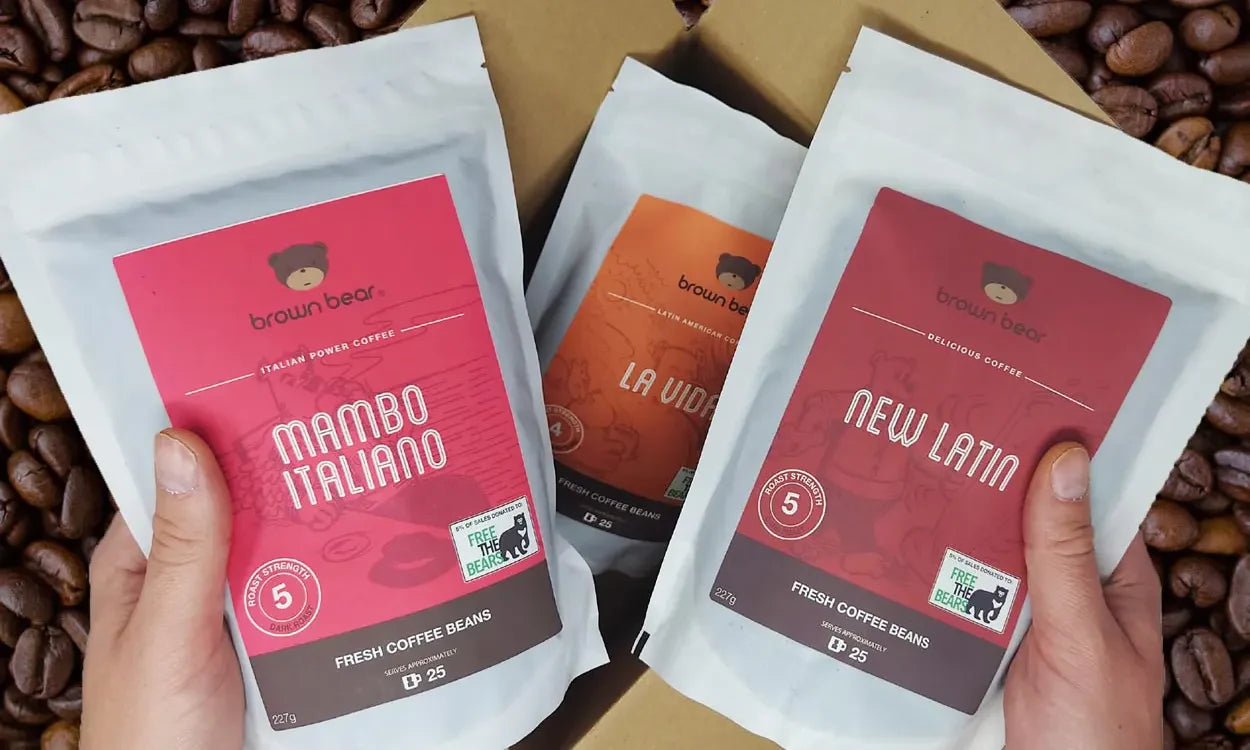







A light roast should never taste thin, sour or like a coffee you have to work hard to enjoy. The best light roast coffees bring out the naturally sweet, bright character of the bean while still delivering a satisfying cup. Think ripe fruit, soft florals, caramel-like sweetness and a clean finish - all without losing the comforting ritual of your morning coffee.
Light roast is a great choice when you want to taste where your coffee comes from. Roasting for less time preserves more of the bean’s origin character, so an Ethiopian coffee can feel fragrant and lively while a Guatemalan light roast may be rounder, sweeter and gently cocoa-led. There is no single best bag for everyone, but there is a very good light roast for the way you brew and the flavours you enjoy.
What makes a light roast worth buying?
The roast colour is only one part of the story. A good light roast starts with quality green coffee, then uses a careful roast profile to develop sweetness without covering up the personality of the beans. The result should be bright, but balanced. Acidity in coffee is not the same as harshness: at its best, it gives a cup the juicy lift of citrus, berries or stone fruit.
Freshness matters too. Coffee is at its most expressive soon after roasting, which is why buying a manageable bag size and ordering regularly can make such a difference. Whole beans generally hold their flavour longer than pre-ground coffee, although ground coffee remains a handy option when convenience comes first.
It also helps to set aside one common misconception: light roast does not mean weak coffee. Roast level and strength are different things. You can make a full-bodied, punchy brew with a light roast by adjusting your coffee-to-water ratio, while a dark roast can taste milder if it is brewed with too little coffee. Light roast is about flavour direction, not a lack of impact.
The best light roast coffees by flavour preference
Choosing by origin is one of the easiest ways to narrow the field. Harvest conditions, processing and roasting all play a part, so tasting notes vary from bag to bag, but these broad profiles are a useful place to start.
Ethiopia for floral, fruity cups
Ethiopian light roasts are often the choice for drinkers who want coffee that feels a little unexpected. Depending on the lot and process, you may find notes reminiscent of blueberry, peach, lemon tea or jasmine. These coffees are especially enjoyable as pour-over or cafetière brews, where their fragrance has room to shine.
They can be more delicate than a chocolate-led coffee, so use water just off the boil and avoid over-extracting. If your first cup tastes sharply sour, try a finer grind or a slightly longer brew before deciding it is not for you.
Kenya for juicy brightness
Kenyan coffees are known for their lively, fruit-forward character. Look for blackcurrant, red berry, grapefruit or tomato-like savoury sweetness, depending on the coffee. This is often a brilliant choice for people who enjoy a crisp, refreshing filter coffee and do not mind a little more sparkle in the cup.
Kenya can be less forgiving in espresso if your grinder is not precise, but it rewards a careful brew. A slightly longer ratio can bring out more sweetness and keep the bright notes in balance.
Guatemala for a balanced first light roast
If you are moving away from medium roast coffee, Guatemala is often an easy place to begin. Many Guatemalan light roasts combine gentle fruit with brown sugar, toffee, cocoa and a rounded texture. You still get the clarity associated with a lighter roast, but with enough familiarity for an everyday mug.
This profile works well across filter, cafetière and bean-to-cup machines. It is also a sensible choice for households where not everyone wants a highly floral or intensely fruity coffee.
Colombia for dependable sweetness
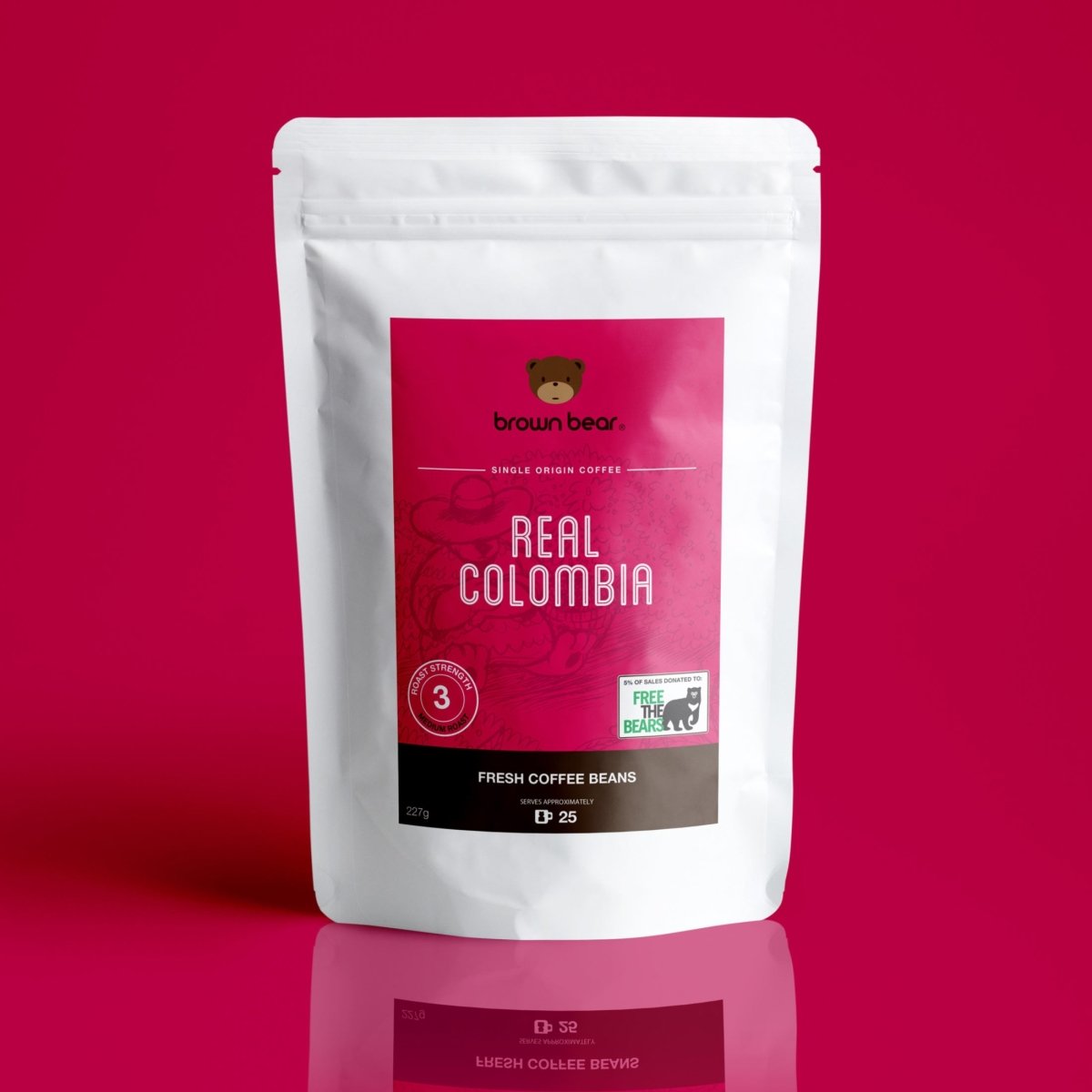
Colombian coffee is popular for good reason. At a light roast, it can offer apple, citrus and red-fruit notes alongside caramel, nut or chocolate flavours. That combination makes it versatile, approachable and easy to return to day after day.
Choose a light-roasted Colombian coffee if you want a bright cup that still feels comforting with breakfast. It is often an excellent all-rounder for a V60-style dripper, AeroPress or espresso machine.
Peru for gentle, clean drinking
Peruvian light roast coffees can be quietly impressive. They often lean towards soft citrus, honey, milk chocolate and nuts, with a clean, smooth finish rather than dramatic acidity. For anyone who finds some light roasts too sharp, this gentler style is well worth trying.
It is a particularly good option for a long black or filter coffee when you want clear flavour without an overly tangy edge. The subtlety is the point, so avoid adding too much milk if you want to taste it fully.
Brazil for mellow sweetness
Brazil is commonly associated with lower acidity, fuller body and flavours such as hazelnut, chocolate and caramel. A well-roasted light Brazilian coffee can keep those reassuring notes while adding a little more fruit and freshness than a darker profile.
This is a strong pick for espresso drinkers who want to explore lighter roasts without moving straight into bright berry flavours. It can also stand up better to milk than many delicate floral coffees, particularly when brewed as a shorter, concentrated shot.
How to choose the right bag for your brewer
Your favourite brewing method should shape your choice. For filter coffee, pour-over, batch brew and cafetière, light roast is often at its most expressive. These methods highlight clarity and aroma, making them ideal for Ethiopian, Kenyan and carefully selected Colombian coffees.
Espresso can be excellent with a light roast, but it needs a little patience. Lighter beans are denser and may need a finer grind, a longer extraction or a slightly higher brew temperature than you use for a medium or dark roast. Start with a ratio around 1:2.5 - for example, 18g of coffee yielding 45g of espresso - then adjust by taste. If it is sour and underdeveloped, grind finer or extend the shot. If it becomes dry or bitter, ease back.
For bean-to-cup machines, choose a light roast with rounded sweetness rather than a very delicate, tea-like profile. Guatemala, Colombia, Peru and Brazil are usually more straightforward choices. Machine settings vary, so begin with the standard strength setting and make one adjustment at a time.
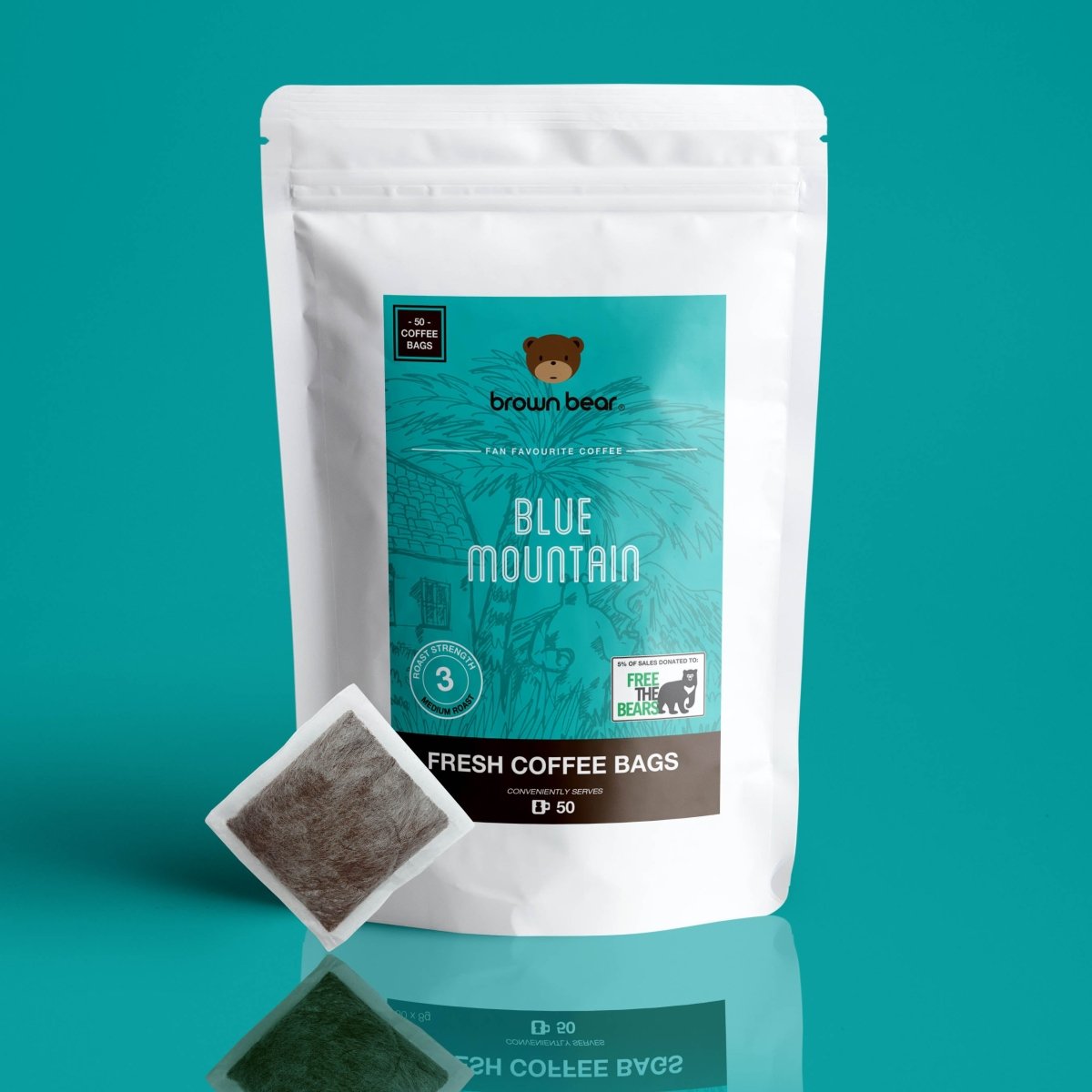
Coffee bags are another easy route when you want a proper cup without measuring, grinding or clearing equipment afterwards. They tend to suit busy workdays, travel and gift boxes particularly well. You may get less of the fine detail found in a carefully dialled-in pour-over, but the convenience is hard to beat.
Small brewing changes, better light roast coffee
The quickest upgrade is to use enough coffee. For filter brewing, start with roughly 60g of coffee per litre of water, or 15g for a 250ml mug. If the cup tastes watery, add more coffee before changing anything else. A basic digital scale makes this simple, but a consistent scoop can still get you close.
Use freshly boiled water that has rested for around 30 seconds, especially for filter coffee. Light roasts often benefit from hotter water because it helps draw out their sweetness. Clean equipment is equally useful: old oils in a cafetière or coffee machine can flatten bright flavours fast.
Finally, buy for your routine rather than for a cupboard full of unopened bags. A flexible subscription can keep a favourite coffee arriving at the right pace, while a mixed selection is a good way to learn which origins suit your taste. Brown Bear’s range across roast levels makes it easy to keep a dependable everyday bag on hand while trying something brighter now and then.
The best place to start is the flavour you already enjoy. Choose Brazil, Peru or Guatemala for a softer introduction, then move towards Colombia, Ethiopia or Kenya when you fancy more fruit and sparkle. Brew it fresh, give it a couple of attempts with small adjustments, and let your own cup decide.

