

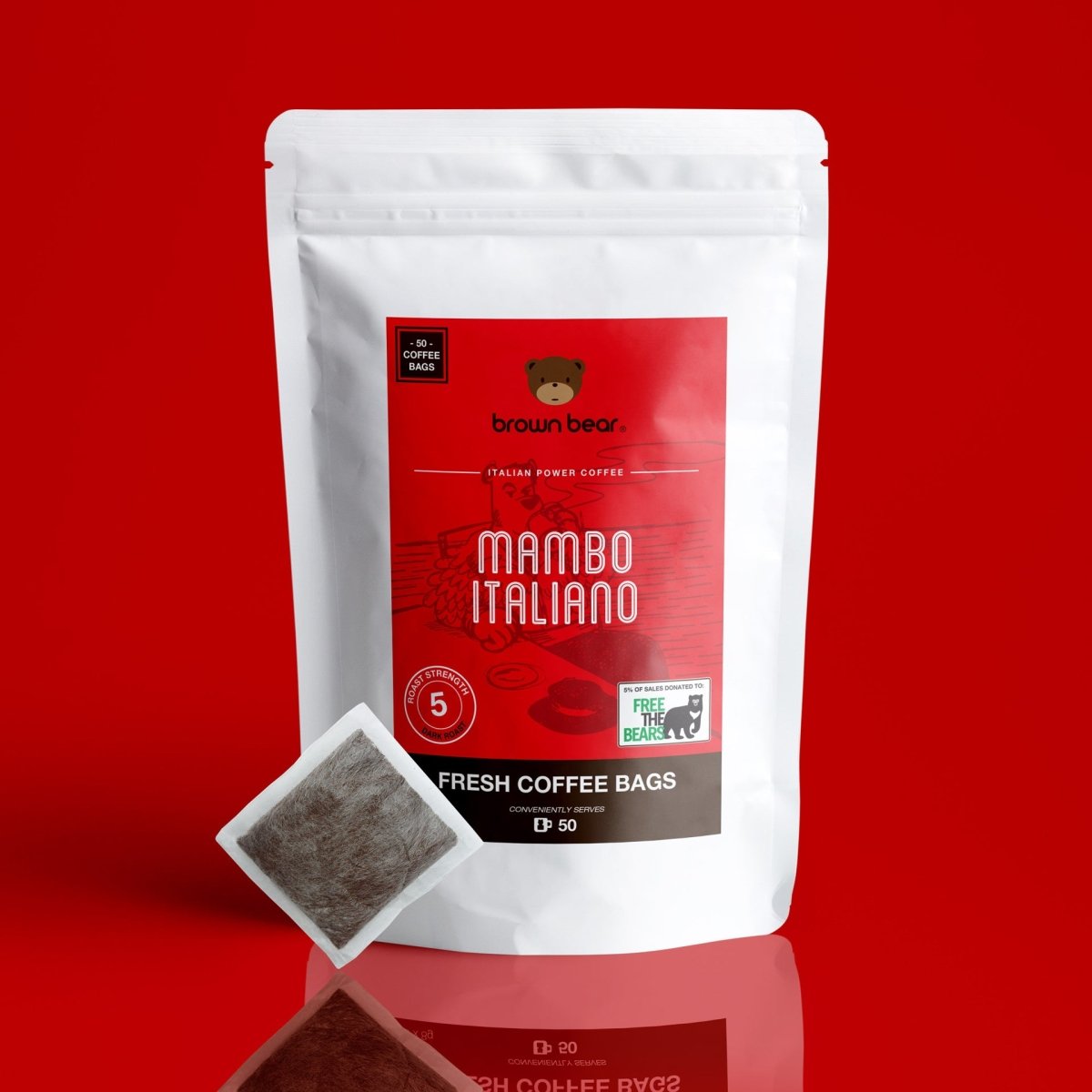
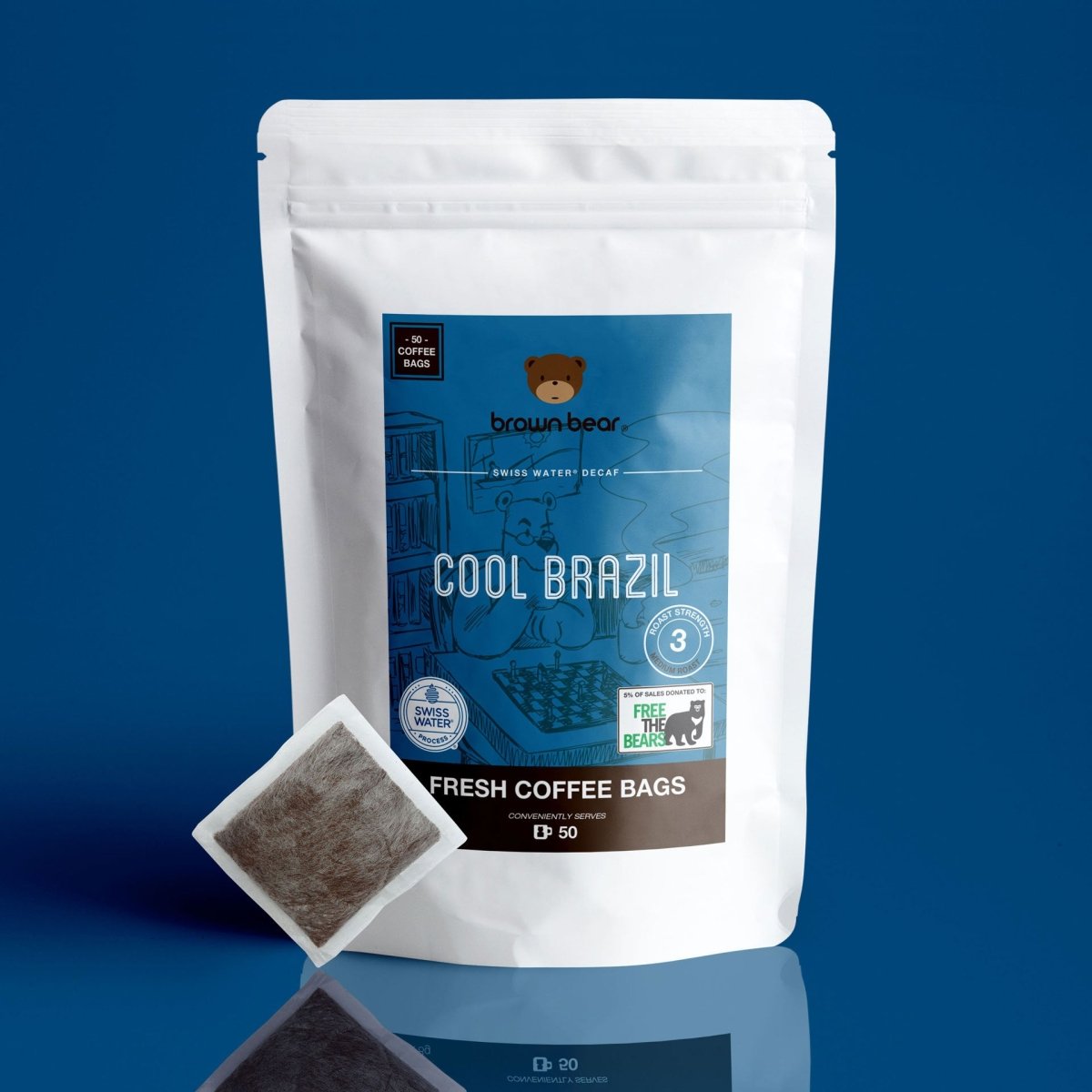
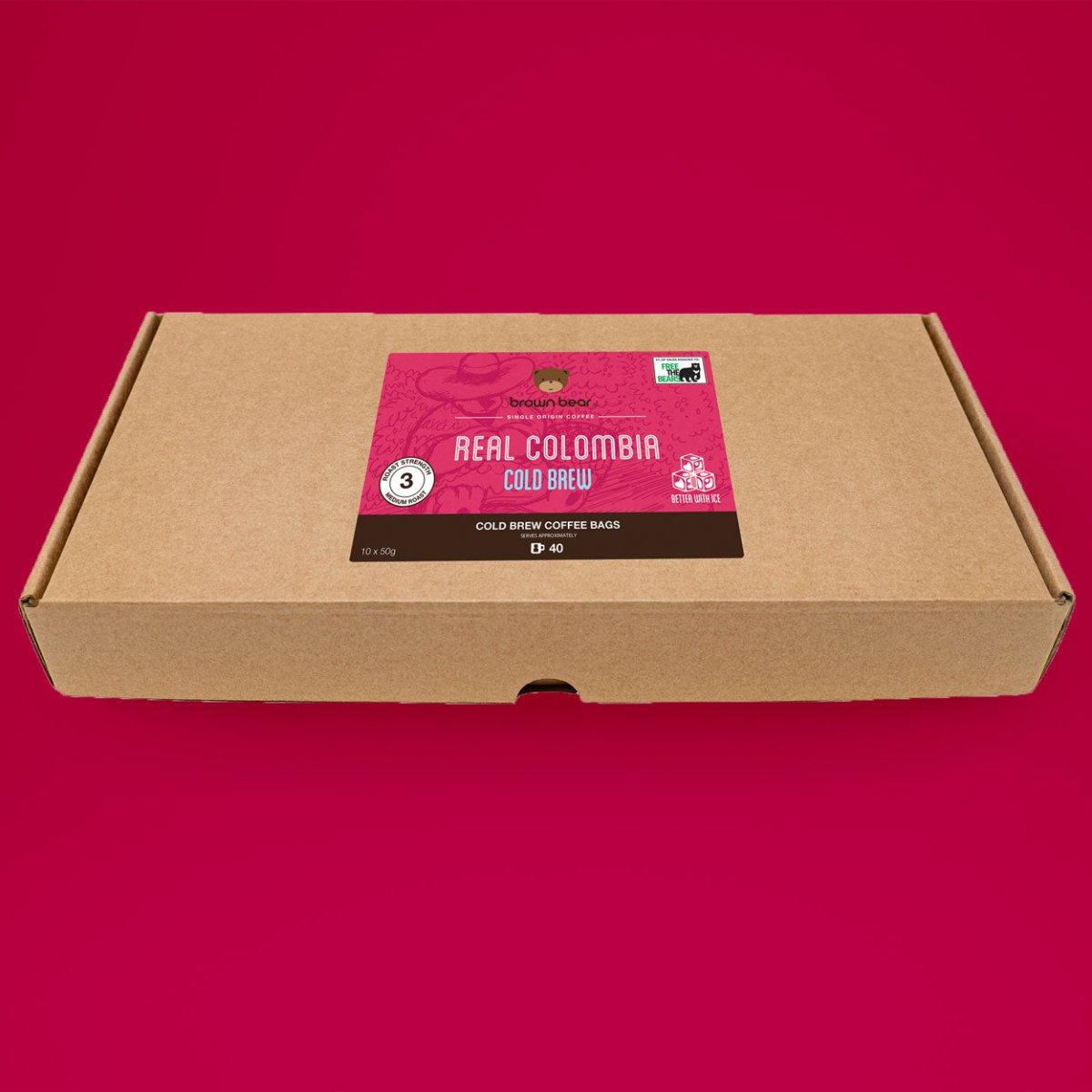
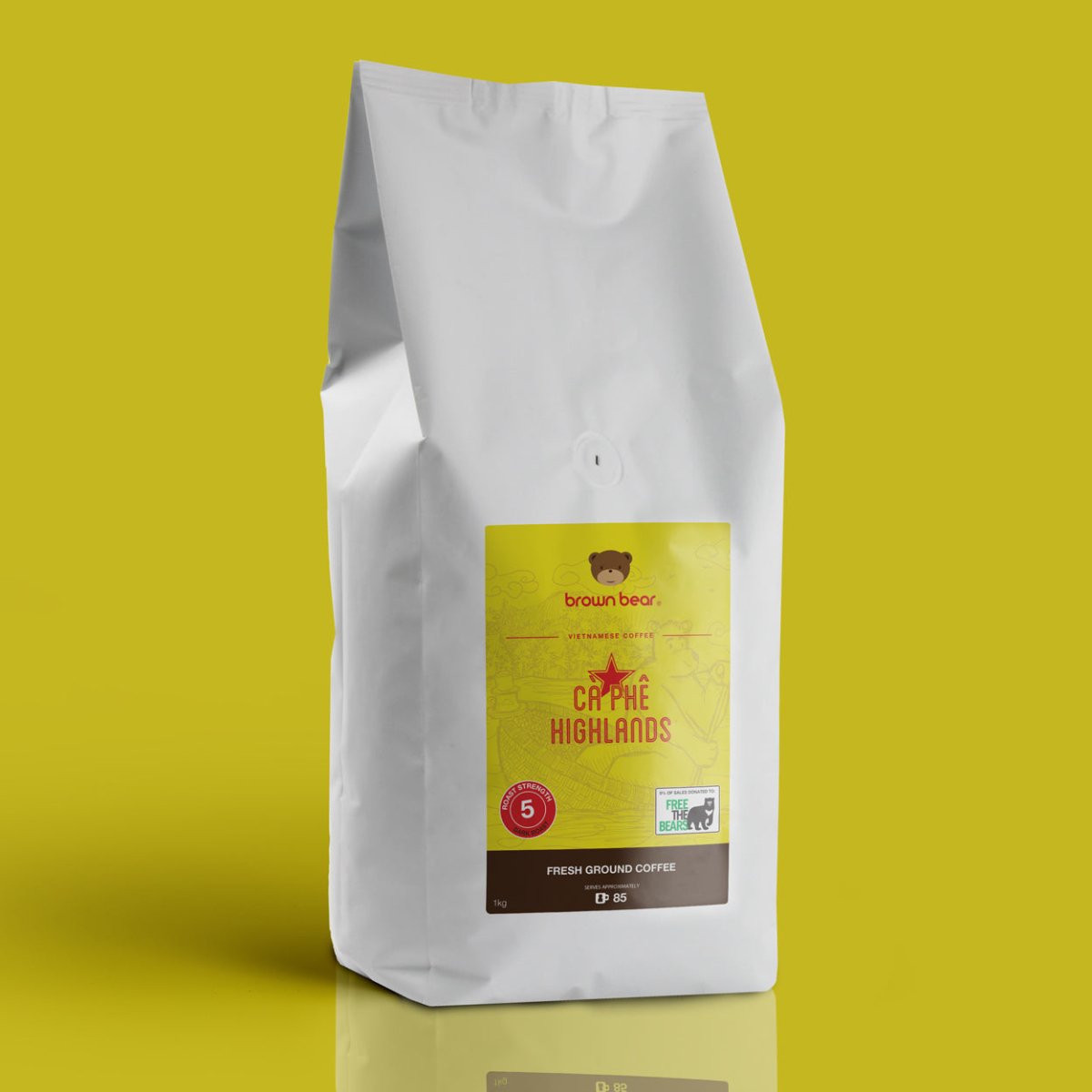









If you have ever looked at a coffee bag marked Ethiopia, Colombia or Peru and wondered whether that actually changes what ends up in your mug, this guide to single-origin coffee is for you. Single origin can sound specialist, but the idea is simple - coffee from one place, with flavour that reflects where it was grown, how it was processed and how it was roasted.
For everyday coffee drinkers, that matters because it makes choosing coffee easier, not harder. If you know you like bright, fruit-led cups, you can shop with more confidence. If you prefer something rounder, richer and chocolatey, origin can help narrow the field just as quickly as roast level.
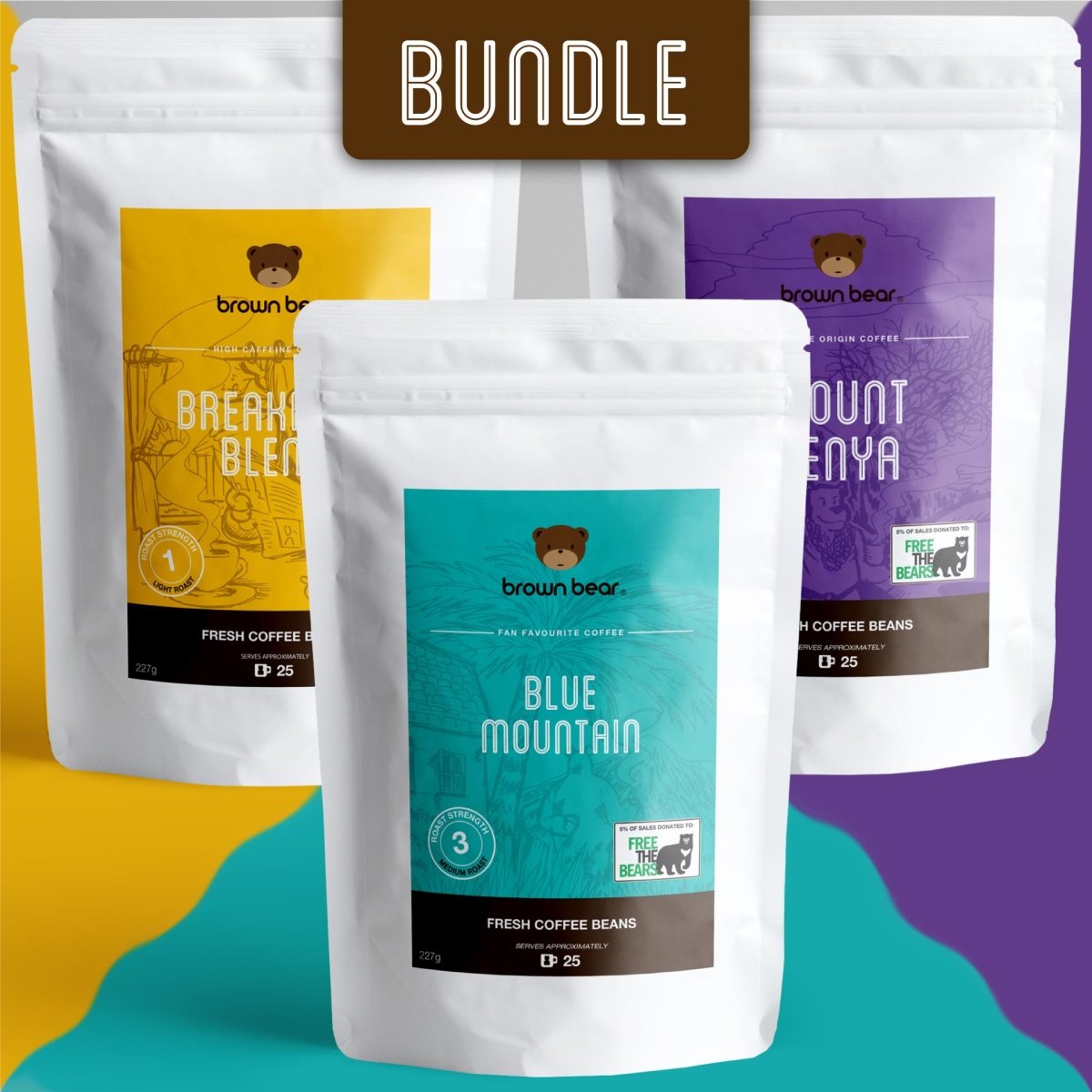
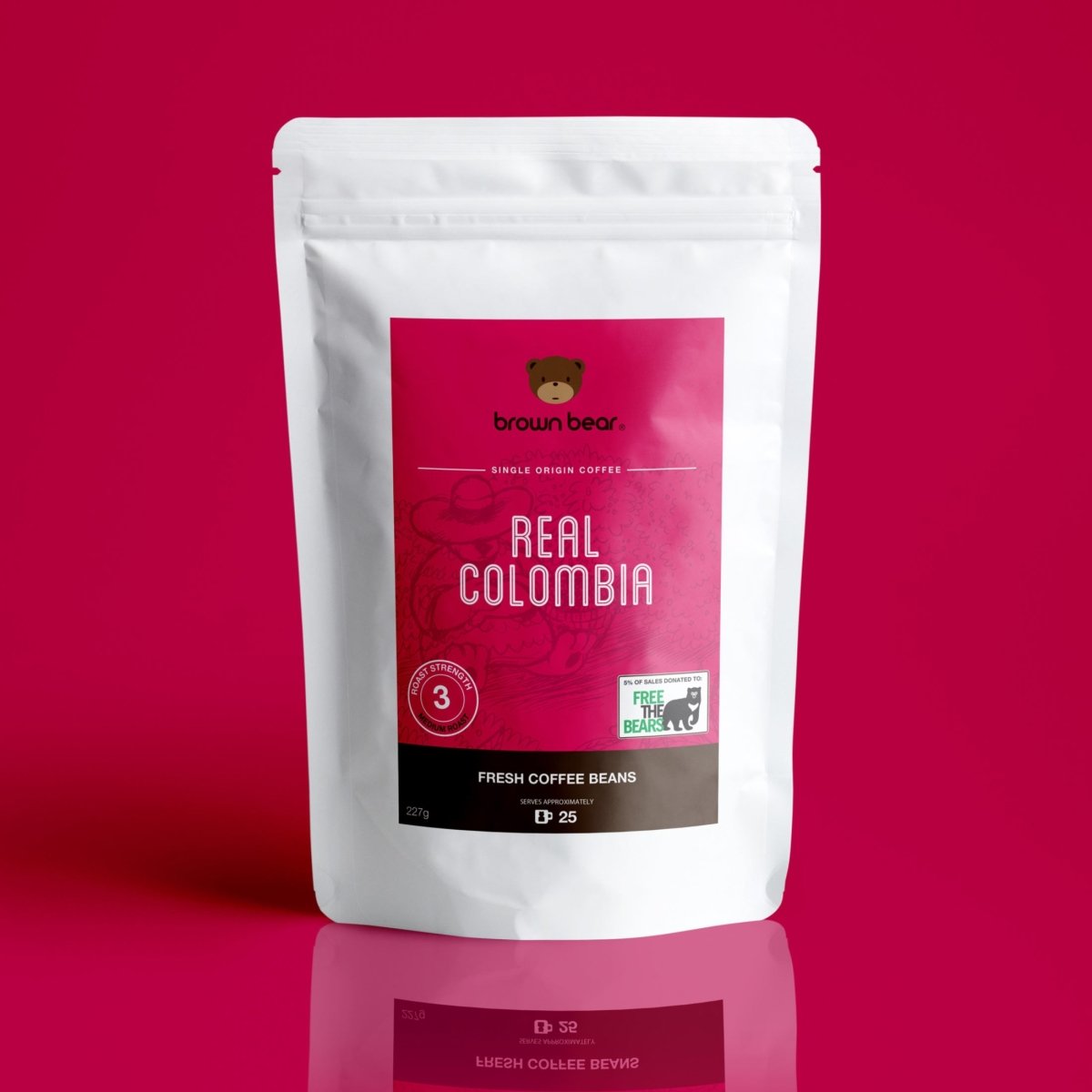
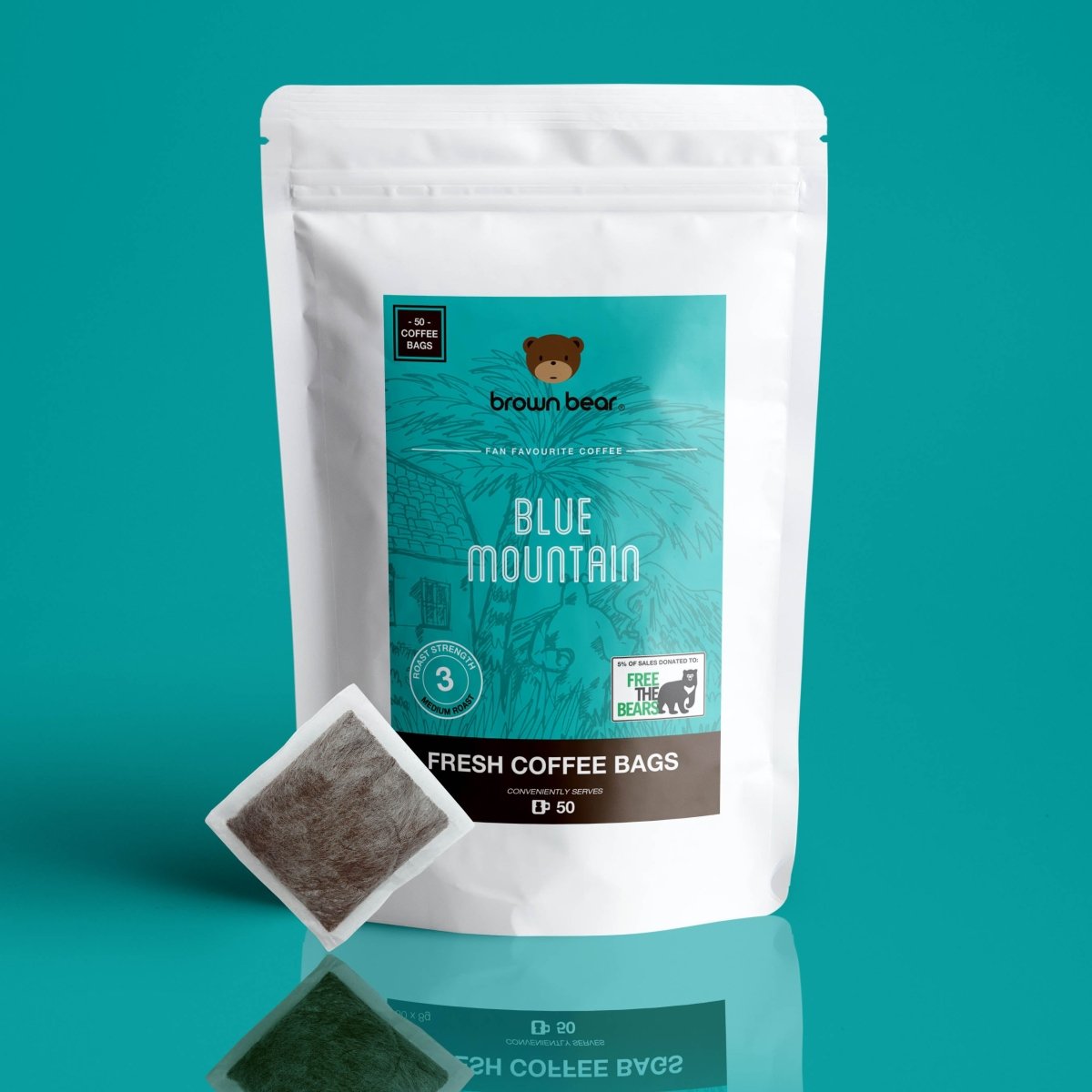
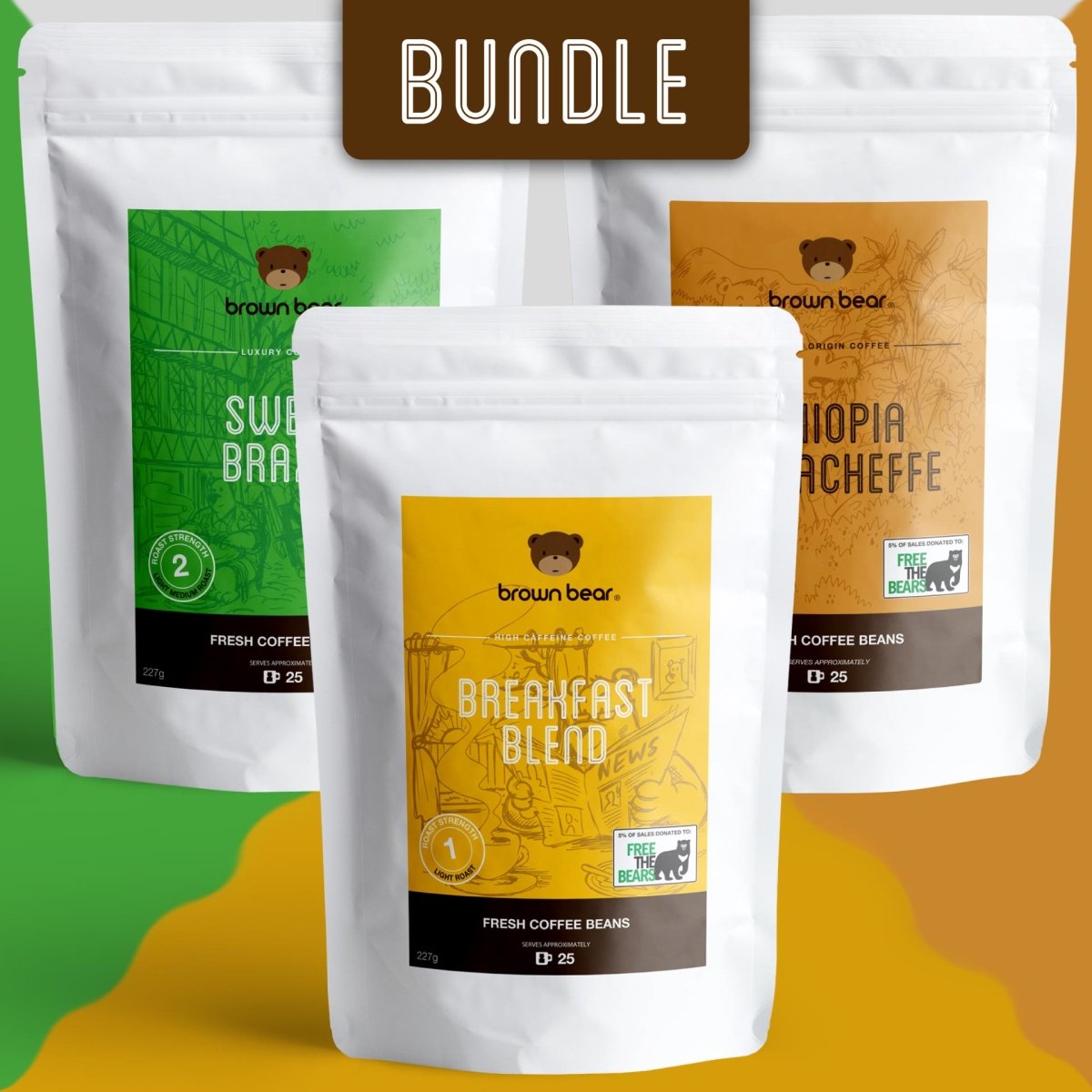
We have a dedicated category on our website for single-origin coffees, as well as a 227g bundle featuring some of our most popular single-origin coffees. Take a look here.
What single-origin coffee actually means
Single-origin coffee usually means the beans come from one country, region, farm or co-operative rather than being blended from several sources. The exact definition can vary a little between roasters, which is why good labelling matters. One coffee may be identified simply as Brazil, while another goes further and names the specific growing region or producer.
The key point is that the coffee is presented as a distinct lot with its own character. Instead of aiming for a house style created by blending multiple coffees together, single-origin coffee lets one place speak for itself.
That does not automatically make it better than a blend. It just offers a different experience. Blends are often built for balance, consistency and versatility. Single origins tend to be about clarity, personality and a stronger sense of difference from one bag to the next.
Why do people choose single-origin
The biggest appeal is flavour. Coffee, like wine or chocolate, is shaped by origin. Altitude, climate, soil, variety and processing all leave their mark. A washed Kenyan coffee can taste vivid and juicy, while a natural Brazilian coffee may lean towards notes of nuts, cocoa, and sweetness.
That variation is part of the fun. If you enjoy trying different coffees at home, single origin gives you a clearer way to explore. You are not just buying strong or smooth. You are buying a coffee with a more traceable identity.
There is also a practical side. For many people, single-origin makes coffee shopping more straightforward. Once you know the sort of origin profile you enjoy, reordering becomes simpler. You can look for similar countries, roast levels or tasting notes without having to decode overly technical language.
A guide to single-origin coffee flavours by origin
No origin tastes exactly the same every time, and good coffee always has some variation from crop to crop. Still, there are broad patterns that help when you are buying.
Ethiopia
Often floral, bright and layered, with notes that can range from citrus and tea to berries and stone fruit. These coffees can be brilliant if you like a lighter, more aromatic cup. They are not always the best choice for someone who wants heavy body and deep roast character.
Colombia
A reliable crowd-pleaser. Colombian coffees often balance sweetness, fruit, and chocolate very well, making them a strong option if you want something approachable yet distinctive. They tend to work nicely across several brew methods.
Brazil
Usually lower in acidity and fuller in body, with notes of nuts, chocolate and caramel. If your daily coffee leans towards comforting, rounded flavours, Brazil is often a safe and satisfying place to start.
Kenya
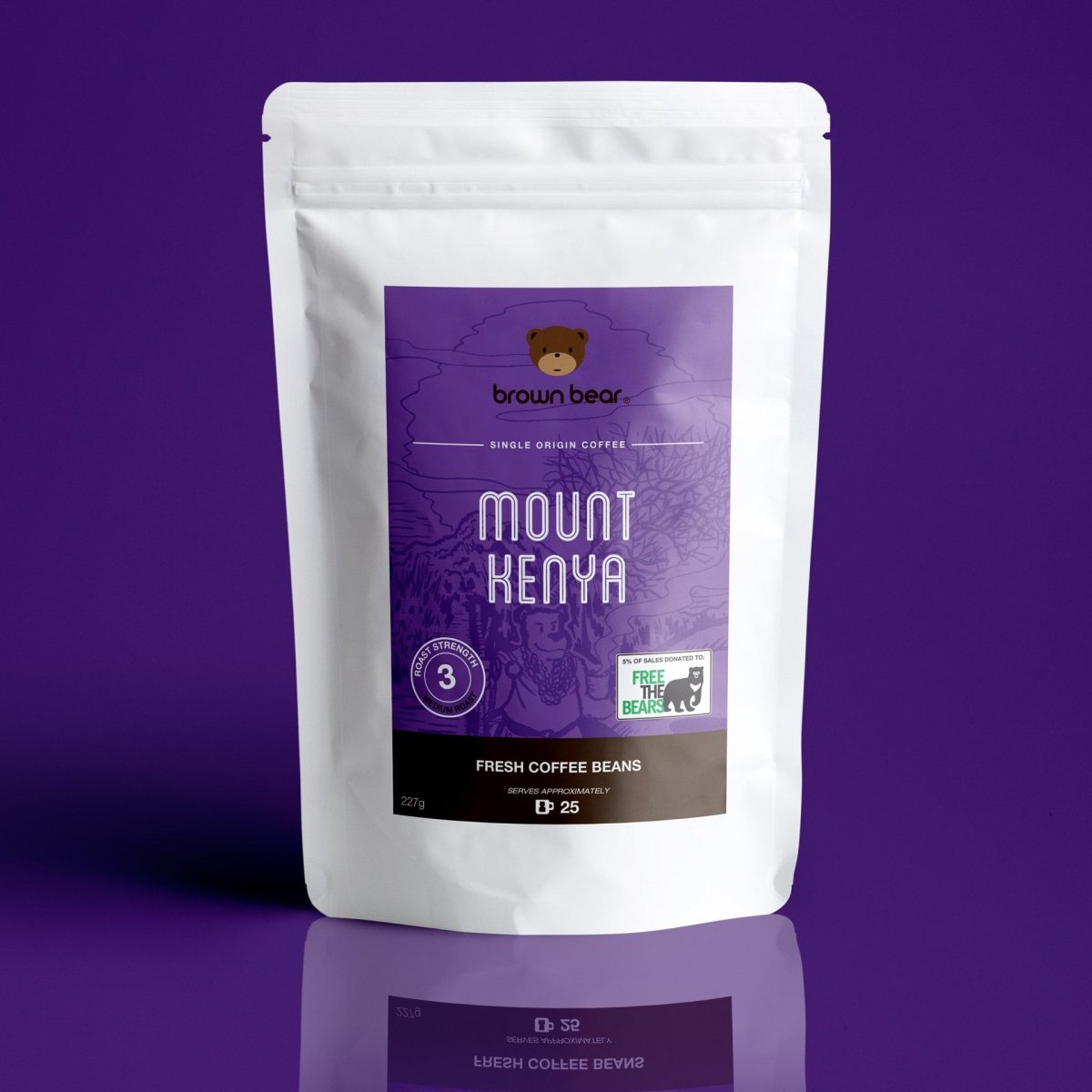
Known for punchy acidity and bold fruit character. Kenyan coffees can be lively and memorable, sometimes with blackcurrant, red fruit or citrus notes. They are ideal if you enjoy coffee that tastes bright and energetic rather than soft and mellow.
Guatemala and Peru
These origins often sit in a pleasing middle ground. Expect chocolate, nuts, gentle fruit and a balanced finish, though profiles vary by region and processing. They can suit drinkers who want nuance without anything too sharp or unusual.
Vietnam
Vietnamese coffee is often associated with boldness, depth and a more intense style, particularly in darker roasts or traditional formats. Depending on the bean type and roast, it can offer a fuller, stronger cup that suits drinkers who like powerful flavour.
Origin matters, but roast still shapes the cup
One of the easiest mistakes is to focus on the origin and ignore the roast level. In reality, both matter. Origin gives the coffee its raw character, while roasting decides how much of that character comes through.
A light roast will usually show more of the coffee's natural fruit, floral notes and acidity. A darker roast will push the cup towards deeper sweetness, more bitterness and fuller roast flavour. That means the same origin can taste quite different depending on how it is roasted.
If you are buying for everyday use, think about the roast and origin together. A Brazilian dark roast may give you a rich, low-acid cup that works beautifully in a cafetiere or espresso machine. An Ethiopian light roast may shine more in a filter brew where those brighter flavours have space to come through.
Neither is more correct. It depends on how you brew and what you enjoy drinking every morning.
How to choose the right single-origin coffee for your routine
The easiest way to buy well is to start with what you already like. If you usually go for smooth, chocolate-led coffee, choose origins such as Brazil, Peru or some Colombian lots, and lean towards medium or dark roast. If you enjoy fresher, fruitier flavours, look at Ethiopia or Kenya in a lighter roast.
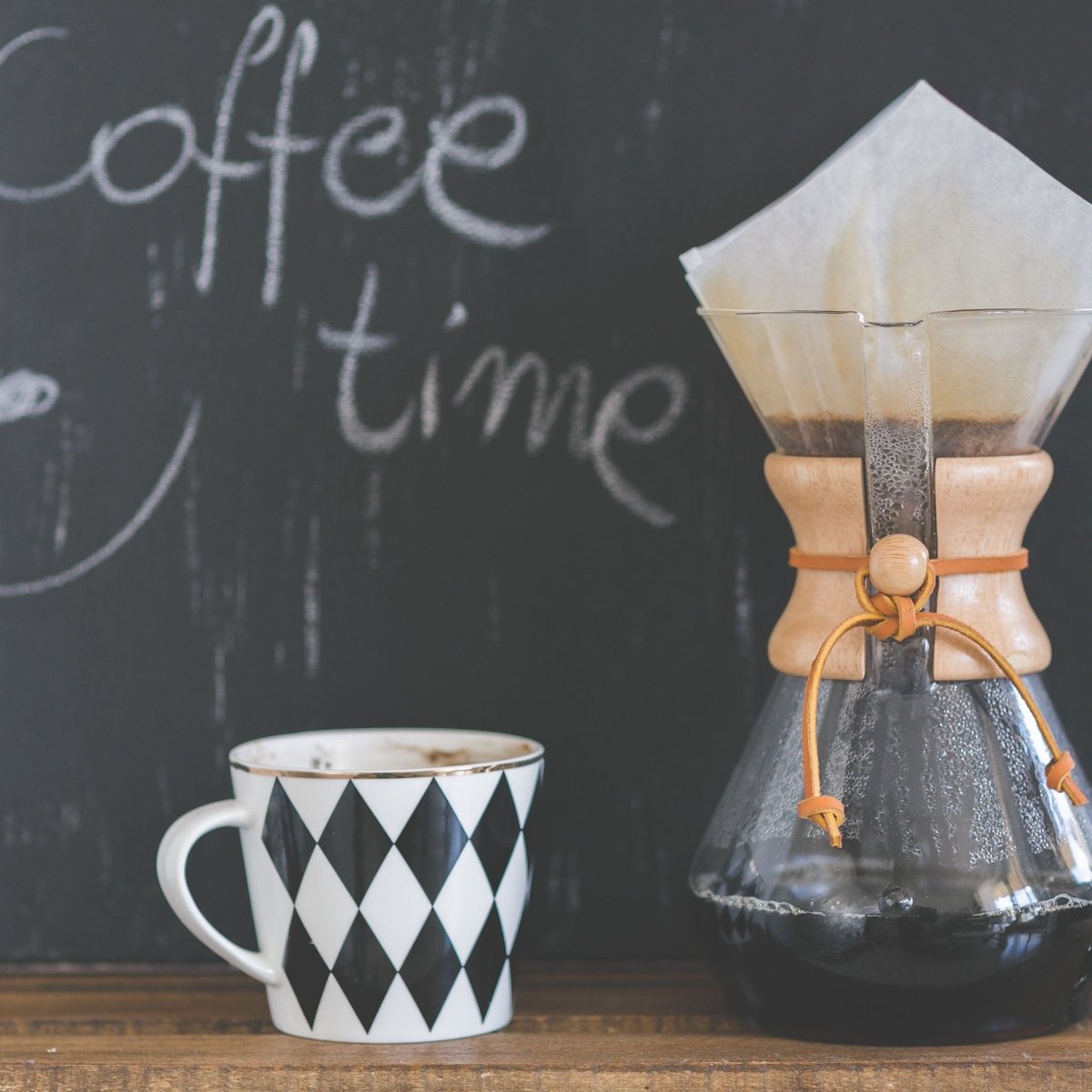
Then consider how you make coffee at home. Espresso tends to magnify intensity, body and acidity, so a very bright single origin can feel sharp if your preference is a more classic espresso style. Filter methods such as V60, Chemex or batch brew often bring out delicate notes better. The cafetiere sits nicely in the middle, depending on the coffee.
Convenience matters too. If you have found an origin and roast combination that works, there is no need to keep reinventing your coffee shelf. A repeat order or flexible subscription can make more sense than chasing novelty every week. Single origin is enjoyable because it offers character, but good coffee should still fit real life.
Freshness, format and what to look for on the bag
When buying single-origin coffee, a few details are worth checking. A roast date is useful because coffee is best enjoyed fresh, though not necessarily the day after roasting. Most coffees settle nicely after a short rest and then drink well over the following weeks.
The format matters as well. Whole beans usually give you the most control over freshness if you have a grinder at home. Ground coffee is more convenient and can still be excellent when matched to your brew method. If ease is the priority, there is nothing wrong with choosing the format that helps you actually make better coffee more often.
Tasting notes are helpful, but treat them as a guide rather than a promise. If a bag mentions blueberry, it does not mean your cup will taste like fruit juice. It means that, within coffee flavour, there may be a berry-like sweetness or acidity. The best product descriptions make this clear without disappearing into jargon.
Is single origin always better than a blend?
No, and it is worth saying that plainly. Single-origin coffee can be more distinctive, but blends have real strengths. They are often designed for consistency, balance and everyday reliability, especially in milk-based drinks or espresso.
If you want one dependable coffee that tastes great every morning and works for the whole household, a blend may be the better fit. If you enjoy noticing the differences between one crop and another, single origin is a great way to explore.
Many coffee drinkers end up enjoying both. A blend for the weekday routine, and a single origin for slower brews or when they want something a bit more characterful. That is often the sweet spot.
Common myths about single-origin coffee
One myth is that single-origin coffee is only for experts. It is not. You do not need to identify jasmine, bergamot and redcurrant to enjoy a coffee that tastes bright or sweet.
Another is that single origin always means expensive. Some lots are pricier because of scarcity, farm size or processing, but there are plenty of accessible single-origin coffees that deliver clear flavour without feeling like a special-occasion purchase.
The third is that origin alone tells you everything. It does not. Processing, roast profile and brew method all change the result. Origin is a strong clue, not the whole story.
For most people, the best approach is simple. Pick an origin that sounds close to your preferred flavour profile, match it to the roast strength you already enjoy, and brew it in the way that fits your day. If you want single-origin coffee without the fuss, that is exactly where a retailer like Brown Bear can make life easier - clear roast options, approachable flavour cues and coffee that feels at home in a normal routine.
The best single-origin coffee is not the rarest or the most talked about. It is the one that makes you look forward to the next cup and makes buying the next bag feel easy.

