










You can taste the difference within a few sips. One cup feels bright, distinct and full of detail. Another feels rounded, familiar and easy to come back to every morning. That is the real question in single origin vs blend coffee - not which is better on paper, but which one suits the way you actually drink coffee.
If you buy coffee for home, this choice matters more than a lot of the jargon around it. It affects flavour, consistency, price and even how easy your coffee is to brew well before work. The good news is that you do not need to be a coffee expert to choose with confidence.
What single-origin vs blend coffee really means
Single-origin coffee comes from one place. That might mean one country, one region, one farm or one co-operative, depending on how the roaster presents it. The point is that the coffee is sourced from a clearly defined origin rather than being mixed with beans from multiple places.
Blend coffee is made by combining coffees from different origins. Roasters do this on purpose to create a particular flavour profile. A blend might aim for a balanced everyday cup, a stronger espresso, or something chocolatey and full-bodied that works well with milk.
Neither option is automatically more premium. In speciality coffee, both can be excellent. The difference is mostly about flavour character and what kind of drinking experience you want.
Single origin coffee: more character, more variation
Single origin coffee is often chosen for its personality. Because it comes from one place, it can show off the characteristics linked to that growing environment - things like altitude, climate, soil and processing method. That is why a washed Ethiopian coffee might taste floral and citrusy, while a Brazilian coffee might lean more nutty, chocolatey and smooth.
For people who enjoy tasting the differences between coffees, single origin is usually the more interesting route. It can feel more expressive in the cup. You may notice fruit, spice, caramel or wine-like acidity more clearly because those flavours are not being softened or balanced out by other coffees.
That said, character can come with a bit more unpredictability. Crop seasons change. Weather changes. Even coffees from the same region can taste a little different from one lot to the next. For some drinkers, that variation is part of the appeal. For others, especially if they just want their morning coffee to be reliably good without thinking too hard about it, it can feel less straightforward.
Single origin coffees can also be a touch less forgiving when brewing. A light roast Kenyan or Ethiopian coffee might be brilliant when brewed well, but if your grind is off or your water temperature is not quite right, the cup can taste sharper or thinner than you hoped.
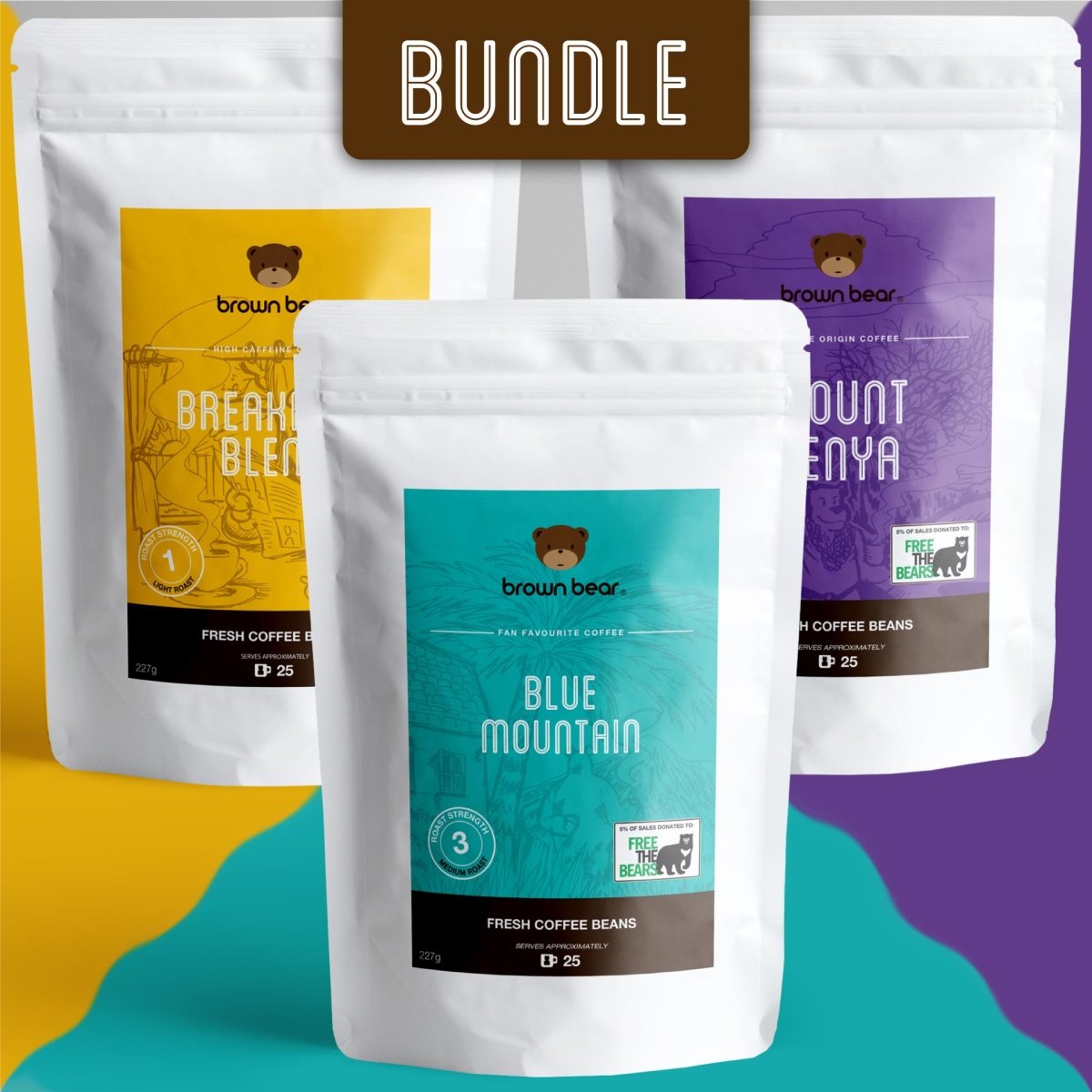
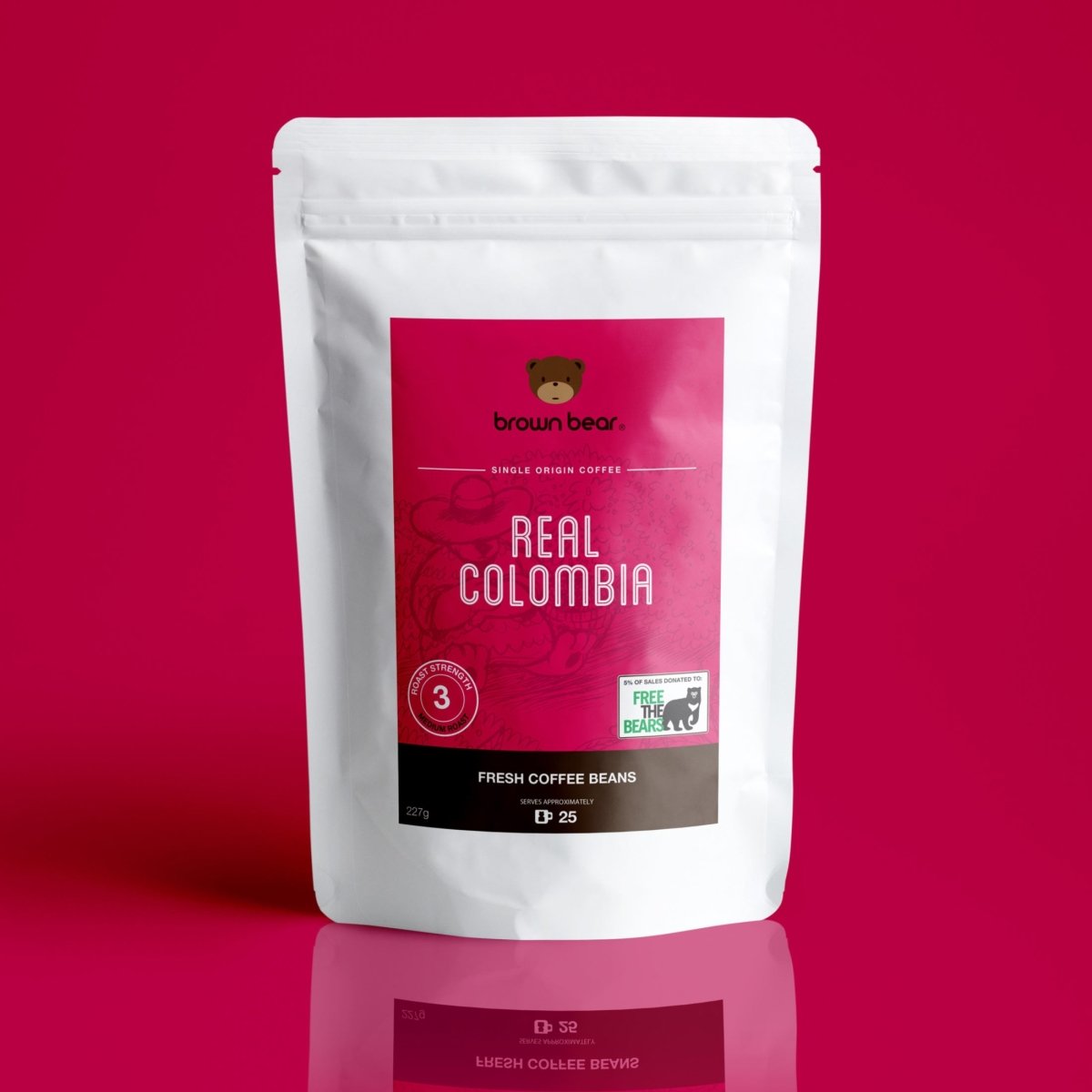
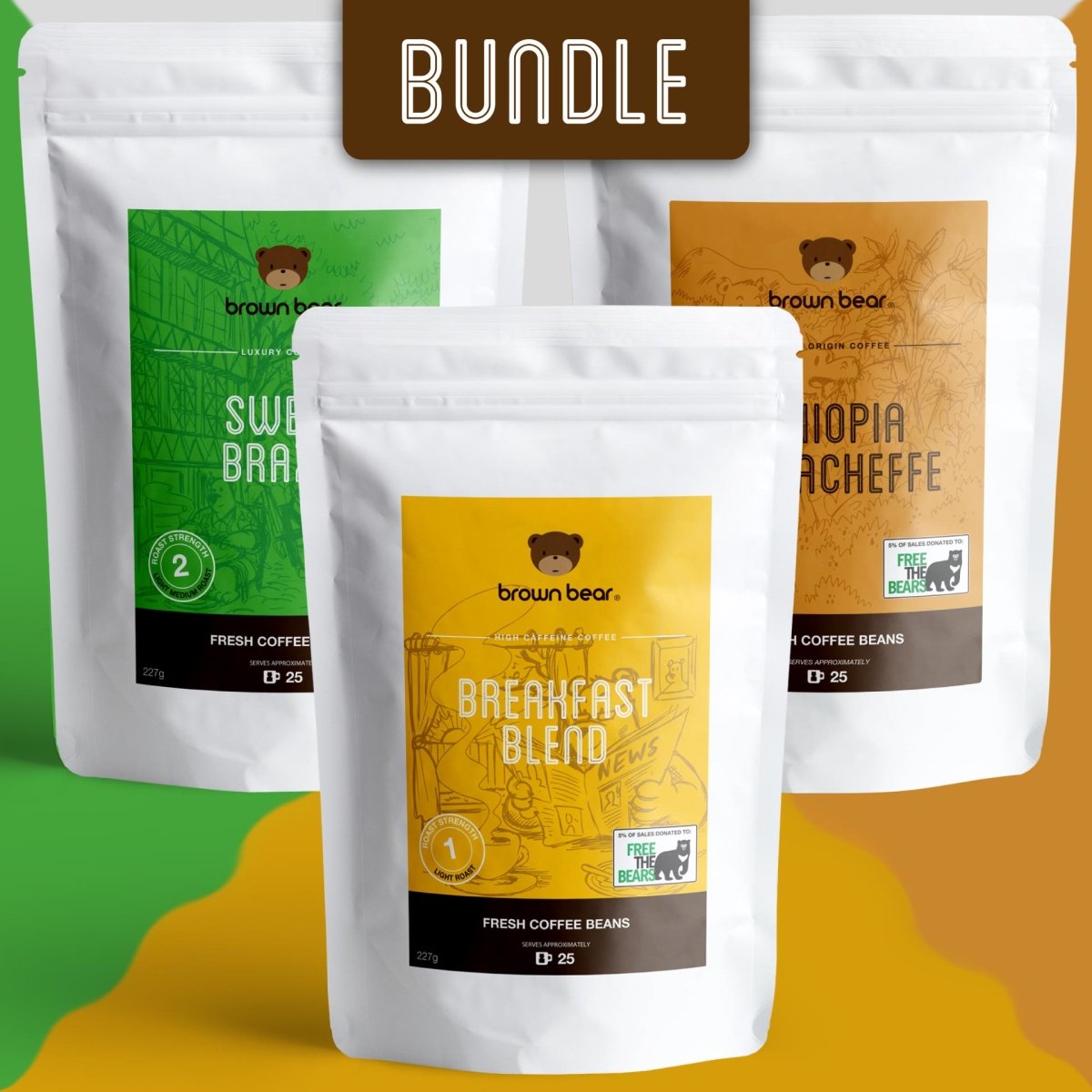
Here is a list of the Single Origin Coffees that we sell on BrownBear.co at the time of writing.
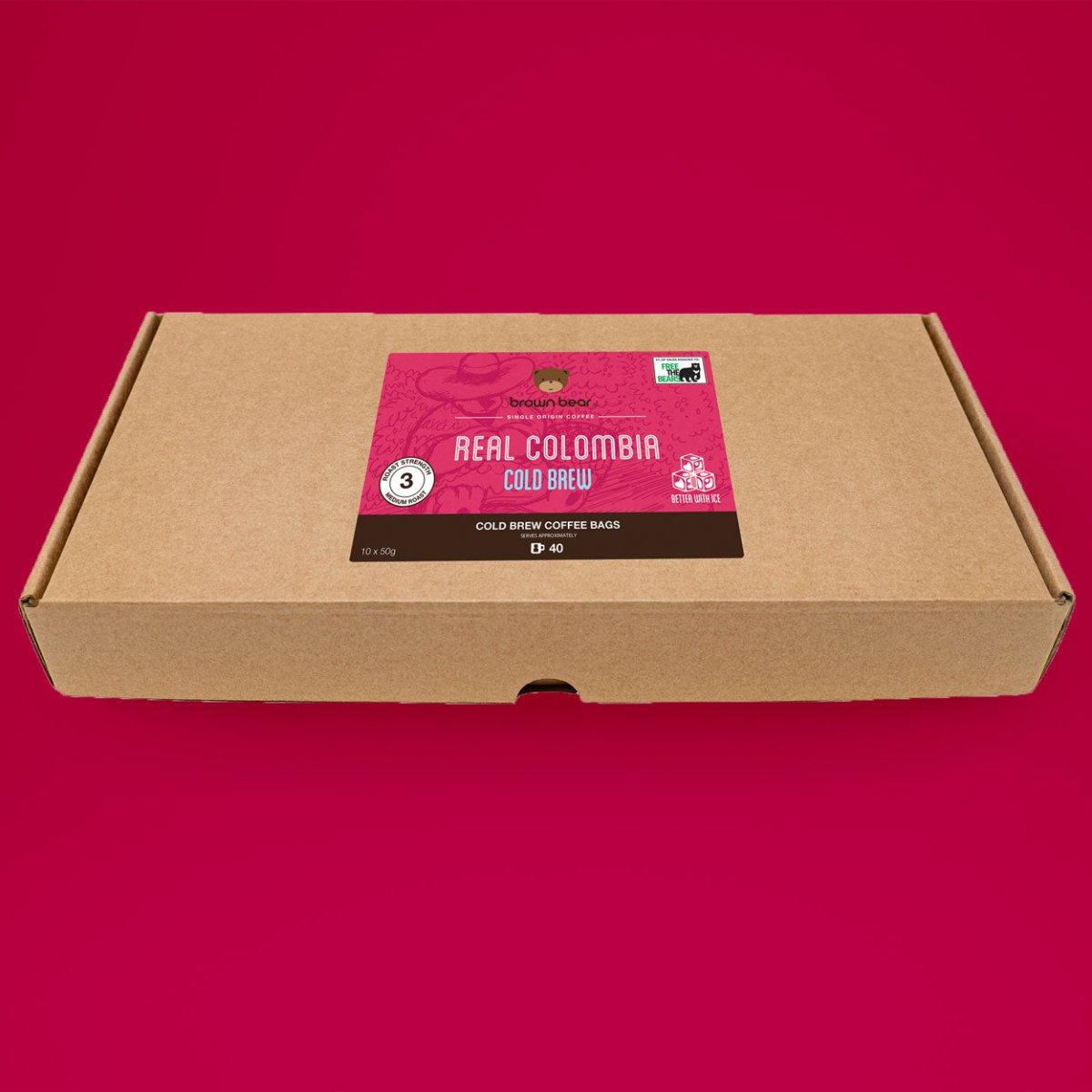
Colombian Coffee – Medium Roast – Strength 3 – Real Colombia Classic Colombian profile: smooth, balanced, great everyday drinker.
Brazilian Coffee – Light Medium Roast – Sweet Brazil Sweet, nutty, low acidity — very accessible.
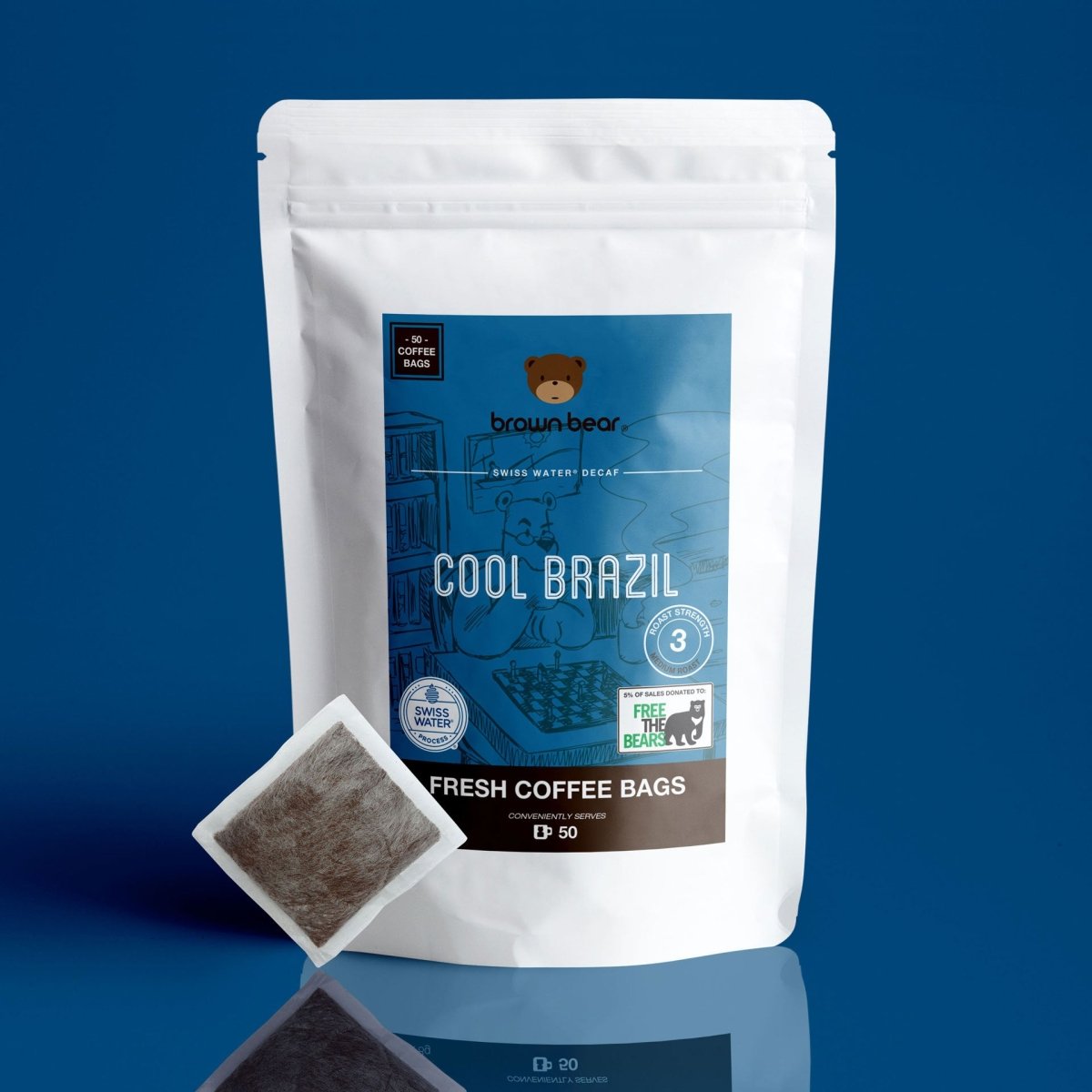
Brazilian Decaf – Swiss Water – Cool Brazil 100% chemical‑free decaf from Brazil
Ethiopia Yirgacheffe – Medium Roast – Strength 3 Floral, bright, aromatic — a standout single origin.
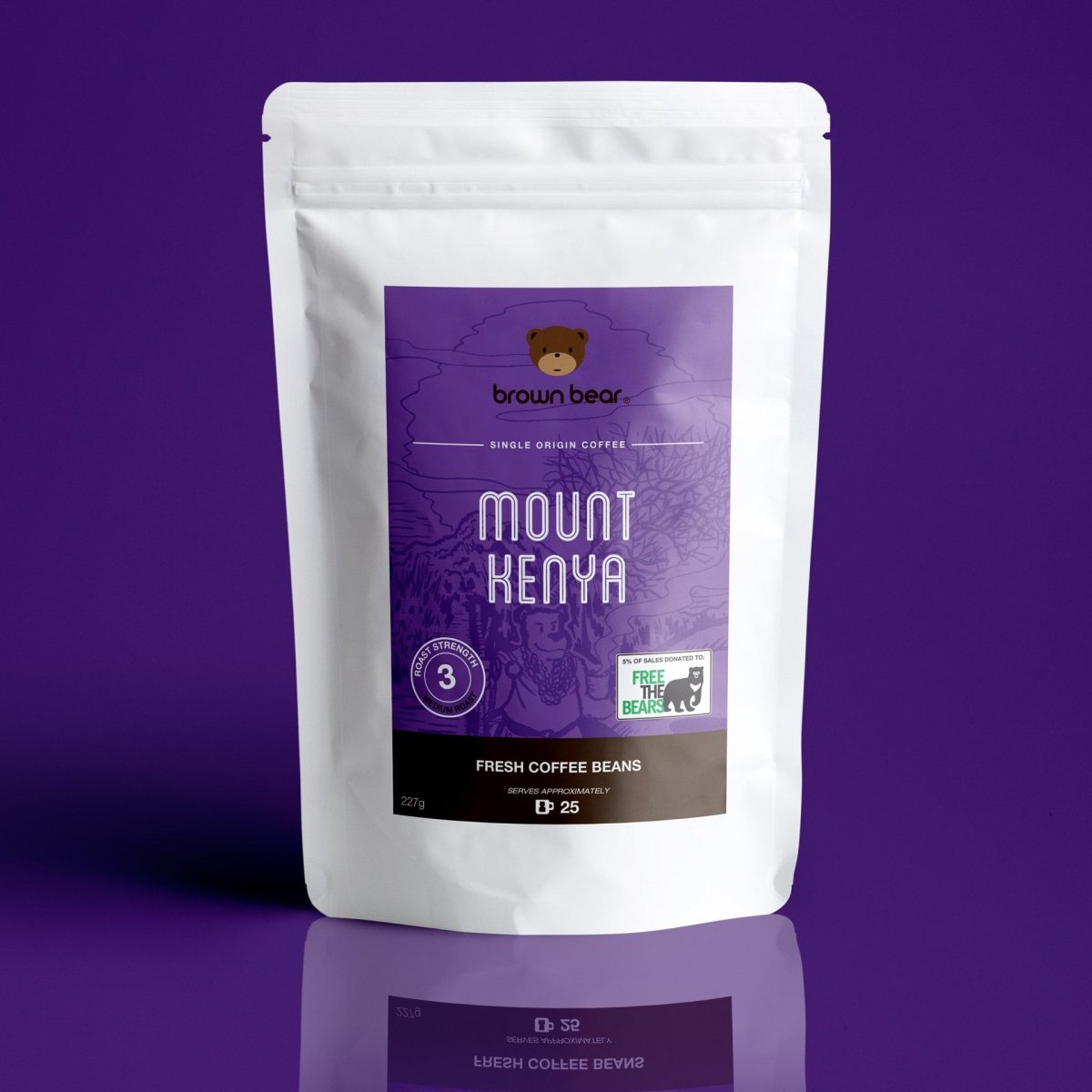
Kenyan Coffee – Medium Roast – Strength 3 – Mount Kenya Bold, fruity acidity, classic Kenyan character.
Guatemala Antigua – Medium Roast – Strength 3 Chocolatey, smooth, slightly spicy — a customer favourite origin.
Peruvian Coffee – Medium Roast – Strength 3 – Picchu Peru Clean, mild, slightly sweet with gentle acidity.
Blend coffee: balance, consistency and everyday ease
A good blend is not a compromise. It is a deliberate recipe. Roasters combine coffees to build something dependable, approachable and often easier to brew across different methods.
This is where blends shine for everyday drinkers. If you like coffee that tastes balanced, comforting and consistent from bag to bag, a blend often makes more sense. You are less likely to get dramatic swings in flavour, and that can be exactly what you want if coffee is part of your routine rather than a hobby.
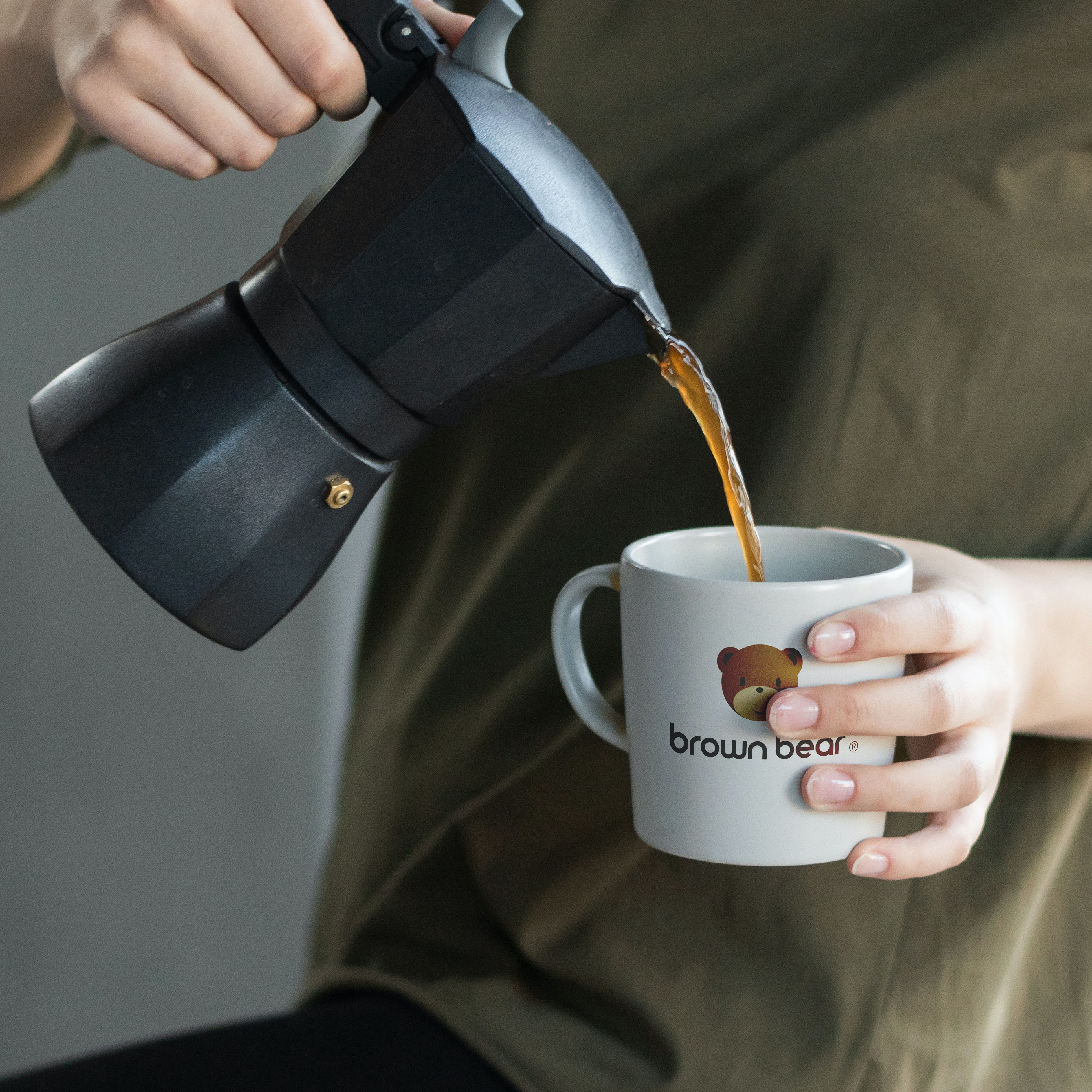
Blends are also very popular for espresso. Mixing origins can help create a cup with sweetness, body and enough structure to cut through milk. If you make flat whites, cappuccinos or strong stovetop coffee at home, a blend can deliver the fuller, more rounded flavour many people prefer.
Another advantage is accessibility. Because blends are built to hit a target profile, they are often easier for newer speciality coffee drinkers to enjoy straight away. You do not have to decode every tasting note. If it is designed to be rich, smooth and chocolate-led, that is usually what you will get.
Is single origin better than blend coffee?
Not really. It depends what you value most.
If you want a coffee that tells you something about where it came from, single origin is usually the better fit. If you like trying different countries, comparing flavour profiles and picking coffees based on origin, it offers more range and more discovery.
If you want a coffee that is easy to love every day, blend often wins. It is especially useful if more than one person is drinking it at home, if you switch between brew methods, or if you simply want less guesswork when you reorder.
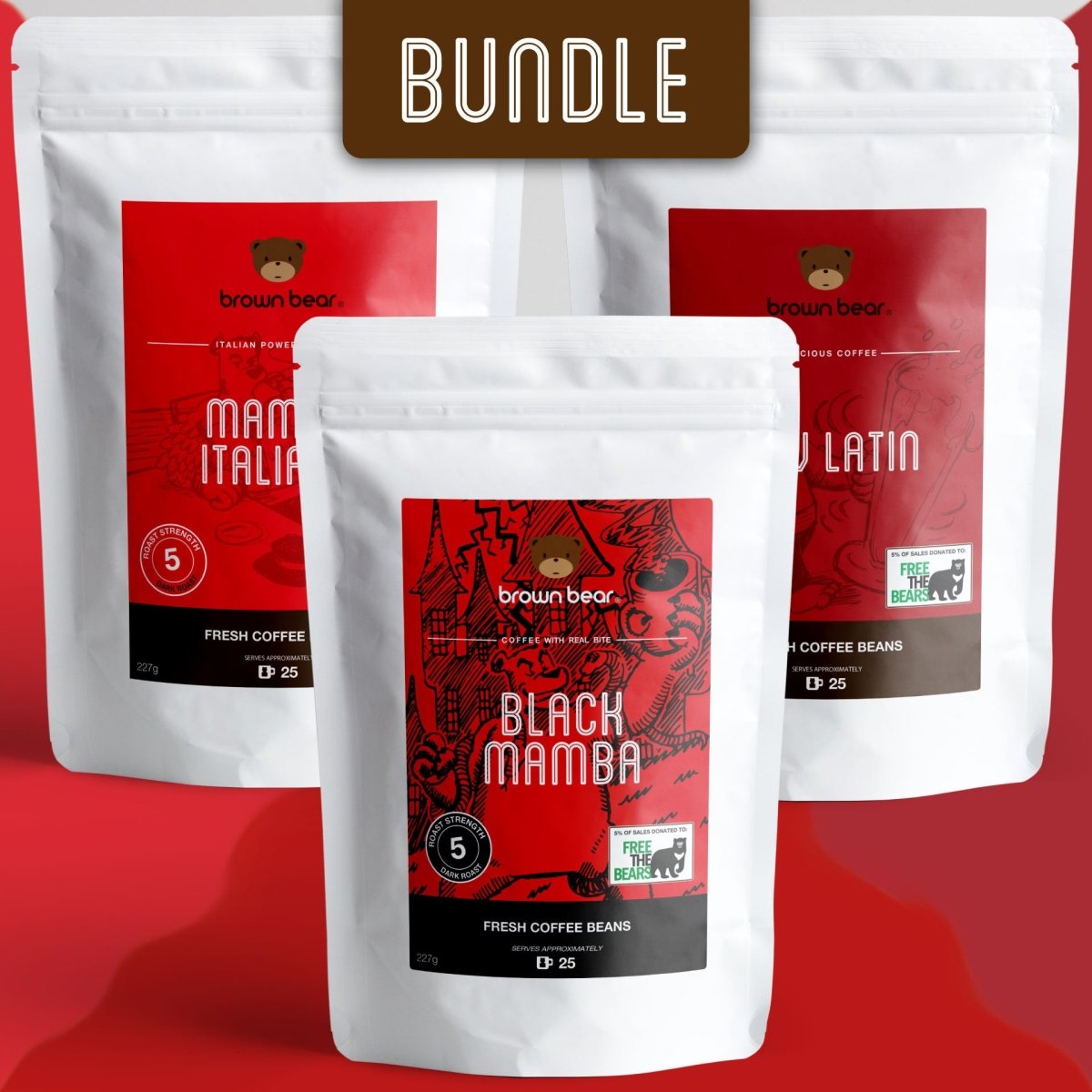
There is also a practical point around strength and roast. Many coffee drinkers are not chasing delicate acidity or floral notes. They want body, depth and a stronger flavour profile. In those cases, a medium-dark or dark blend can be the smarter buy than a single origin chosen purely for its traceability.
How flavour differs in the cup
The simplest way to think about it is this: single-origin coffees tend to be more distinctive, while blends tend to be more cohesive.
A single origin might give you a clearer sense of place. A Colombian coffee could bring red fruit and caramel sweetness. A Guatemalan might feel structured and cocoa-led with a gentle citrus edge. An Ethiopian could be lively and tea-like. These coffees can be vivid and memorable, especially as filter brews.
A blend usually aims for harmony. Instead of one note standing out, the whole cup feels integrated. You may get chocolate, nuts, toffee or soft fruit, but presented in a smoother, more even way. That makes blends particularly appealing if you want coffee that works just as well at 7am as it does in a weekend cafetiere.
This is why the single-origin vs blend coffee debate often comes down to mood as much as taste. Some days you want something expressive and different. Some days you want a cup that simply gets it right.
Which is better for different brew methods?
For filter coffee, pour over and cafetiere, single origin coffees often have more room to show their detail. If you enjoy slower brewing and like noticing the small differences from one coffee to another, this is where they can be at their best.
For espresso, moka pot and milk-based drinks, blends often feel more natural. The added body and balance can make them easier to extract and more satisfying with milk. That is not a strict rule - some single origins make excellent espresso - but blends are usually the safer choice if you want consistency and a fuller profile.
For bean-to-cup machines, blends can also be a smart option. These machines are built for convenience, and a coffee with a stable, balanced flavour tends to give better day-to-day results with less tweaking.
Price, consistency and what you are paying for
Single-origin coffees can sometimes cost more, especially when they come from smaller lots or well-known producing regions. Part of that price reflects traceability and the distinct character of the coffee itself.
Blends can offer very good value, particularly if your priority is dependable quality for daily use. A well-made blend is not lesser coffee. It is coffee designed with a clear purpose.
Consistency matters here too. If you are buying coffee on subscription or ordering the same bag regularly, a blend may suit you better because the flavour target is easier to maintain over time. If you enjoy changing things up and trying different origins through the year, single origin keeps things interesting.
How to choose without overthinking it
Start with how you drink coffee most often. If you mostly drink black coffee and enjoy noticing flavour differences, try single origin first. If you drink coffee with milk, prefer richer flavours, or want an easy all-rounder, start with a blend.
Then think about routine. Are you choosing coffee for weekday convenience, or do you enjoy experimenting with your grinder and brew method? A blend suits the first. A single origin often rewards the second.
It also helps to shop by roast and flavour rather than by category alone. A chocolatey Brazilian single origin may suit you far better than a bright, citrus-led blend if your taste leans towards mellow coffees. Likewise, if you love fruit-forward cups, a lively single origin from Kenya or Ethiopia may be exactly what you are after.
At Brown Bear, this is why coffee is easier to shop when the flavour and roast level are clear. Origin matters, but so does whether you want something smooth and everyday or something with a bit more distinction in the cup.
The best answer is usually both
A lot of coffee drinkers end up enjoying both for different reasons. A blend can be your reliable weekday coffee - the one you know works in the machine, tastes great with milk, and never asks too much of you. A single origin can be the bag you open at the weekend when you have a few extra minutes and want something more expressive.
That is a more useful way to think about coffee than turning it into a contest. Single origin and blend each do a different job, and the best choice is the one that fits your mornings, your taste and the way you like to brew.
If you are still unsure, start with the flavour profile you already enjoy and let that guide the category, not the other way round. The right coffee should feel easy to choose and even easier to look forward to tomorrow morning.

