










You can tell a lot about a coffee drinker by what they want at 7 a.m. Some want a bright, lively cup that tastes a bit fruity and wakes up the palate. Others want something deeper, bolder, and more familiar. That is really what light roast vs dark roast comes down to - not which one is better, but which one fits your taste, your brewing style, and the kind of coffee moment you want.
For plenty of people, roast level is the quickest way to narrow down the choice. It gives you a strong hint about flavour, body, aroma, and how intense the cup will feel. But it can also be misunderstood. Dark roast is not automatically stronger in caffeine, and light roast is not just for coffee experts. Both can be excellent daily coffees when they are roasted well and matched to the right drinker.
Light roast vs dark roast: what changes in the roaster?
The main difference is time and temperature. Light roast coffee spends less time in the roaster, so more of the bean's original character stays front and center. That means the flavours shaped by origin, altitude, and processing are easier to taste. If a coffee naturally has citrus, berry, floral, or tea-like notes, a lighter roast will usually let those show through.
Dark roast coffee is roasted longer, which pushes the flavour further away from the bean's raw origin character and toward the flavors created by roasting itself. You get more chocolate, toasted nuts, caramelised sugar, spice, and smoky depth. The body often feels heavier, and the finish tends to be more lingering.
Neither style is more "real" coffee than the other. They simply highlight different parts of the same bean. Light roast tends to celebrate nuance. Dark roast leans into richness and comfort.
Flavour differences that matter in the cup
If you like coffee that feels crisp, layered, and a little more vivid, light roast is often the better fit. It usually has brighter acidity, which can read as citrusy, apple-like, or berry-like depending on the origin. That acidity is not a flaw when the coffee is well roasted. It is part of what makes the cup feel lively rather than flat.
Dark roast moves in the opposite direction. Acidity softens, bitterness can become more noticeable, and the flavour profile shifts toward bolder, roasted notes. A good dark roast should taste full and satisfying, not burnt. That distinction matters. Done well, dark roast can be smooth, chocolatey, and powerful without turning ashy.
The body is another point of difference. Light roast often feels cleaner and lighter on the palate. Dark roast usually feels rounder, heavier, and more intense. If you add milk, dark roast tends to hold its own more easily. If you drink coffee black and enjoy picking out subtle flavour notes, a light roast often gives you more to notice.
What about sweetness?
This is where people get tripped up. Light roast can taste sweet, but it is usually a delicate sweetness - think fruit, honey, or soft sugar. Dark roast sweetness is more caramelised, like dark chocolate, toffee, or toasted marshmallow. Both can be sweet in different ways.
Which roast has more caffeine?
This is one of the most common questions, and the honest answer is that the difference is smaller than most people expect. Light roast beans are denser because they spend less time roasting, while dark roast beans lose more mass and expand more. If you measure coffee by scoop, a light roast may contain slightly more caffeine. If you measure by weight, the gap is minimal.
In day-to-day brewing, flavour creates a bigger impression than caffeine does. Dark roast often tastes stronger, so people assume it is stronger in caffeine, too. Usually, what they are noticing is roast intensity, not a dramatic caffeine boost.
So if your goal is simply to get your morning started, either roast can do the job. Choose based on taste first.
Light roast vs dark roast for different brewing methods
Your brew method can make one roast style feel easier to enjoy than the other.
Light roast often shines in pour-over, drip coffee, and AeroPress because these methods help bring out clarity and detail. You are more likely to notice the origin character, especially in coffees from places known for bright fruit notes or floral aroma. If you enjoy slowing down with a weekend brew and paying attention to the cup, a light roast can be very rewarding.
Dark roast is especially dependable in French press, espresso, moka pot, and standard drip machines when you want a fuller, bolder result. It cuts through milk well, which is why many people prefer it for lattes, cappuccinos, and flat whites. It is also a good match for drinkers who want their coffee to taste rich and familiar every single time.
Cold brew can work with either. Light roast cold brew often tastes surprisingly smooth with subtle fruit and gentle sweetness. Dark roast cold brew tends to come out richer, heavier, and more chocolate-forward. There is no wrong choice there - just a different style of refreshment.
If you use milk and sugar
Dark roast usually makes the easier everyday pick. The roast flavour stays present even after milk softens the cup. Light roast with milk can still be delicious, but some of its brightness and detail may get muted.
If you drink coffee black
Light roast often gives you more variation and complexity, while dark roast gives you a bolder, steadier profile. One is not more advanced than the other. It depends on whether you want nuance or depth.
Is one roast better for beginners?
Not necessarily, but people often find dark roast more familiar at first. Its lower acidity and fuller body can feel more approachable, especially if you are moving from supermarket coffee or cafe drinks with milk. It gives a strong sense of "coffee" in the classic way many people expect.
Light roast can take a little adjusting if you have never tried it before. The brighter profile sometimes surprises people who assume coffee should only taste nutty, chocolaty, or smoky. But once you know what to expect, light roast becomes much easier to enjoy. For some drinkers, it is the roast that makes coffee finally feel interesting rather than just routine.
A good rule is to think about what you already enjoy in food and drink. If you like dark chocolate, toasted flavours, and bold red wine, dark roast may be your lane. If you like citrus, berries, crisp white wine, or lighter teas, a light roast may suit you better.
How freshness and quality affect both roasts
A poor roast is a poor roast, whether it is light or dark. That is why the light roast vs dark roast debate can go nowhere fast if quality is ignored. A well-sourced bean roasted with care will taste cleaner, clearer, and more balanced at either end of the roast spectrum.
Freshness matters too. Light roast can taste underwhelming if it is stale, because its subtle notes fade quickly. Dark roast can become dull or oily-tasting if it sits too long. Buying from a roaster that gives clear roast options and makes selection easy helps you match the coffee to your taste instead of guessing.
This is where straightforward roast labeling really helps. If you know you want bright and lively, you should be able to find it fast. If you want powerful flavour and a fuller cup, that should be just as clear. Coffee does not need to feel complicated to be good.
How to choose between light roast and dark roast
Start with the cup you actually want to drink most mornings, not the one you think you are supposed to prefer. If you want a coffee that feels smooth, bold, and easy to pair with breakfast or milk, dark roast is a safe and satisfying choice. If you want something more expressive, with a cleaner finish and more original character, light roast is worth reaching for.
It also helps to think practically. If your household has different preferences, a medium or medium-dark roast can be a happy middle ground. If you are buying coffee as a gift, darker profiles are often an easier crowd-pleaser, while lighter roasts tend to land best with curious coffee drinkers who enjoy trying something distinctive.
And if you order coffee regularly, variety can be part of the fun. A lighter roast for black coffee in the morning and a darker roast for espresso or afternoon milk drinks is not overkill. It is just a smart way to make sure the coffee fits the moment.
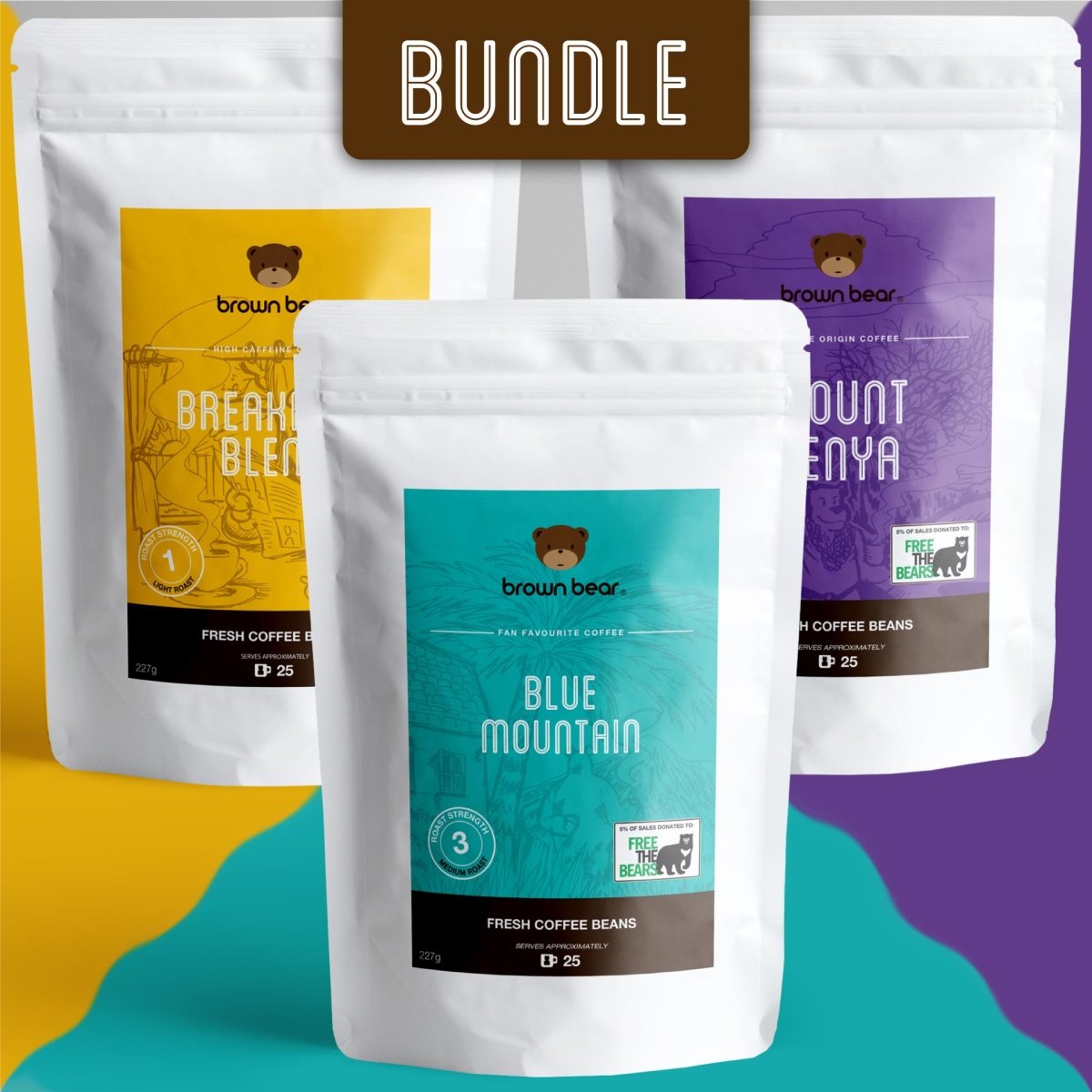
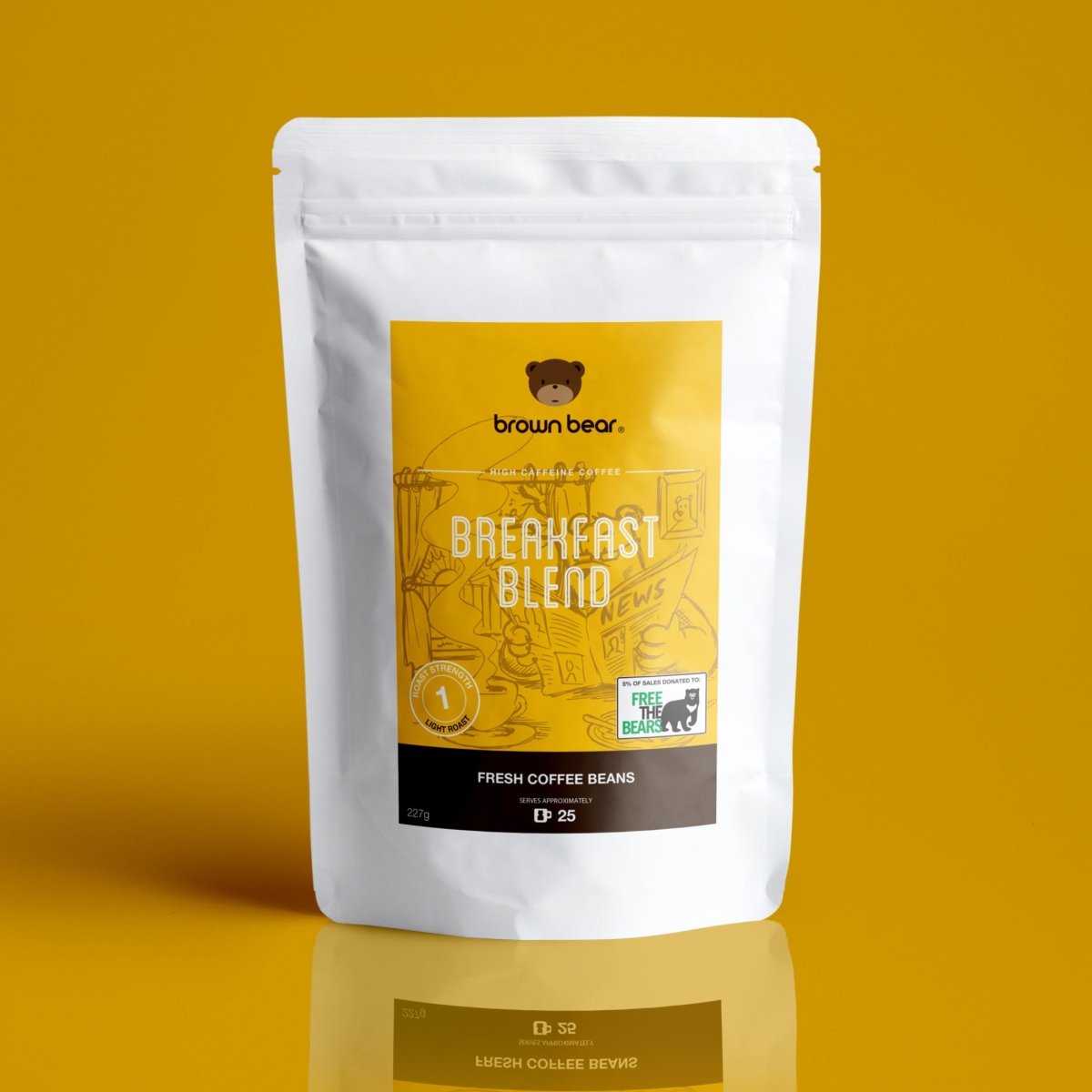
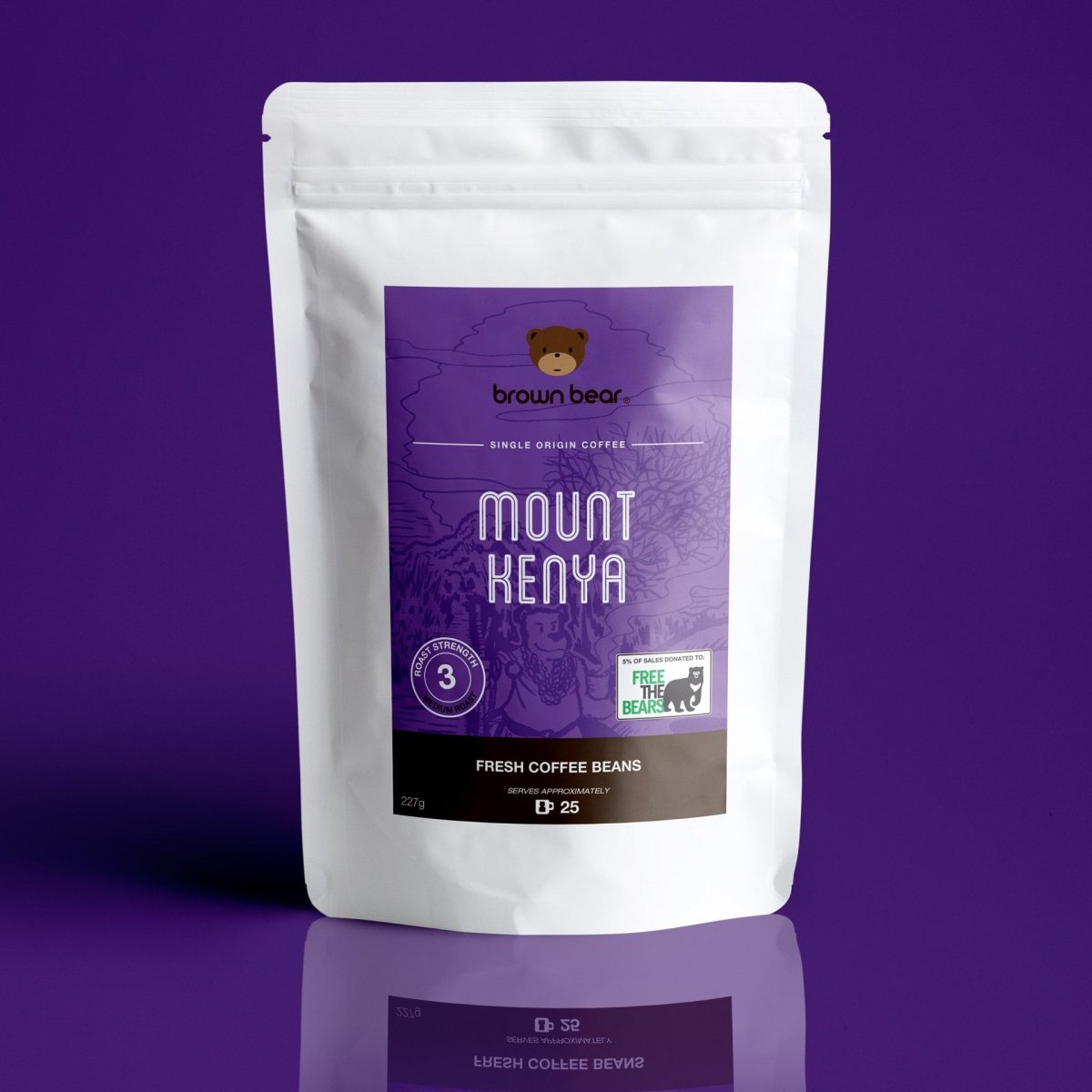
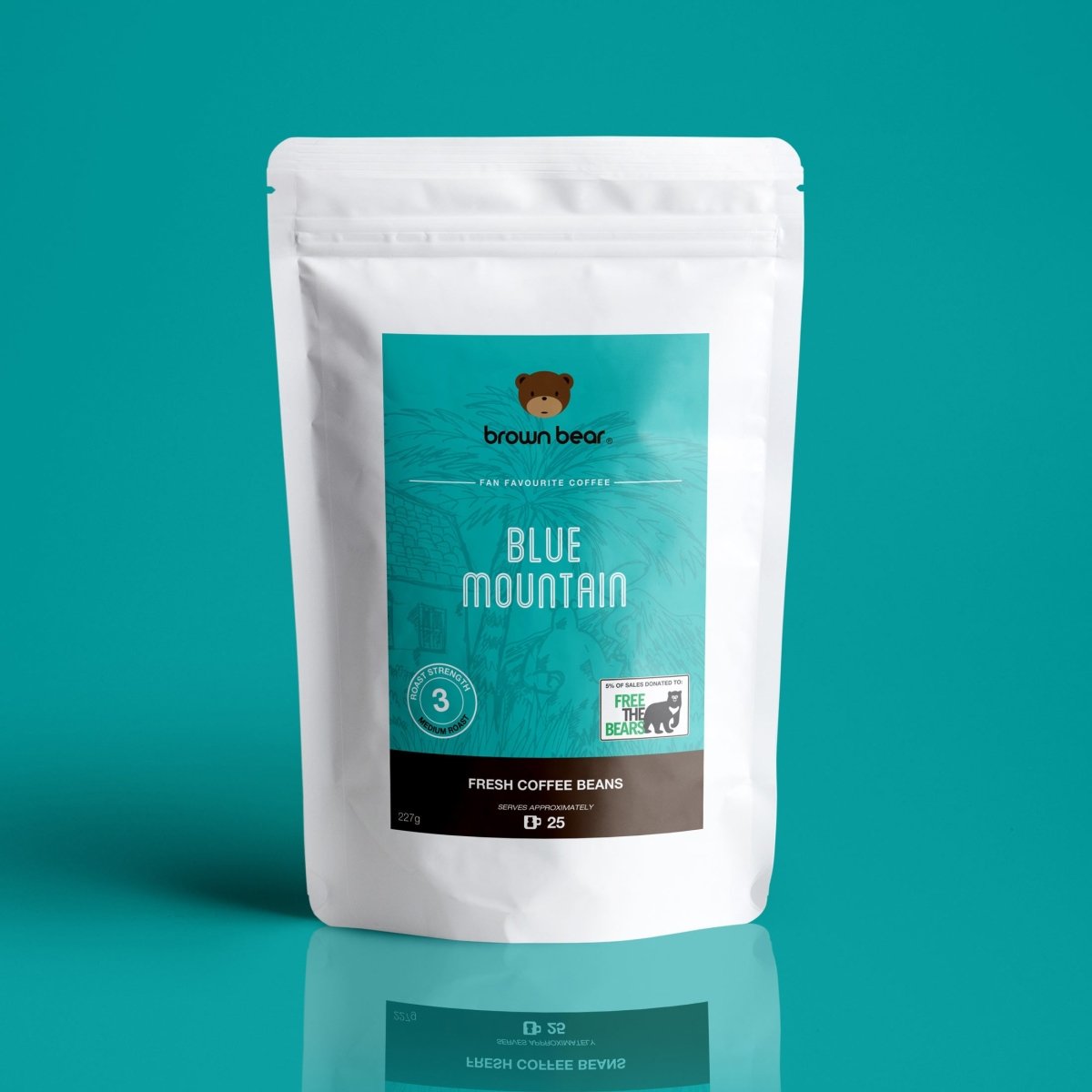
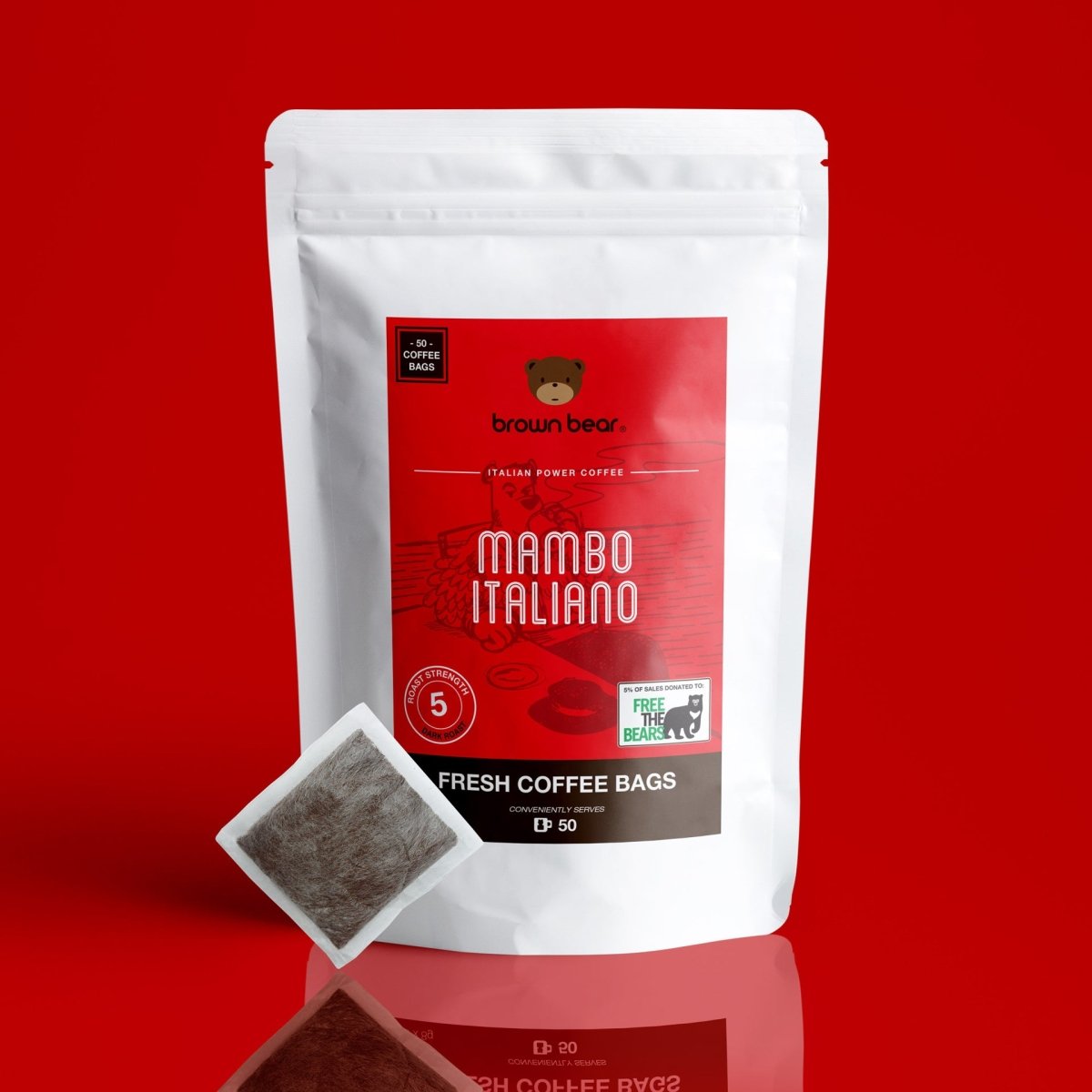
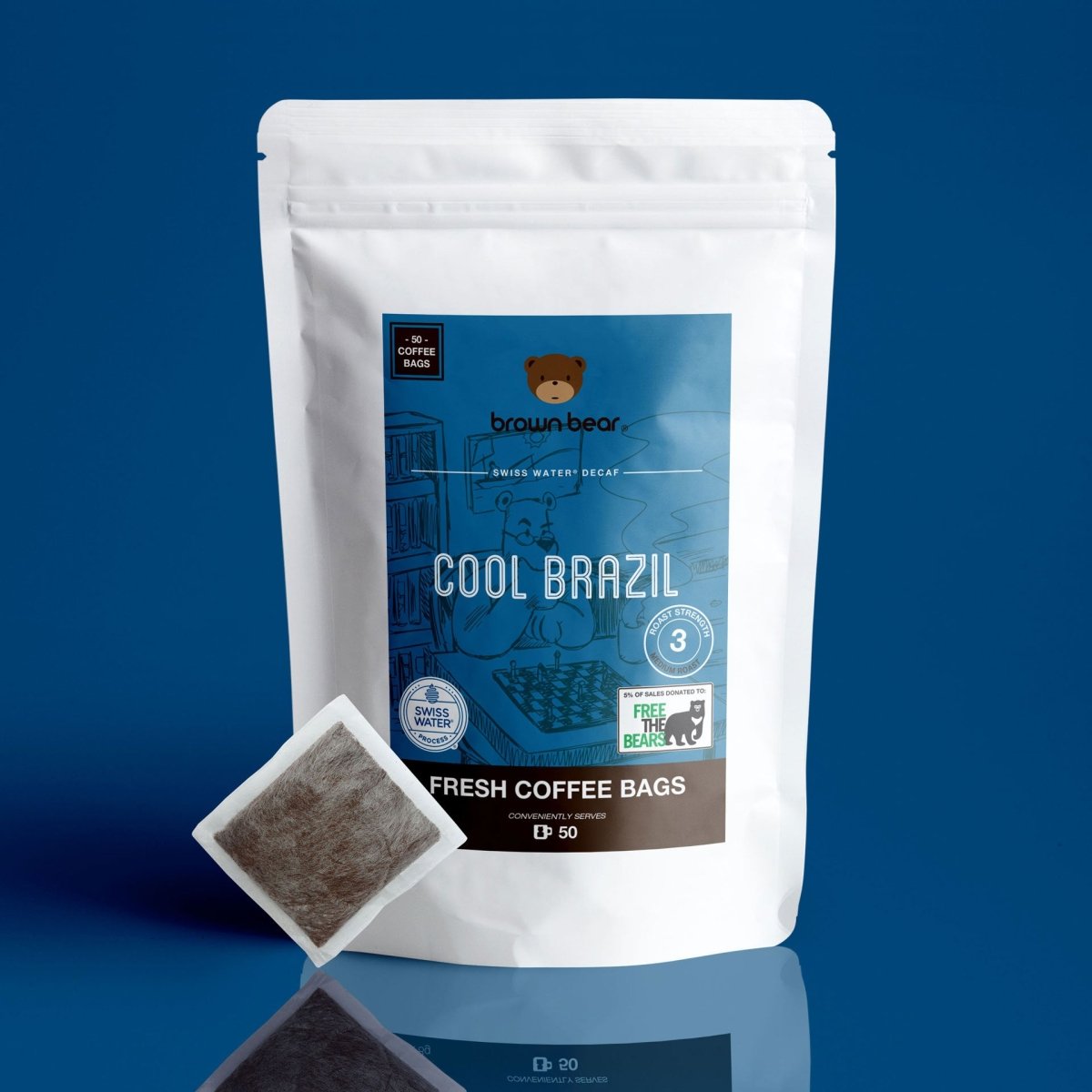
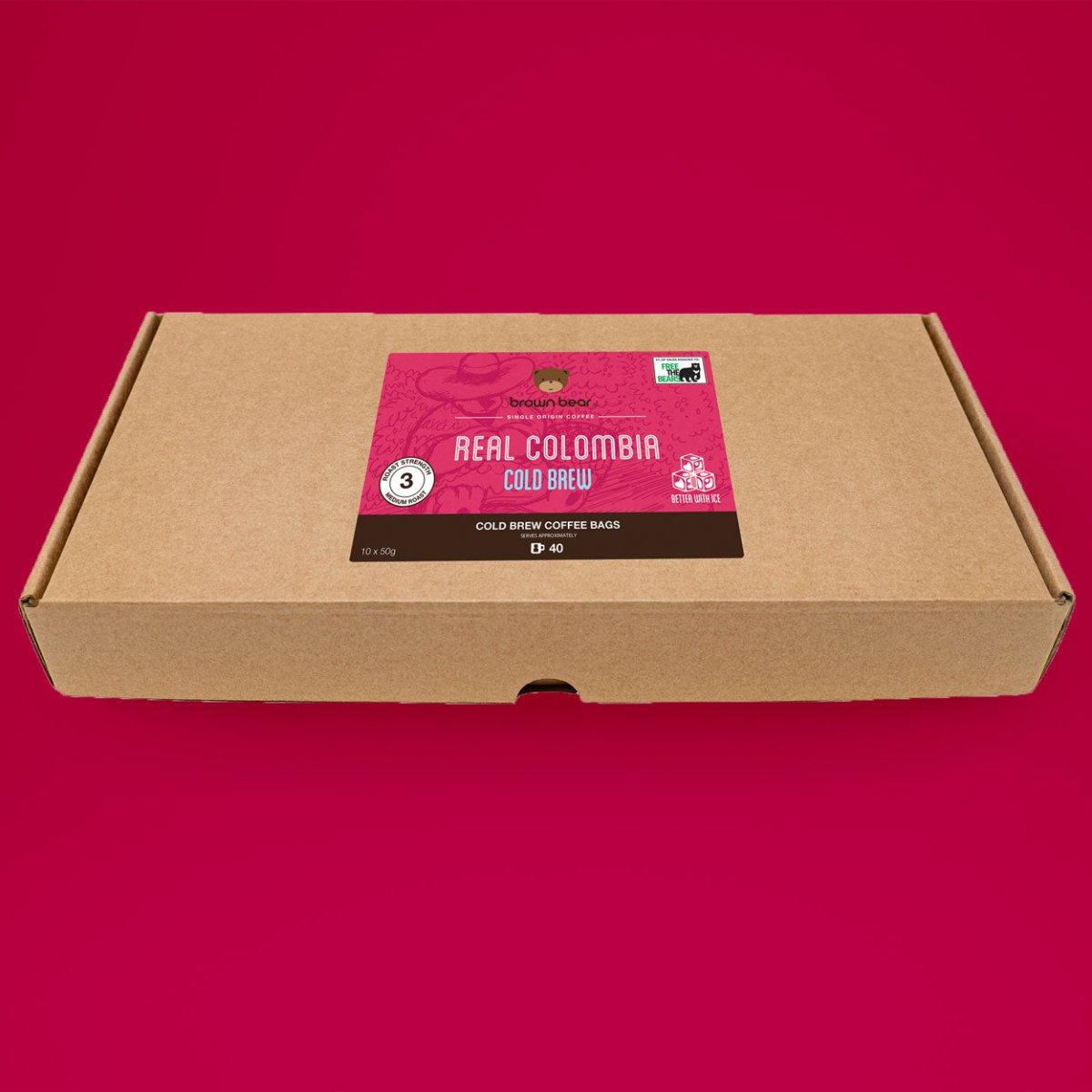
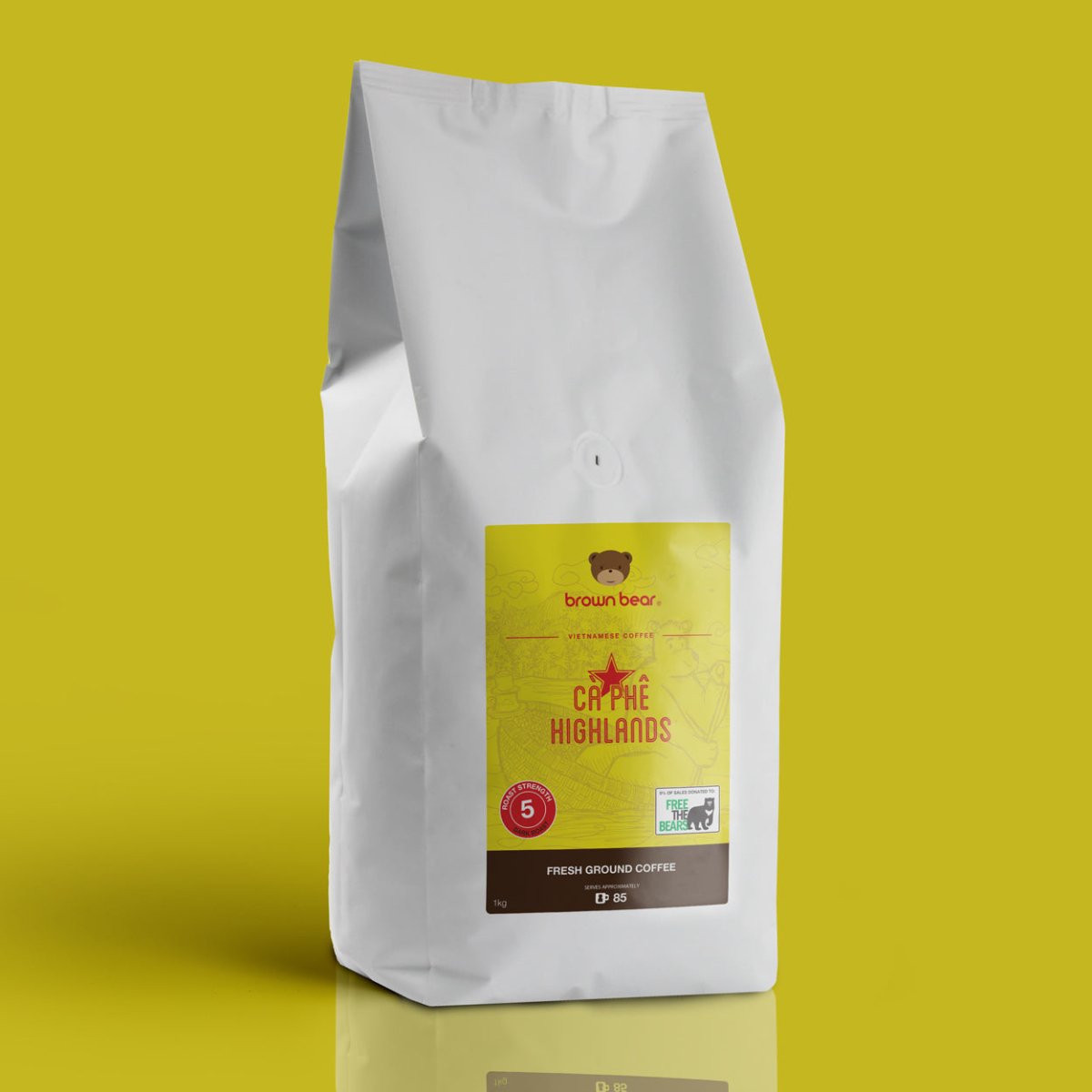
At Brown Bear, that idea matters. Coffee should be easy to choose, easy to enjoy, and good enough that reordering feels simple rather than second-guessed.
The real answer to light roast vs dark roast
The better roast is the one that keeps ending up in your mug. Light roast offers brightness, detail, and a more origin-led experience. Dark roast brings body, comfort, and bold flavour that stands up beautifully in everyday brewing. If you know what each one does well, choosing stops feeling like a test and starts feeling like good coffee shopping.
The best next step is simple: pay attention to what you finish happily, not just what sounds impressive on the bag.

