









The difference between filter coffee vs espresso is not simply strength. It is about how you like to drink coffee, how much time you have before work, and whether your perfect cup is a big, easy-going mug or a short, flavour-packed hit. Both can be brilliant at home. The right choice is the one that fits your daily routine and tastes good enough to look forward to.
Filter coffee vs espresso: the key difference
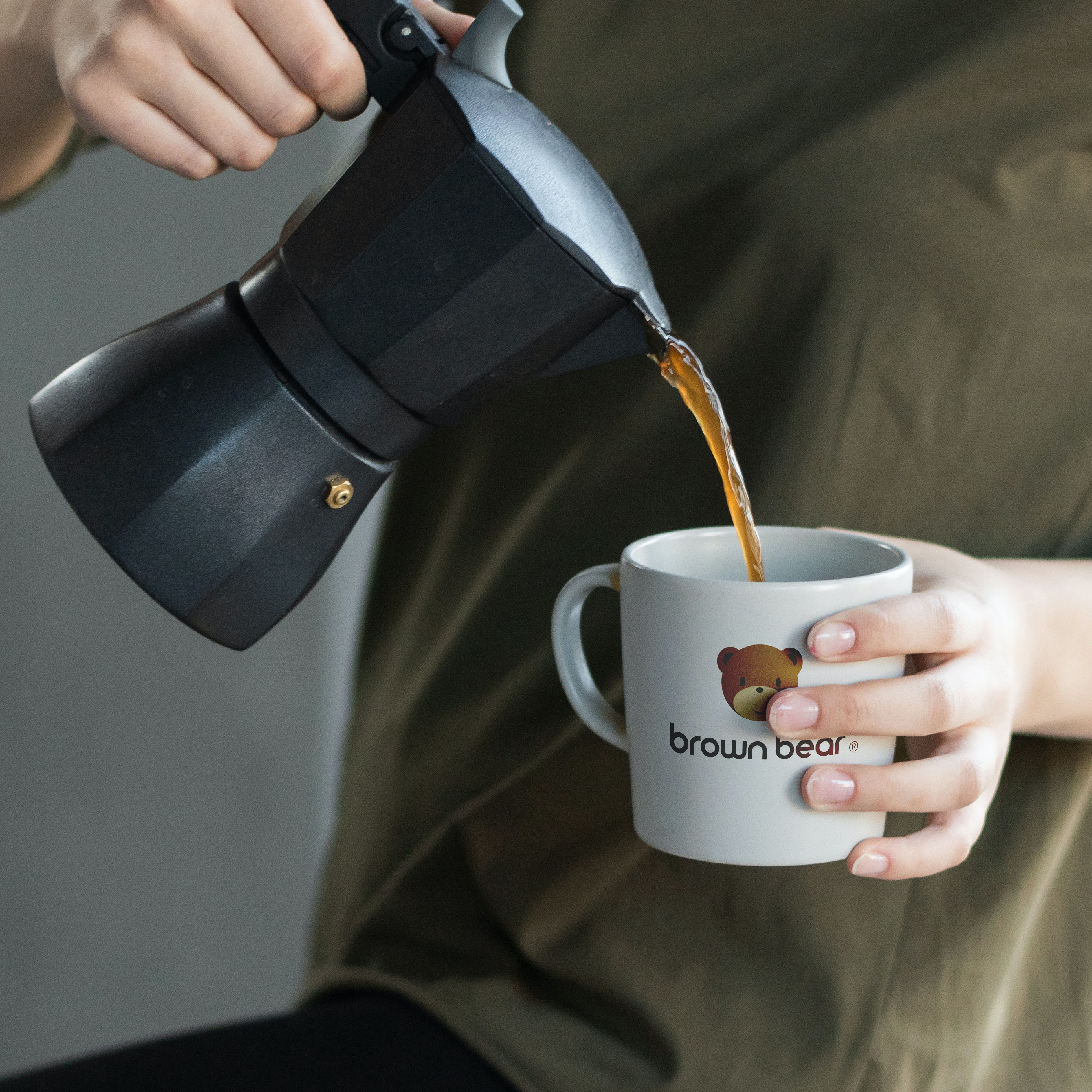
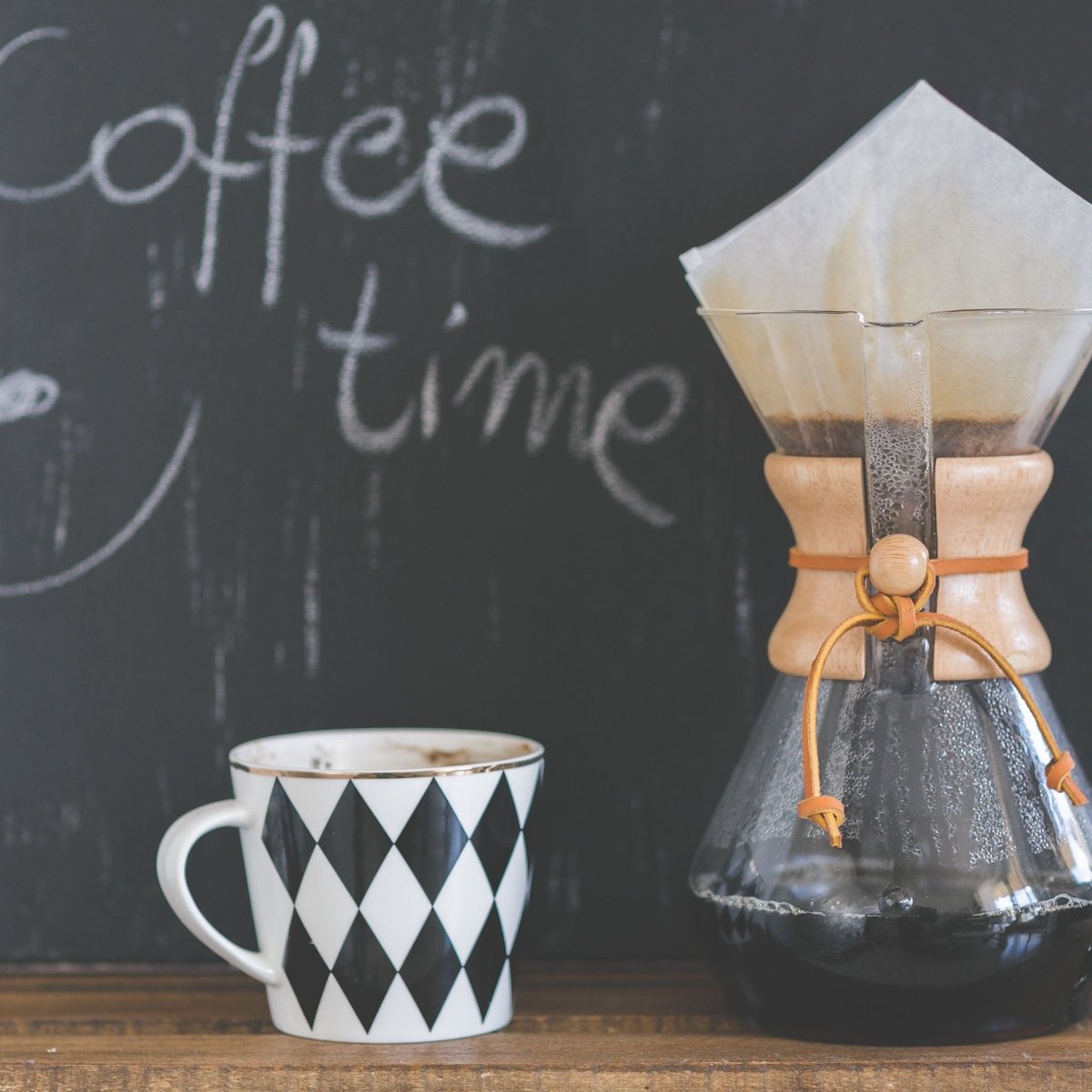
Filter coffee is made by letting hot water pass through ground coffee, usually with gravity doing the work. That might mean a pour-over dripper, filter machine or batch brewer. The resulting drink is typically served in a larger cup, with a lighter body and a clear, rounded flavour.
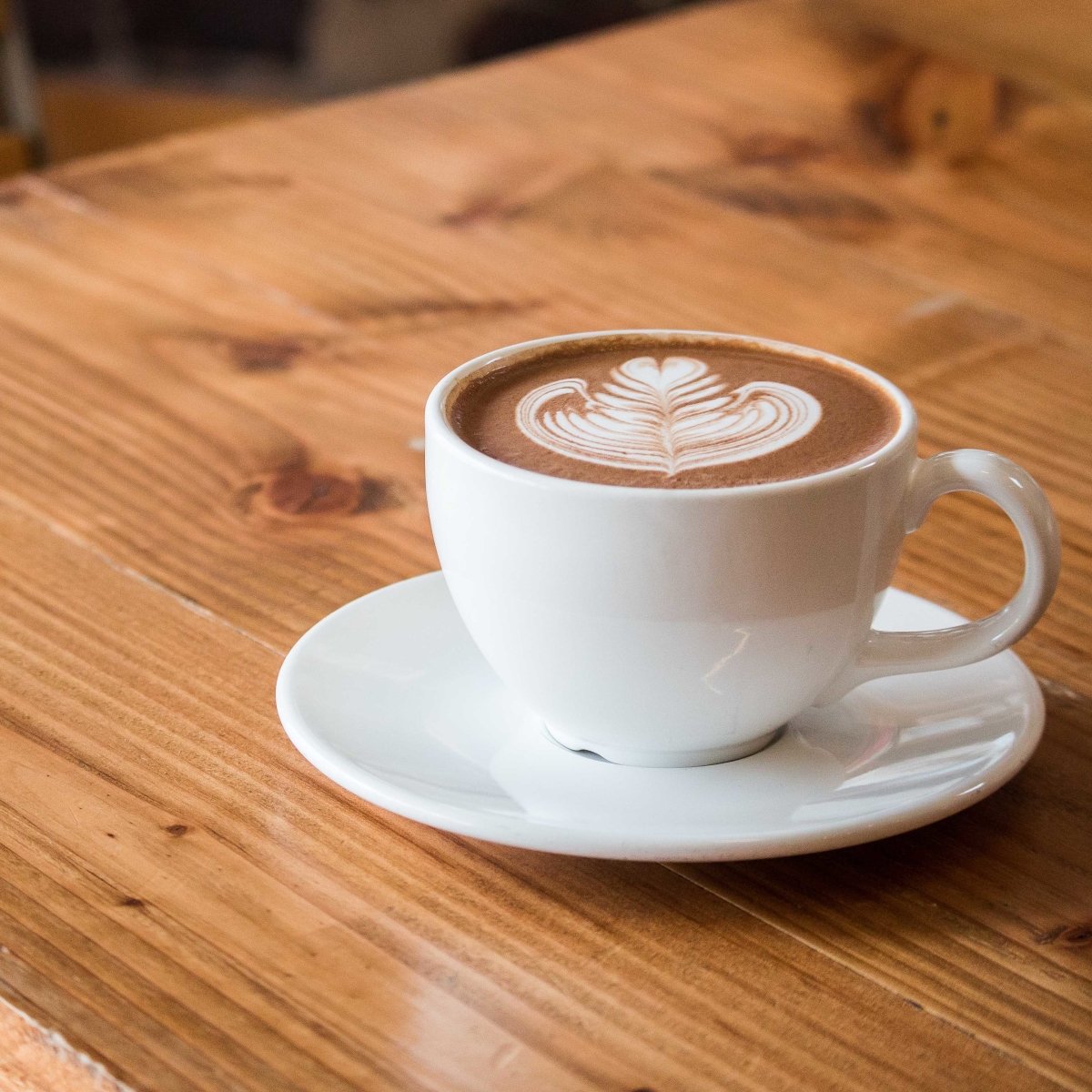
Espresso is made by forcing hot water through finely ground coffee under pressure. It is a small, concentrated drink with a fuller texture, a pronounced aroma and a layer of crema on top when it is freshly extracted. It can be enjoyed on its own, but it is also the base for flat whites, cappuccinos, lattes and americanos.
Neither method is automatically better. Filter coffee gives you more of the cup to enjoy, while espresso delivers intensity in a much smaller serving. Think of it as choosing between settling in with a favourite album or putting on the one track that always gets you moving.
How filter coffee tastes
A good filter coffee is clean, balanced and easy to sip over a longer stretch. Because the extraction is slower and the drink is more diluted than espresso, it can make individual tasting notes easier to spot. A light-roasted Kenyan coffee may show bright berry or citrus character, while an Ethiopian coffee can feel floral and tea-like. A medium Colombian or Brazilian filter can be smooth, nutty, chocolatey and very easy to drink black.
Paper filters remove much of the coffee oil and fine sediment from the finished cup. This gives filter coffee its clean finish and gentle body. Metal filters allow more oils through, creating a slightly richer texture, though usually with a little more sediment at the bottom.
Filter is particularly good for anyone who enjoys black coffee but does not want an aggressively intense drink. It is also a practical choice for households where more than one person wants coffee at the same time. A filter machine can make several cups with very little fuss, while a dripper is ideal for a slower one-cup ritual.
That said, filter coffee is not always mild in flavour. A dark roast can still make a powerful, smoky and chocolate-led mug. The difference is that the intensity is spread across a larger drink rather than concentrated into a 30ml espresso.
Best beans for filter coffee
There is plenty of room to experiment, but light and medium roasts often suit filter brewing well. They can bring out origin character without becoming too heavy. If you prefer a classic coffee flavour, choose a medium roast with caramel, chocolate or toasted nut notes. If your morning needs more punch, a dark roast can make a bold filter coffee without the sharpness that sometimes comes from an over-extracted espresso.
Grind size matters. Filter coffee generally needs a medium grind, although the best setting changes with the brewer. If the coffee tastes thin or sour, try grinding a little finer. If it tastes bitter, dry or harsh, go slightly coarser. Make one small change at a time and you will find your sweet spot quickly.
How espresso tastes
Espresso is all about concentration. A well-made shot can be syrupy, sweet, chocolatey, fruity or richly bittersweet, depending on the coffee and roast. Its flavour arrives quickly and stays with you, which is why it works so well as a short coffee or beneath steamed milk.
The body is a major part of the appeal. Espresso has a denser mouthfeel than filter coffee, helped by its concentration and the oils that make it into the cup. The crema can look impressive, but it is not the only sign of quality. What matters more is balance: enough sweetness, a pleasant amount of acidity and no lingering burnt or astringent taste.
Espresso is a natural fit for milk drinks. A dark or ultra-dark roast can cut through milk with cocoa, caramel and toasted flavours, making a dependable flat white or cappuccino. Medium roasts can work beautifully too, particularly if you enjoy a sweeter, more nuanced latte. Lighter roasts are possible, but they need careful brewing and may taste brighter than many people expect in milk.
Espresso needs more precision
An espresso machine is less forgiving than most filter brewers. The grind needs to be fine and consistent, the dose needs to be close to right, and small changes can noticeably alter the result. A shot that runs too quickly may taste sour and watery. One that runs too slowly may become bitter and heavy.
This is not a reason to avoid espresso. It is simply worth knowing before you buy equipment. If you enjoy tweaking, tasting and getting to know your machine, espresso can be a rewarding daily habit. If you want excellent coffee with fewer variables before a busy morning, filter is usually the easier starting point.
Freshly roasted coffee helps both methods, but espresso benefits especially from a grinder that can produce a consistent fine grind. Pre-ground espresso can still make a decent cup, but whole beans ground just before brewing give you more control and a fresher aroma.
Which method is stronger?
This depends on what you mean by strong. Espresso tastes stronger because it is concentrated. A single shot has much more coffee flavour per sip than a mug of filter coffee. Yet a full mug of filter can contain the same amount of caffeine, or more, because you are drinking a larger volume.
If you want a bold taste in a small cup, espresso is the obvious choice. If you want a longer coffee that can keep you company through emails, a commute or a weekend breakfast, filter makes more sense. An americano sits somewhere between the two: espresso topped with hot water, with a fuller flavour than many filters but a similar serving size.
Roast level affects perceived strength too. Dark roast tastes deeper and more intense, often with cocoa, spice and roasted notes. Light roast may taste brighter and more delicate, but it is not weaker. It simply expresses flavour differently.
Cost, time and everyday convenience
Filter coffee is usually the lower-cost route into better home brewing. A simple dripper, filters and a kettle are enough to make a very good cup. Filter machines cost more, but they are useful for serving a family, team or regular house guests without standing over each cup.
Espresso equipment can range from compact pod-style machines to serious home set-ups with separate grinders. A proper espresso machine takes a little practice and regular cleaning, especially if you make milk drinks. The reward is café-style coffee on your own kitchen counter, made exactly how you like it.
Time is more personal than it first appears. A pour-over can take several relaxed minutes, while a filter machine can brew in the background as you get ready. Espresso itself is quick once the machine is hot, but weighing, grinding, tamping and cleaning up add to the routine. Neither is difficult. They simply ask for different kinds of attention.
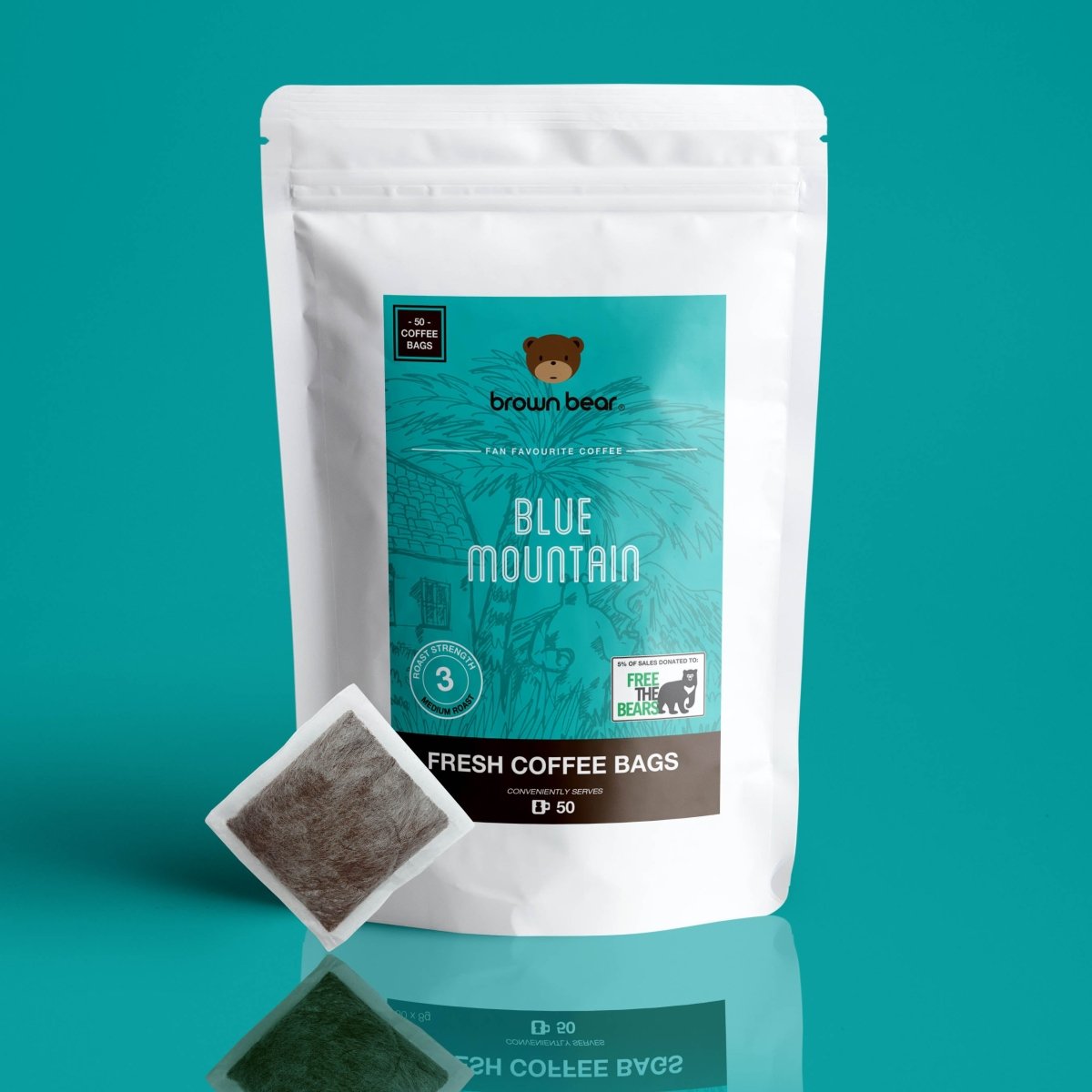
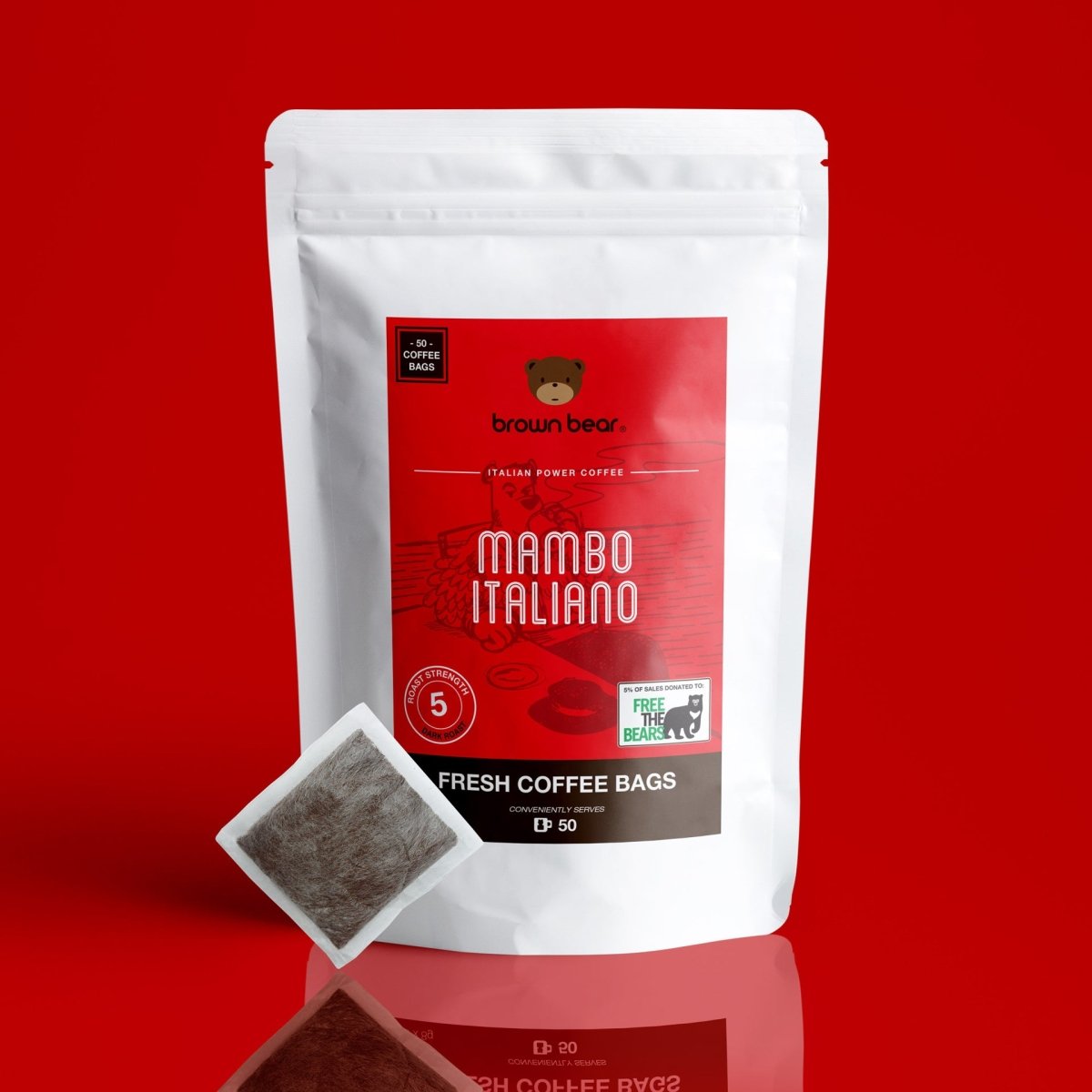
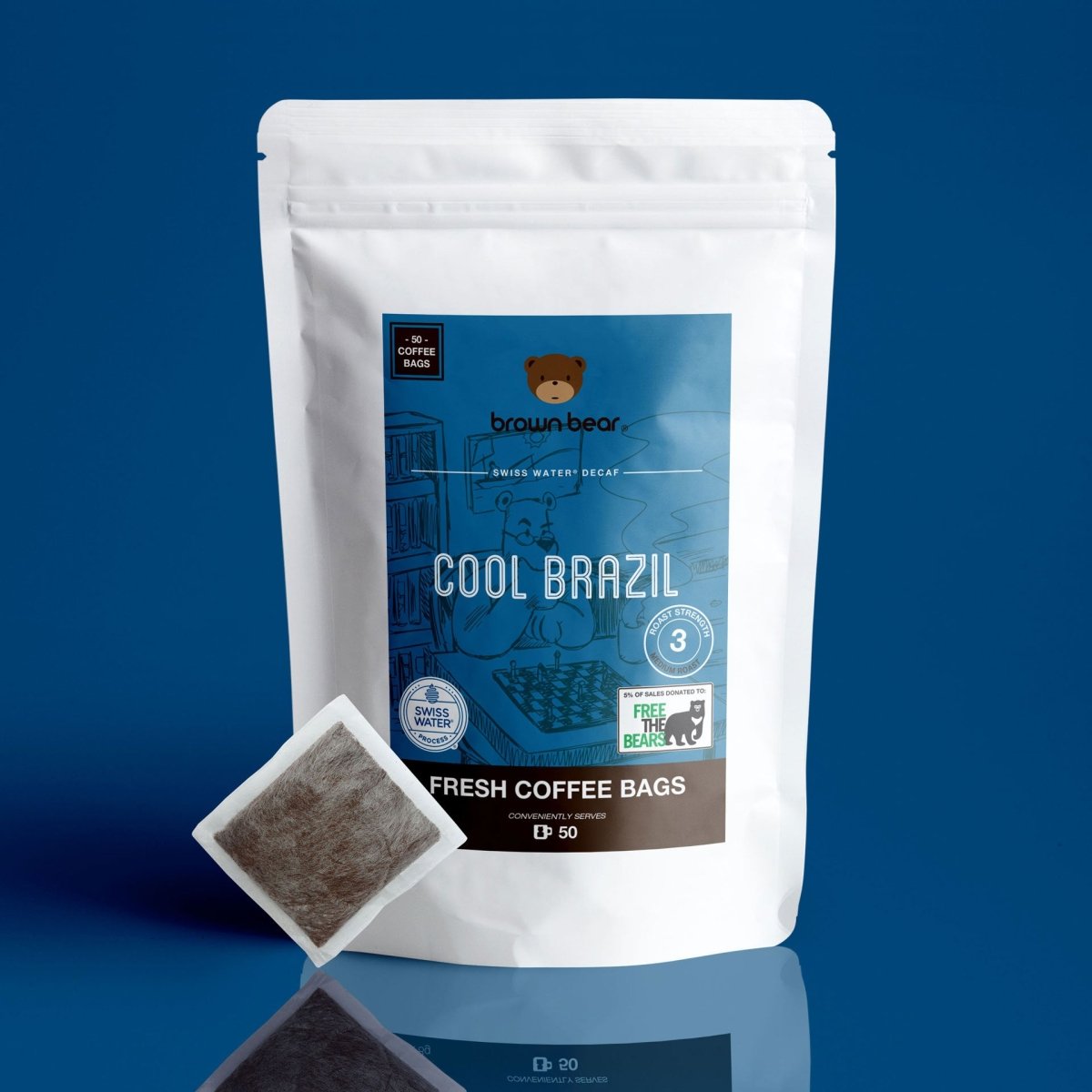
For a low-effort option when you are travelling, at work or short on kit, coffee bags can offer a straightforward alternative. They will not replicate a fresh espresso, but they can make a tidy, satisfying cup without a machine or complicated method.
Choosing coffee for your preferred brew
Start with the kind of drink you actually make most often. If you mostly drink black coffee in a large mug, choose a filter-friendly medium roast or try a single-origin coffee for more distinctive flavour. If your usual order is a flat white, cappuccino or strong short coffee, look towards medium-dark, dark or ultra-dark beans with chocolatey, nutty or caramel notes.
Decaf drinkers do not need to compromise on method. Decaf can produce a smooth filter coffee or a full-bodied espresso, so choose by roast profile and how you take your coffee rather than assuming decaf is only for one style.
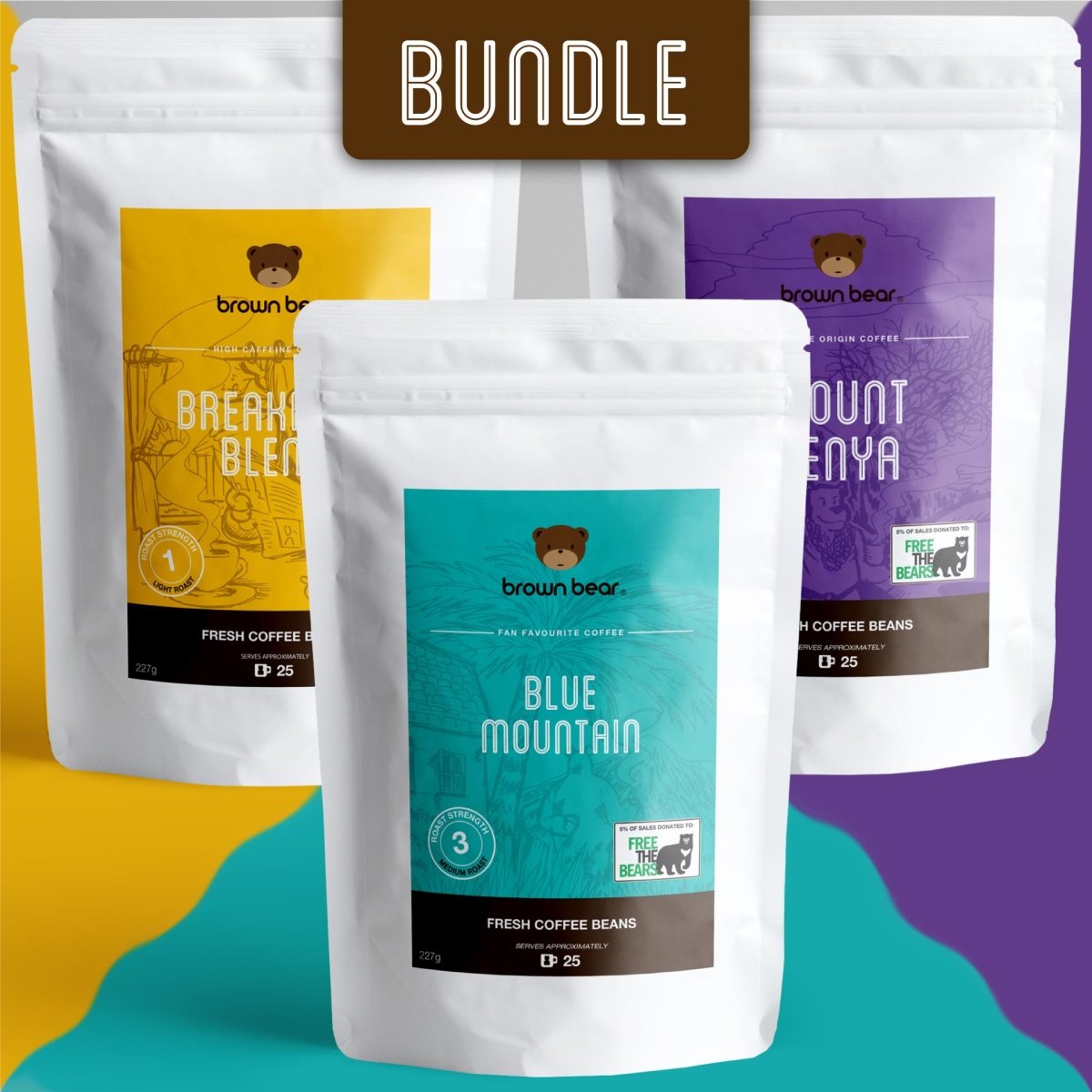
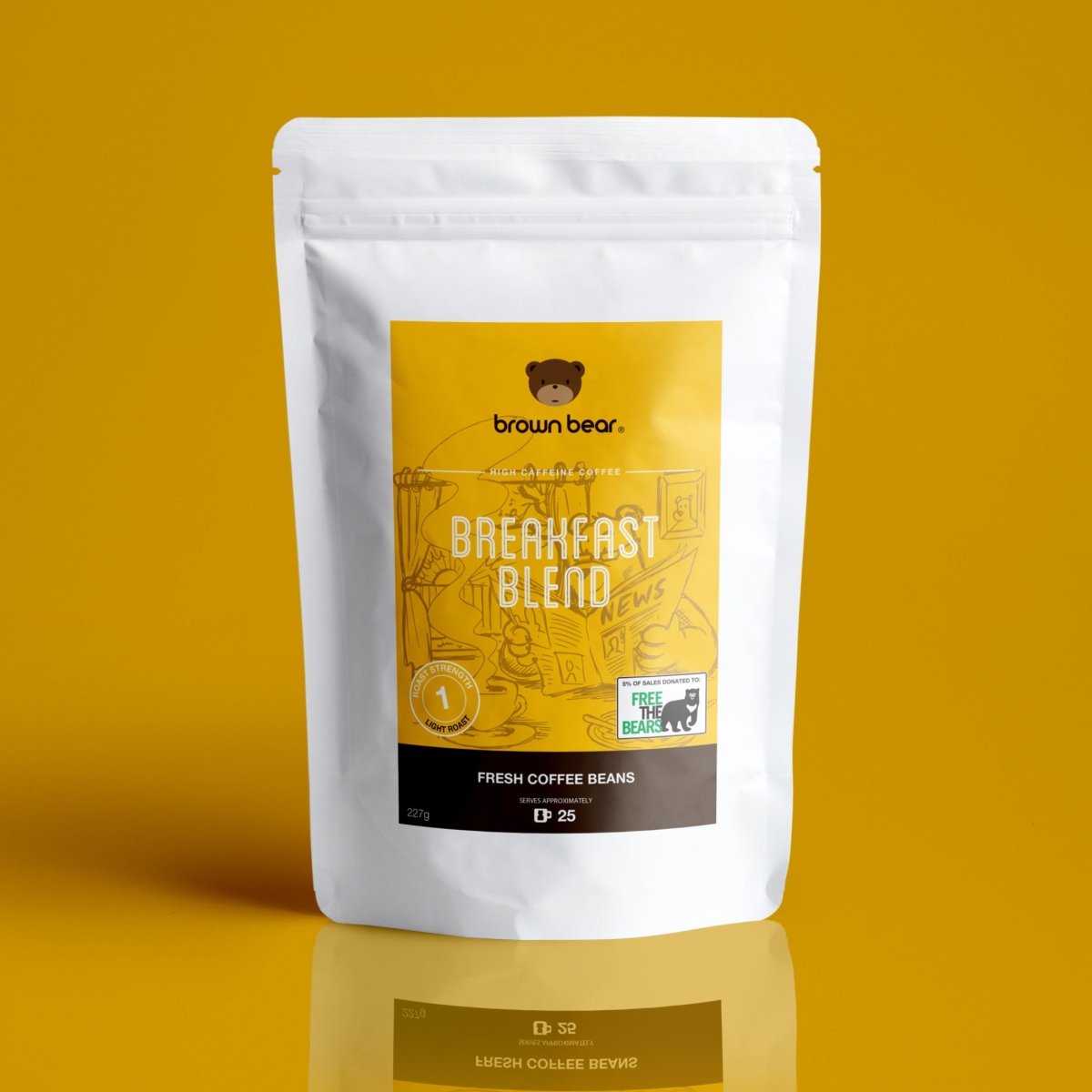
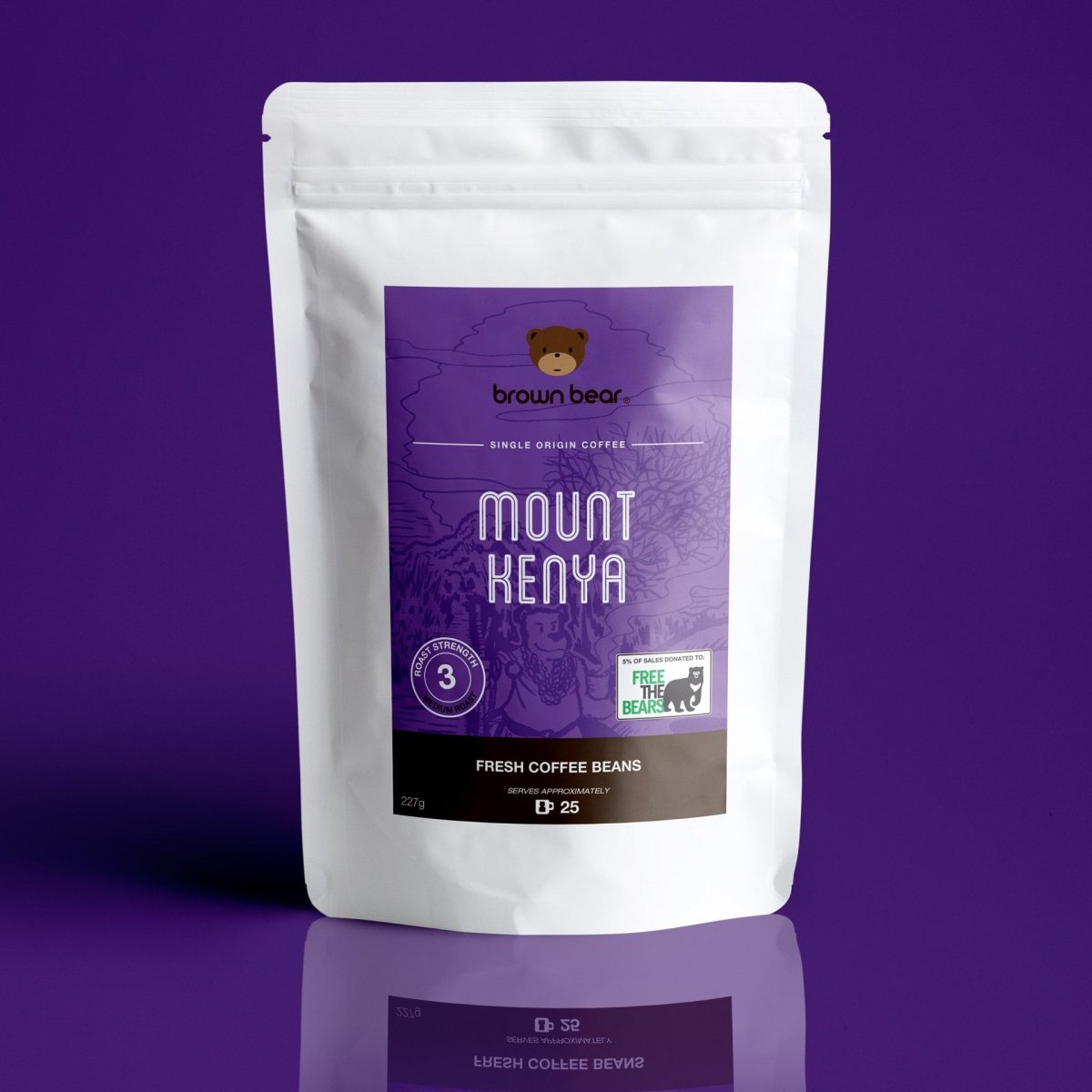
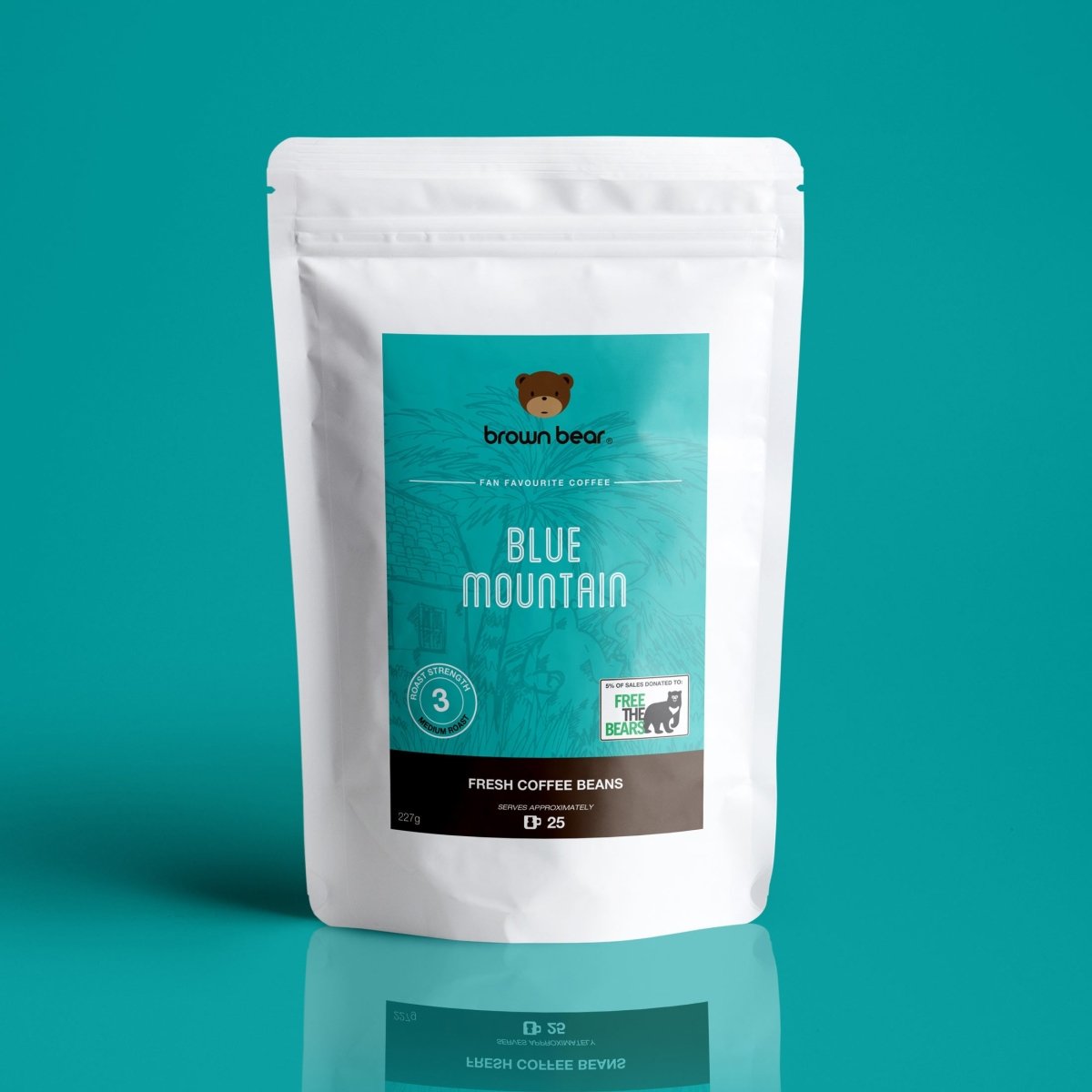
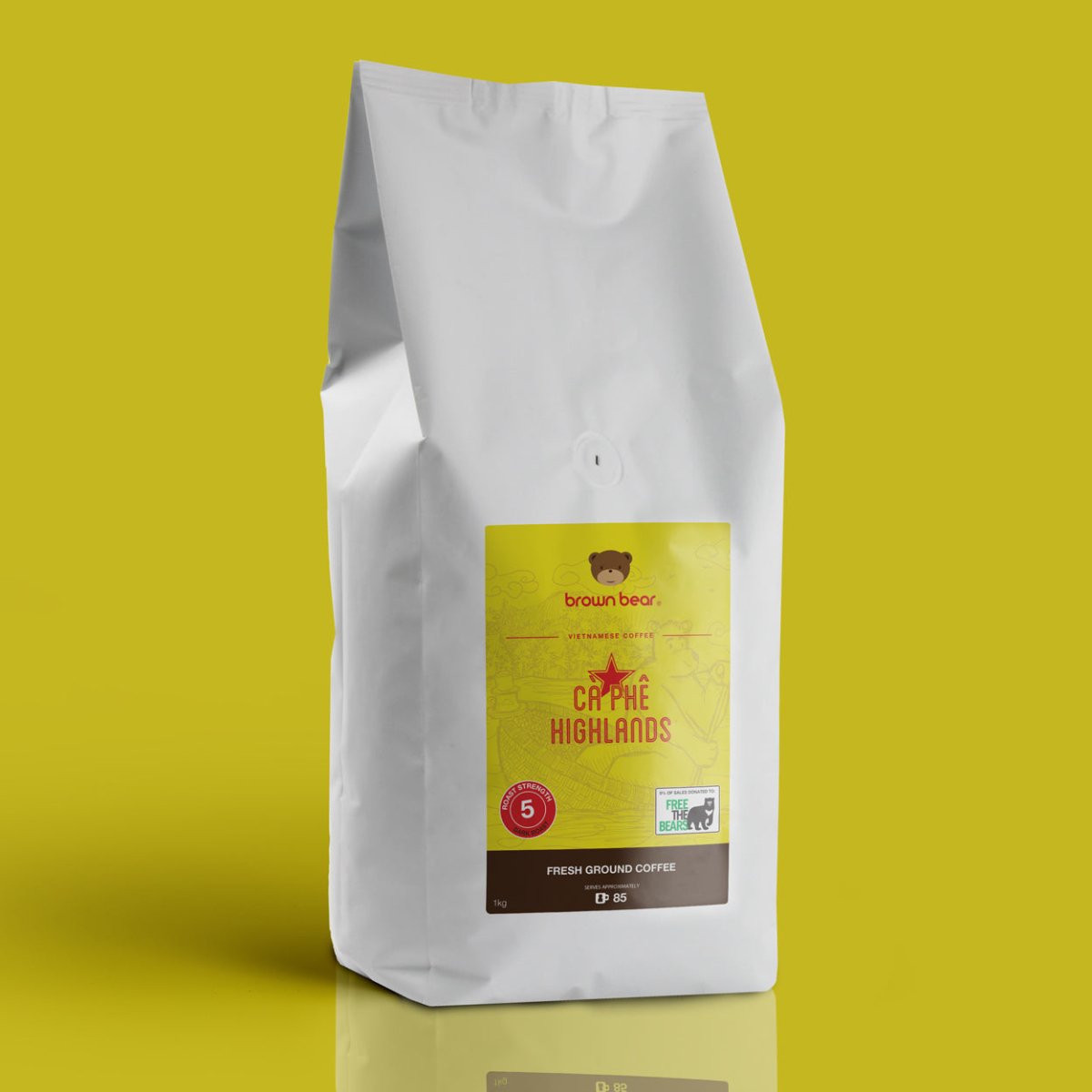
At Brown Bear, clear roast choices make this easier: go lighter for brightness and origin character, medium for everyday balance, and darker when you want powerful flavour that holds its own in an espresso or milk drink. Buying whole beans gives you the flexibility to switch between brewing methods, provided you have a grinder that can handle the required settings.
So, should you choose filter or espresso?
Choose filter coffee if you want a larger, clean-tasting cup, an easy black coffee routine and a brewing method that is generally forgiving. Choose espresso if you love concentrated flavour, enjoy milk-based coffees or want the hands-on satisfaction of dialling in a great shot.
You do not have to pick one forever. Many coffee drinkers keep filter for weekday mugs and espresso for slower mornings or post-dinner coffees. Try the same coffee both ways if you can. The contrast is one of the best ways to learn what you enjoy, and it may give your usual bag of beans a whole new role in the kitchen.

