

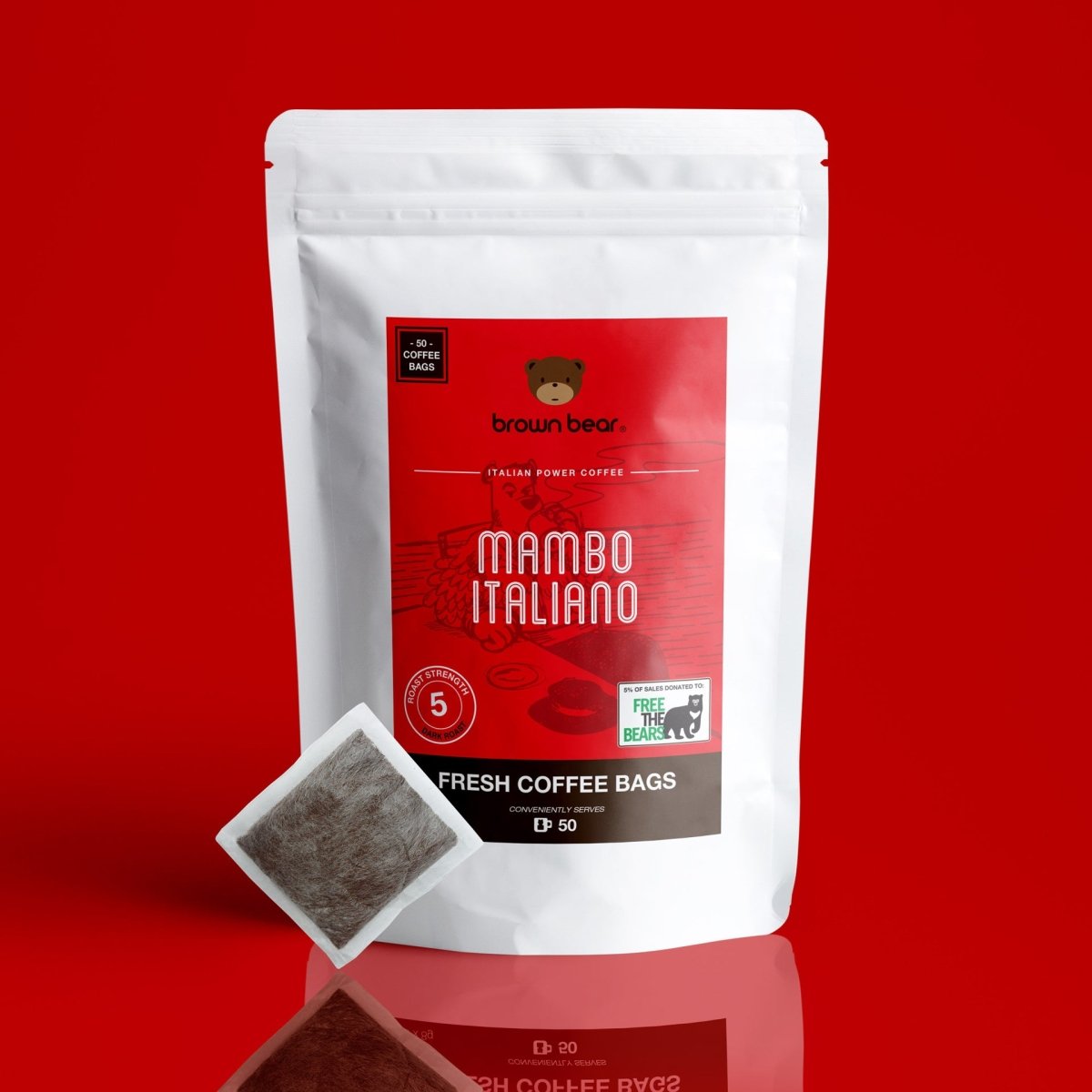
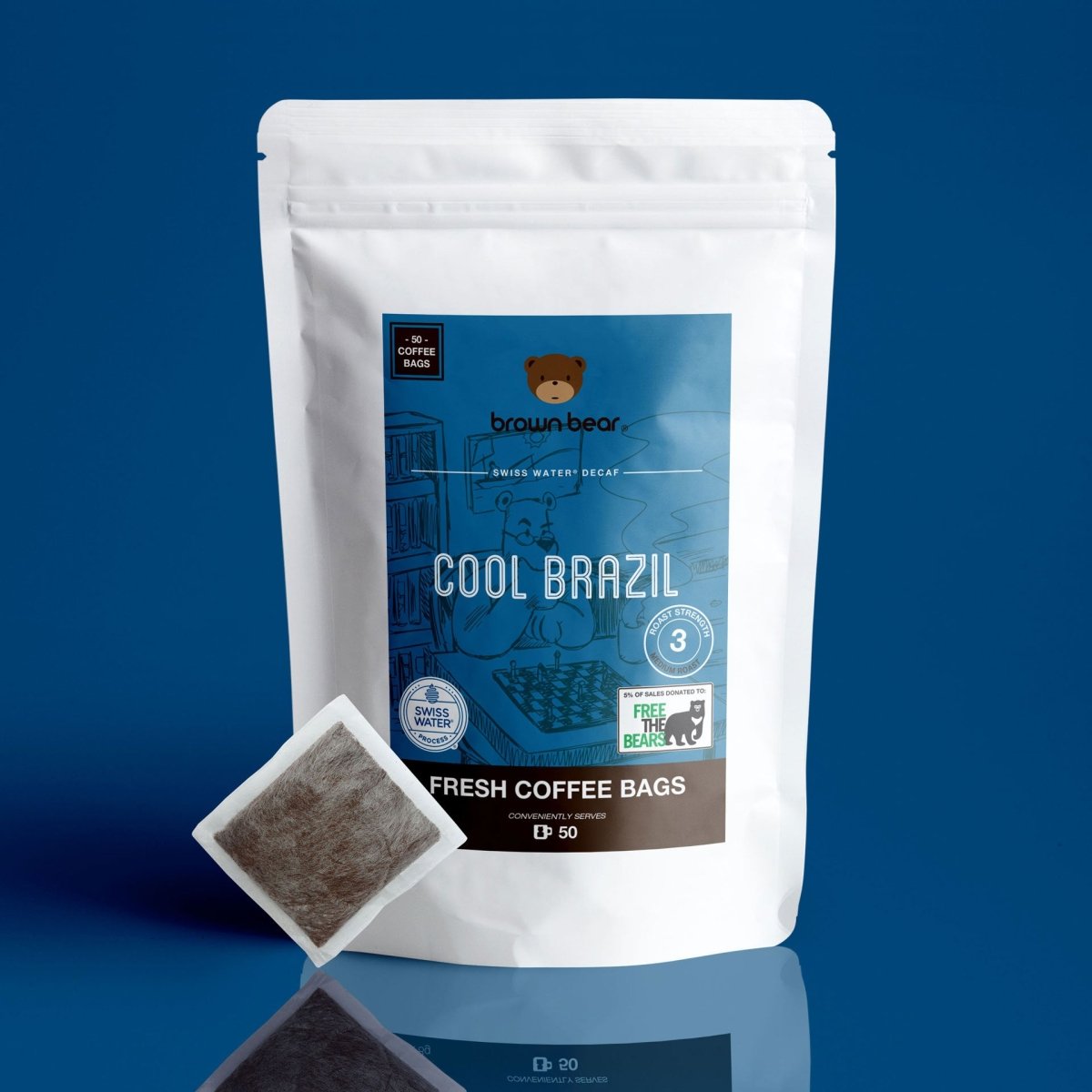
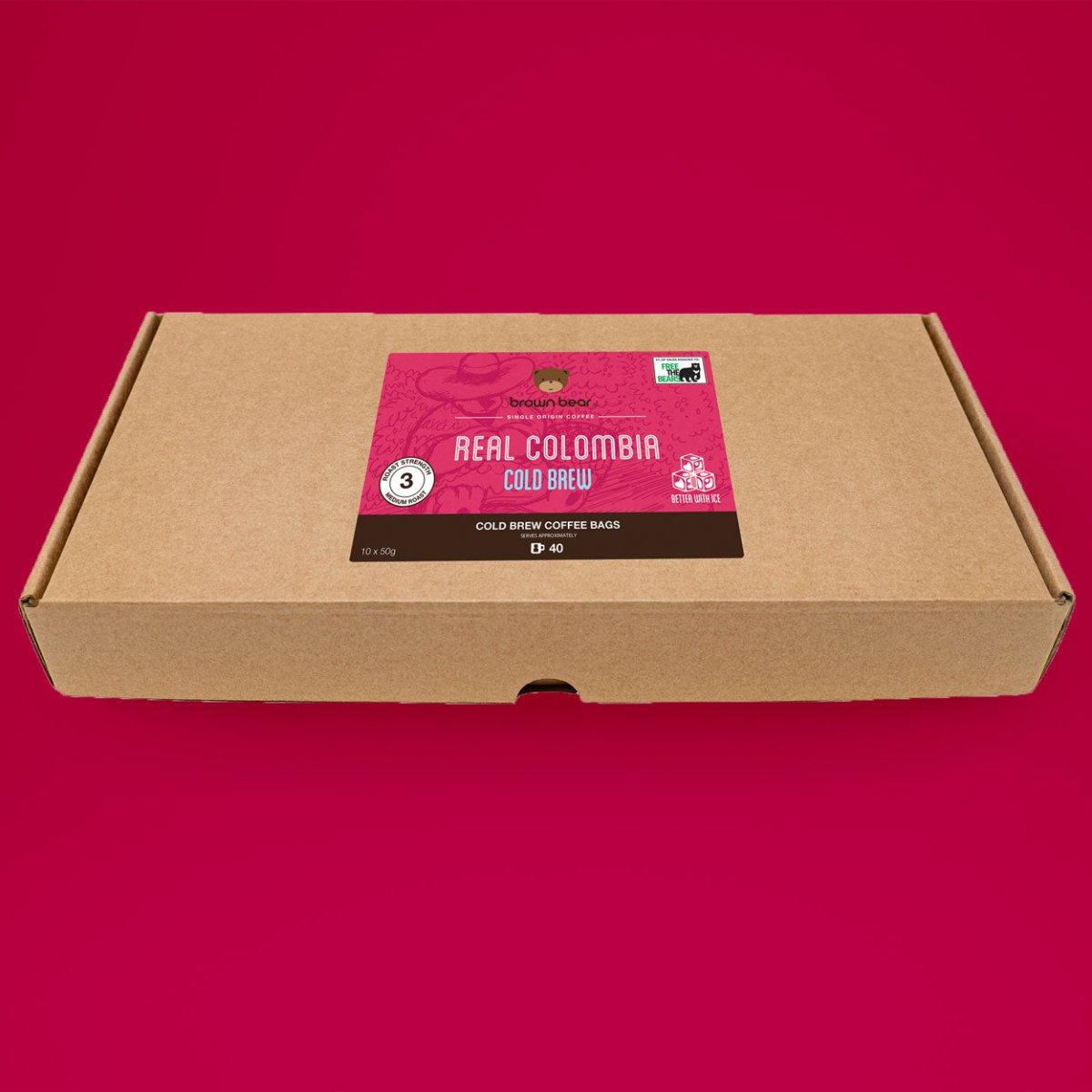
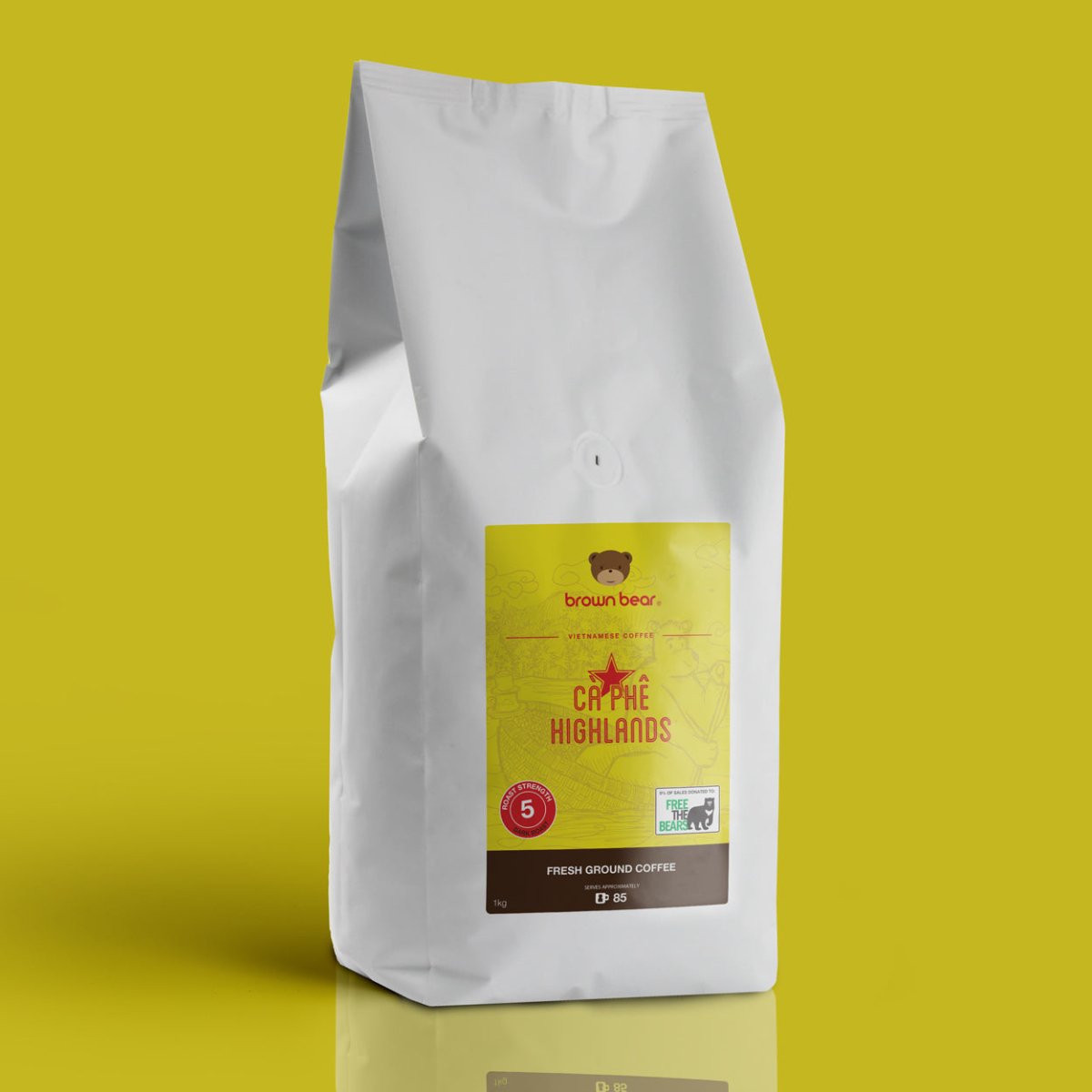









A coffee bag should make a reliably good cup on the busiest mornings: pop it into a mug, add hot water and enjoy proper coffee without reaching for the grinder. When the flavour seems flat, papery or lacking its usual aroma, the issue is often not your brewing method. It is coffee bag freshness.
Coffee bags are filled with ground coffee, so they have more surface area exposed than whole beans. That makes good packing and sensible storage especially valuable. The good news is that most of the work is done before the coffee reaches your kitchen. Keep the packs in the right place, use them in a sensible timeframe and each bag can deliver the easy, satisfying brew it was made for.
What affects coffee bag freshness?
Freshness is not one single thing. It is the combination of aroma, sweetness, body and the clean finish that makes a coffee taste like itself. Over time, oxygen, heat, light and moisture gradually dull those qualities. Ground coffee is particularly sensitive because breaking the beans open releases more of the delicate compounds that create its character.
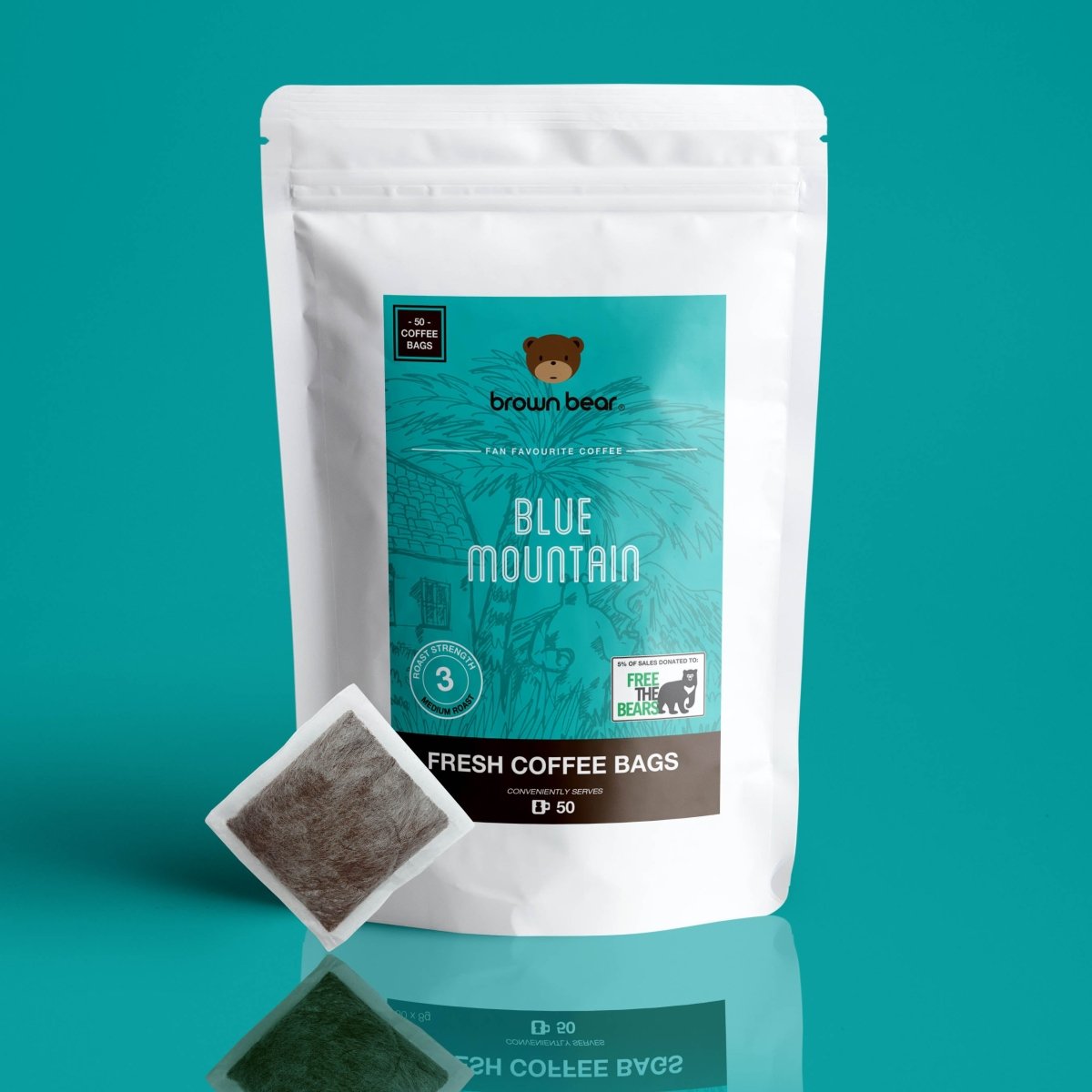
With coffee bags, the individual wrapper matters. A properly sealed sachet limits the coffee's contact with air until you are ready to brew it. This is a real advantage over an opened bag of pre-ground coffee, which is exposed again every time you make a cup. It also makes coffee bags a handy option for the office, travel, holiday cottages and anyone who wants less waste from half-used packs.
Roast style plays a part too. A light roast may show brighter fruit and floral notes, while darker coffee tends towards chocolatey, toasted or smoky flavours. Neither style stays identical forever. As coffee ages, lighter and more delicate notes can become harder to spot, while a dark roast may lose some of its richness and depth.
The best-before date is a useful guide, not a signal that the coffee suddenly becomes undrinkable the following day. Coffee packed well and stored properly can still make a pleasant cup close to that date. For the fullest flavour, though, it pays to buy quantities you will genuinely use rather than stocking up for the year.
Store coffee bags for freshness, not fuss
The ideal home for coffee bags is boring in the best possible way: cool, dry, dark and away from strong smells. A kitchen cupboard is usually perfect, provided it is not directly above the hob, beside the kettle or next to a sunny window. Heat speeds up flavour loss, while humidity can affect both the wrapper and the coffee inside.
Leave individual coffee bags in their sealed wrappers until brew time. If they arrive in an outer box or pouch, keep that packaging closed between uses. It helps protect the sachets from light and keeps your cupboard tidy, particularly if you like to keep a few roast styles on hand.
Avoid storing coffee bags in the fridge. Refrigerators are damp environments with plenty of competing food aromas, and coffee can absorb odours surprisingly easily. Nobody wants a cup with a faint hint of last night's blue cheese. Freezing is not usually needed for coffee bags you will use over the coming weeks. It can make sense only for a large unopened surplus you will not touch for a long time, and only if it stays tightly sealed and is allowed to return to room temperature before opening.
A clear jar on the worktop may look smart, but it is rarely the best choice. Light and warmth are not friends of fresh coffee. If you prefer decanting for convenience, choose an opaque, airtight container and keep it in a cupboard. Even then, do not remove coffee bags from their individual wrappers in advance.
Buy for your real routine
Convenience is one of the strongest reasons to choose coffee bags, so let your ordering match the way you actually drink coffee. A household making two cups each weekday may get through a box quickly. A solo drinker who alternates coffee bags with beans, cold brew or decaf may need fewer packs at a time.
This is where a flexible subscription can be useful. Set a delivery pace that keeps your favourite coffee moving through the cupboard, then adjust it when life changes. More people at home, guests over the holidays or a sudden fondness for an after-dinner decaf can all change how quickly supplies disappear. Fresh coffee is easier to enjoy when repeat ordering does not turn into a last-minute scramble.
How to tell when a coffee bag is past its best
A coffee bag does not have to taste bad to be less fresh than it once was. The changes tend to be subtle at first. You might notice less aroma when opening the sachet, a thinner body in the mug or a finish that feels dry rather than smooth. Coffee that once tasted like cocoa, caramel or berry fruit may simply taste generically bitter.
Check the wrapper before using it. A torn sachet, a damaged seal or any sign of moisture means it is better to skip that bag. If the pack looks intact but the coffee smells stale, musty or oddly oily, trust your senses. Coffee should smell inviting before water even touches it.
Do not confuse a milder cup with stale coffee straight away. Brewing makes a difference. Water that is not hot enough can leave coffee weak, while water at a rolling boil can make some coffees taste harsher. Let freshly boiled water sit for around 30 seconds, then pour it over the bag. Give it enough time to steep, gently dunking or stirring if the pack instructions suggest it, before removing the bag.
The mug matters as well. A wide mug lets aroma escape quickly, whereas a smaller mug can concentrate the experience. If your coffee has been sitting on the desk for 20 minutes, it may taste flatter simply because it has cooled. Brew it when you are ready to drink it for the best chance of enjoying the flavour the roaster intended.
Freshness starts before the kettle boils
Good coffee bags make quality coffee more practical, but they still benefit from a little care. Choose individually wrapped packs, keep them away from heat and moisture, and avoid buying far more than your household can enjoy while the coffee is at its best.
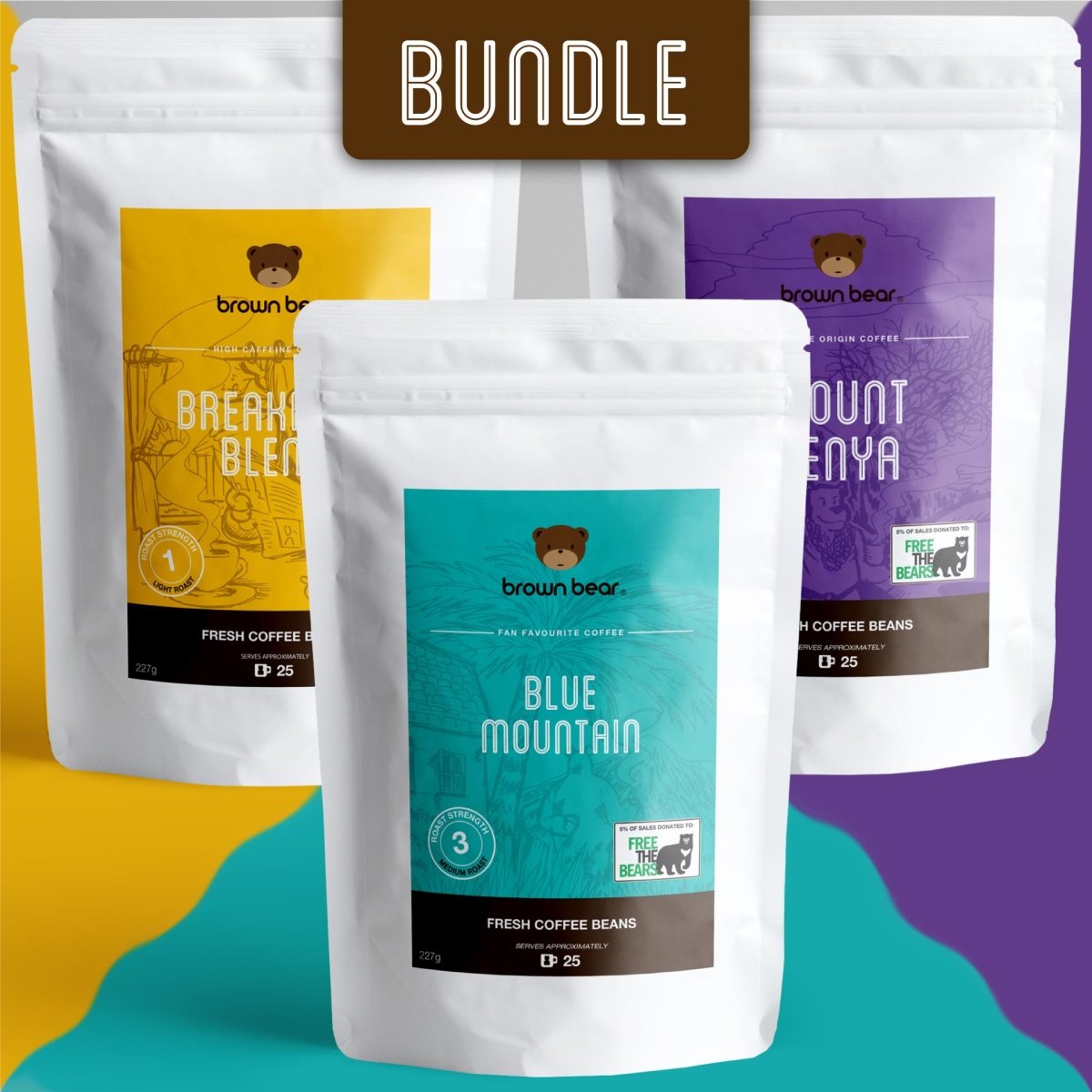
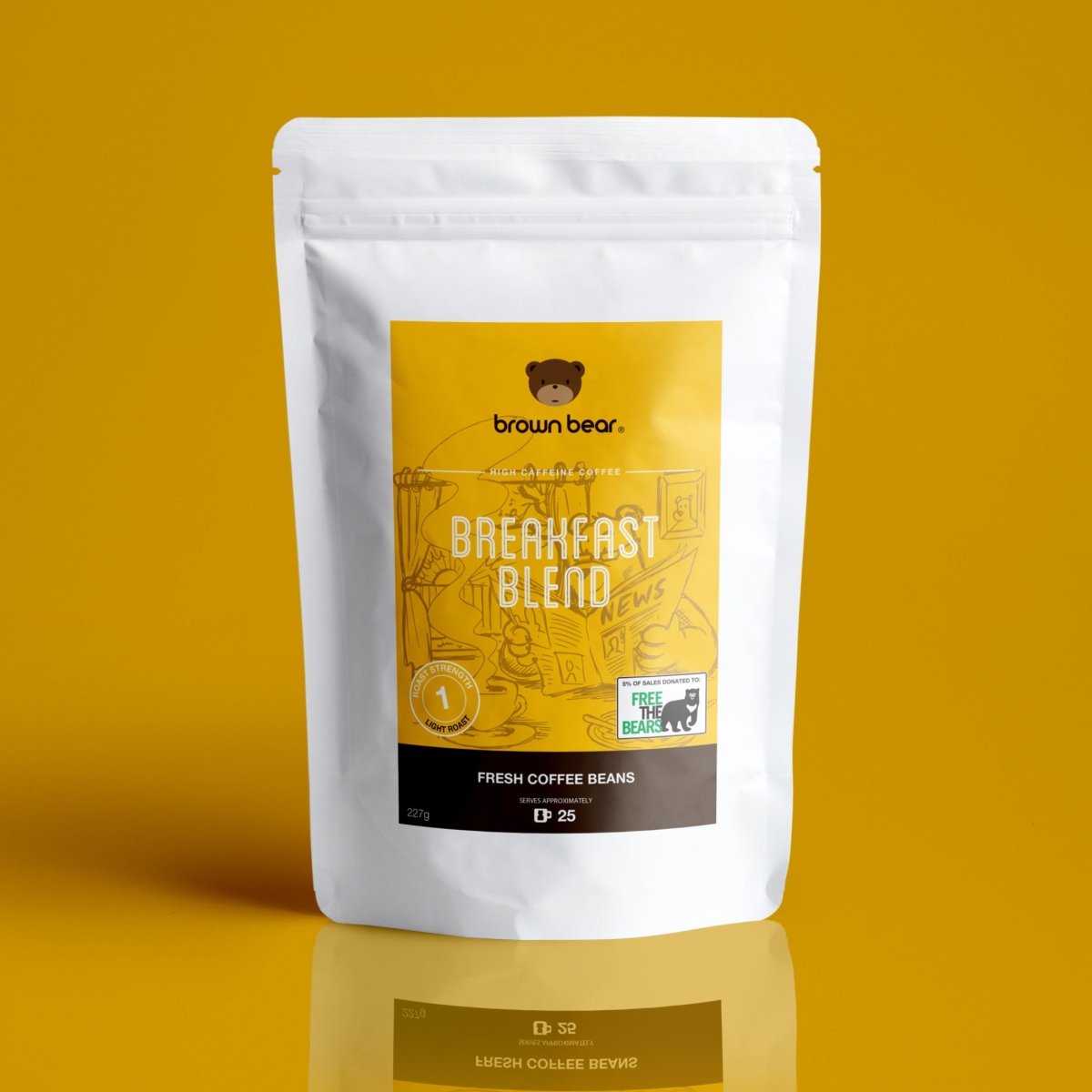
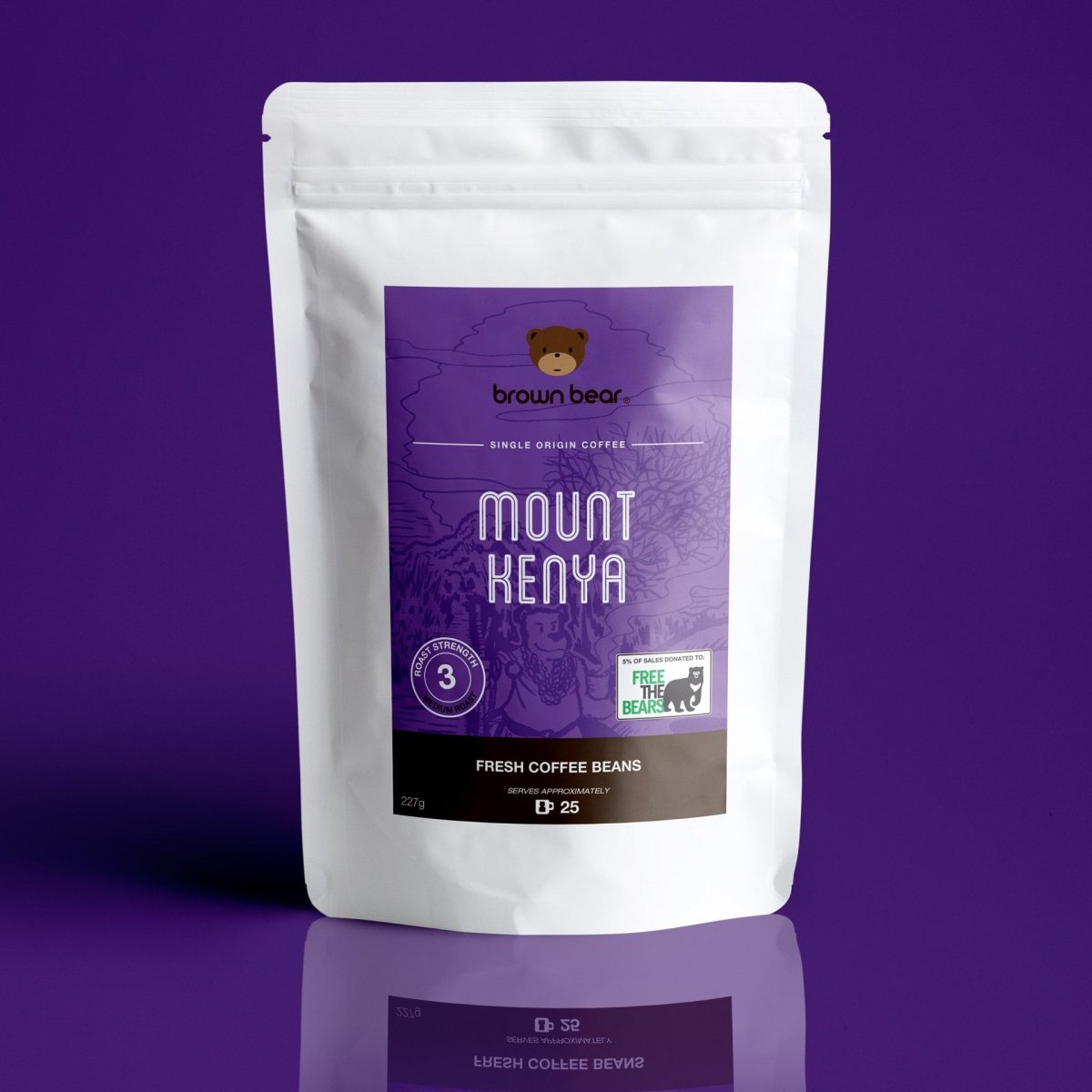
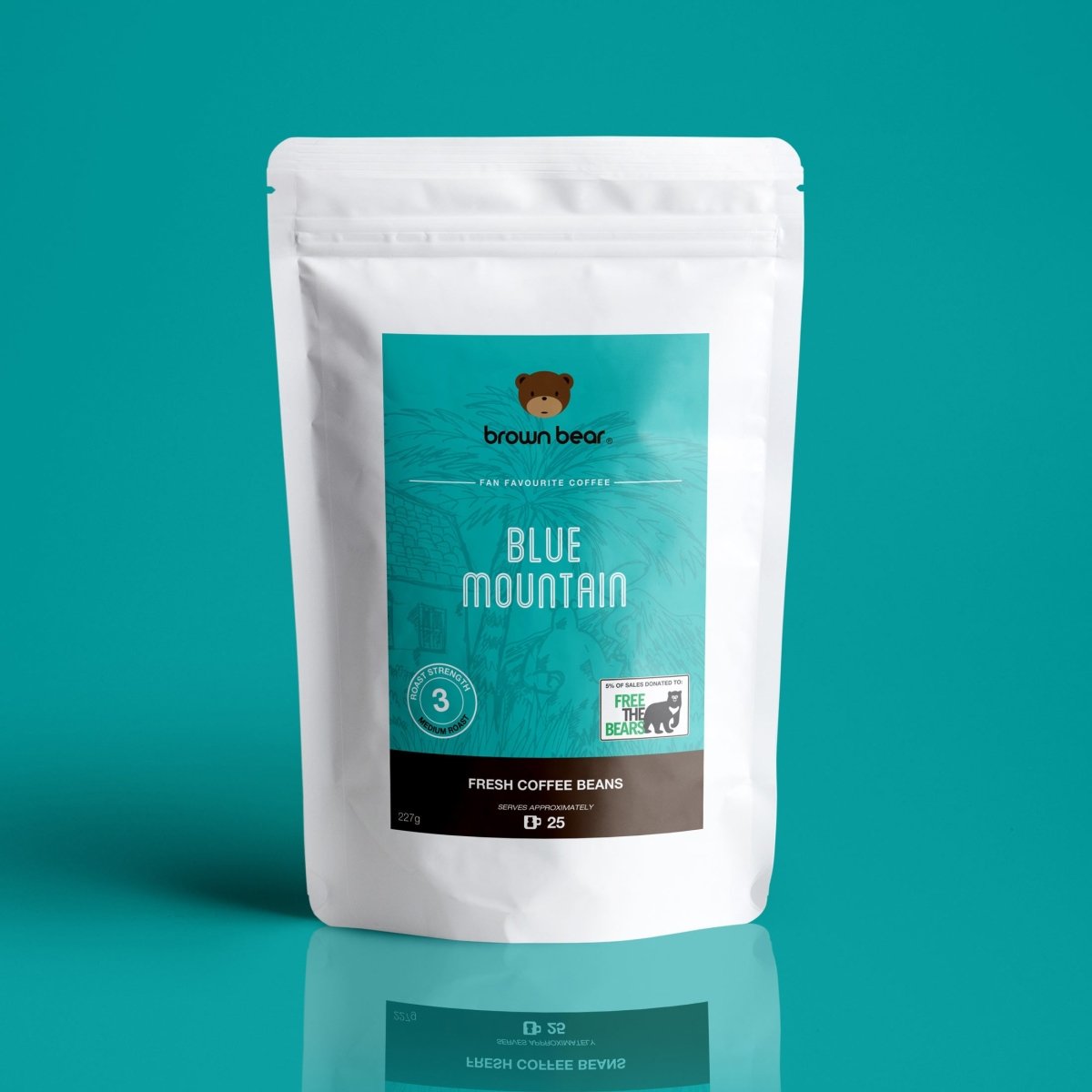
At Brown Bear, coffee is designed to fit real routines, whether that means a bold dark roast before the commute or an easy decaf later in the day. Pick a flavour profile you look forward to, store it simply and let each sealed coffee bag do what it does best: make a proper cup feel effortless.

