

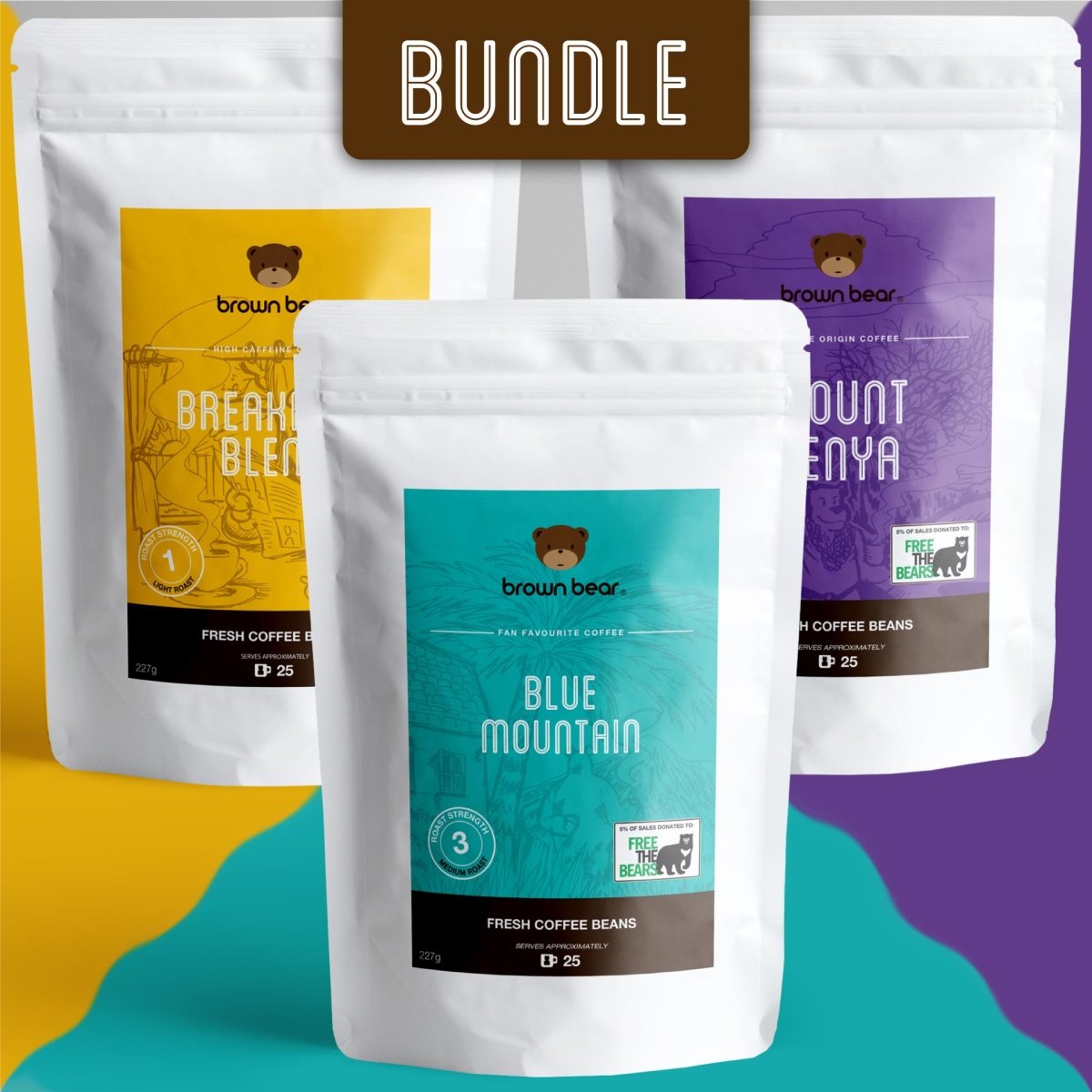
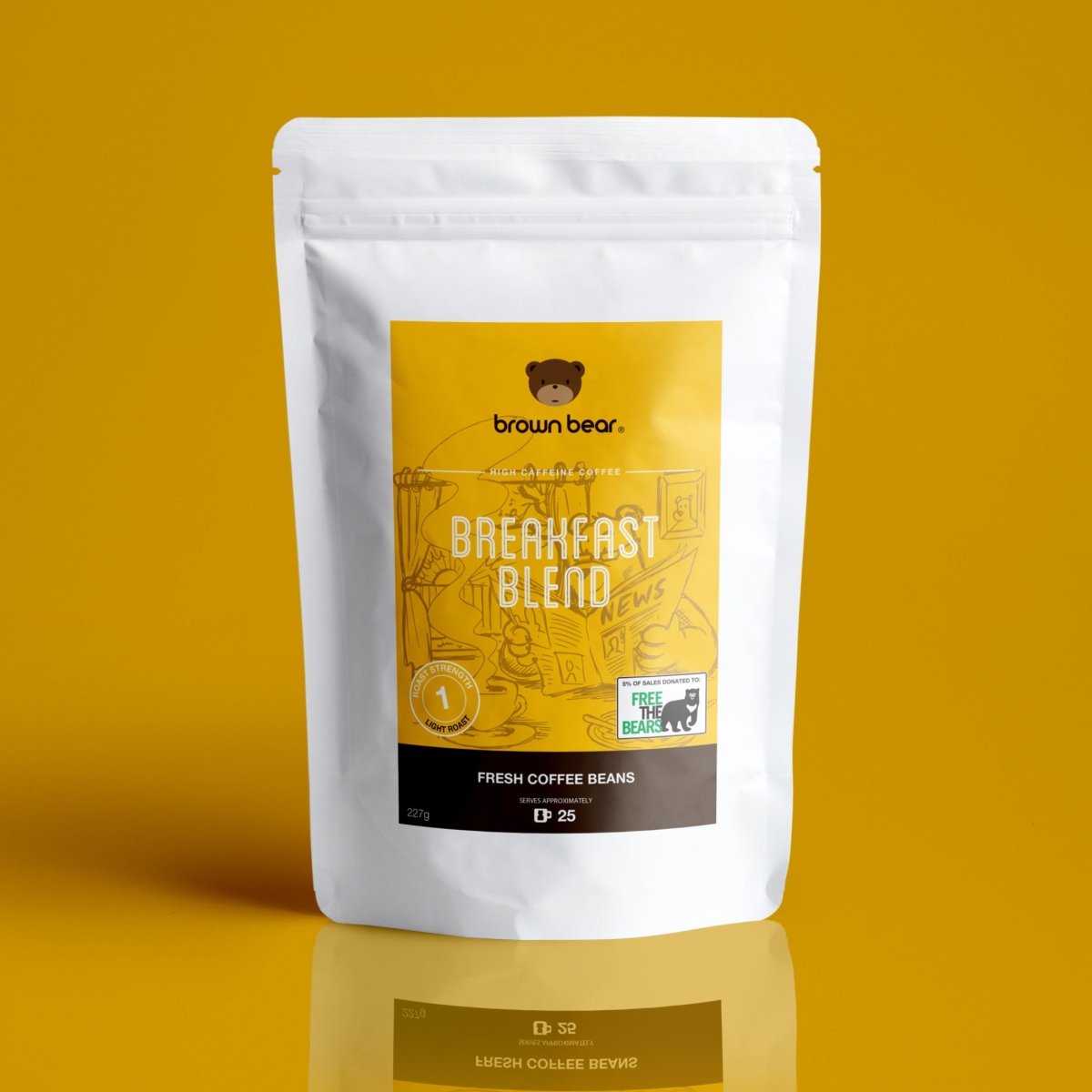
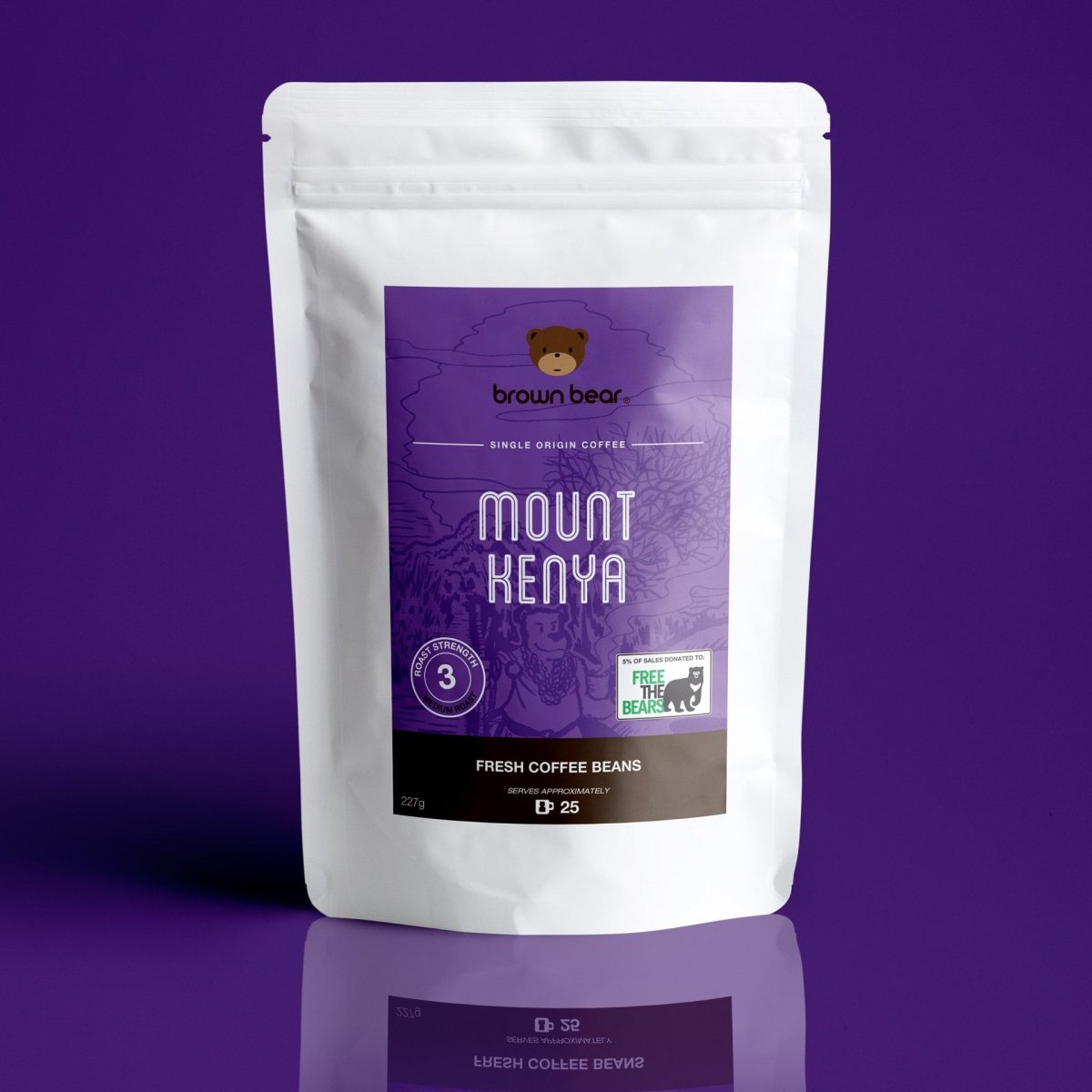
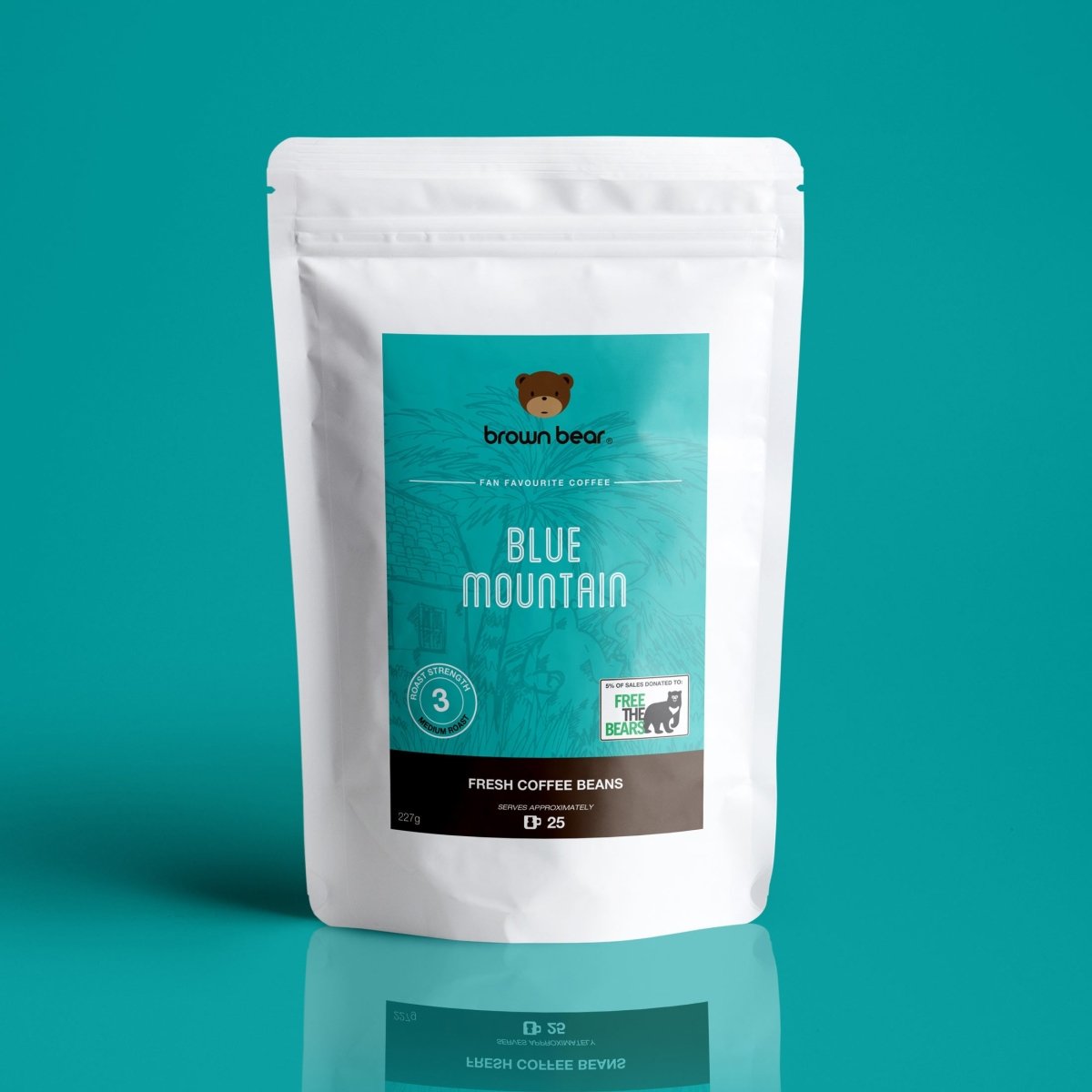
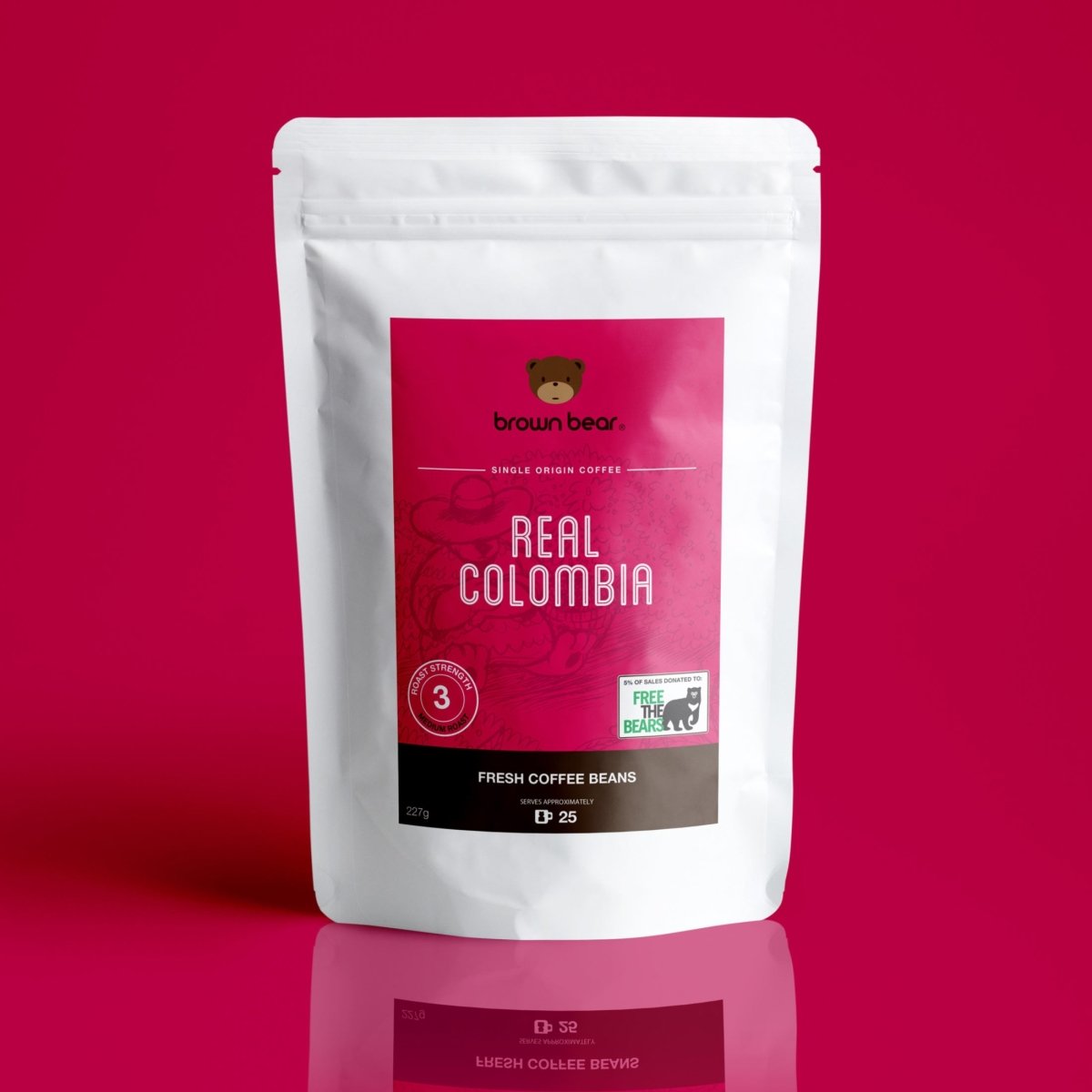
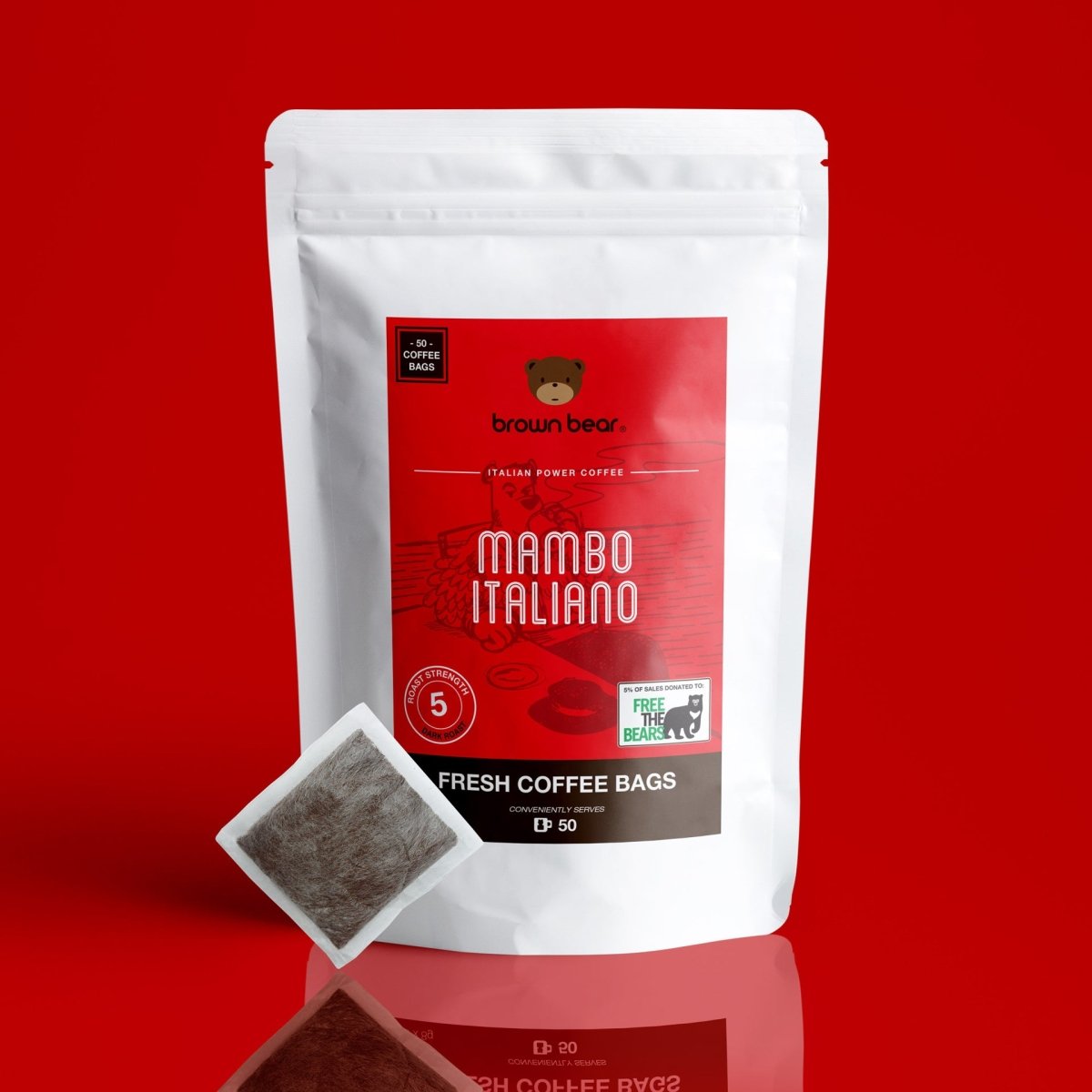
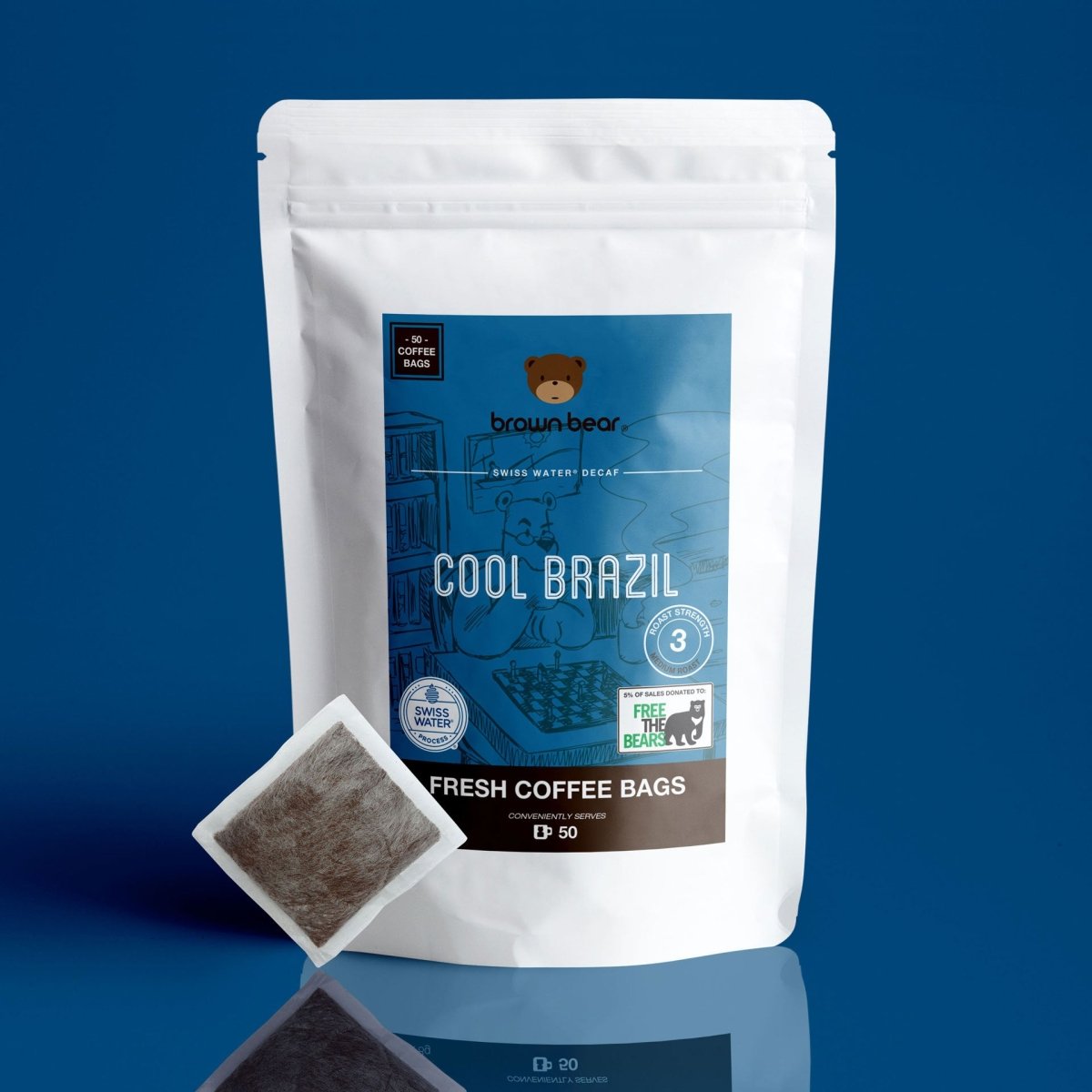
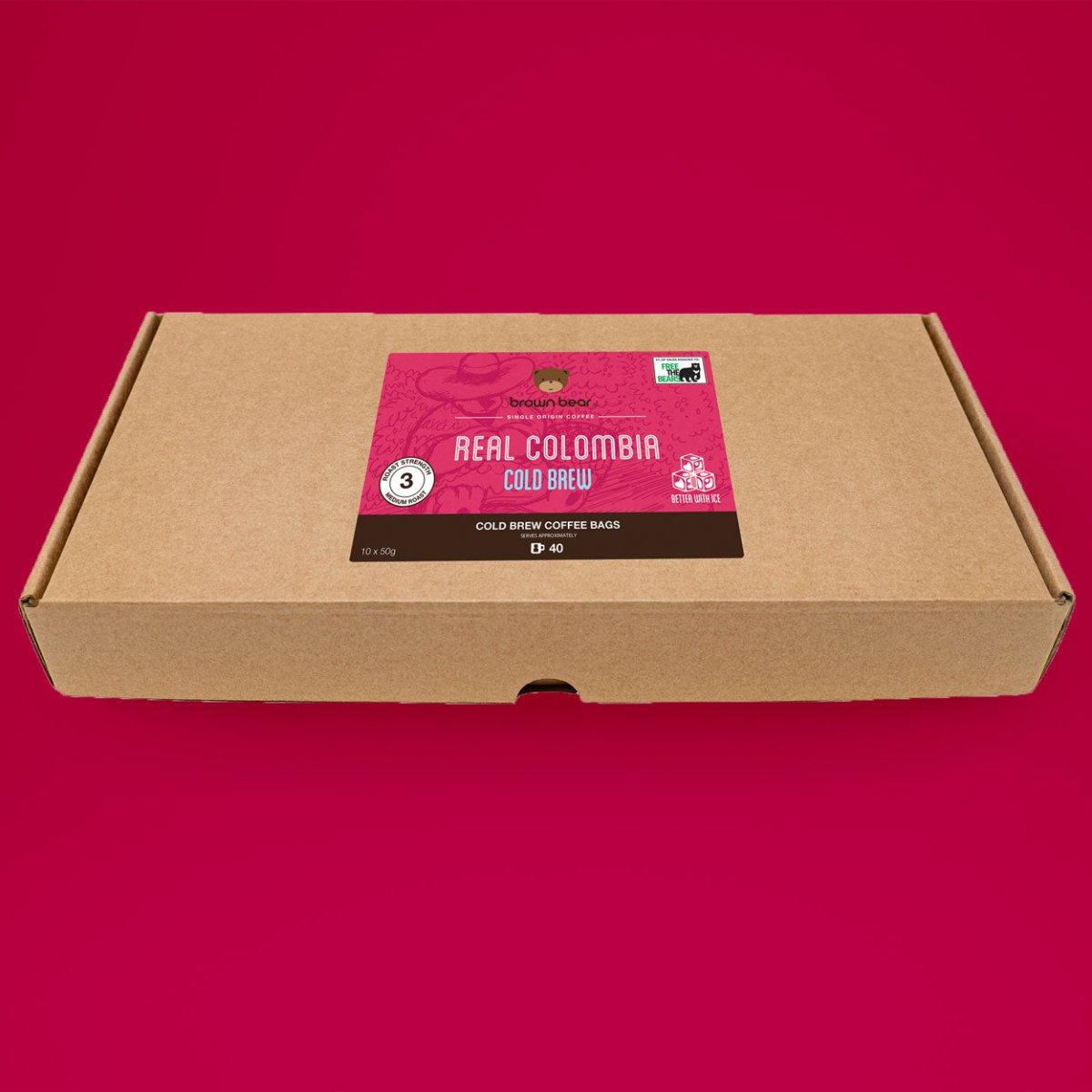
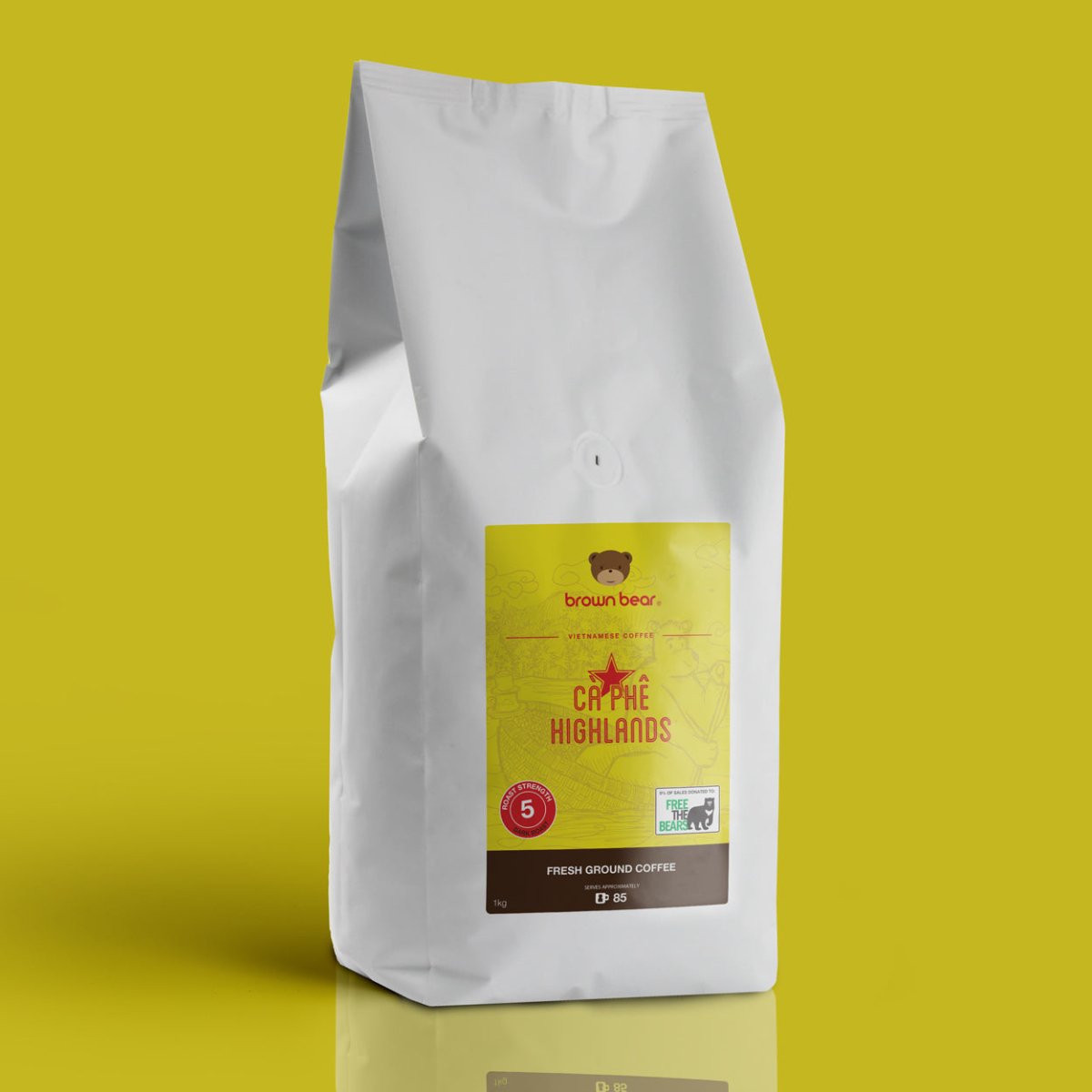

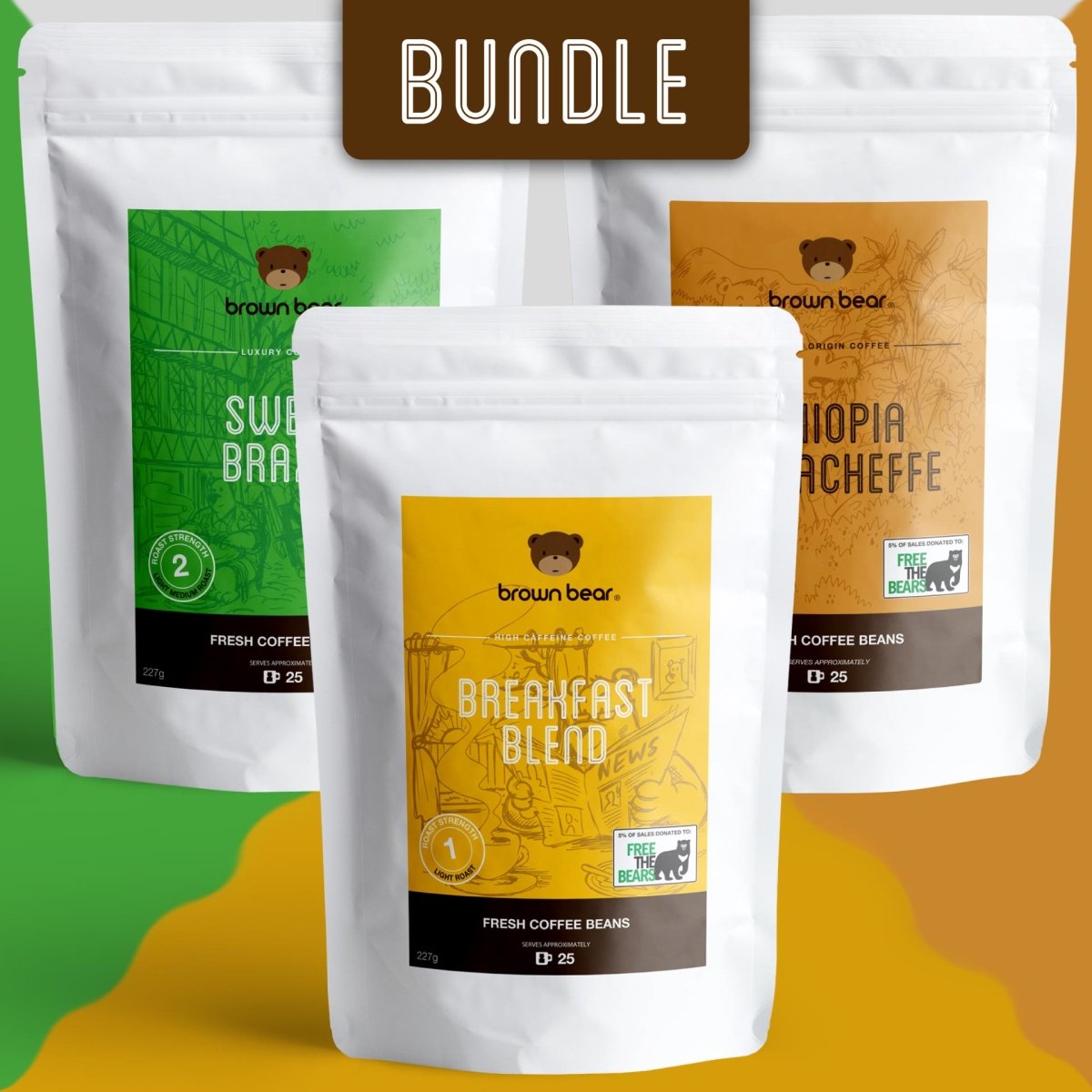
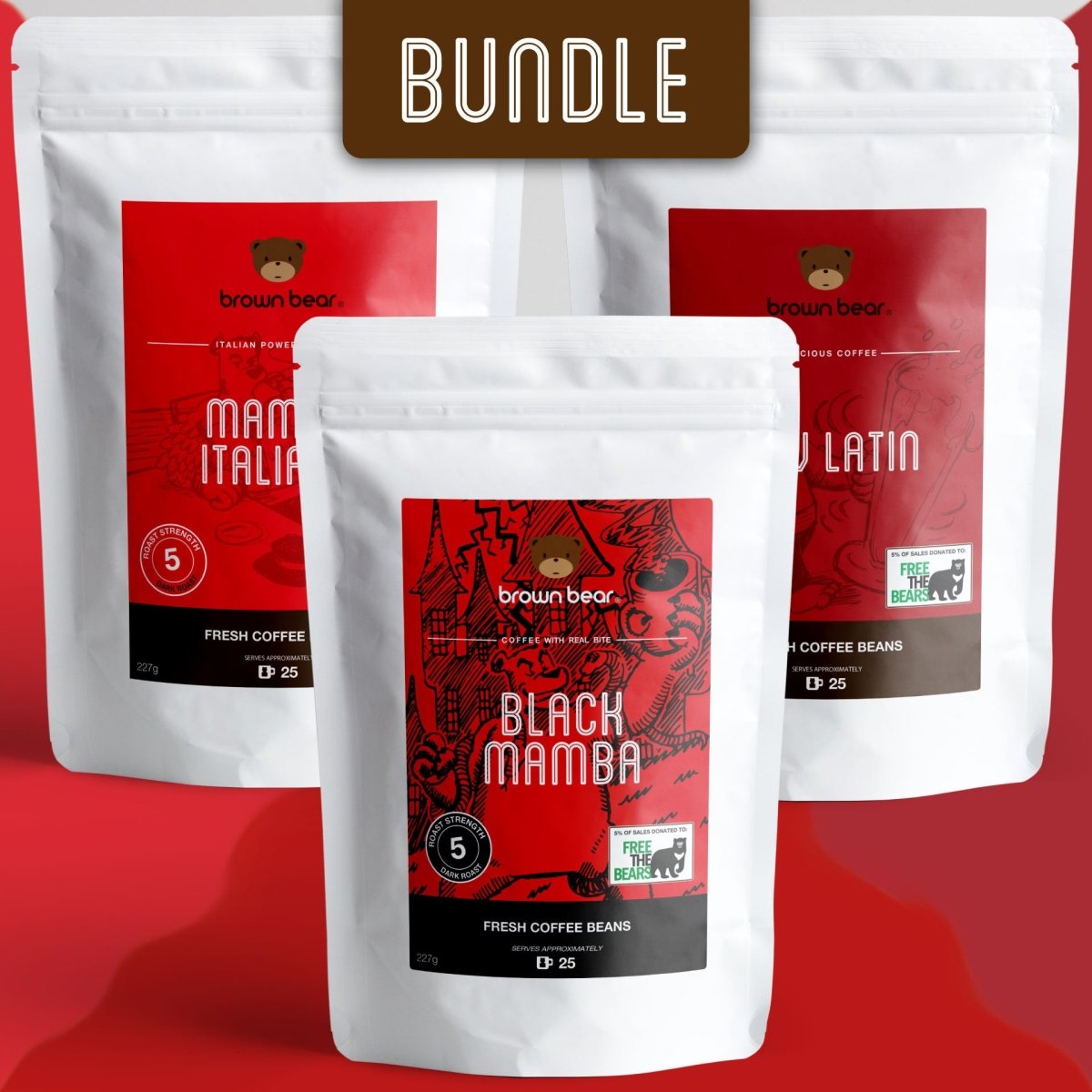
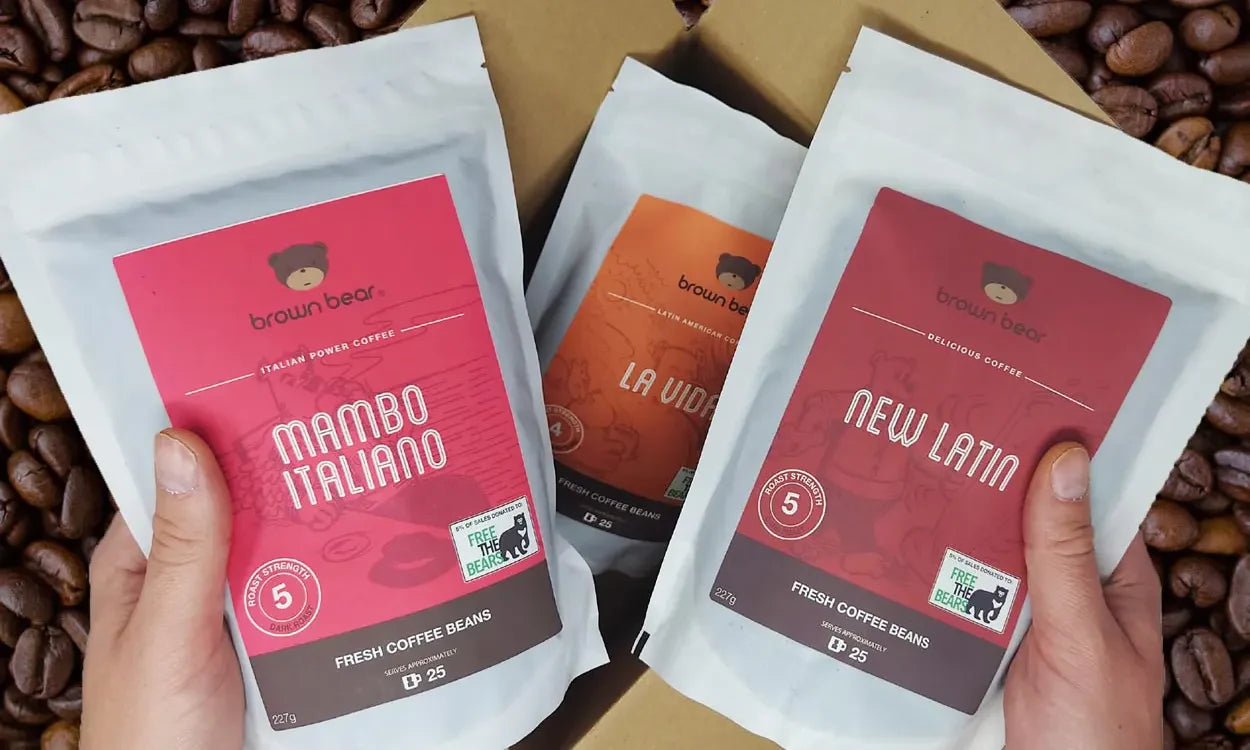







A coffee labelled 5/5 strength may sound like it will taste burnt, while a light roast can seem as though it will be weak. In practice, neither assumption is always right. This guide to roast strength makes the labels easier to use, so choosing your next bag feels less like guesswork and more like finding the coffee you will genuinely look forward to each morning.
Roast strength is a useful shortcut for flavour intensity, body and the overall character of a cup. It is not a universal rulebook. The origin of the beans, the roast style, your brew method and even how much coffee you use all play a part. Once you know what each roast level tends to offer, you can shop with confidence - whether you want a bright filter coffee, an easy-drinking everyday brew or a seriously bold espresso.
What roast strength really tells you
Roasting transforms green coffee beans into the fragrant brown beans you grind and brew. As beans spend longer in the roaster, their natural sugars caramelise, their colour deepens and the flavour moves away from fresh, fruit-led notes towards richer roast character.
A roast-strength scale helps describe where a coffee sits on that journey. Lighter coffees usually show more of the bean’s original personality. Medium roasts aim for balance. Dark and ultra-dark roasts bring fuller body and a more intense, traditional coffee flavour.
Strength is often used to describe how powerful a coffee tastes, not how much caffeine it contains. That distinction matters. A dark roast may taste stronger because of its smoky, bittersweet edge, but it is not automatically more caffeinated than a light roast. Caffeine varies more with the coffee itself, the dose you use and the size of your drink.
Guide to roast strength: from light to ultra-dark
Light roast: lively, bright and distinctive
Light roast coffees are roasted for less time, leaving the beans lighter in colour and preserving more of their origin character. This is where you may notice flavours such as citrus, berries, florals, stone fruit or a clean tea-like finish. A Kenyan or Ethiopian coffee can be especially expressive at this level.
These coffees are a great choice if you enjoy black coffee and like picking out the differences between origins. They can also be lovely as filter coffee, cafetière or pour-over, where their brighter notes have room to shine.
The trade-off is that light roasts can feel sharper or less heavy than coffees some drinkers expect. If you take plenty of milk or prefer a rich, chocolatey cup, a medium roast may feel more satisfying. Light does not mean bland - it means the flavour is often more delicate, layered and fresh.
Medium roast: balanced and easy to return to
Medium roast is the reliable middle ground. You can still taste characteristics from the coffee’s origin, but the roast brings more sweetness, body and roundedness to the cup. Expect flavours along the lines of caramel, biscuit, milk chocolate, nuts and ripe fruit, depending on the bean.
For many households, medium roast is the easiest place to start. It works well across bean-to-cup machines, espresso makers, cafetières, filter brewers and ground coffee. It is also forgiving with milk, making it a smart choice when one bag needs to please more than one coffee drinker.
A Colombian, Brazilian or Guatemalan medium roast can offer that familiar café-style comfort without tasting flat. If you want a coffee for the workday that is flavourful but not overly intense, this is often your sweet spot.
Dark roast: full-bodied and powerful
Dark roast coffees spend longer developing in the roaster. Their acidity usually softens, while body and roast-led flavours become more prominent. Think dark chocolate, toasted nuts, cocoa, spice and a satisfyingly bittersweet finish.
This is a popular option for espresso, moka pot and bean-to-cup machines, particularly if you enjoy a proper coffee taste that stands up to milk. A dark roast makes a confident flat white, cappuccino or latte, rather than disappearing behind the dairy.
Dark roast is not necessarily better for everyone. If you enjoy delicate fruit notes or drink your coffee black, a very dark profile can hide some of the qualities that make a particular origin special. But for a rich, warming cup with plenty of presence, it is hard to beat.
Ultra-dark roast: intense, smoky and unapologetic
Ultra-dark roast is for people who want coffee to make a statement. Beans at this level tend to deliver deep colour, heavy body and pronounced roast flavours, with notes that can lean smoky, treacly, bittersweet or charred.
It is particularly suited to short, punchy brews and milk-based drinks where a lighter coffee might get lost. If your idea of a great cup is bold, rich and full-on, ultra-dark is worth trying. If you are new to buying coffee by roast level, though, starting with medium or dark can help you find the right intensity without going too far.
Roast strength is not the same as caffeine
This is one of the most common points of confusion. The dark roast in your cupboard may taste stronger than a light roast, but flavour strength and caffeine strength are different things.
Roasting does affect the beans, yet the difference in caffeine per cup is generally small compared with the way you brew. A double espresso made with a generous dose will usually deliver more caffeine than a small filter coffee, whatever the roast level. If you are choosing decaf, look for decaf specifically rather than assuming a lighter roast will be gentler.
It also helps to remember that beans are measured differently by volume and weight. Dark beans expand during roasting, so a scoop can hold fewer beans than the same scoop of a lighter roast. For consistency, particularly with espresso, measuring coffee by weight is the simple answer.
Match your roast to how you brew
Your preferred brew method can make a bigger difference than expected. Espresso concentrates flavour, so medium-dark and dark coffees often work brilliantly, giving you body, crema and enough intensity for milk drinks. That said, a well-developed medium roast can make a sweet, lively espresso too.
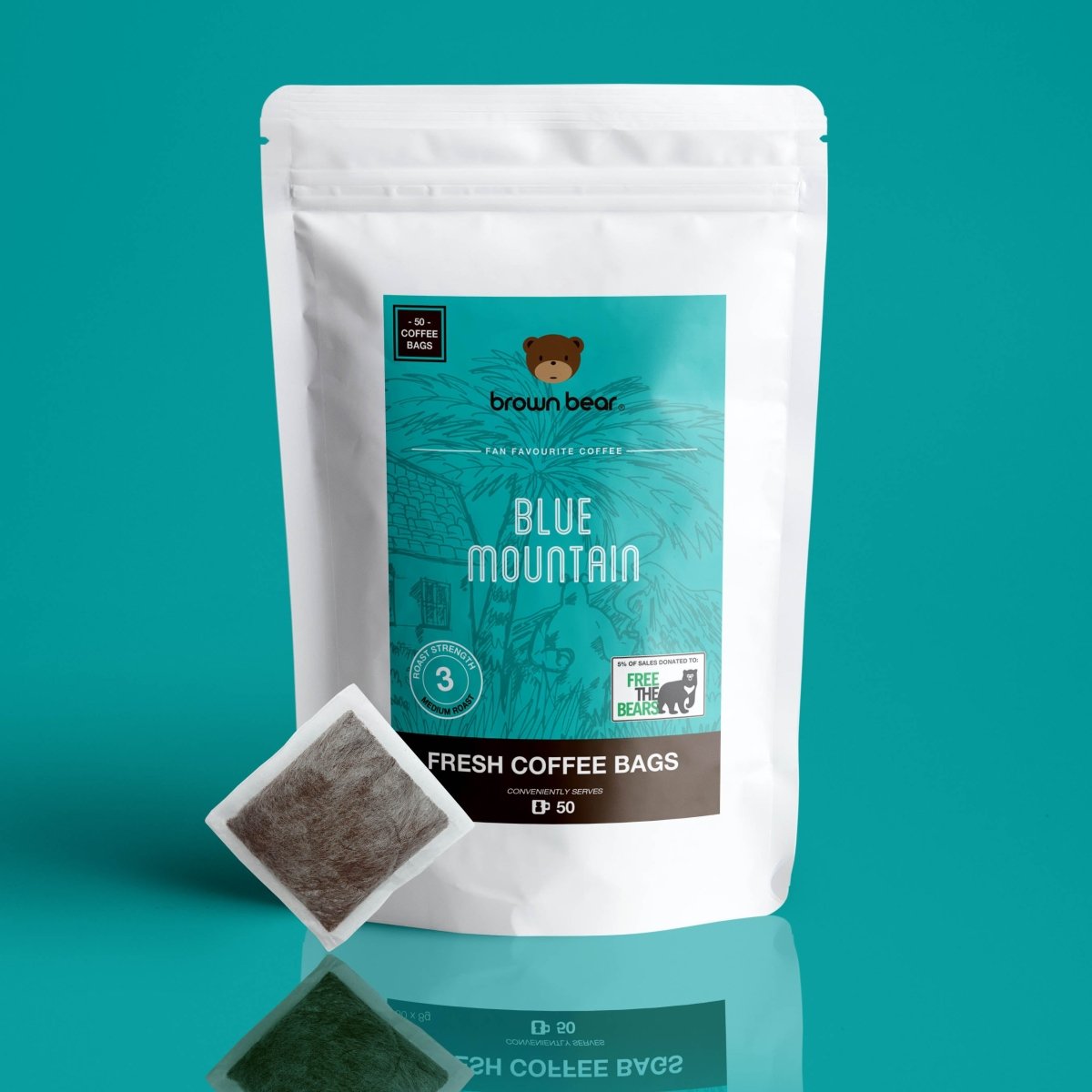
For filter coffee, a cafetière or coffee bags, medium roasts are dependable all-rounders. Light roasts are a good fit when you want clarity and a cleaner finish, especially if you drink your coffee black. A cafetière adds body through its metal filter, so even a brighter coffee can feel satisfyingly substantial.
Cold brew changes the picture again. Its long, cool extraction usually creates a smooth, low-acidity drink, so medium and dark roasts can produce chocolatey, mellow results. A lighter roast can work, but choose it for its fruit character rather than expecting a classic dark cold brew flavour.
Grind and recipe still matter. If a coffee tastes thin, increase the dose slightly or use a finer grind where your brewer allows. If it tastes harsh or overly bitter, try a coarser grind, a shorter brew time or cooler water. The right roast gives you a starting point; the way you brew brings it to life.
Choose coffee by the cup you want
Rather than trying to find the objectively best roast, start with the drink you make most often. If your morning usually means a large black filter coffee, light or medium roast gives you range and freshness. If it means a latte before the school run or the first meeting of the day, medium-dark or dark will bring more flavour through the milk.
Consider when you drink it, too. A bright light roast may be ideal when you want to slow down and enjoy a weekend brew. A balanced medium roast can be easier to reach for all week. For after dinner or an afternoon pick-me-up, a dark roast offers that familiar, comforting depth.
Buying whole beans gives you the most flexibility, as you can adjust the grind to suit your machine. Ground coffee keeps things simple when convenience comes first, while coffee bags offer an easy route to a decent cup at your desk, in a hotel room or on holiday. The right format is the one you will actually enjoy using.
A simple way to find your favourite
If you are unsure, try one medium roast and one coffee at either end of your usual preference. Brew them in the same way over a few days and pay attention to what you enjoy rather than what you think you should taste. Do you want more brightness, more chocolatey depth, a heavier mouthfeel or a cleaner finish?
Brown Bear’s range makes this easy to explore, from lighter origin-led coffees to powerful dark and ultra-dark roasts. A build-your-own selection or flexible subscription can also save you from committing to a large supply before you have found your regular order.
Your favourite roast may change with the season, your brew method or simply your mood. Keep the choice practical: pick a coffee that suits the cup you make most, then leave room in the cupboard for something new now and again.

