

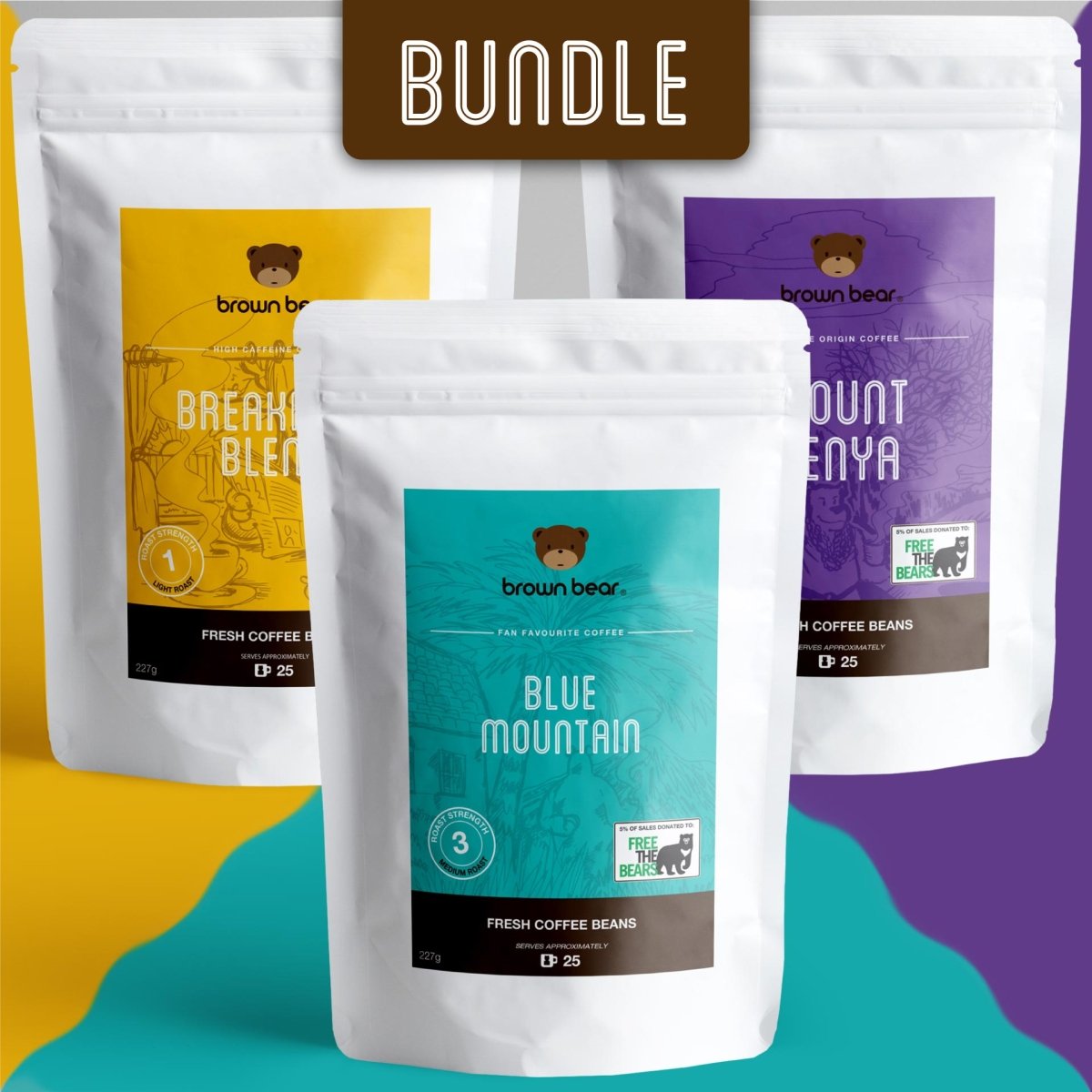


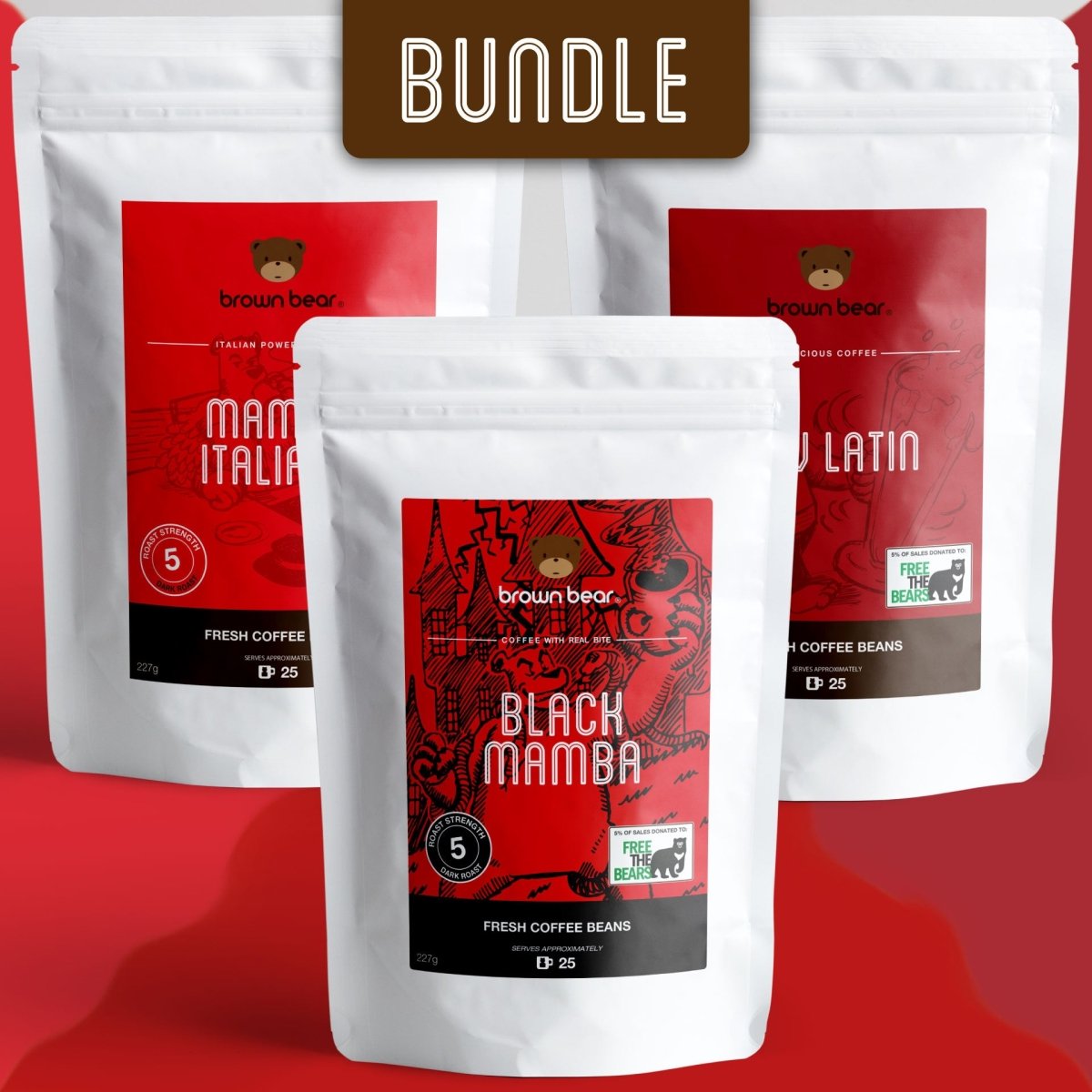
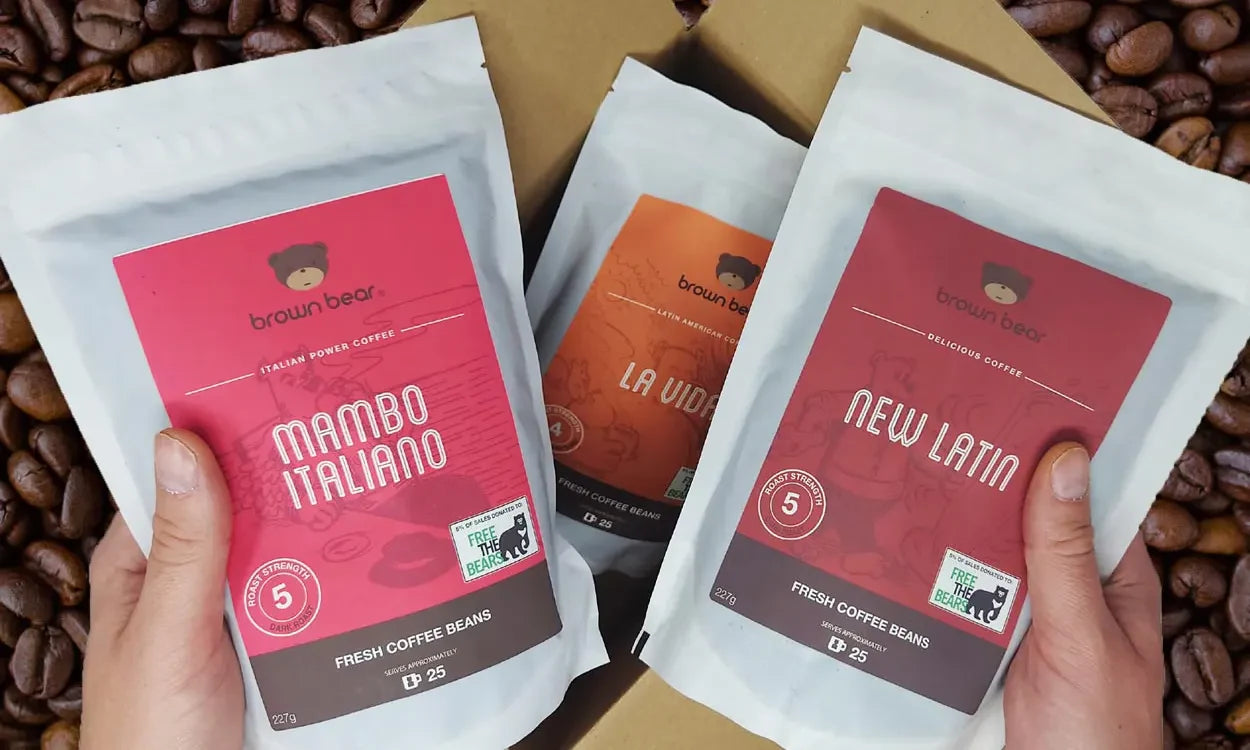










A brilliant iced coffee starts before the ice tray comes out. Choose a coffee that disappears when chilled and it will taste thin, sharp or simply a bit forgettable. The best coffee for iced drinks has enough flavour to stay present after melting ice, while still matching the way you like to drink it - black and refreshing, creamy with milk, or slow-steeped as cold brew.
There is no single roast that wins every glass. The right choice depends on whether you want chocolatey and bold, fruity and lively, or smooth enough to pour straight over ice on a busy morning. Here is how to pick coffee that makes home iced drinks feel like a proper treat rather than a watered-down hot coffee.
What makes the best coffee for iced drinks?
Ice changes coffee quickly. It lowers the temperature, which can soften aromas and make subtle flavours harder to spot. As the ice melts, it also dilutes the drink. That is why coffees with a clear flavour profile, good sweetness and enough body tend to work best.
For most iced coffees, medium and dark roasts are the easy starting point. They bring familiar notes of chocolate, caramel, toasted nuts and brown sugar that hold up beautifully with milk and ice. A medium roast keeps more of the bean’s individual character, while a dark roast offers a stronger, richer cup with less brightness.
Light roasts can be excellent iced too, particularly if you enjoy citrus, berry or floral flavours. They need a little more care: use a slightly stronger brew ratio, do not over-dilute the glass, and choose a brewing method that gives you sweetness as well as acidity. Done well, a light-roast iced filter coffee can be crisp, juicy and remarkably refreshing.
The key is not to buy coffee labelled for iced drinks and assume it will suit every recipe. Think first about what is in your glass alongside the coffee.
Match your roast to the drink you actually make
For iced lattes and milky coffees, choose medium or dark
Milk softens bitterness but can also mute delicate notes. A medium-dark or dark roast is usually the most dependable choice for iced lattes, flat whites over ice and coffee with a generous splash of oat milk. Look for flavour descriptions such as cocoa, caramel, hazelnut, molasses or biscuit.
These coffees have enough depth to cut through cold milk without tasting harsh. If you like your coffee sweetened, a darker roast can be particularly forgiving, as its roasted flavours sit naturally with vanilla, caramel or brown sugar syrup.
A very dark roast can be a great match if you want a powerful iced latte, but it is not always the best answer. If the coffee is brewed too strong or left sitting on ice for too long, smoky or bitter notes can become more obvious. Keep the extraction clean and add milk to taste rather than assuming more coffee is always better.
For iced black coffee, try a balanced medium roast
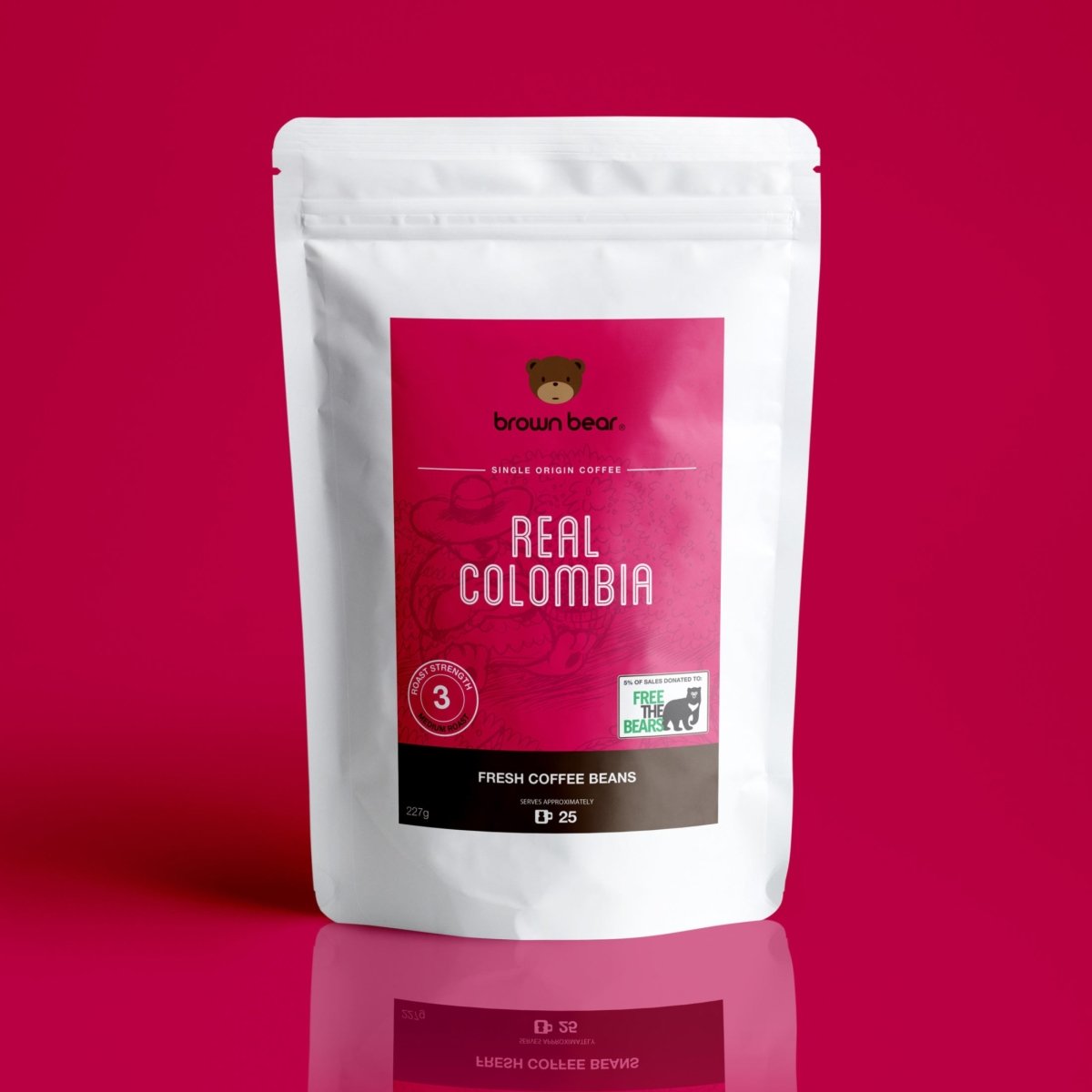
If you drink coffee over ice with no milk, balance matters most. A medium roast with a rounded body and natural sweetness gives you flavour without the heavy finish that some darker coffees bring when chilled. Colombian, Brazilian and Guatemalan coffees are often reliable places to start, especially when their tasting notes lean towards chocolate, nuts, toffee or stone fruit.
Brew it a little stronger than you would for a hot mug, then pour directly over plenty of ice. That approach is simple, quick and ideal when you want an iced coffee without planning ahead.
If you prefer a cleaner, brighter cup, choose a lighter medium roast from Kenya or Ethiopia. Expect more fruit character and a livelier finish. It will not taste like a classic café iced latte, and that is the point. It is closer to a chilled filter coffee: refreshing, aromatic and brilliant on a warm afternoon.
For cold brew, go smooth and chocolatey
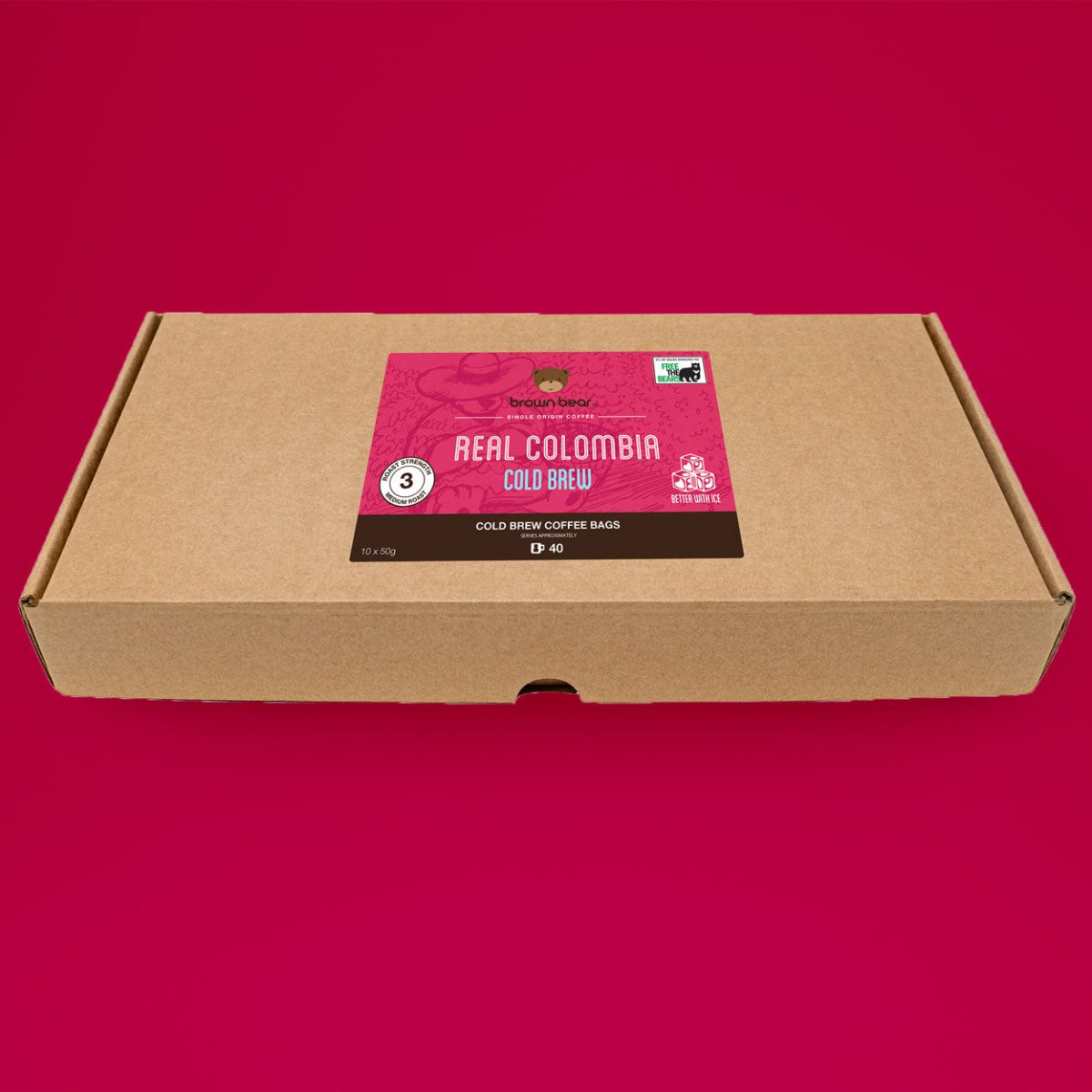
Cold brew is made with time rather than heat, so it naturally tastes lower in acidity and softer in texture than coffee brewed hot. Medium-dark and dark roasts are popular for good reason. They give cold brew a deep, chocolate-led flavour and a full, satisfying finish.
Brazilian coffees are a particularly comfortable fit here, thanks to their nutty sweetness and low-fuss character. Colombian and Peruvian coffees can also make a smooth cold brew, often with caramel or cocoa notes that work well served black or topped up with milk.
That said, do not rule out lighter roasts. A fruity Ethiopian or Kenyan coffee can produce a fascinating cold brew with berry-like sweetness, although it may feel lighter-bodied and less traditionally rich. It depends whether you want an easy-going everyday jug or a more distinctive weekend brew.
Whole beans, ground coffee or coffee bags?
Freshly ground whole beans offer the most control. Grind just before brewing and you can adjust the grind for your method: coarse for cold brew, medium for filter coffee, and fine for espresso-style drinks. If you make iced coffee often and enjoy changing recipes, whole beans are worth the small extra step.
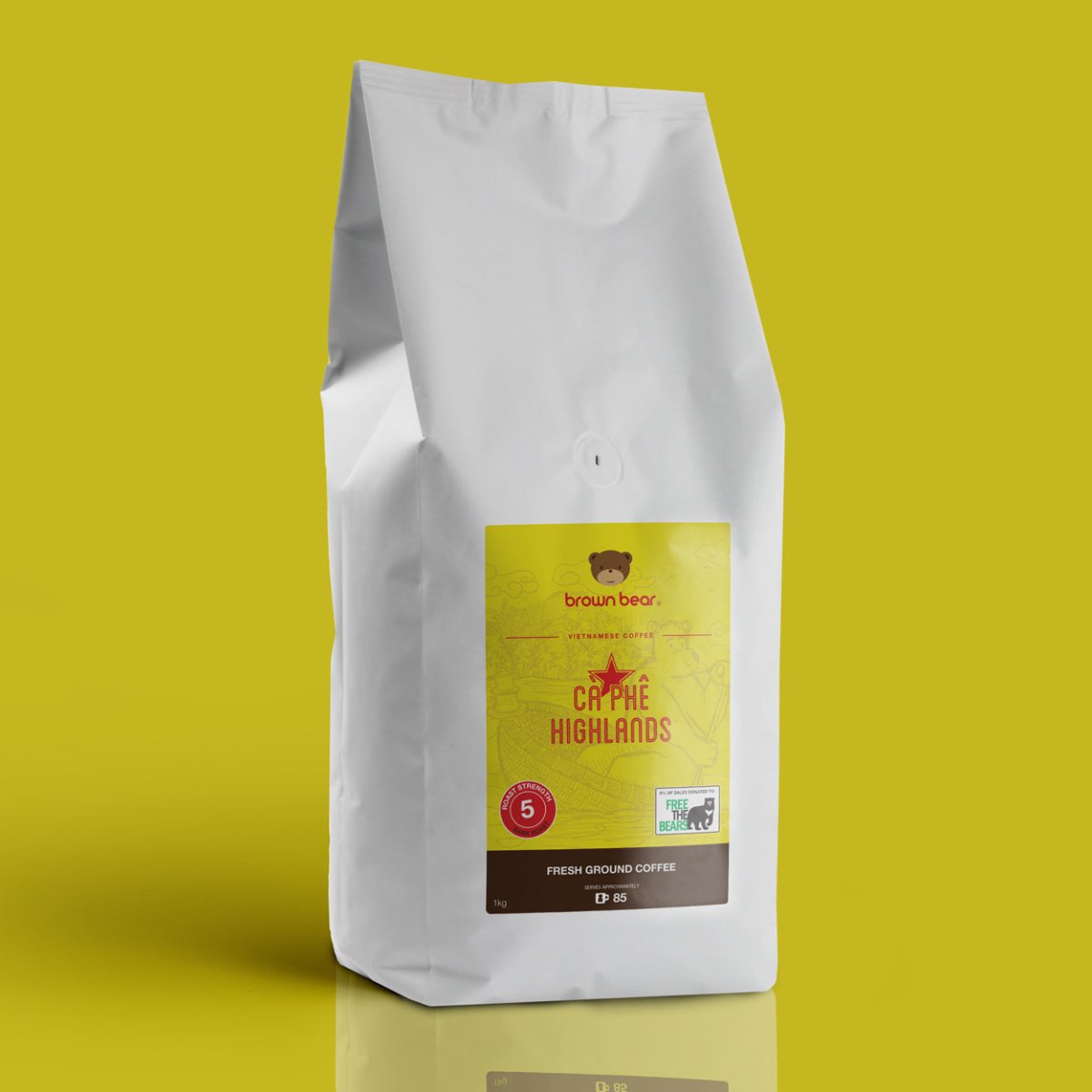
Pre-ground coffee is the convenient choice for a dependable routine. Select a grind suited to your brewer and keep the bag sealed, cool and dry. It is especially useful when you want a straightforward morning iced coffee before work, without bringing scales and grinders into the equation.
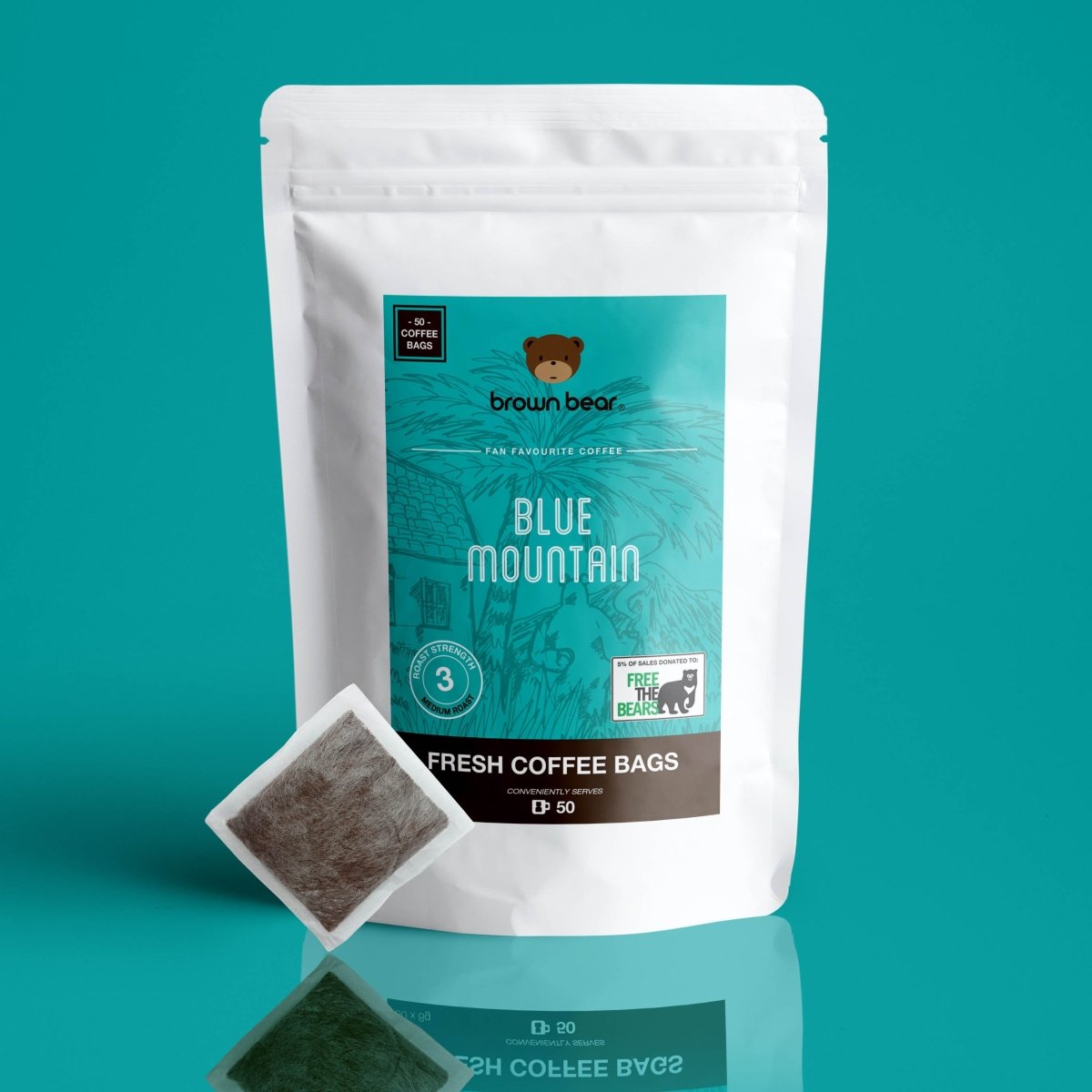
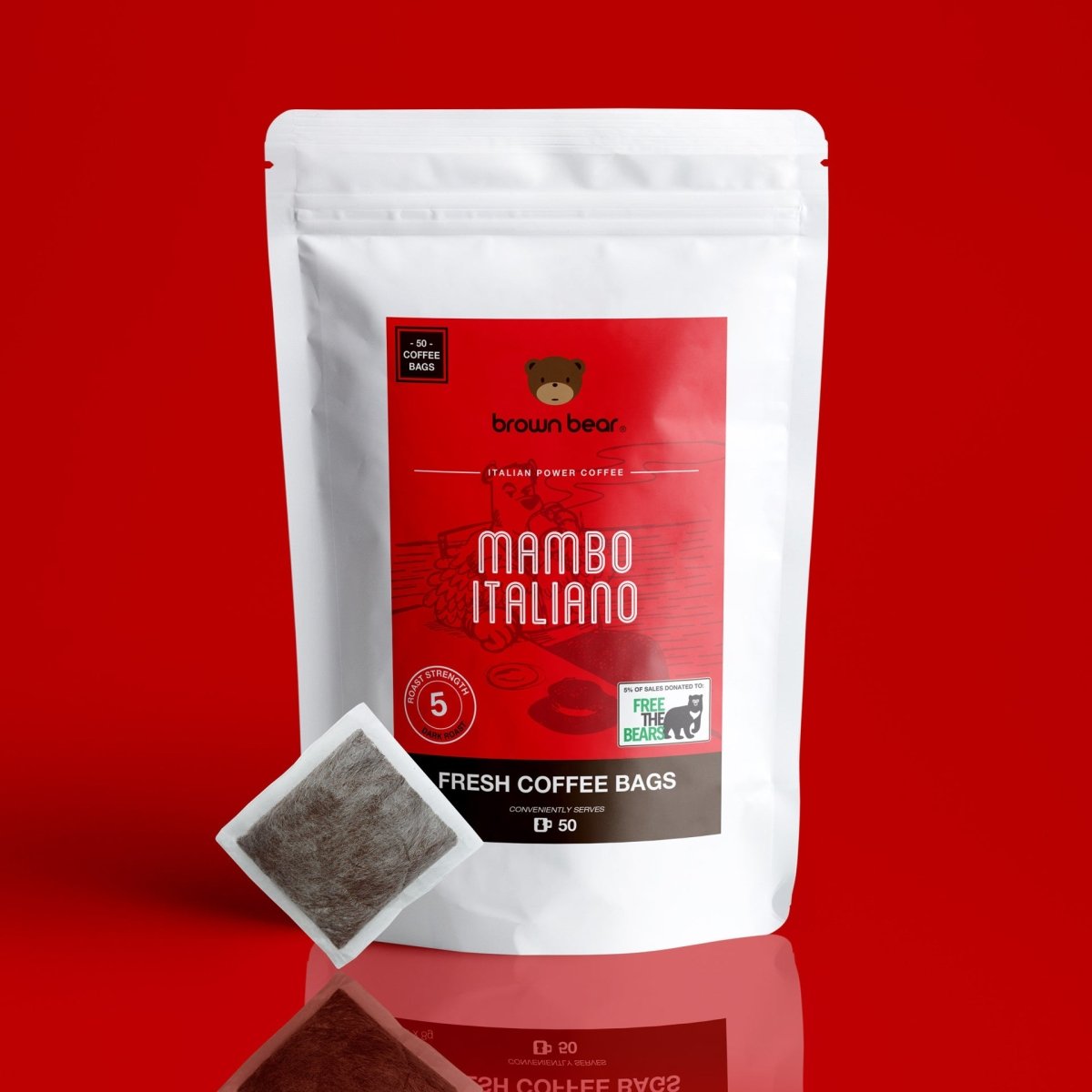
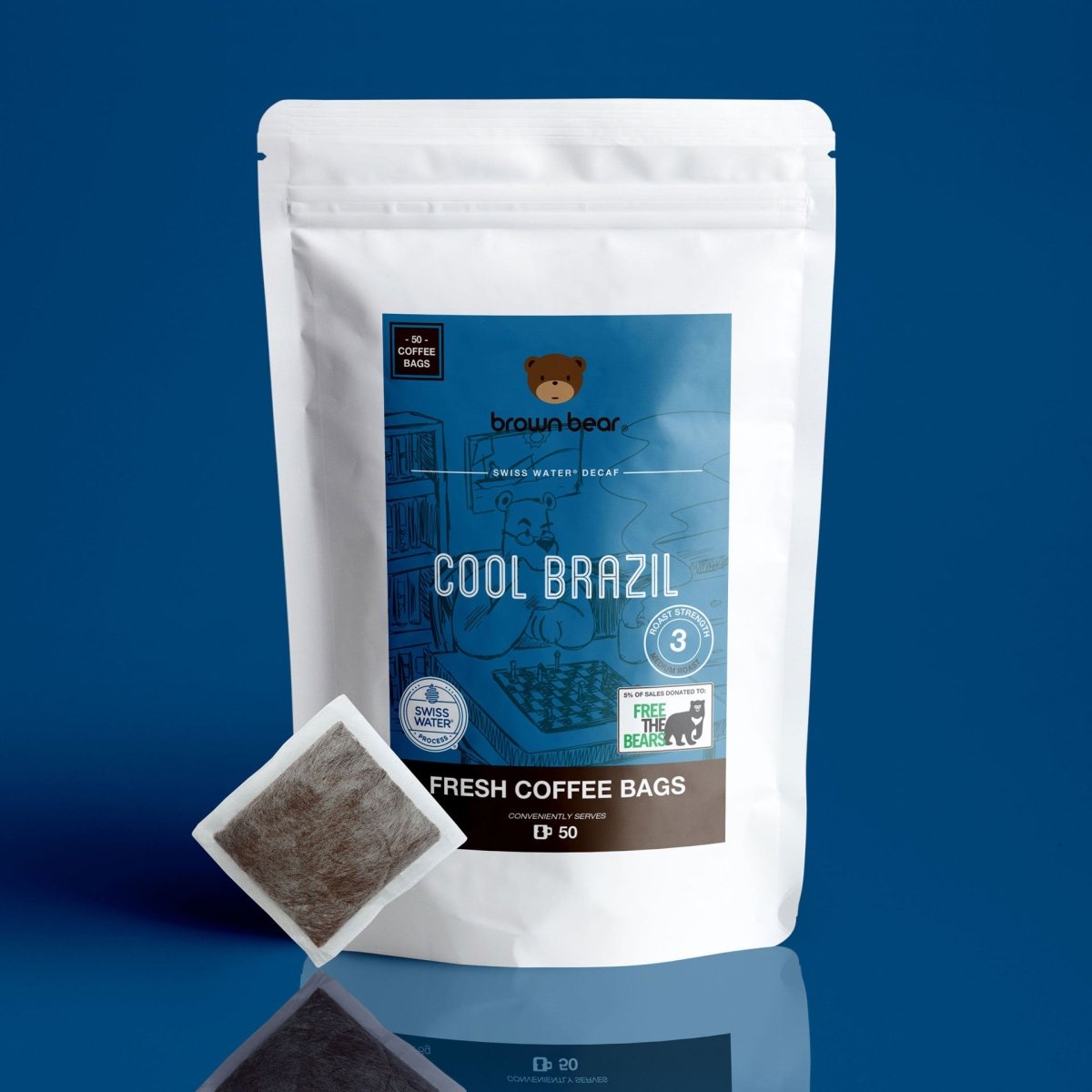
Coffee bags deserve a mention too. They are an easy route to a lighter iced drink, particularly at work, on holiday or when cupboard space is limited. Brew a bag strong in a smaller amount of hot water, remove it, then pour over ice. It will not give the same body as espresso or cold brew, but it is refreshingly simple.
Brew stronger, not bitter
The most common iced-coffee mistake is making a normal-strength hot coffee and asking a few ice cubes to turn it into something special. By the time the cubes have done their job, the drink can taste weak.
For coffee brewed hot and served on ice, use around 20 to 30 per cent more coffee than your usual recipe. If you normally use 15g of ground coffee for a filter cup, try 18g or 19g. Alternatively, brew directly onto a measured amount of ice so the melting water is part of the recipe rather than an accident.
Avoid pushing the brew too far in search of strength. Extra bitterness is not the same as extra flavour. If your iced coffee tastes dry, burnt or unpleasantly sharp, first check your grind, water temperature and brew time. A clean, concentrated coffee is far better than an over-extracted one.
For cold brew, start with a coarse grind and steep in the fridge or a cool place for 12 to 18 hours. Shorter brews can taste lighter and sweeter; longer brews can be fuller but may lose some clarity. Strain carefully, then serve the concentrate diluted with cold water or milk until it tastes right to you.
Small details that make a big difference
Use fresh ice with no freezer aromas, especially if your ice tray lives next to strongly flavoured food. Large cubes melt more slowly, while crushed ice creates a faster, slushier drink. Neither is wrong - it comes down to whether you want your coffee to stay intense or become more refreshing as you drink it.
A pinch of salt can soften perceived bitterness in a dark iced coffee, though use very little. A teaspoon of simple syrup dissolves more evenly than granulated sugar in cold drinks. For a creamier finish, oat milk and dairy milk both pair brilliantly with chocolatey roasts; coconut can be delicious but brings a stronger flavour of its own.
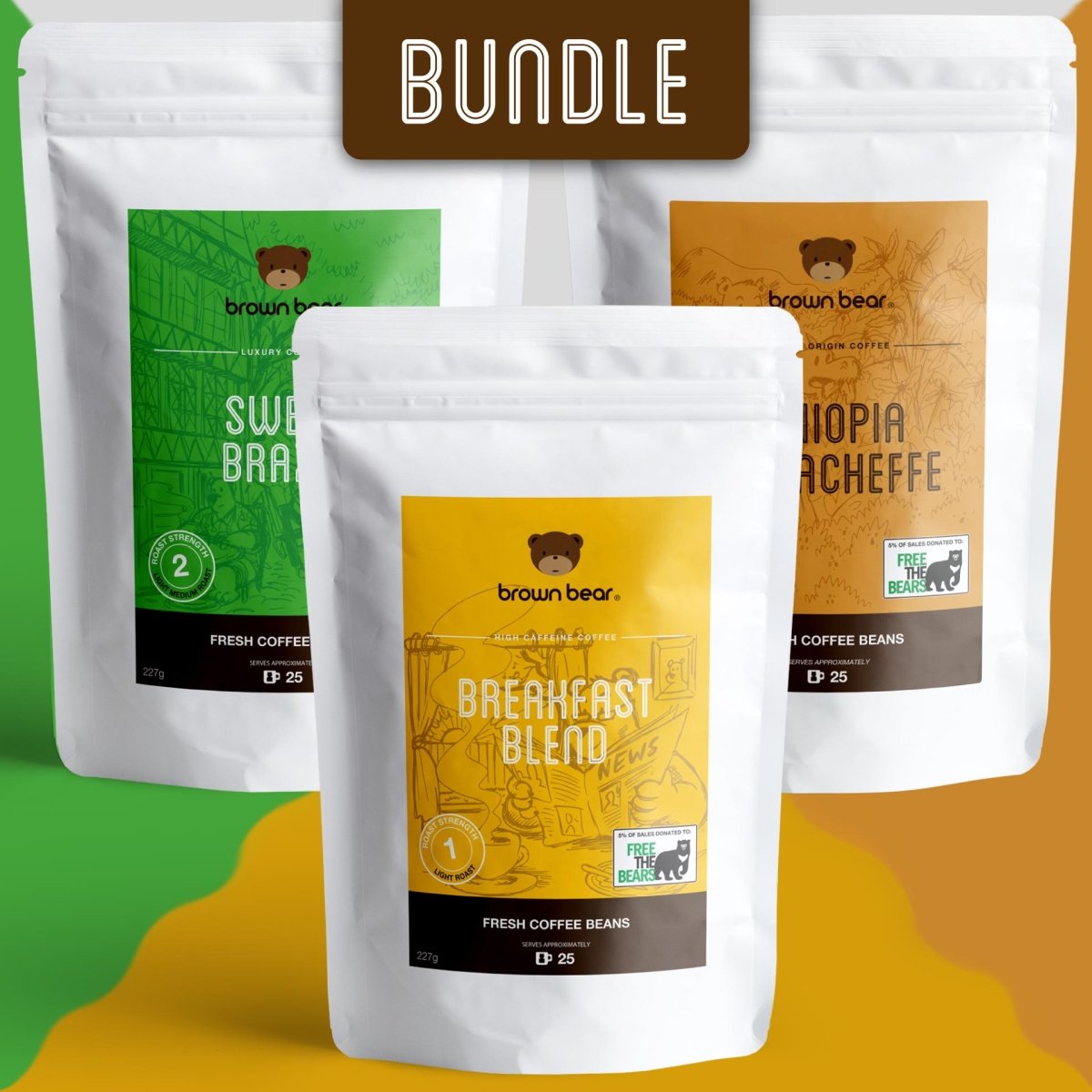
If you are choosing coffee for a household with different tastes, keep a balanced medium roast for everyday iced coffees and add a bolder dark roast for milkier drinks. It is an easy way to cover most preferences without filling the cupboard with half-used bags. Brown Bear’s clear roast range makes that sort of choice pleasantly straightforward.
The best result is the one you will happily make again tomorrow. Start with a coffee whose flavour you already enjoy hot, brew it with enough strength for the ice, and let your preferred milk, sweetness and method shape the rest.

