










Cold brew can be brilliant or disappointingly flat, and the coffee you start with makes most of the difference. If you are looking for the best coffee for cold brew, the short answer is this: choose coffee with plenty of chocolate, nut, caramel or soft fruit notes, match the roast to how bold you like your drink, and use a coarse grind so the flavour stays smooth rather than muddy.
That sounds simple because, in many ways, it is. Cold brew is forgiving compared with espresso, but it still rewards the right choice of bean. The good news is you do not need to speak fluent coffee jargon to get it right. You just need to know what works in cold water, what tends to get lost, and how to buy for the kind of glass you actually want to drink.
What makes the best coffee for cold brew?
Cold brew extracts flavour slowly, usually over 12 to 18 hours. Because there is no hot water pushing out sharp acids and bright aromatics, the final cup tends to be smoother, rounder and naturally sweeter. That changes what counts as a great bean.
Coffees that shine as cold brew usually have a clear base of chocolate, toffee, nuts or cocoa. Those flavours hold up well in a long cold extraction and give you a full, easy-drinking result. Beans with berry or stone fruit notes can also work beautifully if they still have enough sweetness underneath. Very floral or delicate coffees can be lovely, but they are more hit-and-miss because some of their nuance fades when brewed cold.
In practical terms, the best coffee for cold brew is rarely the most expensive or the most unusual bag on the shelf. It is the one whose flavour profile matches the texture and style cold brew naturally creates. Think balanced, sweet and satisfying rather than ultra-bright or highly perfumed.
Best roast level for cold brew
Roast level is where most people should start. It has the biggest effect on flavour and it is far easier to shop by roast than by cupping notes if you just want something dependable.
Light roast
Light roasts can make an excellent cold brew, but only if you enjoy a cleaner, fruitier drink. Expect more subtle sweetness, lighter body and a little more acidity. If you like black cold brew over ice and want something refreshing rather than heavy, a light roast can be a smart choice.
The trade-off is that light roasts can taste underwhelming if the bean is too delicate or if your brew ratio is too weak. They are less forgiving than darker options.
Medium roast
For most people, medium roast is the sweet spot. It gives you enough sweetness and body for a rich cold brew, while still keeping some origin character. You get a rounded drink that works black, with milk, or as a concentrate.
If you are buying one bag to please a household with different tastes, medium roast is usually the safest bet. It is approachable without being boring.
Dark roast
Dark roast is ideal if you want a punchier cold brew with deeper chocolate notes and a heavier finish. It pairs especially well with milk, cream or flavoured syrups because the coffee flavour still comes through.
There is a limit, though. Go too dark and your cold brew can lean smoky, ashy or one-dimensional. Some people love that strong flavour. Others find it masks the natural sweetness that makes cold brew so moreish.
Origin matters, but not in a fussy way
Origin can help narrow your choice, especially if you already know the sort of flavours you tend to enjoy.
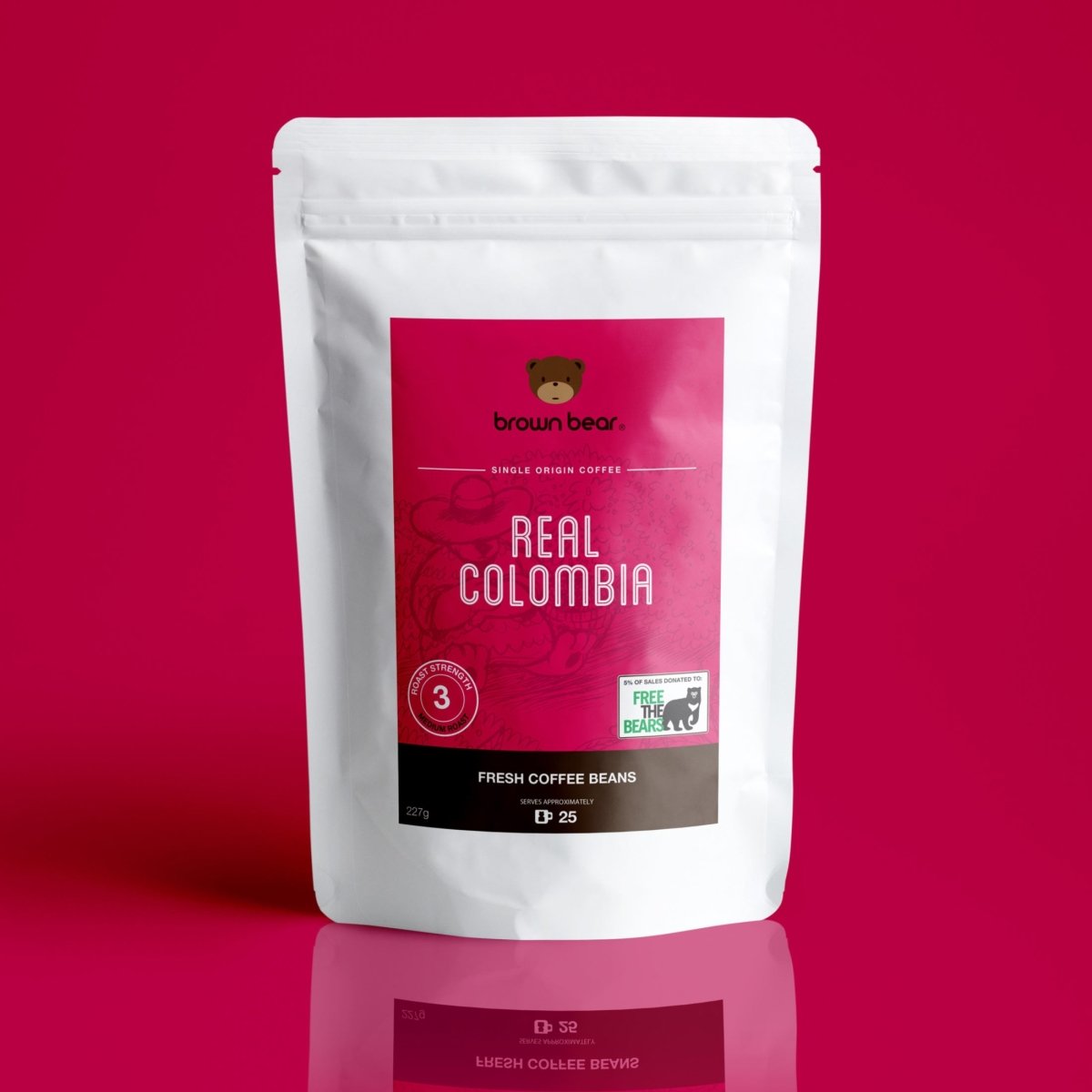
Brazilian coffees are often a safe place to start for cold brew. They usually bring nutty, chocolatey notes and low acidity, which makes for a smooth and reliable brew. Colombian coffees can also work very well, often adding caramel sweetness and a bit more fruit without becoming too sharp.
If you want a brighter, more lively cold brew, Ethiopian or Kenyan coffees can be excellent, especially when you enjoy berry or citrus notes. Just bear in mind that these origins can produce a lighter, more aromatic result that may suit black cold brew better than milk-based drinks.
Guatemalan and Peruvian coffees often sit nicely in the middle - balanced, sweet and easy to work with. They are a good option if you want something interesting but still everyday-friendly.
Whole beans or pre-ground?
Whole beans are usually the better choice because freshness matters, and you can grind coarse just before brewing. That gives you more control and usually a cleaner flavour.
That said, pre-ground coffee is not a disaster if convenience is the priority. For plenty of people, the best cold brew is the one they will actually make on a busy week. If you buy pre-ground, look for coffee ground for cold brew, cafetiere or filter rather than espresso-fine. Too fine a grind can make your brew cloudy and overly bitter.
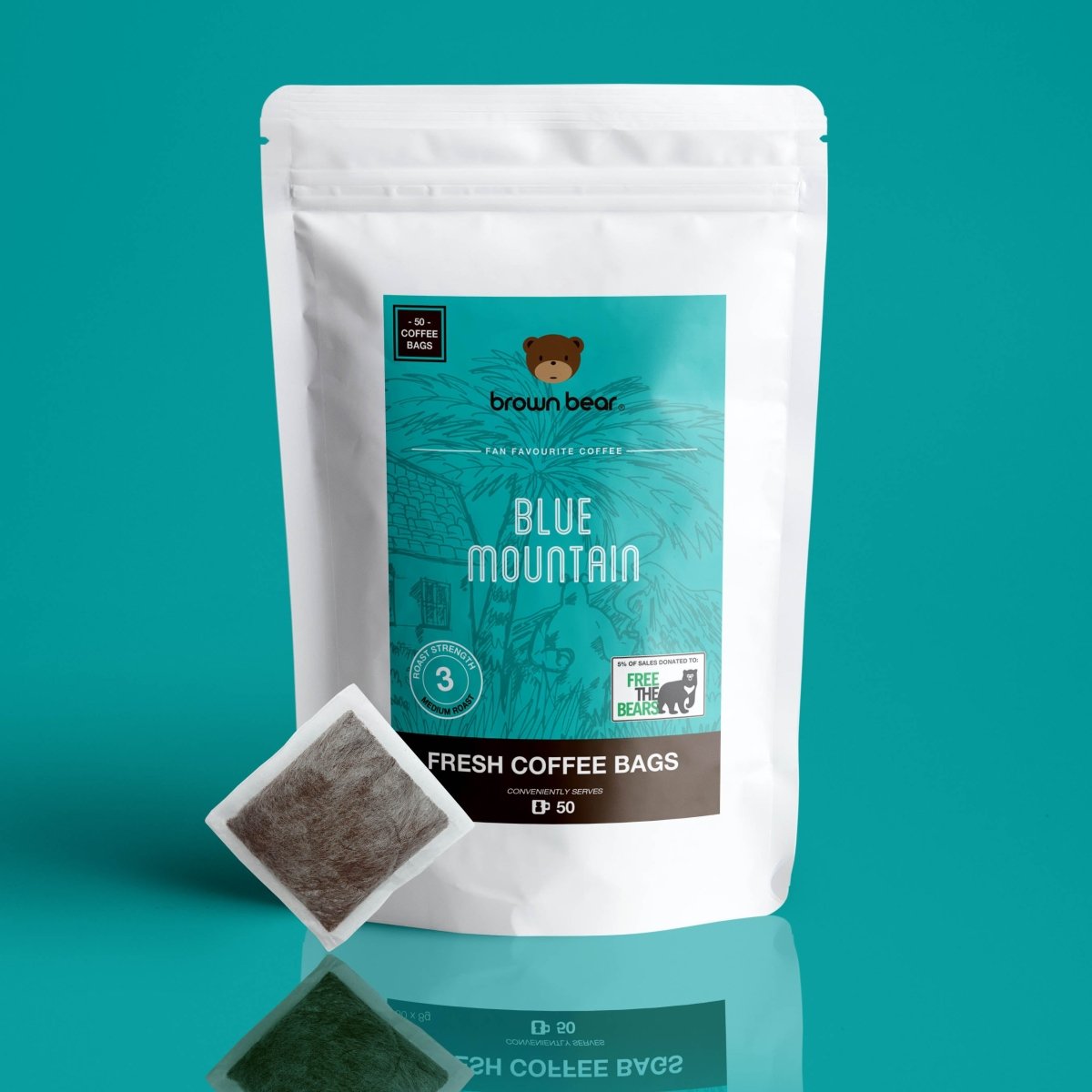
This is where a practical, easy-to-shop range helps. Clear roast descriptions and format options make it much easier to buy with confidence, especially if you are ordering online and simply want a dependable bag that fits your routine.
The flavour profiles that work best
If you are scanning tasting notes and wondering what to choose, favour coffees described with words like chocolate, caramel, hazelnut, almond, brown sugar, toffee and cocoa. These flavours tend to produce the smooth, rounded character most people want from cold brew.
Fruit notes are not off limits. In fact, plum, cherry, berry and stone fruit can be excellent in cold brew when balanced by sweetness. They often add a more refreshing edge, especially in a lighter roast. The question is less whether fruit works and more whether you want your cold brew rich and comforting or brighter and juicier.
What tends to be trickier are very floral, tea-like or sharply acidic coffees. They can taste elegant as a hot filter brew but end up muted or slightly odd once brewed cold for hours.
How strong do you want it?
A lot of confusion around cold brew comes from strength. People say they want the best coffee for cold brew when what they really mean is they want a cold coffee that tastes strong enough, sweet enough or smooth enough for the way they drink it.
If you drink cold brew black, choose a balanced medium roast or a fruit-forward light-medium roast and avoid anything excessively dark. You will notice clarity more when there is no milk to soften the edges.
If you add milk or pour your brew over ice and top with water, a more developed medium or dark roast often works better. You want enough body and flavour concentration to carry through dilution.
If you make concentrate, choose coffee with bold core flavours. Chocolate, nuts and caramel are especially dependable because they stay present after dilution and chilling.
A simple buying rule for cold brew coffee
If you want the easiest route to a good result, buy a medium or dark roast with tasting notes in the chocolate-caramel-nut family and brew it coarse. That will suit most home drinkers and produce a cold brew that is smooth, rich and easy to enjoy every day.
If you like experimenting, branch into brighter single origins once you have a reliable baseline. That way you can tell whether a new bag is genuinely better for your taste or just different.
For many households, it makes sense to keep one dependable option on repeat rather than reinventing the wheel each time. That is especially true in warmer months when cold brew becomes part of the weekly shop rather than an occasional treat.
Common mistakes when choosing coffee for cold brew
One mistake is assuming cold brew needs the darkest coffee possible. It does not. Dark roasts can be great, but the best result comes from flavour balance, not just intensity.
Another is buying a highly acidic coffee because it sounded exciting. Some bright coffees make a lovely cold brew, but many people expecting a mellow drink end up with something thinner or sharper than they wanted.
The third is ignoring grind size. Even excellent coffee will struggle if it is ground too fine. Coarse grounds help keep the brew cleaner, sweeter and less bitter.
Finally, do not judge a coffee only by how it tastes hot. Some beans that seem ordinary as espresso or filter become excellent cold brew, and some dazzling hot coffees lose their charm once chilled.
So, what should you actually buy?
If you want an easy answer, start with a medium roast from Brazil or Colombia, or a balanced blend built around chocolate and caramel notes. It is the most reliable place to begin and the style most people come back to. If you prefer a bolder glass with milk, go a shade darker. If you like your cold brew black and refreshing, try a lighter roast with soft fruit sweetness.
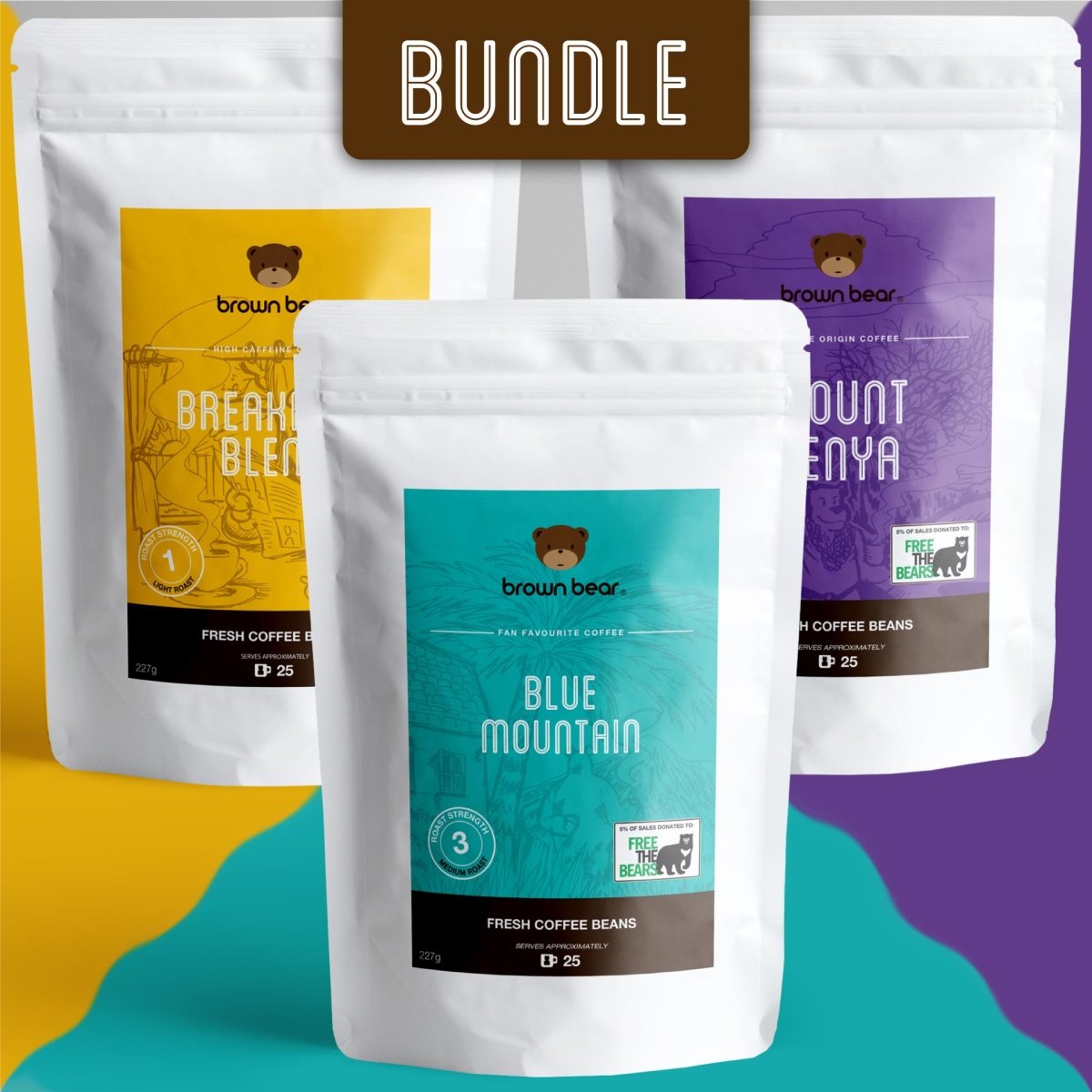
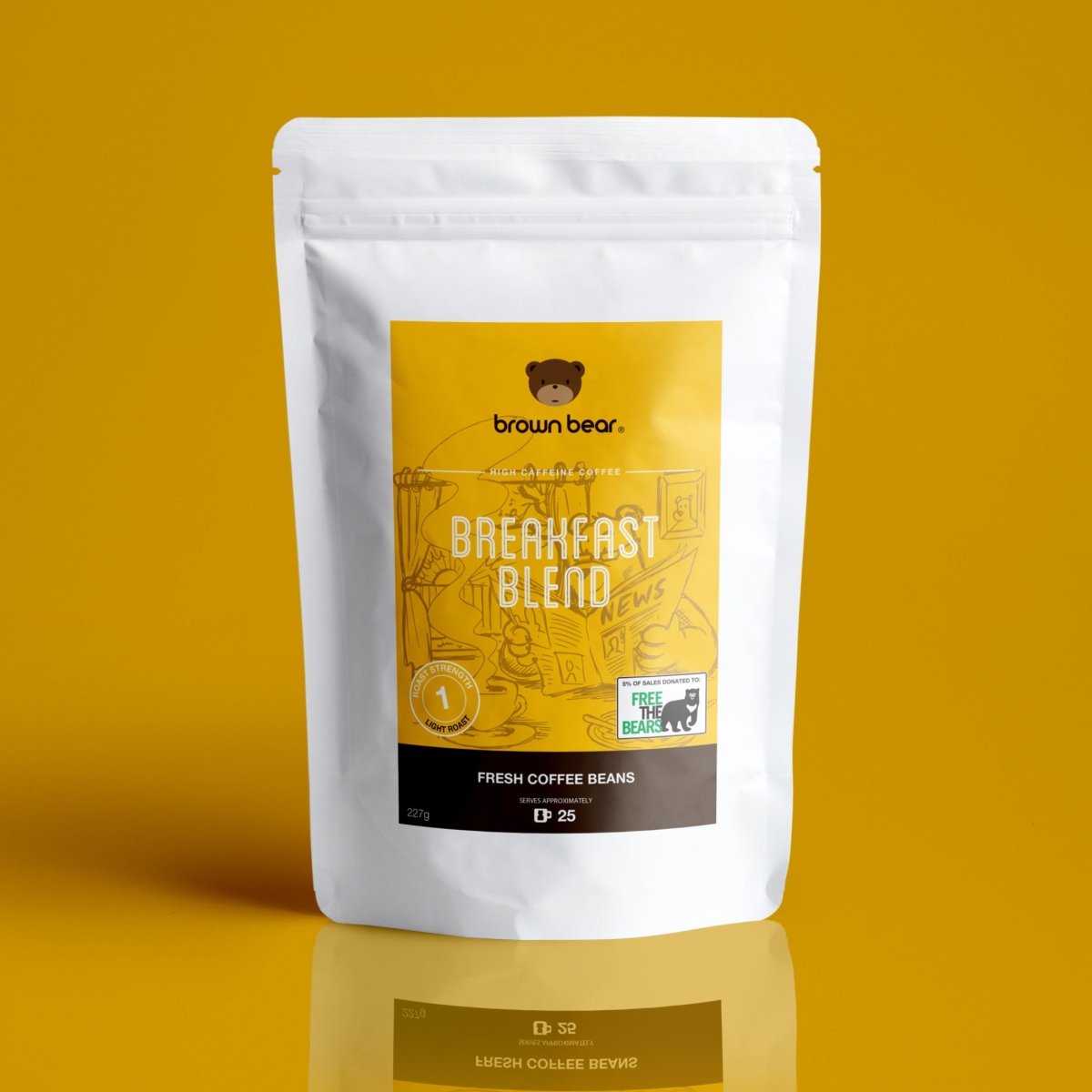
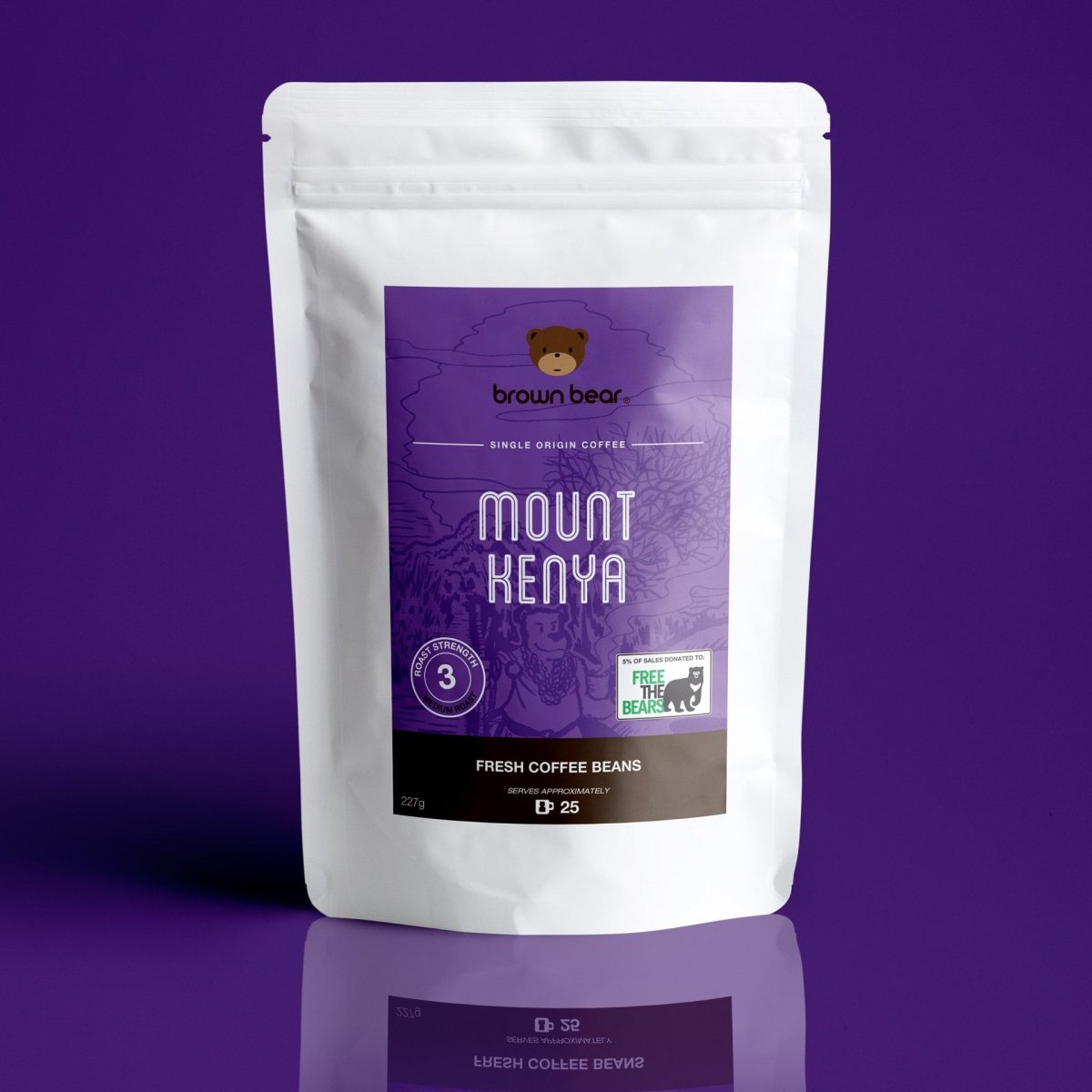
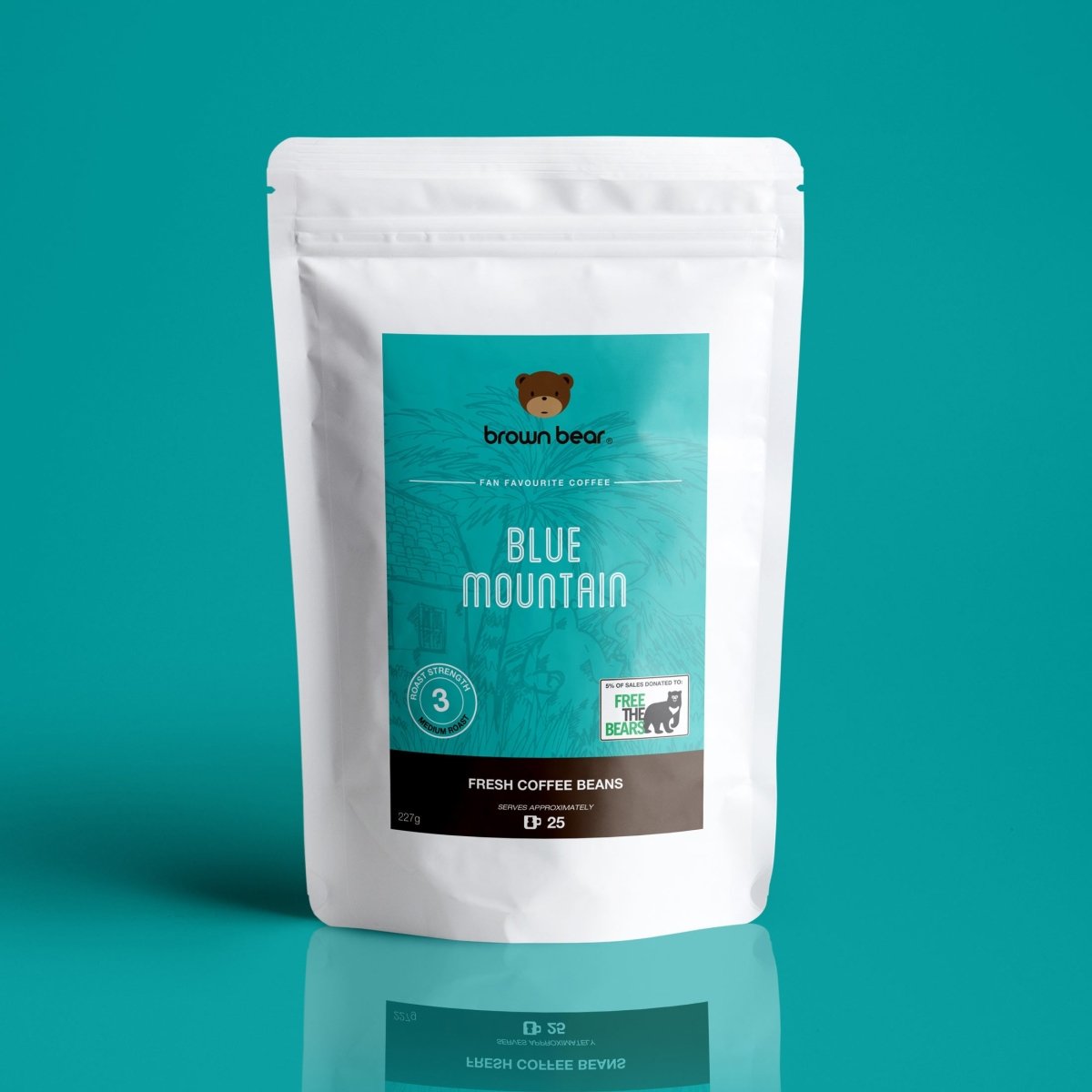
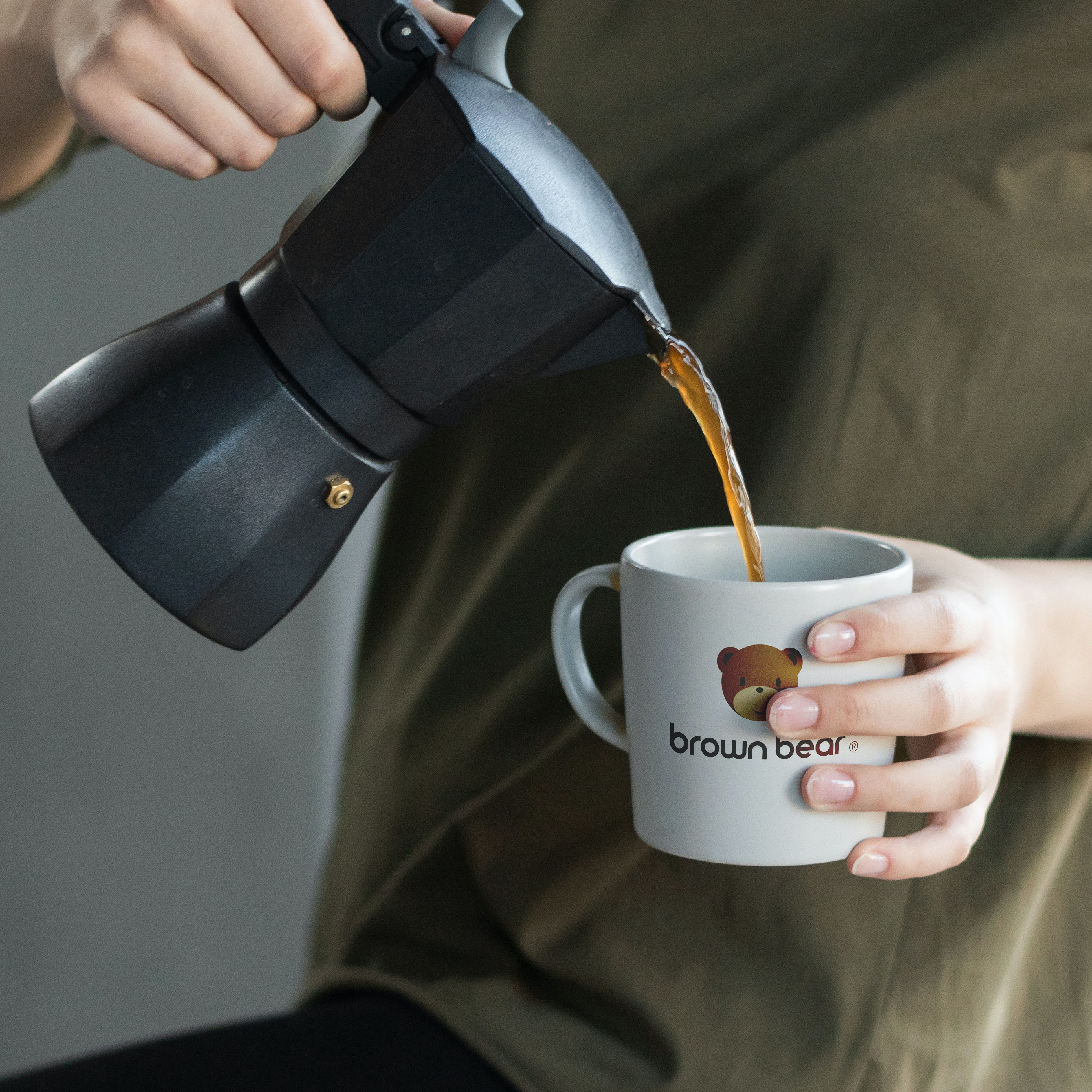
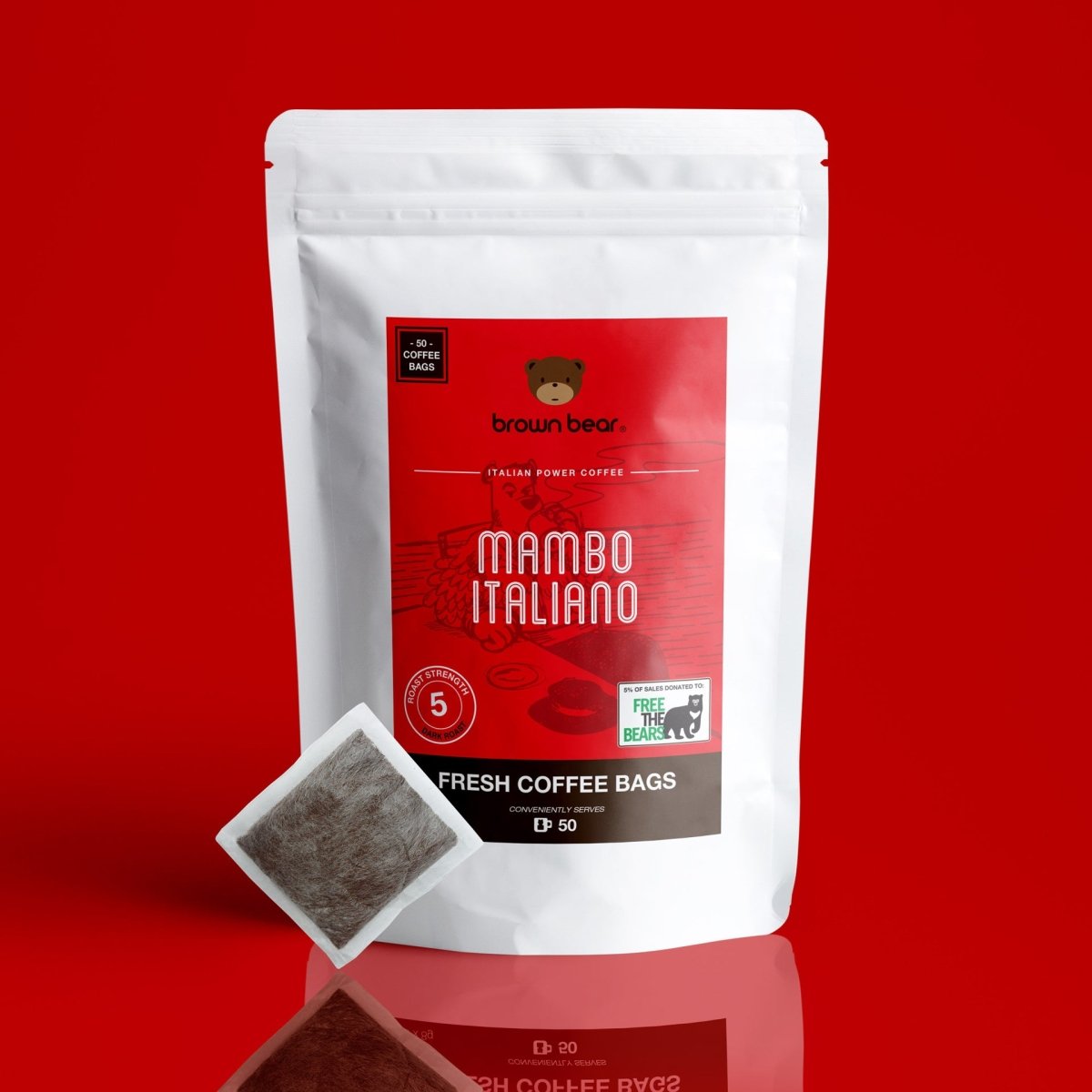
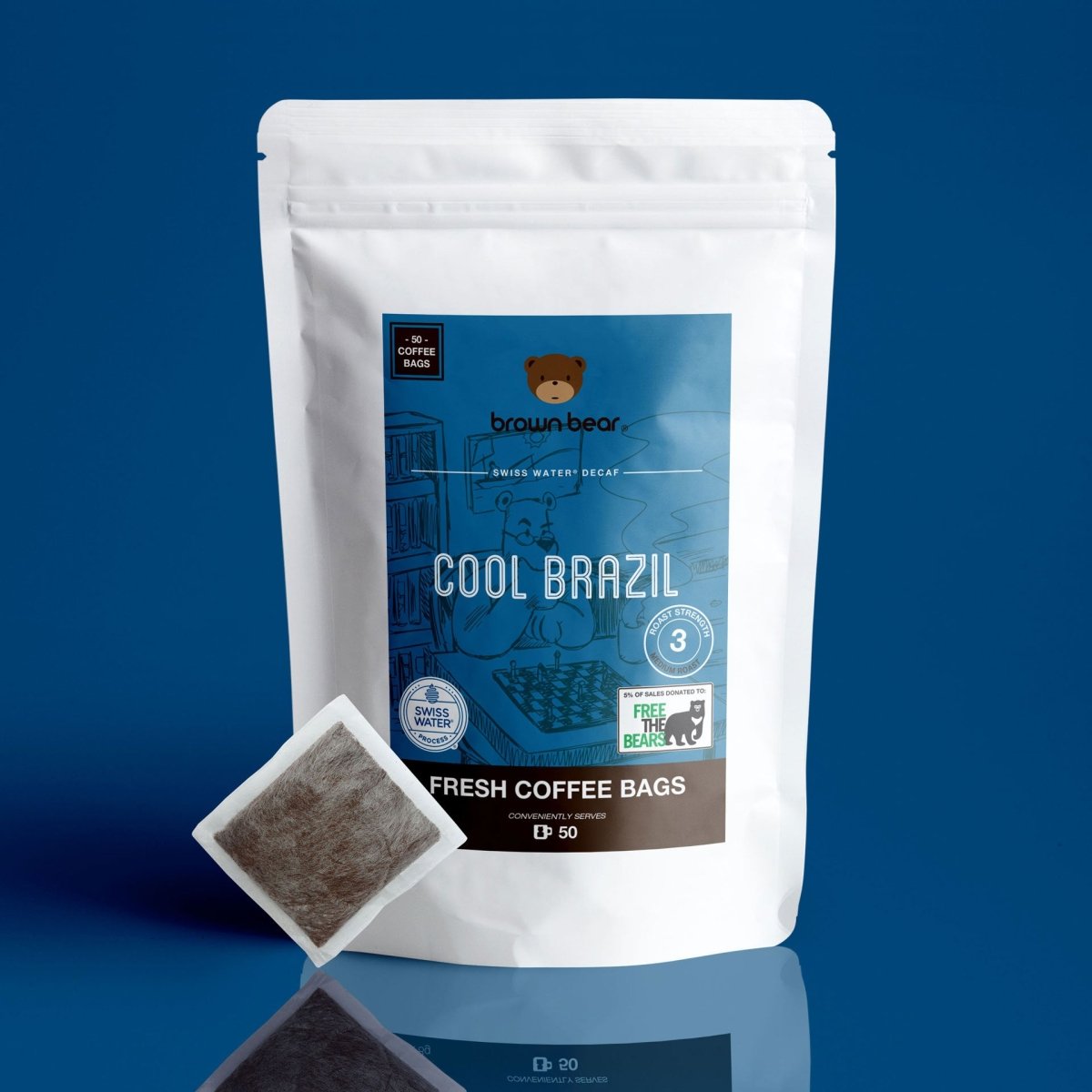
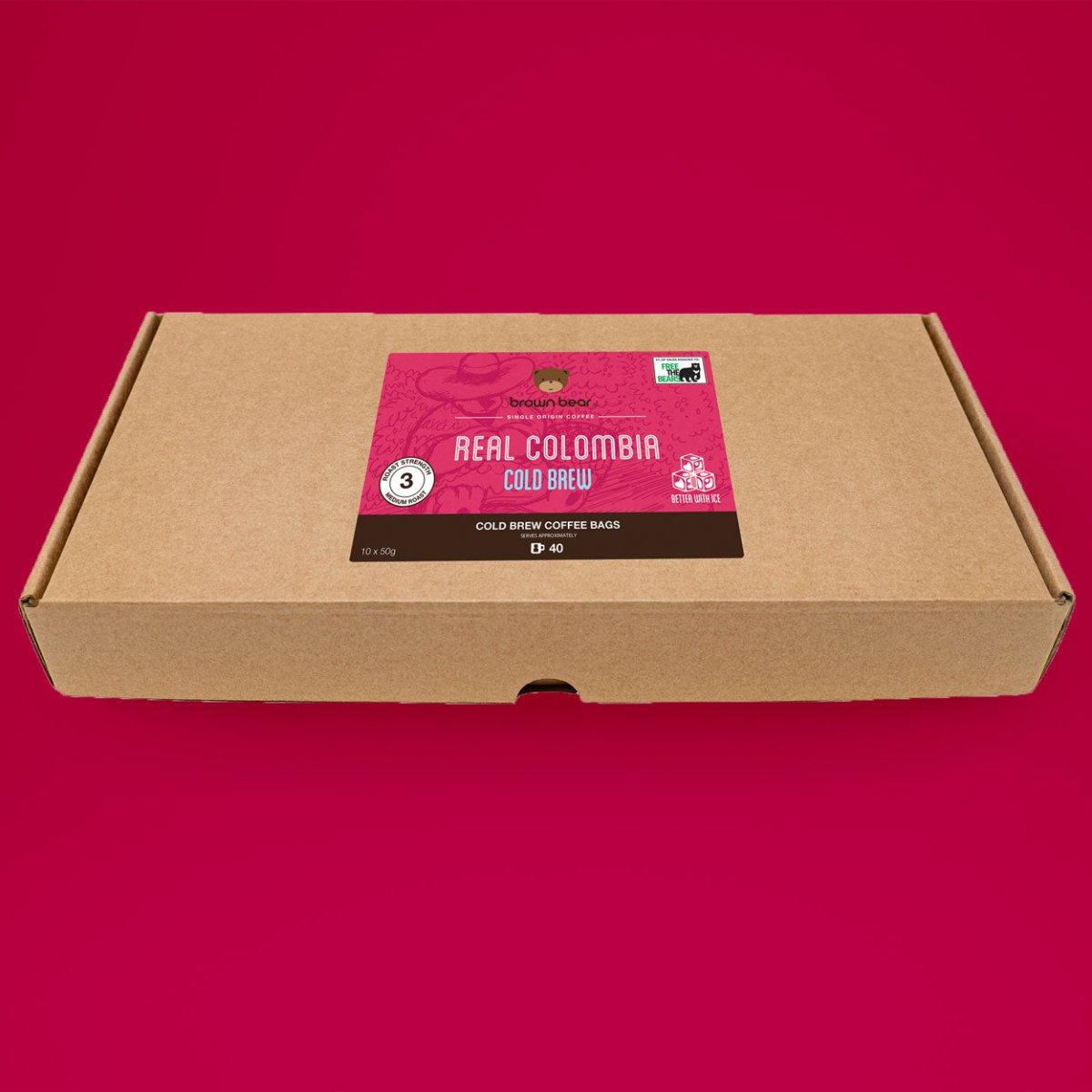
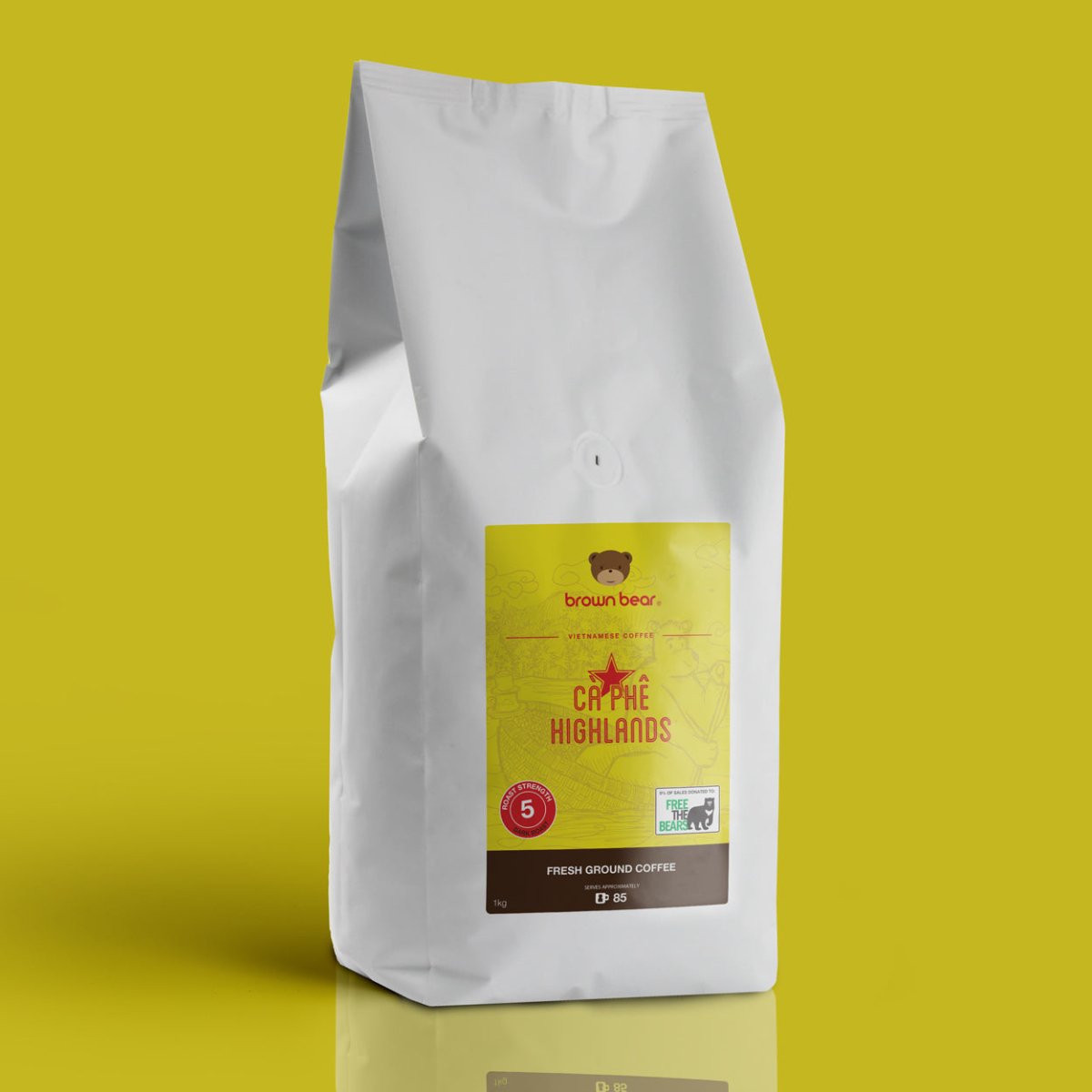
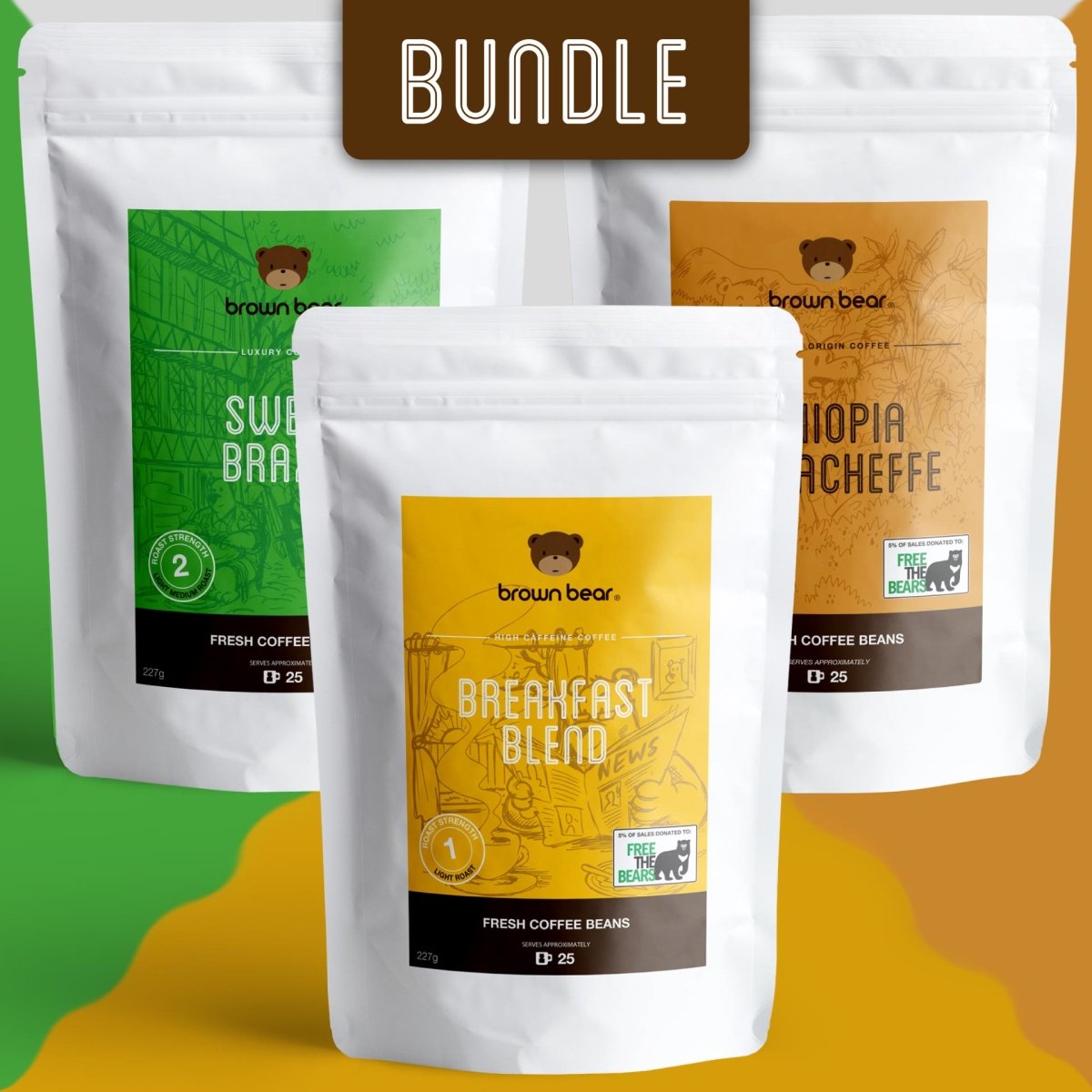
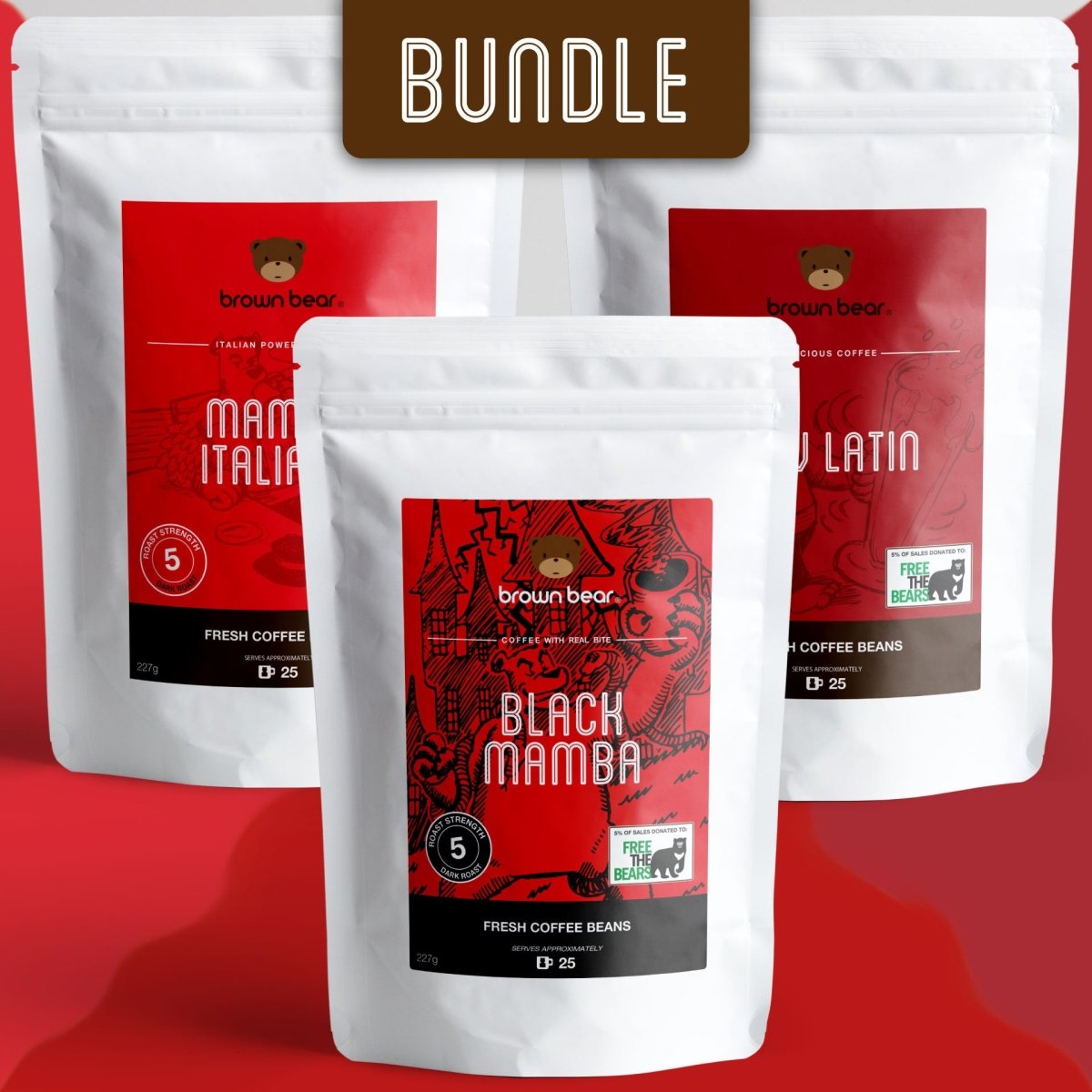
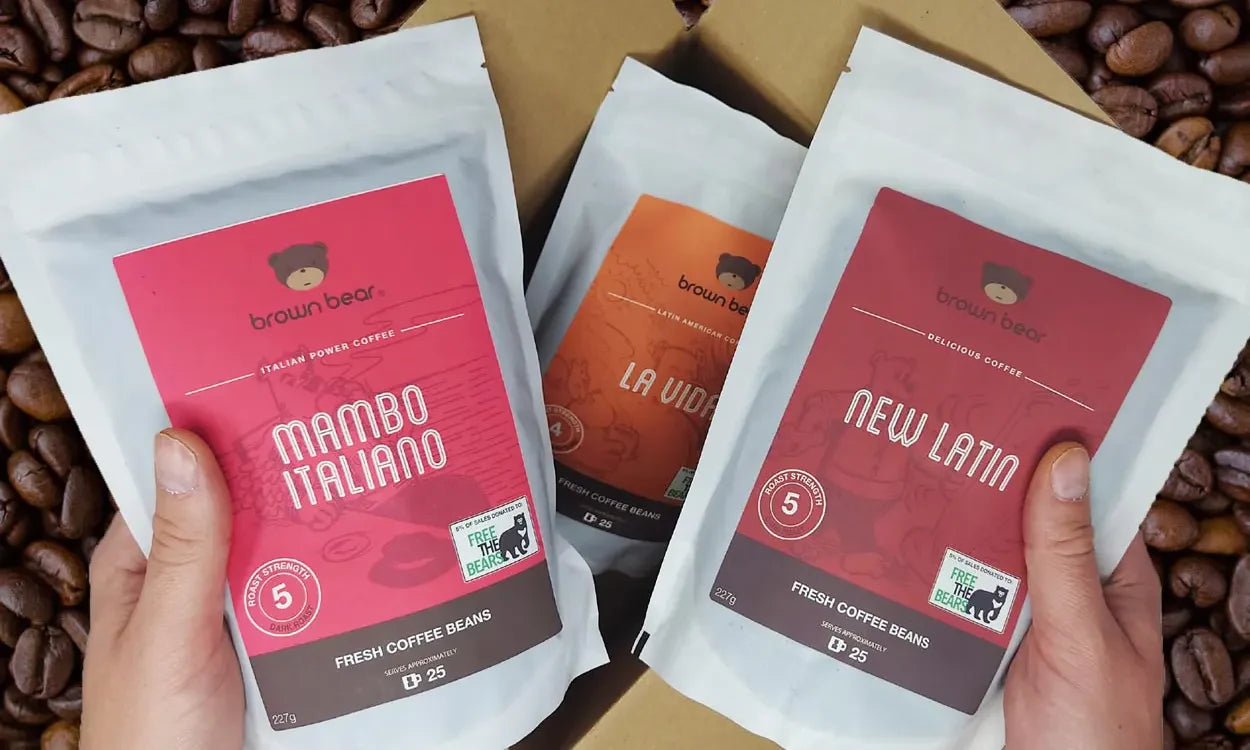
A retailer with a broad range of roast strengths and clear flavour cues makes this much easier, which is part of why brands like Brown Bear appeal to everyday coffee drinkers who want better coffee without any fuss. You can shop by the flavour and strength you actually enjoy instead of guessing your way through technical descriptions.
Cold brew should fit into your routine, not become a weekend project with too many variables. Pick coffee that sounds delicious to drink cold, keep the grind coarse, and trust your own taste. The best bag is the one that turns tomorrow morning's glass into something you look forward to tonight.

