














A coffee bag is one of the simplest ways to make proper coffee when you want a satisfying cup without getting the grinder, scales or cafetière out. This coffee bag brewing guide keeps the process straightforward, while giving you enough control to match the strength and flavour you enjoy.
Coffee bags work much like a tea bag, but the coffee inside still benefits from good water, the right temperature and a little patience. Get those three things right and you can make a smooth, aromatic cup at your desk, in a hotel room, at home or on a camping trip.
What is a coffee bag?
A coffee bag contains pre-ground coffee in a filter pouch with a string and tag. You place it in your mug, add hot water and let it steep. The filter keeps the grounds contained, so there is no pressing, pouring through paper or washing up a brewer afterwards.
That convenience does not mean settling for a flat cup. The coffee continues to extract while it steeps, drawing out flavour, sweetness and body from the grounds. Your water temperature, brewing time and mug size all shape the result.
Coffee bags are especially useful when you want a reliable single serving. They are also a smart choice for workplaces, weekends away, house guests and anyone who likes the ease of instant coffee but wants a fuller, freshly brewed flavour.
Coffee bag brewing guide: the basic method
Start with a clean mug and one coffee bag. Use freshly drawn water where possible. Water that has been boiled repeatedly can taste dull, particularly in a lighter or more delicate roast.
Boil your kettle, then wait around 30 seconds before pouring. You are aiming for hot water just below boiling point, roughly 90-96°C. There is no need to measure this precisely. A brief pause after the kettle clicks off is usually enough.
Place the coffee bag in your mug and pour over 200-250ml of water. Pour steadily so the bag is fully soaked. If it floats at first, give it a gentle dunk with a spoon, then leave the string and tag outside the mug for easy removal.
Steep for four minutes for a well-balanced cup. Give the bag one gentle stir or dunk halfway through if you like, especially if you have filled a larger mug. This helps fresh water reach the coffee evenly.
When the time is up, lift out the bag and let it drain over the mug for a few seconds. Avoid squeezing it hard. Pressing the bag can force out fine particles and more bitter-tasting compounds, which may make the finish a little rougher. Then enjoy it black, with milk or with your preferred alternative.
The easy starting point
For most coffee bags, 220ml of water and a four-minute steep is a dependable place to begin. Taste it before changing anything. If you enjoy a bold, punchy brew, you may prefer to use slightly less water or leave the bag in for another 30-60 seconds.
If the cup tastes too strong, heavy or dry, remove the bag earlier next time or use a little more water. Small changes are more useful than overthinking every variable.
Choosing the right mug size
The most common reason a coffee bag tastes weak is not the bag itself. It is using a very large mug and filling it to the brim. One coffee bag is generally designed for one normal cup, rather than a bucket-sized morning brew.
A mug holding around 200-250ml will give you a rounded, flavourful result. If your favourite mug is bigger, you have two good options: fill it part way, or make a stronger coffee by steeping for longer. Using two bags is the better choice if you want a full large mug with plenty of body, rather than stretching one bag too far.
Milk also changes how coffee strength feels. A splash of milk softens bitterness and highlights chocolatey, nutty notes, particularly in medium and dark roasts. If you take plenty of milk, brew the coffee a touch stronger first so its character still comes through.
How long should you steep a coffee bag?
Four minutes is the sweet spot for most people, but there is room to tailor it. At around three minutes, expect a lighter cup with a gentler body. This can suit a lighter roast or anyone who prefers a clean, easy-drinking coffee.
At five minutes, the flavour will be deeper and more intense. Dark roast fans often enjoy this extra weight, especially in the morning or alongside breakfast. Past six minutes, coffee can become more bitter or drying, though it depends on the blend, roast level and your taste.
If you forget the bag in the mug for a few extra minutes, do not write the cup off. Add a small splash of hot water or milk if it tastes stronger than you intended. Coffee should fit your routine, not turn into a timed test.
Water makes more difference than you think
Coffee is mostly water, so water quality shows up clearly in the cup. If your tap water tastes clean and pleasant, it will usually make good coffee. If it carries a strong chlorine taste or leaves a heavy mineral film in your kettle, filtered water may give a cleaner result.
Very hard water can flatten brighter fruit notes and make coffee taste a little chalky. Softer water can make flavour seem more lively, although it can also make a darker roast feel sharper. There is no single perfect answer, but fresh, good-tasting water is always a worthwhile starting point.
Do not pour water straight onto the coffee while it is still violently bubbling. Extremely hot water can make some coffees taste harsher, particularly if you steep for a long time. That short pause after boiling is an easy habit with a noticeable payoff.
Match the roast to the cup you want
Coffee bags are convenient, but they still reflect the roast and flavour profile of the coffee inside. Choosing the right style can make brewing feel even easier.
A light roast can bring floral, citrus or berry-like notes and tends to shine when served black. Keep the steep closer to three or four minutes if you want those cleaner flavours to stay clear. A medium roast often offers the most all-round flexibility, with balanced sweetness, fruit and chocolate notes that work well with or without milk.
Dark and ultra-dark roasts are made for drinkers who want powerful flavour, deeper cocoa notes and a fuller finish. These can handle a longer steep and a dash of milk particularly well. If your coffee is part of a busy weekday routine, a darker bag can be a reassuringly familiar choice.
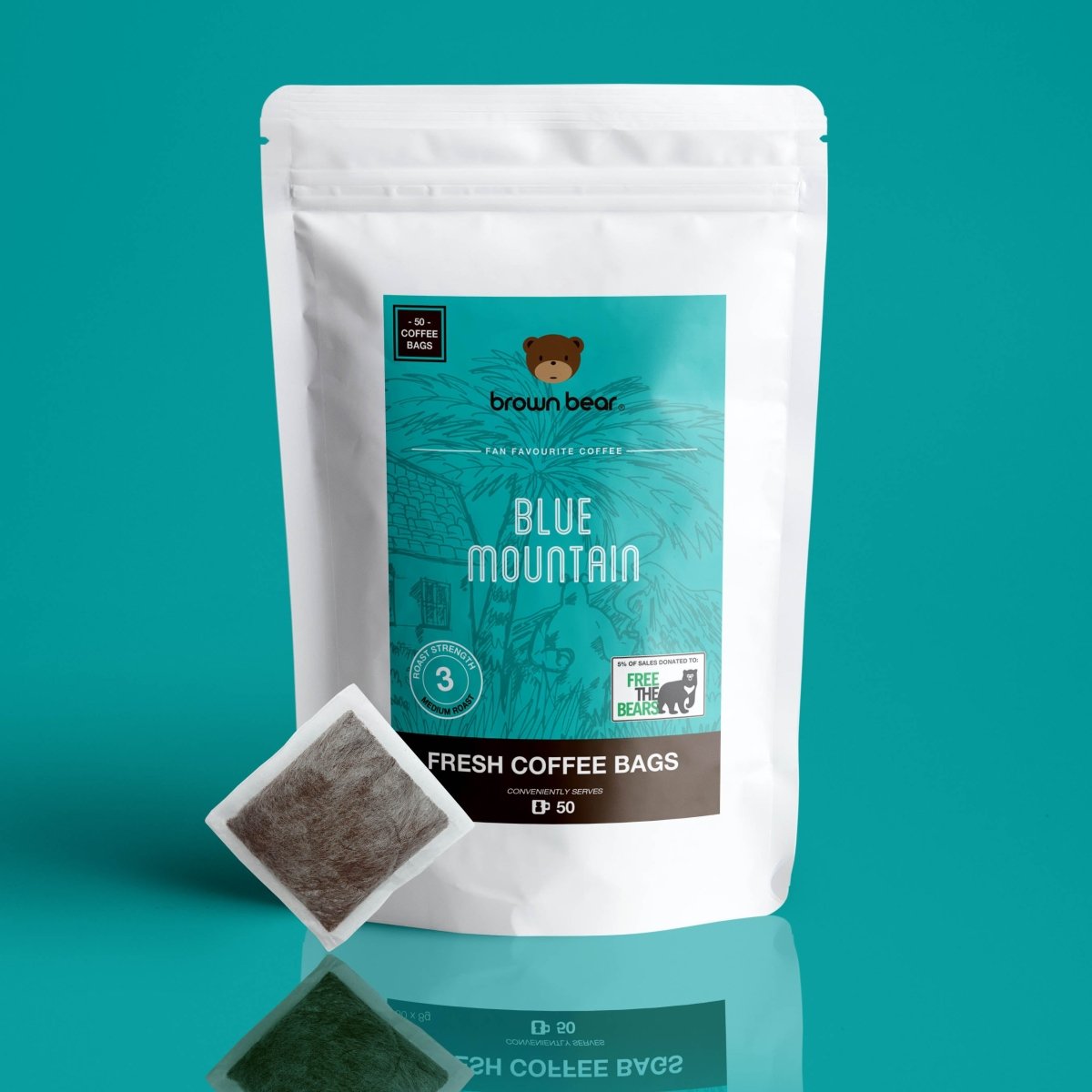
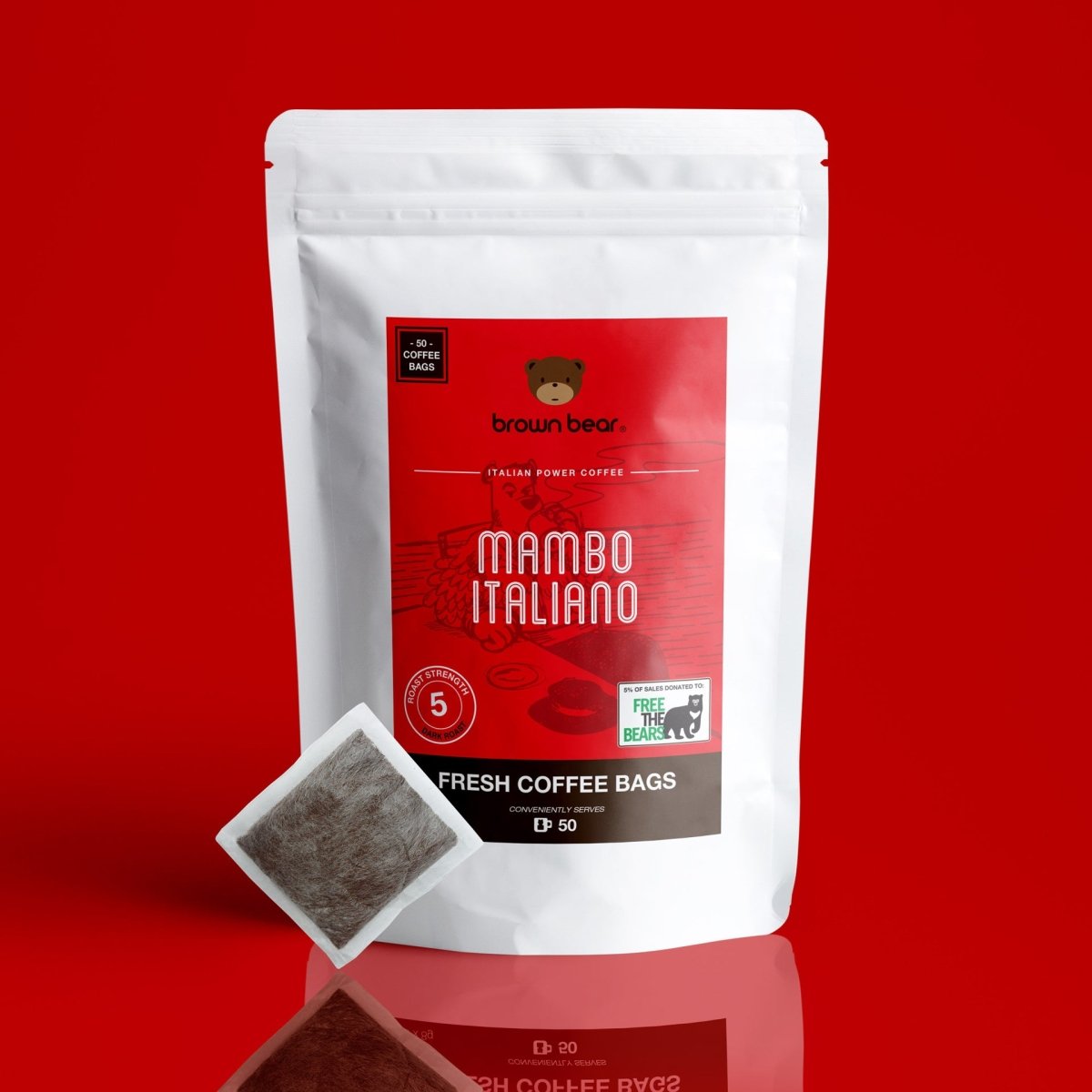
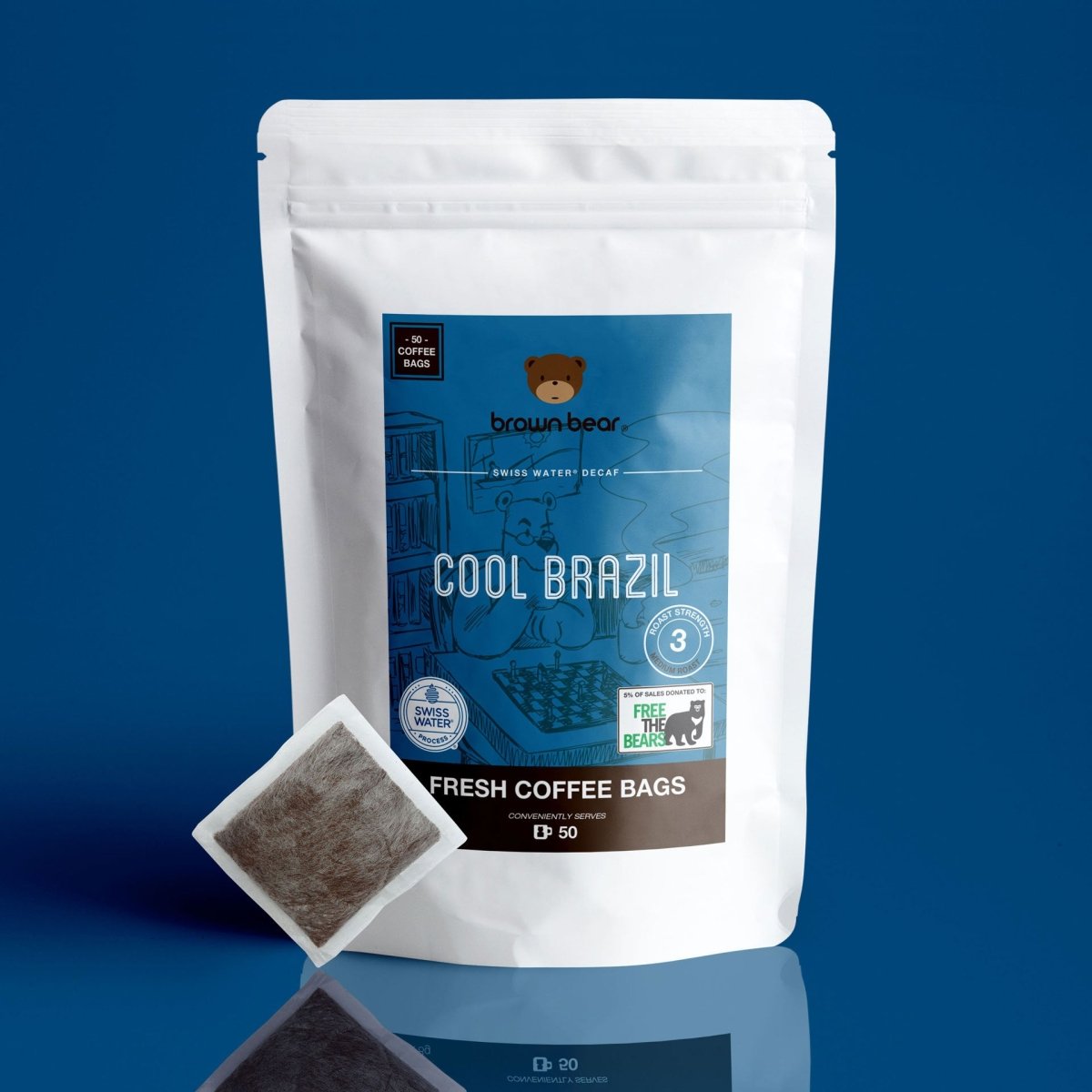
Brown Bear coffee bags make it easy to choose a roast style that suits your usual order, without needing a brewing kit or extra preparation.
Common coffee bag problems, solved
If your coffee tastes weak, first check your mug size. Try 200ml of water, steep for five minutes and make sure the bag was fully submerged. Water that was not hot enough can also leave the coffee under-extracted and thin.
If it tastes bitter, reduce the steep time by 30 seconds to a minute. Do not squeeze the bag, and let the kettle rest briefly after boiling. A smaller adjustment often fixes bitterness without losing the richness you wanted.
If there is sediment in the bottom of your mug, it is usually only fine coffee particles rather than a brewing mistake. Leave the final sip behind if you prefer a perfectly clean finish. If the bag has split, remove it carefully and use a finer mesh strainer next time if one is available.
For iced coffee, brew the bag strong with around 150ml of hot water for four to five minutes, then remove it and pour over plenty of ice. This prevents melting ice from turning the drink watery. Add cold milk, oat drink or a little syrup if that is how you enjoy it.
Make great coffee the easy part of your day
The best coffee bag brew is not necessarily the one made to an exact formula. It is the one that tastes right in your favourite mug, on the sort of morning you are actually having. Begin with four minutes and a sensible mugful, then adjust from there until every bag gives you a cup you look forward to making.

