














A cold brew can taste remarkably smooth, even when it is made with a coffee that would feel bright and punchy as a hot filter brew. But is cold brew less acidic in a way that really matters, or does it simply taste that way? For most drinkers, the answer is yes, cold brew is often less acidic than hot coffee, though the full picture depends on the beans, roast, brew time and how you serve it.
That softer character is one reason cold brew has become a fridge staple. It is easy to pour, easy to enjoy over ice, and often gentler in flavour than a freshly brewed hot coffee. Still, lower acidity does not mean flavour-free. A good cold brew can be chocolatey, nutty, fruity or richly roasted without the sharp edge some people associate with coffee.
Is cold brew less acidic than hot coffee?
Generally, yes. Cold brew is made by steeping coffee grounds in cold or room-temperature water for many hours, usually between 12 and 18. Hot coffee is brewed quickly with much hotter water. Heat extracts compounds from coffee differently, including many of the acids that create a bright, tangy taste.
Because cold water extracts more slowly, cold brew tends to contain fewer of some acidic compounds. Studies have found that cold brew can have a slightly higher pH than hot-brewed coffee, meaning it is less acidic on that particular measure. It may also have lower titratable acidity, a measure that better reflects the total amount of acid present and how acidic a drink feels on the palate.
The useful, everyday version is simple: cold brew commonly tastes smoother and less sharp than hot coffee. If a hot black coffee leaves your mouth feeling dry, tangy or a little harsh, a well-made cold brew may be the more comfortable choice.
Acidity in coffee is not a bad thing
In coffee, acidity is a flavour quality as much as a chemistry term. Think of the crisp lift in a Kenyan coffee, the citrus-like sparkle of some Ethiopian beans, or the gentle berry notes found in a lighter roast. When it is balanced, acidity makes coffee lively rather than sour.
Problems tend to arise when acidity is out of balance for your taste, when coffee has been over-extracted, or when your stomach is particularly sensitive. A coffee can be naturally high in bright flavour notes yet taste delicious and clean. Equally, a very dark roast can be low in perceived acidity but taste bitter if brewed poorly.
Cold brewing changes the balance. It often brings forward deeper flavours such as cocoa, caramel, toasted nuts and dark fruit, while muting some of the citrusy, high-toned notes that show up more clearly in hot brewing. That is why cold brew often suits drinkers who want a mellow cup without moving straight to a very dark roast.
pH versus the taste in your mug
It is tempting to judge all coffee acidity by pH, but your experience of a cup is more complicated. pH measures the concentration of hydrogen ions in a liquid. Titratable acidity measures the total amount of acid that can react, and this often tracks more closely with what tastes sharp or feels irritating.
Then there is perception. Serving temperature, sweetness, milk, ice and concentration all affect how acidic coffee seems. Cold drinks naturally blunt some flavour sensations, so an iced cold brew can seem even smoother than the numbers alone suggest.
What affects how acidic your cold brew will be?
No two cold brews are identical. The brewing method has an influence, but the coffee itself still does plenty of work.
Roast level
Roasting reduces certain acids in coffee. Darker roasts usually have less perceived acidity than light roasts, which is why they often taste fuller, smokier and more chocolate-led. For an especially mellow cold brew, a medium-dark or dark roast is often a reliable place to start.
That said, do not assume you need the darkest coffee available. An ultra-dark roast can make a powerful, intense cold brew, but it may bring more bitterness or roastiness than you want. A balanced medium or medium-dark coffee often gives you sweetness, body and a clean finish without losing all character.
Origin and processing
Coffee origin can shape acidity before the beans ever meet your brewer. Coffees from Kenya and Ethiopia are often known for brighter fruit notes, while Brazil and Peru frequently offer a rounder, chocolatey or nutty profile. These are broad patterns, not fixed rules, but they are useful when choosing a bag.
Processing matters too. A naturally processed coffee may taste sweeter and more fruit-forward, while a washed coffee can taste cleaner and more defined. In cold brew, those differences can still show up, just in a quieter way than they might in a hot pour-over.
Grind, time and ratio
A coarse grind is the usual choice for cold brew. It helps create a clean, easy-drinking result and makes filtering simpler. Grinding too fine can lead to a muddy brew that tastes woody or bitter, even if it is not especially acidic.
Longer steeping does not automatically mean better coffee. Leaving grounds in water for too long can pull out dull, drying flavours. Start around 14 to 16 hours in the fridge, then adjust based on taste. If your cold brew feels thin, try a slightly higher coffee-to-water ratio before extending the brew time.
A concentrate also needs attention. Many cold brew recipes make a strong concentrate designed to be diluted with water, milk or ice. Drinking it neat may feel heavy or intense, and can make it harder to judge its true flavour. Dilute gradually until it tastes balanced to you.
Is cold brew better for a sensitive stomach?
It can be, but it is not a guaranteed fix. If you find hot coffee uncomfortable because it tastes acidic or seems to trigger indigestion, cold brew may be worth trying. Its lower perceived acidity and smooth texture can make it easier to enjoy.
However, coffee can affect digestion for reasons beyond acidity. Caffeine may be a factor, as can the total amount you drink, whether you have eaten, and your individual sensitivity. Cold brew can be highly caffeinated, especially when made as a concentrate, so a gentler-tasting cup is not always a gentler dose of caffeine.
If you are managing reflux, gastritis or another ongoing health concern, it is sensible to follow advice from a healthcare professional rather than relying on brewing method alone. For everyday trial and error, begin with a small, diluted serving and see how you feel.
How to choose a smoother cold brew
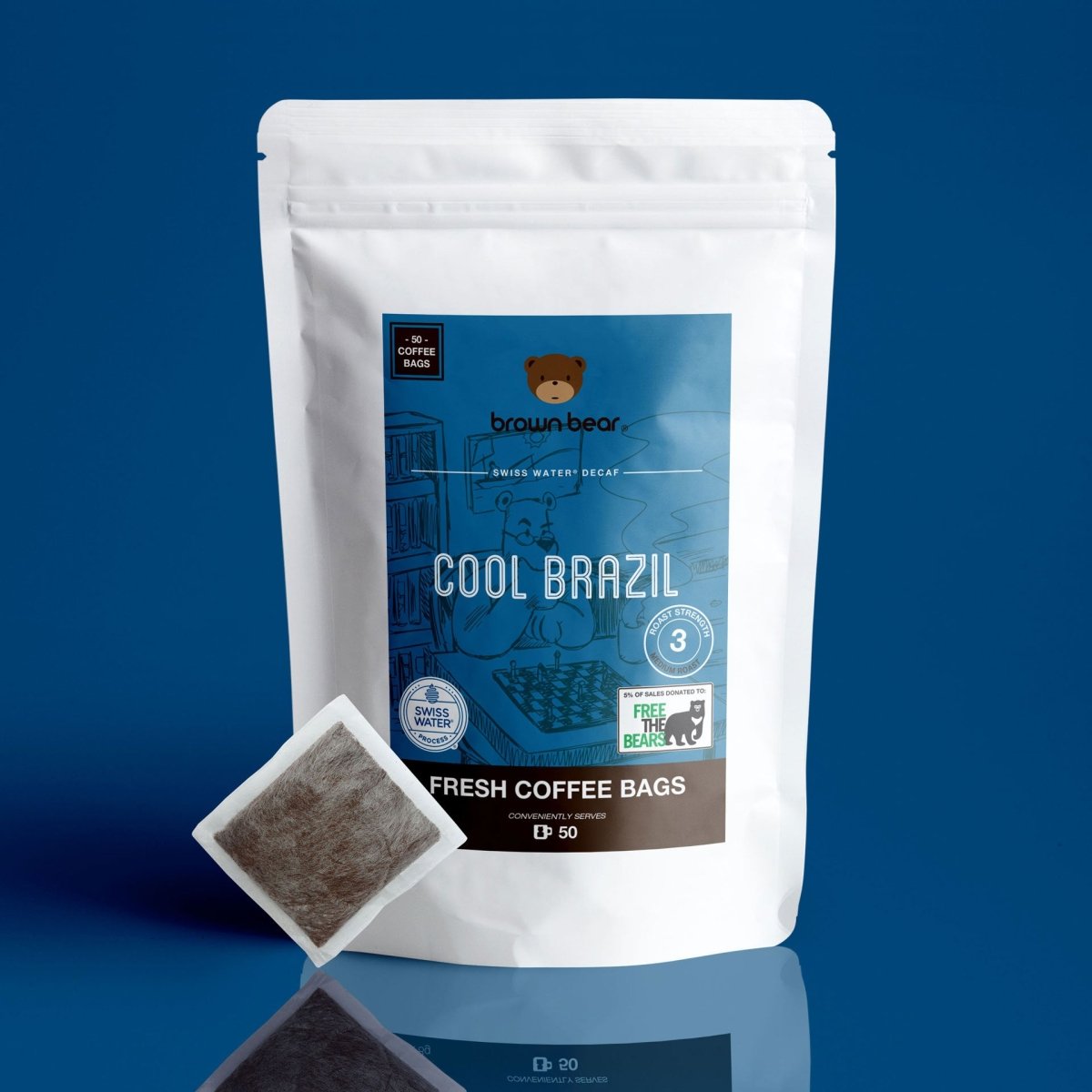
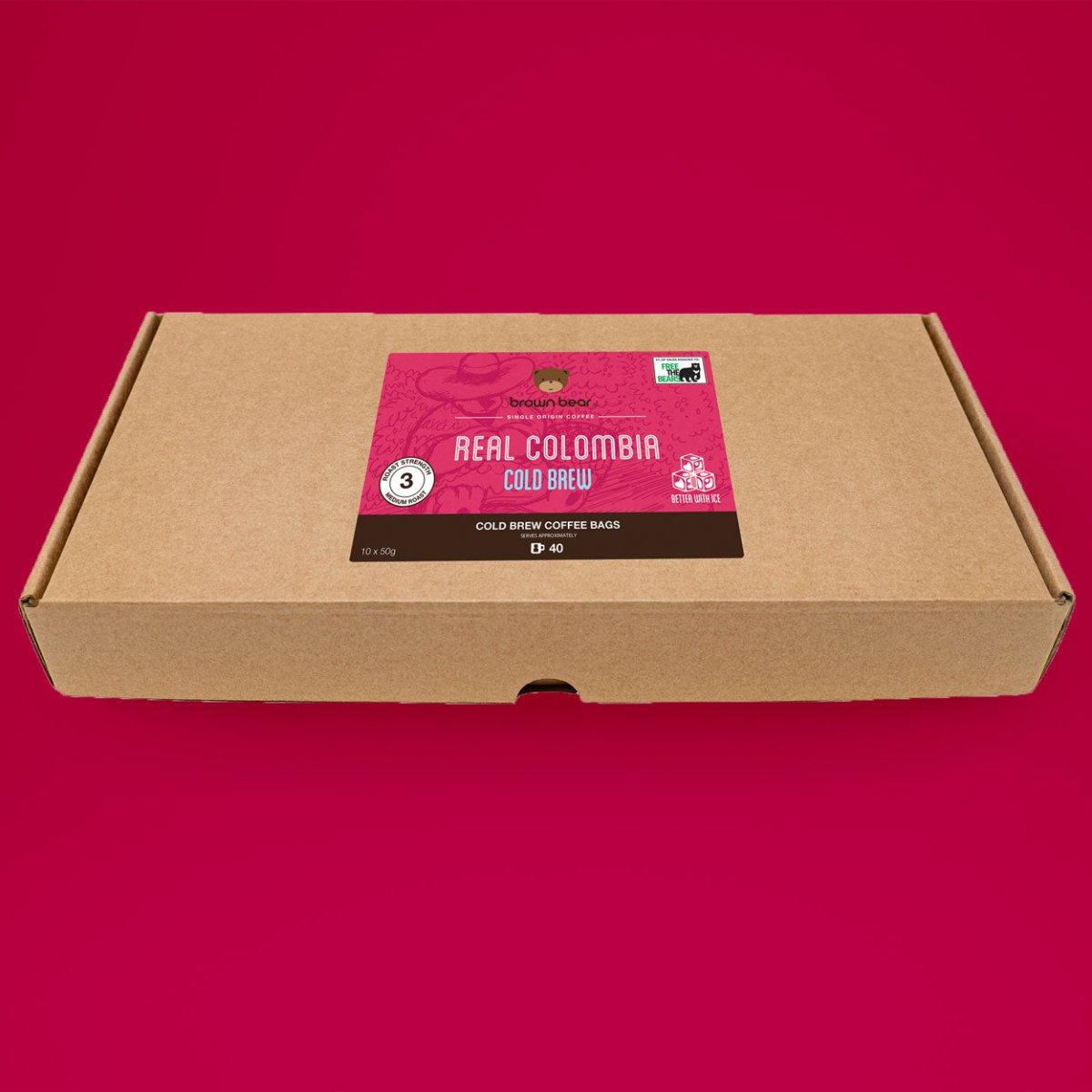
For a lower-acid-feeling cup, look first for a coffee described with chocolate, caramel, nut, malt or brown sugar notes. Medium-dark and dark roasts are dependable options, particularly if you usually take your coffee with milk. A naturally sweet Brazilian-style profile can be excellent over ice, while a balanced Colombian coffee can offer a little more fruit without becoming too sharp.
Freshness matters as well. Stale coffee can taste flat, papery or harsh, which is not the same as bright acidity. Buy coffee in an amount you can get through while it is tasting its best, store it sealed away from heat and light, and grind just before brewing if you have whole beans.
For a straightforward home method, combine coarsely ground coffee and cold water, steep in the fridge, then filter carefully. Serve over plenty of ice and dilute to taste. A splash of milk can soften the profile further, while a little oat milk often adds natural sweetness and body.
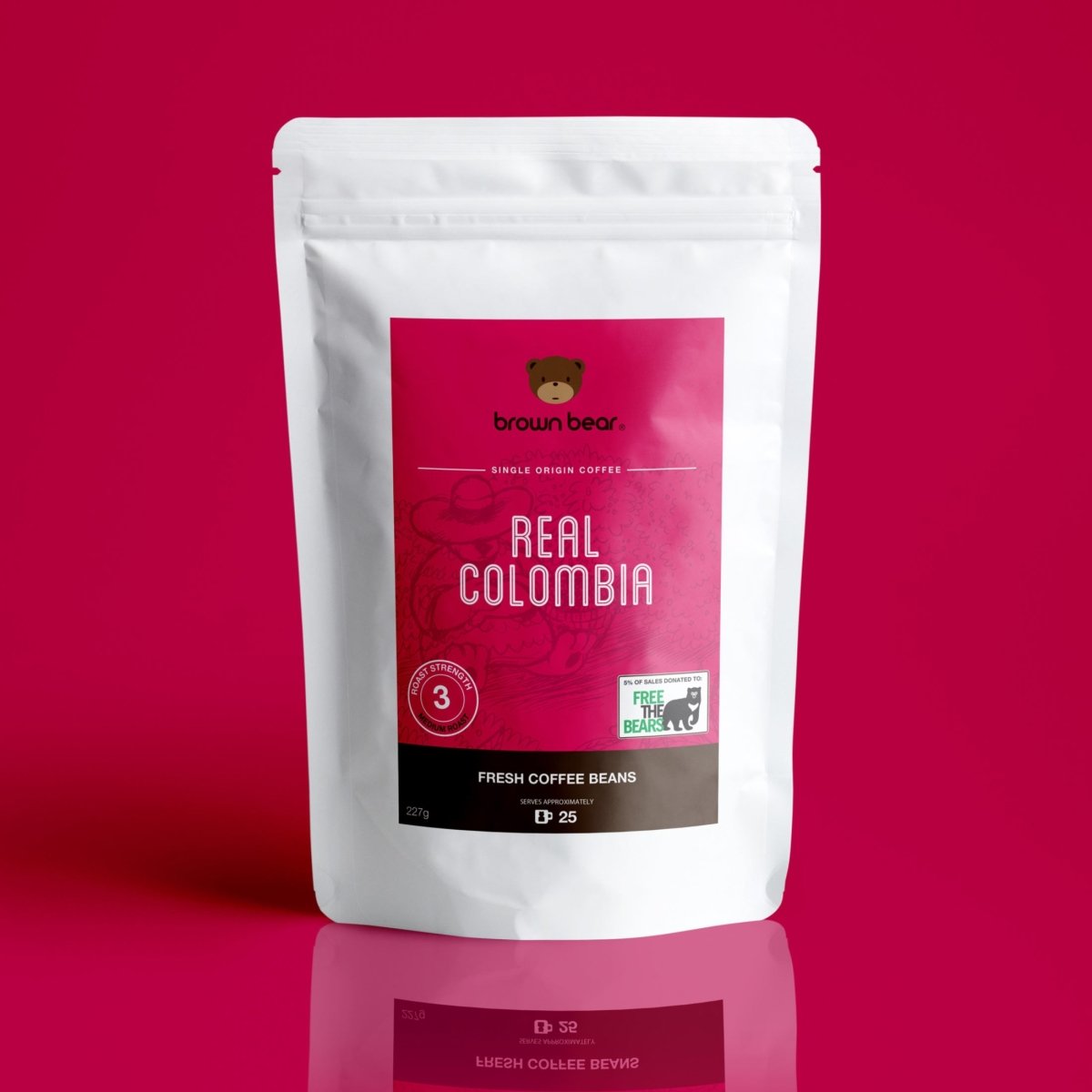
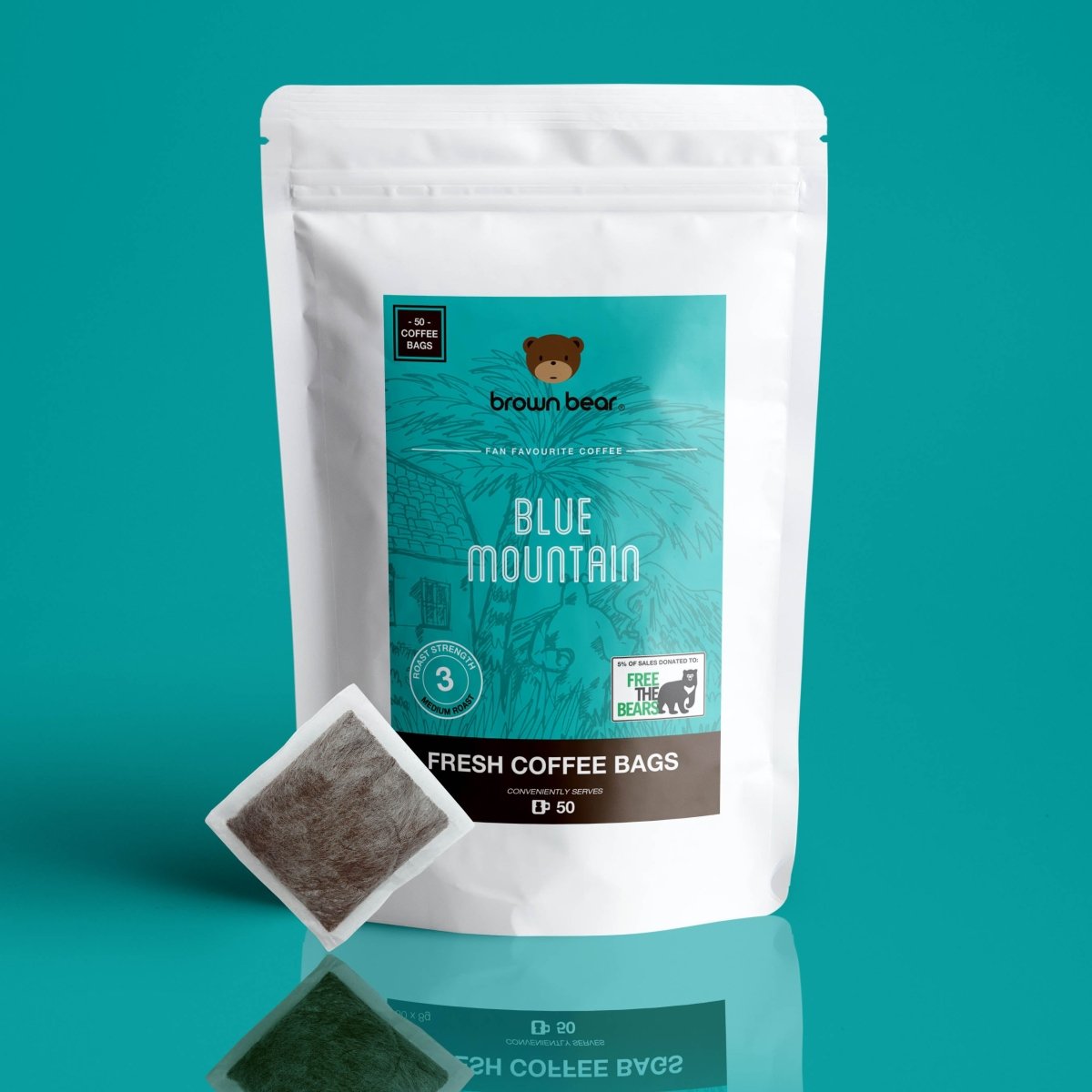
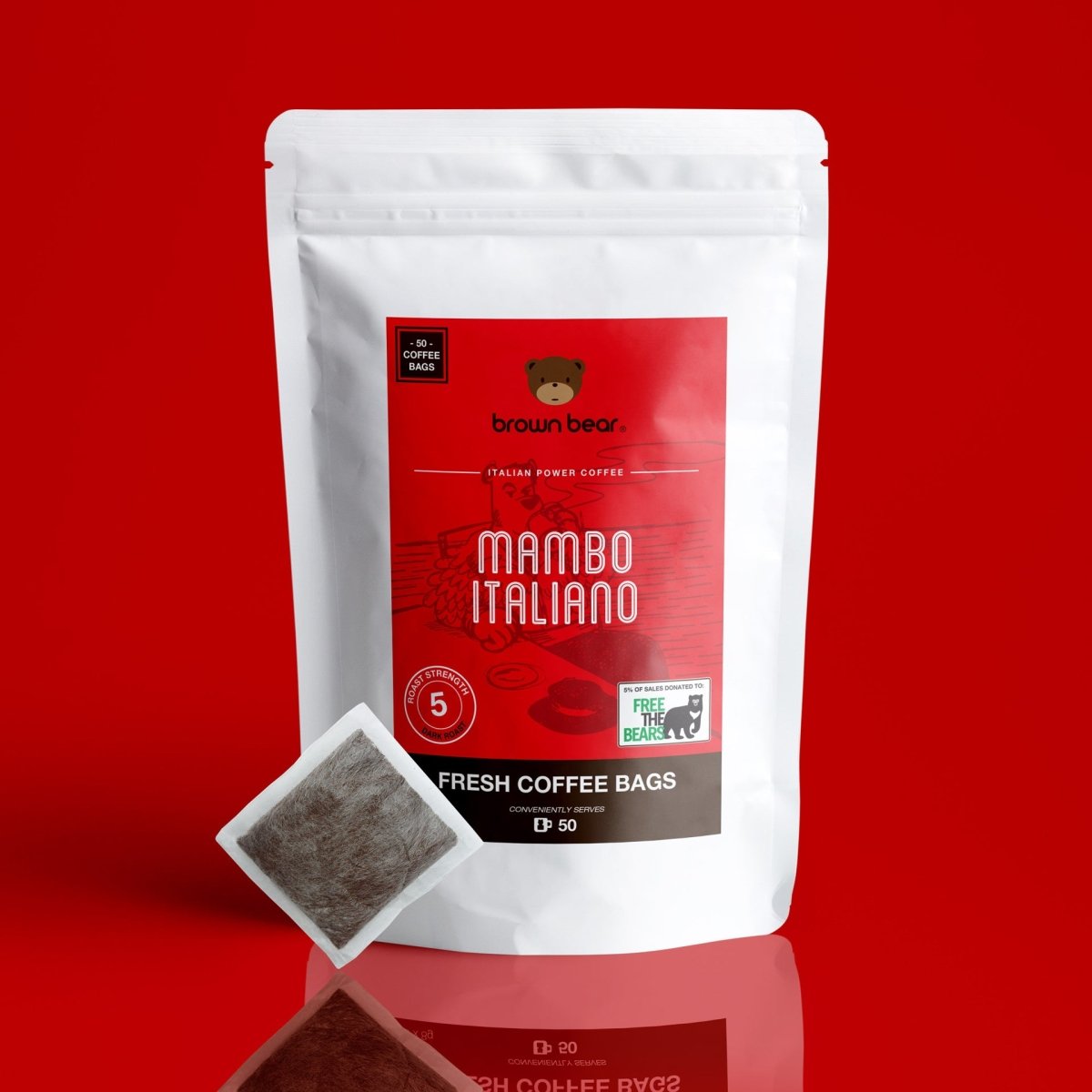
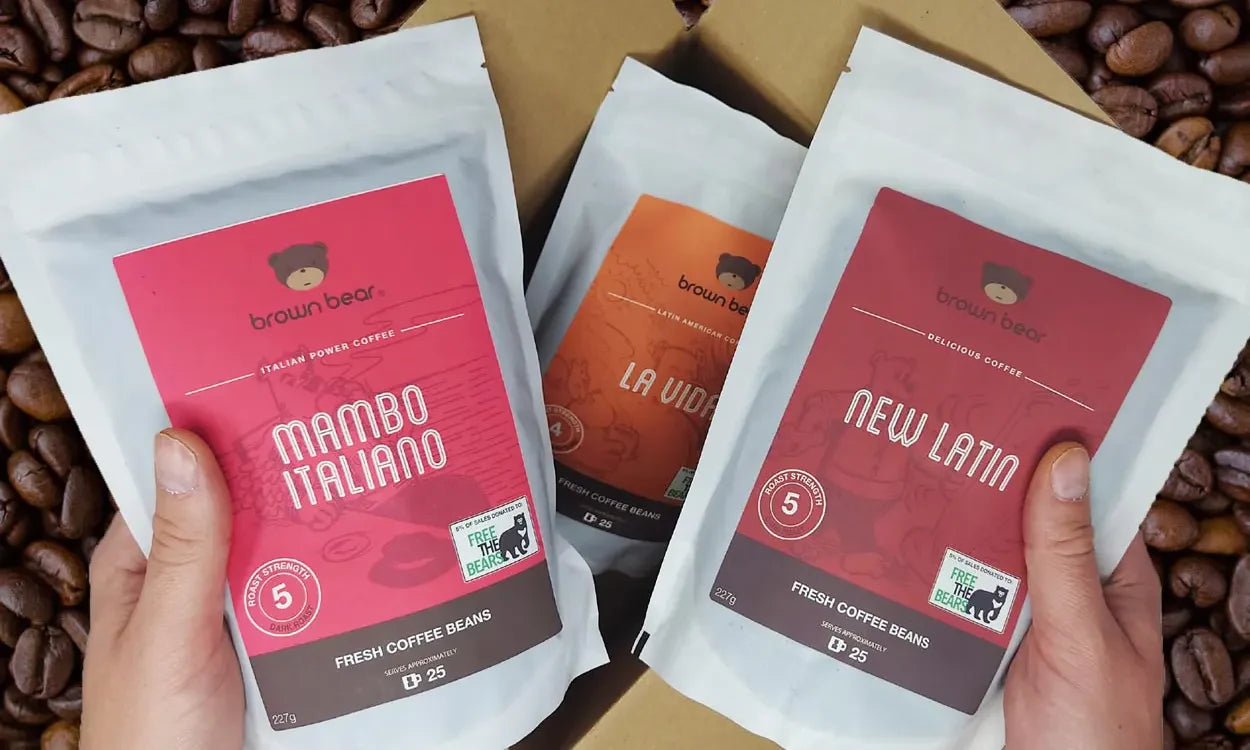
At Brown Bear, choosing by roast level and flavour style makes this easier: start with a medium-dark or dark coffee for a dependable, smooth cold brew, then experiment when you feel like a brighter cup.
The best answer is in the brew you enjoy
Cold brew is usually less acidic than hot coffee, particularly in the way it tastes and feels in the cup. But it is not automatically mild in every sense. Bean choice, roast level, brew strength and caffeine all shape the final result.
If bright hot coffee is not your thing, make a small batch with a medium-dark coffee, steep it for around 15 hours and dilute it before serving. You may find that the easiest way to make coffee feel better in your daily routine is simply to let it brew a little more slowly.

