

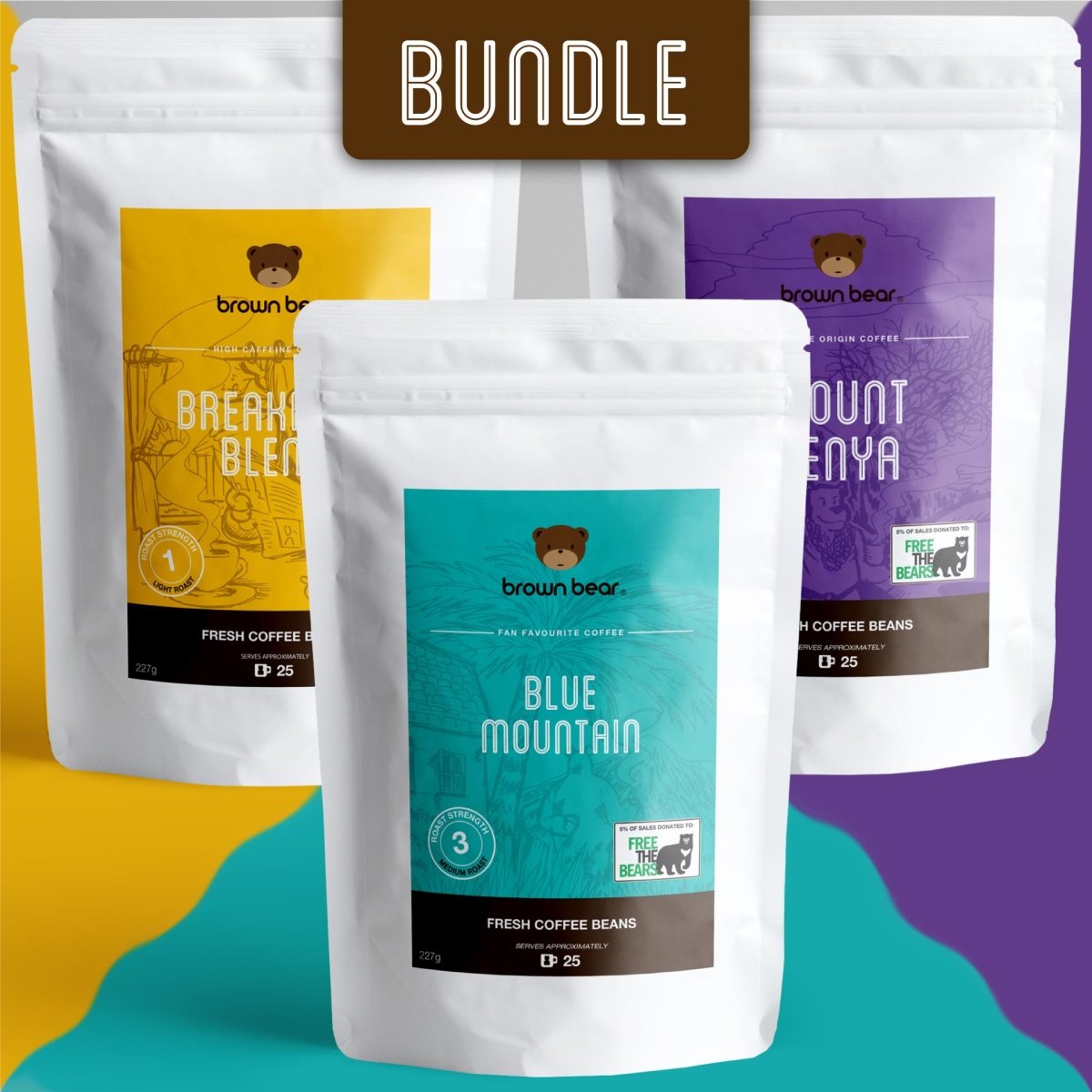
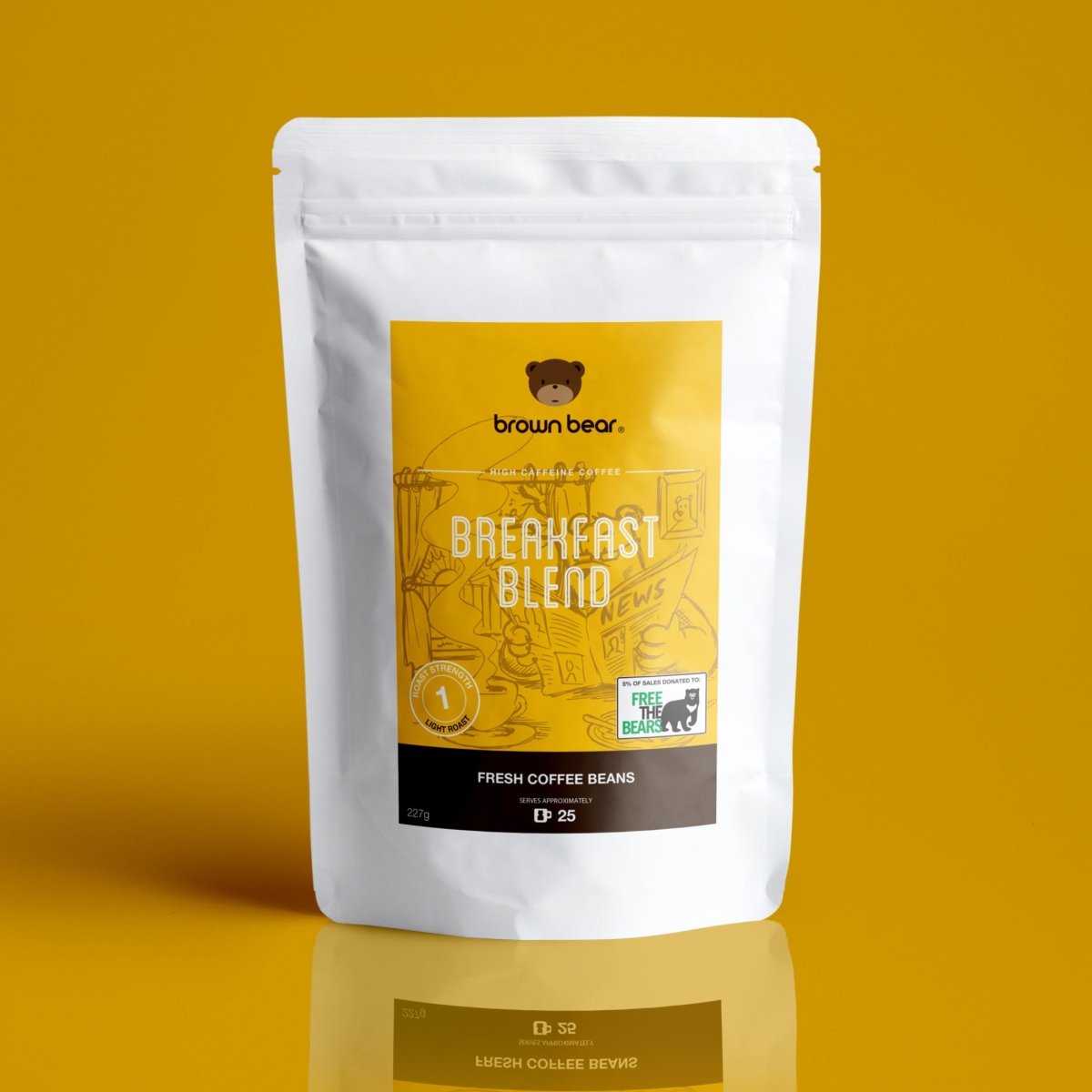
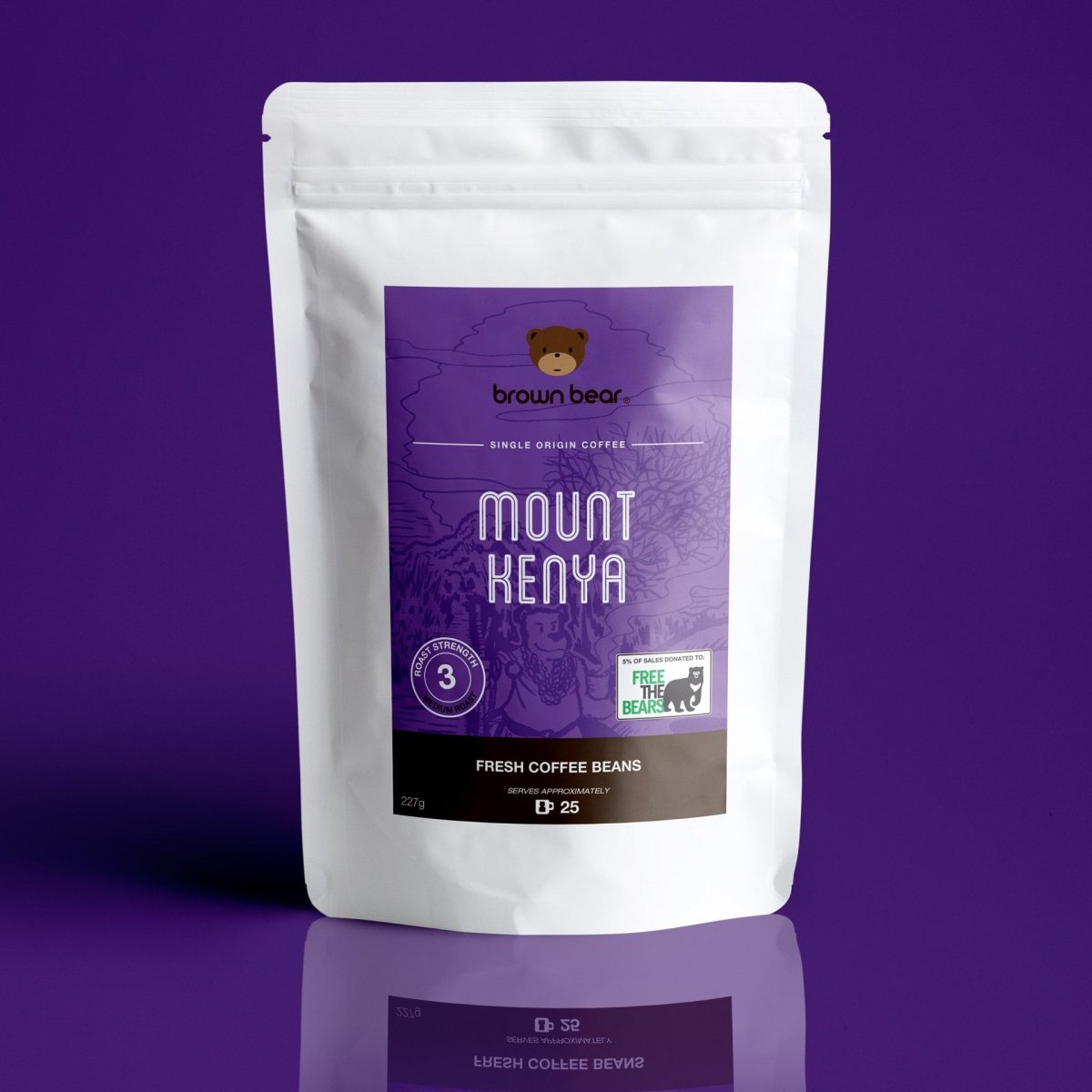
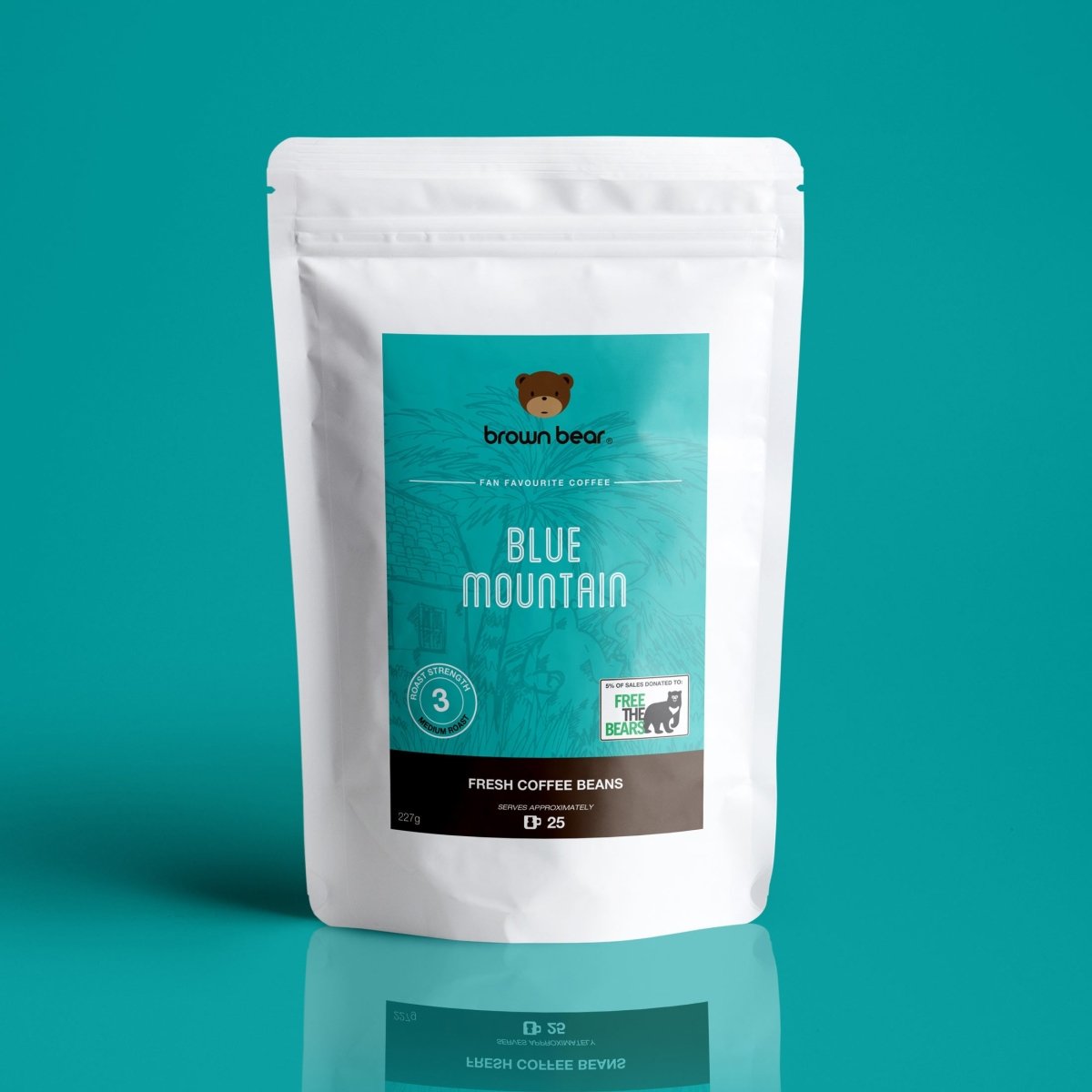




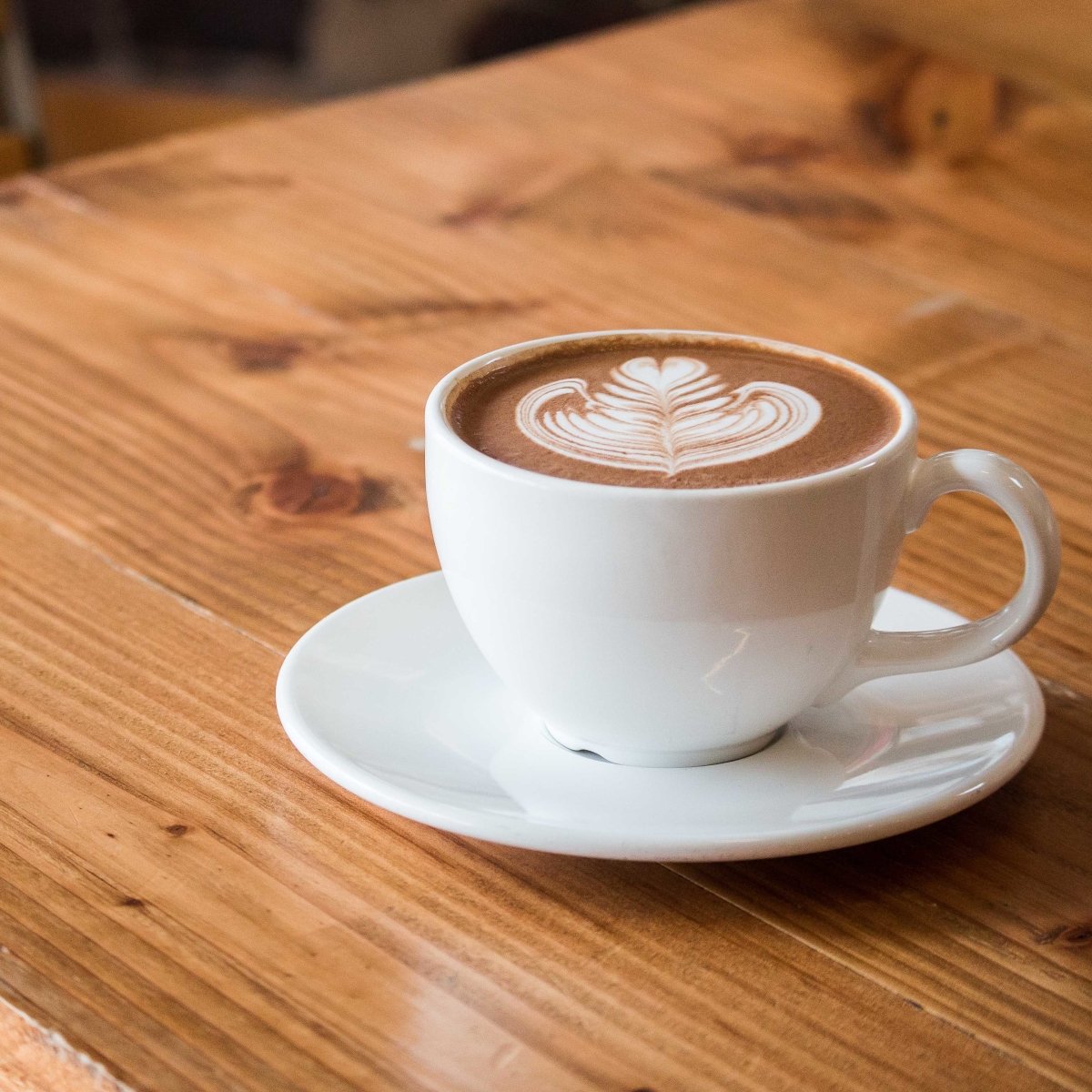

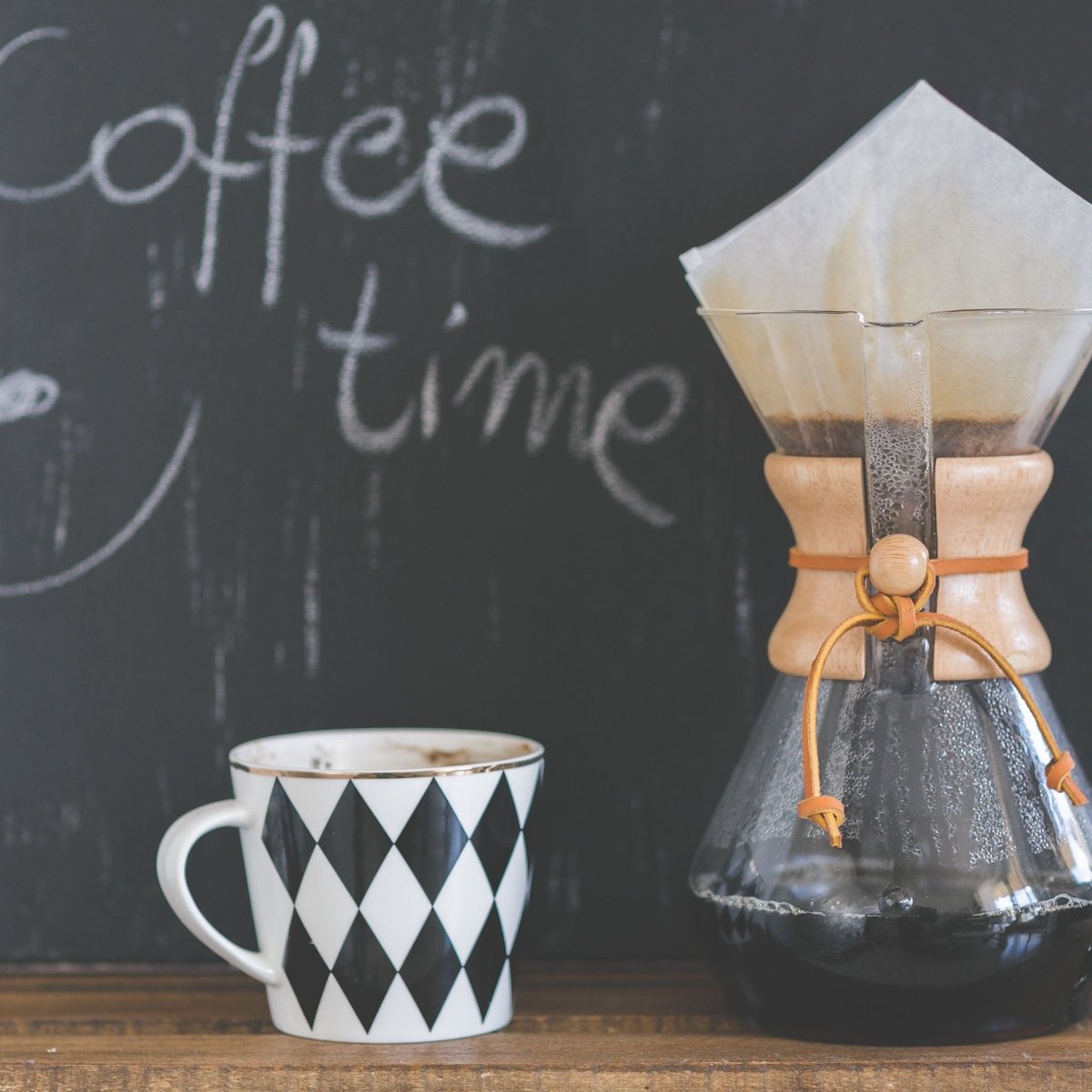



That first mug of the day has a job to do. It needs to taste good, work with the way you brew, and be dependable enough that you are happy to make it again tomorrow. So, is speciality coffee worth it when supermarket shelves are full of cheaper options? For many everyday drinkers, yes - but not because coffee needs to become a complicated hobby.
Speciality coffee can mean a clearer, fresher and more enjoyable cup. It can also mean knowing more about where your coffee came from and buying from a supply chain that gives quality and responsible sourcing proper attention. The value is most obvious when you choose a coffee that suits your taste and make it in a way that gets the best from it.
What are you paying for with speciality coffee?
Speciality coffee is not simply coffee in a smarter-looking bag. It begins with the beans themselves. Coffee is carefully grown, picked, processed and graded, with an emphasis on beans that are free from major defects and capable of producing distinct, balanced flavours. That work takes skill at every stage, from the farm through to roasting.
The difference is often easy to notice. A good coffee may taste chocolatey and nutty, sweet and caramel-like, or bright with fruit notes, depending on its origin and roast. Rather than tasting mainly bitter or burnt, it has more character. You do not need to identify every note on the bag to enjoy that. You only need a cup that tastes clean, satisfying and pleasantly like coffee.
Freshness matters too. Coffee starts to lose its most lively aromas after roasting, particularly once it is ground. Buying coffee roasted with care and using it while it is fresh can bring more flavour to an ordinary weekday brew. That is a practical benefit, not coffee theatre.
There is also the matter of traceability. Speciality coffee retailers are more likely to share origin information, such as whether a coffee comes from Colombia, Kenya, Brazil or Ethiopia. Origin is not a guarantee that you will love every bag, but it gives you a useful clue about flavour and lets you buy with more confidence.
Is speciality coffee worth it for your routine?
It depends on what coffee means in your household. If you drink one rushed cup a week, prefer it heavily sweetened, or mainly use coffee in baking, the price difference may be harder to justify. A good everyday blend or a well-chosen dark roast can still serve you perfectly well without chasing the finest details.
But if coffee is part of your morning ritual, your work-from-home set-up, or the welcome break between jobs, a better bag can make a noticeable difference. Spread across the cups it makes, the upgrade is often less dramatic than it first appears. A bag that costs more but delivers consistently enjoyable coffee can be better value than a cheaper one that sits in the cupboard because nobody wants a second cup.
Think about the cost per brew, rather than the price on the shelf alone. A 250g bag will usually make roughly 14 to 18 cups, depending on how strong you like it. The extra cost may work out at pennies per mug - especially compared with buying coffee out. For people who regularly pick up a takeaway flat white, making a quality coffee at home can be one of the easier ways to improve the daily routine without spending more overall.
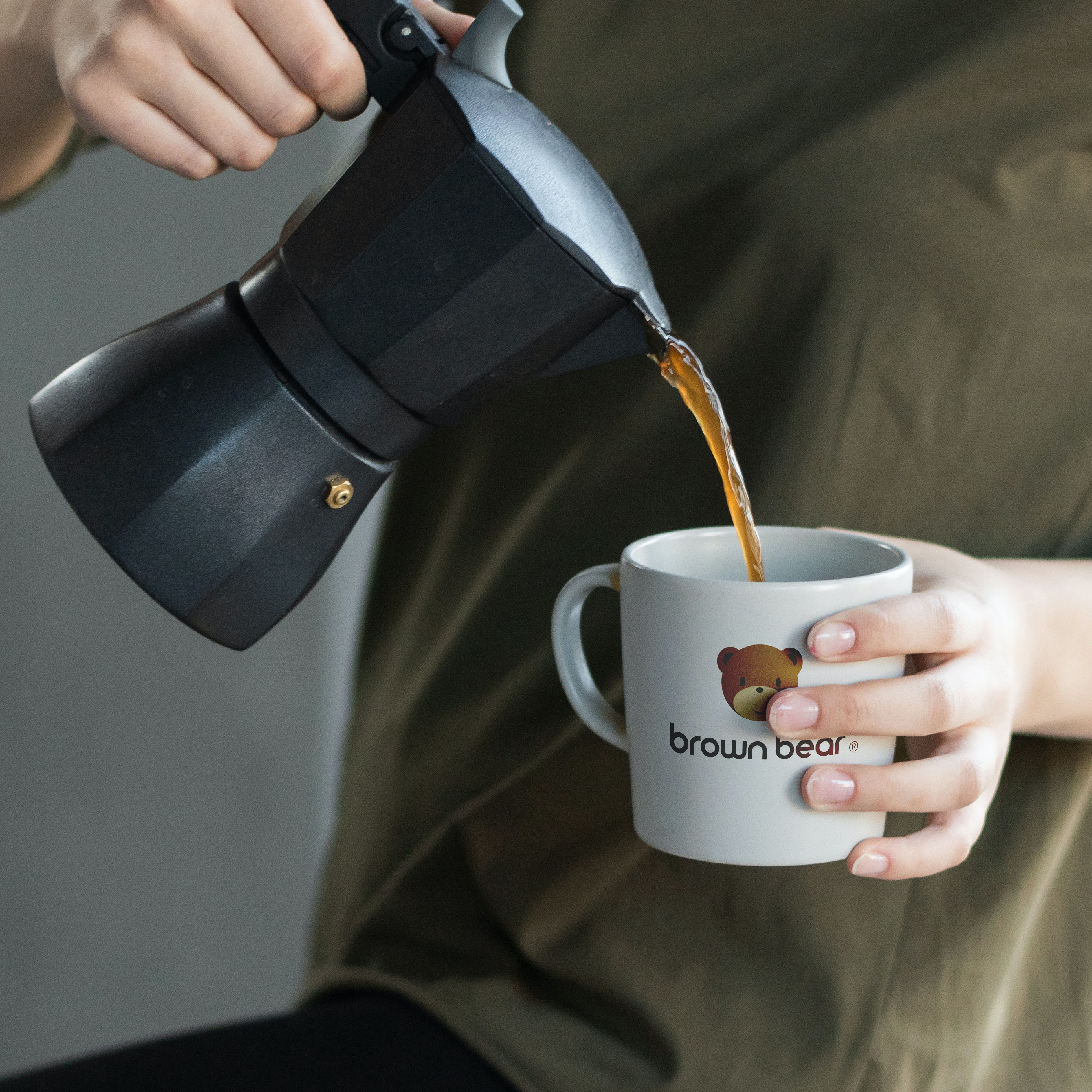
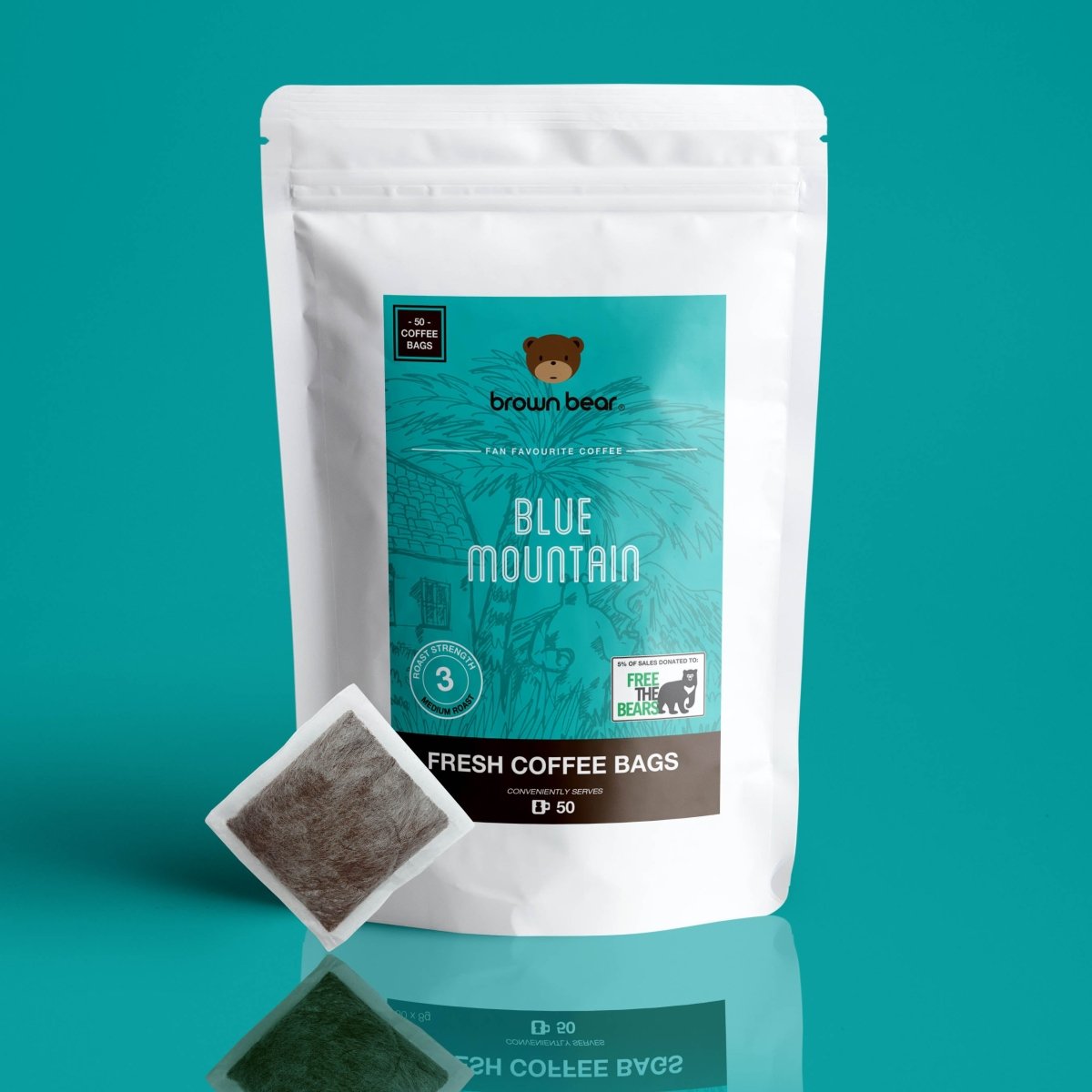
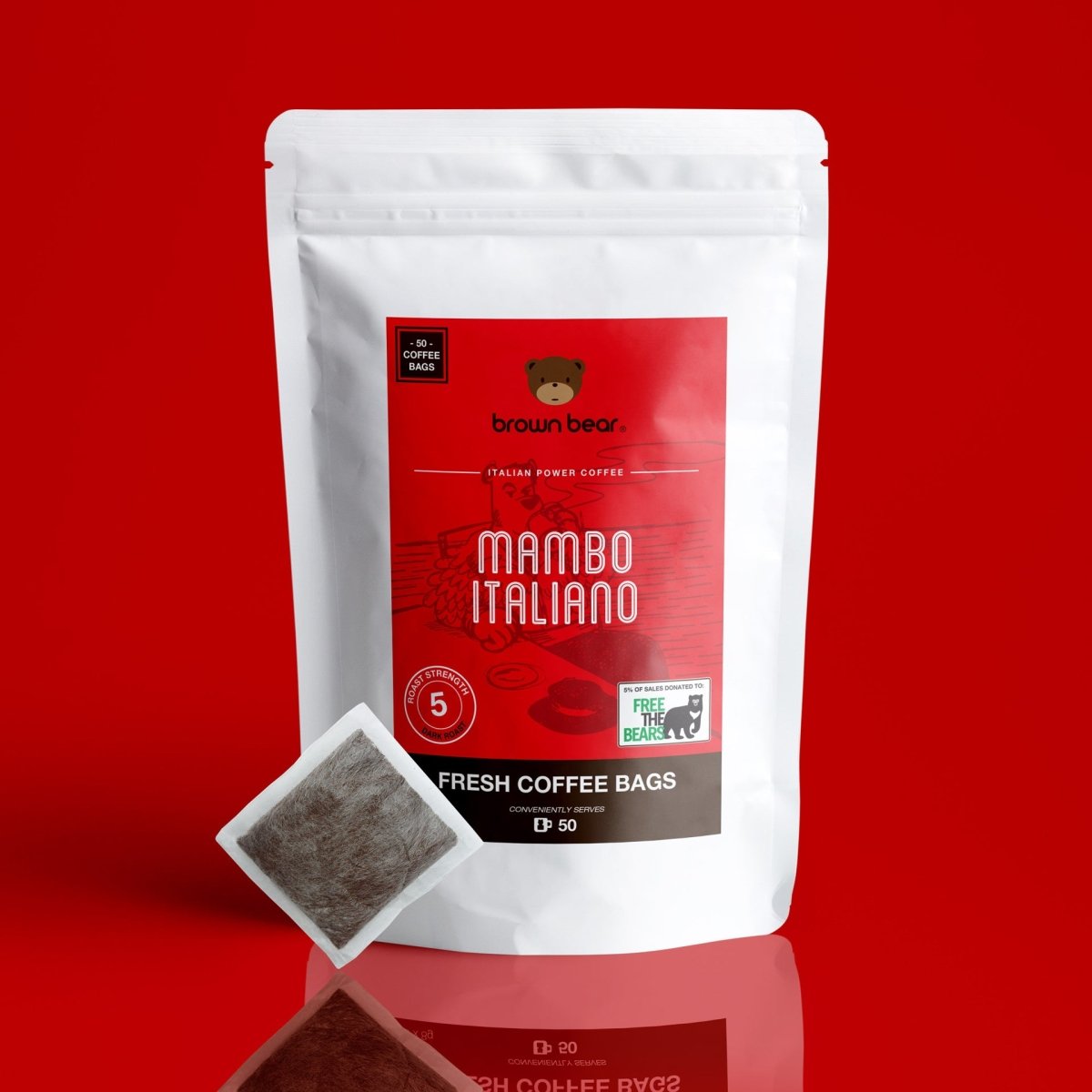
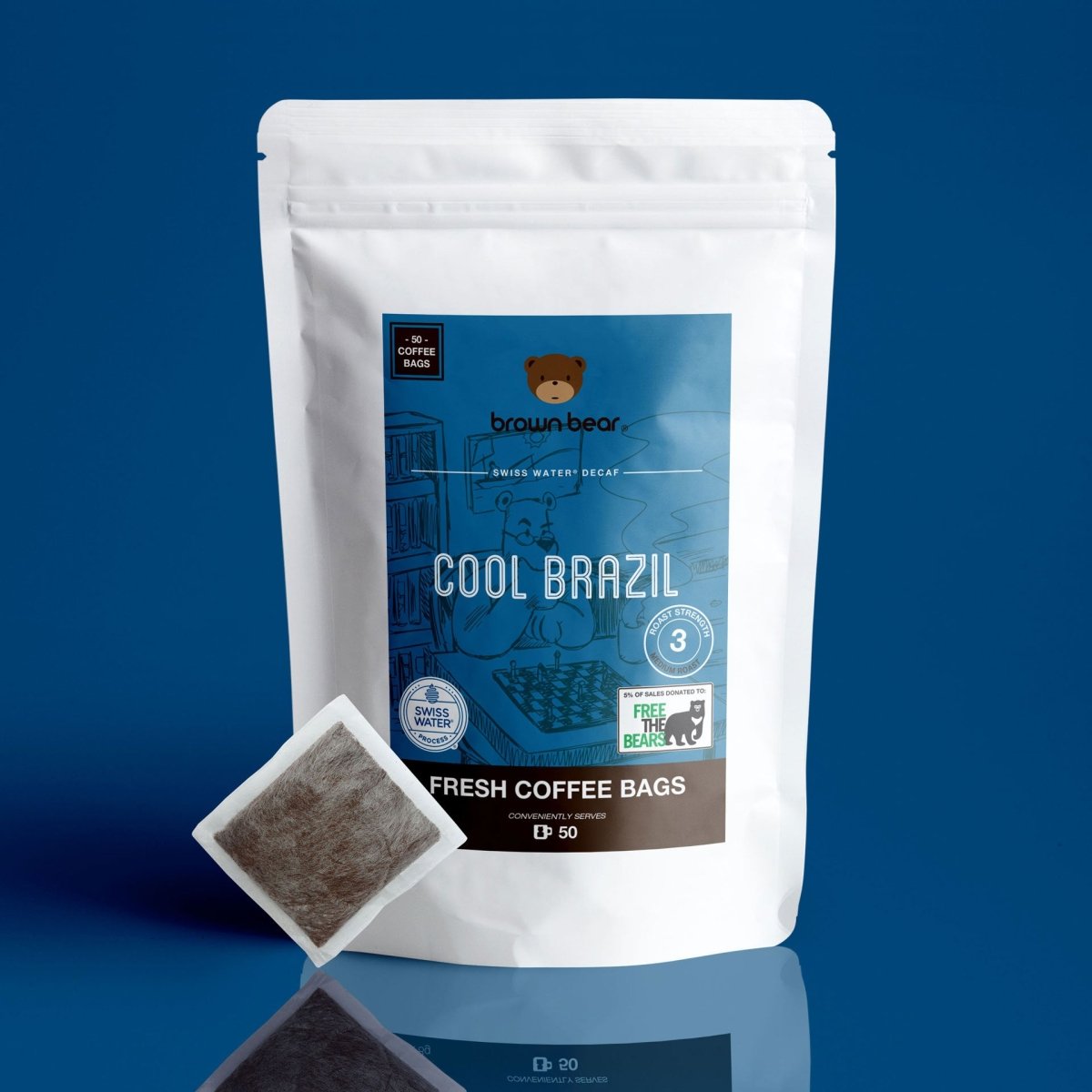
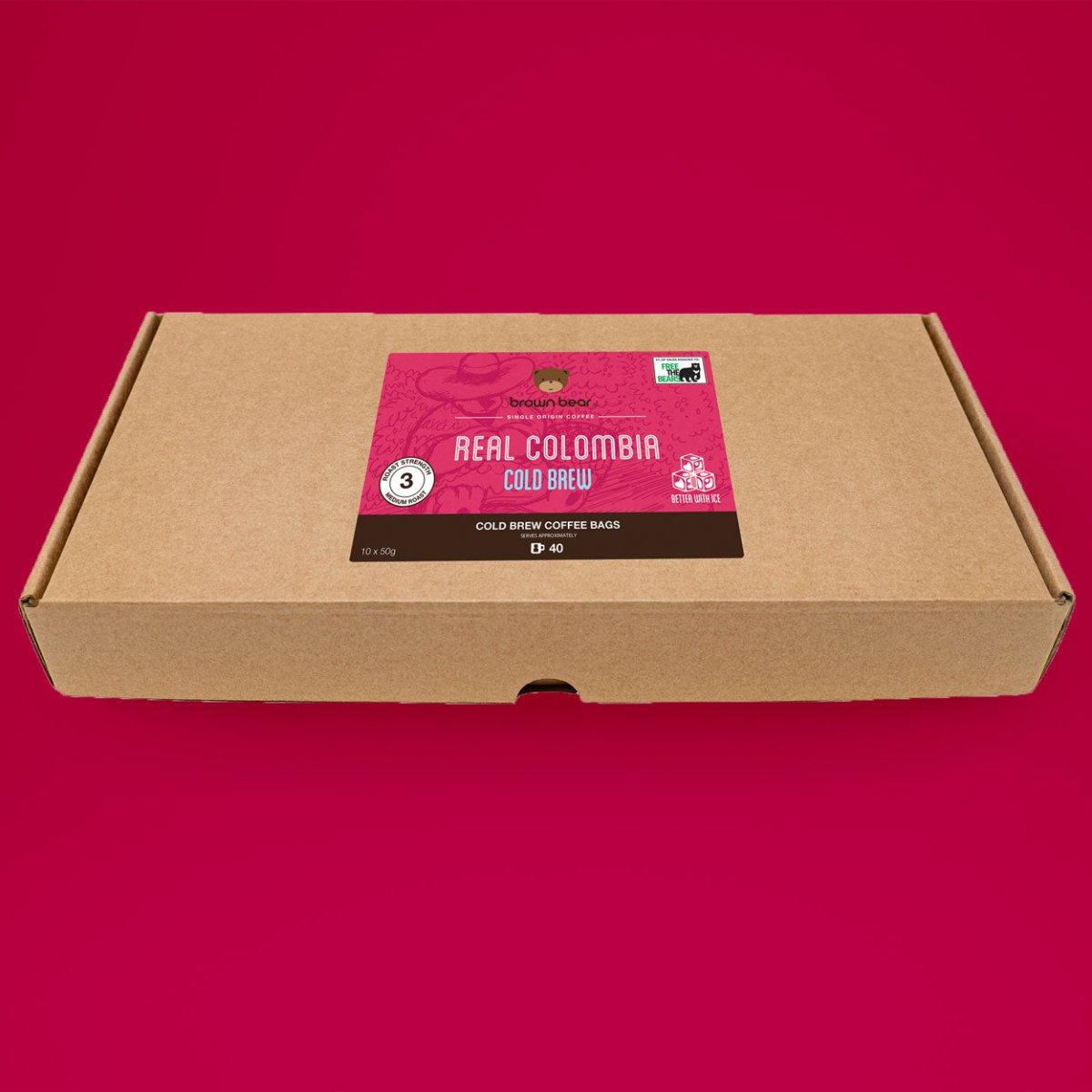
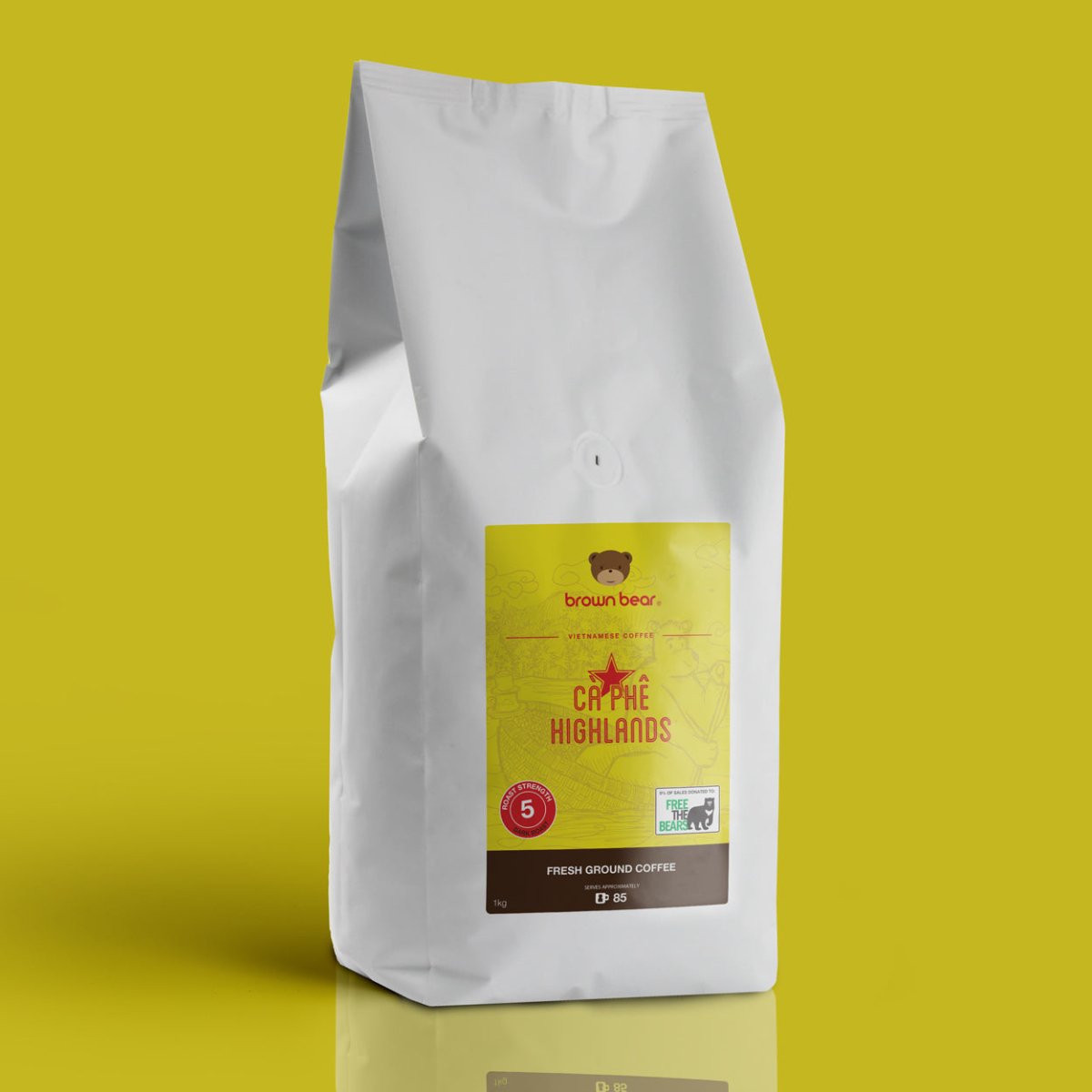
Convenience counts as well. Speciality coffee does not demand a grinder, scales and a shelf full of equipment. Whole beans offer the best flexibility if you have a grinder, but ground coffee is a sensible choice for cafetières, filter machines and moka pots. Coffee bags make a straightforward cup when you are short on time, at work or away for the weekend. Cold brew is ideal when you want a smooth, chilled option ready in the fridge.
The roast matters more than coffee jargon
The quickest way to get value from speciality coffee is to buy for your taste, not for somebody else's tasting notes. Roast level gives you a simple starting point.
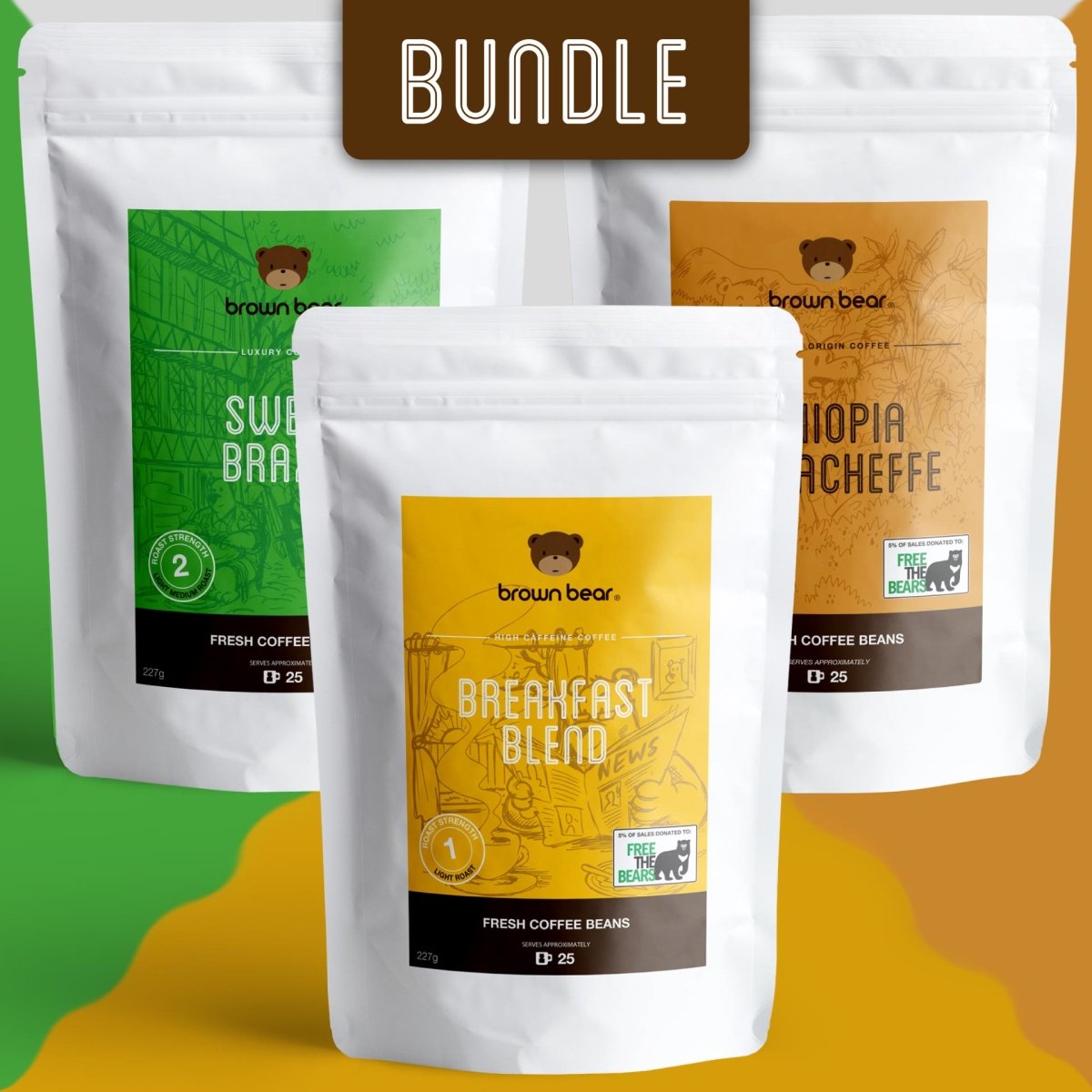
Light roasts often show more of the bean's original character. You may notice fruitier, floral or citrus-like flavours, particularly in coffees from places such as Ethiopia or Kenya. They can be brilliant as filter coffee, but their brightness is not for everyone first thing in the morning.
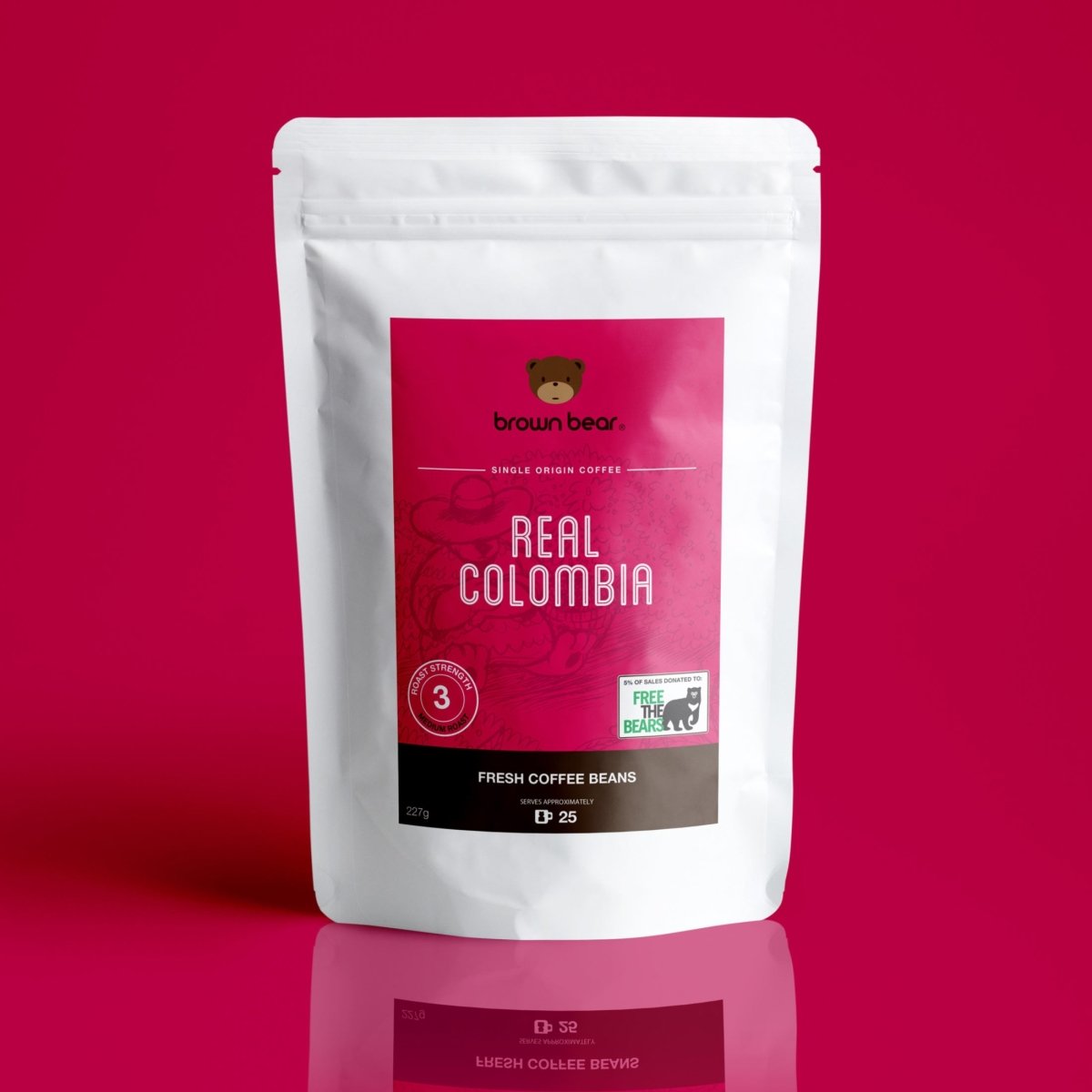
Medium roasts sit comfortably in the middle, offering sweetness, balance and an easy-going cup. They suit a wide range of brewing methods and work well for households where not everyone drinks coffee in exactly the same way. Colombian, Guatemalan and Peruvian coffees can be particularly appealing here, with familiar notes of chocolate, caramel, nuts and gentle fruit.
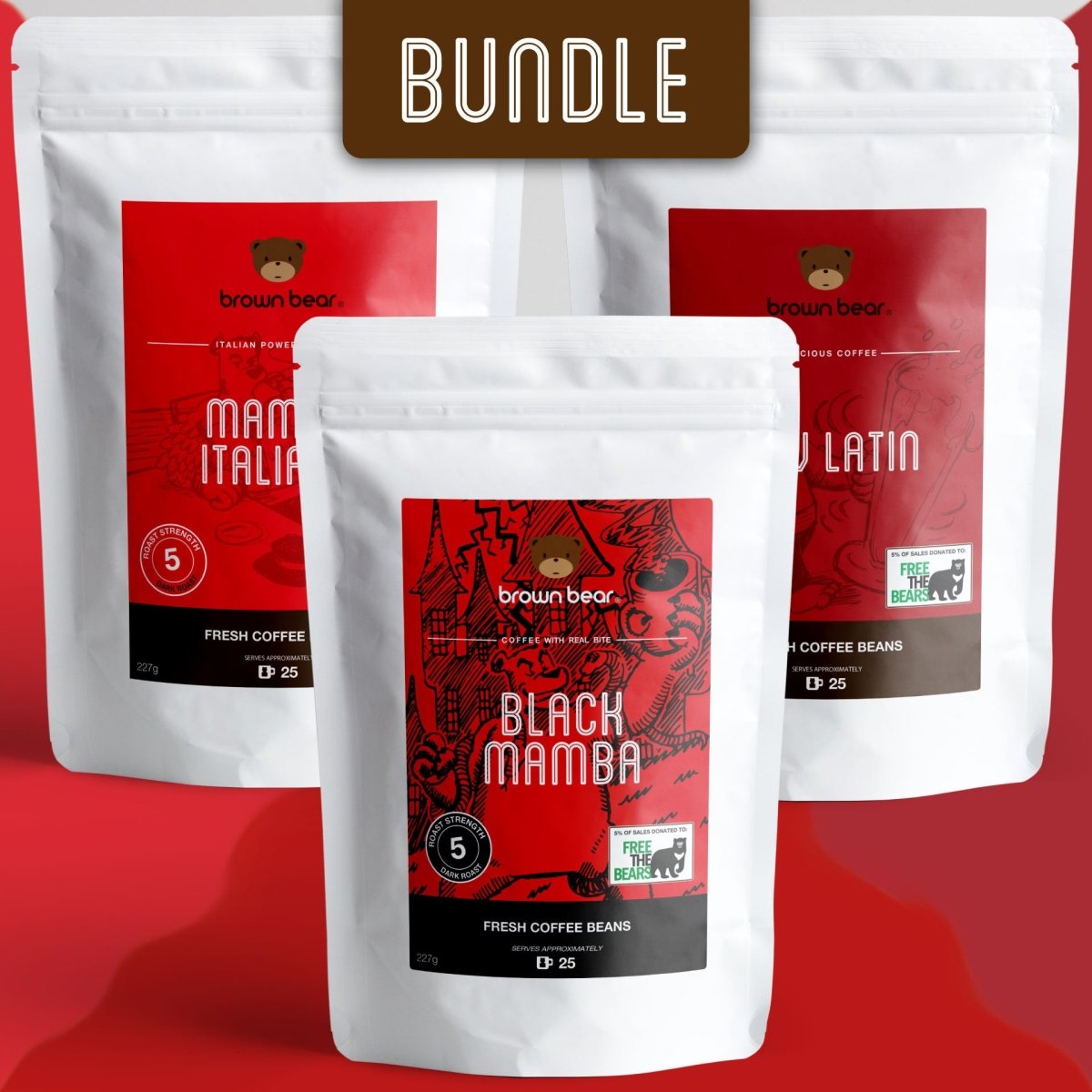
Dark and ultra-dark roasts are for drinkers who want a fuller, more powerful flavour. Expect deeper chocolate, toasted nut and roast-led notes with lower perceived acidity. They are a strong choice for espresso-style brewing, cafetières and anyone adding milk. Dark coffee is not a lesser choice than light coffee. It is simply a different flavour preference, and a properly roasted dark coffee can be rich and satisfying without tasting ashy.
How to make the extra spend pay off
A great bag cannot fix stale water, an unwashed cafetière or a brew left sitting for half an hour. Fortunately, getting better results usually comes down to a few uncomplicated habits.
Buy the format you will genuinely use. Choose whole beans if you will grind just before brewing; otherwise, select the right ground option and keep it sealed. Store coffee in a cool, dry cupboard, away from direct sunlight and strong-smelling foods. There is rarely a need to keep it in the fridge or freezer once a bag is open.
Use fresh water and avoid boiling it furiously onto your coffee. Let a freshly boiled kettle settle briefly before brewing. If your cup tastes weak, use a little more coffee before extending the brew time. If it tastes harsh, try a slightly coarser grind, a shorter brew, or less coffee. Small changes make more difference than expensive gadgets.
It also helps to match the coffee to the drink. A bright light roast may shine black through a filter brewer but feel lost under lots of milk. A bolder medium-dark or dark roast can hold its own in a latte or cafetière. There is no prize for drinking coffee black if milk is how you enjoy it.
Quality, ethics and the bigger picture
For plenty of buyers, the answer is not only in the flavour. Paying more for coffee can support a model that takes farming, sourcing and quality seriously. Coffee is an agricultural product grown by people in places with changing weather, rising costs and real economic pressures. Better sourcing does not solve every problem in coffee, but it is a meaningful part of choosing where your money goes.
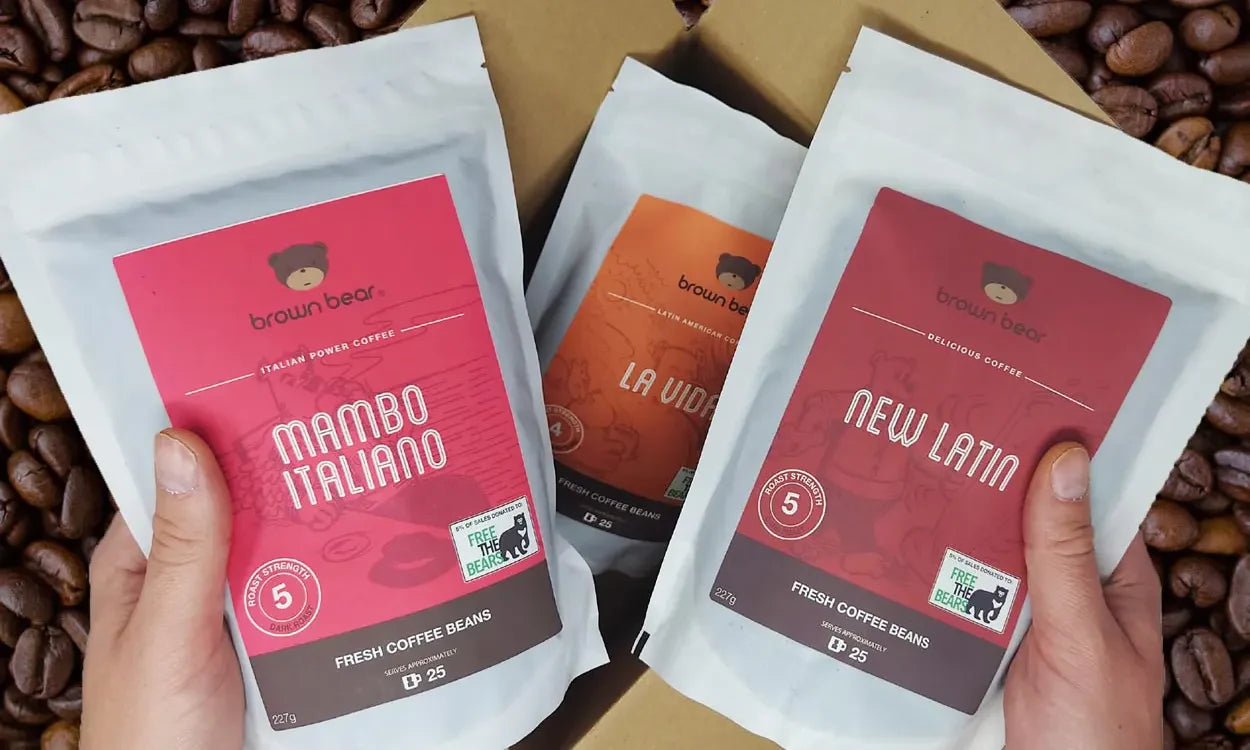
It is worth looking for brands that communicate clearly about their commitments rather than relying on vague claims. Brown Bear, for example, combines its coffee range with a stated green commitment and charitable giving, alongside practical choices such as flexible subscriptions and coffee formats for different routines. The point is not to make a purchase feel worthy. It is to make it easier to buy coffee you enjoy while backing values that matter to you.
A better everyday cup is the real test
Speciality coffee is worth it when it gives you something you can taste and use: fresher flavour, a roast that fits your preference, reliable quality and a coffee you look forward to brewing. It is not worth paying extra for a bag chosen purely because it sounds impressive, then discovering it is too sharp, too dark or too fiddly for your routine.
Start with the kind of coffee you already enjoy, then buy one step better. A smooth medium roast, a bold dark roast or an easy coffee bag can be all it takes to turn an everyday mug into a small part of the day you genuinely look forward to.

