

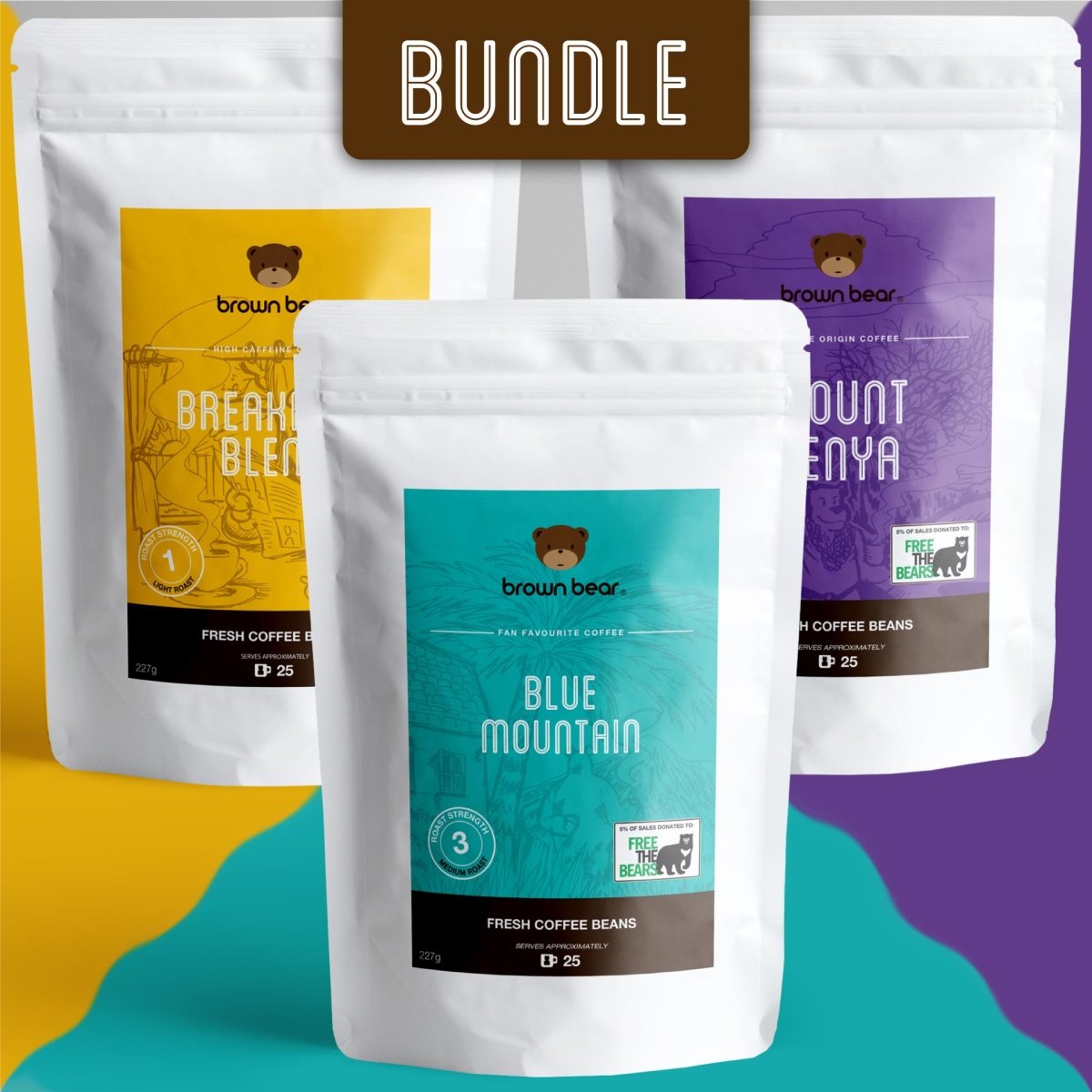
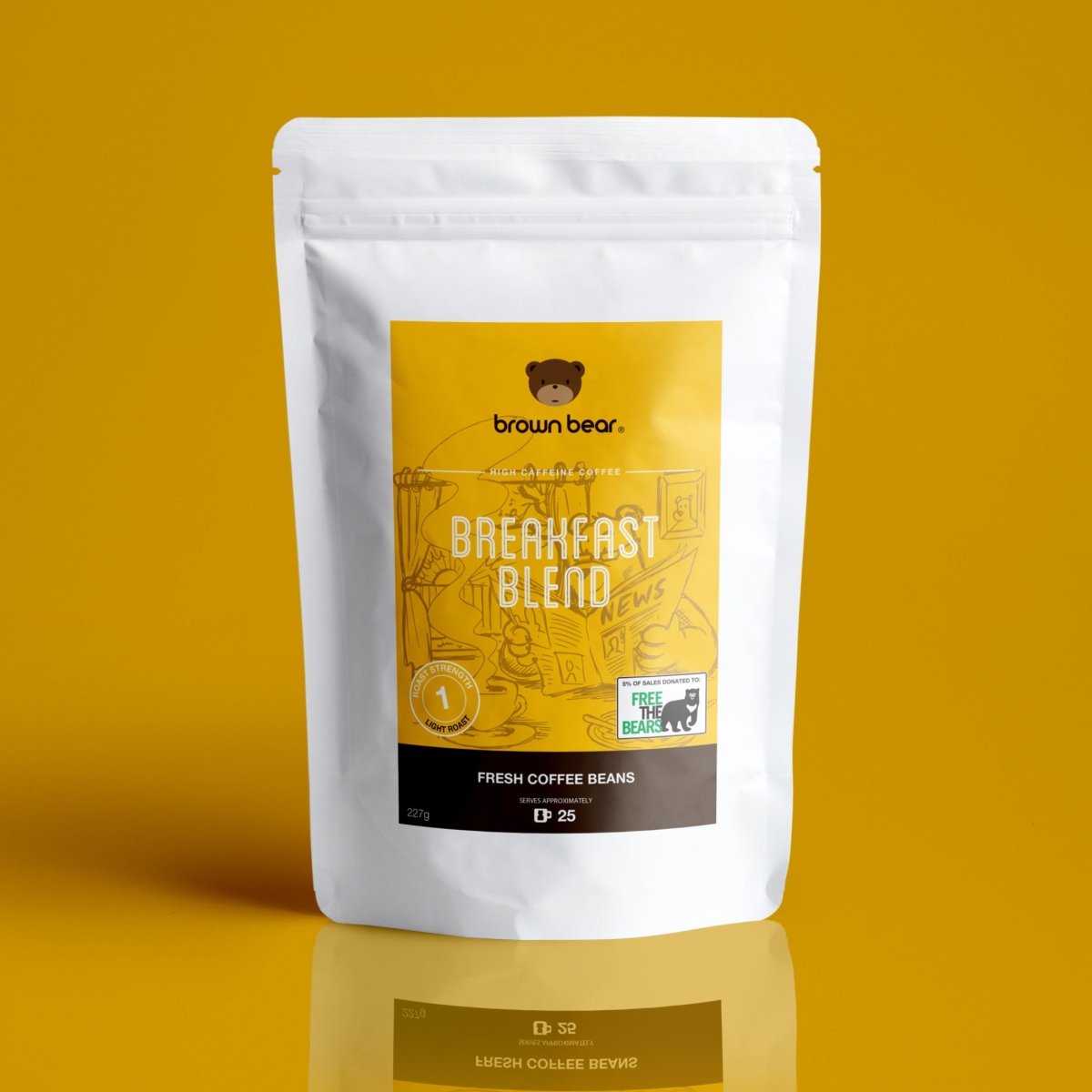
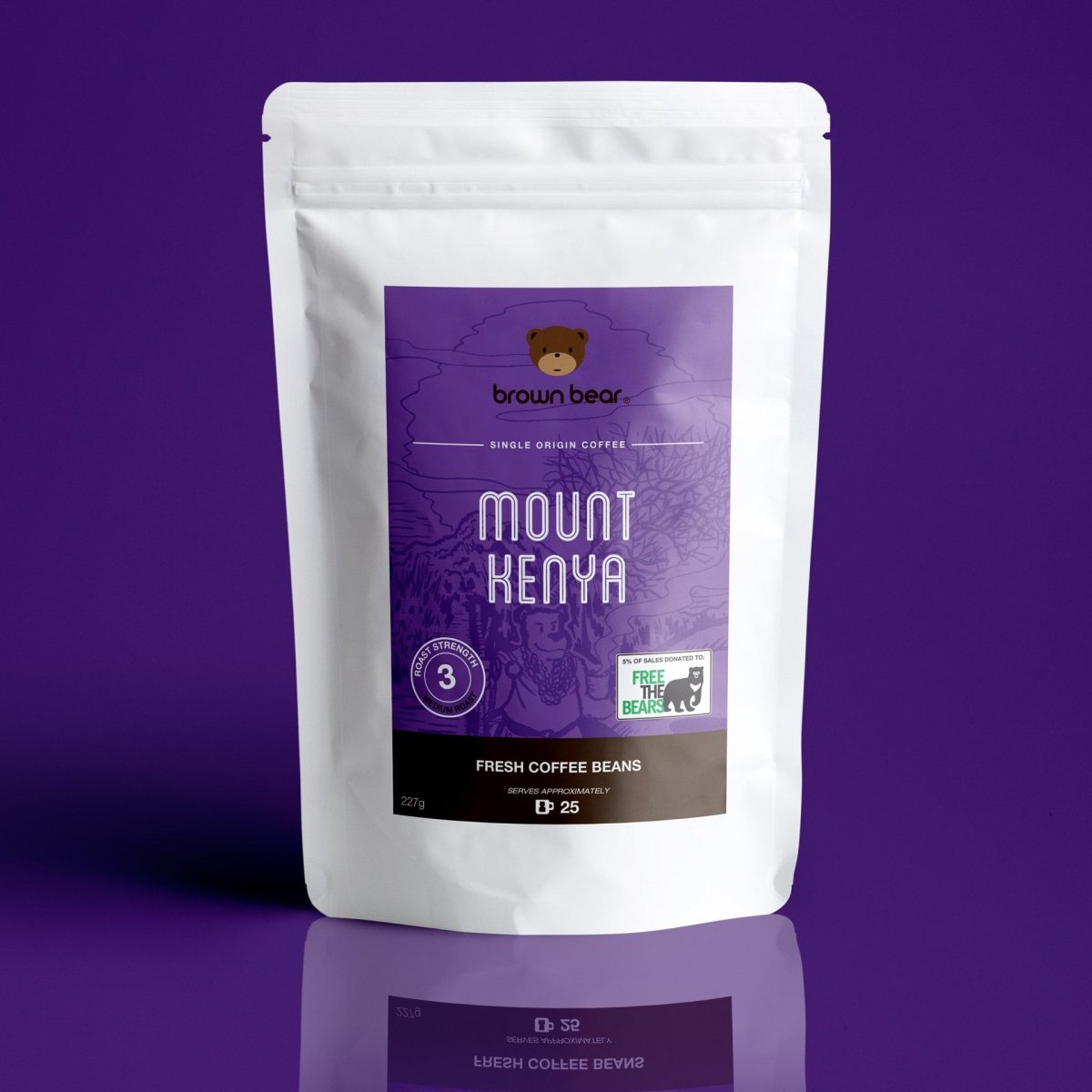
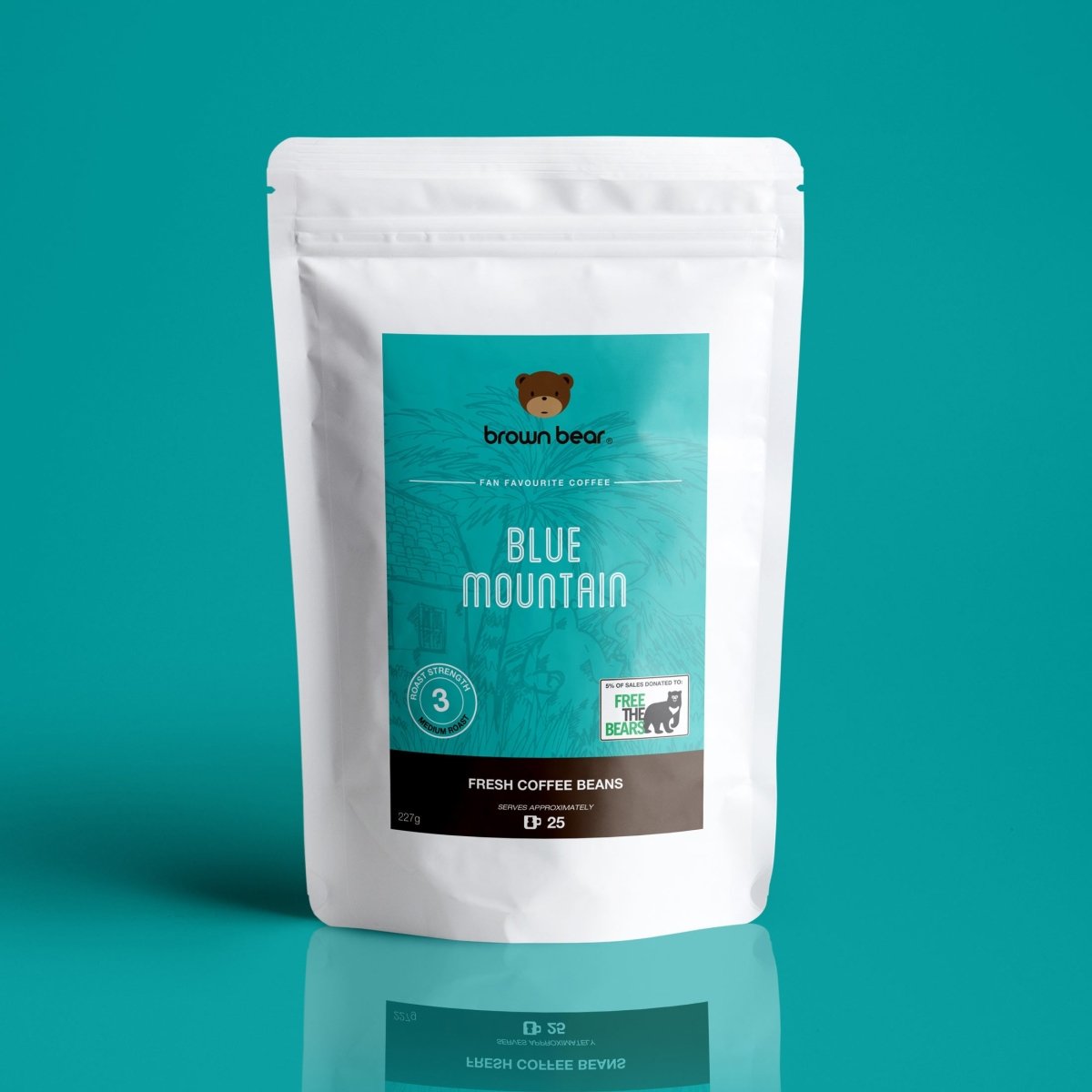








A bleary-eyed weekday morning is a poor time to be wrestling with filters, scales and a sink full of kit. That is exactly where the question of coffee bags vs ground coffee becomes useful. Both can make very good coffee at home, but they suit different routines, tastes and expectations.
If you want the short version, coffee bags are built for speed and simplicity. Ground coffee gives you more control and usually more brewing options. Neither is automatically better. The right choice depends on how you like to brew, how much effort you want to give it, and what kind of cup makes you happy before 9am.
Coffee bags vs ground coffee: the real difference
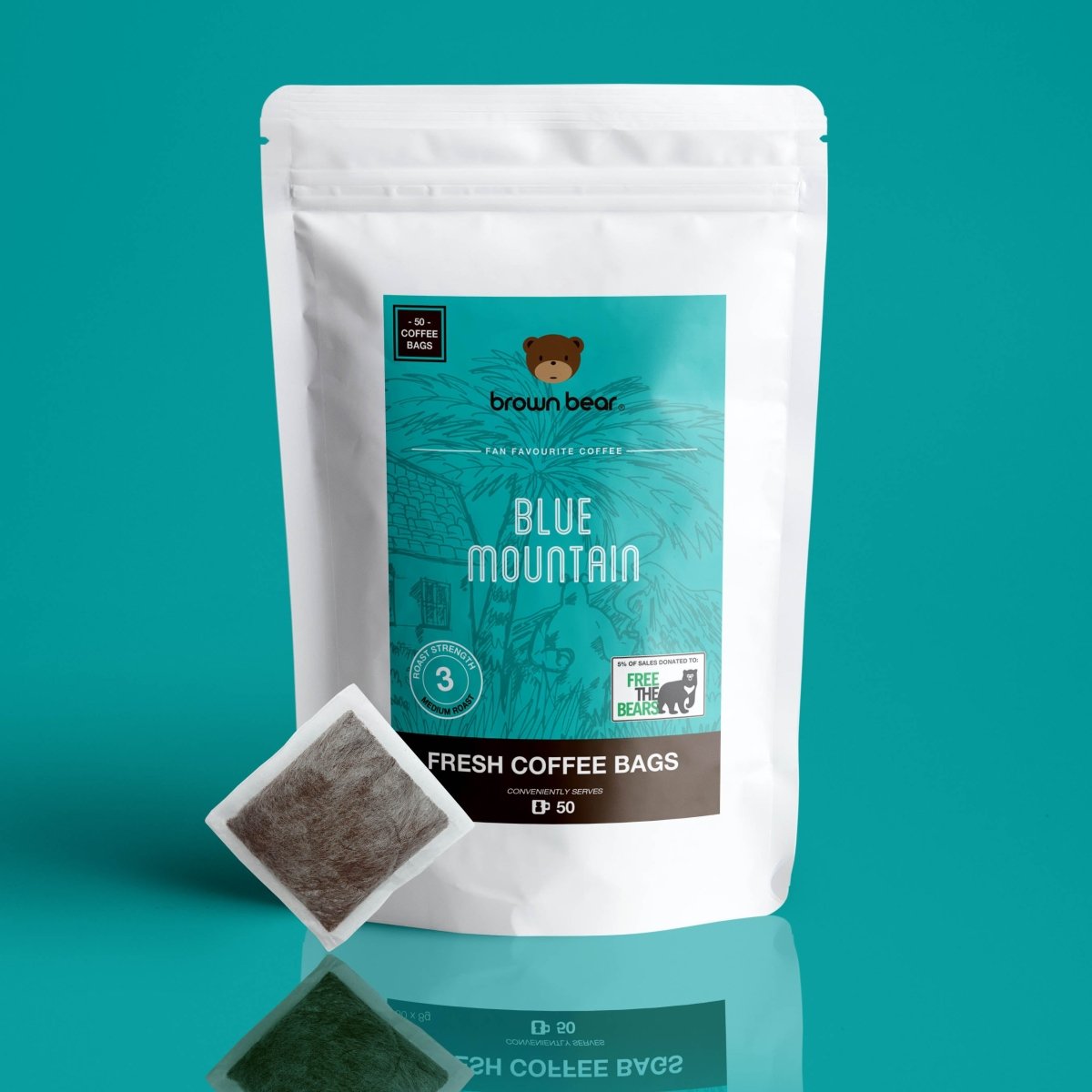
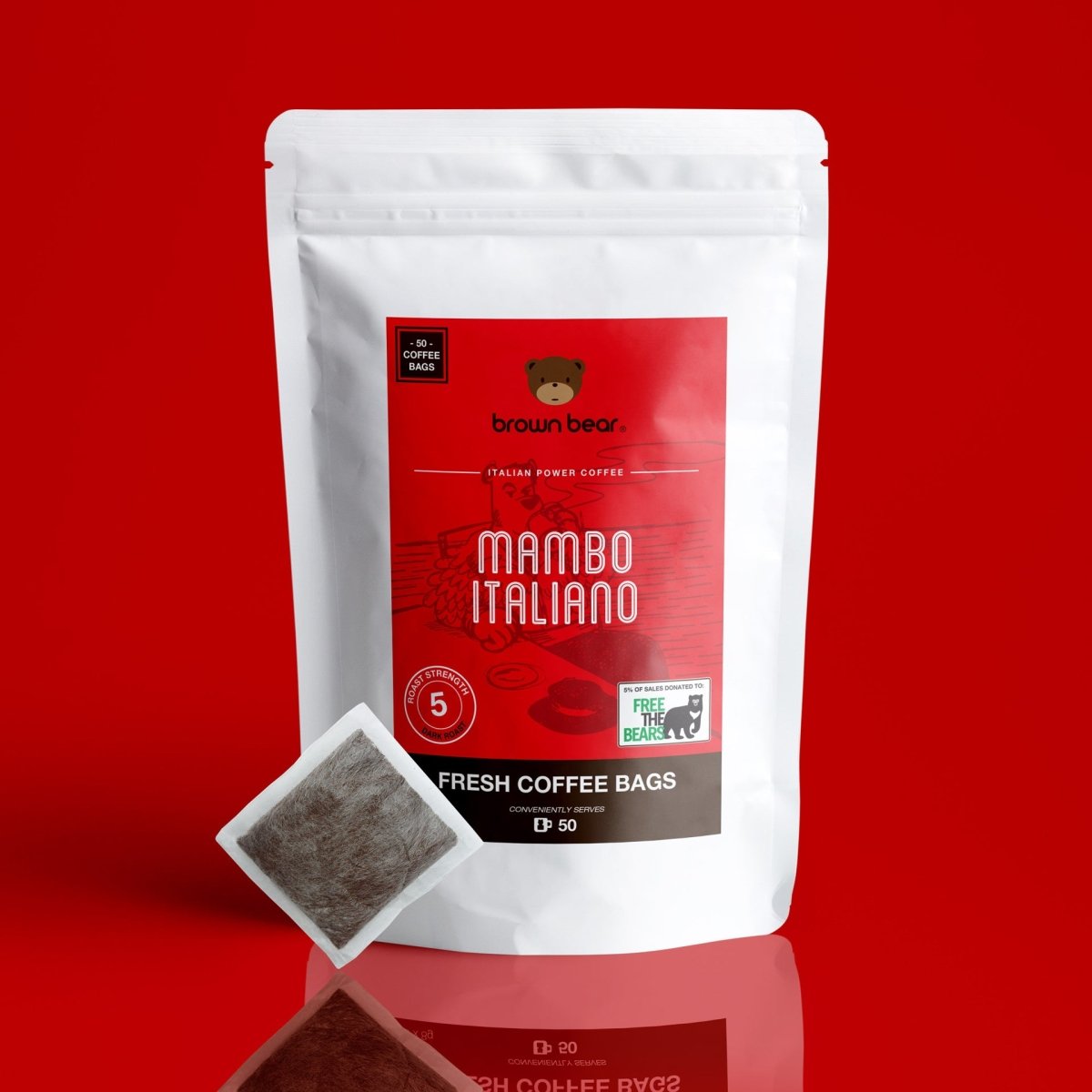
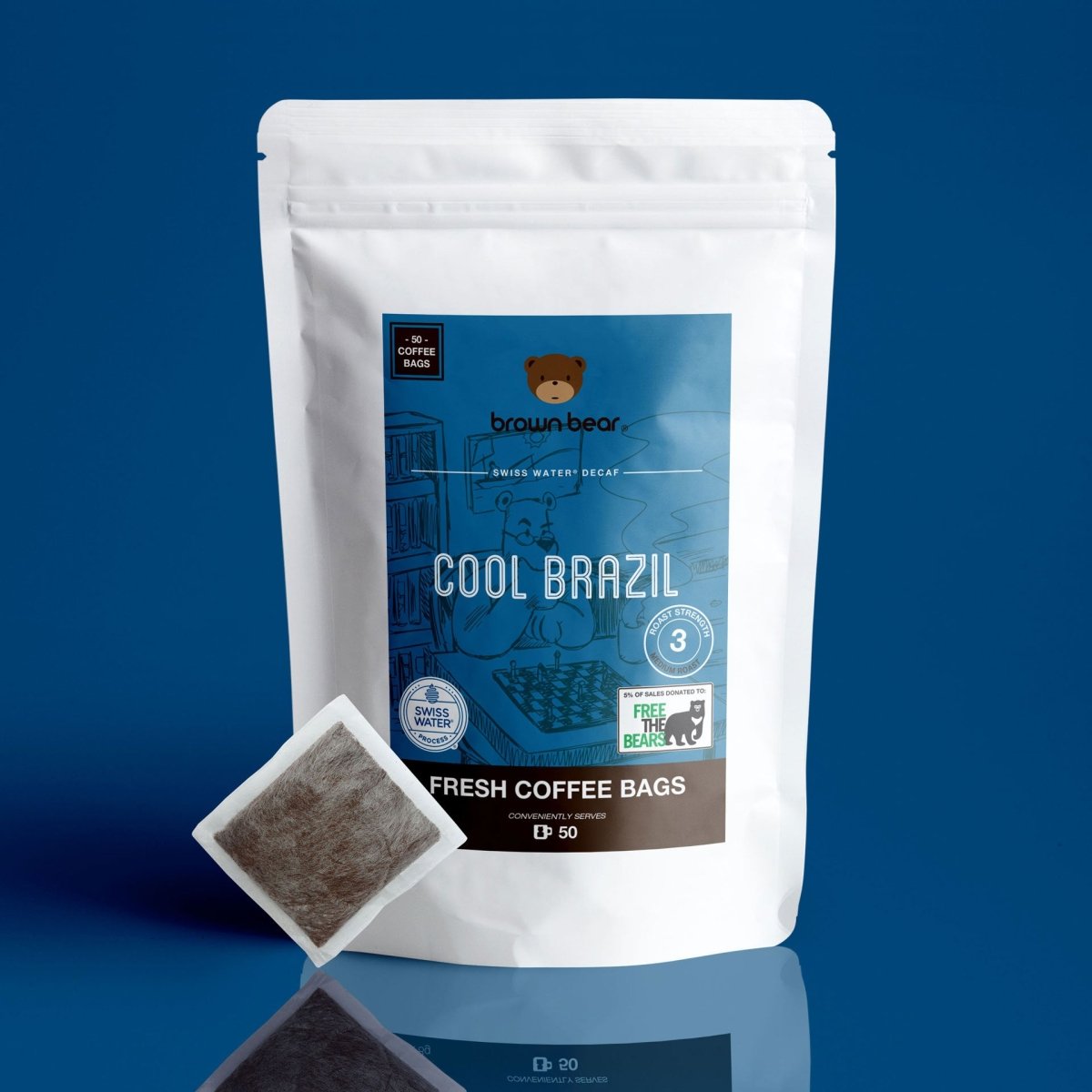
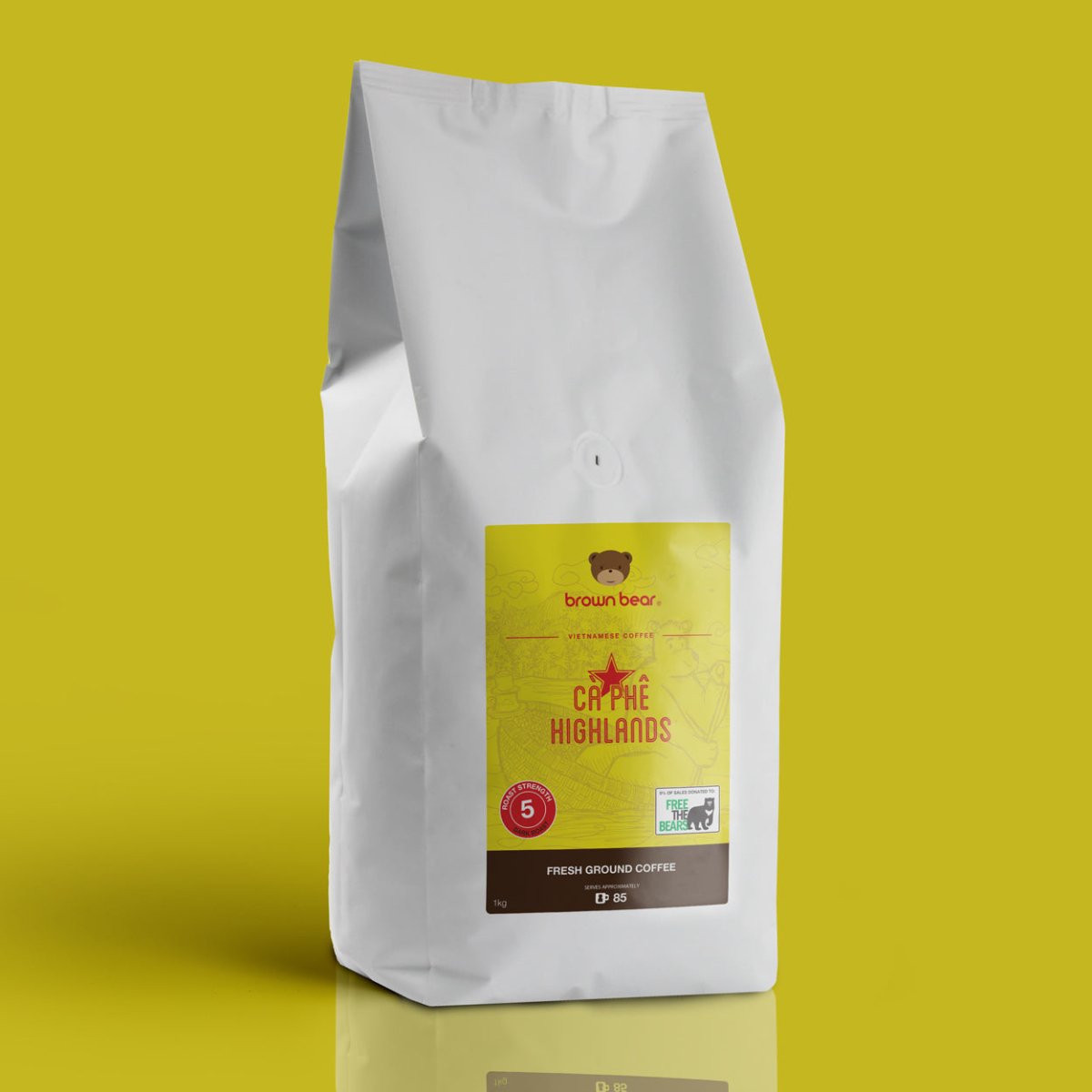
At a glance, the difference looks obvious. Coffee bags come pre-portioned in a bag you steep in hot water, much like tea. Ground coffee is simply roasted coffee that has been milled to a certain size, ready to brew in a cafetiere, filter machine, AeroPress, moka pot or other method.
But the more meaningful difference is how much decision-making each one asks of you. Coffee bags remove most of it. You do not need to measure, grind, or think too hard about brew ratio. Ground coffee gives you flexibility, but flexibility comes with a bit more room for error.
That trade-off is what matters. Convenience usually wins with coffee bags. Control usually wins with ground coffee.
When coffee bags make more sense
Coffee bags are ideal when coffee needs to be easy, not ceremonial. If you are getting ready for work, packing for a weekend away, stocking the office drawer or buying a practical gift, they are hard to argue with.
You boil the kettle, pour, steep and go. There is no extra equipment and very little cleaning up. For plenty of people, that alone is enough to make them the better format. A good coffee bag also gives you consistency. Every bag contains a set dose, so your Monday cup is less likely to taste wildly different from your Thursday one.
They are also useful for households with mixed habits. One person can make a single mug without setting up a whole brewer. That makes them especially handy if not everyone wants coffee at the same time.
There is, however, a limit to what coffee bags can do. You can tweak the steep time a little, but you cannot adjust grind size, dose or brew method in the same way you can with ground coffee. If you enjoy fine-tuning flavour, they may feel a bit fixed.

Best use cases for coffee bags
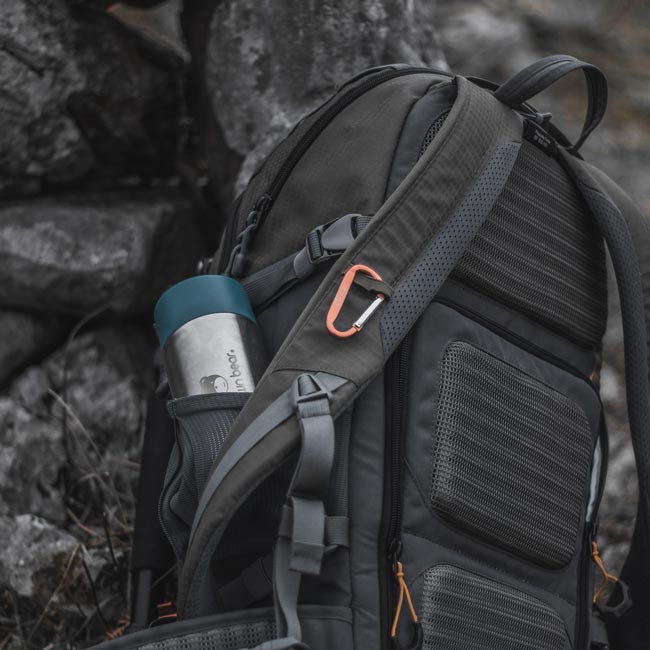
Coffee bags shine in the sort of moments when ease matters more than ritual. They are a smart fit for commuting, hotel stays, camping, office kitchens and anyone who wants a decent mug with almost no fuss. They also work well as an entry point for people moving away from instant coffee but not ready for brewing gear.
When ground coffee is the better buy
Ground coffee suits people who want more say over the final cup. Even if you are not especially technical about coffee, choosing the right grind for your brewer can noticeably improve flavour, body and balance.
A medium roast ground for filter will behave differently from a dark roast ground for cafetiere. That is useful if you already know what you like. Maybe you prefer a cleaner, brighter mug in the morning, or something fuller and punchier after lunch. Ground coffee gives you more routes to that result.
It also tends to make more sense for households brewing several cups at once. If you are filling a cafetiere for two people or running a drip machine each morning, ground coffee is often more practical and often better value per cup.
The trade-off is effort. You need the right brew equipment, the right amount of coffee, and at least a rough sense of timing. None of that is difficult, but it does ask more from you than dropping a coffee bag into a mug.
Taste: is one actually better?
This is where the answer becomes slightly less tidy. Ground coffee usually has the edge on flavour potential because it is designed for a specific brew method, and that helps extraction. If your grind matches your equipment, you can get more clarity, depth and texture in the cup.
Coffee bags can still taste very good, especially if the coffee is fresh and well roasted. For many drinkers, the difference is smaller than expected, particularly with milk-based mugs or stronger roasts where boldness matters more than delicate nuance.
If you mostly want a rich, reliable everyday coffee, a good coffee bag can absolutely do the job. If you want to pick out fruit notes in an Ethiopian coffee or enjoy the nutty sweetness of a Brazilian roast with more precision, ground coffee has more room to show off.
In other words, taste is not just about quality. It is also about what you notice and what you care about. Some people want convenience without compromise. Others are happy to spend an extra few minutes for a better-shaped cup.
Cost per cup and overall value
On paper, ground coffee often works out cheaper per serving, especially if you brew regularly at home. Buying a larger bag of ground coffee for your preferred method can stretch further than individually portioned coffee bags.
That said, value is not only about the shelf price. Coffee bags can reduce waste from bad measuring, stale leftovers and half-used packs forgotten in the cupboard. They can also stop you buying expensive takeaway coffee when you need something quick.
So if you are comparing coffee bags vs ground coffee purely by price, ground coffee often comes out ahead. If you are comparing by real-life usefulness, coffee bags can punch above their weight.
Freshness and storage
Freshness matters with both formats, but it shows up differently. Ground coffee has more exposed surface area than whole beans, so once opened it can lose its best aromas more quickly. Proper storage helps - airtight container, cool cupboard, no fridge.
Coffee bags can be convenient here because they are portioned and often individually sealed. That makes them easy to keep fresh for longer in practical terms, especially if you only drink coffee occasionally or want something ready for travel.
For frequent coffee drinkers who get through a bag quickly, this may not matter much. For occasional drinkers, it can make a real difference.
What suits different drinkers?
If your main priorities are speed, low mess and reliable results, coffee bags are probably the better fit. They are especially good for busy professionals, hybrid workers, students, gift buyers and anyone trying to keep their coffee routine simple.
If you enjoy choosing a brew method, matching coffee to your taste and making several cups at a time, ground coffee is likely to suit you better. It gives you more flexibility across roast styles too, from lighter and fruitier choices to darker, more intense blends.
There is also a very normal middle ground: using both. Plenty of people keep ground coffee at home for weekend brewing and coffee bags for work, travel or rushed mornings. That is not indecisive - it is sensible.
Coffee bags vs ground coffee for gifts and subscriptions
This is one area where format matters more than people think. Coffee bags make excellent gifts because they feel accessible. The recipient does not need any equipment, and there is less risk of sending something they cannot easily use.
Ground coffee can still be a brilliant gift, but it helps to know how the person brews. If they use a cafetiere, moka pot or filter machine, matching the grind and roast makes the gift feel more considered.
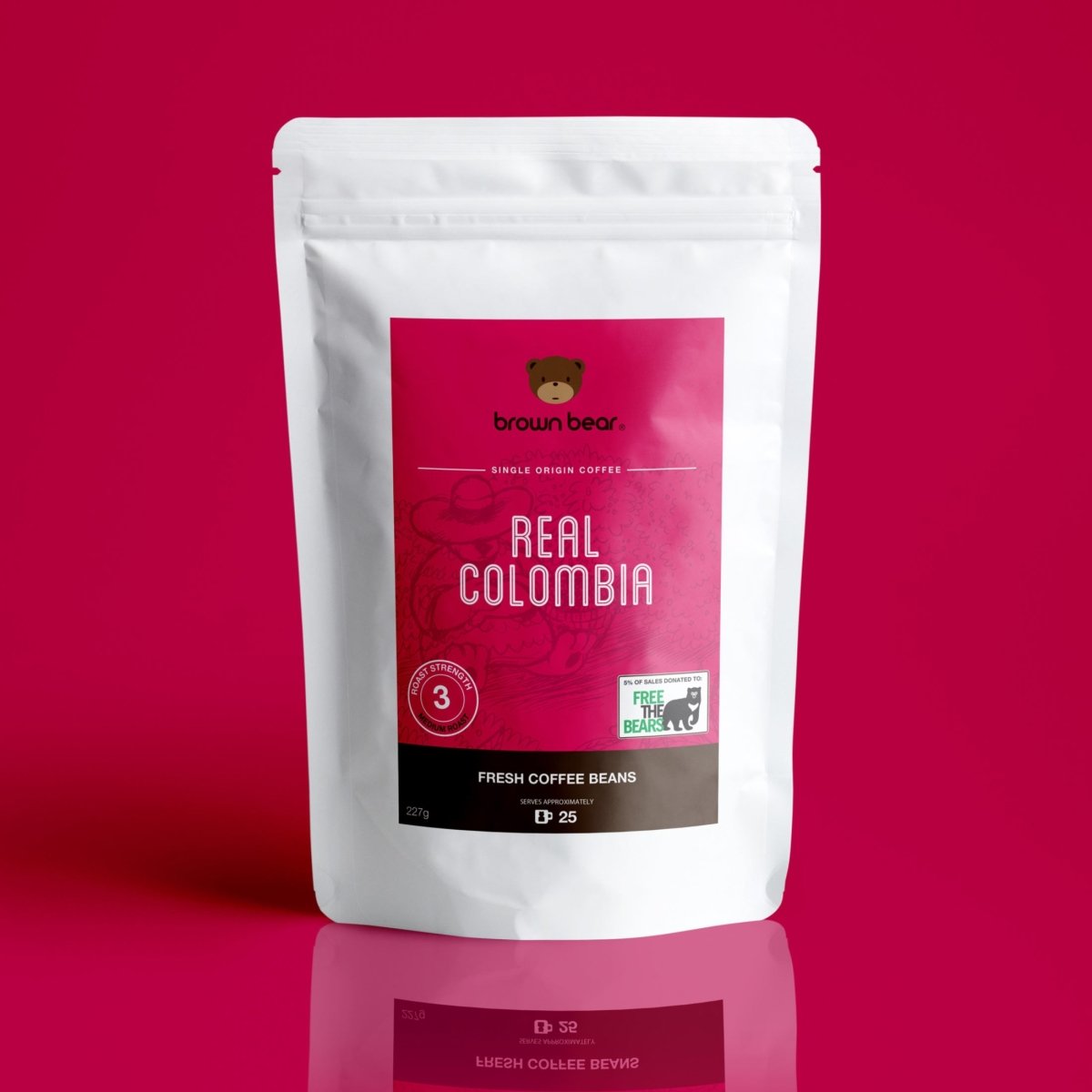
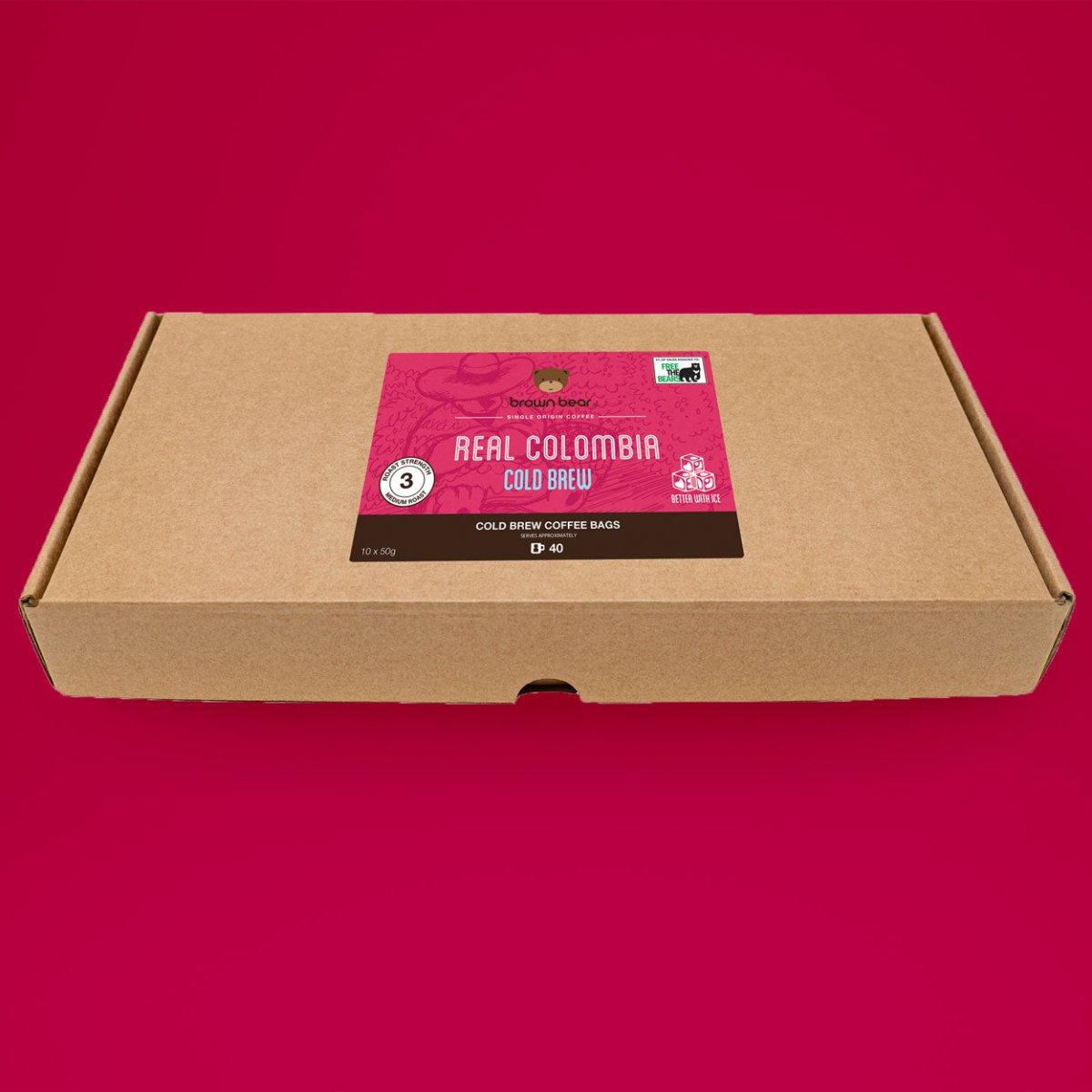
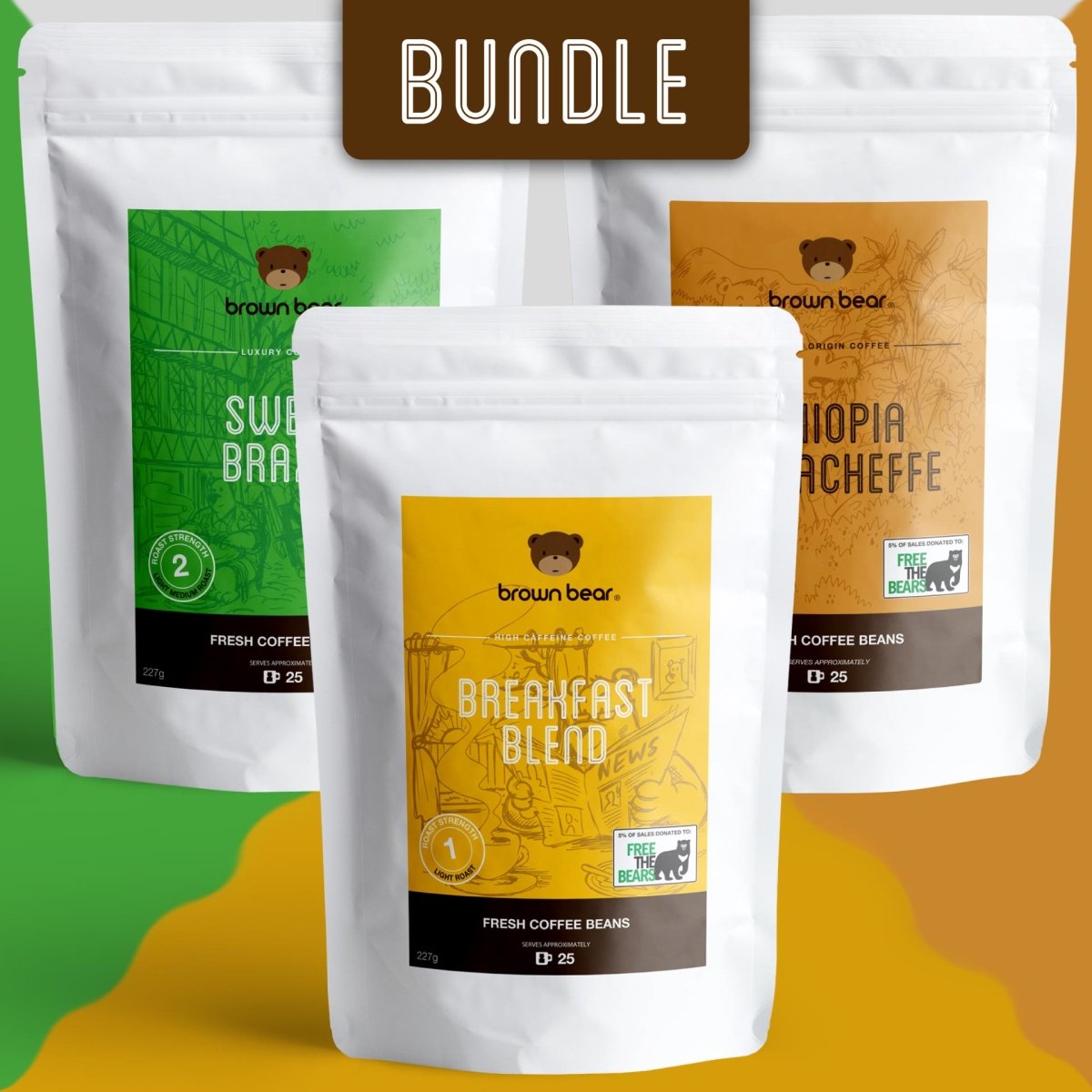
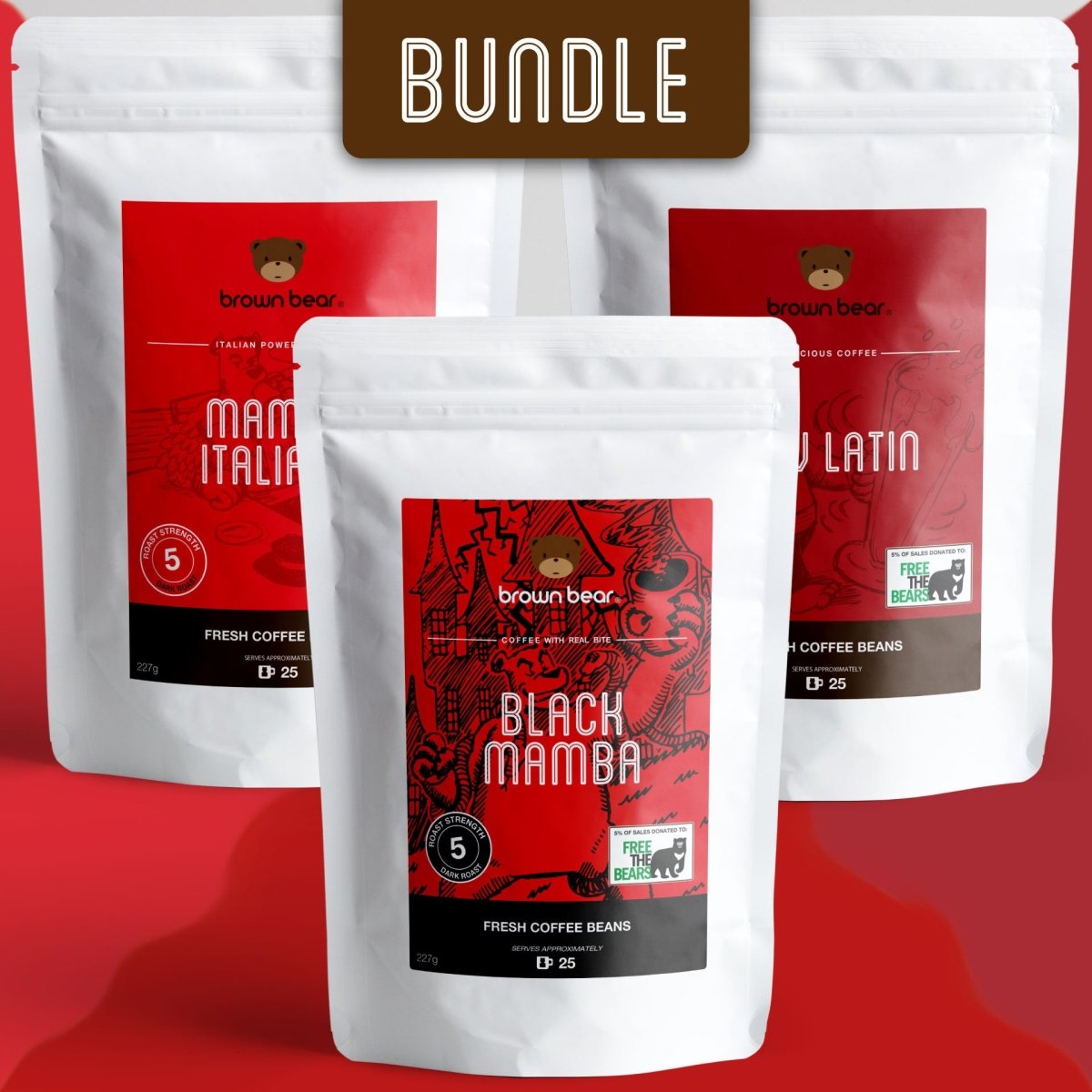
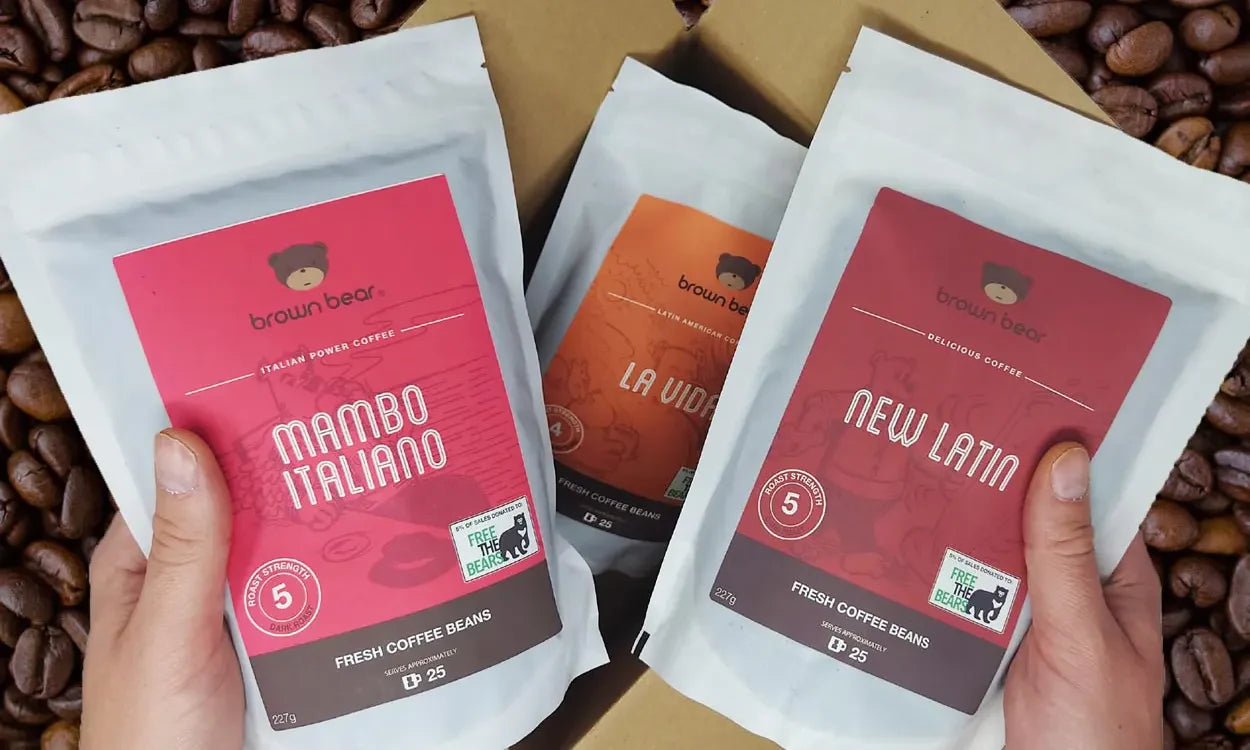
For subscriptions, the best choice comes down to habit. Coffee bags suit people who want repeat orders they do not need to think about. Ground coffee suits people with an established routine and a favourite brew method. Brands such as Brown Bear have made both formats easier to shop by keeping roast style and flavour profile clear, which takes a lot of guesswork out of reordering.
So which should you choose?
Choose coffee bags if your ideal coffee is quick, tidy and dependable. Choose ground coffee if you want more say in flavour and already have a brewing method you enjoy. If convenience is the non-negotiable, coffee bags are very hard to beat. If flavour control matters most, ground coffee still has the advantage.
The good news is that this is not a forever decision. Your best coffee format can change with your routine. On slow mornings, ground coffee may be exactly what you want. On frantic ones, a coffee bag can feel like a small act of self-preservation. The right choice is the one that makes good coffee easier to enjoy more often.

