









The morning coffee routine has become more personal. One person wants a bold, dark roast through a cafetière before the school run; another keeps cold brew in the fridge for busy afternoons; someone else wants a bright Kenyan coffee for a slower weekend pour-over. The biggest coffee culture trends are not about making coffee complicated. They are about making better coffee easier to choose, brew and enjoy at home.
For everyday drinkers, that is good news. You do not need a shelf full of specialist kit or a long list of tasting notes to find a coffee you will look forward to. A few clear choices - roast, flavour intensity, brewing method and buying routine - can make a real difference.
Coffee culture trends are moving into the kitchen
For years, the best coffee experience seemed to belong to the high street café. Now, more people expect a proper cup at home too. Flexible working has played a part, but so has the simple realisation that a good daily coffee is one of life’s more achievable treats.
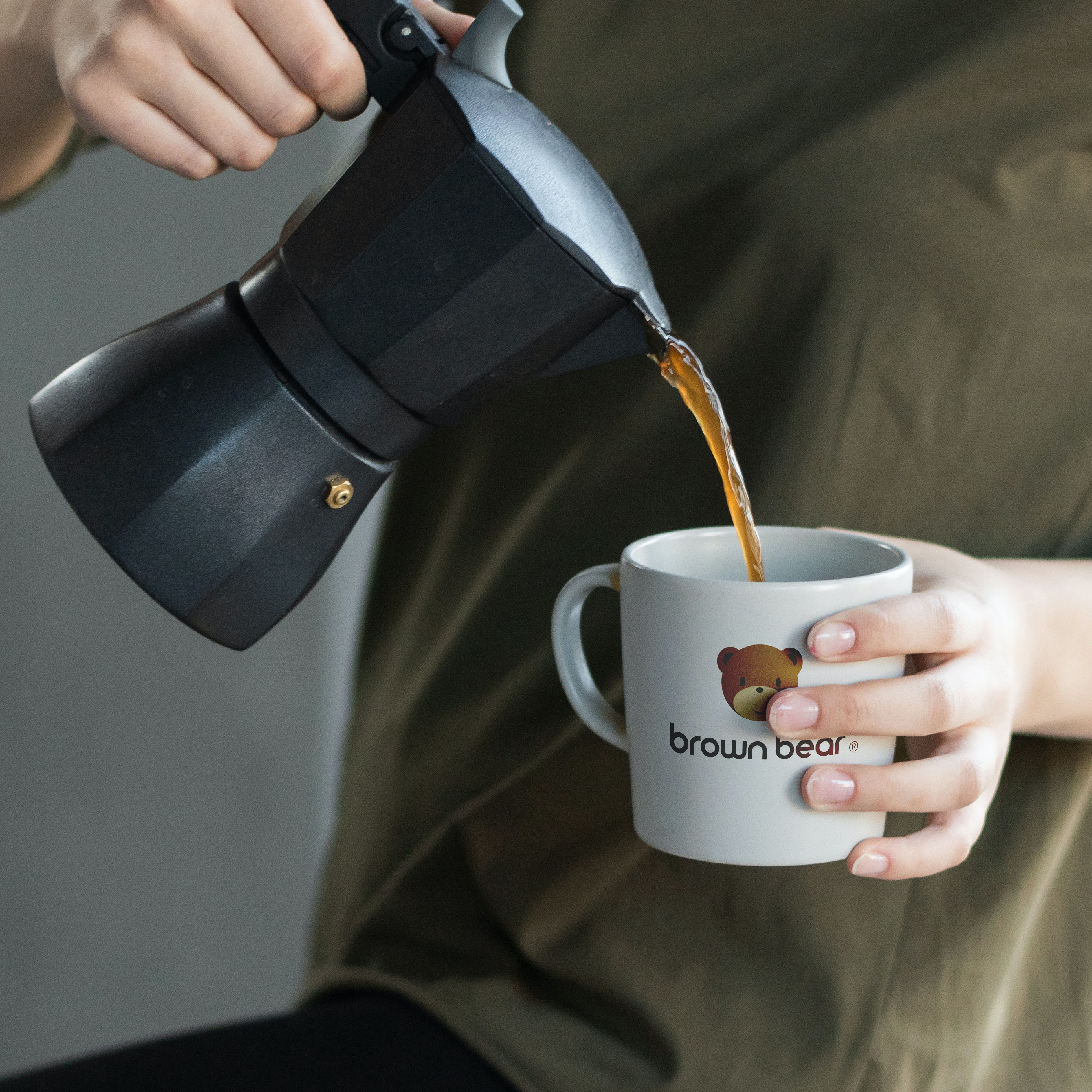
This does not mean everyone is becoming a home barista. Plenty of people still want coffee that works in a cafetière, filter machine or bean-to-cup machine without requiring scales, timers and a lesson in water chemistry. The trend is towards confidence rather than complexity: knowing what you like, buying it easily and getting a reliably good result.
That shift has made roast level more useful than coffee jargon. Light roasts often suit drinkers looking for livelier fruit and floral notes, particularly in filter coffee. Medium roasts offer a balanced, easy-going cup with rounded sweetness. Dark and ultra-dark roasts bring the fuller, more powerful flavour many people want in espresso, moka pot coffee or a strong morning brew. None is objectively better. It depends on how you brew and what you want from the cup.
Clearer choices beat complicated labels
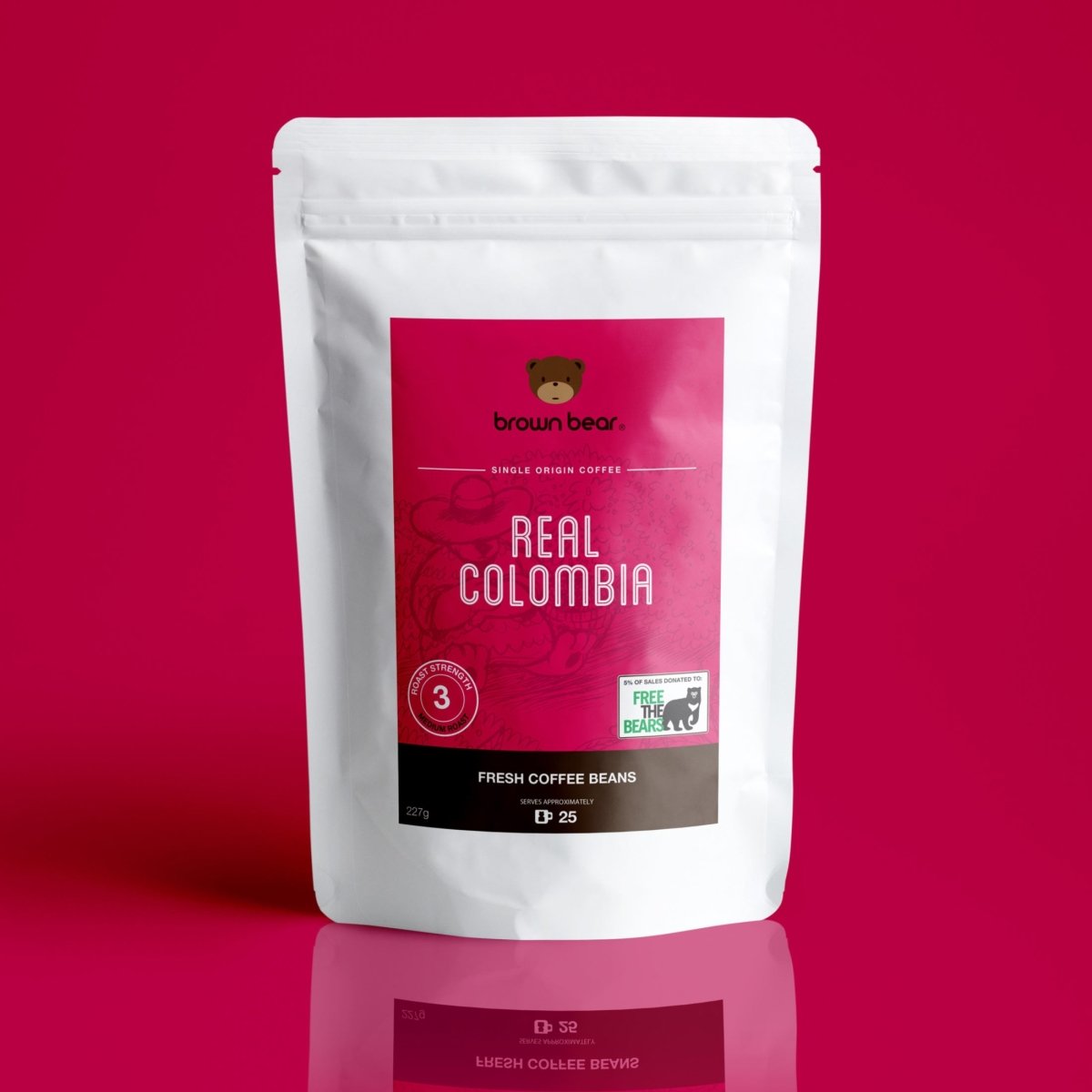
Origin still matters, but it is becoming part of a more practical decision. A Colombian coffee may appeal for its rounded, crowd-pleasing character, while Ethiopia can be a good choice for someone after something more aromatic and bright. Brazil is often a dependable route to chocolatey, nutty notes, and Kenya can bring a lively, juicy edge.
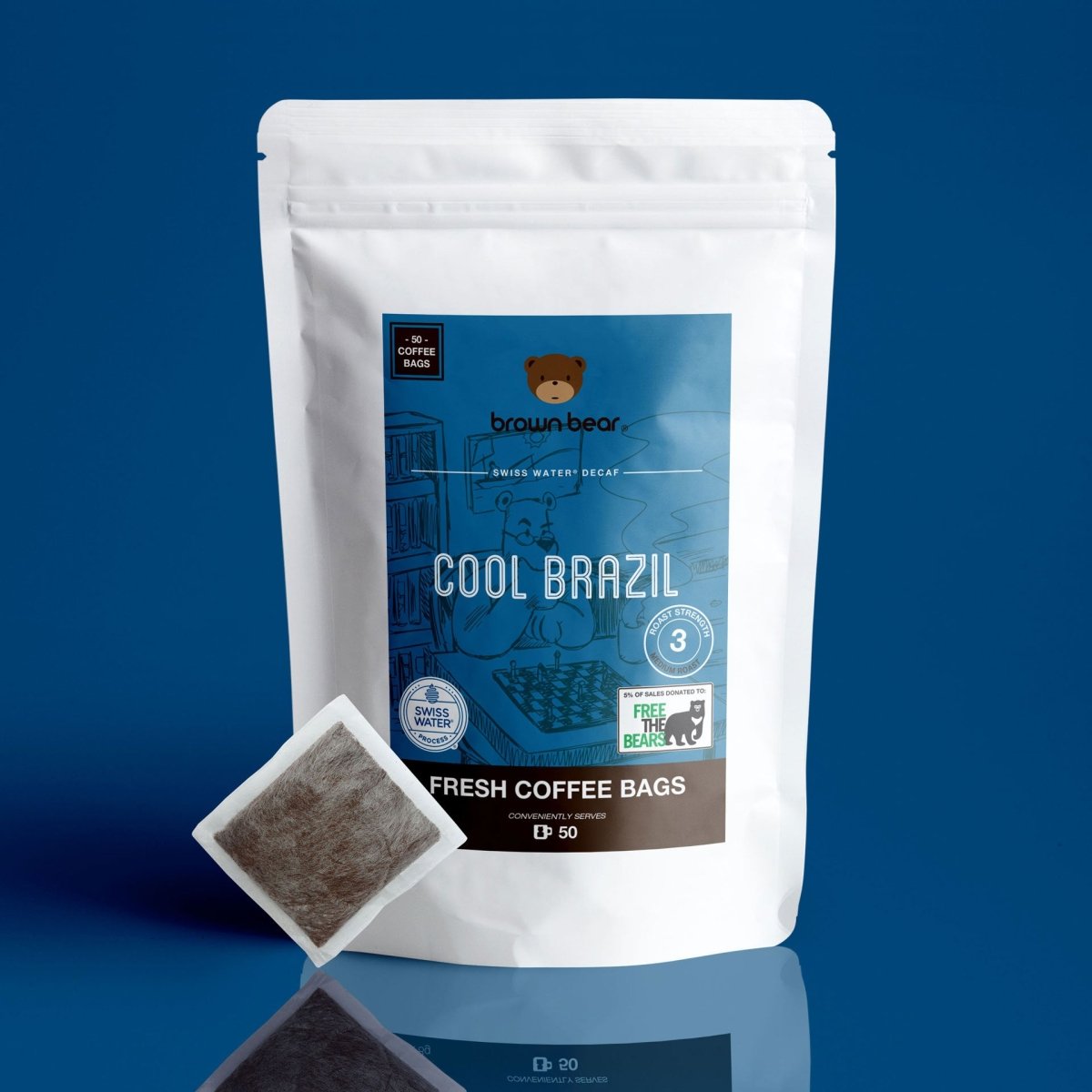
The useful question is not, “What should an expert choose?” It is, “What will taste good in my usual mug, made my usual way?” That is why coffee drinkers increasingly shop by both flavour and use case. Strong coffee for an espresso machine, smooth coffee for a filter brewer, easy coffee bags for the office, and decaf for the evening all have a place in the same cupboard.
Cold brew is becoming an everyday option
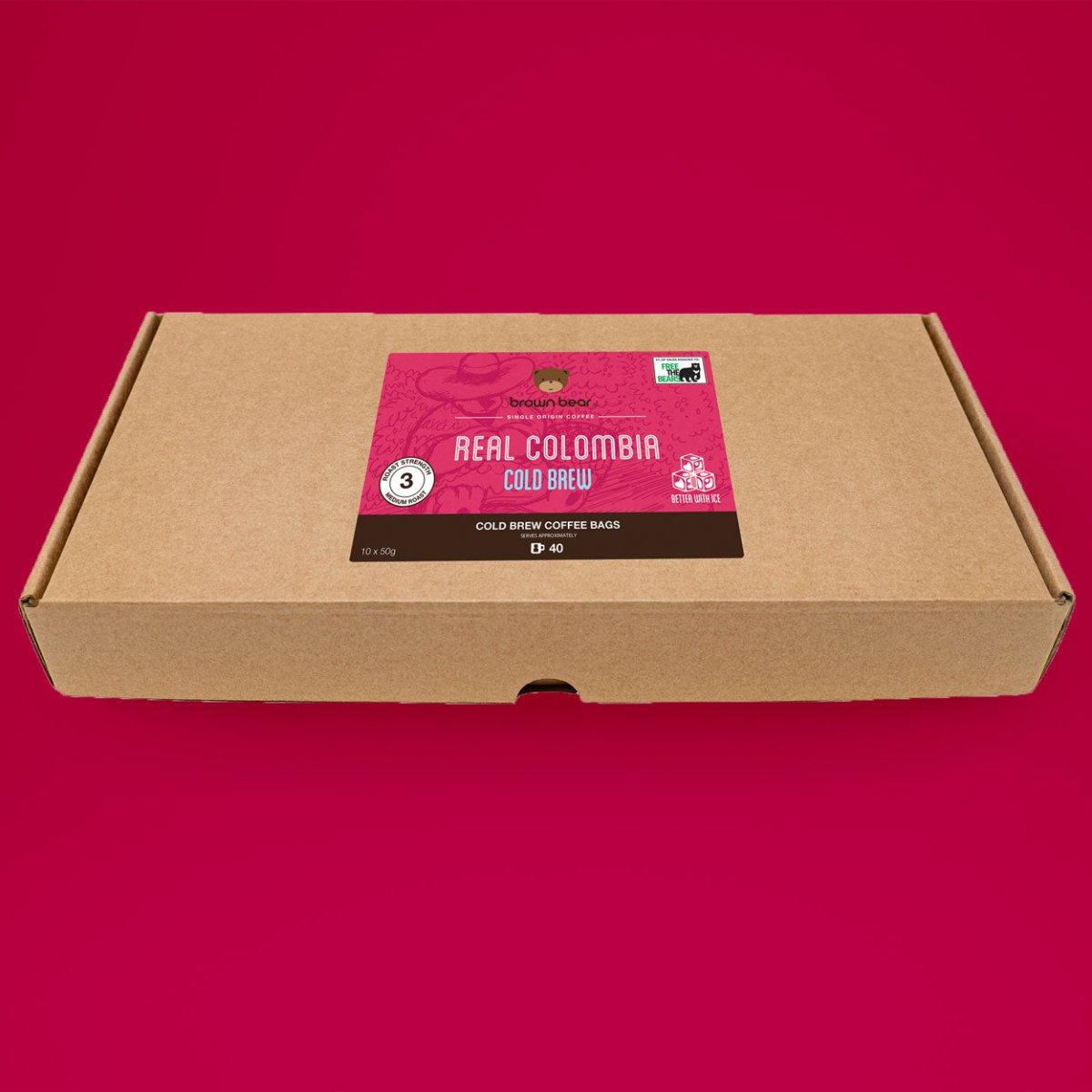
Cold brew has moved beyond the summer menu. Its smooth, low-bitterness character makes it a practical choice for anyone who likes chilled coffee without the sharpness that can come from pouring hot coffee over ice. Made slowly with cold water, it is often richer and softer in style, particularly when served with milk or a dairy-free alternative.
Its appeal is as much about convenience as flavour. Prepare a batch ahead of time and there is coffee ready when the day gets busy. That suits home workers, parents, gym-goers and anyone who finds the afternoon coffee run a little too easy to justify.
Ready-to-drink cold brew can be even simpler, although it comes with a trade-off. It is brilliant for speed and consistency, but brewing your own gives you more control over strength and lets you tailor it to your preferred coffee. If you prefer a punchier flavour, choose a darker roast. For a lighter, fresher finish, a medium roast can work beautifully. Try it black first, then adjust with water, ice or milk until it feels right.
Convenience is becoming a quality marker
Convenience once meant settling for whatever was available. Coffee culture has changed that. People now expect convenient options to taste good too, whether that means fresh ground coffee, easy coffee bags, pre-portioned cold brew or a subscription that arrives before the tin runs empty.
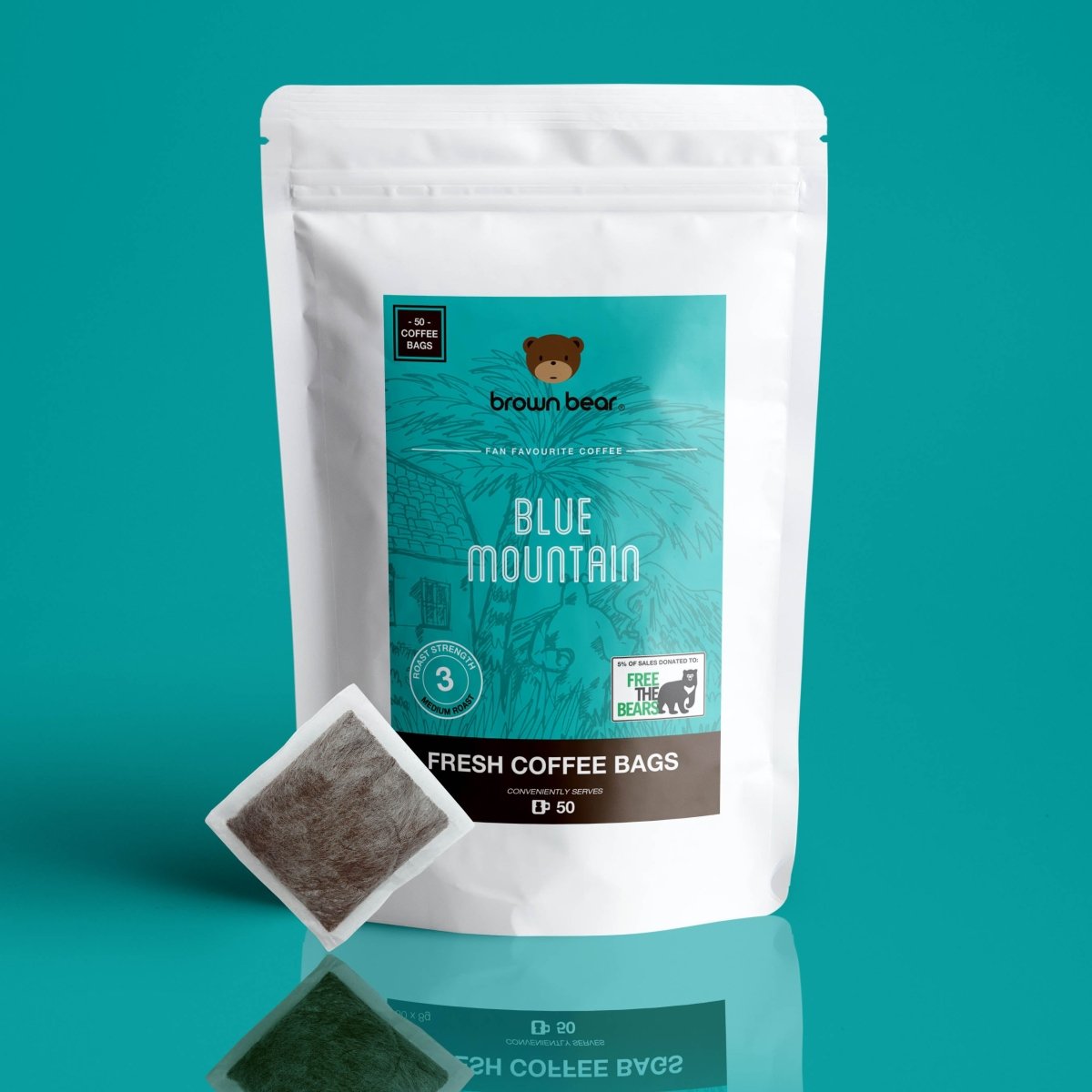
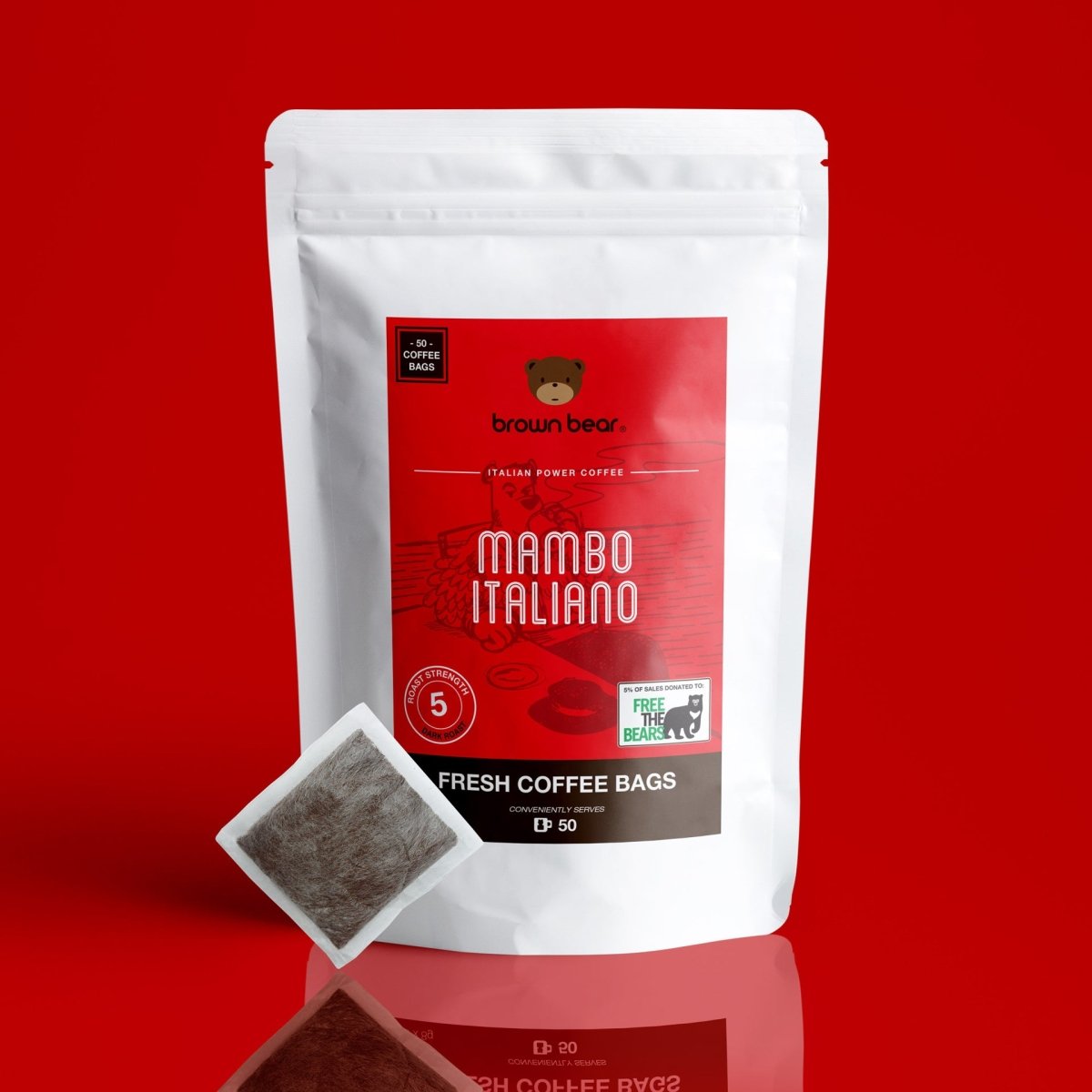
Coffee bags are a particularly sensible example. They are not meant to replace every brewing ritual, and they will not give the same body as a carefully dialled-in espresso. But for travel, the workplace, hotel stays or a quick cup between meetings, they offer a far better option than an anonymous instant sachet. Put one in a mug, add hot water and let it brew. Good coffee does not always need a machine.
Subscriptions are also changing how households buy coffee. Rather than remembering to reorder at the last minute, regular drinkers can set a delivery rhythm that matches how quickly they get through a bag. The best subscription is not the one that sends the most coffee. It is the one you can pause, skip or change when your routine changes.
At Brown Bear, that flexibility matters because coffee habits are rarely fixed. A household might start with a dependable medium roast, add a stronger option for espresso at weekends, then include decaf when evening coffees become part of the routine.
Ethical choices need to feel practical
More coffee drinkers want their purchase to reflect their values. They are asking where coffee comes from, how it is sourced and whether the business behind the bag is doing something positive. This is a welcome change, but it can feel overwhelming if ethical claims are vague or buried in small print.
The most useful approach is straightforward: look for clear information about origin, responsible commitments and charitable or environmental action. Ethical buying is not about finding a perfect product, because coffee has a long supply chain and real-world trade-offs. It is about choosing businesses that are open about what they support and making a better choice where you can.
Packaging is part of the conversation too. Freshness still matters. Coffee needs protection from air, moisture and light, so there is no single packaging answer that suits every format. The better habit is to buy a sensible amount, keep it sealed and use it while it is tasting its best. Smaller, regular orders can be more enjoyable than a huge stockpile that slowly loses its sparkle at the back of the cupboard.
Gifting is getting more thoughtful
Coffee has become one of the easiest gifts to get right. It is useful, shareable and feels more personal than another generic bottle or box of chocolates. The growing interest in coffee gift sets reflects a broader trend: people want gifts that fit into someone’s real routine.
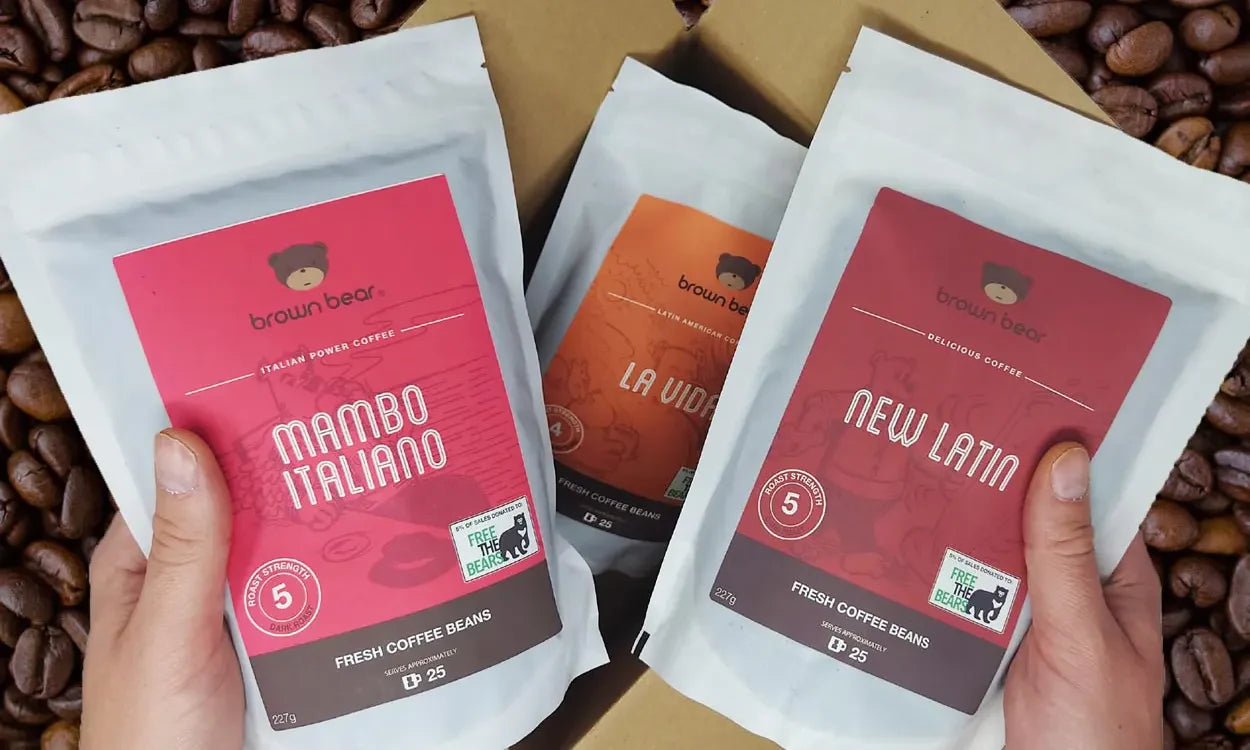
A gift works best when it gives the recipient choice. A mixed roast selection is ideal for someone still finding their favourite. An origin-led set suits the curious drinker who enjoys trying different flavour profiles. For a confirmed dark-roast fan, choose something bold rather than assuming everyone wants a light, delicate coffee.
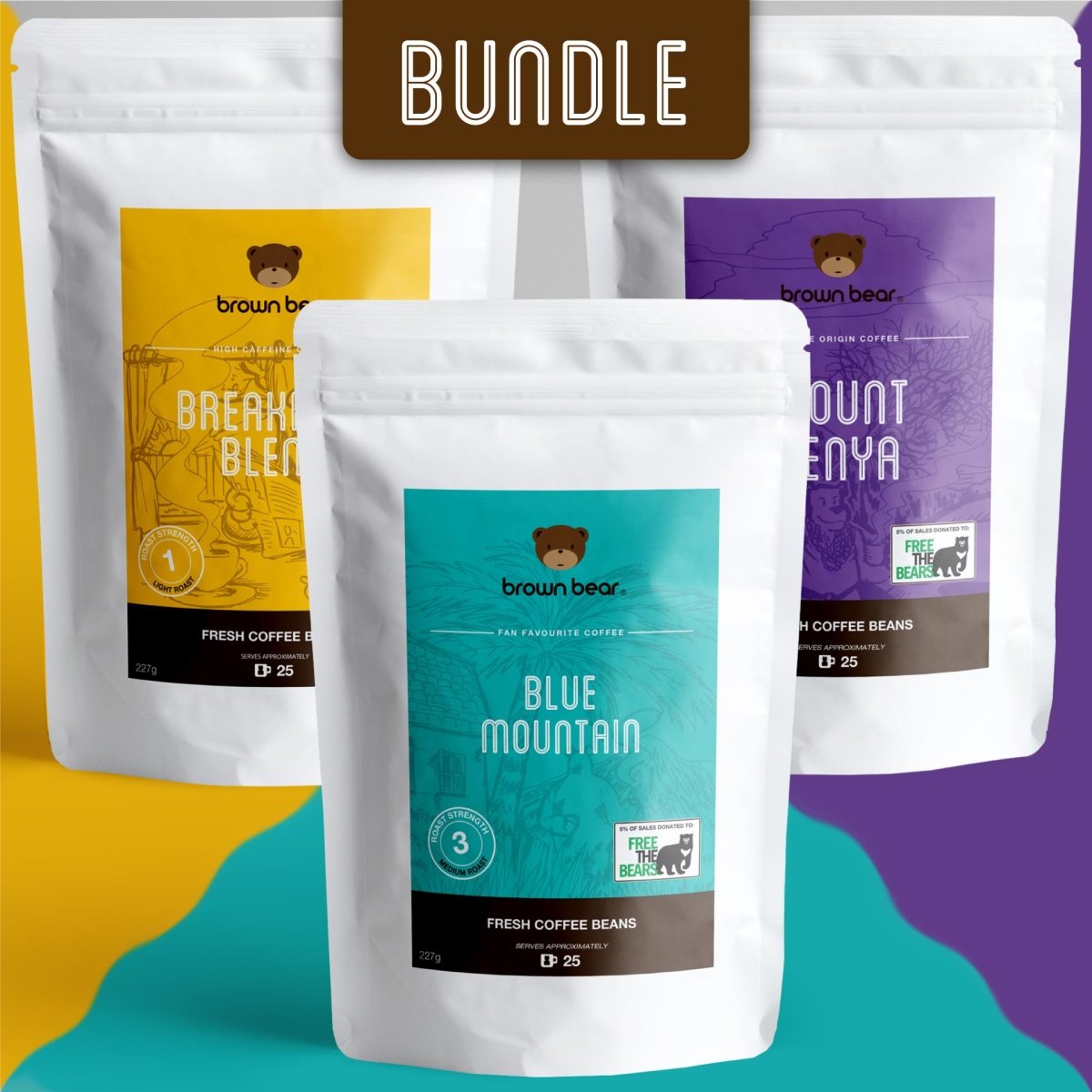
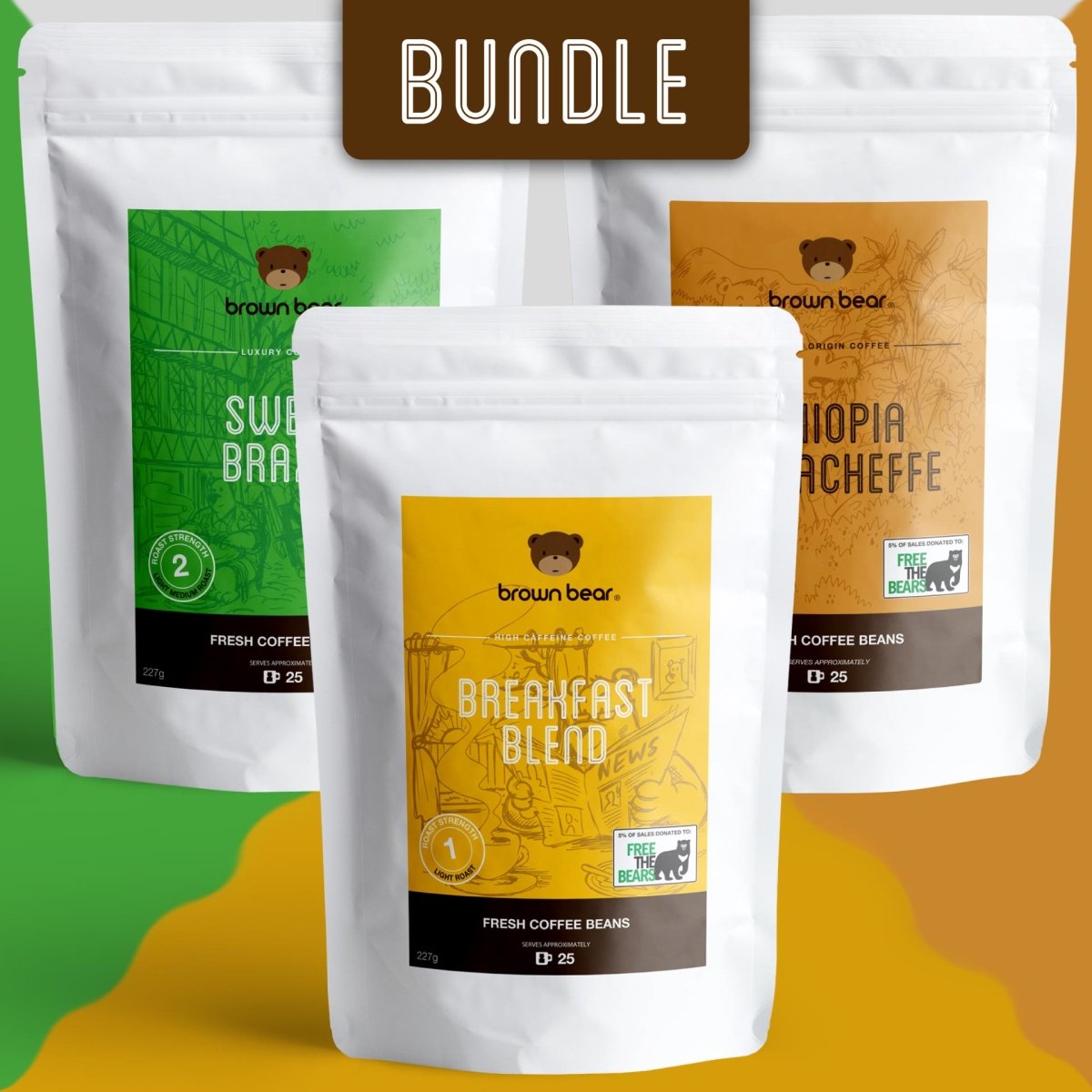
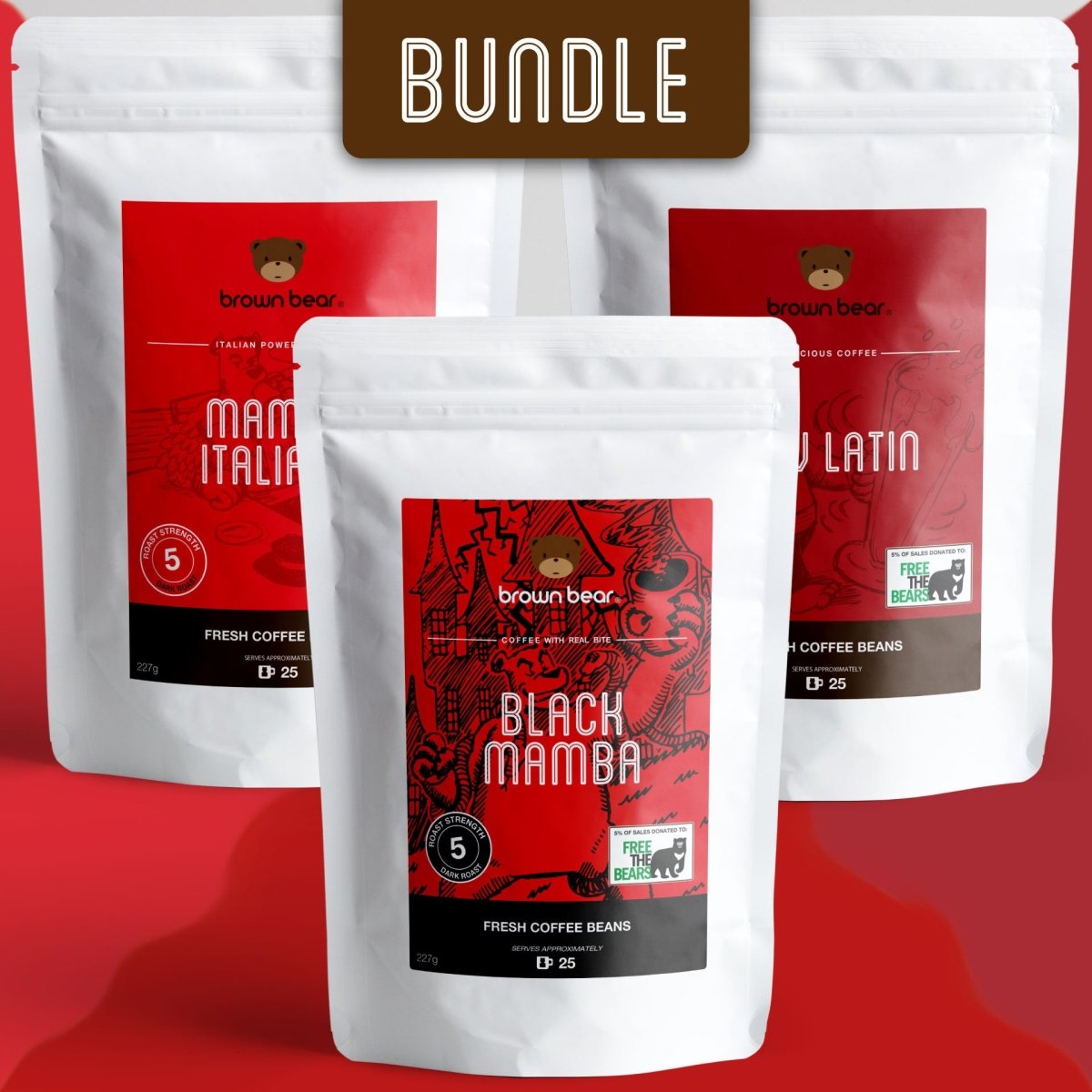
Build-your-own bundles have a similar appeal for households. They make it easy to cover different needs in one order: whole beans for the grinder, ground coffee for guests, coffee bags for workdays and decaf for later on. It is a small bit of organisation that makes daily coffee feel less repetitive.
The home coffee trend that matters most
The most lasting change is not a particular brewing gadget or flavour note. It is the growing expectation that everyday coffee should suit the person drinking it. Some mornings call for a strong, familiar dark roast. Others call for a lighter coffee with a little more character. Some weeks demand the ease of a subscription, while others are a good excuse to try a new origin.
Start with the coffee you genuinely enjoy, brew it in the way you will actually use, and keep one alternative on hand for when your routine changes. That is how a better coffee habit sticks: not through perfection, but through a cup that fits the day.

