










A bag of coffee begins life as a fruit, not a bean. Inside each bright coffee cherry are the seeds that will be dried, roasted, ground and brewed into the familiar cup on your kitchen worktop. Coffee history is full of big journeys, bold trading routes and changing tastes, but it also explains something wonderfully simple: why coffee can taste so different from one country, roast or brew method to the next.
Coffee history starts with a cherry
Coffee is widely linked to the highlands of Ethiopia, where coffee plants grew wild long before anyone turned their seeds into a drink. The best-known origin story features Kaldi, a goatherd who noticed his goats becoming unusually lively after eating red cherries. It is a good tale, but not a proven piece of history. What matters is that communities in the region had long valued the coffee plant, using its fruit and seeds in various ways.
The drink we would recognise as coffee developed across the Red Sea in Yemen, probably during the 15th century. Sufi communities used brewed coffee to stay alert during long nights of prayer. Roasting and grinding the seeds created a rich, stimulating drink that was quite different from chewing fruit or preparing the plant in other forms.
Yemen also gave coffee one of its first great trading hubs: the port of Mocha. For centuries, coffee shipped from there became so well known that “mocha” entered everyday language. It originally described a place and a style of coffee trade, rather than a chocolate-flavoured drink.
From coffee houses to a global habit
Coffee travelled quickly through the Ottoman Empire, reaching cities including Cairo, Constantinople and Damascus. Coffee houses became places to meet, talk, listen to music, play games and exchange news. They were sociable, lively and, at times, viewed with suspicion by authorities who knew that people sharing ideas could be powerful.
By the 17th century, coffee had arrived in Europe. London coffee houses became known as “penny universities” because the price of a cup gave visitors access to conversation, newspapers and debate. They attracted merchants, writers, politicians and anyone with a view worth sharing. Some later businesses, newspapers and financial institutions can trace part of their story back to these busy rooms.
Coffee did not replace tea in Britain - tea became the national favourite for good reason - but it secured a lasting place in daily life. The appeal was clear then, as it is now: coffee is warming, sociable, flavourful and usefully energising. It can be a quick mug before the school run or a reason to sit down for ten minutes between meetings.
The uncomfortable side of coffee’s expansion
As demand grew, European colonial powers wanted to grow coffee beyond Arabia. Plants were taken to colonies in the Caribbean, Central America, South America and parts of Asia. This made coffee more widely available, but the expansion came at a grave human cost.
Many early coffee plantations depended on enslaved people, forced labour and land taken from local communities. Later systems often kept farmers and workers in harsh, unequal conditions. Brazil became the world’s largest coffee producer during the 19th century, a position it still holds, and its coffee economy was deeply connected to slavery.
That history belongs in any honest account of coffee. It also helps explain why questions about sourcing, farmer pay and environmental care matter now. Buying better coffee cannot undo the past, but it can support a more thoughtful future when businesses and customers value transparency, long-term relationships and responsible production.
How coffee found its many homes
Coffee grows best in the tropical belt around the equator, often called the Bean Belt. Yet there is no single “coffee taste”. Altitude, rainfall, soil, variety, processing and local expertise all shape what ends up in the cup.
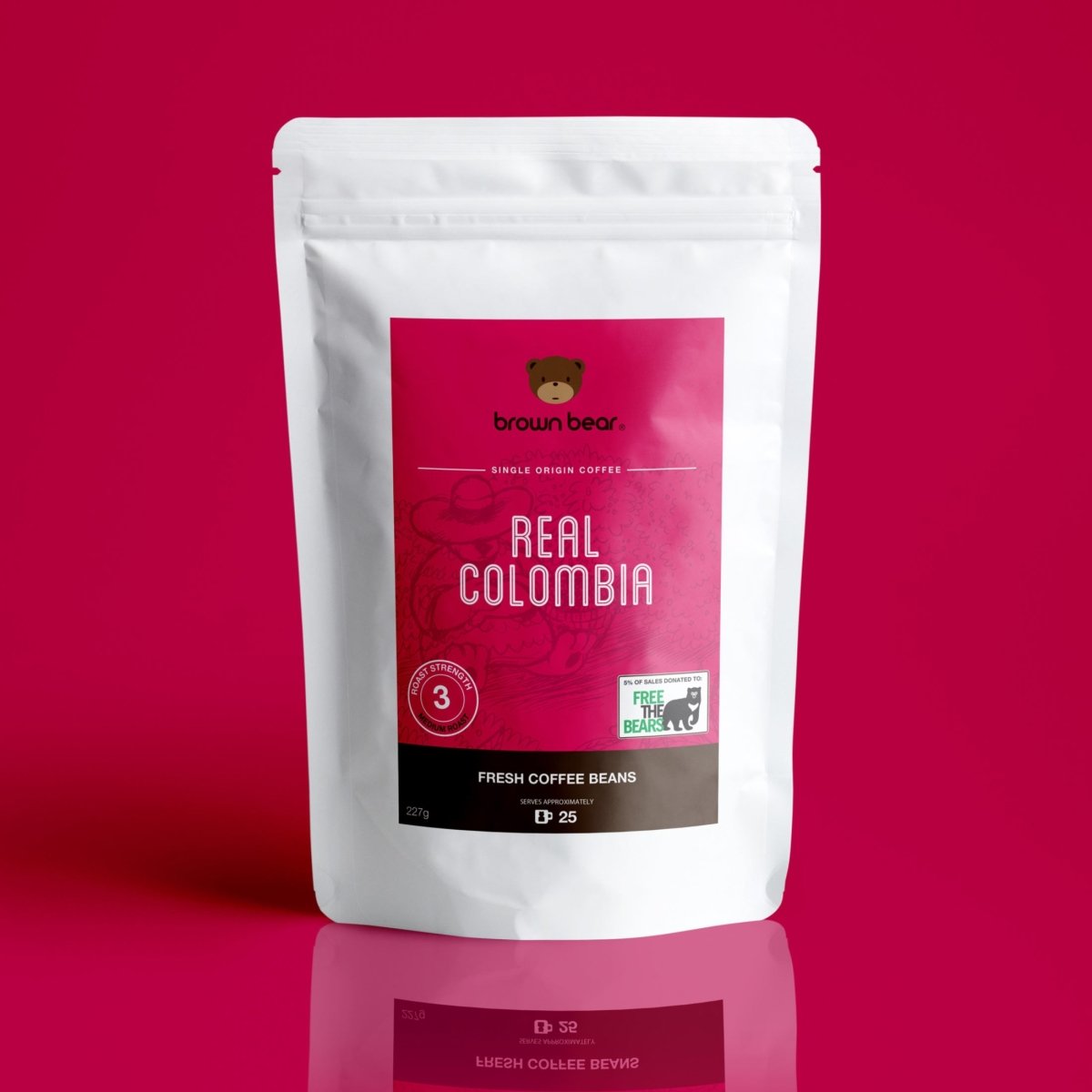
Ethiopian coffees are often known for lively fruit, floral notes and tea-like brightness. Kenyan coffee can bring a punchy, juicy character, while Colombia is loved for its balance and dependable sweetness. Brazil commonly offers chocolatey, nutty profiles with a fuller body. Guatemala, Peru and Vietnam each have their own established coffee traditions and flavours, from clean and citrus-led to deep, rich and intense.
Origin gives you a useful starting point, not a rigid rule. Two coffees from the same country can taste miles apart. A washed Ethiopian coffee may feel crisp and delicate, while a naturally processed coffee from the same region can be fuller, fruitier and more wine-like. That variety is one reason coffee never gets boring.
Roasting changed coffee history too
For much of coffee’s history, people bought green coffee and roasted it at home. Commercial roasting gradually made coffee easier to buy, store and prepare. It also gave roasters far greater control over flavour.
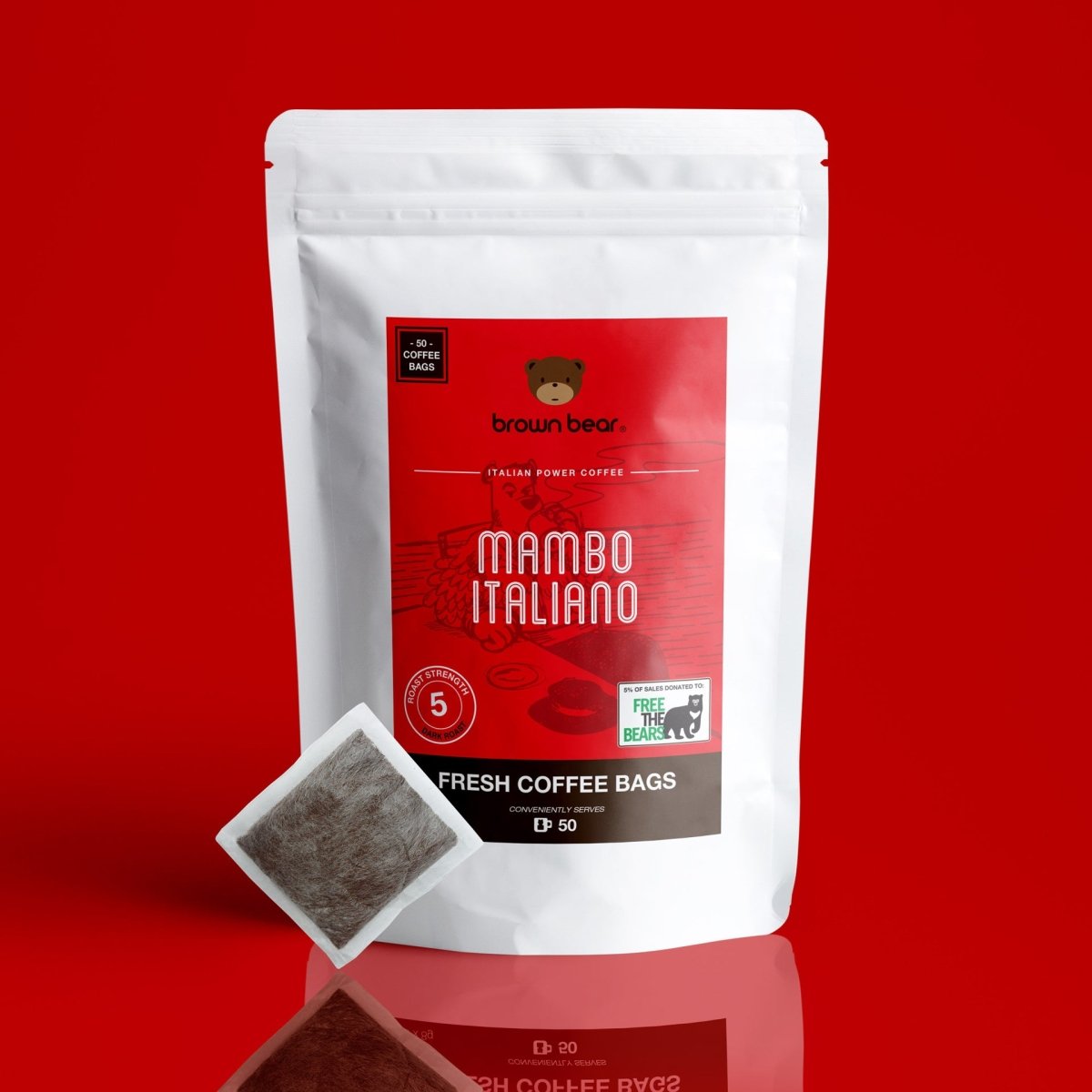
Roasting transforms dense, pale green seeds into aromatic brown coffee. A lighter roast usually keeps more of the bean’s own character in view, making origin notes easier to spot. Medium roasts often balance sweetness, body and brightness. Dark and ultra-dark roasts bring bolder, deeper flavours, with more roast-led notes such as dark chocolate, toasted nuts and caramelised richness.
There is no universally superior roast. It depends on what you enjoy and how you brew. A light roast can be brilliant in a filter brewer when you want clarity, while a dark roast can make a powerful cafetière or espresso-style cup. The useful question is not “Which roast is best?” but “What do I want from this cup?”
Convenience has always shaped the cup
Coffee’s story is also the story of people finding faster, simpler ways to make it. The first coffee houses relied on simmering grounds in pots. Later came percolators, espresso machines, paper filters, cafetières and home bean-to-cup machines. Each method changes the result.
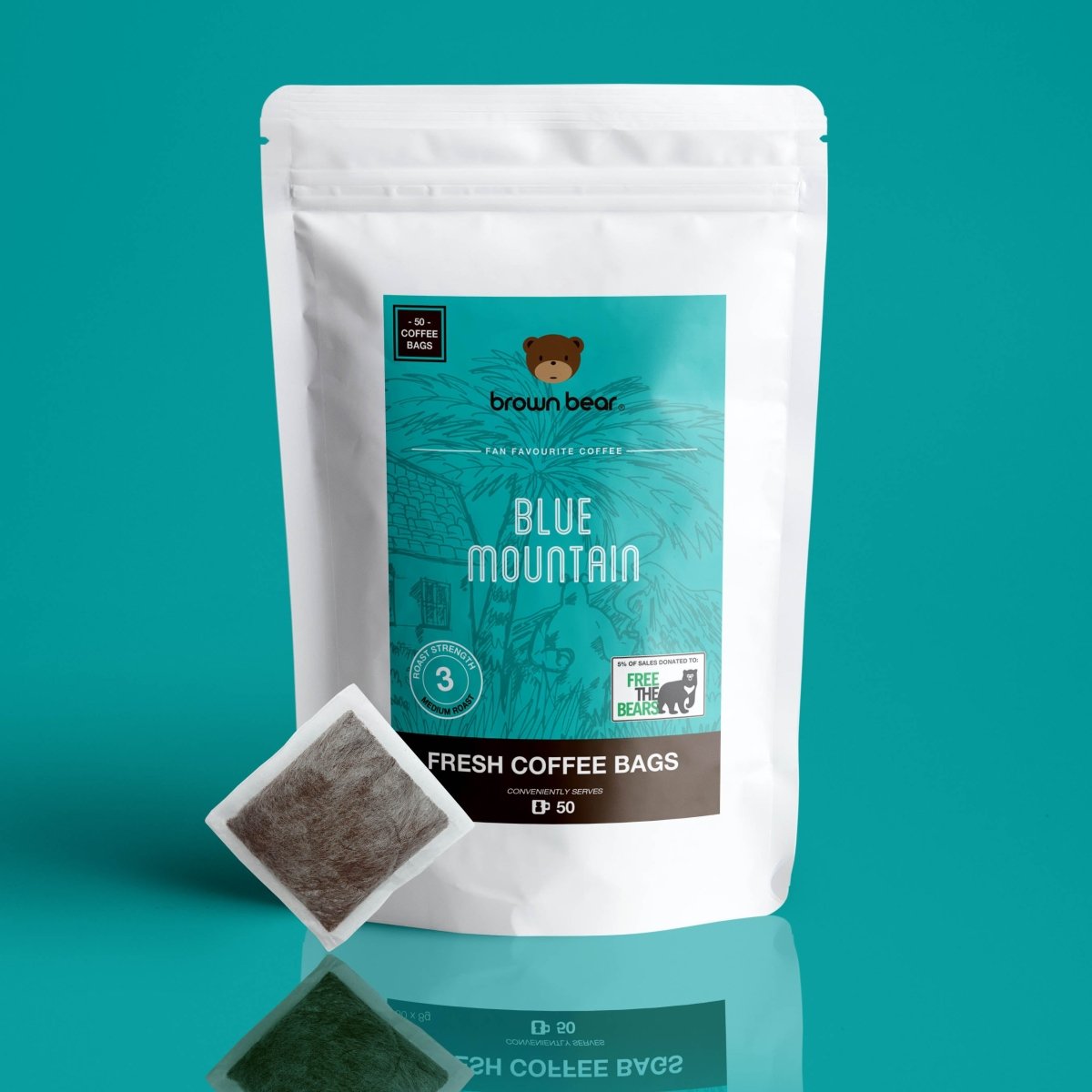
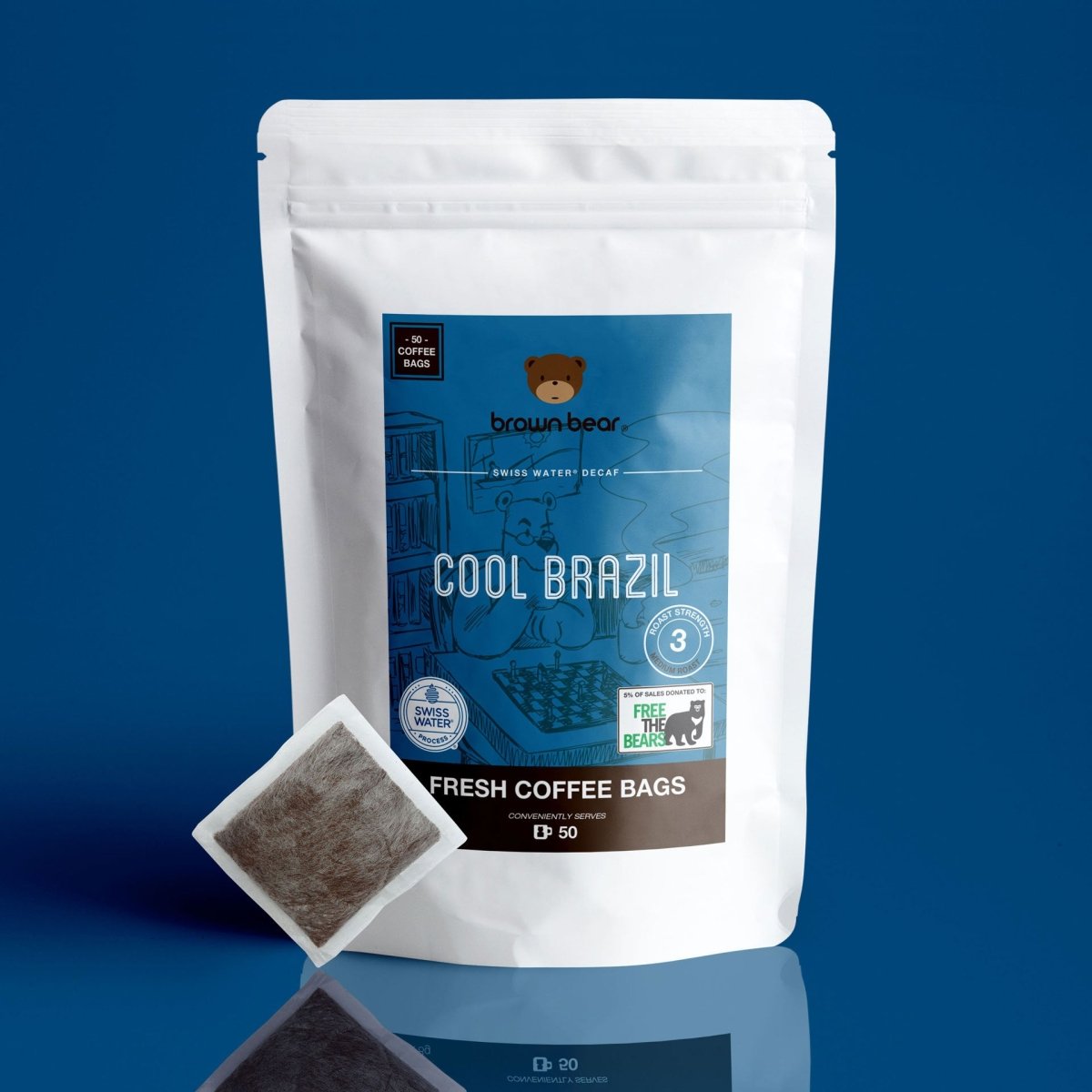
Espresso made concentrated coffee possible and helped create café culture as we know it. Filter coffee made a clean, easy everyday brew. Instant coffee offered speed and long shelf life, especially during wartime and in busy households. More recently, cold brew has given drinkers a smoother, chilled option, while coffee bags have made proper ground coffee easier to take to the office, on holiday or anywhere without a grinder.
Convenience need not mean settling for a dull cup. Freshly roasted whole beans offer flexibility for people with a grinder, while ground coffee removes a step for busy mornings. Coffee bags are a straightforward choice when equipment is limited. The best format is the one you will genuinely enjoy using day after day.
Today’s coffee culture is more personal
Specialty coffee has encouraged more people to ask where their coffee came from, how it was processed and who produced it. That curiosity is valuable, but good coffee should not require a glossary or a complicated ritual. You can care about flavour and sourcing without weighing every gram or timing every pour to the second.
For most households, a reliable favourite is worth more than a cupboard full of coffee bought with good intentions and never finished. Start with the flavour direction you already enjoy. If you like a smooth, rounded mug, try a medium roast with chocolate or nut notes. If you prefer something strong and full-bodied, look towards dark roasts. If bright, fruit-led cups appeal, explore lighter roasts and single-origin coffees.
The next time you make coffee, take a moment to notice what is in your cup: the origin, the roast and the brew method all carry a small part of this long history. Then make it your own - with the strength, format and flavour that makes an ordinary morning feel a little better.

