














The kettle is boiling, your first meeting starts in ten minutes, and the coffee tin is looking sparse. Coffee pods versus coffee bags is a useful comparison because both formats promise a quick, tidy cup without weighing beans or clearing a cafetière full of grounds. The better choice is not universal. It comes down to the machine and space you have, the flavour you enjoy, and how much control you want before that first sip.
Coffee pods versus coffee bags: the key difference
Coffee pods are pre-measured portions of ground coffee designed for a compatible coffee machine. The machine pushes hot water through the pod under pressure, producing a short, concentrated coffee with crema on top. Add hot water for an Americano or milk for a latte-style drink, and you have a familiar coffee-shop format at home.
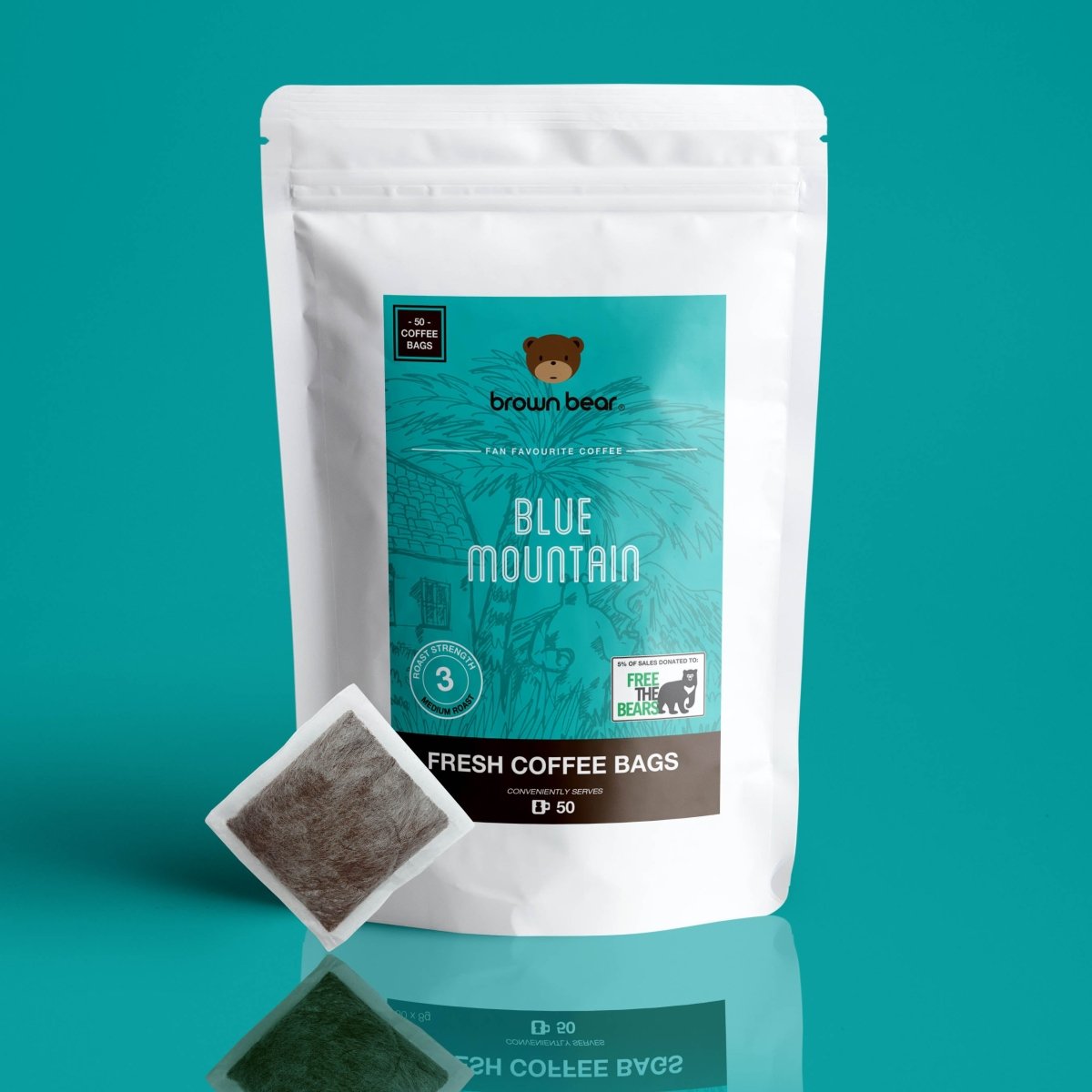
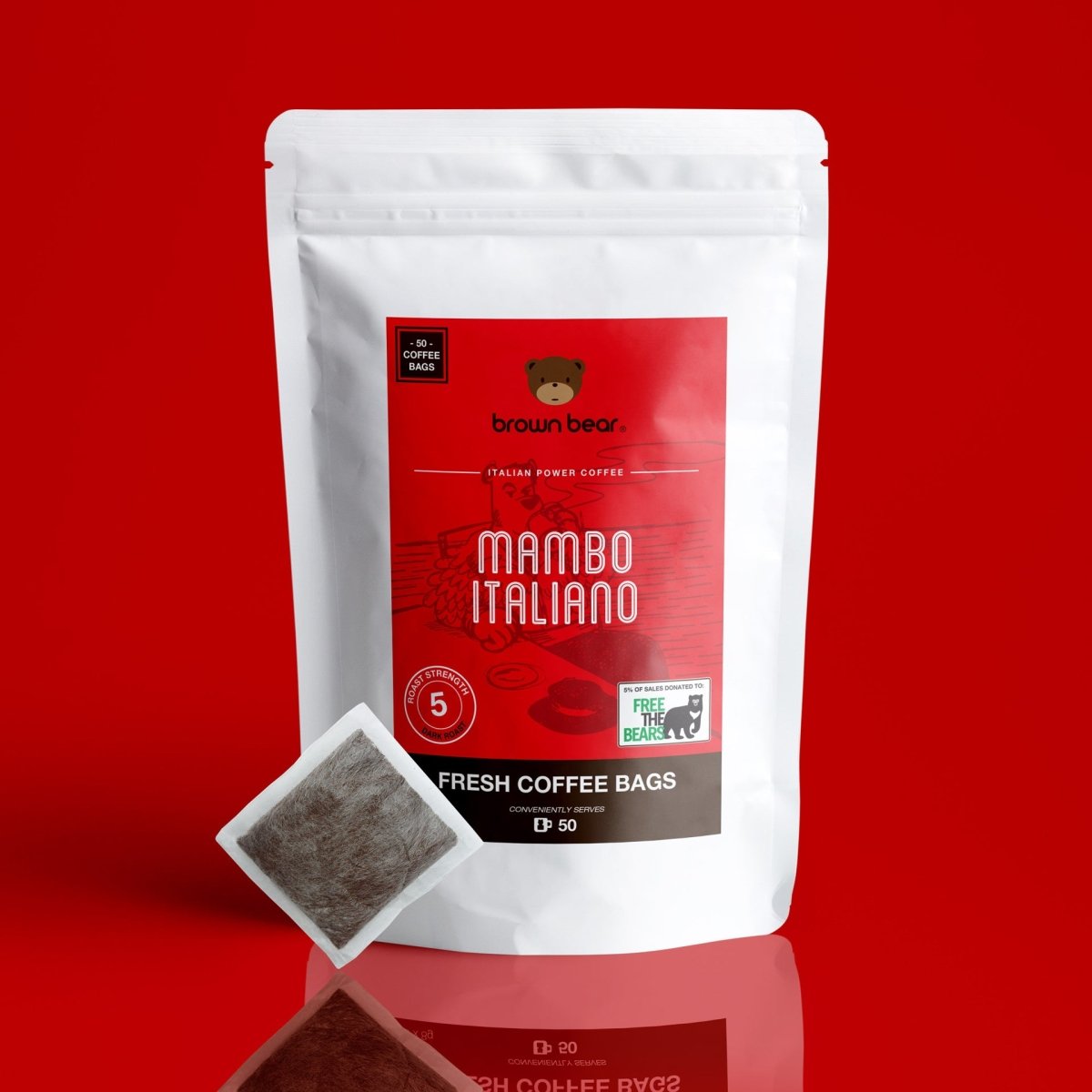
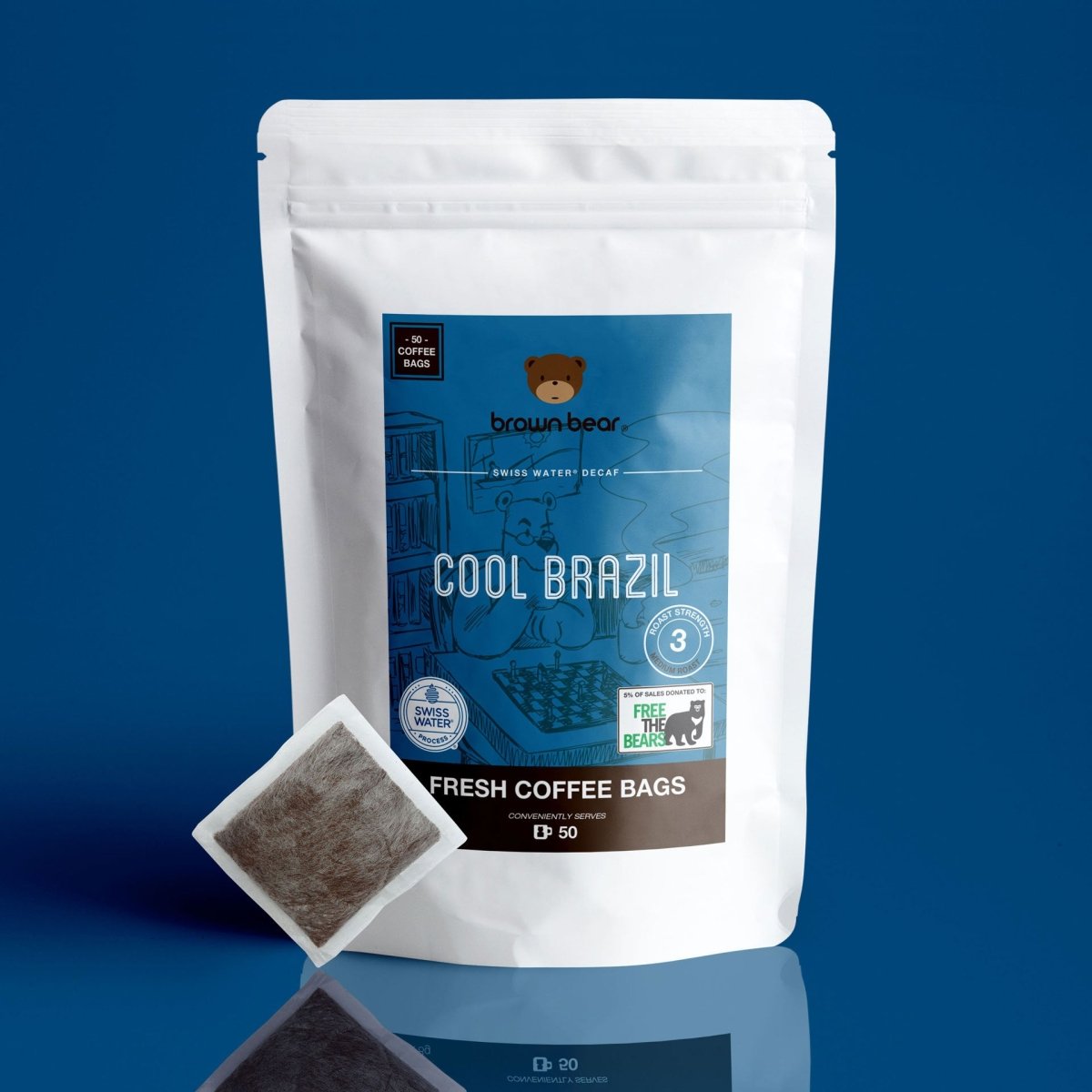
Coffee bags work more like a tea bag, although the coffee inside is ground for brewing rather than steeping tea leaves. Put one in a mug, add freshly boiled water that has rested briefly, and leave it to brew for a few minutes. Give it a gentle dunk or stir, remove the bag, and your coffee is ready.
Both are designed for straightforward brewing, but they solve different problems. Pods suit people who already own a compatible machine and want consistent espresso-style drinks. Coffee bags suit anyone who has a mug, hot water and a few minutes to spare.
What coffee pods do well
A pod machine is hard to beat for speed. Press a button and it handles water temperature, volume and extraction for you. This is particularly handy in busy households, shared offices or mornings when everyone wants something different. Many machines also make it easy to switch from a bold espresso to a longer coffee without opening a new bag of beans.
Pods can create a richer, more concentrated texture than a coffee bag because pressure is part of the brewing process. If your usual order is a flat white, cappuccino or espresso, that familiar intensity is a strong reason to choose them.
The trade-off is commitment. You need the right machine, the right pod format and enough worktop room. Your choice of coffee can also be limited by which pods work with your machine.
What coffee bags do well
Coffee bags make proper coffee possible almost anywhere. Keep a box in the kitchen cupboard, your desk drawer, a holiday cottage bag or the glove compartment for early starts. There is no machine to descale, no filter papers to buy and no grinder to clean.
They are also forgiving. If you prefer a lighter cup, take the bag out sooner. For a fuller, stronger brew, leave it in for a little longer and give it a few dunks before removing it. The result is closer to a filter coffee than an espresso: smooth, rounded and easy to drink black or with milk.
Coffee bags are especially useful when you want one good cup without brewing a whole pot. For home workers, occasional coffee drinkers and gift buyers, that low-fuss flexibility is often the point.
Which format tastes better?
Taste depends on the coffee itself as much as the format. Freshness, roast level, origin and storage all matter. A carefully roasted medium coffee can taste sweet, nutty and balanced in either format, while a dark roast can bring the powerful, chocolatey depth many people want with milk.
That said, pods and coffee bags tend to highlight different qualities. Pods are made for short, pressure-brewed drinks, so they often feel bolder and more intense. They are a natural match for people who like a punchy morning coffee or milk-based drinks where the coffee needs to hold its own.
Coffee bags brew more gently. They can bring out softer notes and a cleaner finish, particularly in medium and light roasts. If you like to notice caramel, fruit or cocoa flavours in a black coffee, a coffee bag gives those notes more room. It will not produce true espresso crema, though, and it will not have the same concentrated body as a pod shot.
Your water matters too. Water that is heavily chlorinated or very hard can flatten flavour, whatever format you use. Freshly drawn water and a clean mug make more difference than most people expect.
Convenience is not just about brewing time
Pods win when every second counts. A machine can deliver a coffee in under a minute, and the used pod is contained and tidy. For a household that makes several coffees a day, that repeatable routine is appealing.
Coffee bags ask for a little more patience, usually around three to five minutes, but they demand less equipment. There is no machine to maintain and no concern about whether a guest knows how to use it. If the kettle works, you are sorted.
Think about where you drink coffee most often. A pod machine makes sense if you mainly brew at home and enjoy espresso-style drinks. Coffee bags are often the more practical choice for travel, small kitchens, workplaces without decent equipment and anyone who wants to keep a reliable coffee option on hand.
Cost and waste: look at the full picture
The cost per cup can be higher with pods than with ground coffee in bags, although prices vary widely by brand and coffee quality. The machine itself is another upfront cost, and it may need descaling products and occasional replacement parts over time.
Coffee bags usually have a simpler cost structure: buy the box, boil the kettle, brew the coffee. They can be good value for those who drink one or two cups a day, particularly if a machine would otherwise sit unused for long stretches.
Waste deserves a closer look than a quick label claim. Some pods are recyclable, compostable or collected through specialist schemes, but the practical answer depends on their material and your local recycling options. A pod that is theoretically recyclable still needs to be emptied, sorted and accepted by the relevant service.
Coffee bags are often easier to manage, but check the full packaging rather than assuming every part can go in food or garden waste. The bag material, string, tag and outer wrapper may have different disposal instructions. If reducing waste is a priority, choose the format you will use consistently and dispose of correctly. Avoiding forgotten coffee and unused capsules is part of the calculation too.
Choose based on the coffee you actually drink
Pick pods if you want fast espresso-style coffee, regularly make milk drinks and are happy to own a compatible machine. They are built around consistency and speed, which can make a rushed weekday morning feel much easier.
Choose coffee bags if you want quality coffee without equipment, prefer a gentler filter-style cup or need something portable. They are also a thoughtful addition to a gift because the recipient does not need a particular machine to enjoy them.
If your household has varied tastes, there is no rule saying you must choose only one. A pod machine may be ideal for the regular latte drinker, while coffee bags cover guests, workdays away from home and the occasional evening decaf. Buying coffee by how it fits your routine is more useful than chasing a one-format answer.
Make either option taste its best
With coffee bags, use a generously sized mug so the bag can move freely in the water. Let boiled water rest for a moment before pouring, then brew for the time on the pack. Pressing or squeezing the bag can release harsher notes, so remove it gently once it tastes right.
With pods, keep the machine clean and descale it when recommended. A build-up of limescale can affect flow, temperature and flavour. If your coffee tastes weak, check the cup-size setting before assuming the pod is the problem. A shorter pour often gives a more satisfying, fuller cup.
The best everyday coffee is the one you look forward to making and can easily keep in supply. Whether that is a quick pod before the school run or a coffee bag beside your laptop, choose the format that makes a better cup feel like the easy option.

