

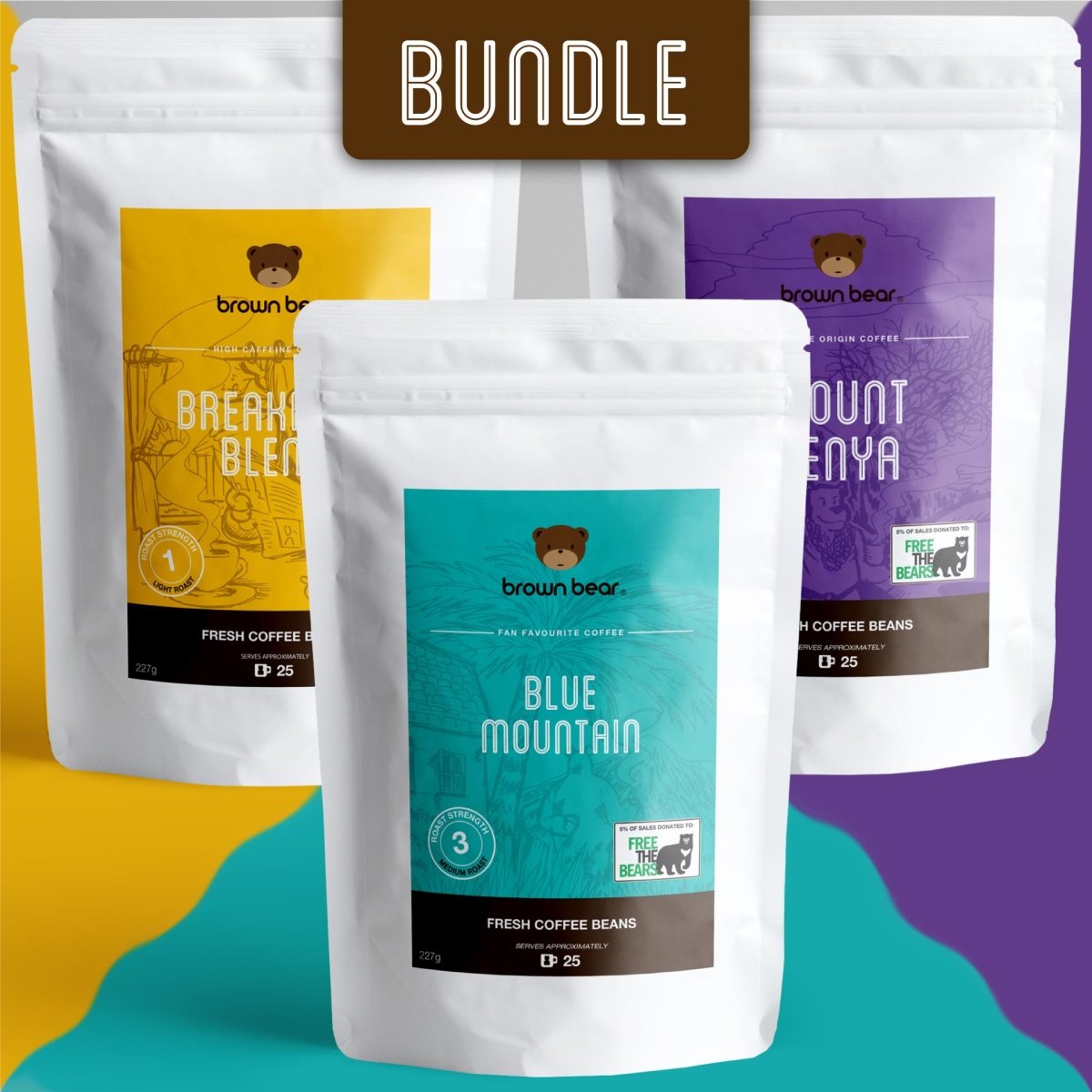
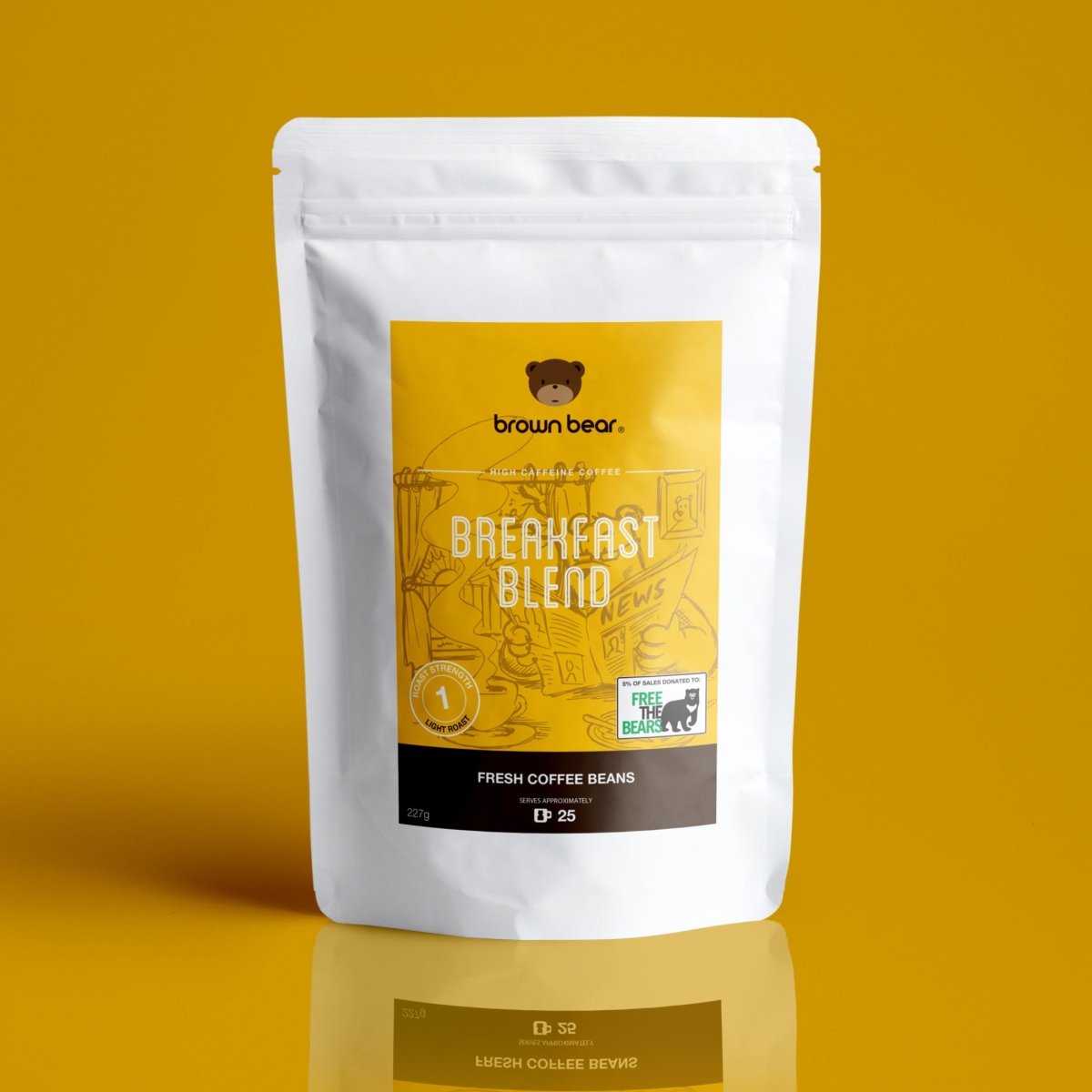
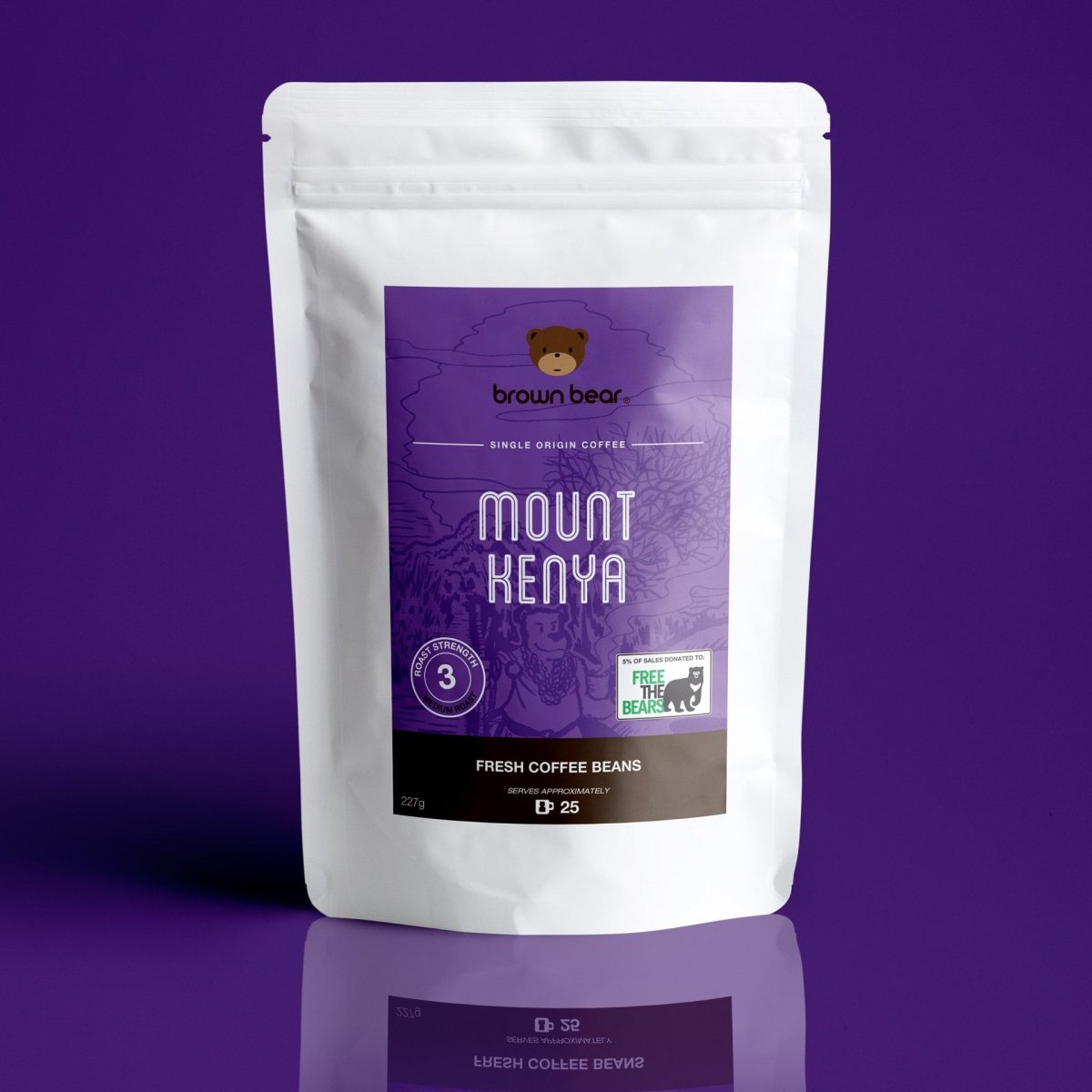
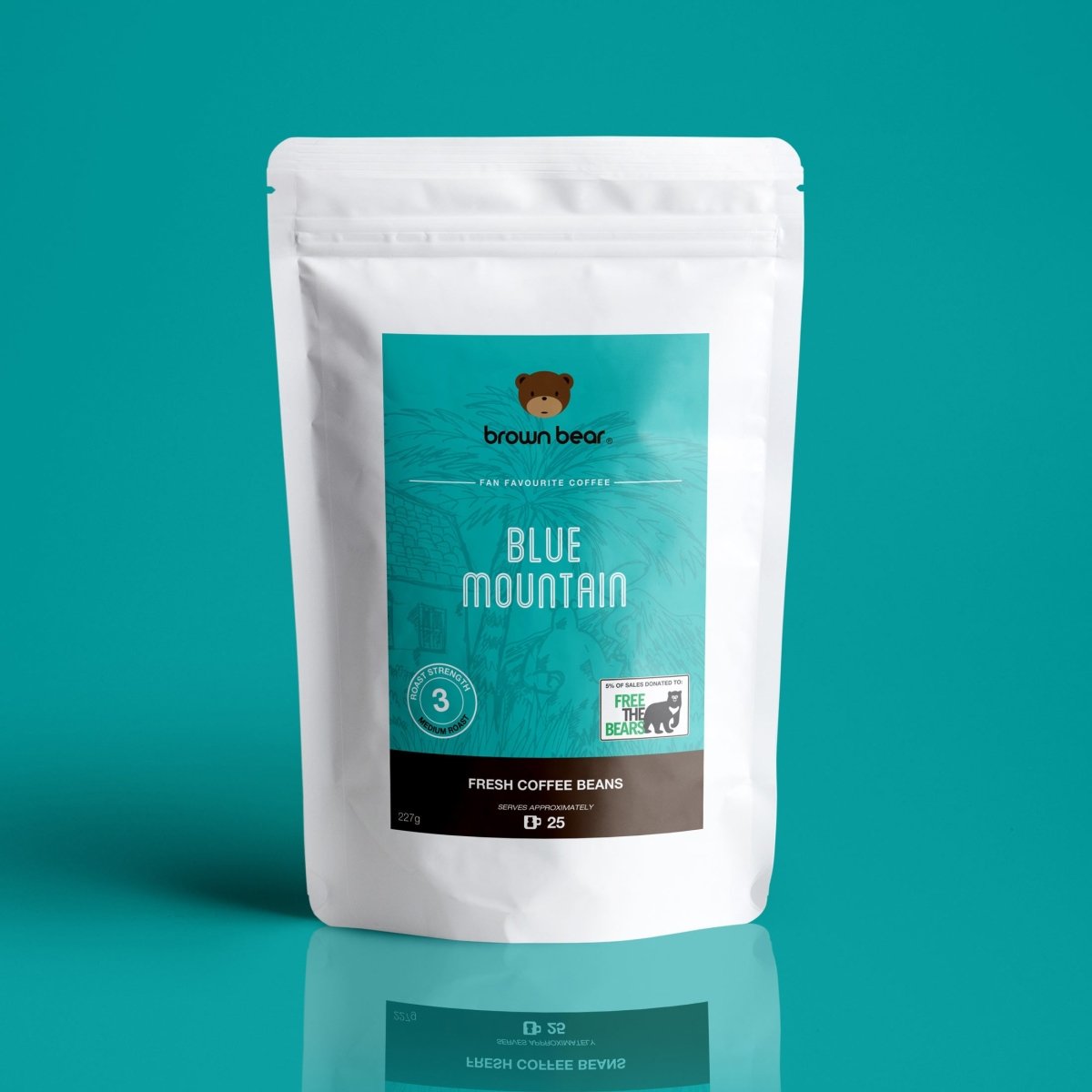

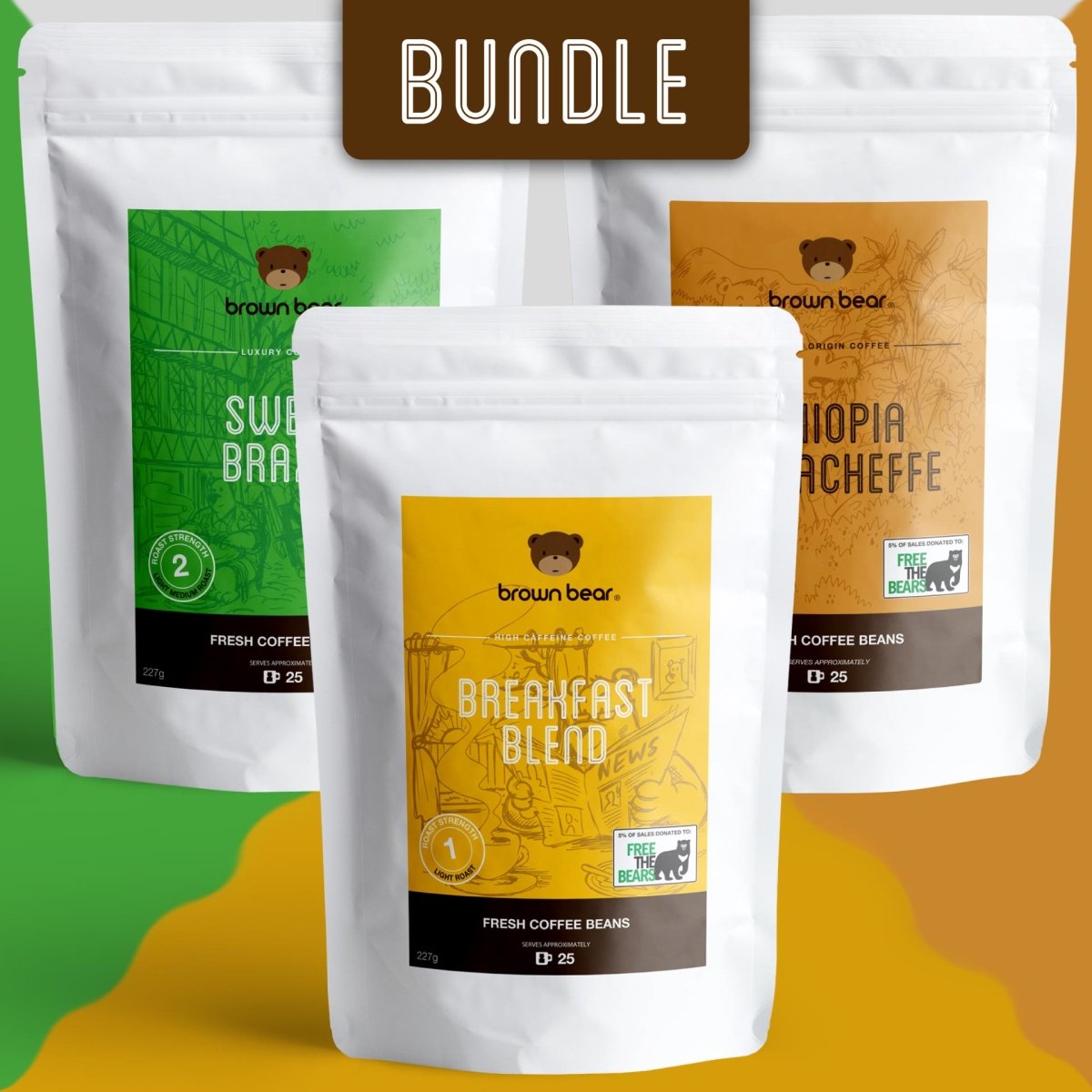
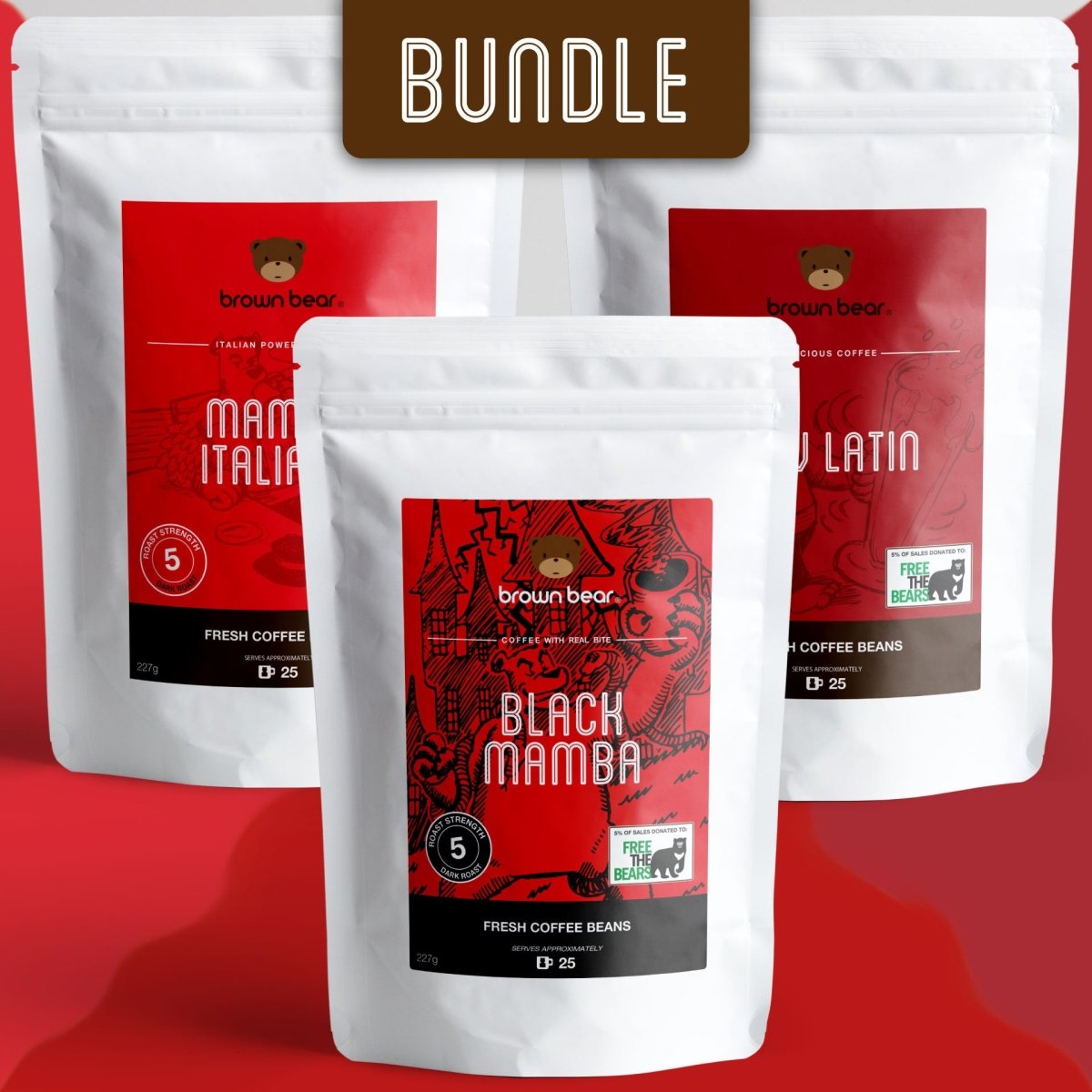
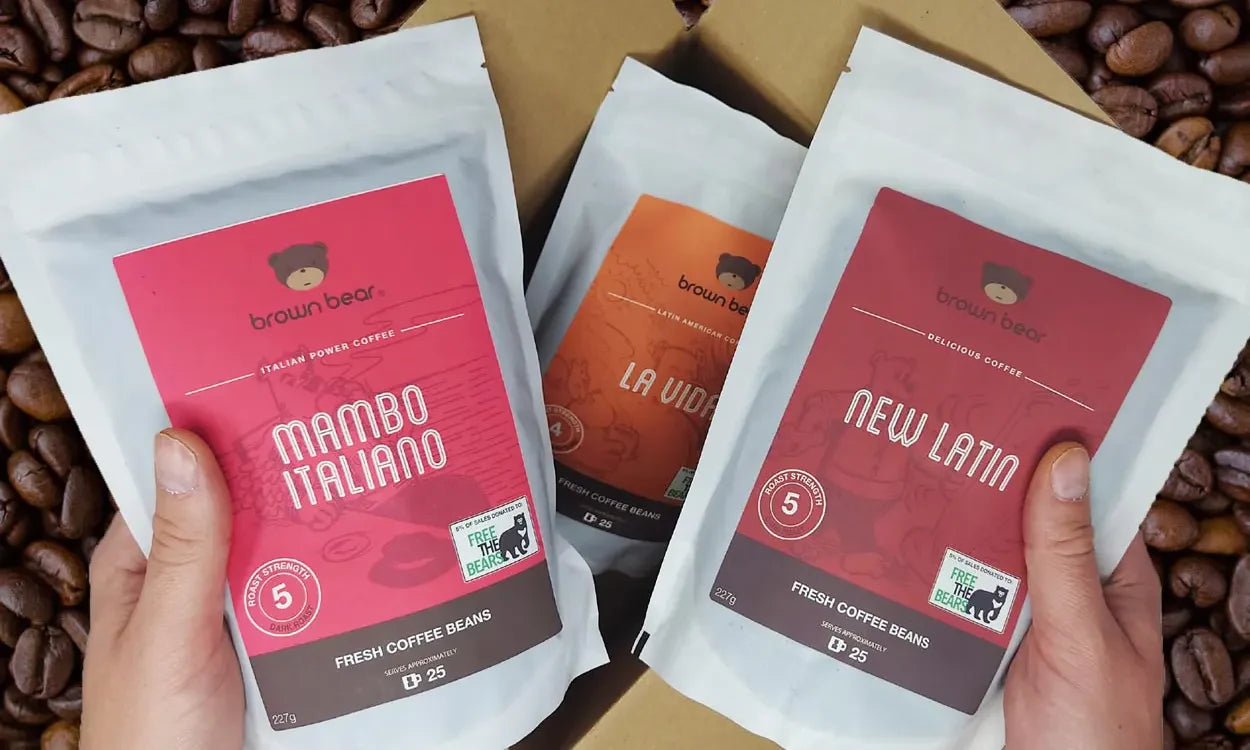








A great espresso does not begin when you press the brew button. It begins with the coffee in your hopper. The best coffees for espresso bring enough sweetness, body and flavour clarity to stand up to a short extraction, whether you drink a neat morning shot or make a generous flat white before work.
There is no single perfect espresso bean for every home setup or every palate. A bright, fruit-led coffee can be brilliant as a straight espresso but disappear behind oat milk. A dark roast can make a full-bodied cappuccino with ease, yet taste too intense if you prefer lighter, sweeter shots. The useful question is not simply, “Which coffee is best?” It is, “Which coffee will make the espresso I actually want to drink?”
What Makes a Coffee Good for Espresso?
Espresso uses a small amount of water pushed quickly through finely ground coffee. That concentrated brew method makes every choice noticeable. Acidity becomes brighter, bitterness can become more forceful, and a coffee with a thin body may feel sharp rather than satisfying.
The best espresso coffees usually have a reliable balance of sweetness, body and soluble flavour. You want beans that extract evenly and offer enough character to remain enjoyable in a 25 to 35-second shot. Notes such as chocolate, caramel, toasted nuts, brown sugar and dried fruit are popular for good reason: they tend to create a rounded, familiar espresso with a lingering finish.
That does not mean fruity coffees are off limits. A well-developed coffee from Ethiopia or Kenya can make an exciting espresso, often with berry, citrus or floral notes. It simply asks a little more of your grinder, recipe and palate. If you are still getting used to home espresso, a medium or dark roast with chocolatey sweetness is often the easier place to start.
Best Coffees for Espresso by Roast Level
Roast level is one of the quickest ways to narrow your choice. It shapes how a coffee tastes, how it handles milk and how forgiving it can be to brew.
Medium roast: the all-round espresso choice
Medium roast coffee is a strong starting point for most espresso drinkers. It keeps more of the bean’s origin character while developing a sweeter, fuller profile than a light roast. Expect flavours that may sit somewhere between caramel, cocoa, ripe fruit and nuts, depending on where the coffee was grown.
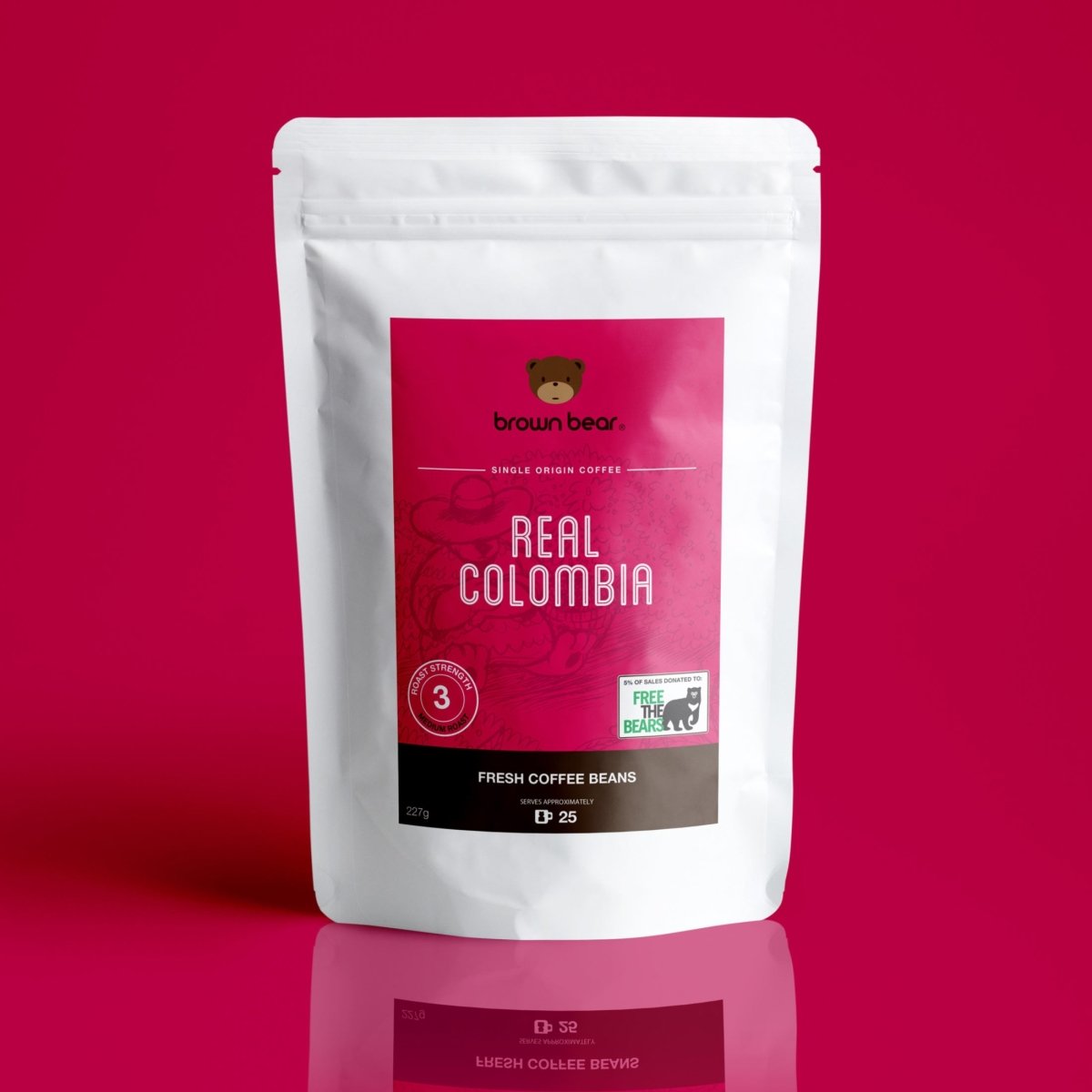
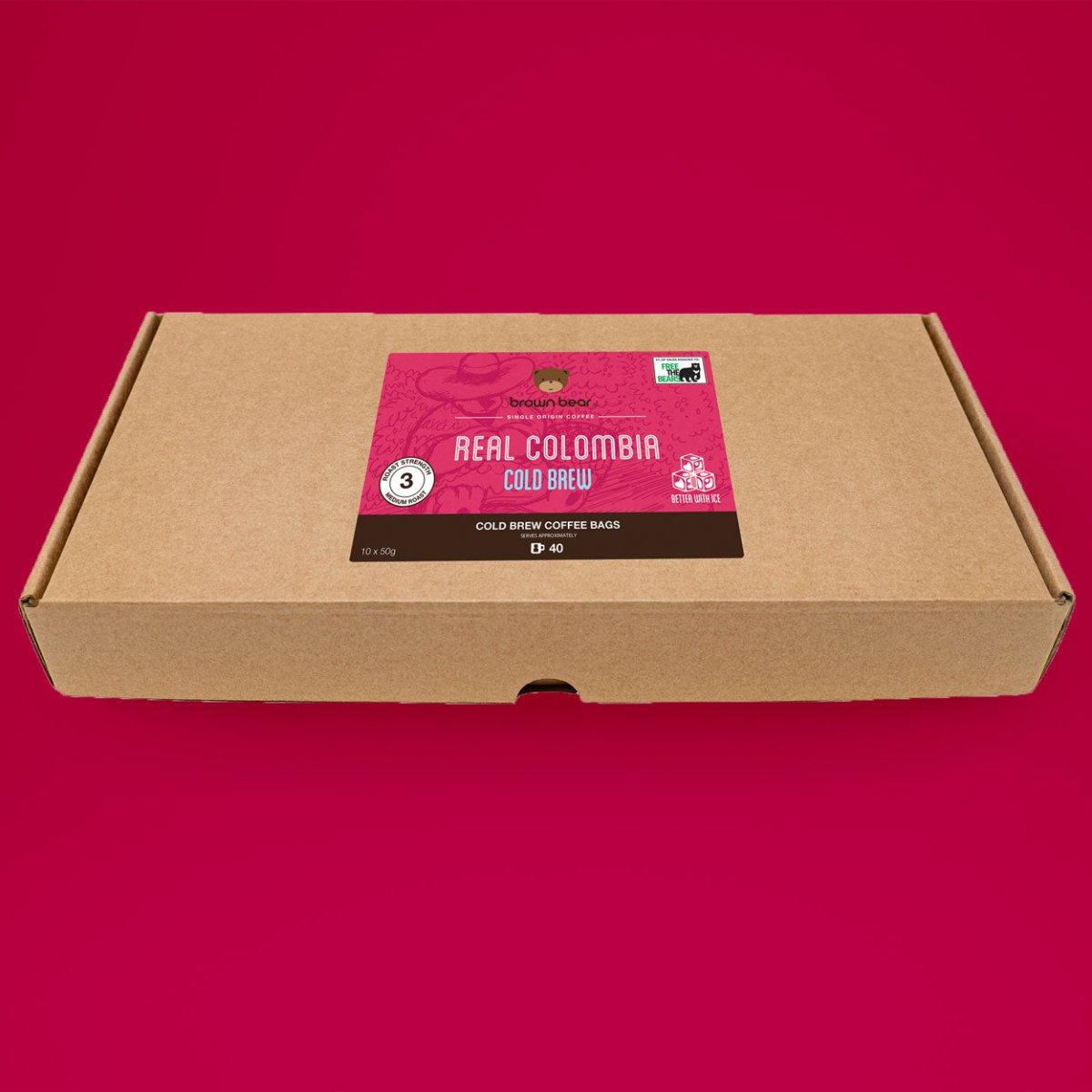
Choose medium roast if you switch between black coffee and milk drinks. It offers enough depth for a cappuccino, but is still interesting as a clean espresso. A Colombian or Guatemalan medium roast is often especially dependable here, bringing a balanced cup with gentle fruit, sweetness and a smooth finish.
Dark roast: best for bold, classic flavour
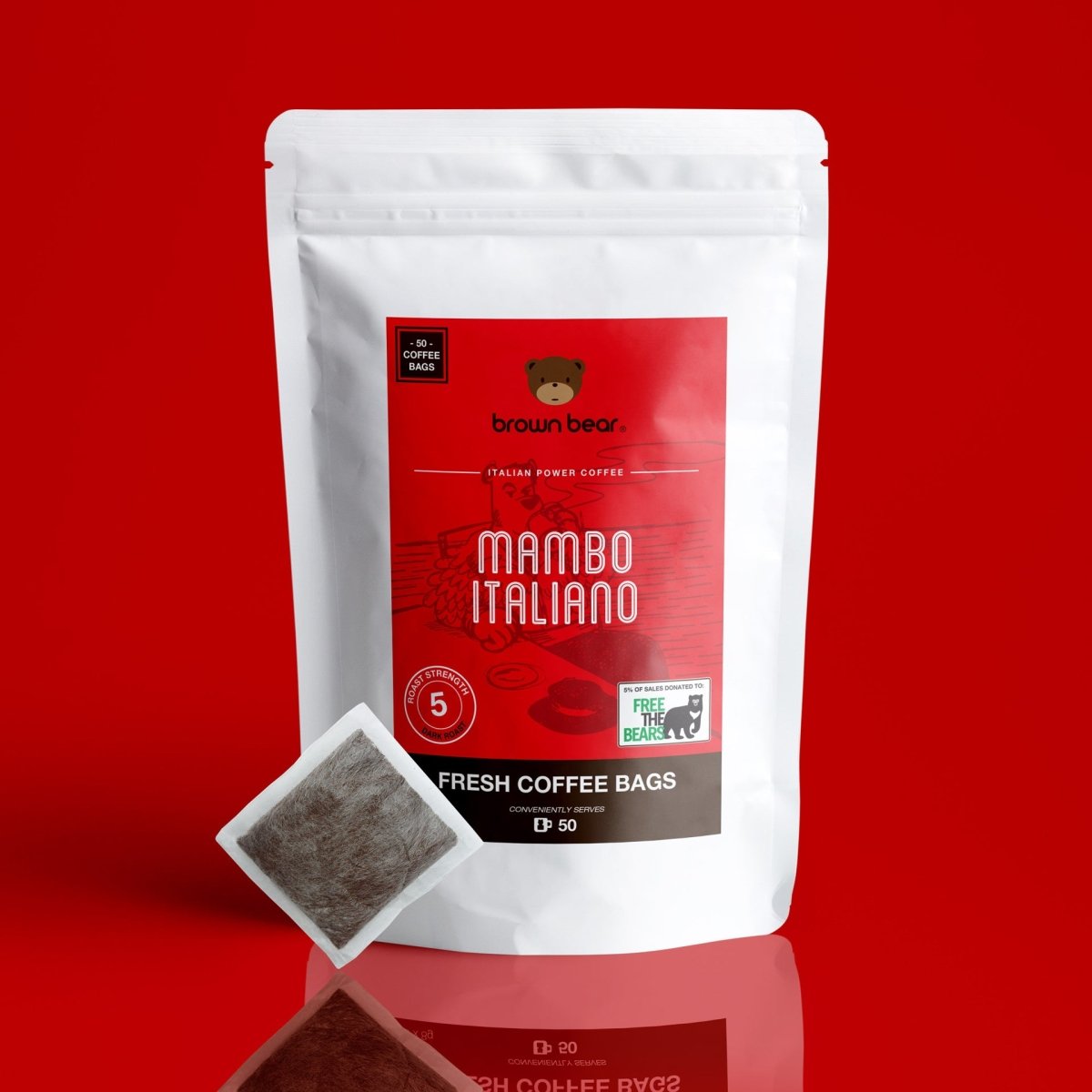
Dark roast is the familiar choice for those who like their espresso powerful and rich. Roasting further develops deeper flavours such as dark chocolate, toasted nuts, molasses and spice. It also reduces the perception of acidity, which can be welcome if brighter shots are not your thing.
This is a particularly good route for lattes, cappuccinos and flat whites. Milk naturally softens coffee, so a darker roast gives your drink the backbone it needs. Brazilian coffees are often a natural fit, with low-acid, nutty and chocolatey notes that make a comforting everyday espresso.
The trade-off is that very dark coffee can become smoky or bitter if it is over-extracted. Start with a slightly shorter shot if needed, and do not assume darker means you should grind finer. A small adjustment can bring back sweetness.
Light roast: best for adventurous espresso drinkers
Light roast espresso can be lively, aromatic and wonderfully distinctive. It often highlights origin flavours: juicy berry notes from Kenya, floral citrus from Ethiopia, or delicate stone fruit from a carefully roasted single origin.
It is not always the simplest coffee to brew. Light roasts are denser and can need a finer grind, a little more water, a higher brew temperature or a longer ratio to open up fully. If your shot tastes sour, do not write the coffee off immediately. It may simply need more extraction.
For people who enjoy tasting the differences between origins, light roast espresso is a treat. For a straightforward, rich milk coffee, medium or dark is usually the more dependable pick.
Choose an Origin That Matches Your Taste
Origin is not a guarantee of flavour, but it gives you a helpful steer when shopping. Growing conditions, processing and roasting all matter, yet certain coffees regularly suit particular espresso preferences.
Brazil is a favourite for a smooth, low-acid base, with chocolate, nuts and caramel often leading the way. It is an easy choice for daily drinking and milk-based coffees. Colombia can bring a little more fruit and brightness while keeping a balanced, approachable profile. It works well for espresso drinkers who want sweetness without too much sharpness.
Guatemalan coffee often lands in a satisfying middle ground: rich, structured and gently spiced, with cocoa and fruit notes. Peruvian coffees can be soft and rounded, making them a good option for those who prefer a mellow cup. For more vibrant espresso, look towards Kenya or Ethiopia. These origins can offer striking fruit character, but reward careful brewing and are best enjoyed by those who like a brighter finish.
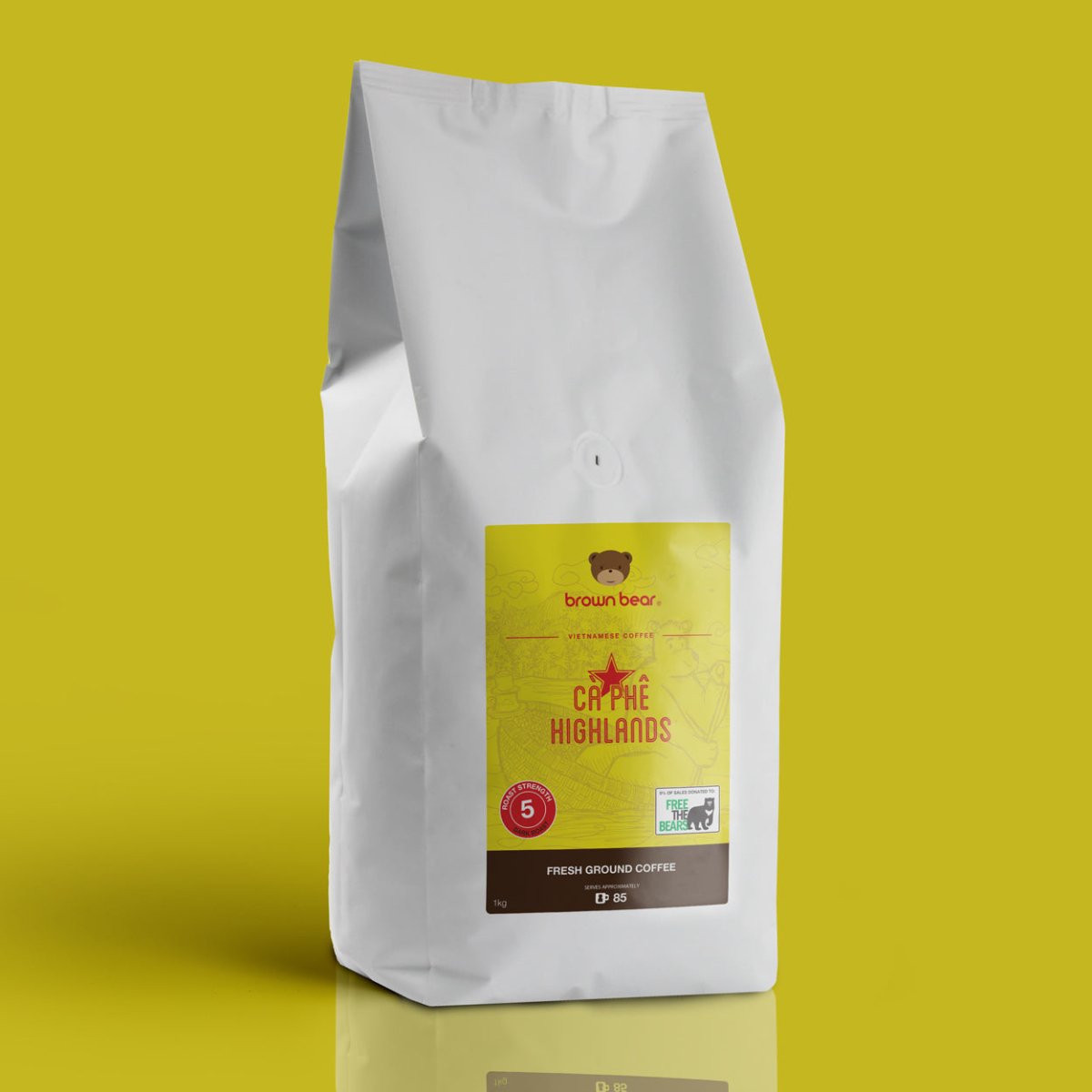
Vietnamese coffee can bring impressive weight and intensity, particularly in darker roast styles. If you enjoy a strong, full-flavoured cup that holds its own with milk, it is well worth considering.
Whole Beans Matter More Than a Fancy Machine
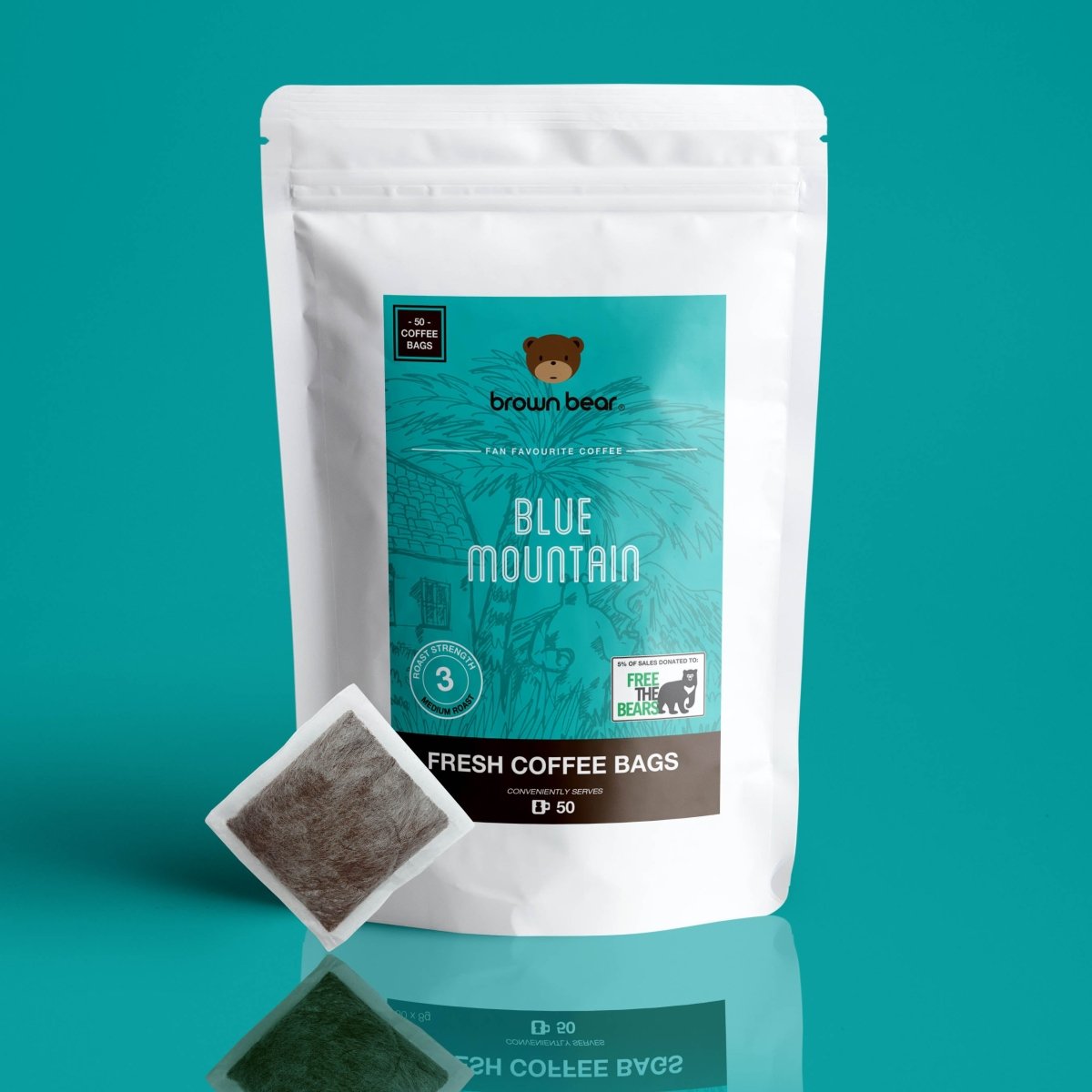
A capable espresso machine helps, but fresh coffee and a consistent grind have a bigger impact than many people expect. Buy whole beans where possible, then grind immediately before brewing. Pre-ground coffee can still make a decent cup, particularly when convenience matters, but it loses aroma and freshness faster once opened.
For espresso, you need a grinder that can make small, precise changes. If a shot runs too quickly and tastes thin or sour, grind a little finer. If it drips slowly and tastes harsh or dry, grind a little coarser. Change one thing at a time, then taste again.
Freshness has a sweet spot, too. Coffee needs a short rest after roasting so gases can settle, but it is generally at its best within a few weeks of opening. Store beans in an airtight container away from heat, sunlight and moisture. The cupboard is better than the fridge.
Match Your Coffee to How You Drink It
Your usual order should guide your choice. A person making espresso to sip slowly will notice delicate flavour differences more than someone adding steamed milk and syrup. Neither approach is wrong - they simply call for different coffees.
For straight espresso, choose a medium roast with balanced sweetness, or a lighter origin coffee if you enjoy fruit-led flavours. For americanos, medium roasts tend to stay smooth as water is added. For milk drinks, a dark roast or fuller medium roast is often the best bet, giving you coffee flavour rather than hot milk with a faint afterthought.
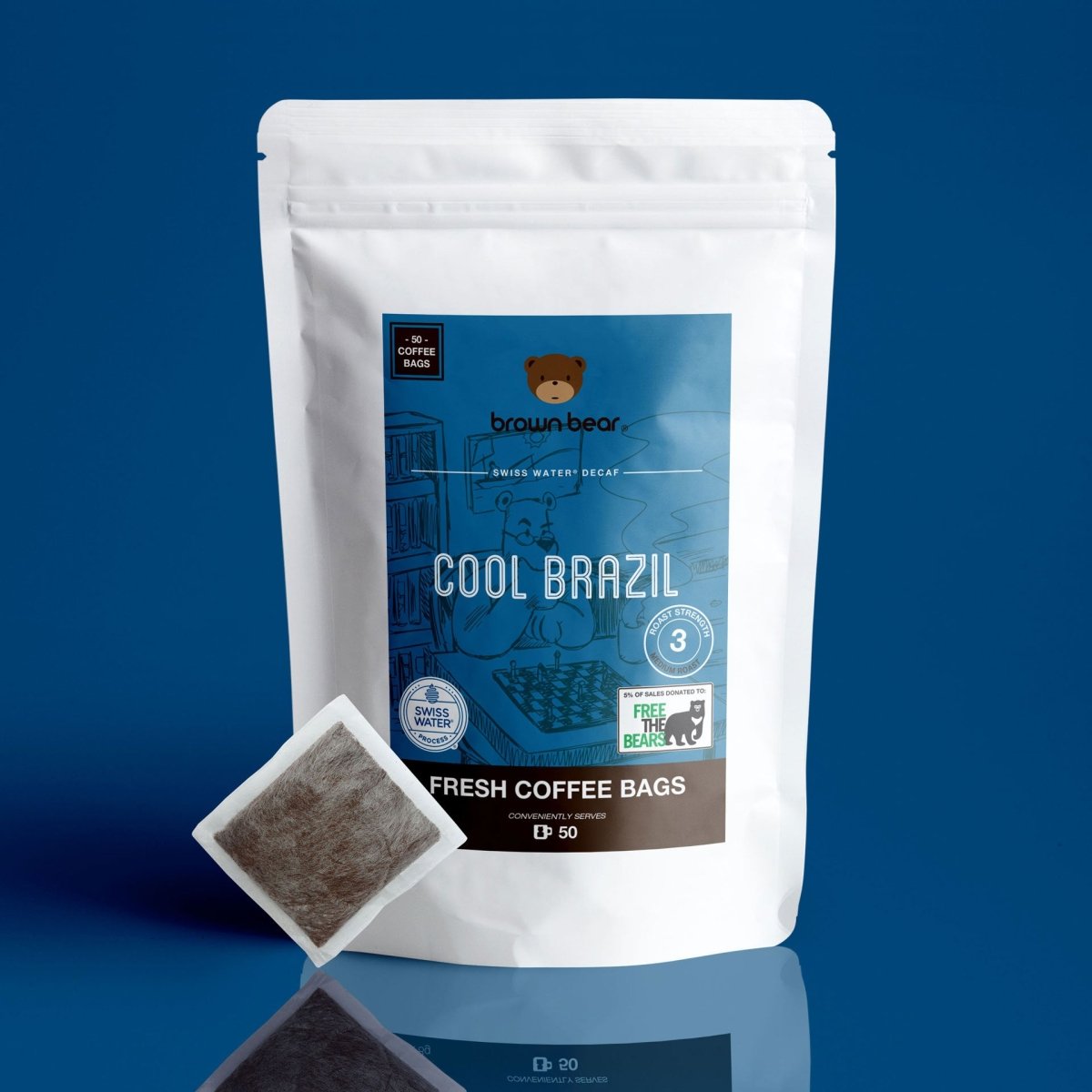
Decaf deserves the same consideration. A good decaf espresso can still be sweet, rich and full-bodied, making it ideal for an after-dinner coffee without the late-night buzz. Choose it by flavour preference, not as a compromise.
A Simple Espresso Starting Recipe
Once you have chosen your coffee, keep your first recipe simple. Use 18g of ground coffee in a double basket and aim for around 36g of espresso in the cup over roughly 25 to 30 seconds. This is a useful starting ratio, not a rule carved in stone.
If the espresso tastes sour, weak or lemony, try grinding finer or extending the yield slightly. If it tastes bitter, ashy or drying, grind a touch coarser or stop the shot earlier. If it tastes both sour and bitter, your distribution or tamping may be uneven, so take a moment to level the grounds before brewing.
Do not chase perfection on every shot. Coffee changes as it ages, rooms get warmer and grinders retain a little coffee from yesterday. The aim is a routine that gets you to a delicious cup without turning breakfast into a laboratory session.
The best coffee for your espresso machine is the one that suits your taste, works with your favourite drink and makes you look forward to putting the kettle on. Start with a roast profile you know you enjoy, buy fresh, make one adjustment at a time, and let each bag guide your next choice. With a flexible selection of origins and roast strengths, Brown Bear makes that daily ritual easy to keep interesting.

