












If your morning coffee tastes of milk chocolate, toasted nuts and a little caramel sweetness, there is a good chance Brazil is behind it. Brazil coffee flavour notes are some of the easiest to enjoy and recognise, which is exactly why Brazilian coffee is such a reliable favourite for everyday drinking at home.
That does not mean it all tastes the same. Brazil produces an enormous amount of coffee, and the flavour can shift depending on region, altitude, processing and roast. Still, there is a reason so many coffee drinkers come back to it. Brazilian coffee is usually comforting, rounded and low in sharp acidity, which makes it approachable whether you brew espresso, filter or cafetiere.
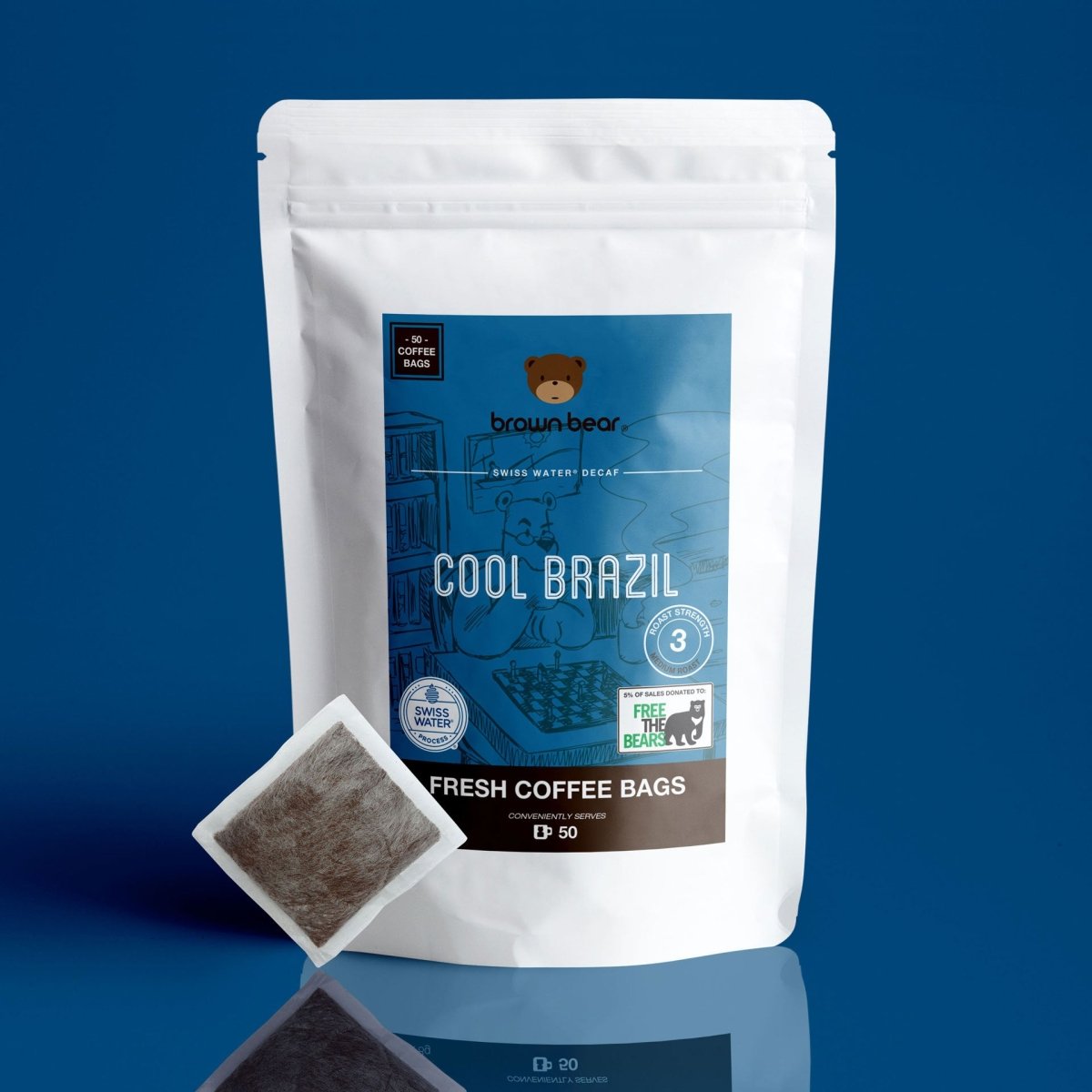
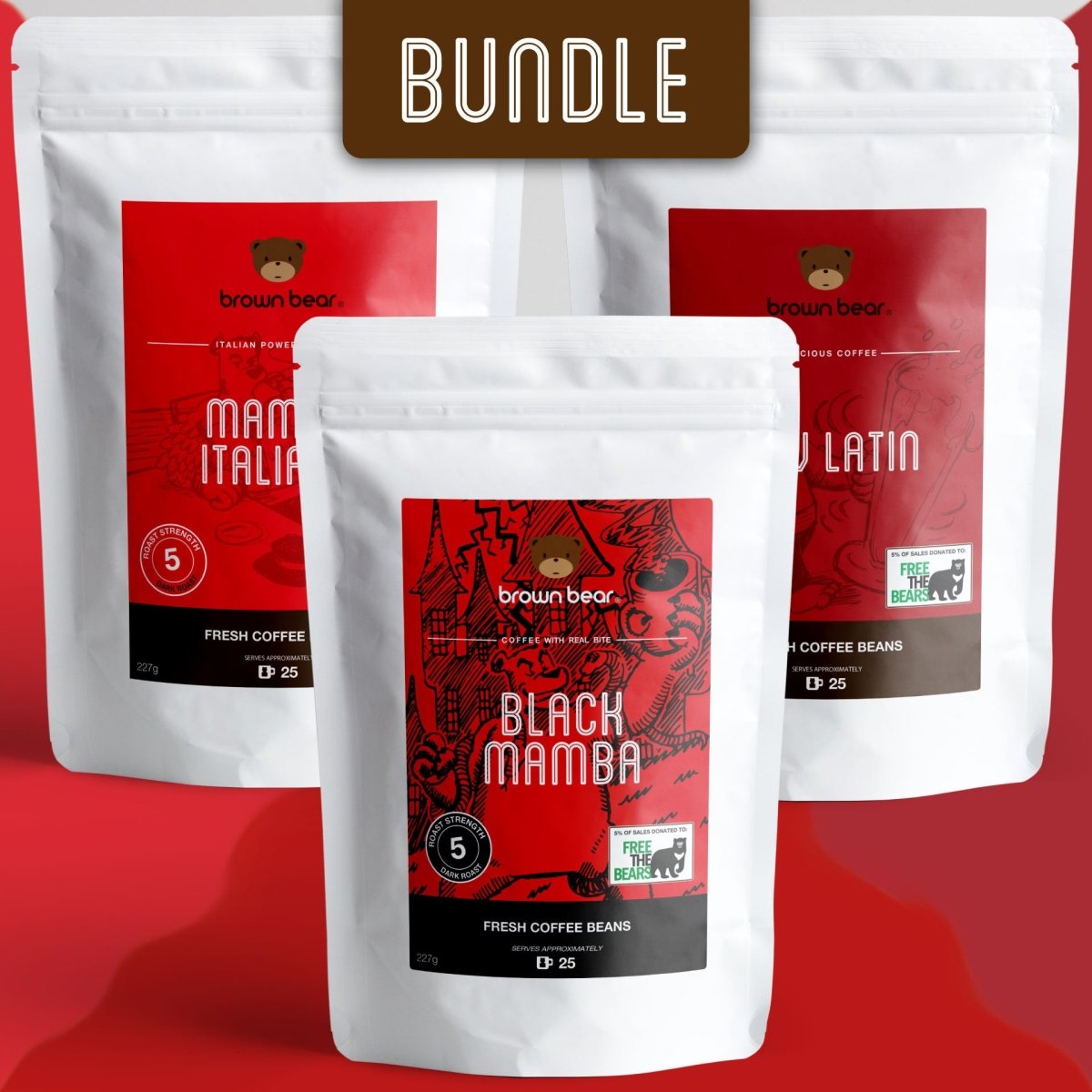
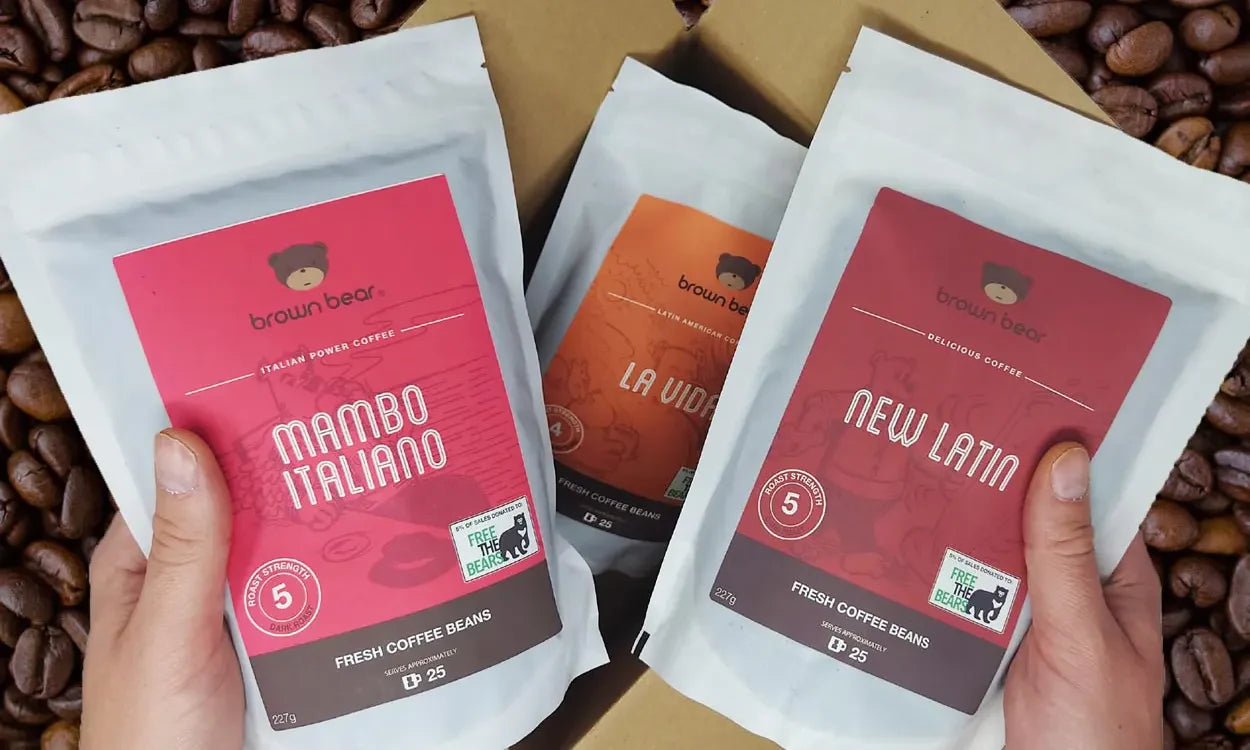
We sell two coffees that are single origin from Brazil, one is a decaf, and the other is a sweeter variant from Brazil. We have plenty of other coffees that use Brazil in the blend as it is such a versatile coffee bean to use.
You can check out our Sweet Brazil and Cool Brazil decaf coffee here.


What Brazilian coffee usually taste like
The classic profile is familiar for a reason. Most Brazilian coffees lean towards chocolate, hazelnut, almond, caramel and soft dried fruit. You may also notice brown sugar, biscuit, peanut, praline or a gentle cocoa finish. In espresso, these flavours can feel heavier and richer. In filter coffee, they often show up as cleaner milk chocolate and nut tones with a mild sweetness.
That balance is what makes Brazilian coffee so versatile. It tends to have enough sweetness to stay interesting, enough body to feel satisfying, and low enough acidity to keep the cup smooth. For plenty of people, that is exactly what great everyday coffee should taste like.
It is also why Brazil appears so often in blends. If you want a dependable base note with body and sweetness, Brazilian beans do a lot of the heavy lifting without becoming overpowering.
Why Brazilian coffee tastes this way
Brazil is not one small coffee-growing pocket. It is a huge producer with many regions, a broad range of climates and a long history of farming at scale. A lot of its coffee is grown at moderate altitudes compared with some East African origins, and that tends to support lower acidity and a more rounded cup.
The varieties grown there also play a role. Bourbon, Mundo Novo, Catuai and Catucai are all common, and many of them produce approachable sweetness with nutty or chocolate-led profiles. Then there is processing. Brazil is especially well known for natural and pulped natural coffees, both of which can boost sweetness, body and fruit depth.
So while people often talk about Brazilian coffee as one thing, it is really a group of related styles. The shared thread is comfort. Even when the cup gets fruitier or more complex, it rarely loses that easy-drinking quality.
Regional differences in Brazilian coffee flavour notes
Some regional patterns are worth knowing, especially if you are trying to buy more confidently.
Minas Gerais
This is one of Brazil's best-known coffee-producing areas and includes regions such as Sul de Minas and Cerrado. Coffees from here often shows the flavours many people expect from Brazil - milk chocolate, roasted nuts, caramel and soft citrus. They are balanced and dependable, with a smooth finish that works brilliantly in espresso and bean-to-cup machines.
Mogiana
Mogiana coffees can bring a little more sweetness and brightness while still staying firmly in the chocolate-and-nut camp. Think caramel, red fruit, cocoa and almond. If you like Brazilian coffee but want something slightly livelier, this is often a good place to look.
Bahia
Bahia can produce cleaner, more modern cup profiles with gentle fruit notes and a lighter-feeling body. You might still get the familiar nutty base, but sometimes with extra stone fruit or a more delicate sweetness. These coffees can be especially good as filter brews.
Regional differences are real, but they are not always dramatic. Roast style and processing can easily shape the final cup just as much as the farm location.
Processing matters more than many people realise
If you have ever tried one Brazilian coffee that tasted like chocolate digestives and another that leaned more towards berries and syrup, processing is often the reason.
Natural processed Brazilian coffee dries with the fruit still on the bean. That usually creates more body, deeper sweetness and a slightly fruitier profile. You may taste raisin, dried cherry or jammy sweetness alongside the classic chocolate and nut notes.
Pulped natural, which Brazil is famous for, removes some of the fruit before drying but not all of it. The result is often a sweet, clean cup with caramel, honey and nutty flavours. It keeps much of the richness of a natural process without tipping too far into heavier fruit.
Washed Brazilian coffees do exist as well, though they are less typical. These can taste cleaner and brighter, with more clarity around cocoa, citrus and lighter nut notes.
If you want a safe bet for daily drinking, pulped natural is often a sweet spot. If you want a richer, fruitier espresso, natural can be a great choice.
Roast level changes the flavour more than people expect
Brazilian coffee is naturally suited to medium and darker roasts because its chocolate and nut character holds up so well under heat. That is one reason it is so popular for espresso. A medium roast might give you milk chocolate, hazelnut and caramel. Push darker, and those flavours turn towards dark chocolate, toasted walnut and treacle.
A lighter roast can be excellent too, especially when the coffee has better altitude or a more delicate process. In that case, you may get cocoa nibs, peanut brittle, citrus and a lighter caramel sweetness. The trade-off is that some people find lighter roasted Brazil a little less instantly comforting than the richer medium-roast style they expect.
There is no single right choice here. If you drink black filter coffee and want more detail, lighter to medium can work well. If you want a smooth, flat white or a fuller espresso, medium to dark is often where Brazilian beans shine.
How Brazil compares with other origins
One of the easiest ways to understand Brazil coffee flavour notes is to compare them with coffees from elsewhere.
Brazil is usually less bright and floral than Ethiopia, less winey than Kenya, and less citrus-led than many washed Central American coffees. Compared with Colombian coffee, Brazilian coffee often feels heavier, nuttier and more chocolate-forward. That makes it a very easy recommendation for anyone who wants low-fuss, crowd-pleasing coffee at home.
If you enjoy coffees with sharp acidity, sparkling fruit or floral aromas, Brazil may not always be your first pick. But if your ideal cup is smooth, sweet and satisfying enough to drink every day, it is hard to argue with.
Best brew methods for Brazilian coffee
Brazilian coffee is forgiving, which is part of its appeal. It works across different formats and does not demand a highly technical setup to taste good.
Espresso is where many Brazilian coffees feel most at home. The body comes through well, the sweetness stands up to milk, and the flavour stays rounded rather than sour. If you like cappuccinos, flat whites or stronger morning shots, Brazil is a smart choice.
Cafetiere also suits it nicely. The heavier body and chocolate notes come through clearly, giving you a rich, comforting mug with very little fuss. Filter methods such as V60 and batch brew can highlight more of the caramel and softer fruit notes, especially on lighter roasts, but the cup usually stays smooth rather than sharp.
For cold brew, Brazilian coffee can be excellent. The natural chocolate and nut profile translates well to a chilled drink, often tasting sweet and mellow even without milk.
What to look for when buying Brazilian coffee
A simple tasting note can tell you a lot. If the bag mentions chocolate, nuts, caramel or brown sugar, you are likely looking at a classic Brazilian profile. If it mentions dried fruit, berry or jam, the coffee may be natural processed or roasted a little lighter.
It also helps to think about how you actually drink coffee. For black coffee, look for sweetness and clarity. For milk-based drinks, body and chocolate notes matter more. If convenience is part of the goal, choosing a coffee that performs well across several brew methods can make daily ordering much easier.
That is where a dependable Brazilian coffee really earns its place. It is easy to brew, easy to enjoy and easy to come back to. For many households, that matters just as much as chasing the most unusual tasting note on the shelf.
If you are still working out your preferences, Brazil is one of the safest places to start. It gives you flavour without fuss, character without sharp edges, and a cup that feels just as right on a rushed weekday as it does on a slower weekend morning. That is not boring - it is the kind of coffee people genuinely want to drink again tomorrow.

