










If your usual brew feels a bit flat, Guatemala is often where things get more interesting. In this Guatemalan coffee review, the big question is simple: does it actually deliver a better everyday cup, or is it just another origin with a good reputation?
The short answer is that Guatemalan coffee earns its place. It has the sort of balance that makes it easy to enjoy daily, but there is still enough character to keep coffee fans happy. You tend to get sweetness first, then chocolate, nuts, soft fruit or gentle citrus, depending on the region and roast. That makes it one of the easier single origins to recommend, especially for home brewers who want something distinctive without drifting into sharp, overly delicate territory.

Guatemalan coffee review: what it tastes like
Guatemalan coffee is rarely one-note. Even when it is approachable, it still has layers. A good cup often starts with cocoa or caramel sweetness, moves into red apple, orange peel or stone fruit, and finishes with a clean, rounded body. That mix is a big part of the appeal. It feels lively without being hard work.
Compared with some other popular origins, Guatemala usually sits in a very comfortable middle ground. It is less wine-like than many Kenyan coffees, less floral than some Ethiopian lots, and often more structured than a straightforward Brazilian. If you like coffee that tastes clear and polished rather than loud for the sake of it, Guatemala makes sense.
That said, flavour depends heavily on where the coffee was grown. Antigua coffees are often known for elegant acidity and cocoa notes. Huehuetenango can bring brighter fruit and a slightly more aromatic cup. Atitlán may show more depth and sweetness, sometimes with a spiced edge. The result is that a Guatemalan coffee review can never be reduced to one exact tasting note, because the best examples reflect their region as much as the country. Our Guatemalan Coffee is from Antigua, and it's exquisite.

Why Guatemalan coffee is so well regarded
There is a reason Guatemala comes up again and again when people start exploring better coffee at home. The country has high altitudes, rich volcanic soils and a climate that gives coffee cherries time to develop flavour slowly. In practical terms, that often means a more complex cup with good sweetness and a cleaner finish.
For everyday drinkers, the real benefit is reliability. Guatemalan coffee has enough acidity to taste fresh, but not so much that it becomes tricky to pair with milk or difficult to enjoy first thing in the morning. It can be bright, but it is usually balanced bright rather than sour bright. That difference matters.
It also takes roasting well. Some origins are brilliant at one end of the roast scale and lose their charm at the other. Guatemala tends to be more flexible. Lighter roasts can show fruit, florals and crisp acidity. Medium roasts pull out caramel, chocolate and toasted nuts. Even slightly darker profiles can still hold on to enough original character to avoid tasting generic.
Best roast levels for Guatemalan coffee
If you want the most classic expression of Guatemala, medium roast is usually the sweet spot. It gives you the origin character without making the cup too sharp or too heavy. This is where you are most likely to notice milk chocolate, brown sugar, orange and soft fruit notes all working together.
Light roast can be excellent if you enjoy filtered coffee and want more detail in the cup. It will often feel cleaner and more vibrant, with more citrus and floral notes. The trade-off is that it can be less forgiving if your grinder or brewing routine is inconsistent. For some people, that extra brightness is exactly the point. For others, it is one step away from fuss.
Dark roast is more divisive. A good dark-roasted Guatemalan coffee can still taste rich and full, with dark chocolate and roasted nuts, and it can work brilliantly in milk-based drinks. But push it too far, and the origin’s elegance gets buried. If you buy Guatemala for its regional character, ultra-dark styles are usually not the best place to look.
How it performs in different brew methods
One of the strongest points in any Guatemalan coffee review is versatility. This is a coffee that adapts well to different setups, which makes it a smart buy if your household uses more than one brewing method.
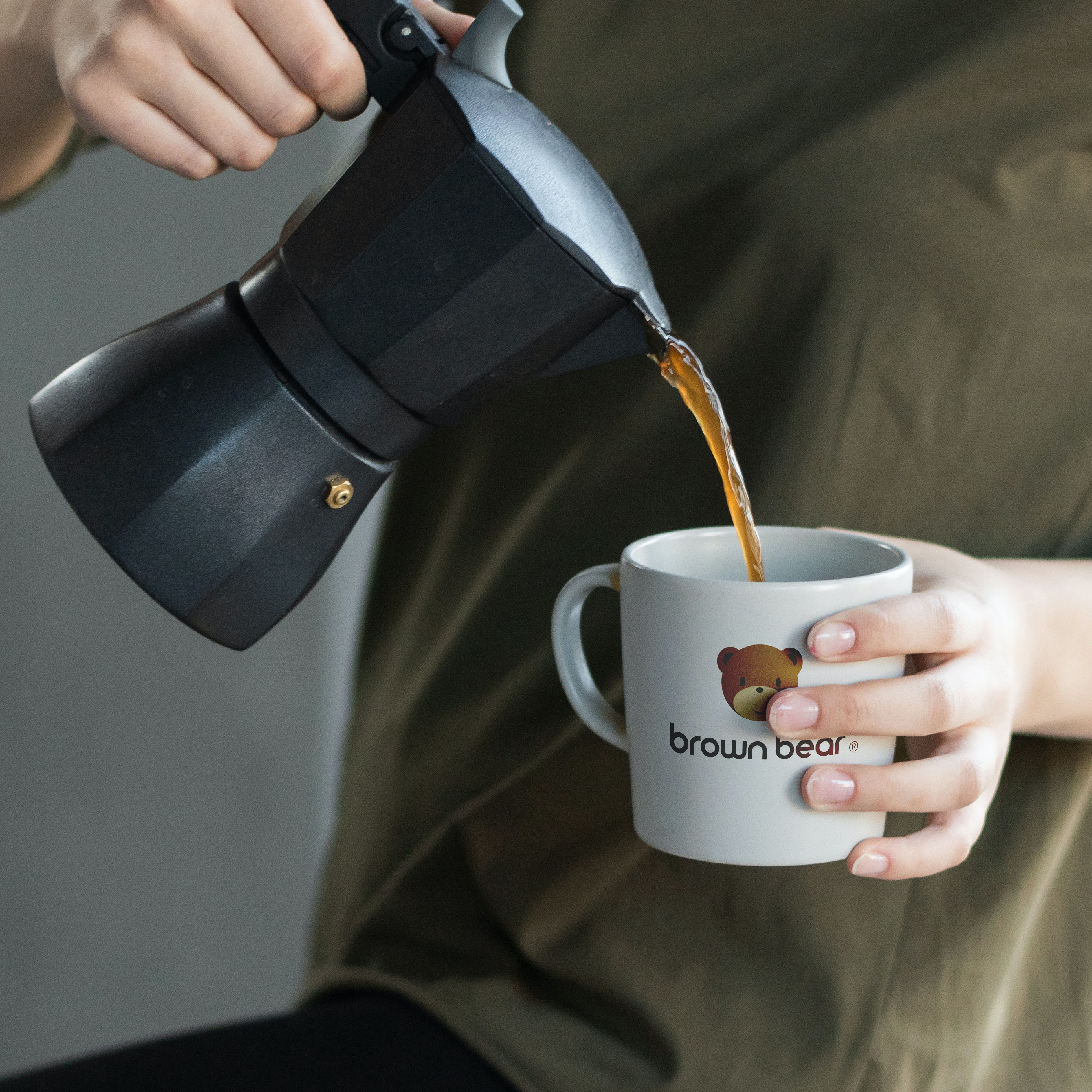
In cafetiere, Guatemalan coffee tends to come out smooth, sweet and rounded. You get more body, more chocolate, and less obvious acidity. It is a very easy way to enjoy it, especially if you want an uncomplicated morning cup.
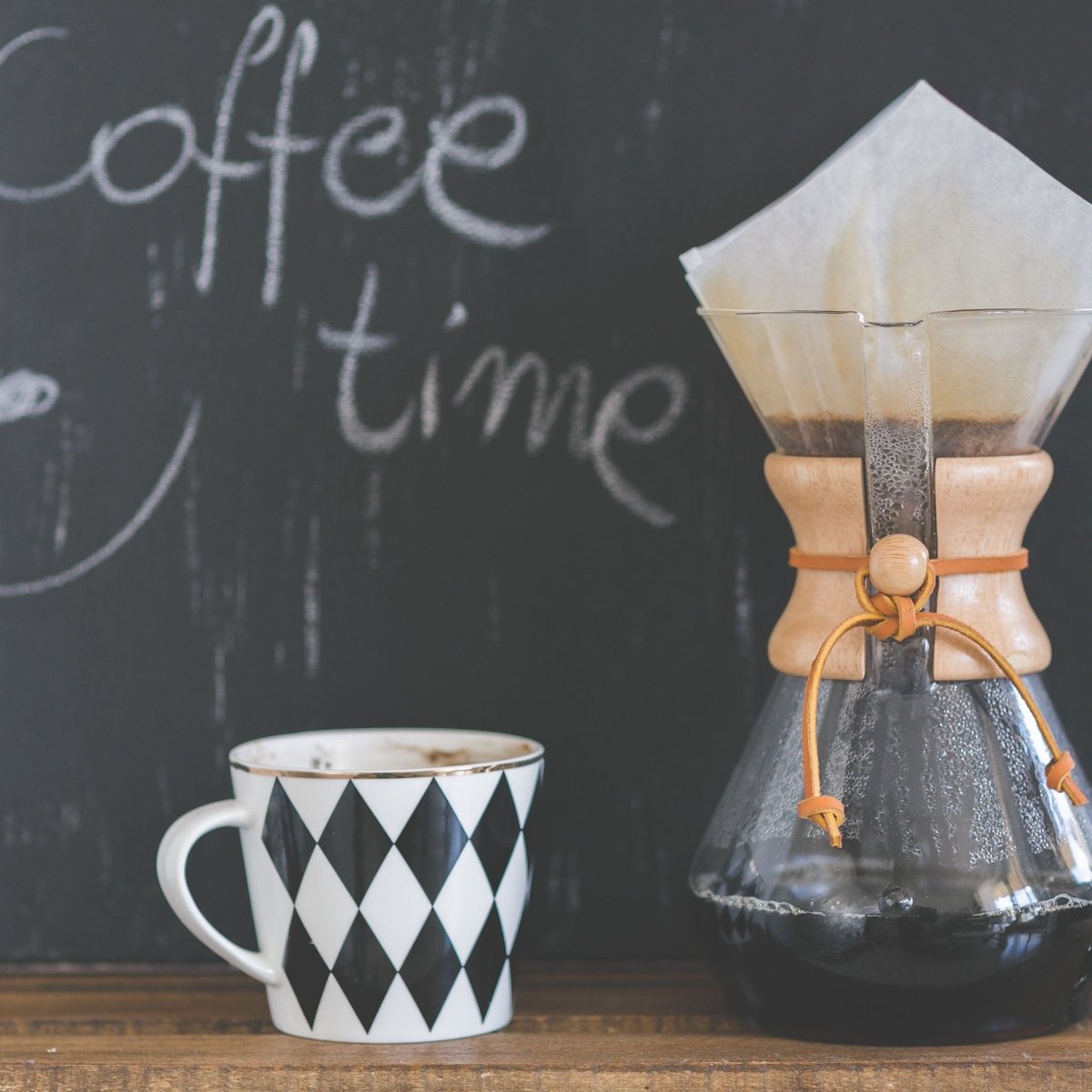
In pour over, the brighter side becomes clearer. Fruit notes, citrus and floral hints come forward, and the finish feels cleaner. If you are the sort of drinker who likes to notice where a coffee came from, this is often the best method.
Espresso can be excellent too, particularly with medium or medium-dark roasting. Guatemala usually produces a shot with good structure, balanced sweetness and enough acidity to keep it lively. It is often a safer choice than very bright single origins if you want black espresso one day and a flat white the next.
For bean-to-cup machines, it is often a strong all-round option. Those machines tend to favour coffees that remain balanced across slightly different extraction patterns, and Guatemala usually handles that well. You still get flavour, but without the cup becoming too thin or aggressively fruity.
Who should buy Guatemalan coffee?
Guatemala suits a wide range of drinkers, but it is particularly good for people moving beyond standard supermarket coffee and wanting a noticeable step up without a steep learning curve. If you want a coffee that tastes better straight away, works across brew methods and still feels familiar enough to drink every day, it is a strong pick.
It is also a sensible gift choice. Some origins can be a bit risky if you do not know the recipient’s preferences. Guatemala is easier to back because it tends to land in that sweet spot between interesting and accessible. It feels premium without being niche.
If you only drink very dark, smoky coffee, though, Guatemala may not be the best fit unless it has been roasted with that style in mind. Equally, if you chase ultra-bright, highly floral cups, you might find it a touch restrained compared with the liveliest East African coffees. This is very much a strength-through-balance origin.
What to look for before you buy
A lot depends on the roast profile and how clearly the coffee is presented. Country alone does not tell you enough. The best buying experience comes when a coffee is labelled in a way that helps you match it to how you brew and what flavours you enjoy.
Look for simple cues like roast level, strength, tasting notes and recommended brew method. If a Guatemalan coffee is described as milk chocolate, caramel and orange, you are probably looking at a balanced, crowd-pleasing cup. If the notes mention berries, florals and sparkling acidity, expect something lighter and more filter-led.
Freshness matters as well. Single origin coffee generally shows best when it has been roasted recently enough to keep its aromatics and sweetness intact. Pre-ground coffee can still be convenient and enjoyable, but whole beans will usually give you more clarity and a better result over time if you have a grinder at home.
This is also where a retailer’s range matters. A good coffee shop should make it easy to choose by roast preference and format, not force you to decode specialist language. That practical approach is one reason origin-led coffees work well in a broader collection - you can pick Guatemala because you like the flavour profile, then choose beans, ground coffee or even a more giftable format that fits your routine.
Final verdict on Guatemalan coffee
So, is Guatemalan coffee worth buying? For most home coffee drinkers, yes. It offers the kind of balance that makes a coffee easy to live with: sweet enough to feel comforting, bright enough to stay interesting, and flexible enough to suit everything from cafetiere to espresso.
The only real caveat is that you should buy with your roast preference in mind. If you want crisp fruit and a cleaner cup, go lighter. If you want everyday ease with plenty of sweetness and body, medium roast is your best bet. If your coffee needs to cut through milk, a slightly deeper roast can work well.
For a lot of people, Guatemala is the origin that proves specialty coffee does not have to be complicated. It can simply taste better, fit neatly into your routine and give you a cup you look forward to making again tomorrow.

