










Late coffee and early meetings do not always get along. If you want the comfort, flavour and routine of a proper cup without the full caffeine hit, this guide to decaf coffee options will help you choose well. Decaf has come a long way from the flat, slightly disappointing cups many people still expect, and the right choice can taste every bit as satisfying as your usual brew.
Why decaf is worth a second look
A lot of people come to decaf for practical reasons. Maybe regular coffee makes evenings harder, maybe you are cutting back, or maybe you want a second or third cup without feeling overcooked by lunchtime. Whatever the reason, good decaf gives you more freedom in your day without asking you to give up coffee altogether.
The biggest shift is quality. Better sourcing, better roasting and better processing have improved decaf massively over the past few years. That means you are no longer choosing between flavour and function. You are simply choosing a different kind of coffee experience.
That said, decaf is not identical to fully caffeinated coffee. Some coffees can taste slightly softer or less punchy, depending on origin, roast and the decaffeination method used. That is not necessarily a downside. For plenty of drinkers, that smoother profile is exactly the appeal.
A guide to decaf coffee options by format
The best place to start is not chemistry or coffee jargon. It is how you actually like to make coffee at home. Once you know the format that suits your routine, choosing becomes much easier.
Whole bean decaf
If you grind fresh at home, whole bean decaf is usually the best option for flavour. Grinding just before brewing keeps more aroma in the cup and gives you more control over your brew. It suits people who already use a grinder and want the freshest result.
Whole bean is especially useful if you switch between espresso, cafetiere and filter brewing. You can adjust the grind size to match the method rather than trying to make one pre-ground coffee work for everything.
Ground decaf coffee
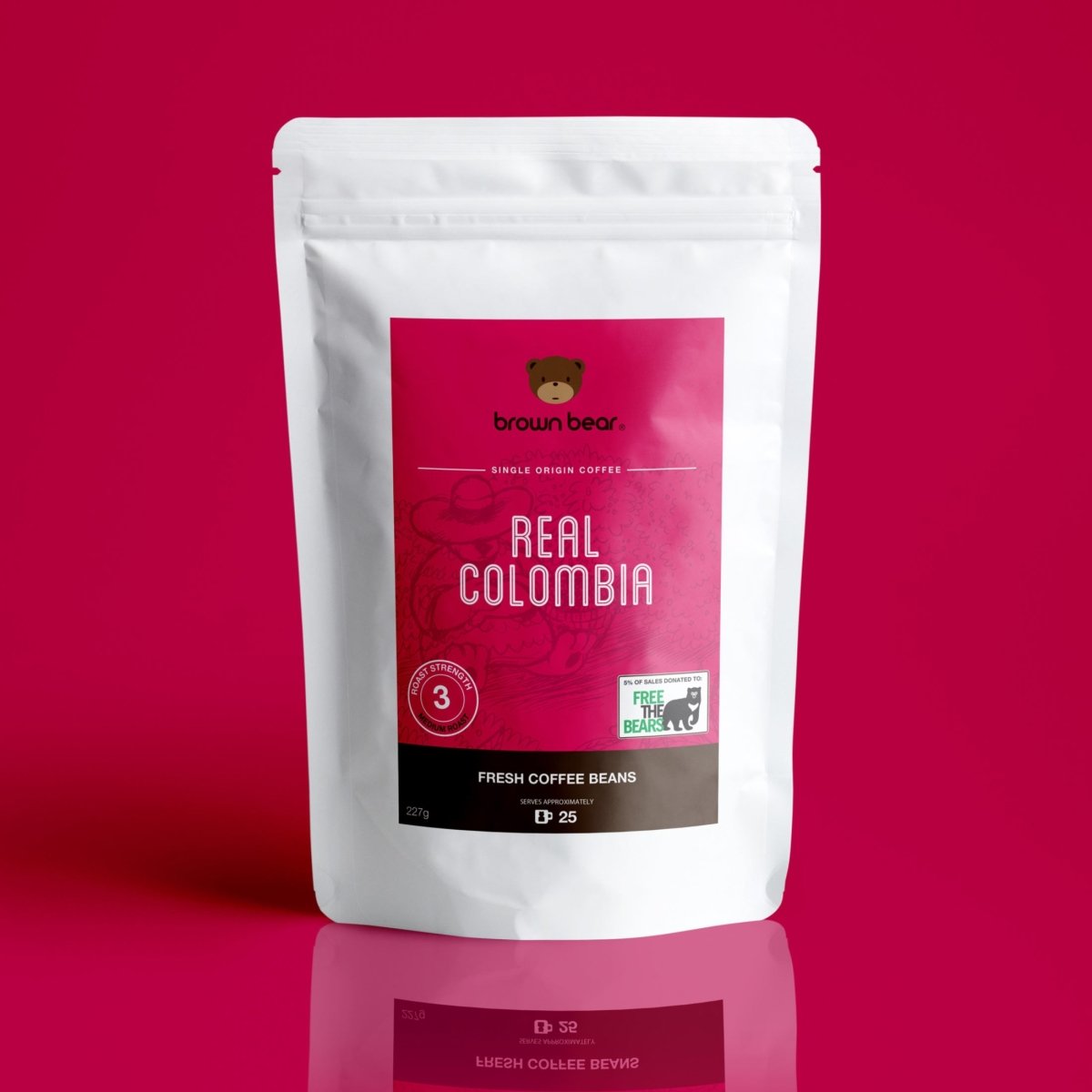
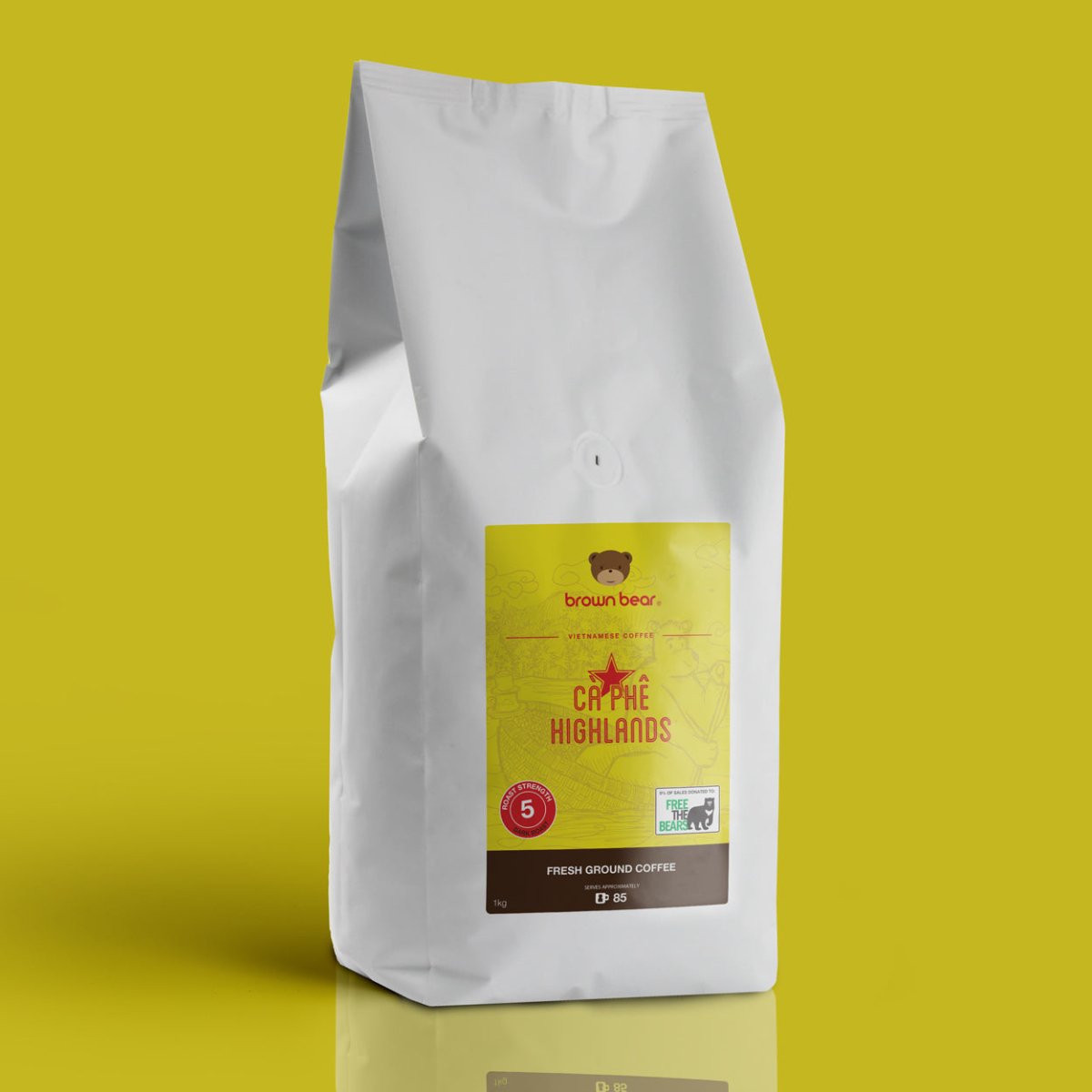
Ground decaf is the practical choice for most households. It removes a step, saves time and still delivers excellent results when matched to the right brew method. If your priority is making better coffee easily, ground is hard to beat.
The key is freshness and fit. A grind prepared for cafetiere will not behave the same way in an espresso machine, and a fine espresso grind will be frustrating in a filter setup. Buying ground decaf with a clear intended use makes daily brewing much simpler.
Decaf coffee bags
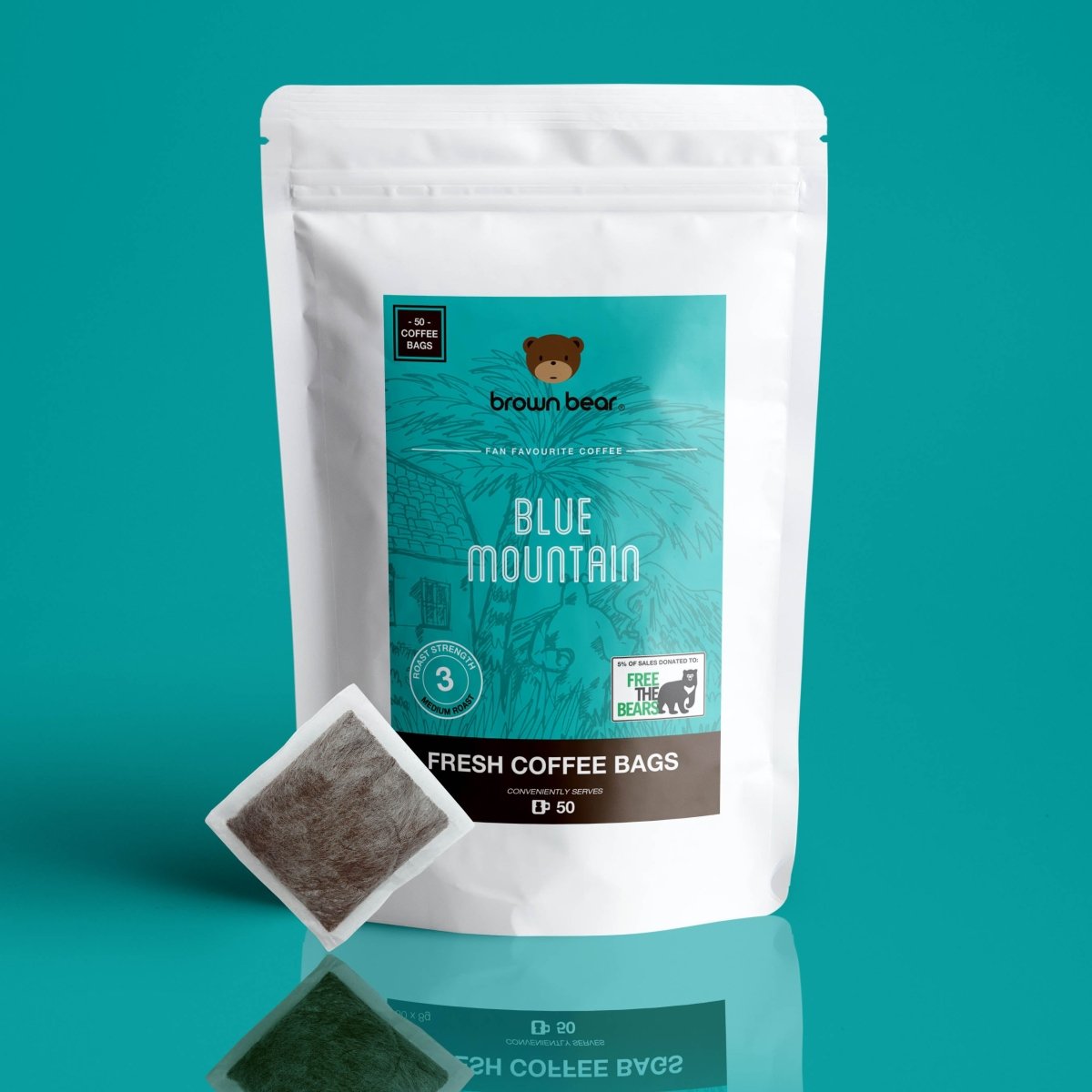
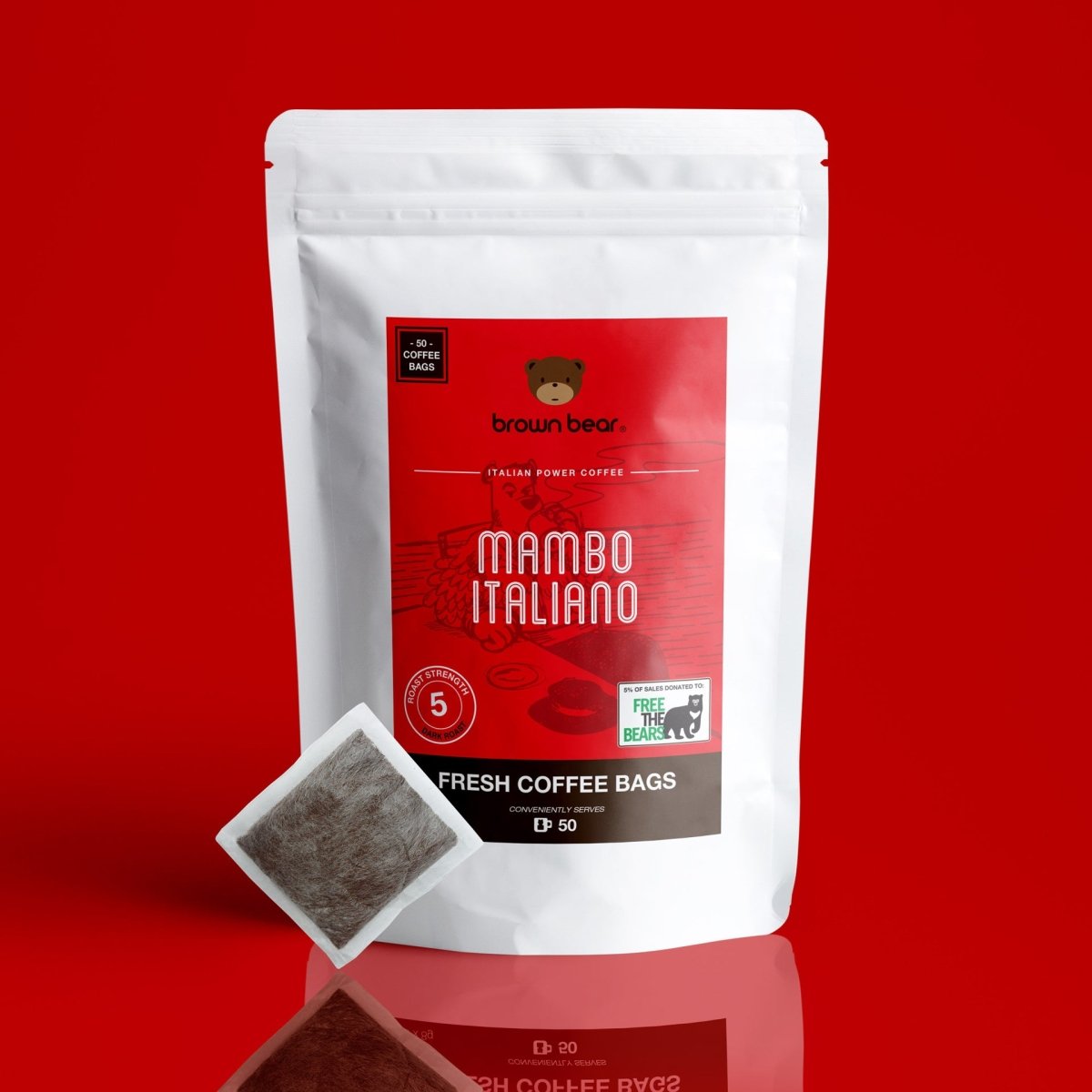
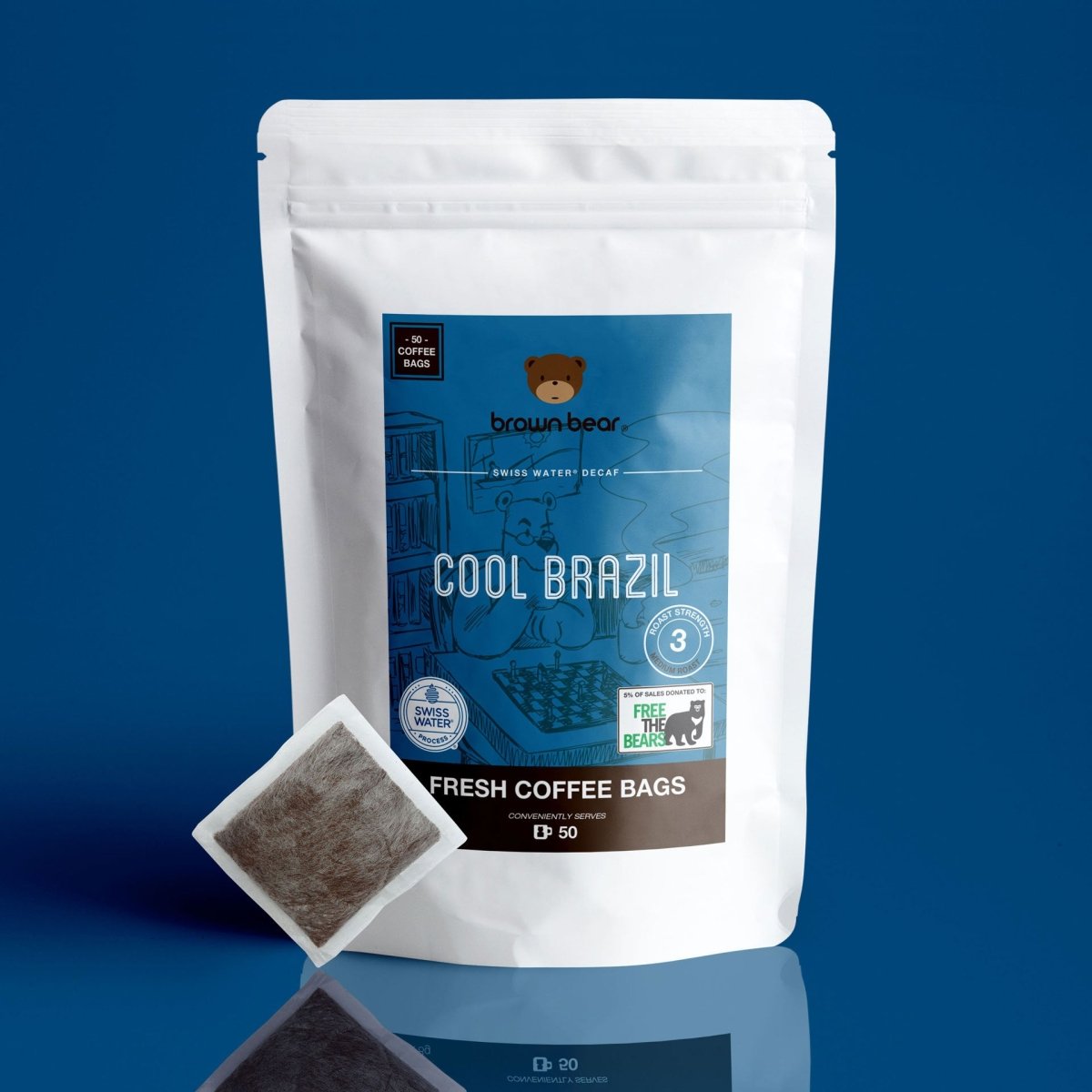
Coffee bags are ideal when convenience matters most. They work well in offices, for travel, or for anyone who wants a tidy, reliable cup without equipment. You steep them much like tea, which makes them very approachable for casual coffee drinkers.
There is a trade-off, though. Coffee bags rarely offer the same control or depth as freshly ground beans. If convenience is your top priority, they are excellent. If flavour nuance matters most, beans or ground coffee will usually win.
Decaf cold brew
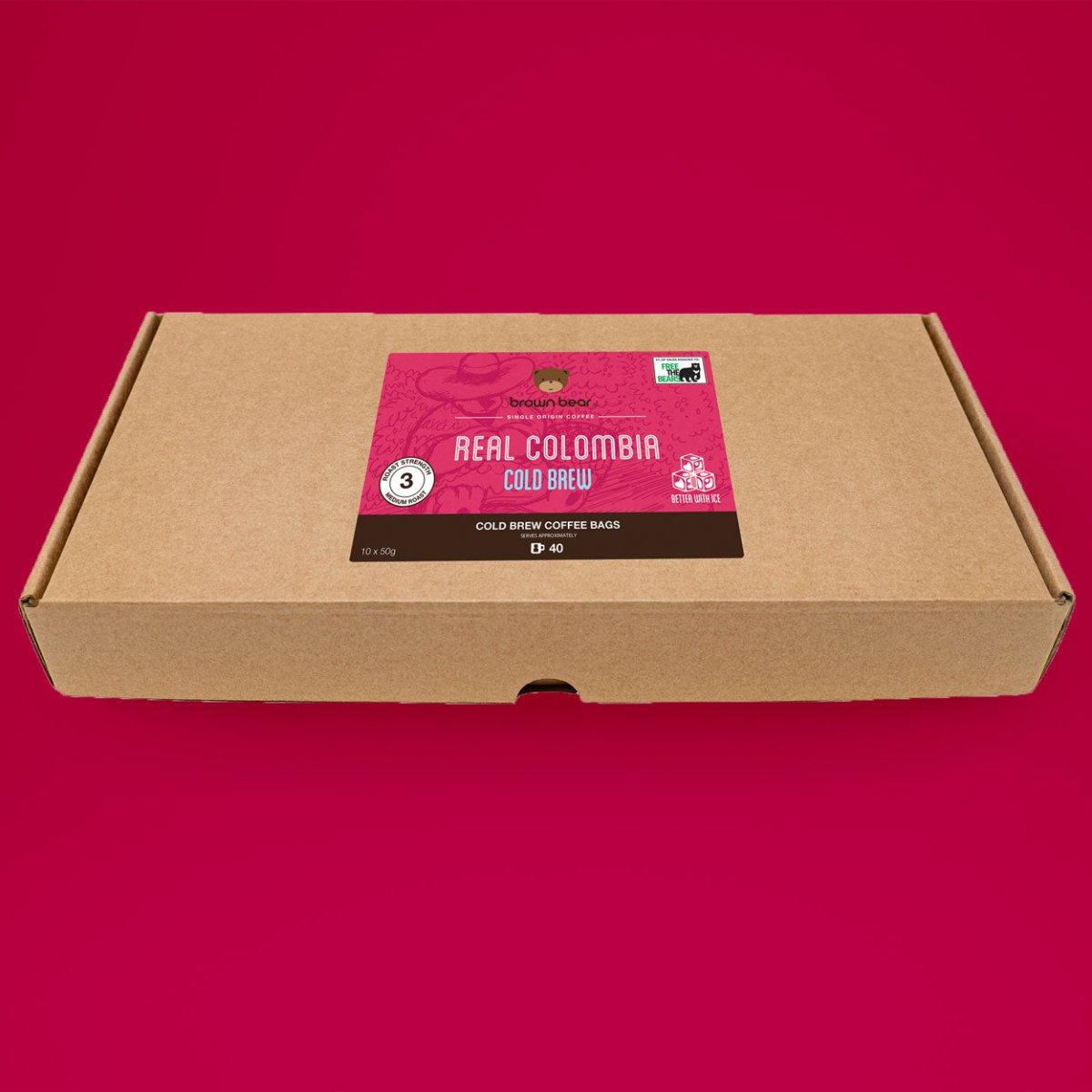
Cold brew decaf is a strong option for people who like a smoother, less acidic style of coffee. Served chilled or poured over ice, it gives you the taste and ritual of coffee with a softer edge. It can also be a very useful fridge staple for warm weather or busy mornings.
Cold brew tends to bring out chocolate, nut and caramel notes particularly well, especially in medium to dark roasts. If bright, citrus-led coffees are your favourite, hot brewed decaf may suit you better.
What decaf can taste like
One of the biggest mistakes shoppers make is treating decaf as one flavour category. It is not. Decaf can still show origin character, roast level and body, just like any other coffee.
A lighter decaf roast can taste cleaner and brighter, with more fruit or floral notes if the coffee supports it. A medium roast often lands in the sweet spot for balance, bringing together smoothness, sweetness and easy everyday drinkability. A darker roast usually offers more body, lower perceived acidity and richer notes like cocoa, toasted nuts or dark sugar.
If you usually drink strong, full-flavoured coffee, decaf does not have to mean thin or timid. A darker or more intense roast profile will generally feel closer to that familiar cup. If you prefer something softer and easy-going, medium roasts are often the safest place to begin.
Decaf processing methods and why they matter
If you have spent any time shopping for decaf, you have probably seen terms like Swiss Water or CO2 process. These methods remove most of the caffeine while aiming to preserve flavour.
Water-processed decaf is popular because it avoids chemical solvents and is often associated with a cleaner cup. CO2 processing is also respected for preserving flavour well. You may also see decaf made using solvent methods, which are widely regulated and safe, though some buyers prefer water or CO2 processed options for peace of mind.
For most home drinkers, the method matters less than the final taste in the cup. A well-sourced, well-roasted decaf from one process can easily outperform a poorly roasted coffee from another. If you care about processing, it is worth checking. If you care most about enjoying your morning brew, roast and flavour profile are often more useful starting points.
How to choose the right decaf for your routine
A practical guide to decaf coffee options should make buying easier, not more complicated. The smartest approach is to match the coffee to when and how you drink it.
If decaf is your evening coffee, go for something smooth and comforting. Chocolatey, nutty profiles and medium to dark roasts tend to feel satisfying after dinner. If it is for daytime top-ups, you may want something brighter and more lively, especially if you still want that fresh coffee feel without more caffeine.
Think about milk as well. If you mostly drink flat whites or cappuccinos, choose a decaf with enough body to cut through milk. Darker roasts are often better here. If you drink it black, you have more room to enjoy subtle notes and lighter styles.
Convenience should also shape the choice. A brilliant whole bean coffee is no bargain if it sits unopened because grinding feels like too much effort before work. For a lot of people, the best decaf is simply the one that fits the routine and gets brewed regularly.
Common myths about decaf
The first myth is that decaf means caffeine-free. In reality, decaf usually contains a small amount of caffeine, just much less than regular coffee. For most people, that reduction is enough. If you are highly sensitive, it is worth remembering that decaf is low caffeine, not zero caffeine.
The second myth is that decaf always tastes worse. That might have been fair years ago with lower-quality coffee, but it does not hold up now. A carefully roasted decaf can be sweet, balanced and genuinely enjoyable.
The third myth is that decaf is only for people giving something up. In practice, plenty of coffee drinkers use decaf strategically. It is a useful way to enjoy more coffee across the day, mix regular and decaf beans, or keep a flexible option in the cupboard for guests.
Buying decaf online without overthinking it
Shopping online can make decaf easier because you can compare roast level, flavour notes and formats quickly. The trick is not to chase every possible detail. Start with three things: brew method, roast preference and when you plan to drink it.
If you want an easy all-rounder, a medium roast decaf in beans or ground coffee is a safe place to begin. If bold flavour matters most, look for darker roasts with richer tasting notes. If you need low-effort convenience, coffee bags or ready-to-use cold brew may make more sense than buying equipment.
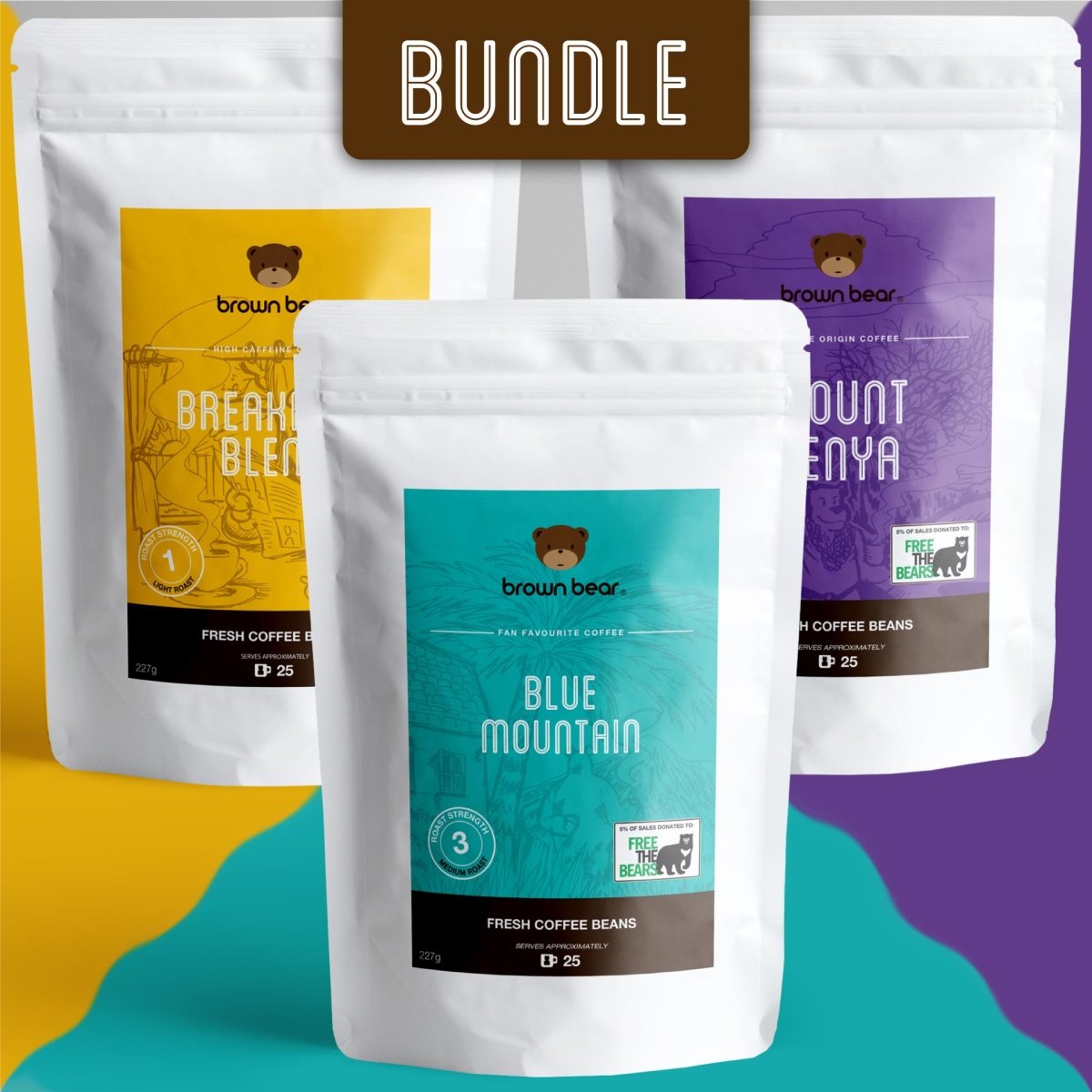
It also helps to buy from a retailer that makes selection straightforward rather than overly technical. Clear roast guidance, practical flavour descriptions and flexible ordering all matter more than pages of tasting theory. That is one reason brands like Brown Bear appeal to everyday coffee drinkers who want better coffee at home without turning each purchase into a research project.
Making decaf taste its best at home
Decaf benefits from the same basics as any good coffee. Use fresh water, store the coffee properly and brew it to suit the format. If your decaf tastes dull, stale coffee or an off grind size is often the issue rather than the coffee itself.
You may also find that decaf likes a small tweak in brewing. Some decaf coffees respond well to slightly cooler water or a touch coarser grind, depending on the method. It depends on the roast and the brewer, so a little adjustment can go a long way.
Most of all, do not judge decaf by one bad cup. The category is broader than many people think, and the gap between average and excellent is real. Once you find the right roast, format and flavour profile for your routine, decaf stops feeling like a compromise and starts feeling like a very sensible way to keep good coffee in more parts of your day.

