









Choosing coffee should not feel like revising for an exam. If you have ever stood on a product page wondering what light, medium or dark roast will actually taste like in your mug, this guide to coffee roast levels is here to make it simple. Roast level changes flavour, body, aroma and how a coffee fits into your routine, so getting it right can make every morning easier.
What coffee roast levels really mean
Roast level describes how long and how intensely coffee beans have been roasted. Green coffee beans start out grassy and dense, with none of the familiar coffee aroma most people expect. As they roast, heat transforms the sugars, acids and oils inside the bean. That is where flavour starts to build.
The key thing to know is this - roast level does not just mean stronger or weaker. A darker roast often tastes bolder, smokier and more bittersweet, but it is not automatically better for everyone. A lighter roast can taste brighter, fruitier and more origin-led. Medium sits in the middle, balancing sweetness, body and acidity in a way many people find easy to enjoy every day.
If you only remember one point, make it this: roast level shapes style more than quality. A good light roast and a good dark roast are simply built for different tastes.
A practical guide to coffee roast levels
Light roast
Light roast coffee is roasted for less time, so more of the bean's original character stays intact. This usually means brighter acidity, more delicate sweetness and clearer flavour notes. Depending on origin, you might notice citrus, berries, florals or stone fruit, alongside a lighter body.
This is often the roast level people choose when they want to taste where the coffee comes from. Ethiopian coffees can show lively fruit and floral notes, while Kenyan coffees can come across with punchy acidity and a juicy finish. If you enjoy black coffee and like a cleaner, more expressive cup, light roast is worth your attention.
That said, it is not always the easiest starting point for every drinker. If you add plenty of milk or prefer a heavier, richer coffee, light roast can feel too subtle. It can also be less forgiving if your brewing is inconsistent.
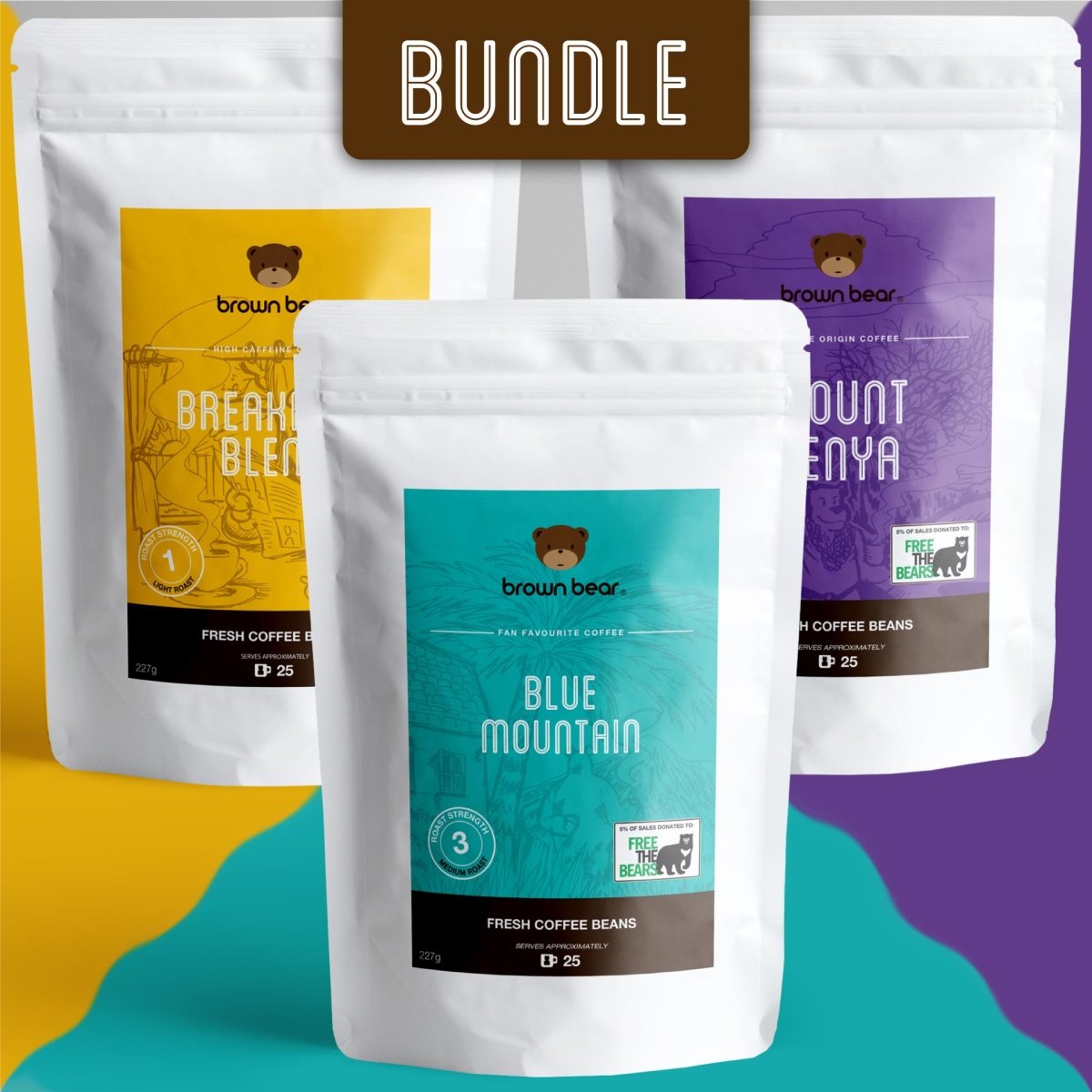
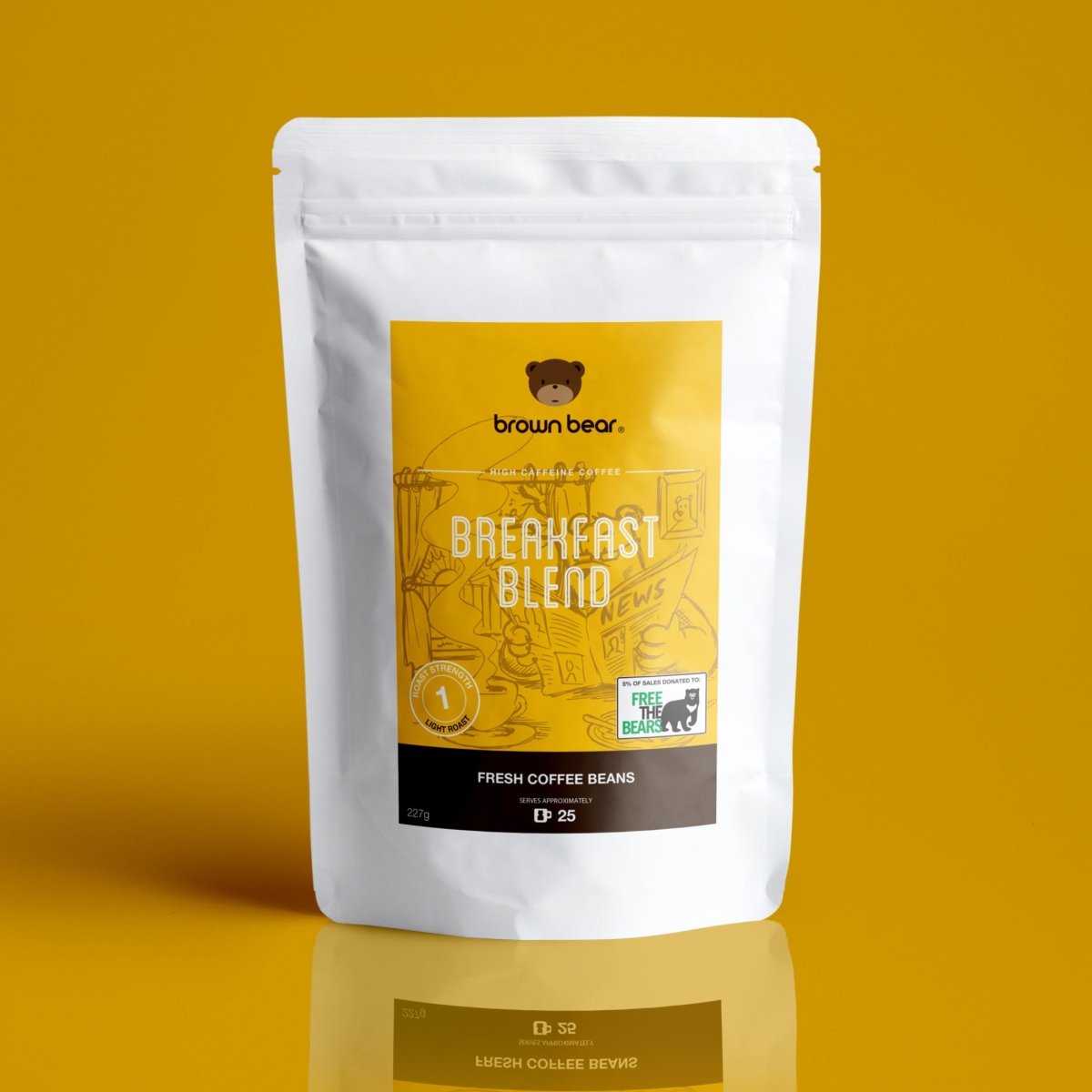
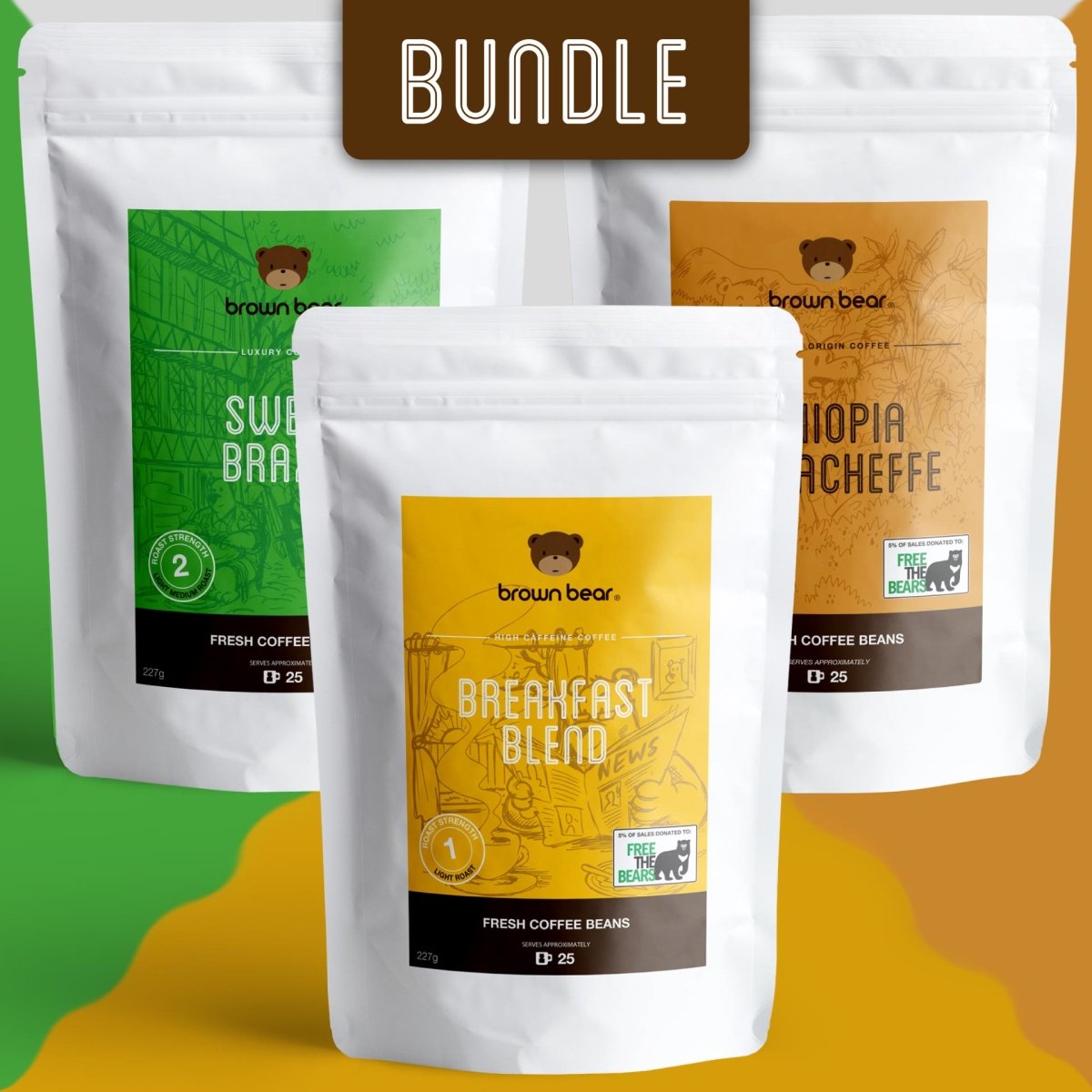
Our Breakfast Blend is our lightest roast coffee, with lovely flavours!

Medium roast
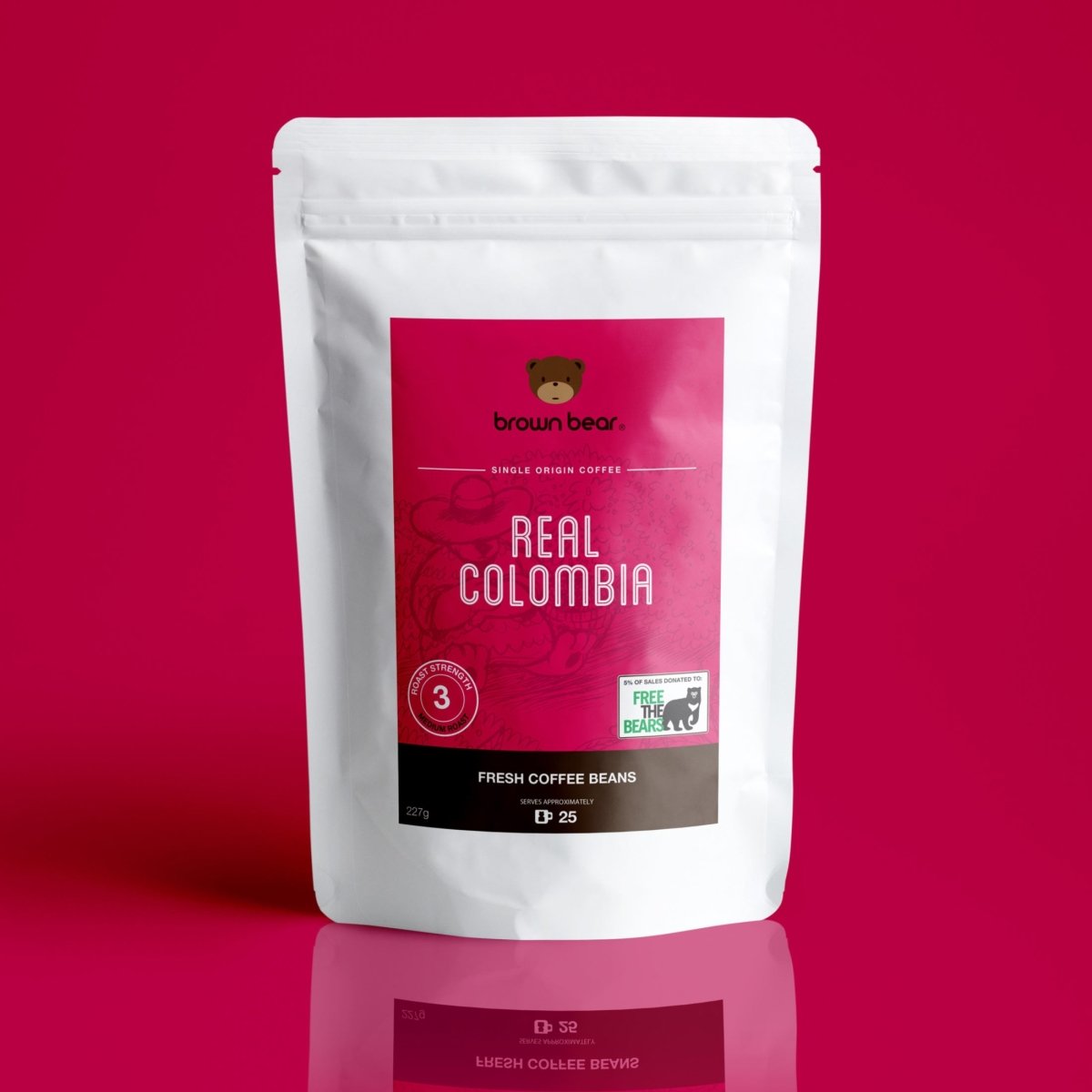
Medium roast is where many coffee drinkers find their sweet spot. It keeps some of the origin character of the bean while bringing in more caramel sweetness, a rounder body and lower perceived acidity than a light roast. It tends to taste balanced rather than extreme.
In practical terms, medium roast is often the easiest coffee to live with. It works well black, but it also stands up nicely to milk. If your household has different tastes, or if you switch between filter, cafetiere and bean-to-cup brewing, medium roast is usually a safe and satisfying choice.
This is also the roast level that helps take the mystery out of specialty coffee. You get quality and flavour without feeling like you need to analyse every sip.
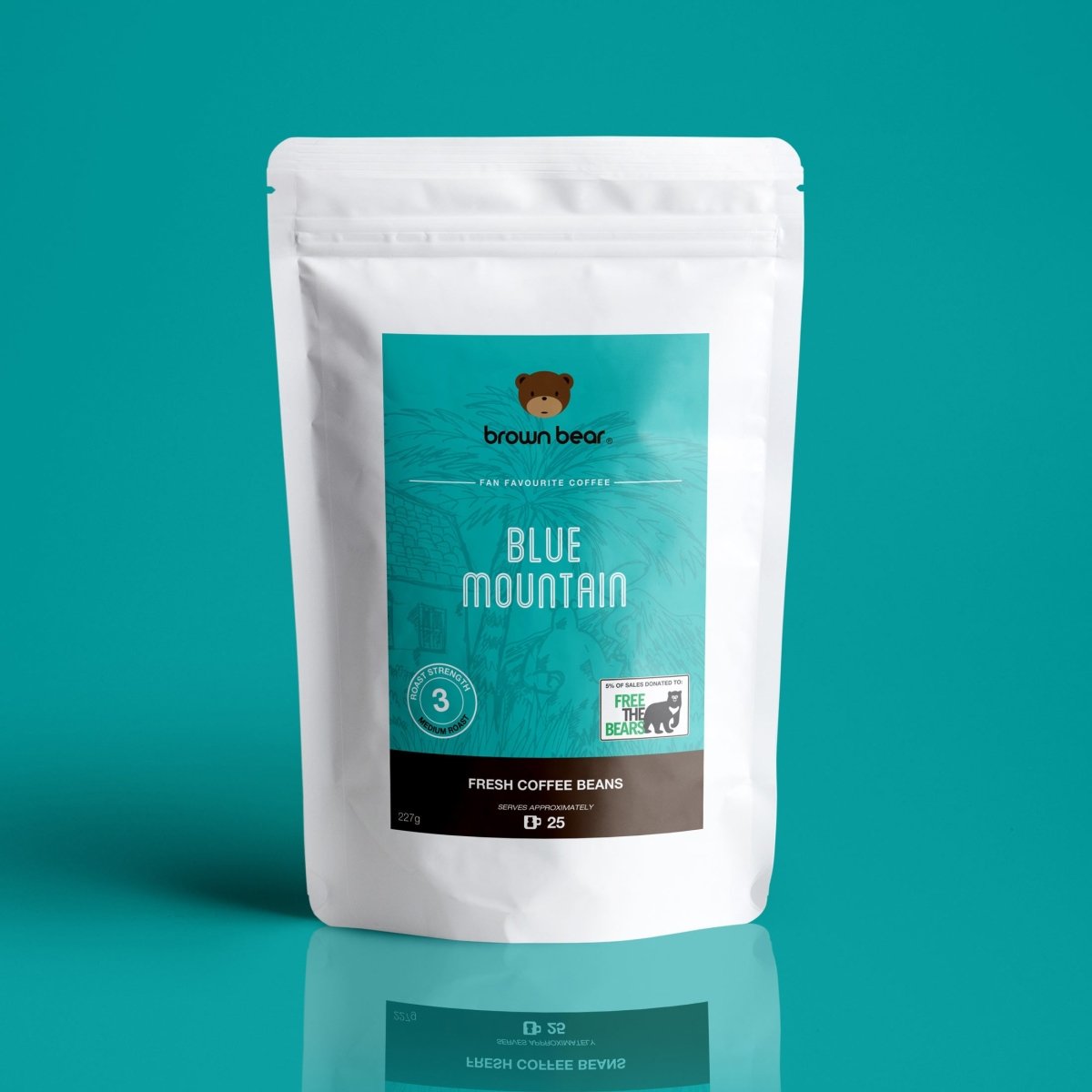
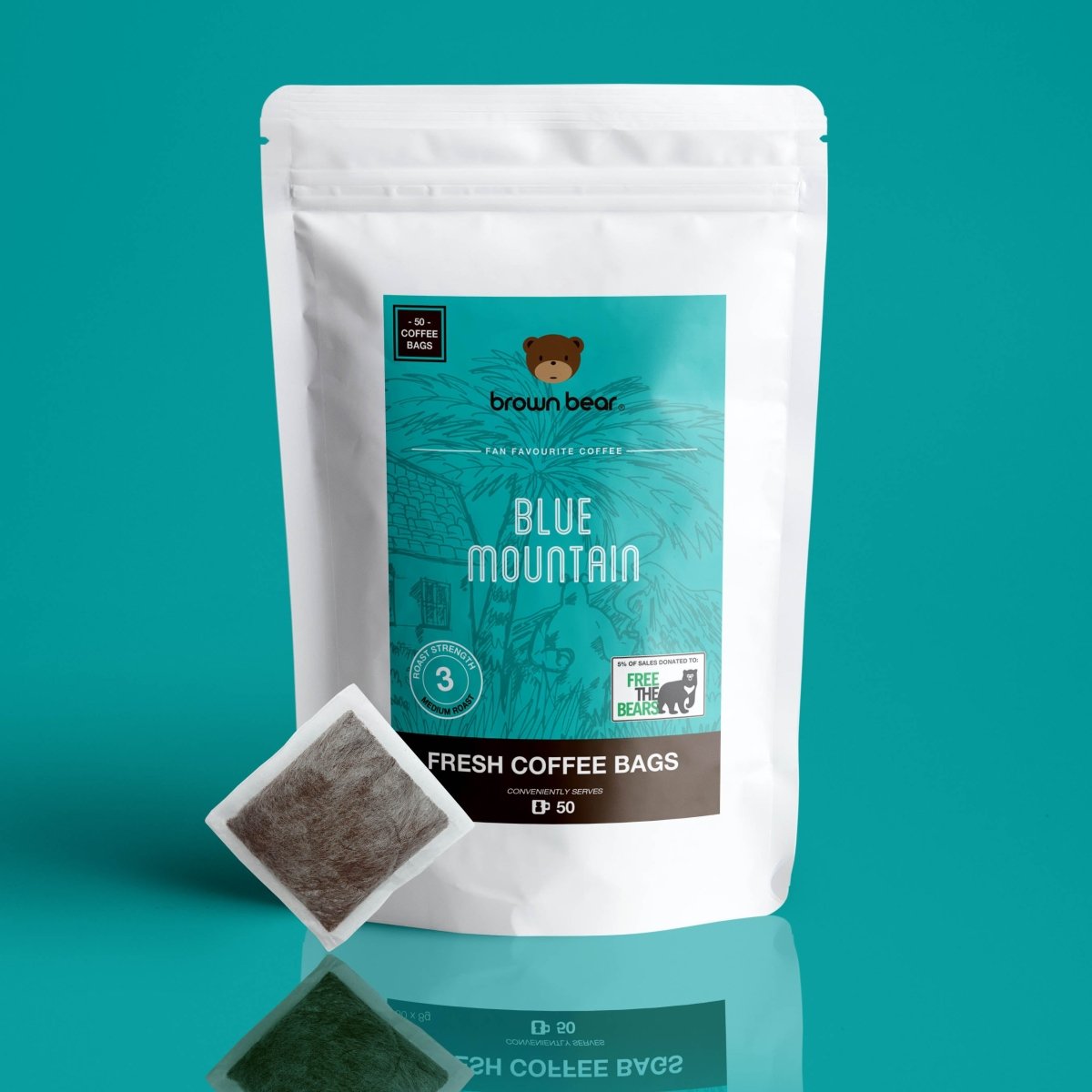
Our Blue Mountain Roast level below.

Dark roast
Dark roast coffee spends longer in the roaster, developing deeper chocolatey, nutty and toasted flavours. Acidity drops, body increases and the cup often feels fuller and more intense. This is where many people find the classic bold coffee profile they expect.
For espresso lovers, dark roast can be especially appealing. It gives a punchier shot, pairs well with milk and delivers a more assertive flavour in cappuccinos and flat whites. Origins such as Brazil or Colombia can become especially comforting at this level, with notes leaning towards cocoa, roasted nuts and darker sugars.
There is a trade-off, though. As roast level goes darker, the bean's original origin character becomes less obvious. If you are after vivid fruit or floral notes, dark roast will not be the best fit. If you want dependable richness and strong flavour, it often is.
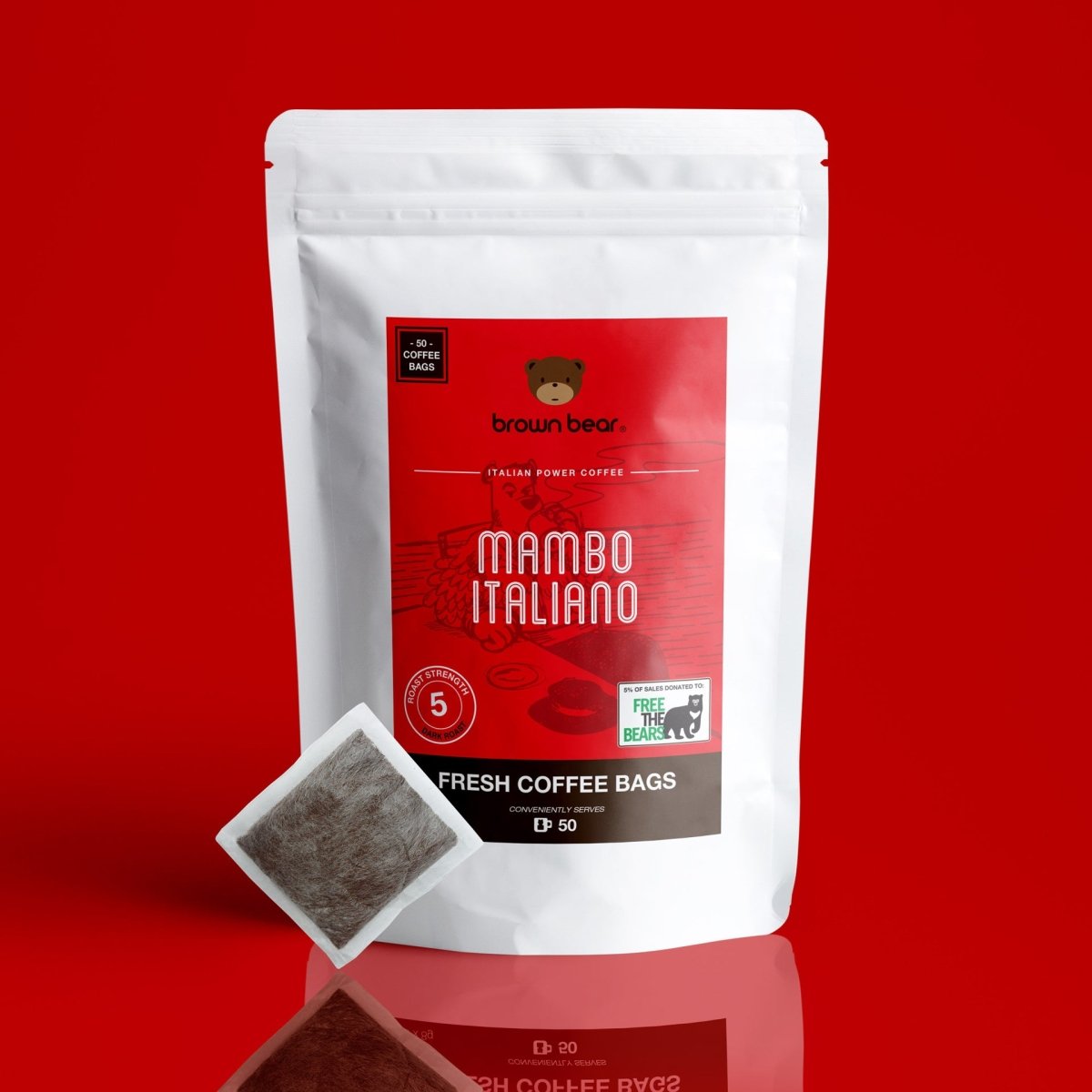
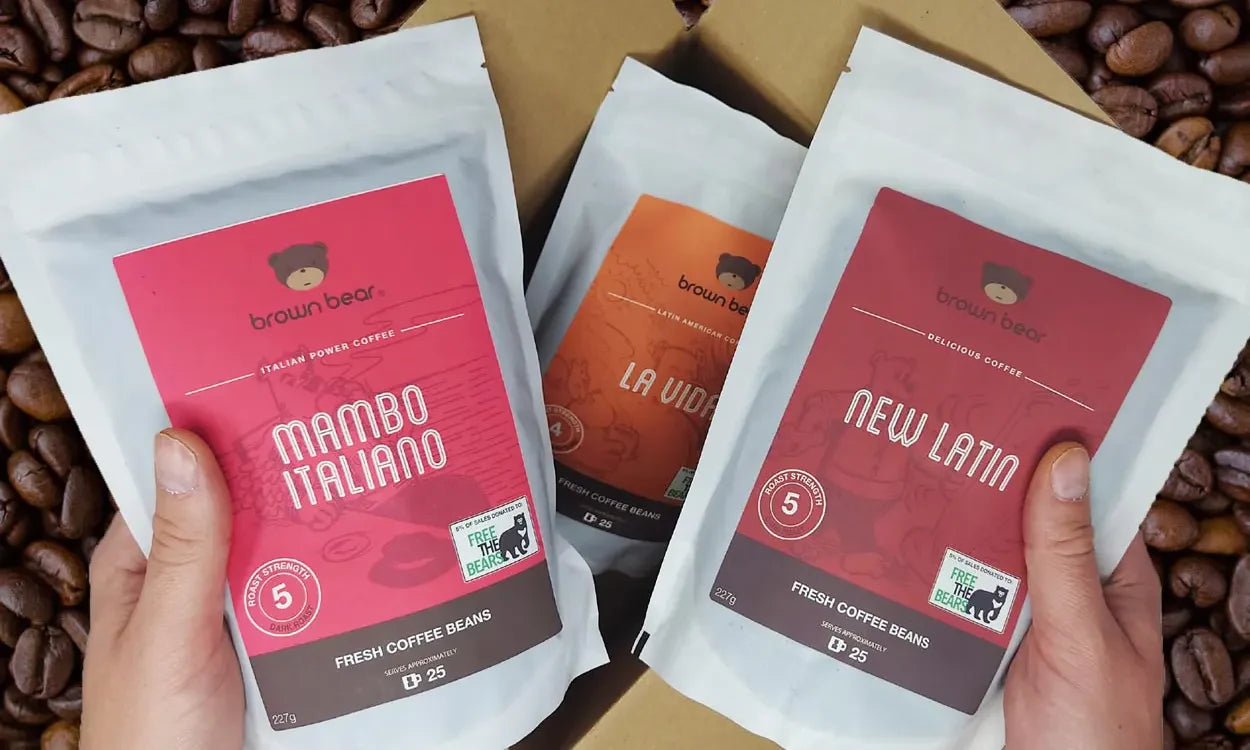
One of our popular Dark Roasts Mambo Italiano.

Ultra-dark roast
Ultra-dark roast is for people who know they like coffee with real presence. Expect smoky, bittersweet flavours, low acidity and a heavy body. The roast character itself becomes the main event.
This style can be brilliant for drinkers who want a powerful morning cup or a coffee that cuts through milk easily. It is less about subtlety and more about impact. If your usual complaint is that coffee tastes too weak, too sharp or too delicate, ultra-dark may be the answer.
It does, however, have the narrowest audience. Some drinkers will love the boldness. Others will find it too intense for everyday sipping, especially black.
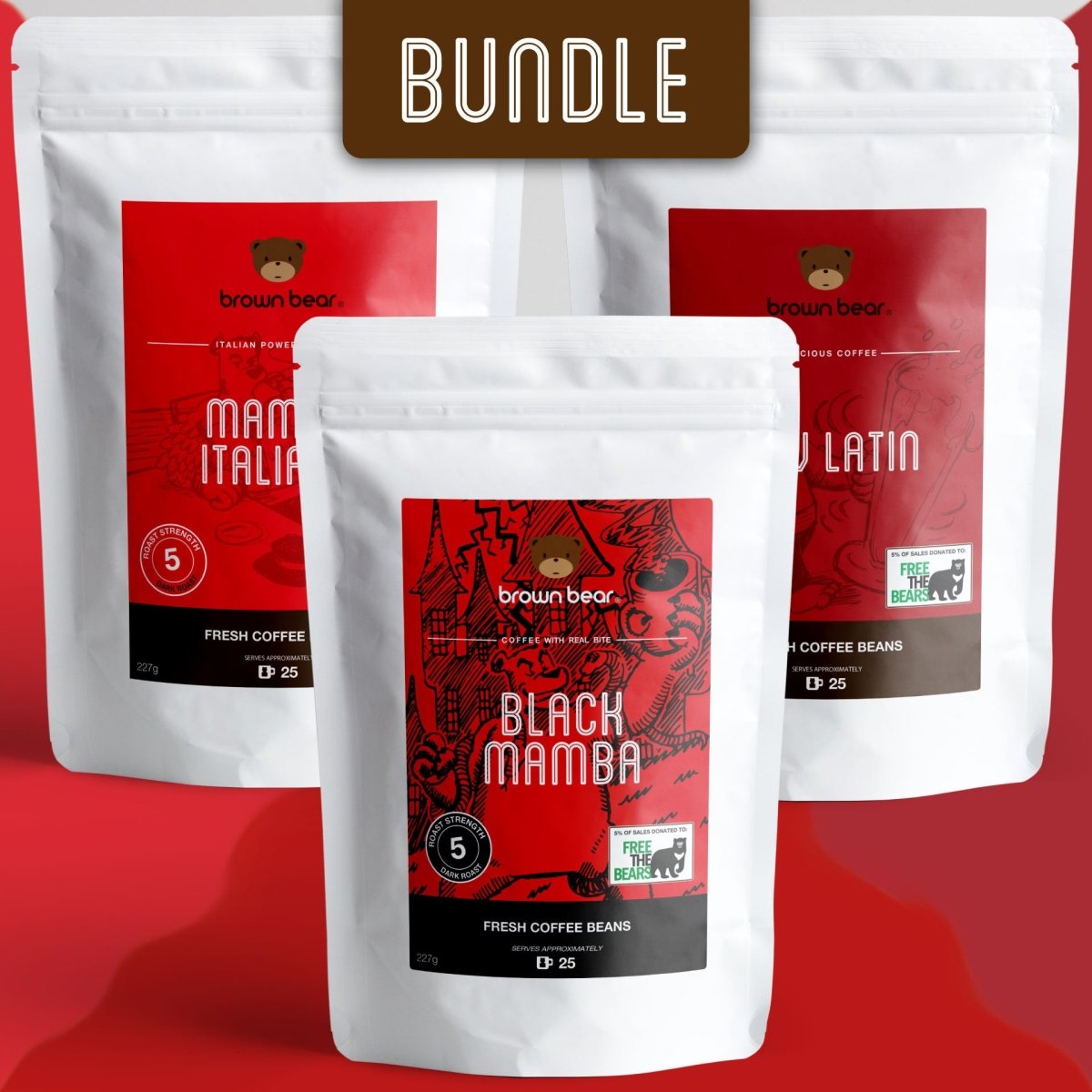
Our Darkest Coffee, though other roast level 5 coffees may share a similar taste profile, Our Black Mamba is the darkest roast that we offer. It's also a straight-up Robusta bean for that extra caffeine kick.

How roast level affects flavour in the cup
Roast level changes more than just colour. Light roasts usually taste brighter and more complex, with a lighter mouthfeel. Medium roasts bring more balance and sweetness. Dark and ultra-dark roasts move towards richness, bitterness and roast-driven flavours.
Strength is where people often get mixed up. Roast level affects flavour intensity, but brew strength depends on how much coffee you use, how fine it is ground and how you brew it. A light roast can still be brewed strongly. A dark roast can still taste thin if it is under-extracted.
This matters if you shop by both roast and strength. If you want a coffee that tastes fuller and bolder without a lot of fuss, darker roasts usually get you there more quickly. If you enjoy nuance and are happy to dial in your brewing, lighter roasts can be more rewarding.
Which roast level suits your brewing method?
There are no rigid rules here, but some pairings are more forgiving than others.
For espresso, medium to dark roasts are often the easiest choice. They create body, sweetness and a more traditional espresso profile, especially if you drink coffee with milk. Light roast espresso can be excellent, but it asks more of your grinder, machine and technique.
For cafetiere and filter brewing, medium roast is a reliable all-rounder, while light roast works well if you enjoy clarity and a brighter cup. Dark roast can also work in a cafetiere, particularly if you prefer a richer, heavier brew.
For coffee bags and convenient everyday brewing, medium and dark roasts tend to suit the format well because they deliver flavour quickly and consistently. If convenience matters just as much as taste, choosing a roast that is easy to brew can make a real difference.
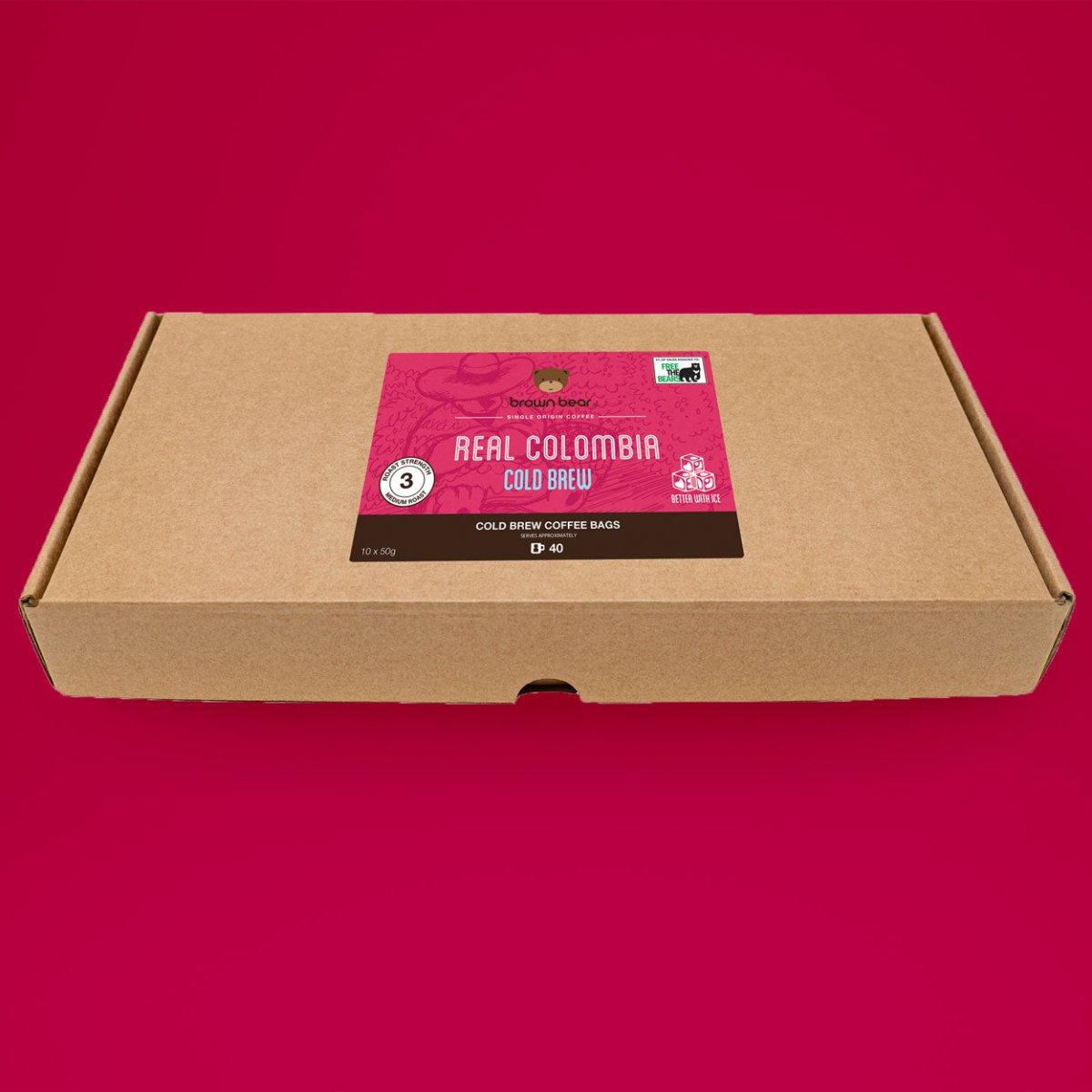
For cold brew, medium to dark roasts are often popular because they produce a smooth, chocolatey result with low sharpness. Light roast cold brew can be refreshing and interesting, but it is more of a specific taste than a crowd-pleaser.
How to choose the right roast for your taste
Start with how you actually drink coffee, not how you think you should. If you add milk and want that coffee flavour to come through clearly, medium or dark roast is usually the better place to begin. If you drink it black and enjoy fruit, floral notes or a cleaner finish, look at light roast.
If your coffee habits change through the week, a medium roast gives you flexibility. It can handle a quick weekday mug and a slower weekend brew without much compromise. That balance is why it is such a common favourite.
If you are buying for someone else, medium roast is the safest gift option. It feels premium, approachable and versatile. Dark roast also works well if you know they like a stronger, bolder cup.
One useful way to think about it is by mood. Light roast feels lively and expressive. Medium feels easy and dependable. Dark feels rich and comforting. Ultra-dark feels powerful and unapologetic.
Common roast myths worth ignoring
A darker roast is not always stronger in caffeine. In day-to-day brewing, caffeine differences between roast levels are smaller than most people think. The bigger factor is how much coffee you use.
Light roast is not automatically sour. If it tastes sharp, the issue may be the brew rather than the roast itself. Good light roast should taste bright and sweet, not harsh.
Dark roast is not low quality by definition. Poor roasting can flatten flavour at any level, but a well-roasted dark coffee can be full, smooth and deeply satisfying.
And finally, there is no single best roast. The right choice depends on your taste, your brewing method and whether you want something adventurous or easy to reach for every day.
When it makes sense to try more than one roast
Plenty of people settle on a favourite and stick with it. Fair enough. But there is also a strong case for keeping more than one roast level at home. A brighter coffee can suit slower mornings or black brewing, while a darker option works well when you want something richer or need a dependable espresso.
That is one of the most useful ways to buy coffee - not hunting for a perfect bean that does everything, but choosing roasts that match different moments. Brown Bear leans into that idea well, with roast choices that make shopping feel clear rather than overcomplicated.
The best roast level is the one that fits your taste without making coffee feel like hard work. Start where you are, pay attention to what you enjoy in the cup, and let your next bag be a little more informed than the last.

