













If your Ethiopian coffee tastes flat, sharp or oddly thin, the problem is usually not the beans. It is far more often the brew. A good Ethiopian coffee brewing guide matters because these coffees can be brilliant at home - floral, citrus-led, tea-like, or rich with ripe berry sweetness - but they also react quickly to small changes in grind, water and timing.
That is the appeal and the challenge. Ethiopian coffees often have more delicate, expressive flavours than heavier, chocolate-forward coffees from Brazil or darker roast blends. Brew them well, and you get a cup with real lift and detail. Brew them badly and that same coffee can turn sour, papery or muddled.
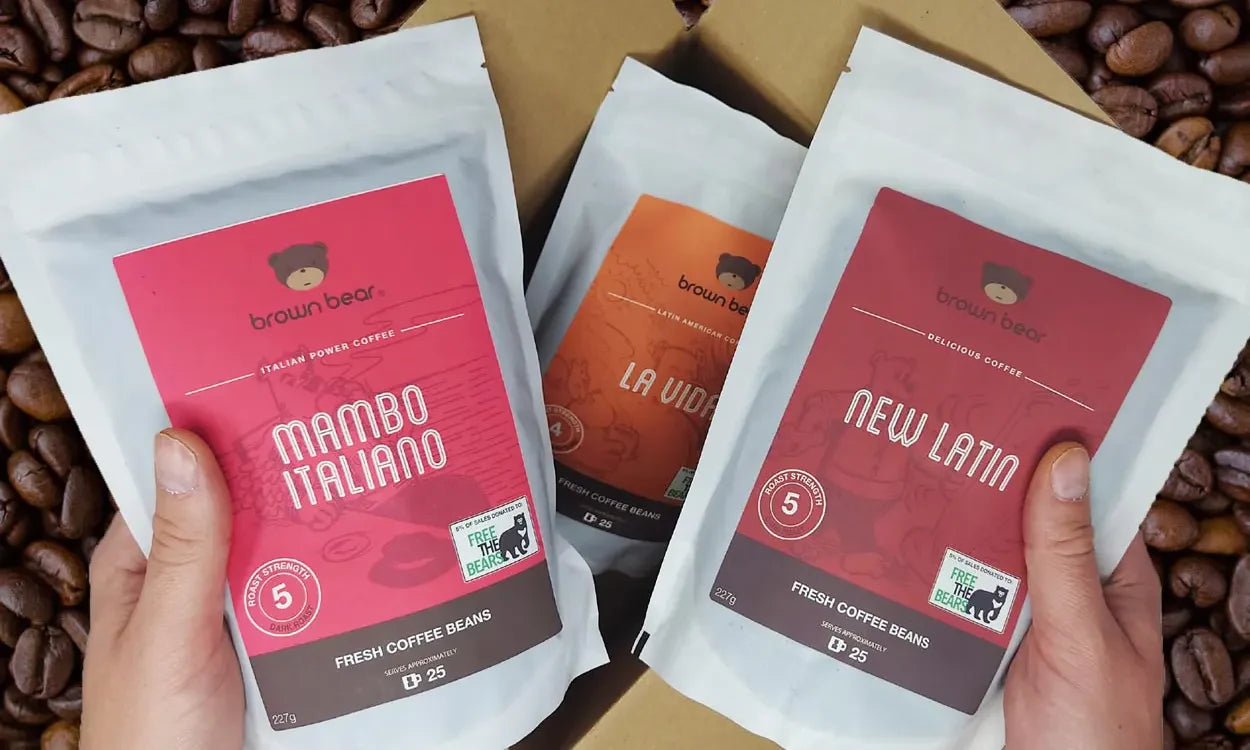
Why not give our very own Ethiopian coffee a try? It's a lovely single-origin coffee that is perfectly suited for home brewing. Check it out here!

Why Ethiopian coffee behaves differently
Not every Ethiopian coffee tastes the same, of course. Some are washed and bright, with lemon, bergamot and jasmine notes. Others are natural processed, giving you more body and fruit - think blueberry, peach or red berries. Roast level matters too. A lighter roast will usually show off acidity and florals, while a slightly more developed roast can bring extra sweetness and a rounder mouthfeel.
What joins many Ethiopian coffees together is clarity. Even the fruitier, fuller examples often have a more lifted profile than darker, punchier coffees. That means your brewing has to support those flavours rather than bury them. Too fine a grind, too much agitation or water that is too hot can make the cup feel harsh. Go too coarse or too cool, though, and you can lose sweetness and body.
The goal is balance. You want enough extraction to bring out sweetness and complexity, but not so much that the delicate character disappears under bitterness.
Ethiopian coffee brewing guide: start with the basics
Before choosing a method, get the foundations right. Fresh coffee helps, but very fresh is not always best. Ethiopian coffees, especially lighter roasts, often brew more evenly after a short rest. Around 7 to 14 days from roast is usually a comfortable window for filter brewing.
Your water makes a bigger difference than many people expect. If your tap water is heavily chlorinated or very hard, it can mute acidity and flatten aromatics. Filtered water is usually the easiest fix. Aim for water just off the boil for most brews - roughly 92 to 96°C works well, with lighter roasts often benefiting from the hotter end.
Grinding is where most home brewers either make or break the cup. Ethiopian coffees can produce a lot of fine particles, particularly on some grinders, and that can slow drawdown or make the brew taste drier than it should. If your filter coffee keeps stalling, the answer is not always to pour slower. Often, it is simply to grind a touch coarser.
As a starting point, use a brew ratio around 60g of coffee per litre of water. For a single mug, that is 15g of coffee to 250g of water. From there, adjust one thing at a time. If the cup tastes sour and underdeveloped, grind finer or extend contact time slightly. If it tastes bitter or heavy, grind coarser or reduce agitation.
Best brewing methods for Ethiopian coffee
The best method depends on what you enjoy in the cup. If you want the cleanest, brightest version of an Ethiopian coffee, a pour-over is hard to beat. If you prefer a little more body and texture, a cafetiere or AeroPress can suit you better.
V60 or other pour-over drippers
For many people, this is the sweet spot. A V60-style brewer highlights clarity, acidity and floral notes beautifully, especially with washed Ethiopian coffees. You get a cup that feels crisp and layered rather than heavy.
Start with 15g of coffee to 250g of water. Use a medium grind - a little finer than cafetiere, but not as fine as espresso. Bloom with around 30g of water for 30 to 45 seconds, then pour in steady stages until you reach your total water. Try to finish the pour by around 1 minute 30 seconds to 2 minutes, with the full brew ending between 2 minutes 30 seconds and 3 minutes 15 seconds, depending on dose and grinder.
If the cup is too sharp, grind finer very slightly or use hotter water. If it turns bitter or the drawdown drags, go coarser. A restrained pour often helps Ethiopian coffees - too much swirling and aggressive pouring can push extra fines into the filter and muddy the cup.
AeroPress
If you want excellent flavour with less fuss, AeroPress is a strong option. It gives you a bit more body than a V60, but still keeps plenty of clarity. It is also forgiving, which makes it ideal if you want better coffee at home without treating every cup like a lab project.
Use 14g of coffee to 220g of water as a starting point. Grind medium-fine. Add water, stir gently, steep for around 1 minute 30 seconds, then press slowly. You can go longer if the coffee tastes thin, or shorten the brew if it becomes too intense.
Natural Ethiopian coffees work especially well here because the method can emphasise fruit and sweetness without turning the cup too wild. If you like a clean, bright mug with a little extra weight, AeroPress often lands right in the middle.
Cafetiere
A cafetiere will not give you the same precision or sparkle as a pour-over, but that does not mean it is the wrong choice. If convenience matters most and you like a rounder, fuller cup, it can be a very good everyday brewer.
Use a coarse grind and let the coffee steep for 4 minutes before breaking the crust gently. Leave it for another 4 to 5 minutes before pouring if you want a cleaner result with less sediment. Ethiopian naturals can taste lovely this way, with plenty of fruit and a softer edge.
The trade-off is defined. Some of the lighter floral notes may be less obvious, and the cup can feel slightly muddy if your grind is too fine. Still, for a simple morning brew, it is reliable and easy to repeat.
How roast and process change your brew
One reason any Ethiopian coffee brewing guide needs flexibility is that origin alone does not tell you everything. Process and roast level change the way the coffee behaves in the cup.
Washed Ethiopian coffees are usually the easiest choice if you love bright, elegant filter coffee. They tend to reward a cleaner brewing style - slightly hotter water, controlled pours and enough extraction to bring out sweetness beneath the acidity. If you stop too early, they can taste lean.
Natural Ethiopian coffees are often bigger on fruit and can feel sweeter even at lower extractions. That means they sometimes tolerate a slightly coarser grind or gentler brew without tasting empty. Push them too hard, though, and the fruit can become boozy or jammy in a way that loses balance.
With lighter roasts, do not be afraid of temperature. They often need heat to open up fully. With medium roasts, you may find that backing off the temperature a little gives you a smoother cup. It depends on whether you want more brightness or more comfort.
Common brewing mistakes with Ethiopian coffee
The biggest mistake is chasing intensity when the coffee is built for clarity. Ethiopian coffees are not always supposed to taste heavy. If you keep grinding finer to make the cup stronger, you can quickly end up with bitterness and dryness rather than more flavour.
The second mistake is ignoring brew time. If your pour-over is taking 4 minutes or more for a small cup, something is usually off. Too many fines, too fine a grind, or over-agitation can all clog the filter and dull the result.
The third is expecting one recipe to work for every bag. An Ethiopian coffee with floral, tea-like notes may need a different approach from one with ripe berry sweetness and more body. That is normal. Better coffee at home is not about finding one magic number. It is about making small adjustments with confidence.
A simple way to dial it in
If you are not sure where to start, keep things straightforward. Brew one cup at 15g of coffee to 250g of water using filtered water and a medium grind. Taste it when it cools slightly, because Ethiopian coffees often become clearer and sweeter as the cup drops in temperature.
If it tastes sour or hollow, make the next brew a touch finer. If it tastes bitter, drying or overly heavy, go coarser. If it tastes good but a bit muted, try hotter water. That is usually enough to move quickly towards a cup that feels lively, sweet and balanced.
For everyday drinkers, that is the real win. You do not need a shelf full of gear to enjoy Ethiopian coffee properly. You just need a method that suits your routine, a few sensible starting points, and coffee worth brewing in the first place. Brown Bear’s Ethiopian coffees are a good example of where origin character and everyday drinkability can sit happily together.
When Ethiopian coffee is brewed well, it does not shout. It lifts. And once you get that right in your own kitchen, the daily cup feels a lot less ordinary.

