

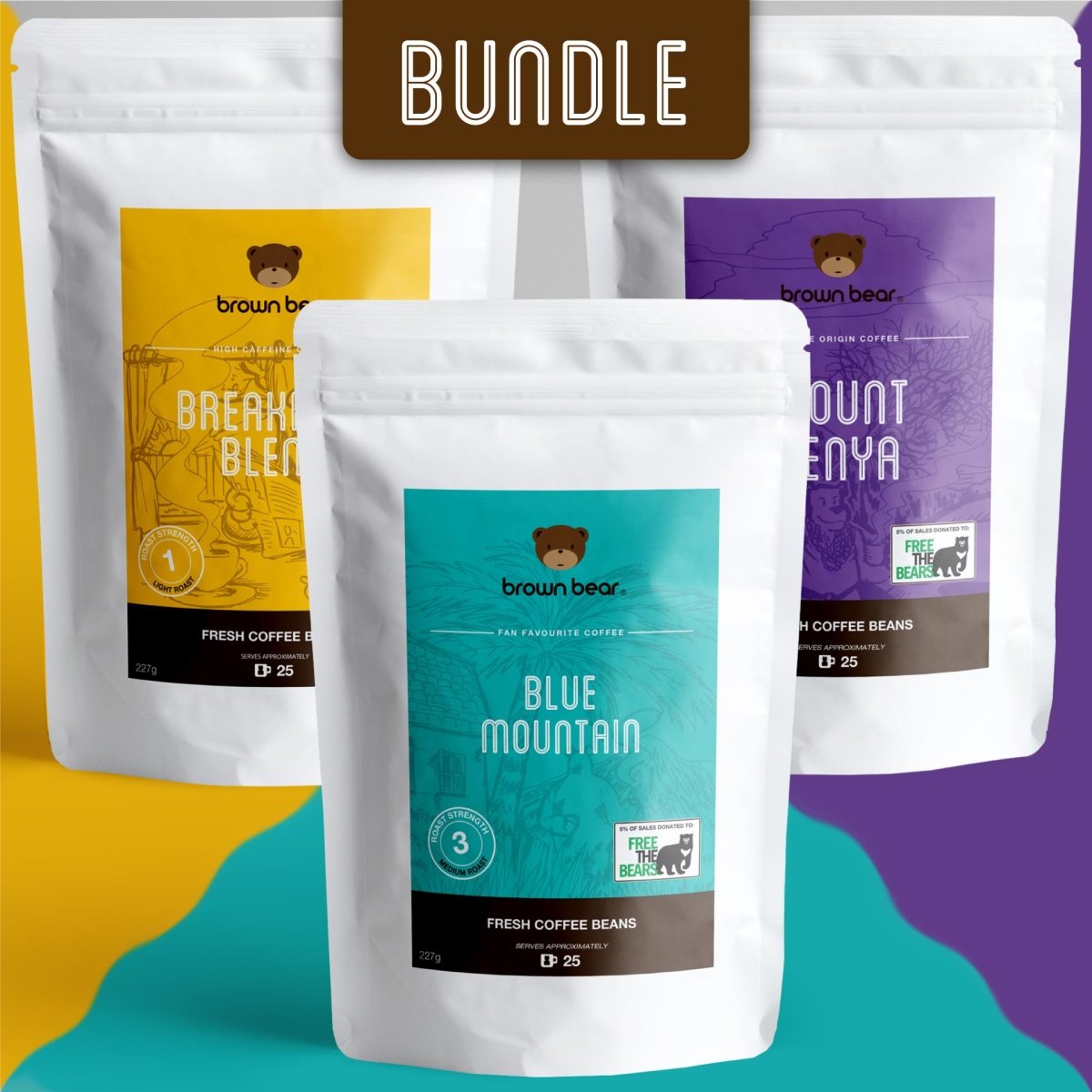
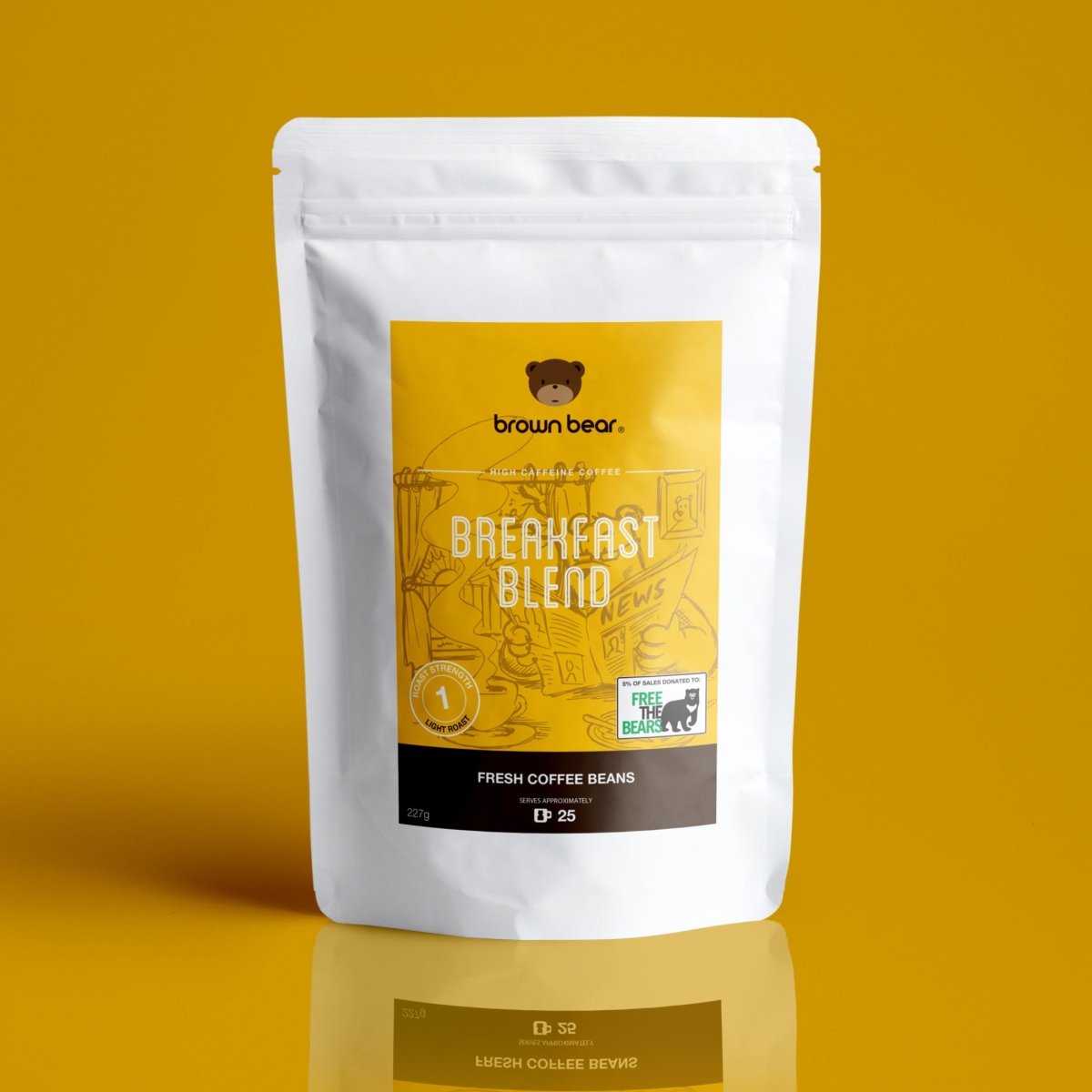
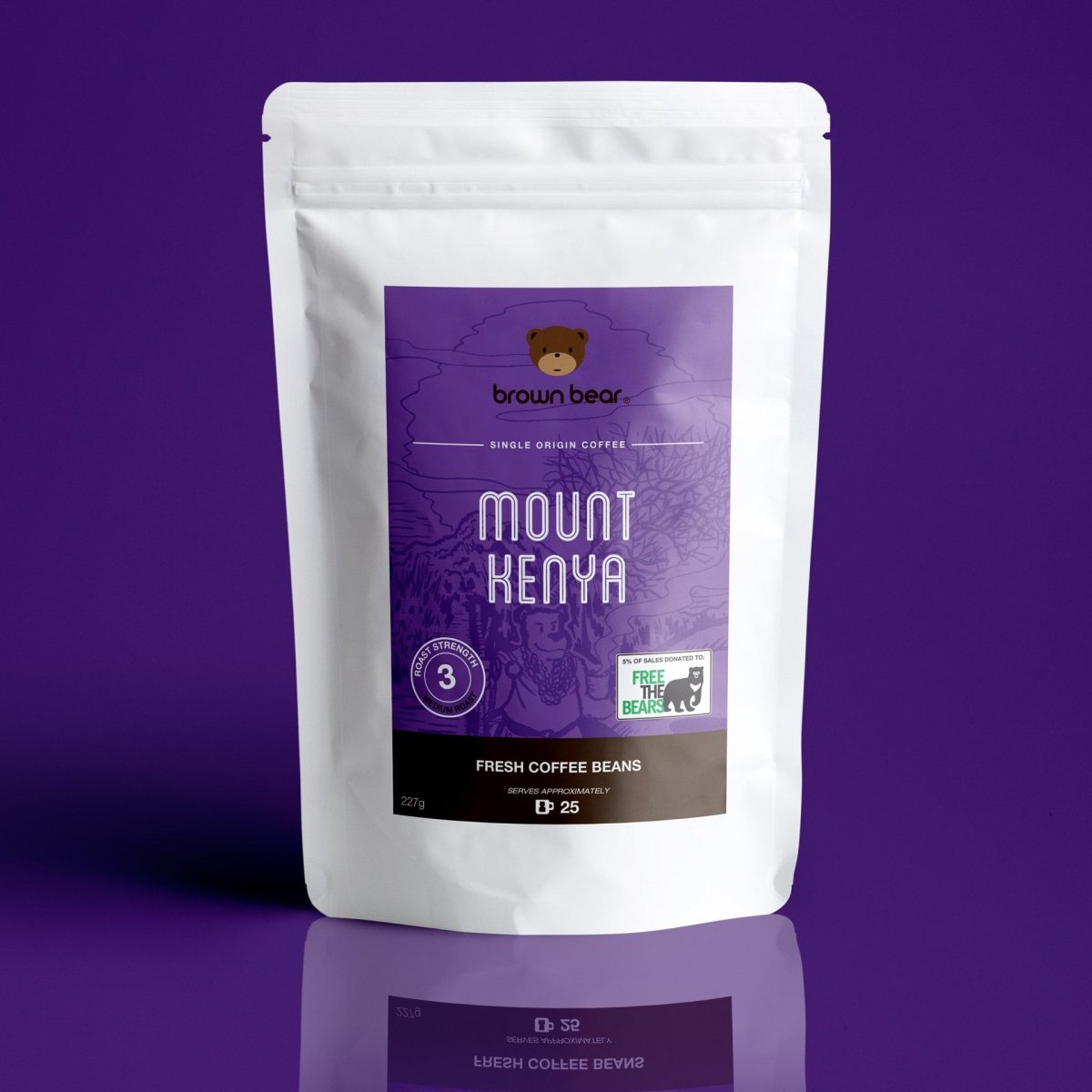
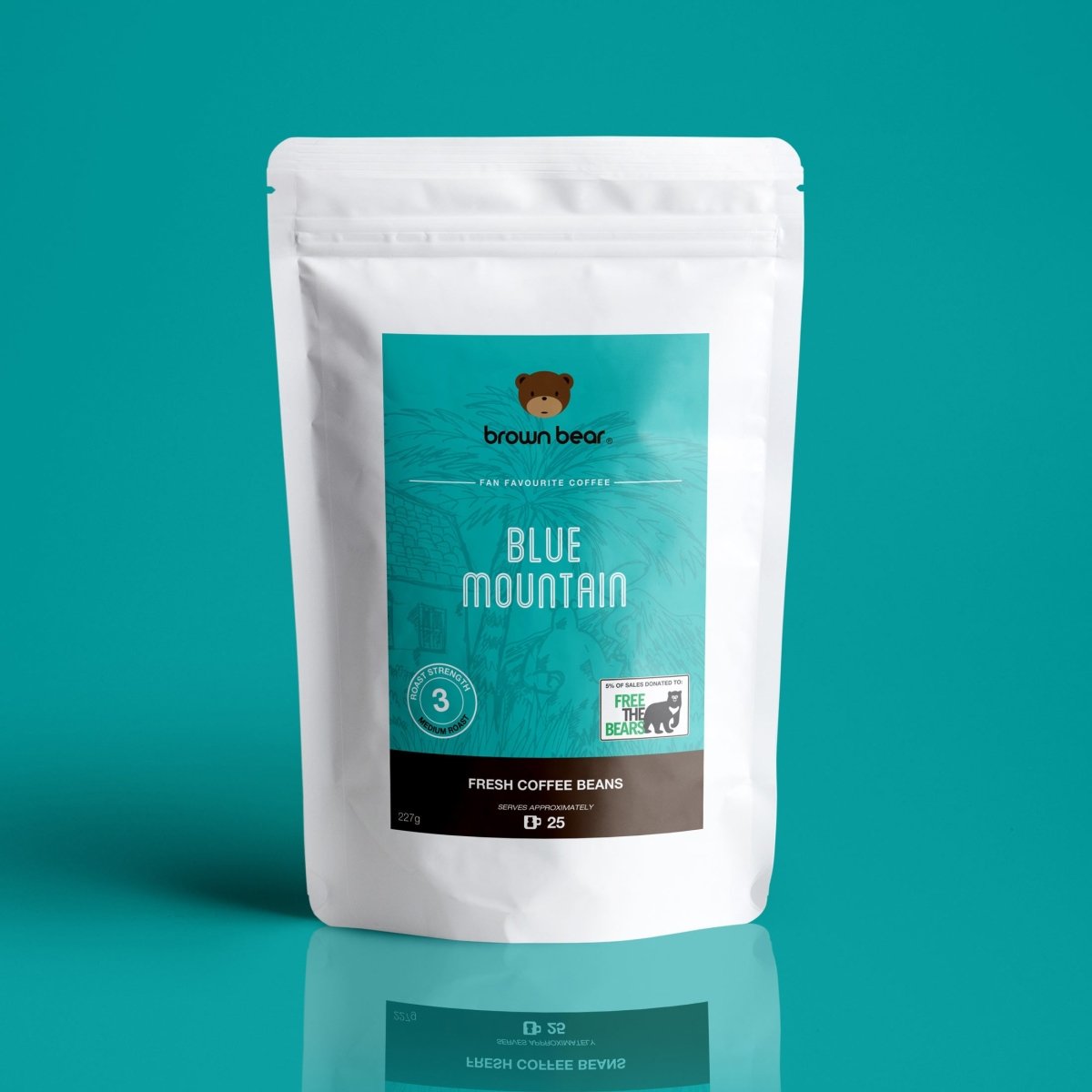
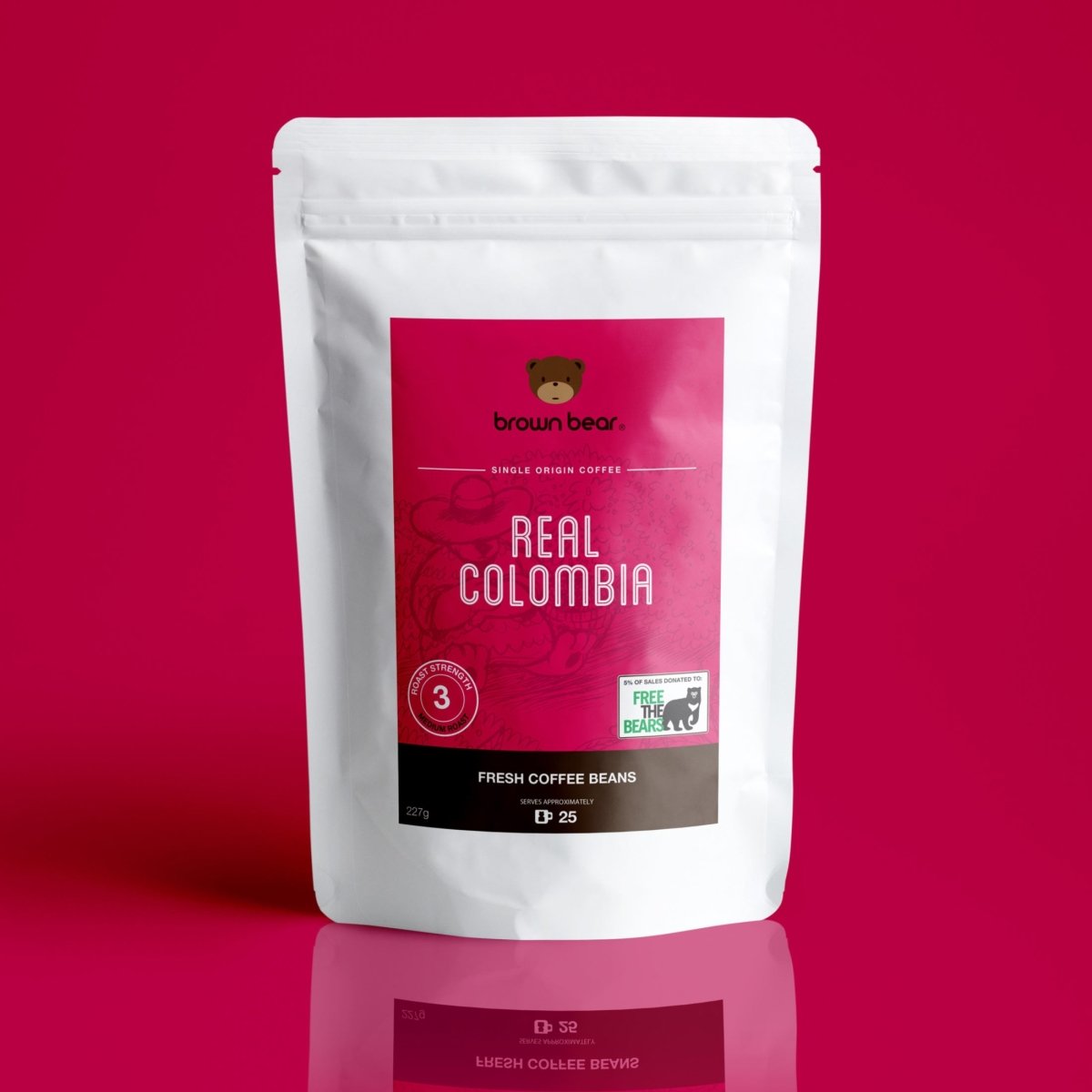

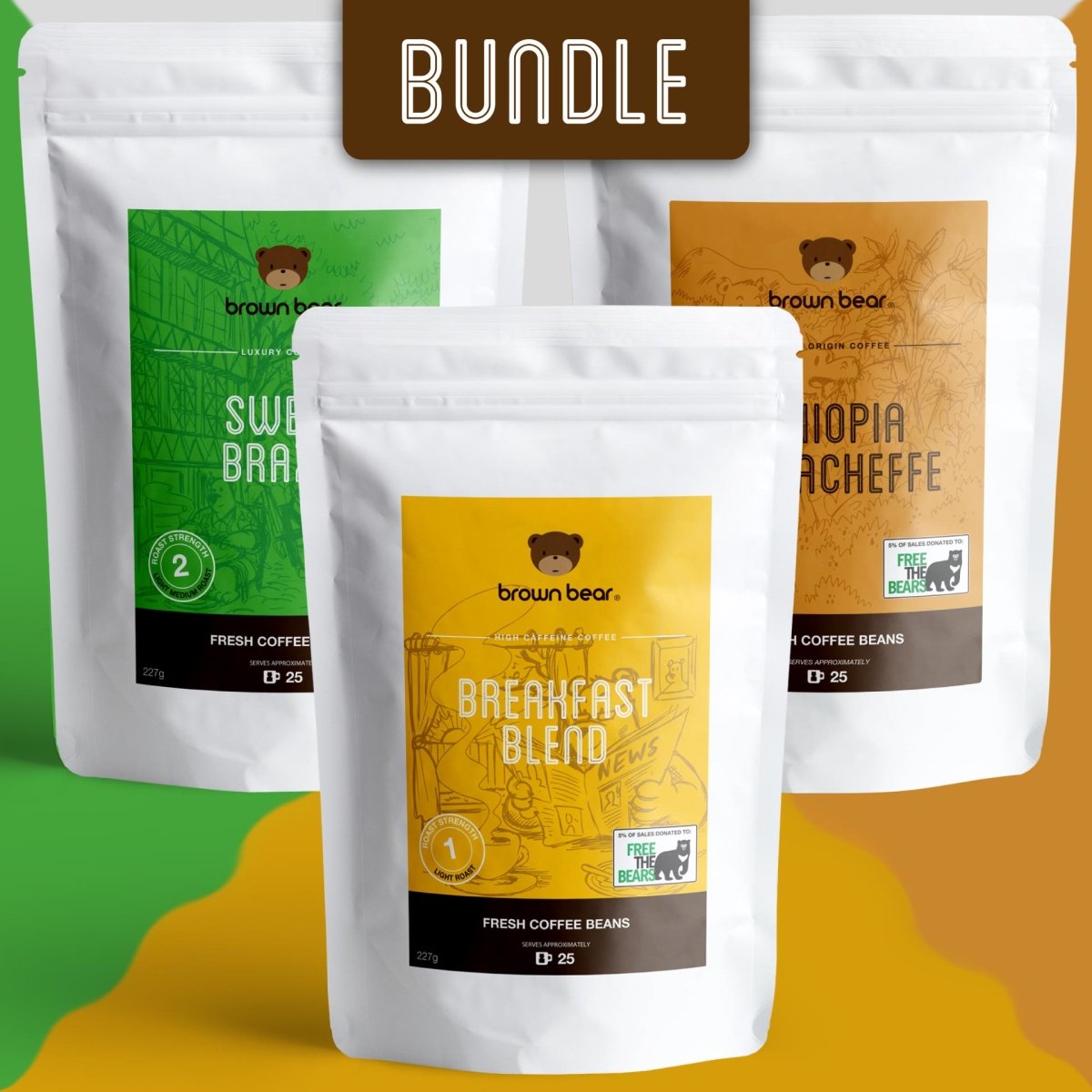
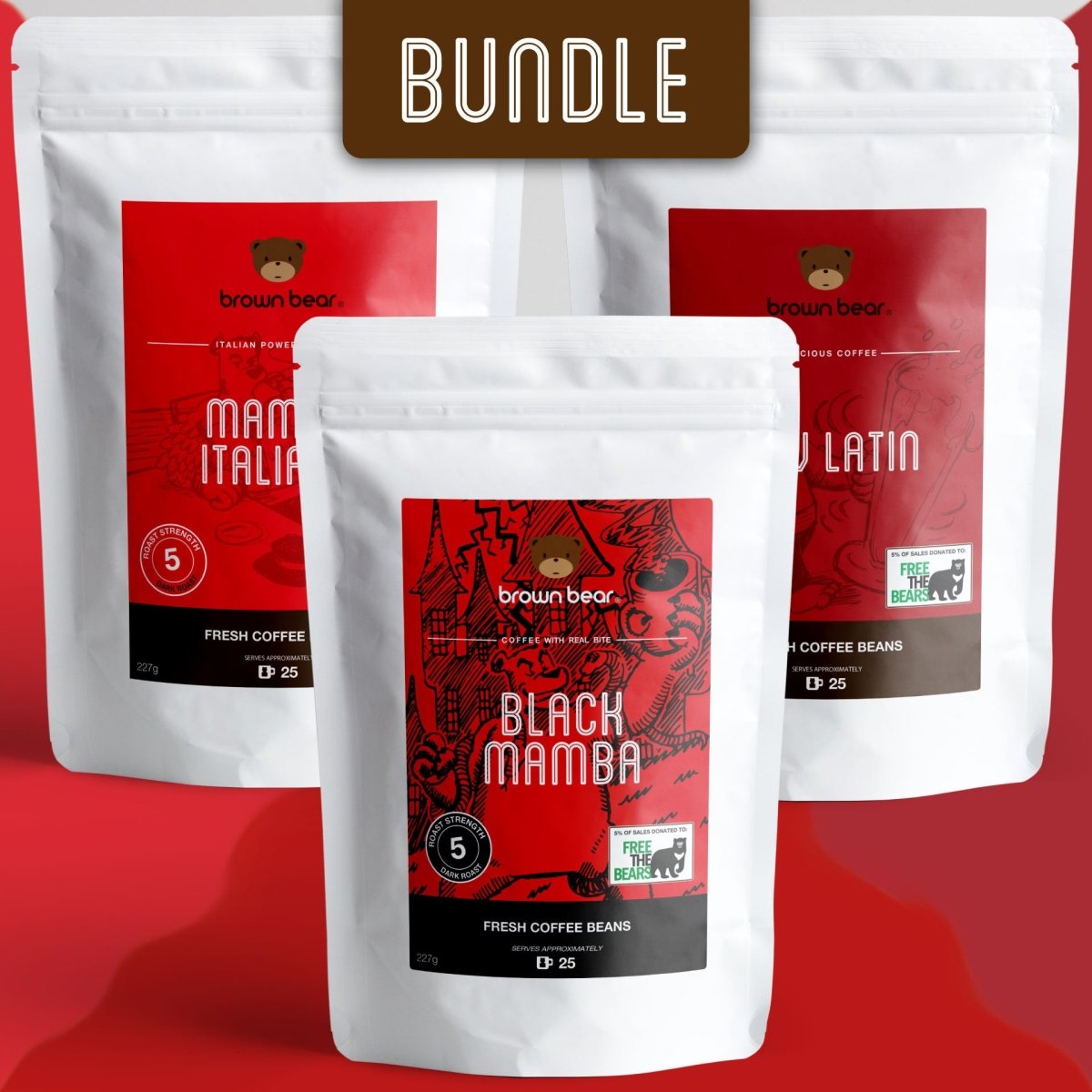
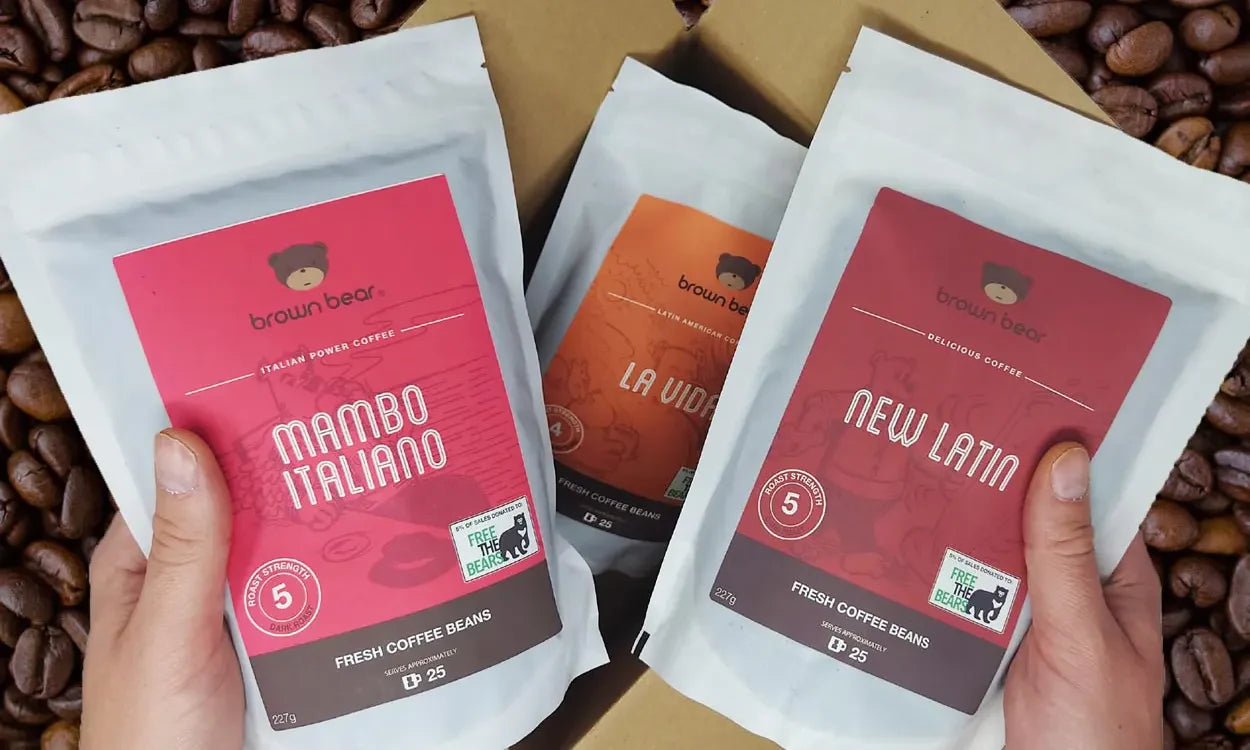







A bag of coffee can look expensive until you work out what it makes. A 250g bag often gives around 14 to 18 satisfying cups at home, depending on how you brew it. That puts coffee prices in a more useful context: not just the figure at checkout, but the flavour, freshness and everyday reliability you get from every brew.
The price difference between two bags is rarely random. It can reflect where the coffee was grown, how it was processed, the care taken in roasting and packing, and whether the people at the start of the supply chain were paid fairly. Here is what to look for when choosing coffee that feels worth buying again.
What shapes coffee prices?
Coffee starts as a fruit, grown in regions where the climate, altitude and rainfall are right. That alone makes supply vulnerable to changing weather. A difficult harvest in a major coffee-growing country can affect availability well beyond that season, while shipping costs, currency movements and demand also play a part.
But the green coffee market is only one piece of the picture. The coffee that arrives at your door has been sourced, transported, roasted, tested, packed and delivered. Each step affects both its final price and what is in your cup.
Origin and growing conditions
Coffee from one country is not automatically better than coffee from another. Kenya can bring bright, fruit-led character; Brazil is often known for chocolatey, nutty comfort; Colombia can be beautifully balanced. Within each origin, quality varies by farm, variety, altitude and harvest method.
Higher-altitude coffees often ripen more slowly, which can create denser beans and more developed flavour. Those conditions can also mean smaller yields and more labour. When a coffee has a clear origin and a recognisable flavour profile, you are paying for a more deliberate sourcing choice, not simply a name on the packet.
Picking, processing and sorting
Some coffee cherries are stripped from branches quickly, while others are selectively hand-picked when ripe. Selective picking takes more time, but it helps separate the best fruit from cherries that are under-ripe or over-ripe.
After picking, the fruit must be processed and dried with care. Washed, natural and honey processes can each create different flavours, from clean and crisp to fuller and fruitier. Beans are then graded and sorted, sometimes several times, before they are ready to travel. Better sorting means fewer defects in the roast, but it adds cost and attention along the way.
Roasting is more than making beans brown
A good roast should suit the bean, rather than cover it up. Light roasts can preserve delicate fruit and floral notes. Medium roasts tend to offer balance and easy versatility. Dark and ultra-dark roasts deliver fuller body and more powerful, deeper flavour.
Roasting requires skilled judgement, reliable equipment and regular quality checks. Coffee also loses its best character over time, so roasters need to manage production carefully instead of making huge batches that sit around. Freshly roasted coffee in a properly sealed bag is a different proposition from coffee made for a long shelf life.
Packaging and format matter
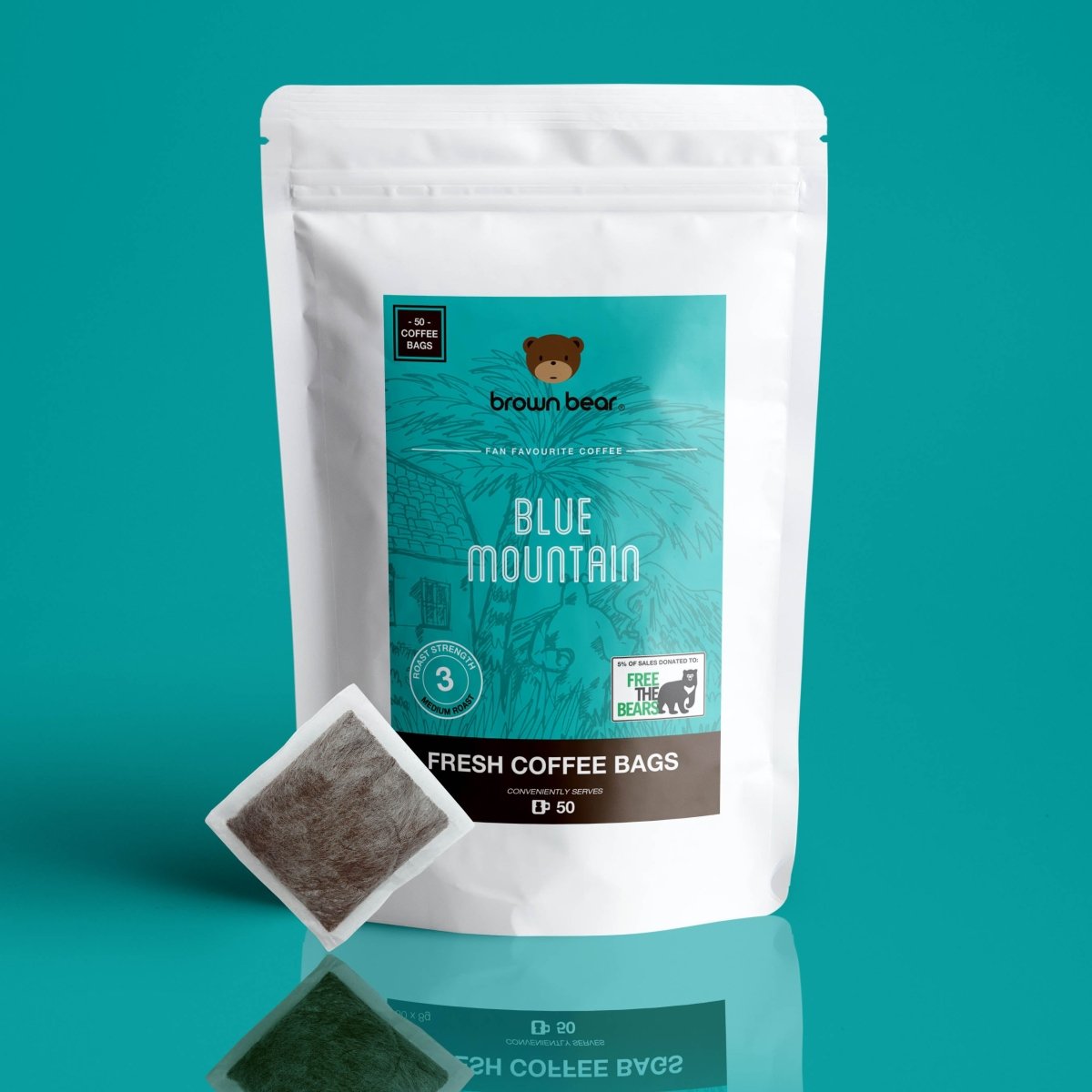
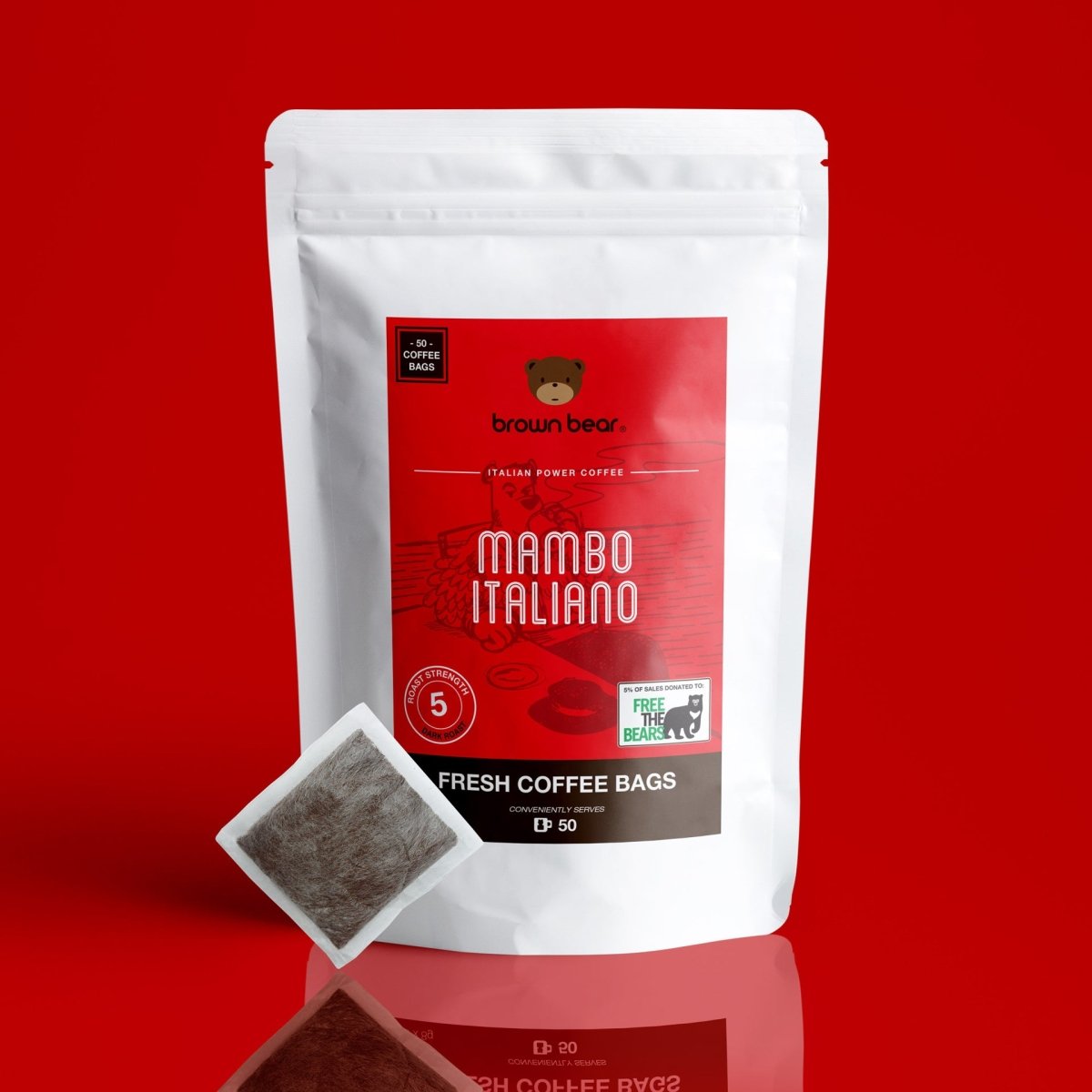
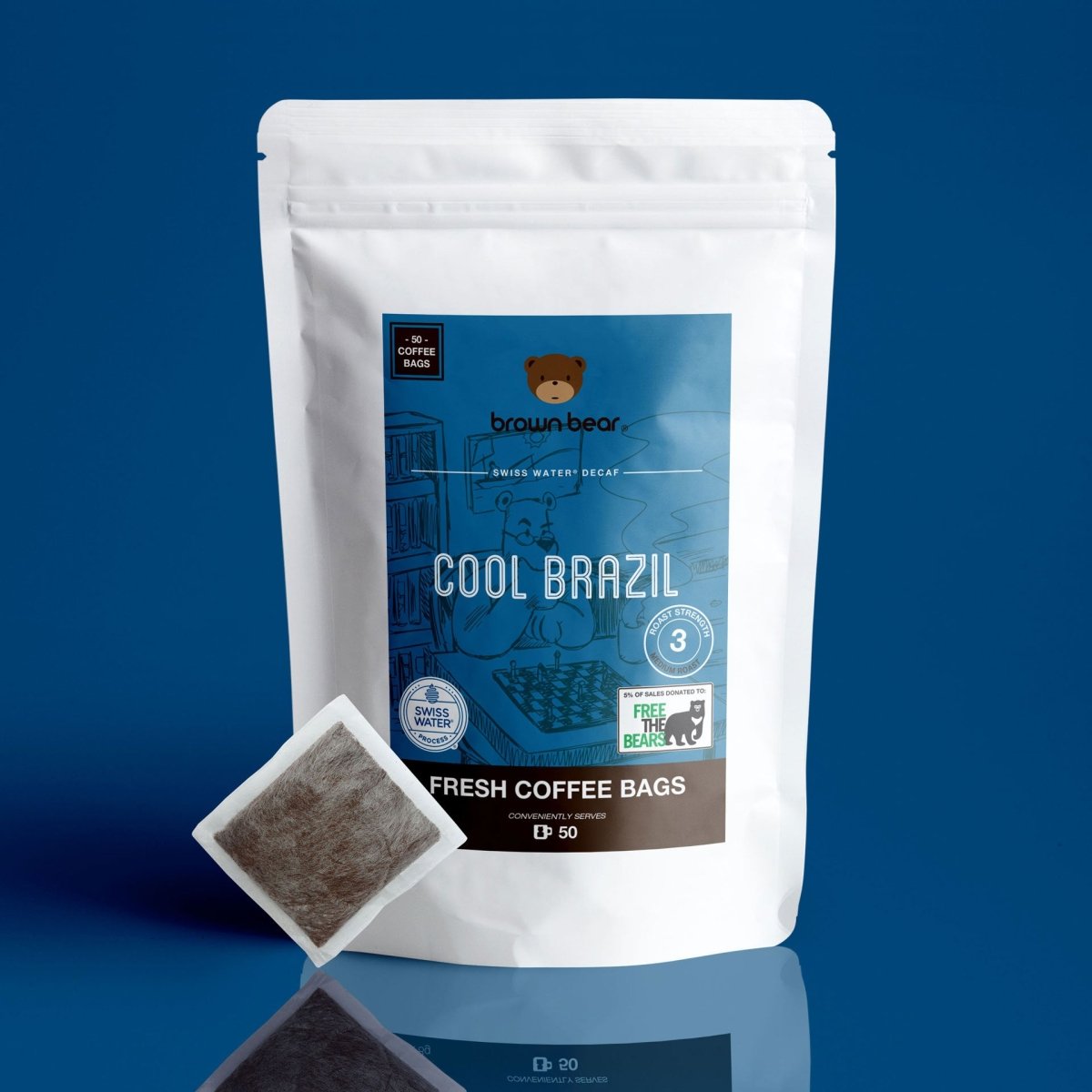
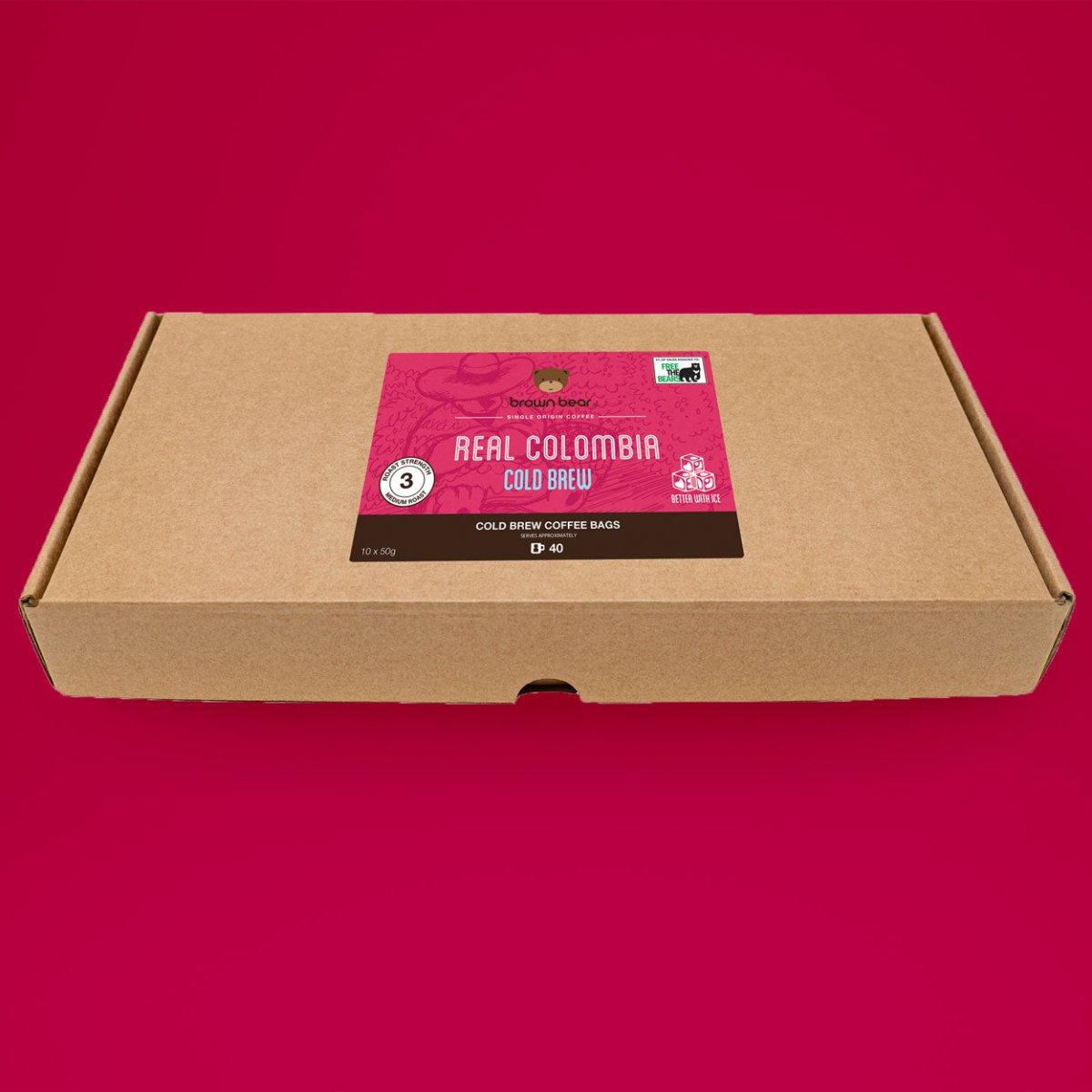
Whole beans usually offer the best freshness window because grinding exposes more surface area to air. Ground coffee is brilliantly convenient, especially when it matches your usual brew method, but it needs thoughtful packing to stay enjoyable. Coffee bags provide an even easier route to a proper brew without equipment, while cold brew products bring a different level of preparation and convenience.
These formats do not have identical costs. Portioning coffee into individual bags, creating gift-ready sets or preparing cold brew all involve extra materials and handling. The right question is not which format is cheapest per gram. It is which format you will genuinely use, enjoy and avoid wasting.
Why cheap coffee is not always better value
A low shelf price can be useful when you need a quick top-up, but it may come with trade-offs. The coffee may have been roasted long ago, blended without much transparency or packed in a way that does little to protect freshness. None of that guarantees a bad cup, but it can make the result less consistent.
At the other end, the highest-priced bag is not automatically your best choice either. A delicate, limited-release single origin may be wonderful as a weekend filter coffee, yet not what you want for a strong weekday cafetiere with milk. Value depends on your routine.
For most homes, better value means coffee with a flavour you look forward to, a roast that works with your equipment and a price you can comfortably repeat. If you regularly throw away stale grounds or order emergency coffee from the supermarket, a slightly better-planned purchase can cost less over the month.
Compare coffee by cup, not just by bag
Comparing price per cup gives you a clearer view. Start with the amount of coffee you use. For a cafetiere or filter, many people use roughly 15g per mug, though you can make it stronger or lighter to taste. Espresso uses less coffee by weight per drink, but a double shot can still use around 18g.
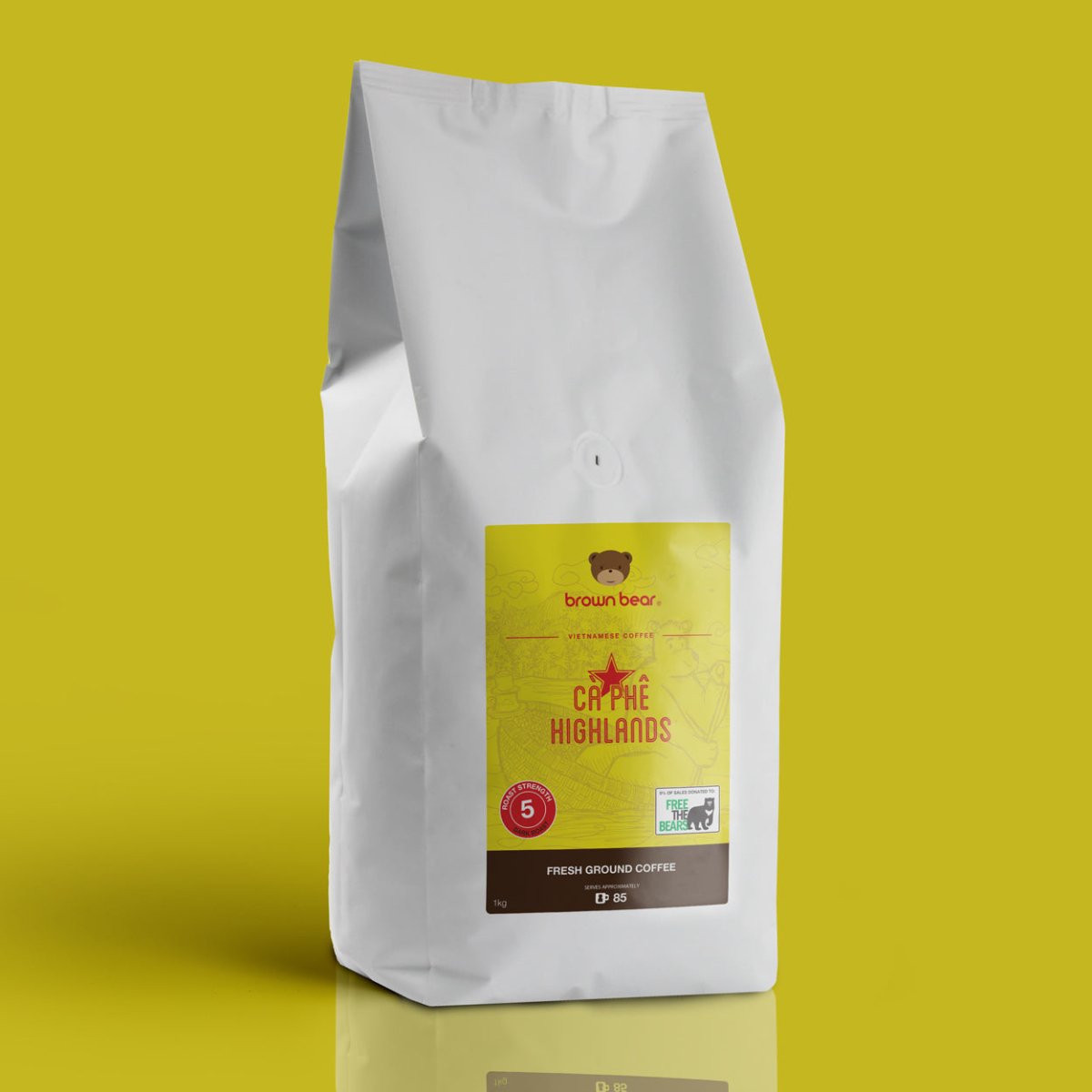
A 250g bag therefore makes about 16 mugs at 15g each. If a bag costs £10, that is roughly 63p per home-brewed mug before milk. A 1kg bag can reduce the price per cup further, provided you can use it while it is fresh or store it well in an airtight container away from heat and light.
This is where buying habits matter. Whole beans are a sensible choice for households that own a grinder and drink coffee daily. Ground coffee makes more sense if it removes a step you would otherwise skip. Coffee bags can be excellent for the office, travel or anyone who wants an easy brew without a cafetiere. There is no prize for buying the format that looks most serious if it does not fit your morning.
How to get more from your coffee budget
Start with the roast and strength you actually enjoy. If you prefer bold coffee with milk, a dark or ultra-dark roast is usually a more dependable choice than a light roast chosen purely because it sounds premium. If you drink black coffee and enjoy brighter flavours, an origin-led light or medium roast may be worth the extra attention.
Then buy an amount that suits your pace. Larger bags often offer better value per gram, but only if they will not linger in the cupboard for months. A regular drinker may get through a 1kg bag comfortably. A household that only brews at weekends may be better off choosing smaller bags more often.
A flexible subscription can also help make coffee prices more predictable. It is useful when you already know what you like and want to avoid running out, but it should let you change the coffee, frequency or quantity as your routine changes. The best subscription is one you barely have to think about, not one that leaves you with a cupboard full of unopened bags.
Finally, make the brew count. Use freshly drawn water, measure your coffee rather than guessing, and clean your equipment regularly. A few small habits can improve flavour more than moving to a pricier bag. If your coffee tastes weak, dull or bitter, check the grind, amount and brew time before writing off the beans.
Paying for coffee with a clearer conscience
Ethical sourcing can influence the price of coffee, and rightly so. Growing coffee is skilled agricultural work, often carried out in places facing climate pressure and unpredictable income. More responsible buying supports a supply chain that has room for quality, long-term relationships and better farming practices.
That does not mean every shopper needs to memorise processing terms or turn breakfast into homework. Look for a retailer that is open about origins, takes quality seriously and makes it easy to choose a coffee you will enjoy. Brown Bear also directs part of its work towards charitable giving, so a daily coffee can support more than the first cup of the morning.
The best coffee purchase is usually not the cheapest bag or the fanciest one. It is the coffee that tastes right for you, arrives when you need it and makes every ordinary morning feel a little more considered.

