



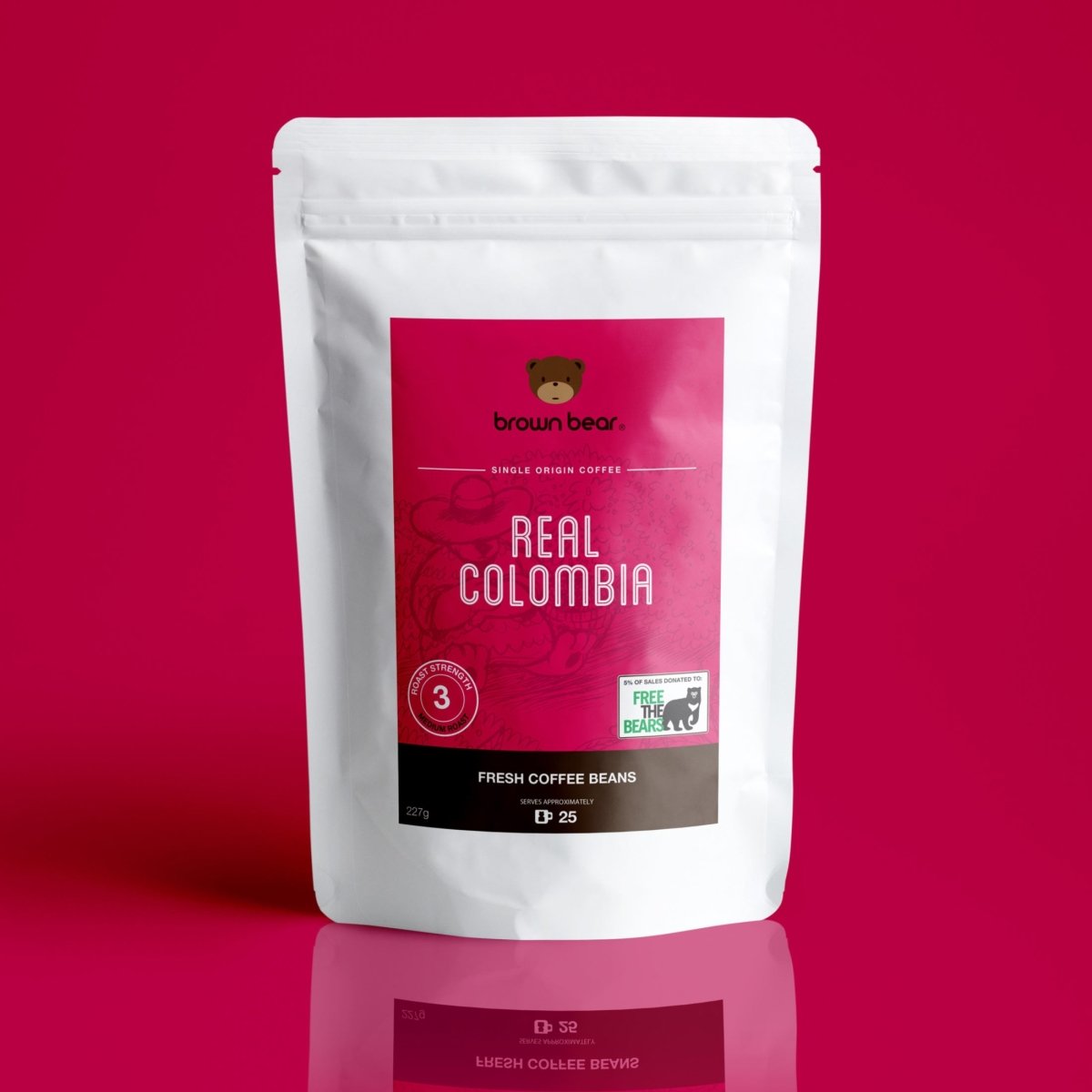














If your usual coffee feels a bit flat, a good Colombian coffee beans review is often the quickest way to work out whether this origin is the upgrade you want. Colombian beans have a strong reputation for being smooth, balanced and easy to enjoy, but that only tells half the story. Some are bright and fruit-led, some lean chocolatey and rich, and some sit right in the middle as the sort of coffee you can happily drink every morning without overthinking it.
That last point matters. Most people are not looking for a coffee they need to decode before breakfast. They want something reliable, flavourful and simple to brew at home. Colombian coffee tends to do that very well, which is why it remains one of the most popular origin choices for everyday drinkers as well as keen home brewers.
Why Colombian coffee is so consistently popular
Colombia has the kind of conditions coffee loves: high altitude, rich soils and a climate that allows for careful cultivation across different regions. That gives producers room to create coffees with real character, while still keeping the cup profile approachable.
In practical terms, Colombian coffee often lands in a very comfortable middle ground. It is usually less wild than some fruit-forward African coffees, but more lively than coffees that focus purely on deep roast notes. You often get sweetness, a rounded body and enough acidity to keep the cup tasting fresh rather than heavy.
That balance is a big reason these beans suit so many homes. If one person in the house likes coffee black and another wants milk with it, Colombian beans can please both. If you switch between cafetiere during the week and espresso at the weekend, they are often flexible enough to handle both.
Colombian coffee beans review: what the flavour is really like
The short version is that Colombian coffee usually tastes balanced. The more useful version is that it depends on region, roast and processing.
At a medium roast, many Colombian beans show notes of caramel, milk chocolate, red apple, citrus and nuts. The sweetness is often the first thing people notice. It is not sugary in an obvious way, but it gives the cup a softer, more complete feel. That makes the coffee easy to drink and easy to come back to.
Lighter roasts can bring out more fruit and acidity. You may notice orange, berries or a crisp apple-like brightness. These coffees can be excellent if you enjoy filter brewing and want more definition in the cup. They are not always the best fit for someone who wants a punchier, darker, more traditional coffee flavour.
Darker roasts take Colombian beans in another direction. The fruit softens, the body gets heavier, and chocolate, toffee and roasted nut notes come forward. This can work especially well for espresso and milk-based drinks, where you want the coffee to stay present rather than disappear behind the milk.
So, is Colombian coffee mild? Sometimes. Is it rich? Also sometimes. That is why origin alone is only part of the story. Roast level is just as important.
What to look for when buying Colombian beans
A useful Colombian coffee beans review should help you buy better, not just describe flavours. The first thing to check is roast profile. If you want an all-rounder for everyday use, medium roast is usually the safest choice. It keeps the origin character while staying smooth and familiar.
If you mainly brew espresso or drink flat whites and cappuccinos, a medium-dark or dark roast Colombian coffee may suit you better. You will usually get more body, lower perceived acidity and a stronger flavour through milk.
If you brew pour-over, AeroPress or batch filter and enjoy a cleaner, brighter cup, look for a lighter roast. You are more likely to taste the fruit and floral details that can make Colombian coffee really interesting.
Freshness matters too. Whole beans give you more control and keep flavour longer, provided you have a grinder at home. Ground coffee is more convenient and can still taste excellent if you buy from a roaster with good turnover. For many households, convenience wins, and that is perfectly reasonable. Better coffee that fits your routine beats ideal coffee that becomes a faff.
Best brew methods for Colombian coffee beans
One of the strengths of Colombian coffee is how adaptable it is. It performs well across several brew methods, which makes it a strong choice if your coffee routine changes from day to day.
For cafetiere, Colombian beans often produce a rounded, satisfying cup with plenty of body. Chocolate and nut notes come through clearly, and the coffee stays friendly rather than sharp. This is a good route if you want a comforting mug first thing.
For filter coffee, especially V60 or batch brew, lighter and medium roasts can show more detail. You may pick up citrus, stone fruit or a gentle floral edge. This is where Colombian coffee can feel more lively and layered, while still staying easy to enjoy.
For espresso, medium to dark roasts tend to be the safer bet. They deliver sweetness, body and enough intensity to work well on their own or with milk. A lighter roast can make an excellent espresso too, but it is less forgiving. If your grinder or dial-in is not quite right, the shot may come across as too sharp.
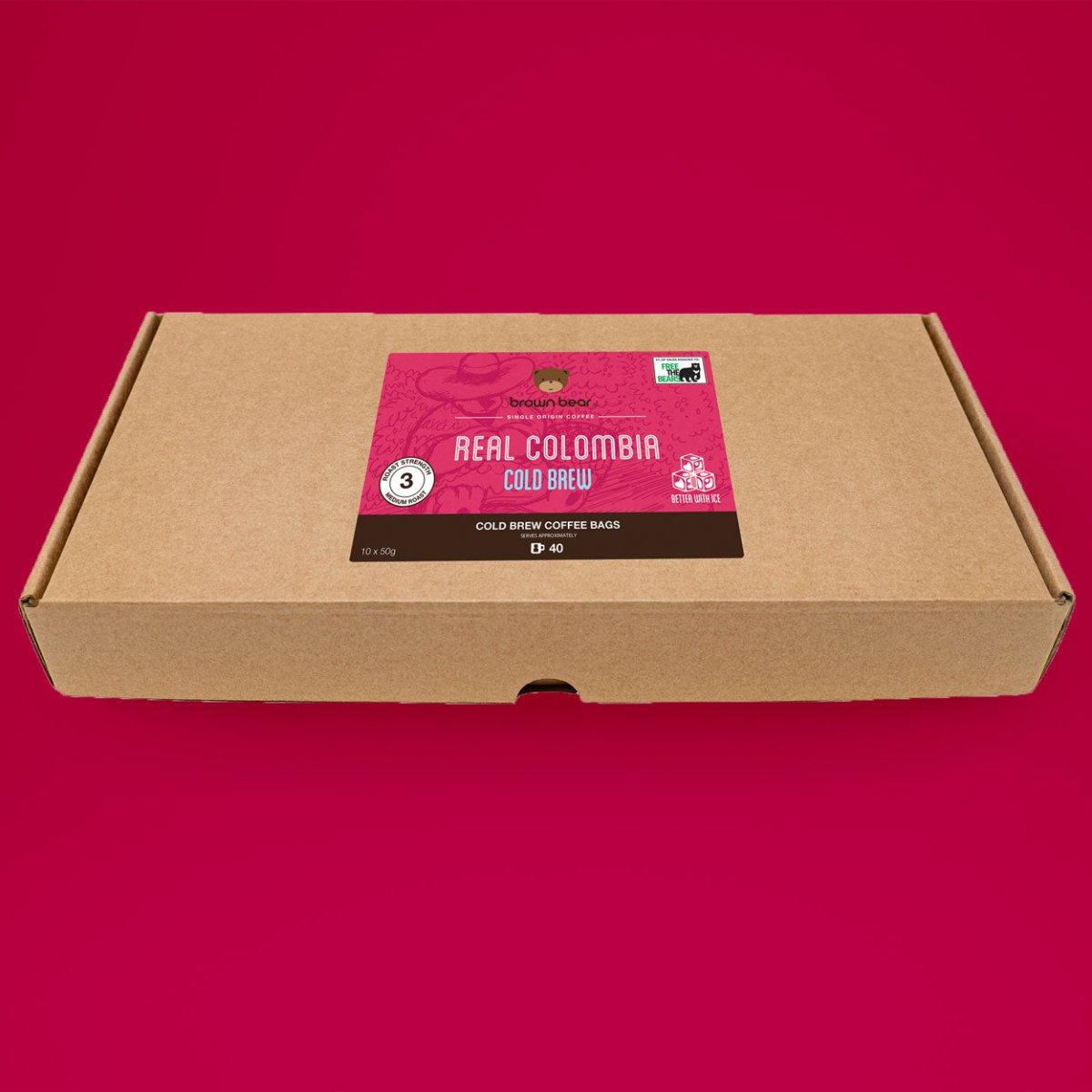
For cold brew, Colombian coffee can be a very good choice because the natural sweetness and chocolate notes often come through beautifully. The result is smooth, mellow and crowd-pleasing.
Where Colombian coffee shines - and where it may not
The biggest strength of Colombian coffee is versatility. It suits people who want dependable flavour without a lot of trial and error. It also works well if you are buying for a household, a gift, or a subscription where consistency matters. There is enough personality to keep things interesting, but not so much that it becomes divisive.
Another advantage is value. Because Colombian coffee is so widely loved and produced at scale, you can often find excellent quality without stepping into luxury-price territory. That does not mean every bag is a bargain, but it does mean there is often a sweet spot where quality and everyday affordability meet.
The trade-off is that if you are chasing very unusual flavours, Colombia may not always be your first stop. Some drinkers want intense florals, punchy tropical fruit or highly experimental processing. Colombian coffee can certainly offer standout lots, but many coffees from this origin are designed to be balanced rather than extreme.
That is not a weakness. It just depends what you want in the cup.
Who should buy Colombian coffee beans?
If you are moving on from supermarket coffee and want a safer first step into better beans, Colombian coffee makes a lot of sense. It is approachable without being boring. If you already know you like smooth, chocolatey, caramel-led coffees, it is an easy yes.
It is also a smart choice for people who do not want to keep multiple bags at home. A well-roasted Colombian coffee can often cover black coffee in the morning, milk drinks in the afternoon and weekend filter brews without feeling out of place.
Gift buyers should keep it on their shortlist too. Origin-led coffee can sometimes feel risky if you do not know the recipient’s exact preferences. Colombian coffee is one of the safer bets because it tends to land well with a broad range of drinkers.
Final verdict on Colombian coffee beans
A fair Colombian coffee beans review comes down to this: these beans are popular for good reason. They offer balance, sweetness and flexibility, and they suit real life brewing rather than only ideal café conditions. The best examples bring enough brightness to stay lively, enough body to feel satisfying and enough familiarity to become a genuine daily favourite.
If you want a coffee that is easy to choose, easy to brew and easy to enjoy, Colombian beans are hard to fault. And if you find the right roast for your taste, they are the kind of coffee that can quietly make every morning better without asking for much in return.

